
- Pair14
- Reports2


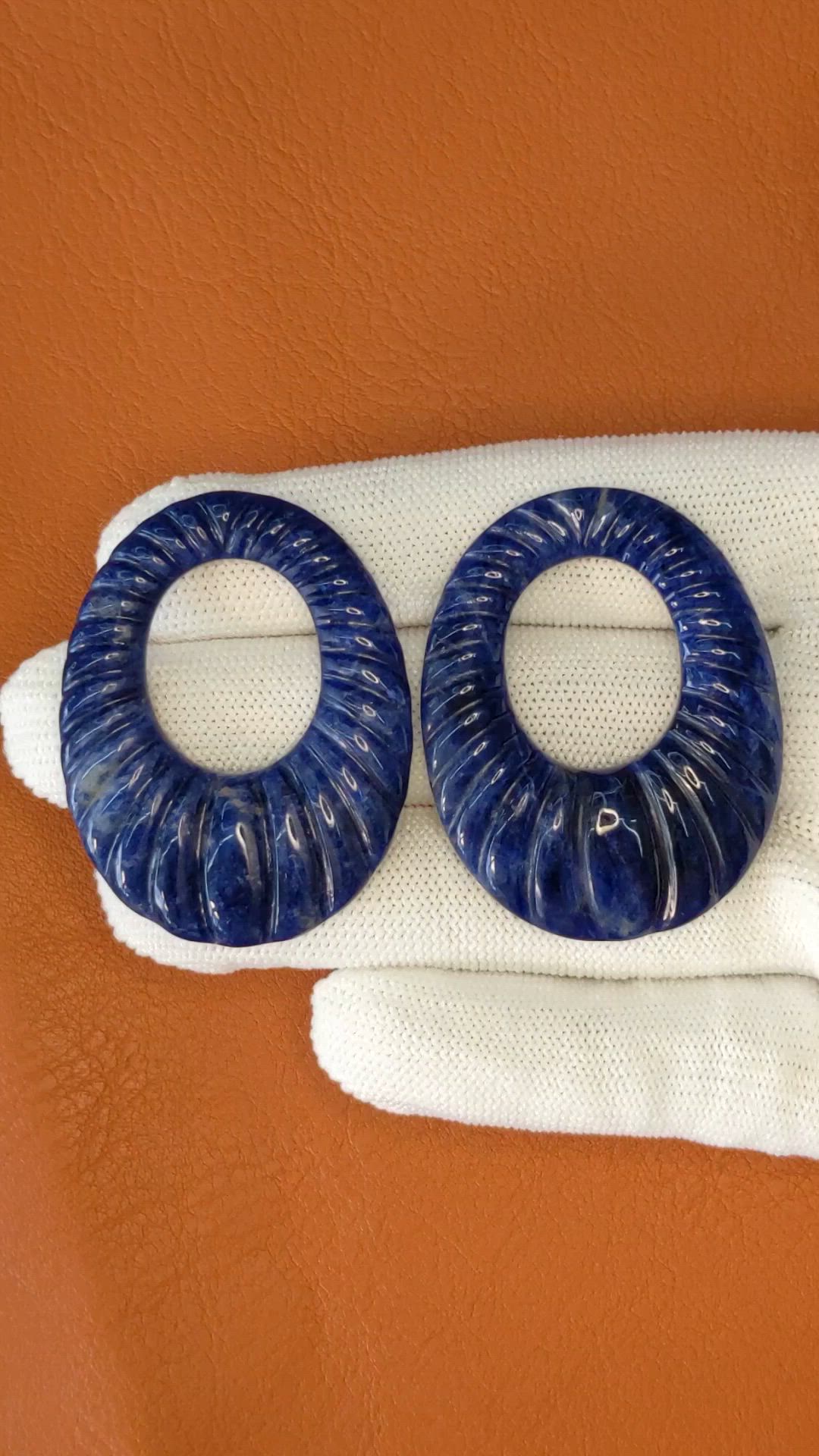
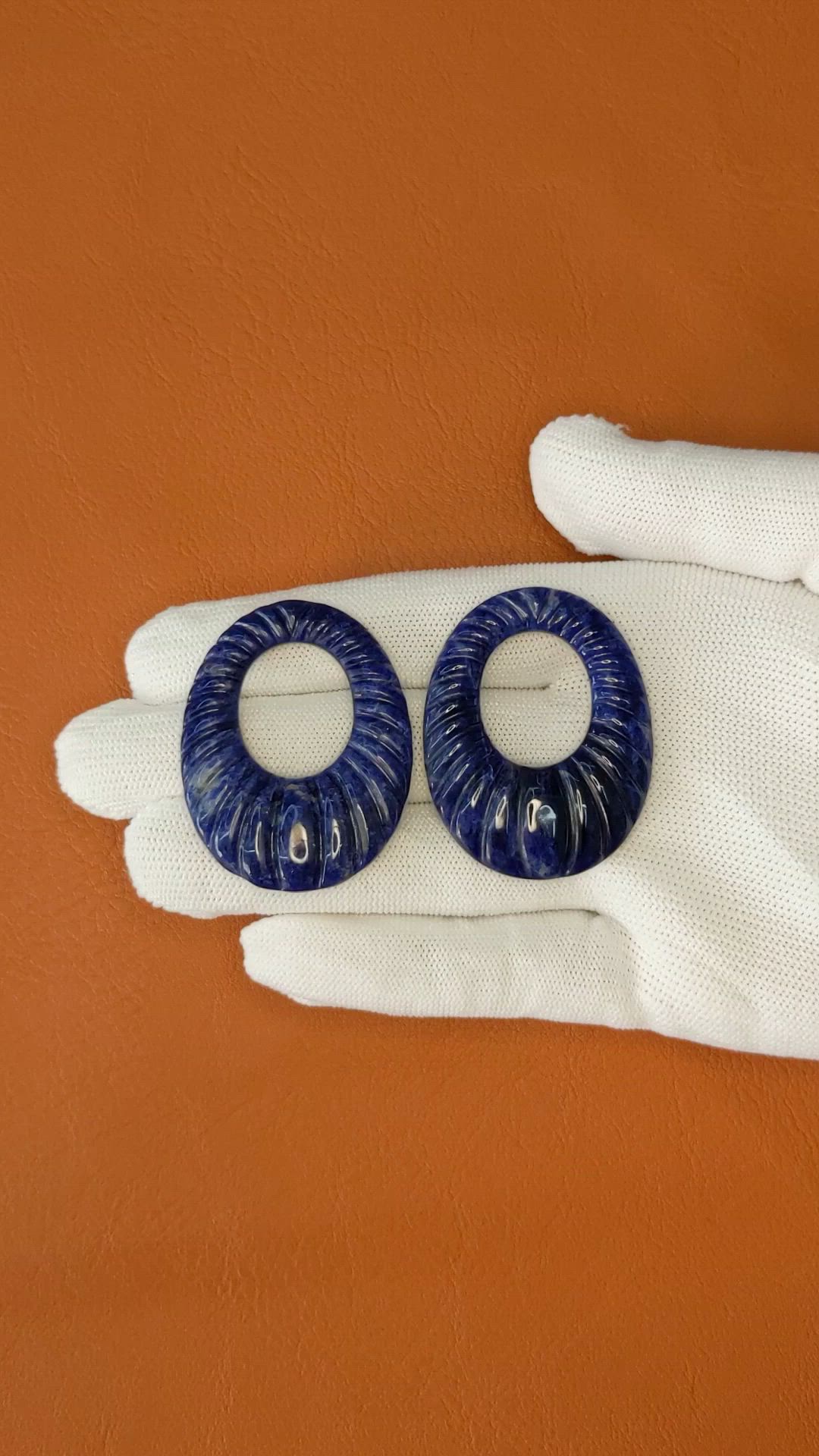
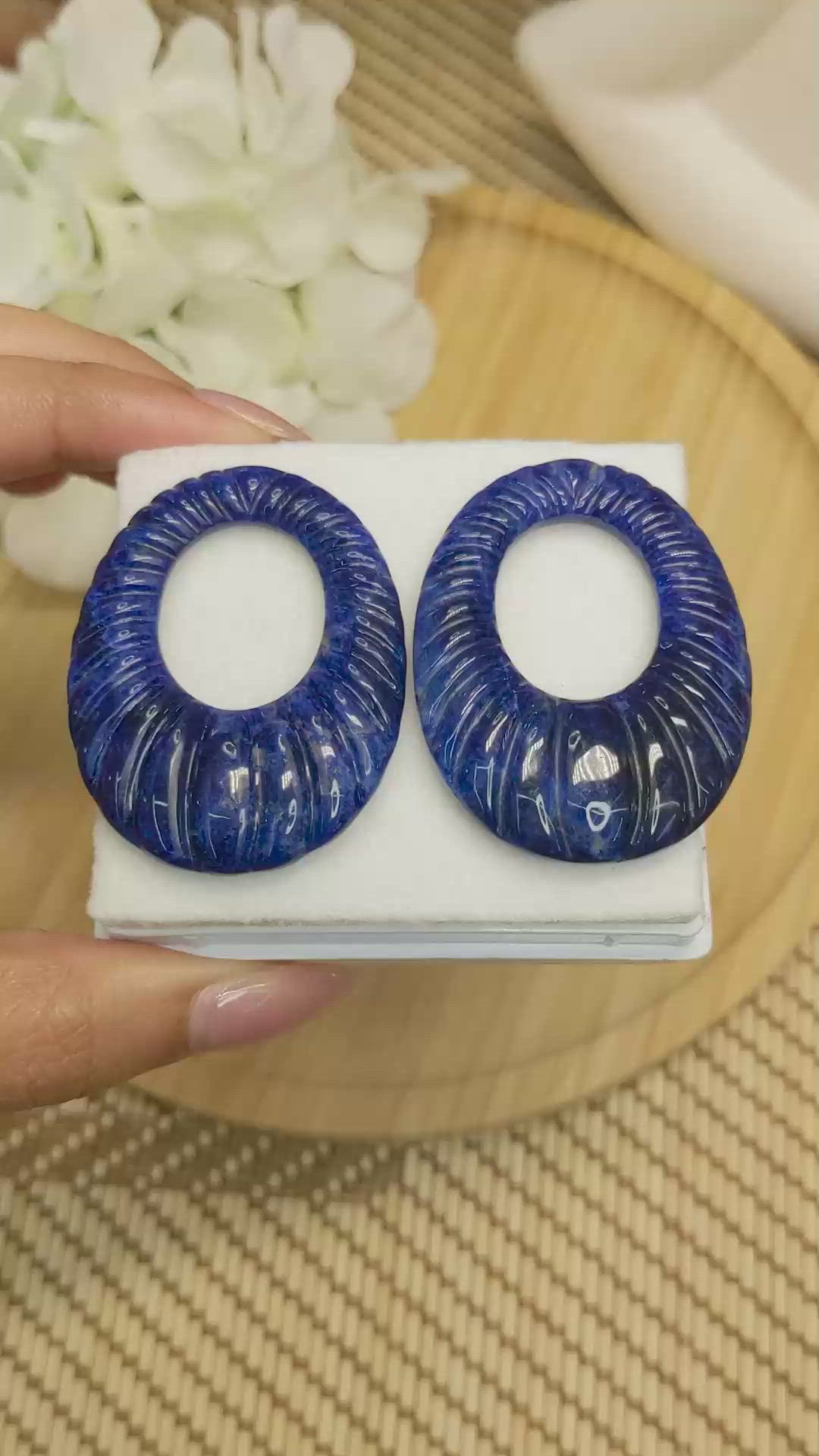
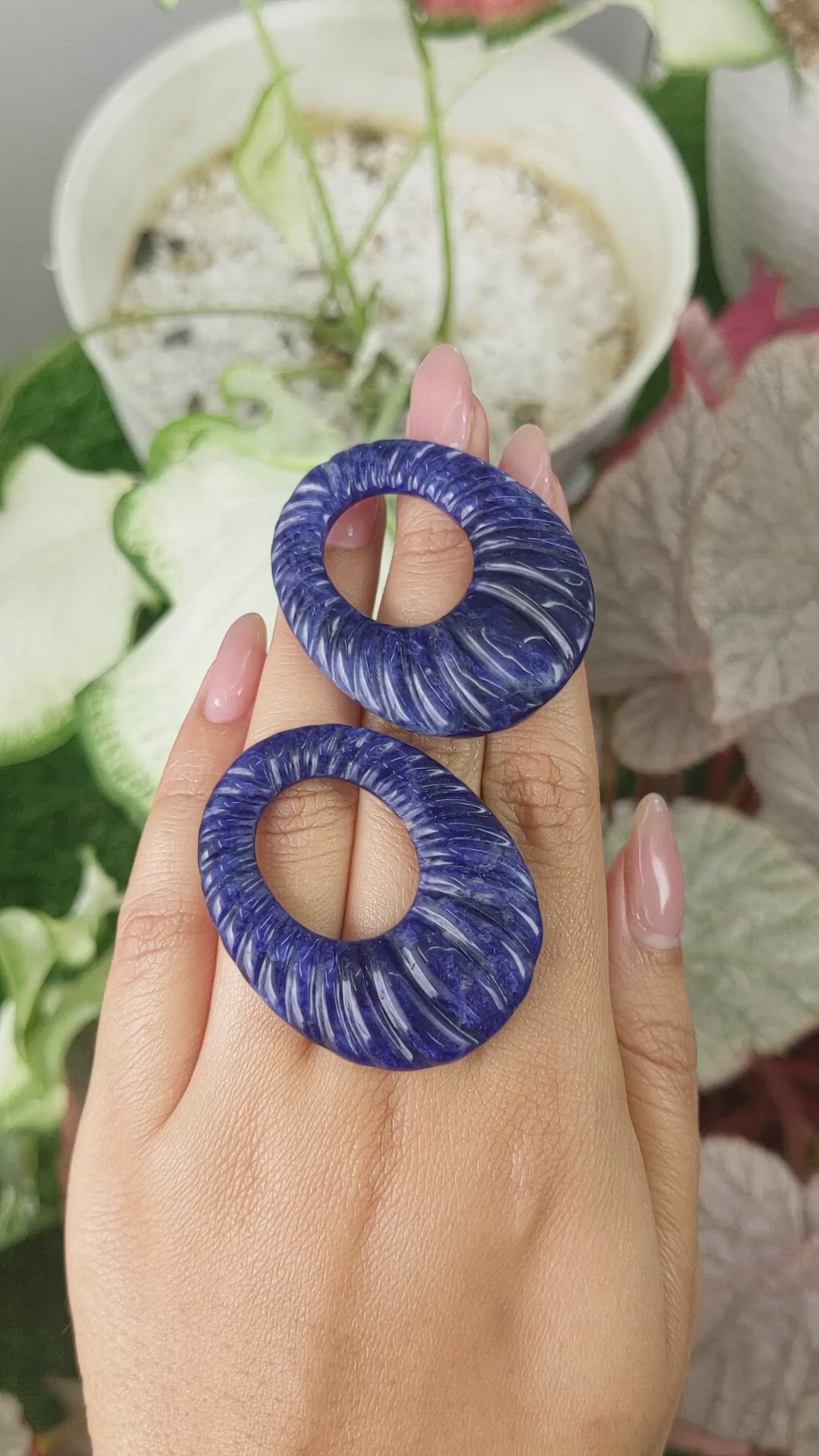
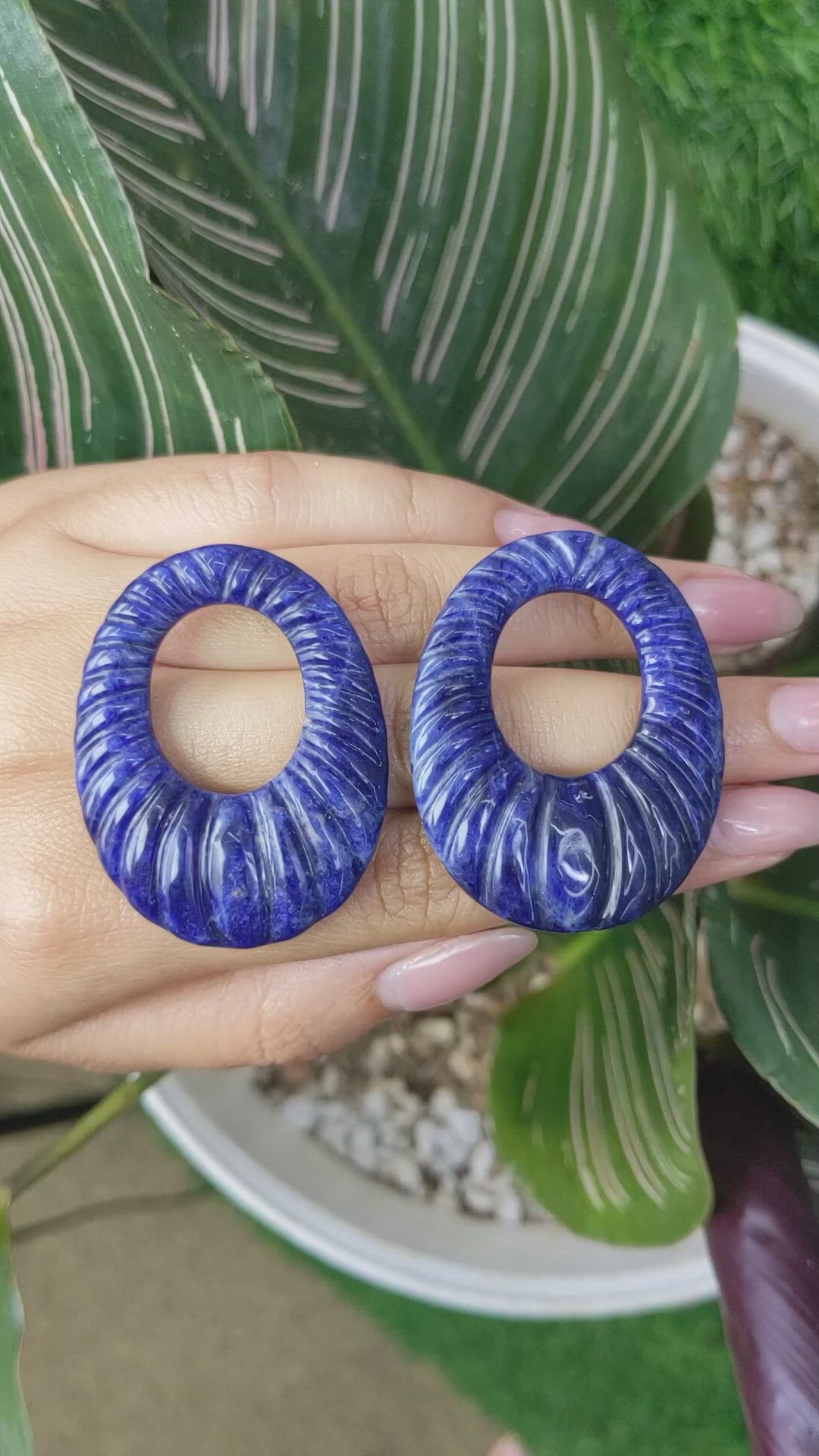
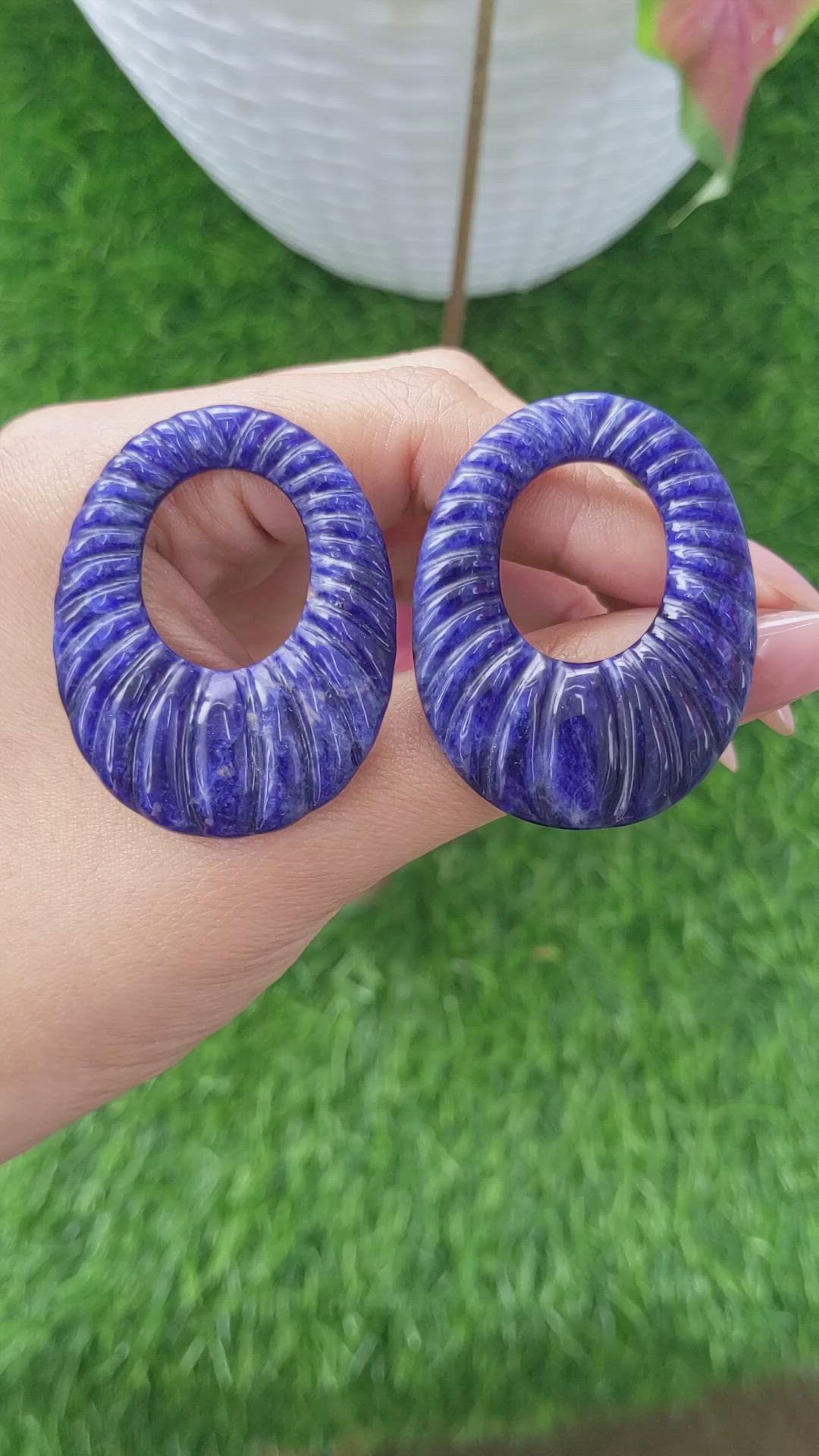


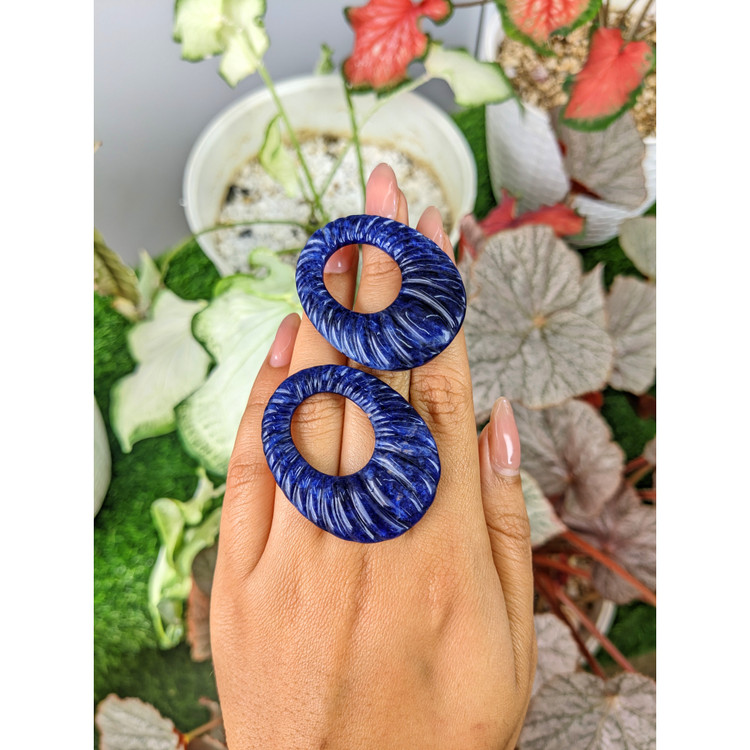


105.16 Ct.Tw.Total Carat Weight Lapis Pair from Afghanistan
This pair of stones is available to ship now
Stone type: | Lapis | Lapis |
|---|---|---|
Item ID: | PR14604 | PR14604 |
Dimensions (MM): help | Length: 45.24 Width: 35.43 Height: 7.28 | Length: 45.19 Width: 35.43 Height: 7.46 |
Weight: | 49.45 Ct. | 55.71 Ct. |
Color: help | Blue | Blue |
Color intensity: help | N/A | N/A |
Clarity: help | Not Applicable | Not Applicable |
Shape: help | Fancy | Fancy |
Cut: | Carving | Carving |
Cutting style: | Carving | Carving |
Enhancements: help | No Enhancement | No Enhancement |
Origin: help | Afghanistan | Afghanistan |
Per carat price: help | $20 | $20 |
This extraordinary matched pair of opaque blue lapiss commands attention both for its scale and its authenticity, presenting a rare opportunity for collectors and connoisseurs of historic gemstones. The two stones weigh 49.45 carats and 55.71 carats respectively, each fashioned into a refined fancy shape that accentuates the deep celestial blue characteristic of fine lapiss, known in antiquity as lapis lazuli. The dimensions are substantial, 45.24 x 35.43 x 7.28 mm for the first stone, and 45.19 x 35.43 x 7.46 mm for the second, making them ideally suited to statement jewelry, paired pendants, or museum quality settings. Both pieces have been executed in a carving cut, a traditional cutting style that celebrates form and surface relief rather than crystalline transparency, and both exhibit an excellent polish that brings forward their innate vibrancy. Importantly these lapiss are untreated, no enhancement, reflecting their natural state and preserving the materiality that has been prized since antiquity. Their origin is Afghanistan, a provenance synonymous with the finest lapis sources, and a provenance that carries with it centuries of cultural significance and rarity.
To appreciate these stones fully is to acknowledge the long lineage of lapiss in human history, a lineage that places this pair within a continuum of art, devotion, and royal display. Afghan lapis from the Sar-e-Sang region supplied pigments for ancient frescoes, inlays for pharaonic funerary objects, and precious ornament for imperial courts. The carving cut that shapes these stones echoes those very traditions, where artisans translated the depth of the stone into symbolic forms and tactile memories. The opaque, saturated blue sits outside the passing fashions of faceted brilliance, appealing instead to those who value legacy, tactile beauty, and objects that speak across generations. Because these stones are large, matched, and untreated, they are particularly suited to becoming heirloom pieces that can be reset, displayed, or conserved as autonomous works of art. Their substantial dimensions and matched nature also permit design possibilities that respect historical motifs, from classical cameos to contemporary sculptural mounts, preserving the sense of continuity with past craftsmanship.
From an investment perspective these lapiss represent a compelling proposition grounded in scarcity, provenance, and intrinsic appeal. Large, untreated, carved lapis of Afghan origin are uncommon in the market, and matched pairs of this quality are rarer still. The global collectors market has shown a growing preference for natural, untreated gemstones with verifiable provenance, as buyers increasingly prize authenticity over laboratory modifications. Political and logistical pressures on traditional mining regions make supply more constrained, and that constraint translates into stronger potential for appreciation in quality material over the medium to long term. Museum acquisitions, private collectors, and high end jewelers have demonstrated a willingness to pay premiums for stones that carry historic resonance and exceptional aesthetic presence. While past performance does not guarantee future returns, well documented gemstones that combine rarity, excellent finish, and clear origin historically outperform more common materials. For investors who wish to augment the financial prospects, recommendations include securing independent documentation and photography, insuring the stones, and considering bespoke settings or certification that further establish provenance and condition. The liquidity of such pieces is highest through specialist auctions, reputable dealers, and private sales networks that value provenance and uniqueness.
Owning this pair is more than an acquisition, it is an invitation to participate in a centuries old story of art and value, curated by a trusted source. The Natural Gemstone Company stands behind these lapiss with an assurance of authenticity, and with guidance for collectors on best practices for care, documentation, and possible paths to market when the time to sell is right. For those drawn to objects with a lineage and a promise of enduring appeal, these stones offer both the immediate pleasure of masterful material and the prudent potential for future appreciation, making them a meaningful addition to a serious collection.


