
- Pair10
- Reports4
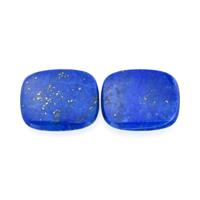




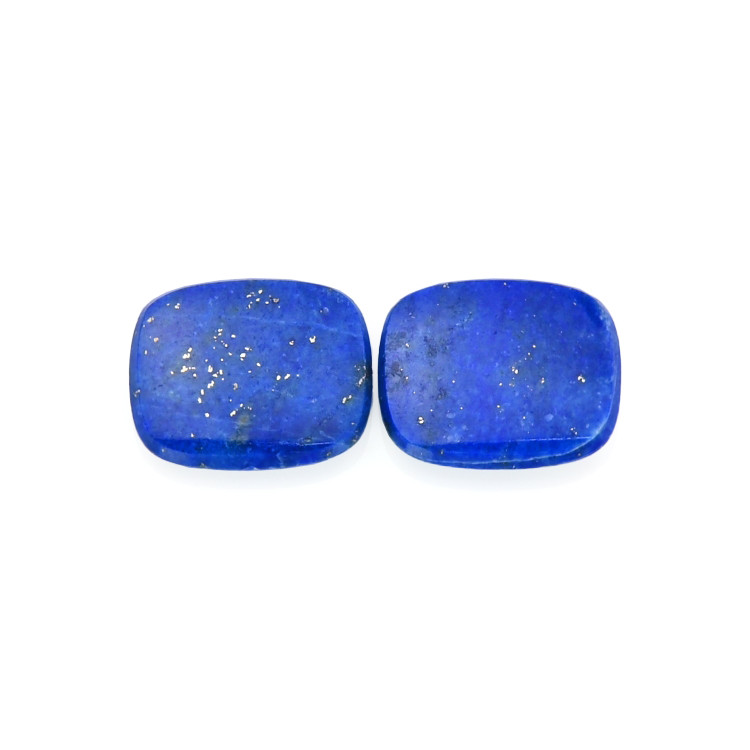



7.11 Ct.Tw.Total Carat Weight Lapis Pair from Afghanistan
This pair of stones is available to ship now
Stone type: | Lapis | Lapis |
|---|---|---|
Item ID: | PR6633 | PR6633 |
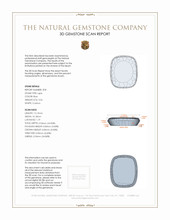
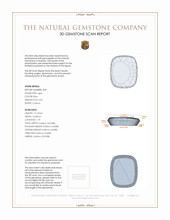
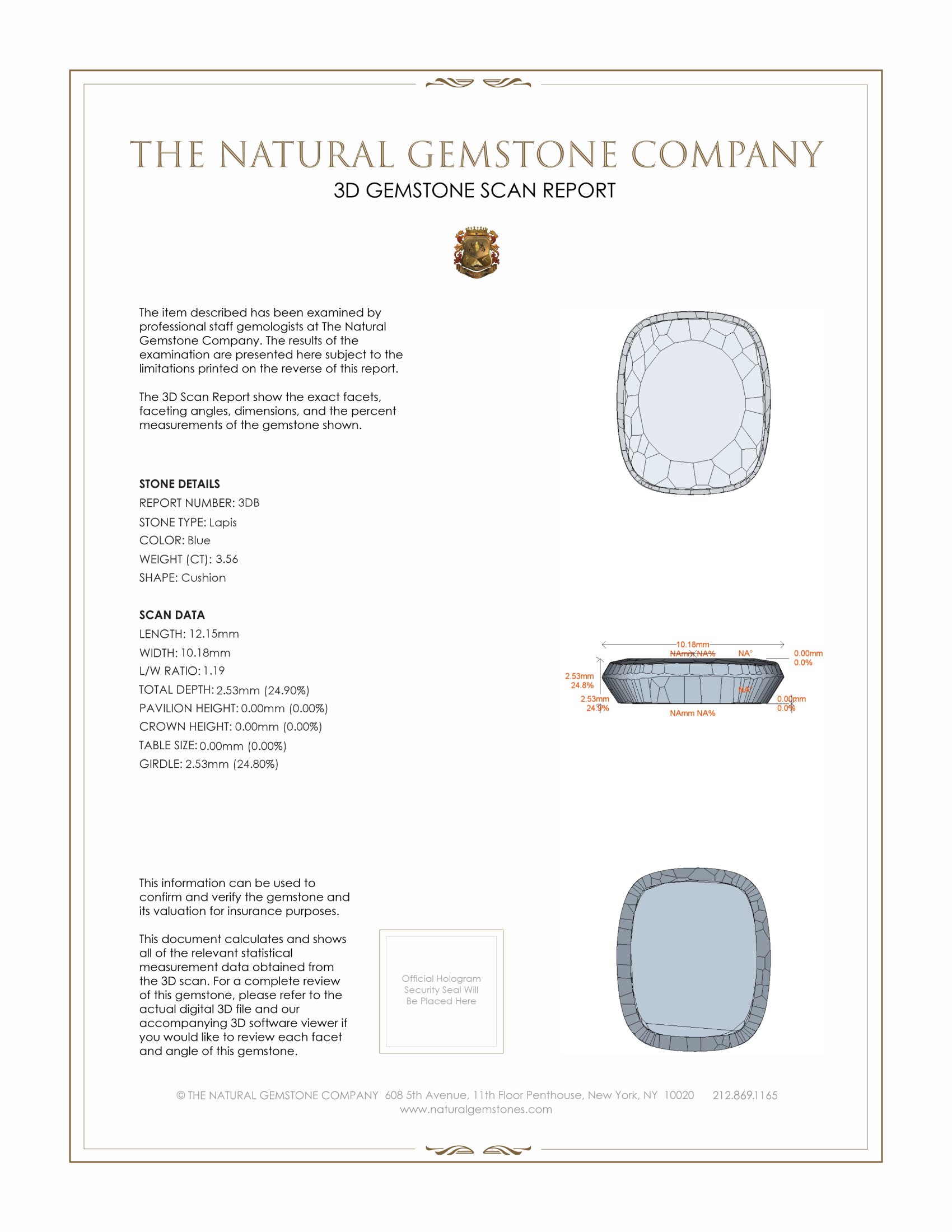
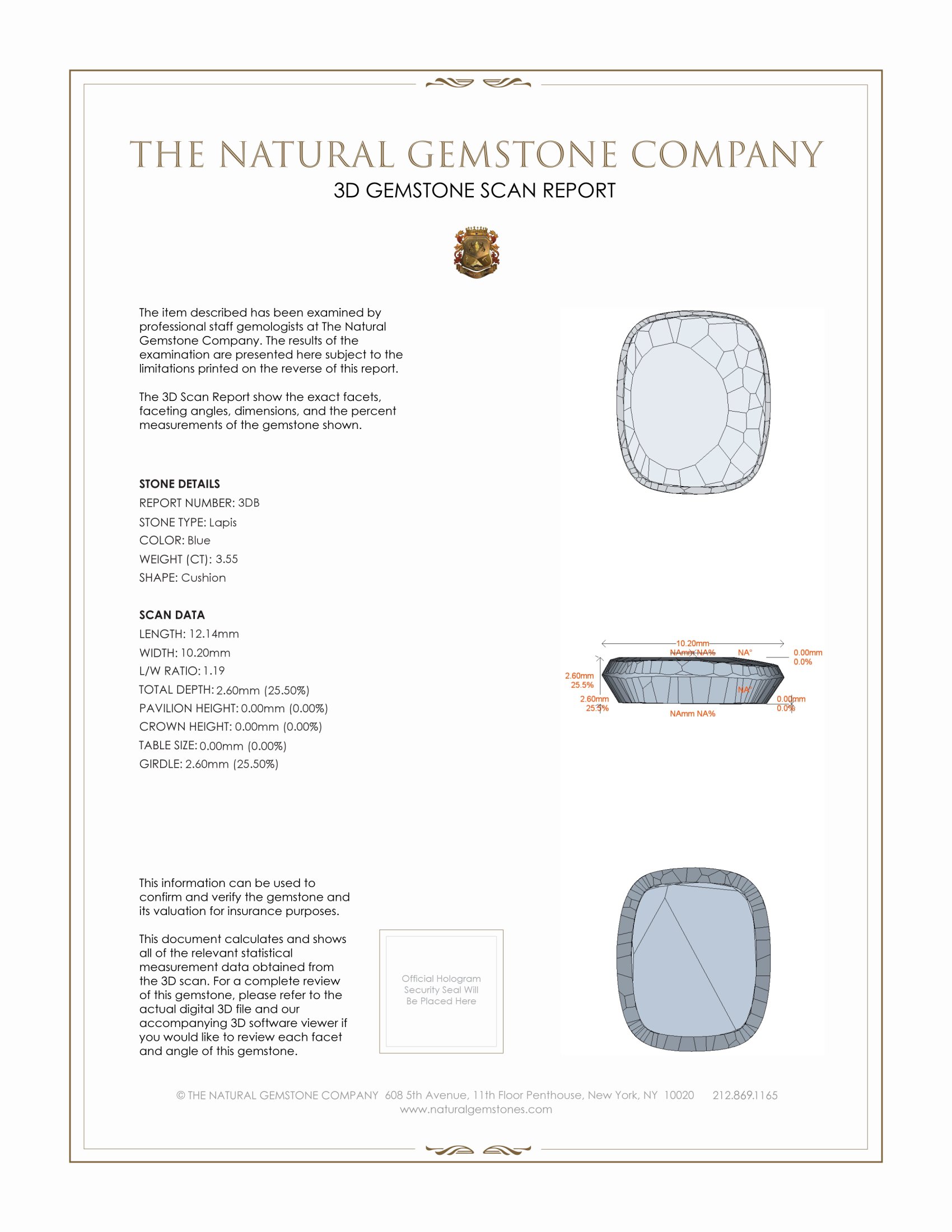
Dimensions (MM): help | Length: 12.15 Width: 10.18 Height: 2.53 | Length: 12.14 Width: 10.2 Height: 2.6 |
Weight: | 3.56 Ct. | 3.55 Ct. |
Color: help | Blue | Blue |
Color intensity: help | N/A | N/A |
Clarity: help | Not Applicable | Not Applicable |
Shape: help | Cushion | Cushion |
Cut: | Tablet | Tablet |
Cutting style: | Tablet | Tablet |
Enhancements: help | No Enhancement | No Enhancement |
Origin: help | Afghanistan | Afghanistan |
Per carat price: help | $12 | $12 |
This matched pair of lapis presents precise metrics that will satisfy a technically minded collector, each stone weighing 3.56 carats and 3.55 carats respectively, with matching cushion outlines measuring 12.15 by 10.18 by 2.53 millimeters and 12.14 by 10.20 by 2.60 millimeters. The stones are tablet cut, presenting broad, flat planes that emphasize the body color of the material, and they display an excellent polish that yields a uniform, tactile sheen across each table. Origin is Afghanistan, a provenance that is synonymous with deep, saturated ultramarine tonality and historically consistent crystal chemistry in lapis deposits. Enhancement is recorded as none, indicating these specimens are natural, untreated lapis, preserved in their original material state, which is important for connoisseurs who prioritize natural color stability and authenticity.
Flawless symmetry is evident in the near identical dimensions, weight relationship, and mirrored cushion proportions, and this geometric parity enhances their visual appeal in several technical ways. From an optical standpoint, matched symmetry ensures that incident light interacts with each tablet surface in a consistent manner, producing equivalent luminance and color saturation when the pair is viewed together. In settings where visual parity is critical, such as a pair of earrings or a matched side by side in a pendant, the human visual system perceives the pair as cohesive and intentional, rather than disparate. The cushion outline with softened corners also contributes to even surface tension during polishing, which in turn preserves edge integrity and creates predictable light return across the plane. For gem setters and designers, flawless symmetry reduces the need for compensatory bezel work and facilitates uniform setting profiles, which preserves the aesthetic balance of the final piece.
The tablet cut employed on these pieces is a specialist approach that prioritizes planar clarity and color homogeneity over faceted scintillation. Technically, a tablet cut is executed by stabilizing a thin blank and removing peripheral matrix to produce a wide table and shallow crown, followed by graduated beveling to control light spill and to prevent chipping at the edges. Precision during preforming is essential, because lapis is an aggregate material with localized variations in matrix and inclusions, and any asymmetry can manifest as optical unevenness after polishing. The excellent polish reported indicates that the lapidary executed a multi stage abrasive sequence, likely starting with coarse grinding to establish the outline, moving through progressively finer abrasives for contour refinement, and concluding with a fine final lap to achieve a satin to high gloss finish depending on client preference. The result is a smooth surface that accentuates internal color distribution, mitigates micro abrasion related diffusion, and provides a durable finished face for long term wear.
Color characteristics of this pair read as the classic Afghan blue, with deep saturation and a relatively homogenous distribution of color across the tablet field, despite the catalog notation of color intensity as n a. The absence of enhancement confirms that the saturation is intrinsic to the host material, and the presence of fine metallic inclusions, consistent with pyrite, offers a tertiary specular contrast that enhances perceived depth and richness. From a gemological grading perspective, these stones would be prized for their consistent tone and minimal matrix interruption, attributes that are especially desirable in opaque materials where translucency is not a factor. The dimensions and matched weights make this pair ideal for high precision settings, including low bezel profiles, inlay work, and designs where a planar surface is set flush to metal. The Natural Gemstone Company presents these specimens with full disclosure of origin and treatment status, and they will appeal to experienced buyers seeking material with verified provenance, expert cutting, and flawless symmetry for exacting design requirements.


