
- Pair10
- Reports4
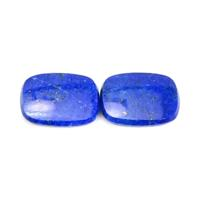


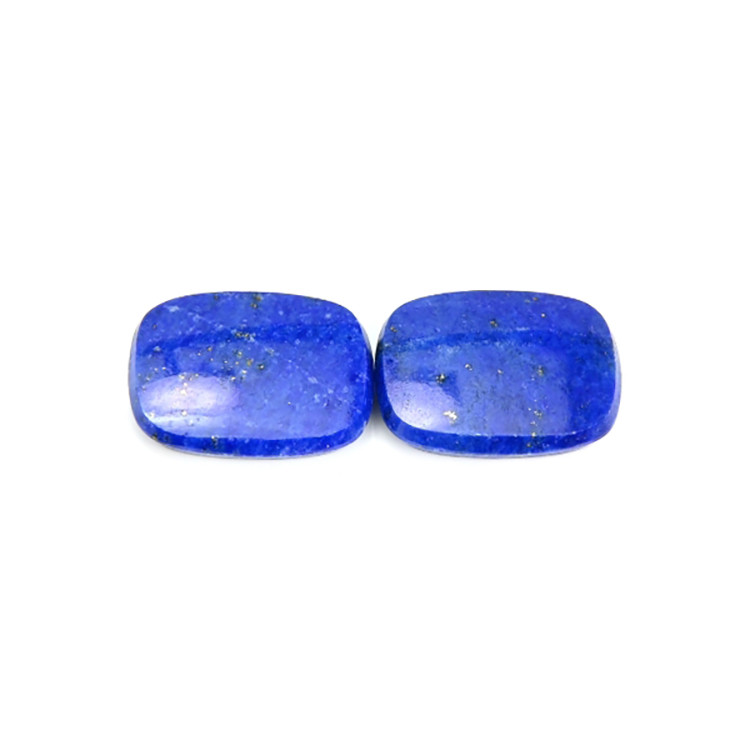



7.15 Ct.Tw.Total Carat Weight Lapis Pair from Afghanistan
This pair of stones is available to ship now
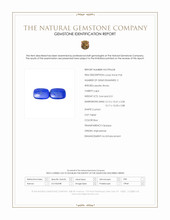
Stone type: | Lapis | Lapis |
|---|---|---|
Item ID: | PR6628 | PR6628 |
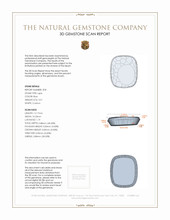
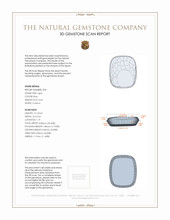
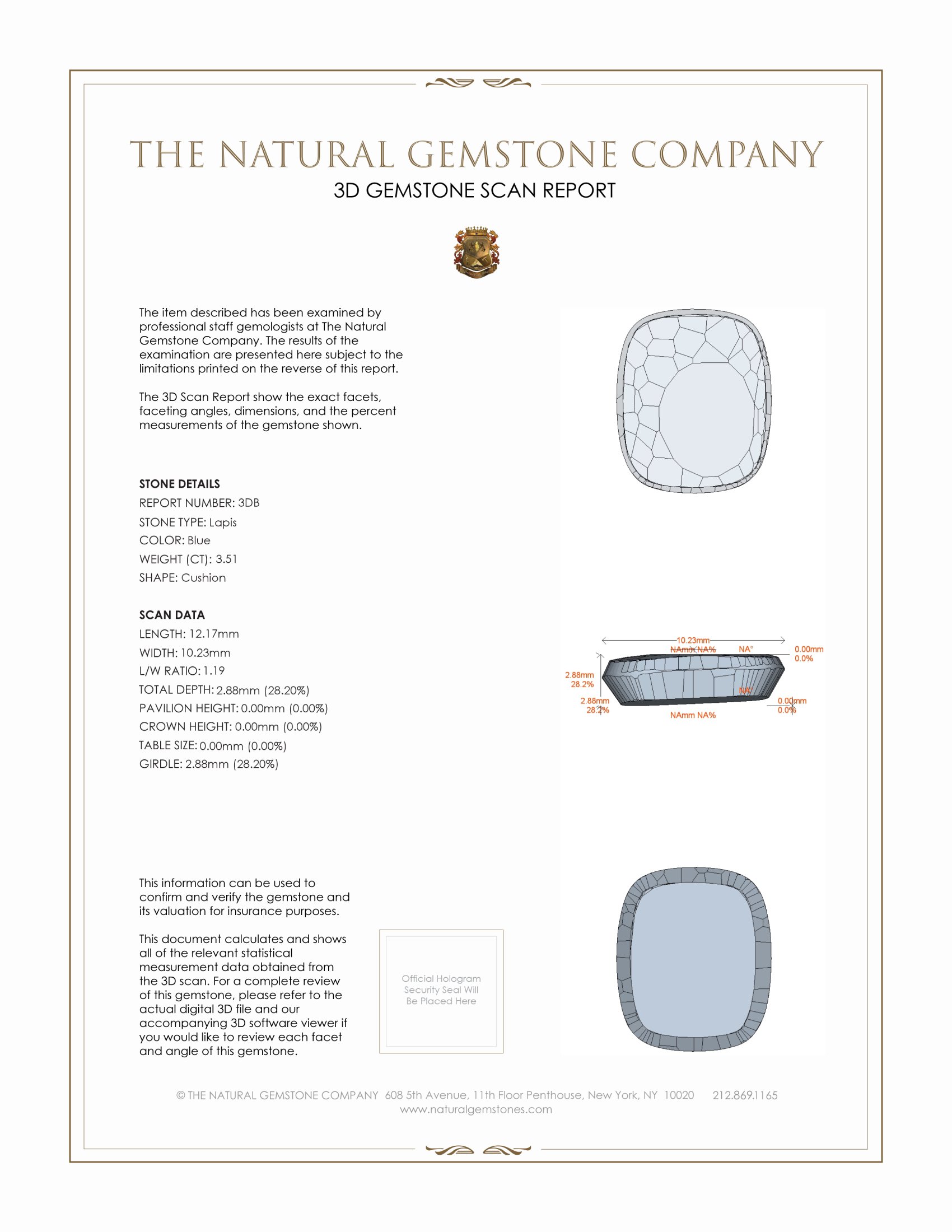
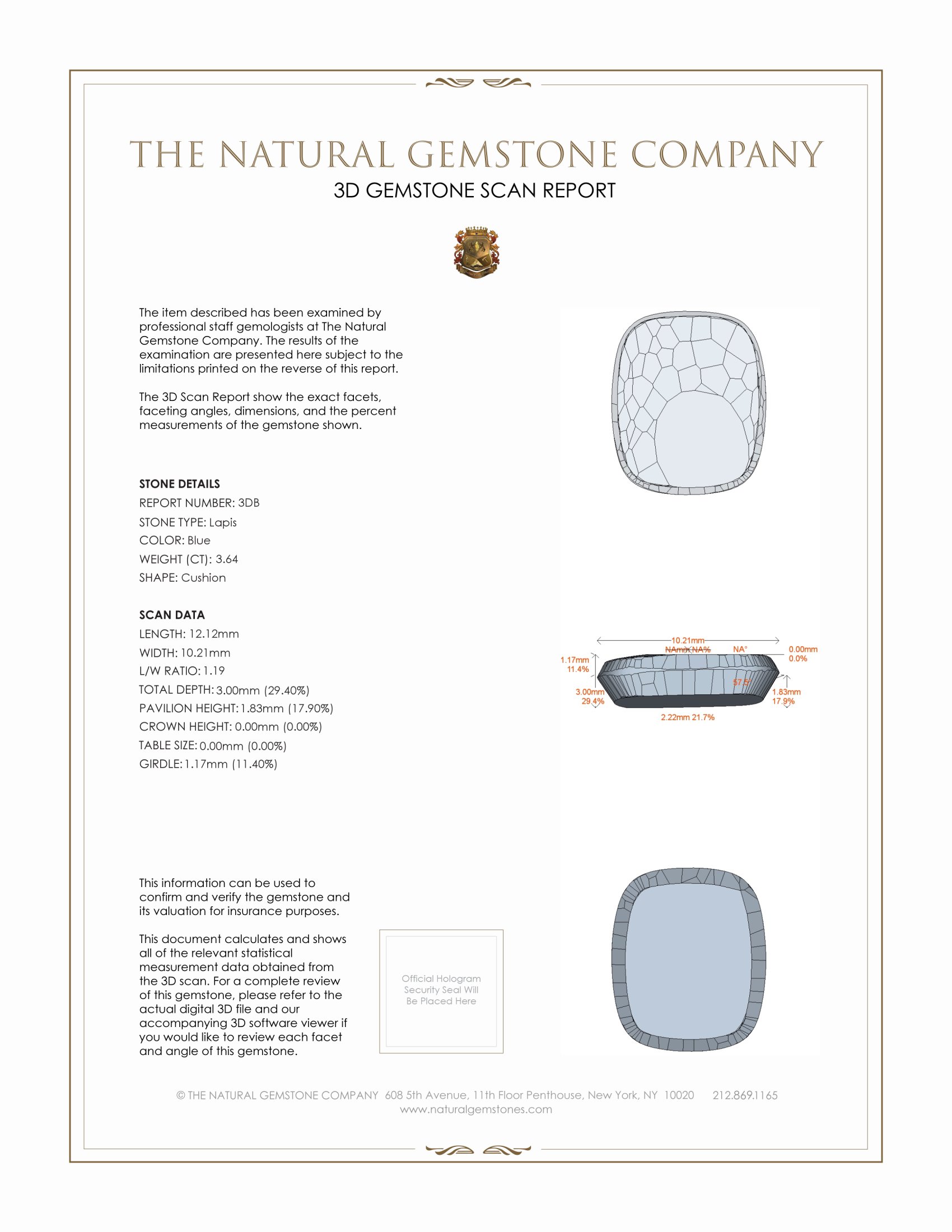
Dimensions (MM): help | Length: 12.12 Width: 10.21 Height: 3 | Length: 12.17 Width: 10.23 Height: 2.88 |
Weight: | 3.64 Ct. | 3.51 Ct. |
Color: help | Blue | Blue |
Color intensity: help | N/A | N/A |
Clarity: help | Not Applicable | Not Applicable |
Shape: help | Cushion | Cushion |
Cut: | Tablet | Tablet |
Cutting style: | Tablet | Tablet |
Enhancements: help | No Enhancement | No Enhancement |
Origin: help | Afghanistan | Afghanistan |
Per carat price: help | $12 | $12 |
This matched pair of lapis lazuli offered by The Natural Gemstone Company presents a rare convergence of size, color and provenance, each stone weighing 3.64 carats and 3.51 carats respectively, with dimensions of 12.12 by 10.21 by 3.00 millimeters and 12.17 by 10.23 by 2.88 millimeters, cushion shape, and tablet cut with an excellent polish. These pieces are opaque as is characteristic of fine lapis, and they exhibit the deep ultramarine to royal blue that collectors seek in untreated Afghan material. Lapis lazuli is not a single mineral, it is a compact rock primarily composed of lazurite with accessory calcite and pyrite, and it typically has a hardness in the range of five to five and a half on the Mohs scale, with a specific gravity that commonly falls around 2.5 to 2.9 depending on the proportions of the constituent minerals. The absence of enhancement, confirmed by The Natural Gemstone Company, preserves the natural texture and integrity of the material, and the tablet cut accentuates the evenness of color and the gentle luster achieved through the careful polish applied by experienced lapidaries.
From a clarity and aesthetic grading perspective, these stones stand out for their uniform saturation and minimal disruptive calcite veining, with fine flecks of pyrite that can add desirable character when present in moderation. In lapis grading, color is the primary determinant of value, followed by purity of blue and the presence and quality of pyrite inclusions, which when finely distributed create a starry or painterly effect without compromising overall color. These examples display consistent blue tone across each surface, and the excellent polish enhances light reflection without introducing translucency, which is neither expected nor desired in top tier lapis. The tablet cut produces a contemporary cabochon silhouette that reads exceptionally well in paired use, whether set in classical four prong or full bezel settings, and the close match in weight and dimension between the two stones makes them ideal for use as earrings, cufflinks, or mirror matched elements in a high end pendant and ring combination. Origin plays a critical role in lapis valuation, and Afghan lapis, particularly material from the historic Sar e Sang and Badakhshan regions, is widely regarded as the benchmark for the finest blue, due to its depth of hue and favorable mineralogy, and this pair traces to Afghanistan making them especially desirable to connoisseurs who prioritize origin verified material.
When comparing these pieces to famous gemstone pairs in museums and royal collections, it is useful to consider the attributes that elevate lapis from decorative to collectible status. Historic lapis artifacts from ancient Egyptian burial goods, Ottoman and Mughal court jewels, and significant museum holdings have long established the aesthetic standard for lapis, where deep, even blue and restrained, elegant pyrite inclusion are dominant features. These two tablets are comparable in visual quality to the paired cabochons often found in high quality historical sets, where matching, polish and color uniformity were essential to the composition. For the educated buyer who appreciates provenance, the link to Afghanistan mirrors the heritage of many noted lapis specimens that reside in major collections, and for those who consider lapis as part of a broader connoisseurship that includes sapphire and tourmaline pairs, the expectation of consistent tone and symmetry is the same. These stones perform at the upper end of what collectors expect from matched lapis pairs, combining museum worthy hue with the practical dimensions and weights that facilitate immediate setting into fine jewellery.
From an investment and usage standpoint, this pair represents a compelling opportunity for both jewelers and collectors who seek authentic, natural material with verifiable origin and no enhancement. The Natural Gemstone Company offers these stones with full disclosure of their characteristics, and their natural state means that their aesthetic and historical value is preserved without artificial alteration. For designers, the cushion tablet form is versatile, and the stones are well suited to secure bezel work that will protect the slightly softer lapis from wear, while showcasing its saturated blue. For conservators and buyers, standard care guidelines apply, avoid exposure to acids, prolonged immersion in water, and ultrasonic cleaners, and use gentle cleaning with a soft cloth and mild soap solution if required. Taken together, the combination of balanced weights, precise dimensions, exceptional polish, untreated Afghan origin, and the visual harmony of the pair make these lapis tablets a refined acquisition, worthy of comparison with celebrated lapis pairs found in notable collections, and a reliable choice for buyers who value transparency, provenance, and craftsmanship in their gemstone purchases.


