
- Stone12
- Reports2

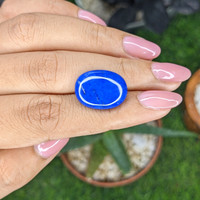
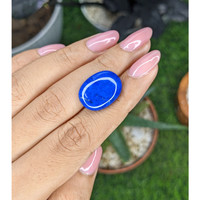
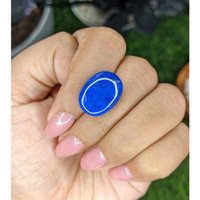
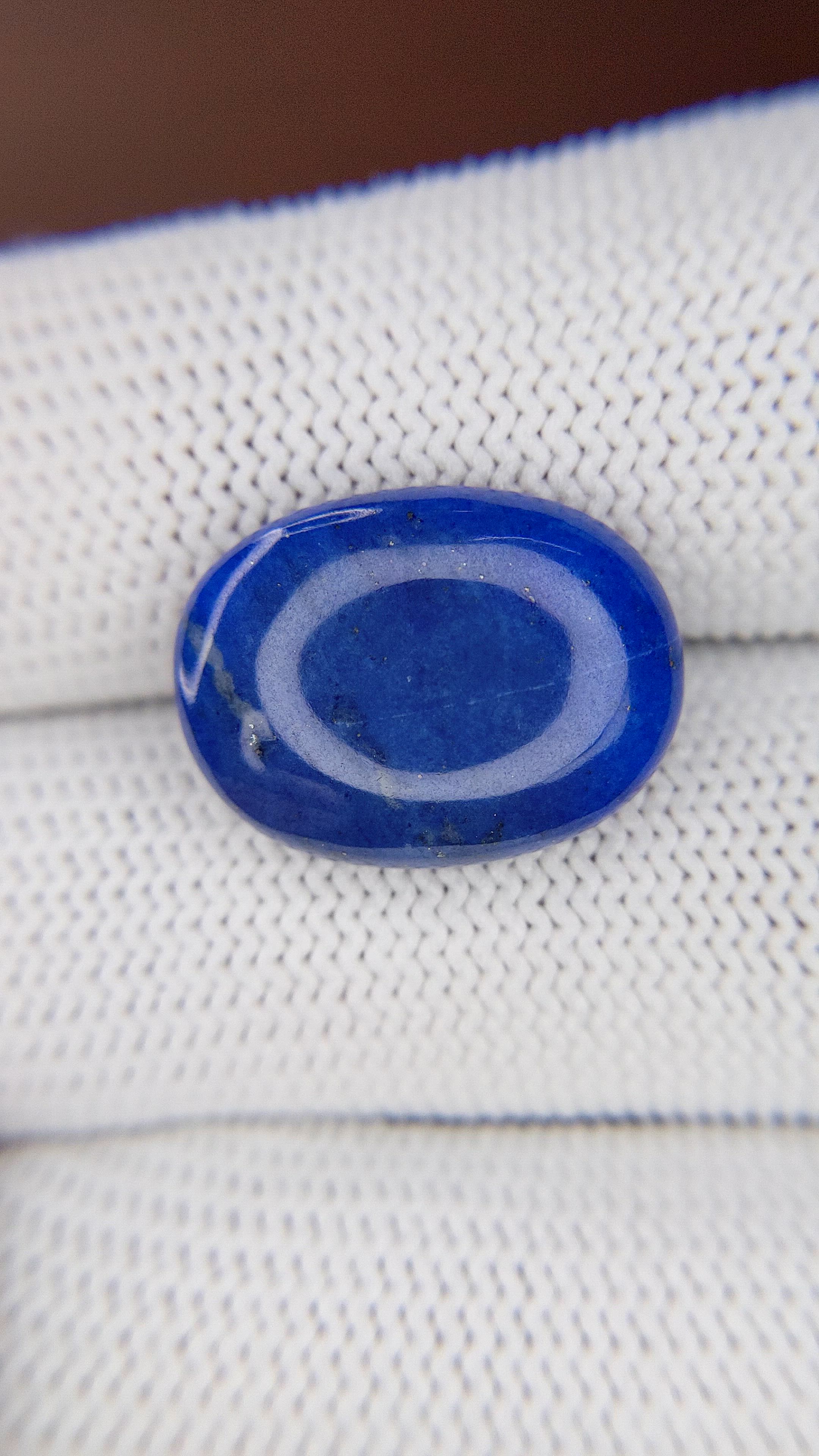
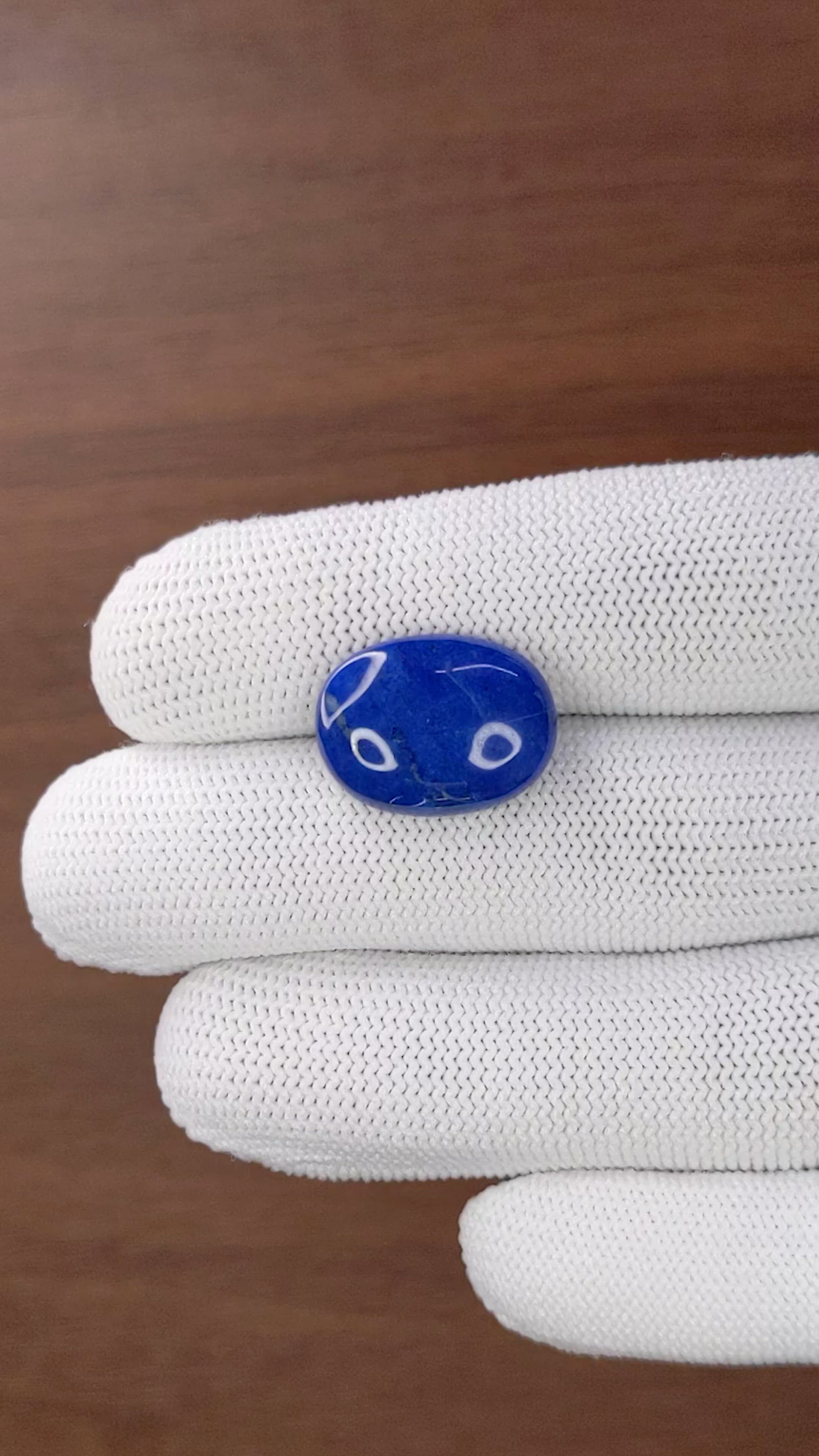
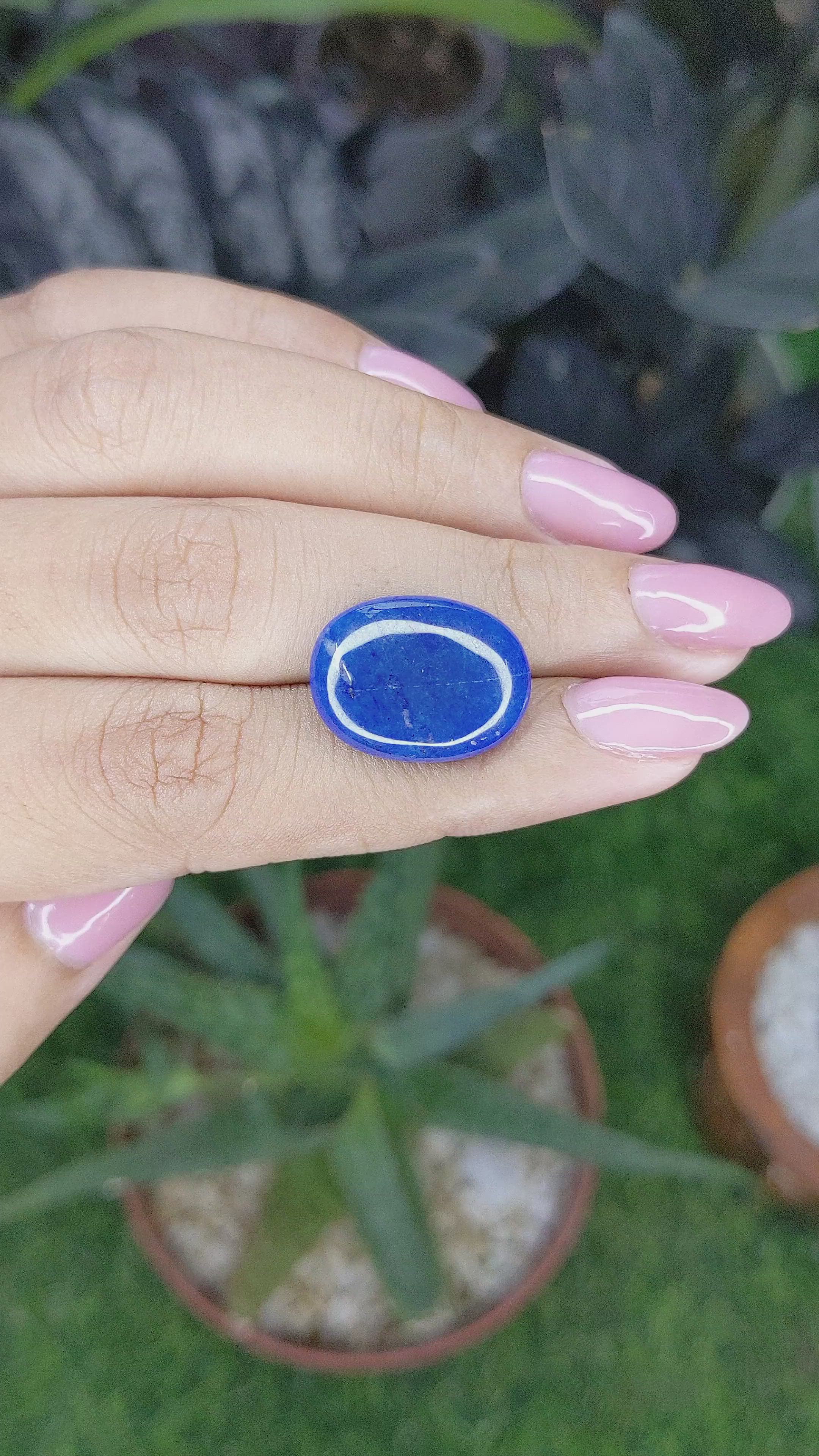
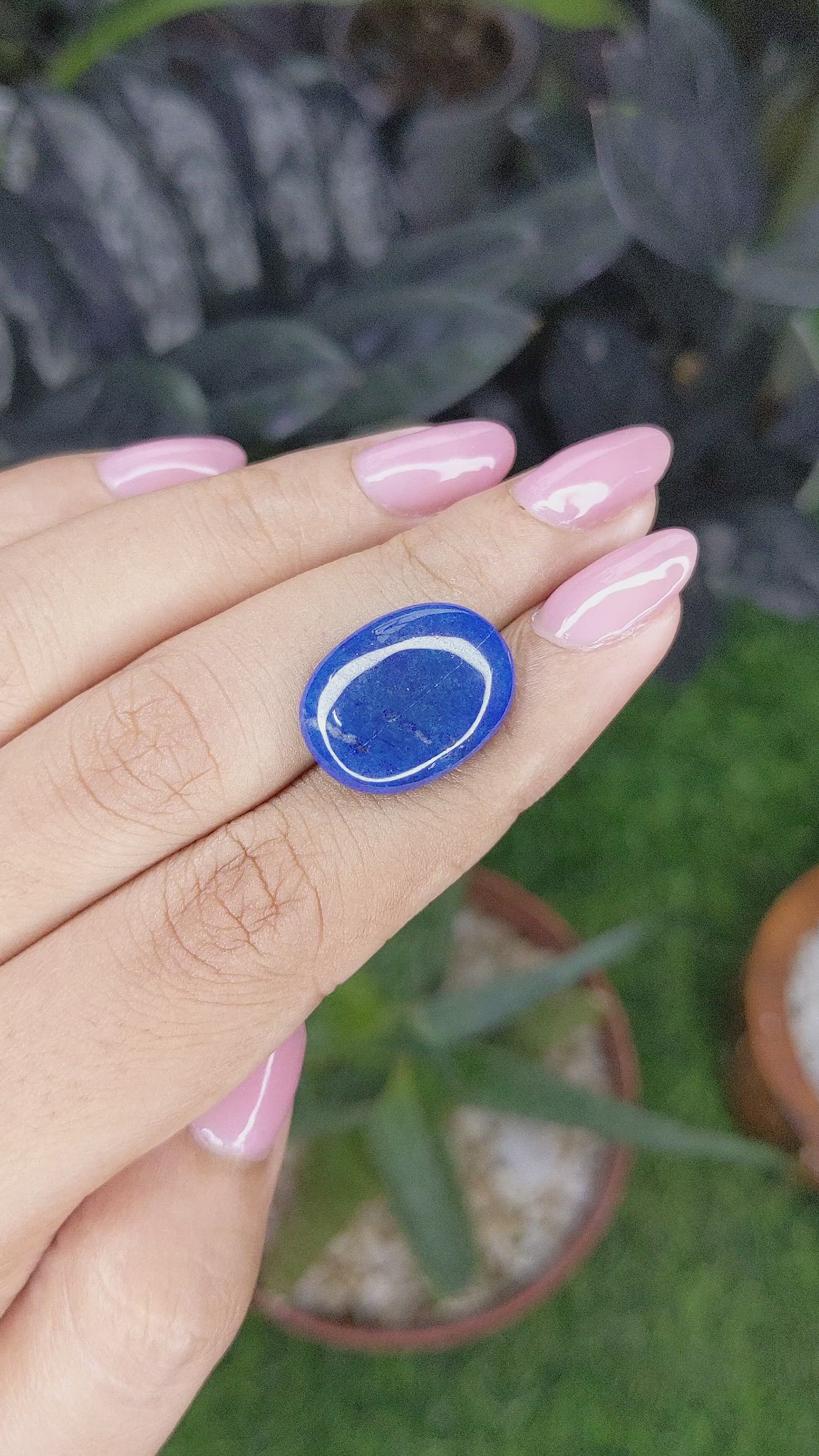
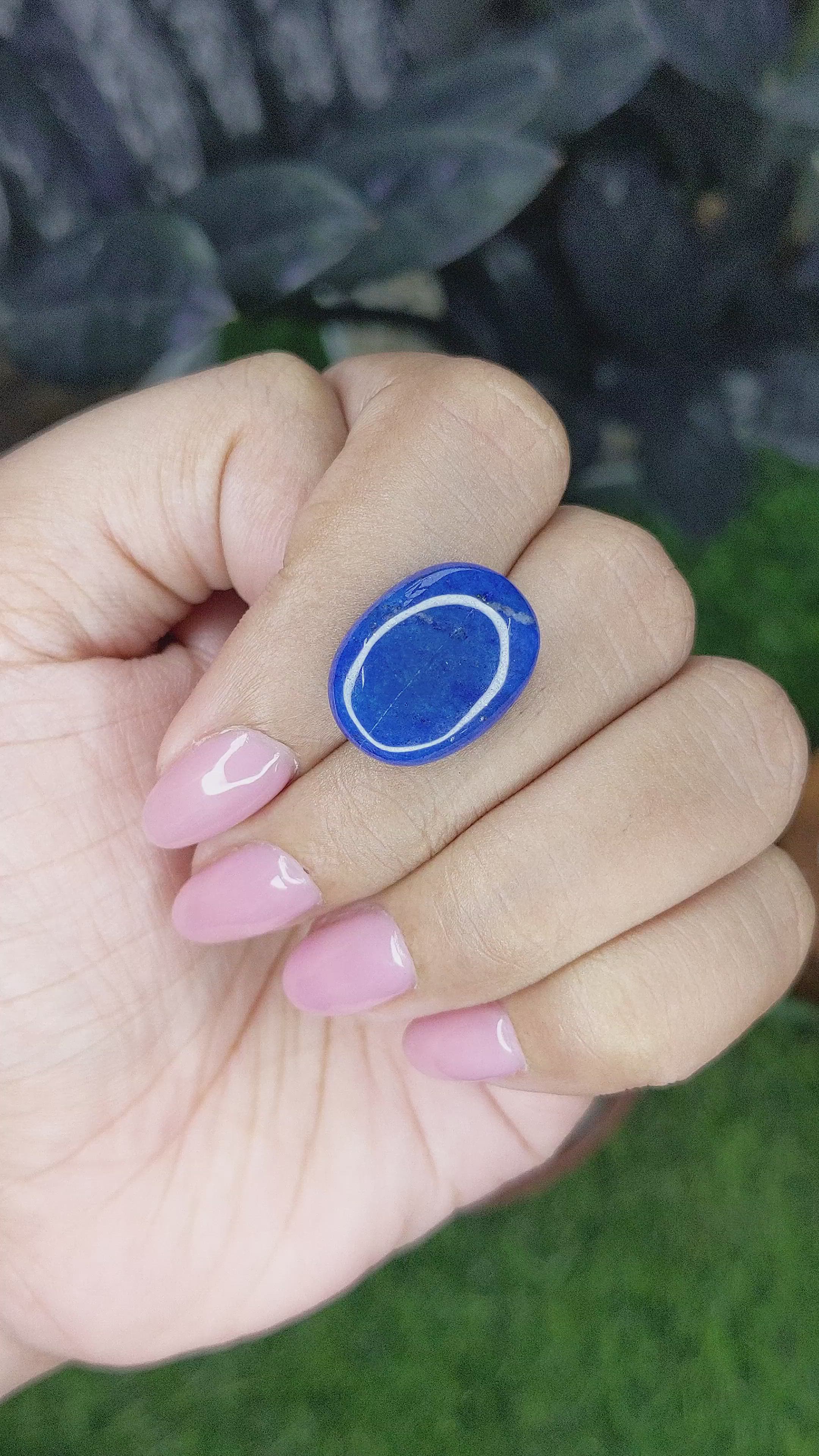


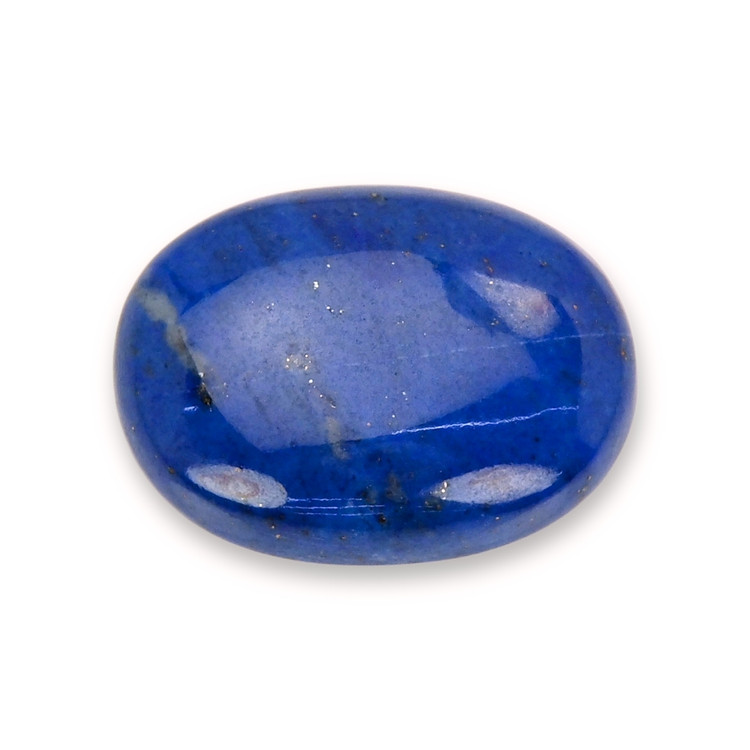
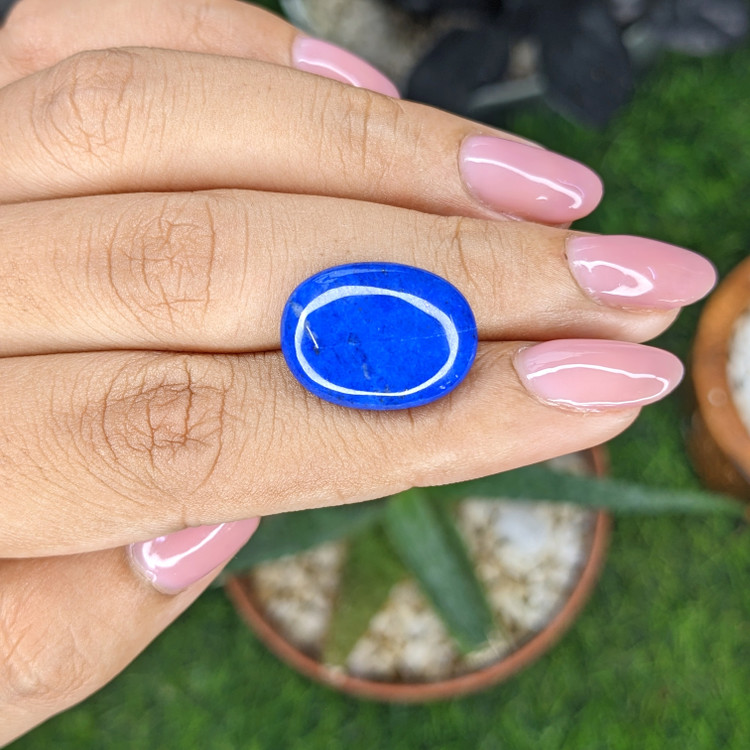
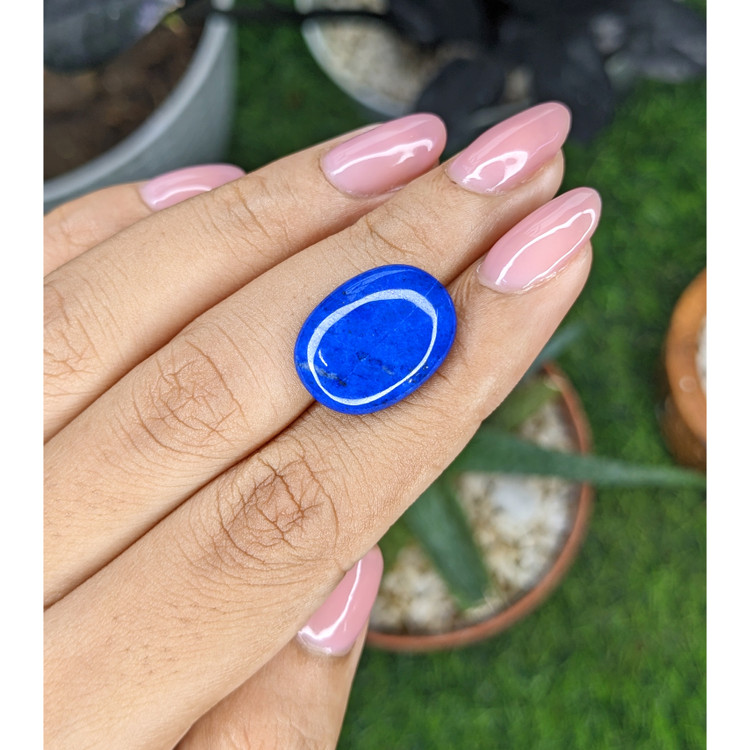
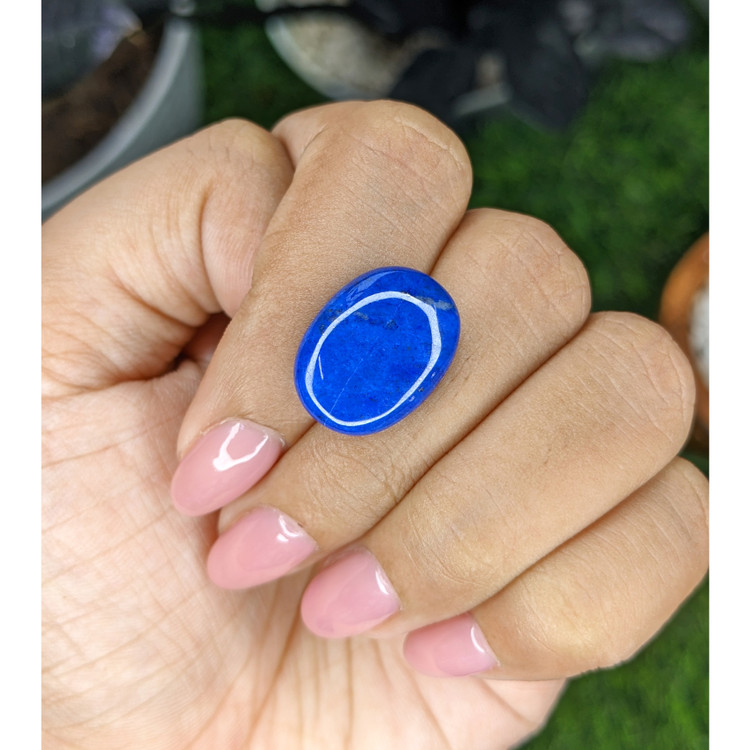


10.49 Ct. Cabochon Lapis from Afghanistan
This loose stone ships by Nov 21
Item ID: | K33546 |
|---|---|
Dimensions (MM): help | Length: 18.34 Width: 13.75 Height: 4.68 |
Weight: | 10.49 Ct. |
Color: help | Blue |
Color intensity: help | N/A |
Clarity: help | Not Applicable |
Shape: help | Cushion |
Cut: | Cabochon |
Cutting style: | Cabochon |
Enhancements: help | No Enhancement |
Origin: help | Afghanistan |
Per carat price: help | $50 |
This elegant example of lapis lazuli is a substantial and visually striking addition to a high-end gemstone collection, weighing 10.49 carats and measuring 18.34 by 13.75 by 4.68 millimeters. Cut in a classic cabochon with a cushion outline, the stone presents a broad, gently domed face that showcases the material’s deep blue character and surface luster, enhanced by an excellent polish. The gem is opaque, as is characteristic of fine lapis, and the cutting style has been carefully chosen to maximize the evenness of color and the aesthetic distribution of natural inclusions. Photographs and in-hand images show an intense, saturated blue field that reads as a strong uniform color across the table with attractive, discrete pyrite specks and minimal light-colored calcite veining. The cabochon form is ideal for lapis because it emphasizes the stone’s color and texture rather than relying on faceting for brilliance, making this specimen especially suitable for a statement ring, a substantial pendant, or as a showcase piece in a collector’s cabinet.
From a connoisseur’s grading perspective, several attributes underpin the value of this lapis. Color is the primary determinant of desirability in lapis lazuli, and Afghan material often provides a richer, more saturated blue due to higher lazurite content; this particular stone demonstrates that deep azure tone sought by educated buyers. Clarity in lapis is not about transparency but about the balance and appearance of inclusions: here, pyrite appears as small, attractive golden flecks that are traditionally prized because they create a starry effect when evenly distributed, while calcite—when present as broad, white patches—can reduce value. This cabochon shows only minor calcite intrusion, preserving the visual depth of the blue and therefore commanding a stronger market position. Importantly for collectors and investors, the gemstone is natural with no enhancements. Lapis is frequently stabilized, dyed, or impregnated to improve color and durability; the absence of enhancement in this specimen, combined with Afghan origin, significantly enhances its pedigree. Afghanistan, particularly the historic Badakhshan sources, remains one of the most reputable origins for high-quality lapis, and provenance from that region is an important factor for valuation and long-term desirability.
For practical use and long-term preservation, informed buyers should note that lapis has a Mohs hardness in the mid-range and benefits from protective settings and careful handling. A well-executed bezel or protective prong setting in warm metals such as 18k gold will both complement the stone’s vivid blue and protect the thin edges from chips. Lapis should be kept away from harsh chemicals, prolonged immersion, and ultrasonic cleaners; occasional gentle cleaning with a soft cloth and mild, pH-neutral soap is recommended. From a collecting and investment standpoint, untreated Afghan lapis of this size and quality is relatively scarce in the market and tends to retain or increase in value as demand for natural, well-documented gems rises. The Natural Gemstone Company stands behind the origin and treatment status of this piece, offering provenance transparency and the opportunity for independent verification and certification should you require it. For the educated buyer seeking a museum-quality cabochon that pairs historical significance with aesthetic excellence and investment potential, this 10.49 carat cushion cabochon of Afghan lapis is an outstanding choice that will sit proudly in any discerning collection.


