
- Stone13
- Reports2


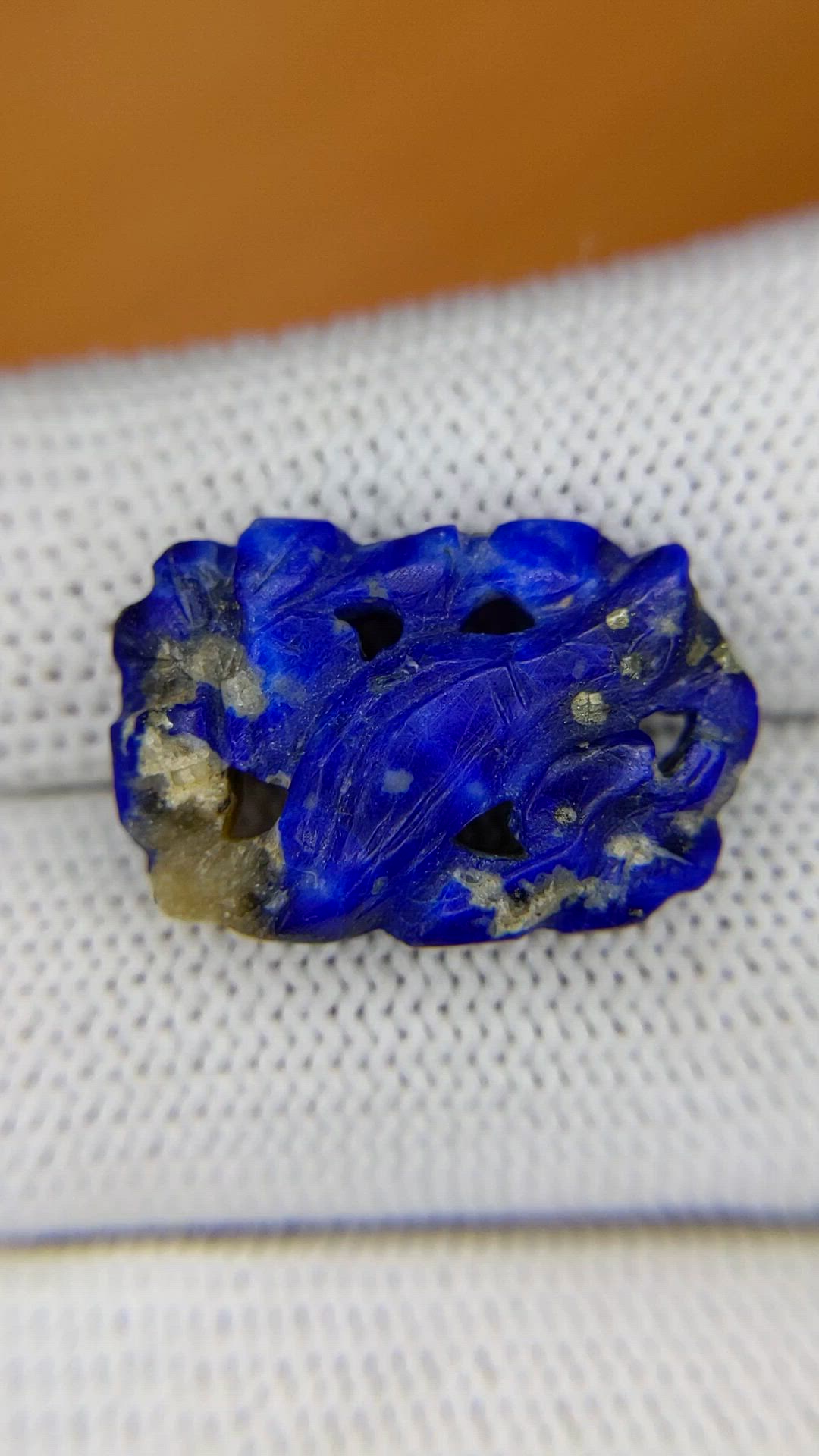
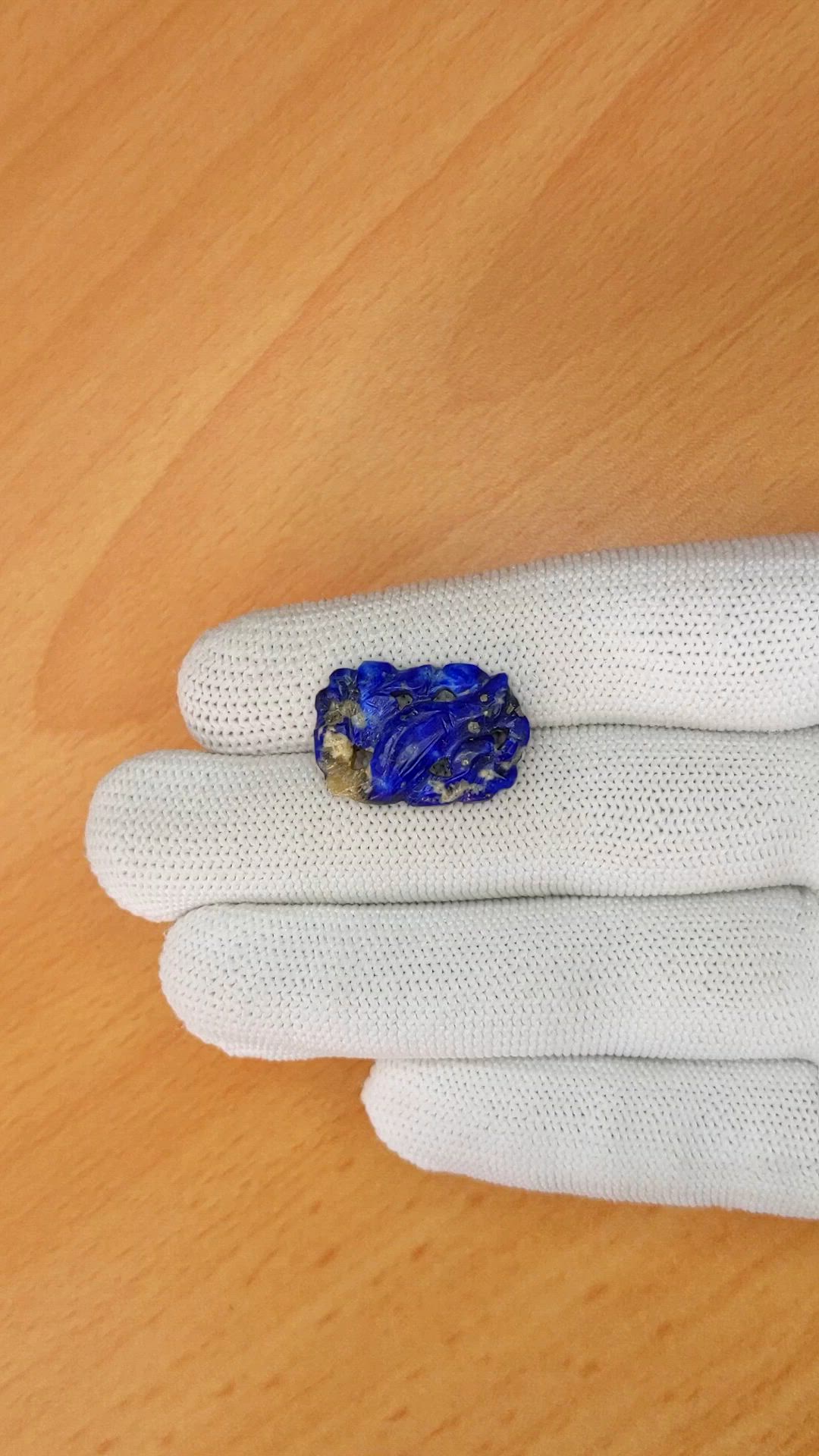
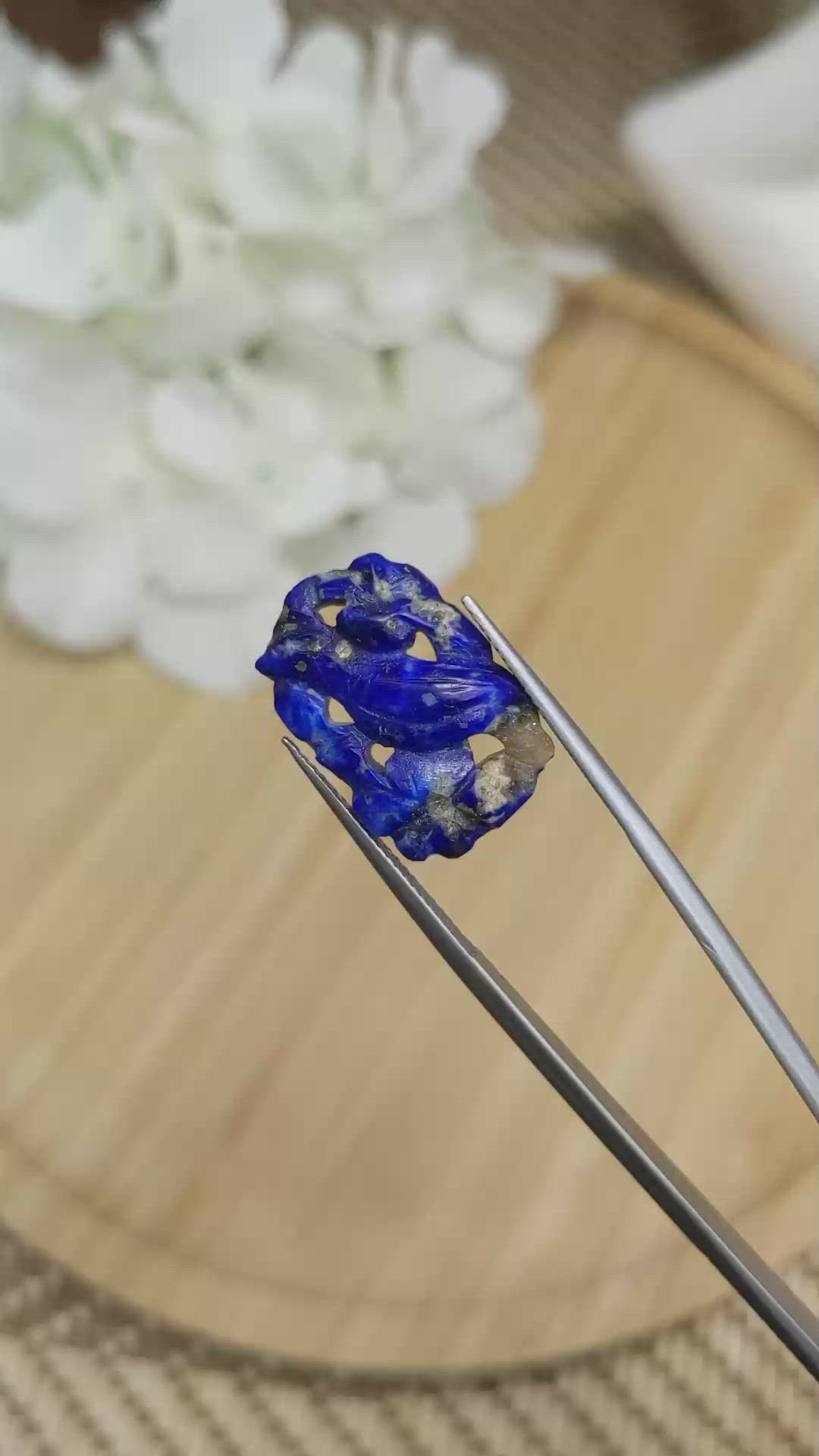
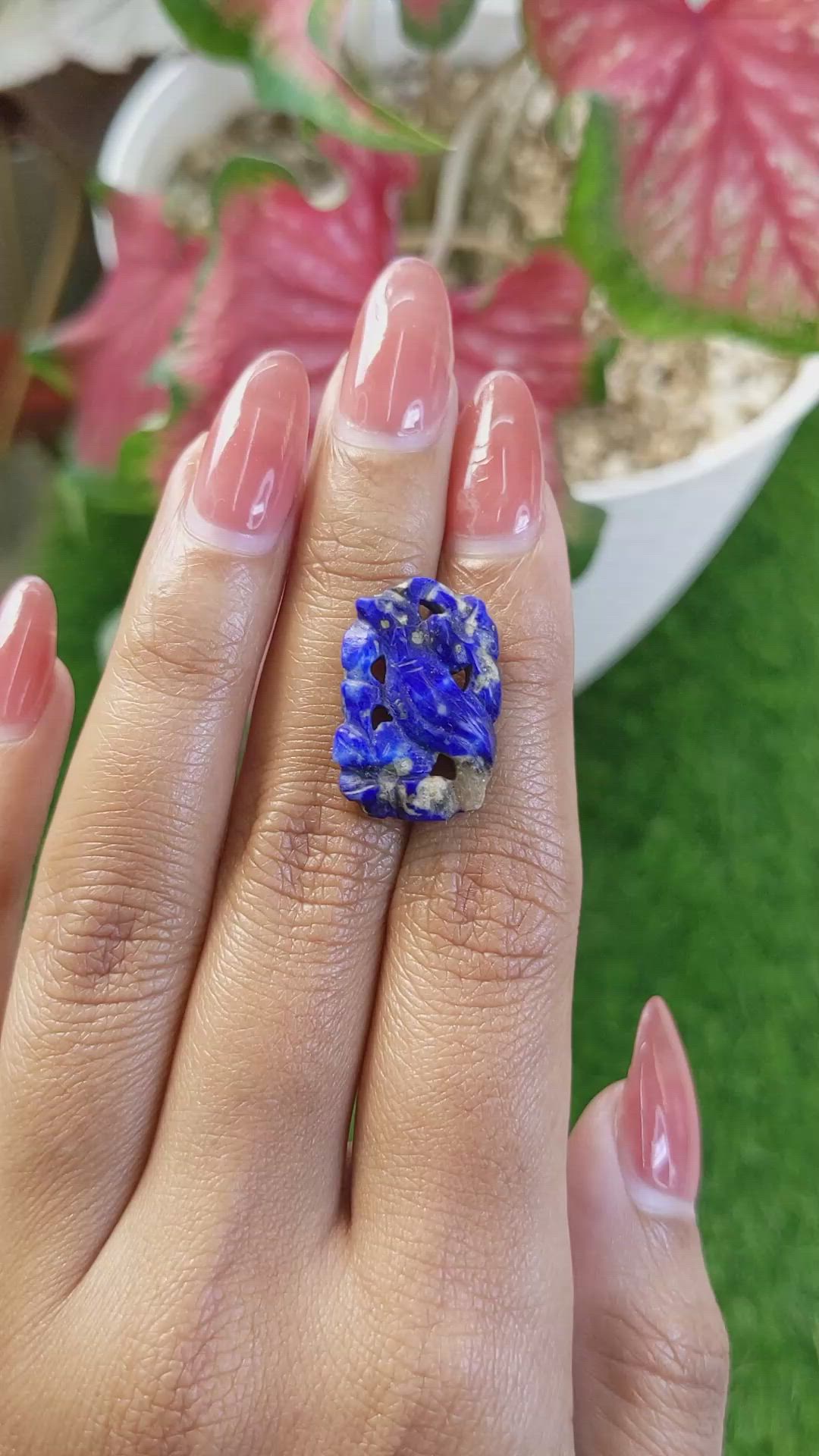
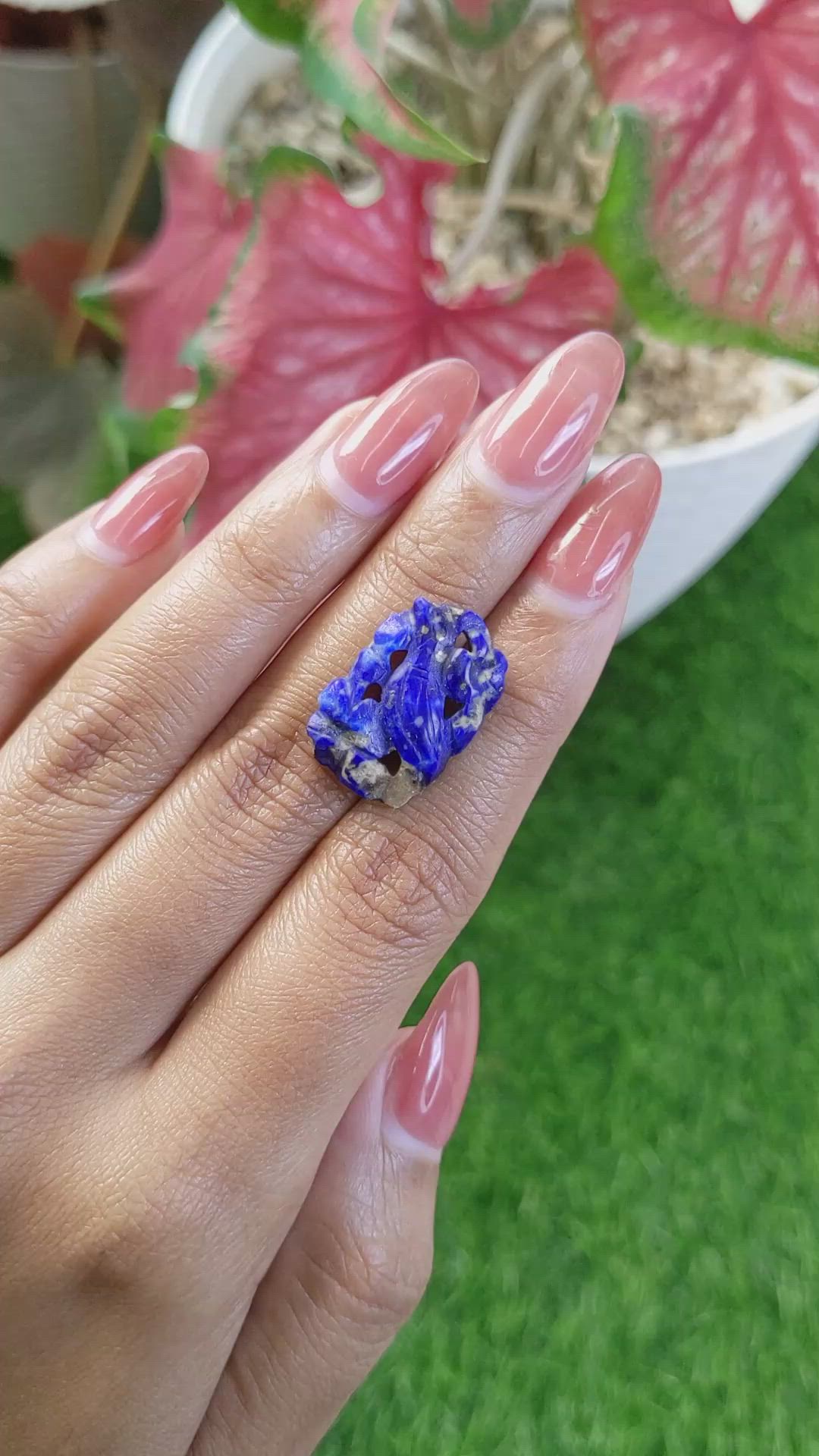
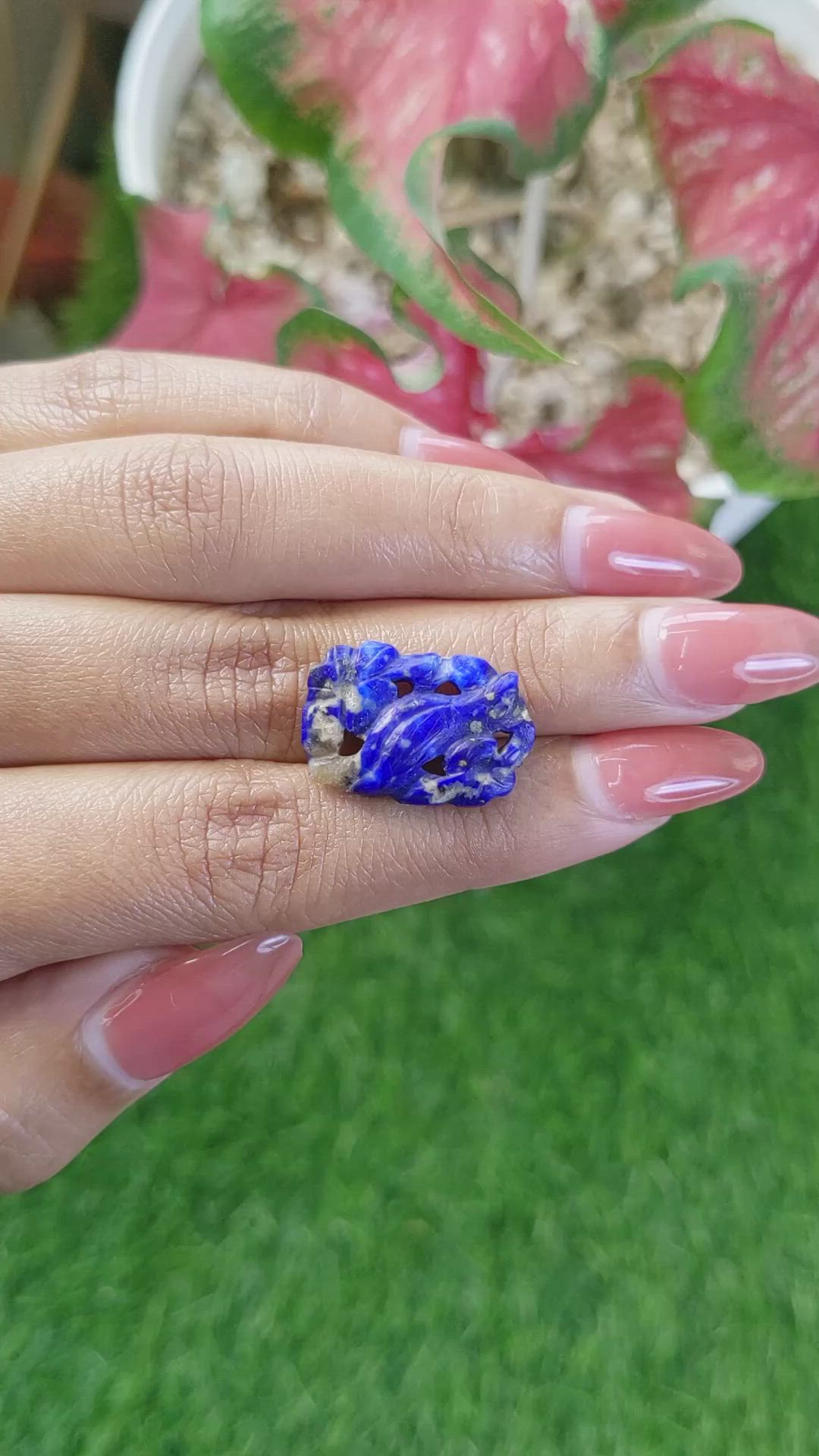


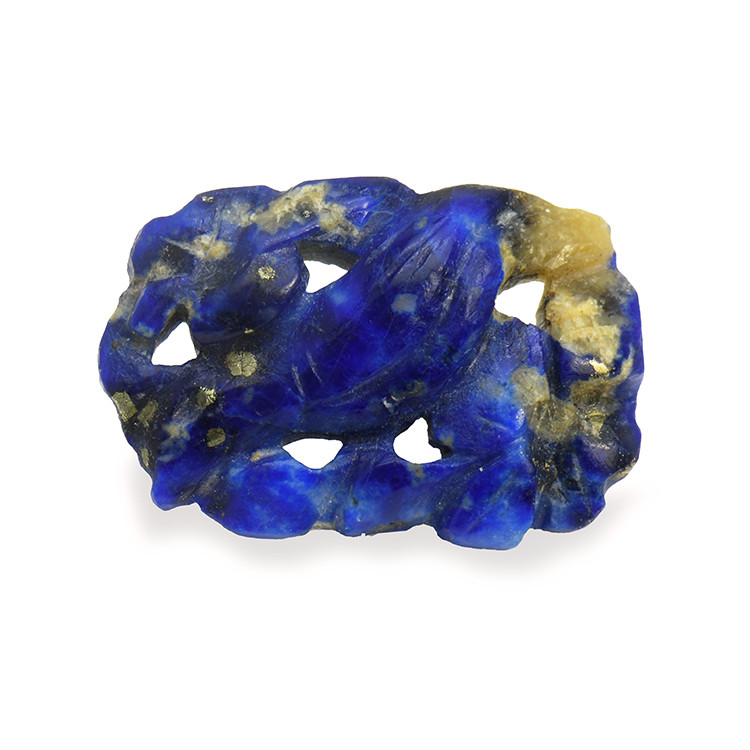


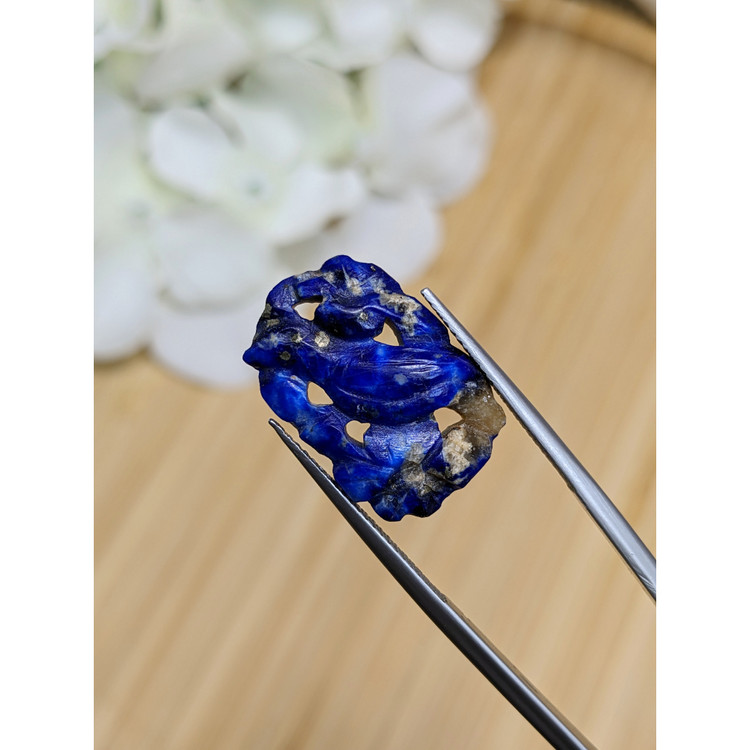


10.74 Ct. Lapis from Afghanistan
This loose stone is available to ship now
Item ID: | K25468 |
|---|---|
Dimensions (MM): help | Length: 21.22 Width: 14.24 Height: 5.74 |
Weight: | 10.74 Ct. |
Color: help | Blue |
Color intensity: help | N/A |
Clarity: help | Not Applicable |
Shape: help | Various |
Cut: | Carving |
Cutting style: | Carving |
Enhancements: help | No Enhancement |
Origin: help | Afghanistan |
Per carat price: help | $10 |
When you are searching for a gift that will stop time and speak to the heart, this extraordinary blue lapis from The Natural Gemstone Company answers that call with authority. This is a one of a kind, opaque 10.74 carat stone, beautifully carved to reveal an artful form that captures light in a way that feels both timeless and modern, dimensions 21.22 x 14.24 x 5.74 mm, an ideal scale to become the centerpiece of a ring, pendant, or a treasured collector item. You may be seeking an engagement ring that is unconventional yet deeply meaningful, a celebratory present that marks a milestone, or a rare addition to a gem collection that will be admired for generations. This lapis, hailing from the historic mines of Afghanistan, delivers authenticity and provenance, a quiet but powerful story behind its blue depths. Its excellent polish accentuates the stone s surface and the carving cut gives it sculptural character that elevates any design. With no enhancement, you receive a natural gem, honest and pure, suitable for the person who values substance and story over trend alone. If your desire is to find a piece that feels deliberate, considered, and deeply personal, this lapis promises to fulfill that need with distinction.
Beyond its immediate visual beauty, this lapis stands out for the combination of size, weight, and finish that will satisfy both aesthetic and practical needs. At 10.74 carats the stone carries presence without overwhelming, a weight that feels luxurious and special when set into jewelry. The various shape resulting from the carving cut makes the gem versatile, allowing a jeweler or designer to create a bespoke setting that highlights the stone s most flattering angles. The excellent polish ensures that the surface is smooth and lustrous, offering a tactile pleasure when touched and a graceful sheen when worn. Because there is no enhancement, you avoid the uncertainty of treatments that can alter long term stability or resale value, and you gain confidence that the color and texture you see are exactly what the gem naturally offers. For those who care deeply about origin, provenance matters, and Afghanistan is one of the most respected sources for fine lapis. This provenance adds cultural and historical context, a narrative thread that increases the emotional resonance of the gift you choose to give.
Consider how this lapis will translate into the experience of giving and receiving. Imagine presenting a carved blue lapis that sits confidently at 21.22 x 14.24 x 5.74 mm, its deep blue color and sculpted silhouette catching the light as it moves, the recipient feeling the stone s weight and appreciating the craft that went into its polish and carving. For couples who want an engagement ring that breaks with convention while remaining undeniably meaningful, lapis offers depth of color and an association with wisdom and truth, elements that make a promise feel both poetic and grounded. For collectors and connoisseurs, an unenhanced, carved lapis of this size from Afghanistan fills a niche between wearable art and museum worthy specimen, a piece that can be shown with pride and passed down as an heirloom. The Natural Gemstone Company curates and presents this lapis as a solution for those who refuse compromise between beauty and authenticity, a gem that answers the need for something rare, heartfelt, and enduring.
When your search is over, The Natural Gemstone Company is ready to make this lapis the centerpiece of someone s story. Our gem specialists are available to advise on mounting styles that preserve the carving s integrity while showcasing the stone s proportions, and we can recommend settings that complement a variety of tastes, from minimalist modern bands to ornate vintage inspired designs. Choosing this stone means gifting more than a beautiful object, it means gifting provenance, skilled polish, and a narrative that traces back to Afghanistan s rich lapis heritage, all presented with the unaltered honesty of a gem with no enhancement. If you seek a striking and singular gift for a loved one, a symbol for a life moment, or a rare addition to a curated collection, this carved blue lapis at 10.74 carats answers that need with elegance and certainty. Let The Natural Gemstone Company help you bring this stone into its next chapter, where it will be cherished, admired, and remembered.


