
- Stone14
- Reports2
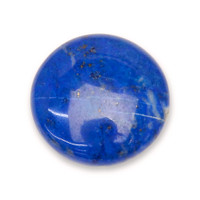


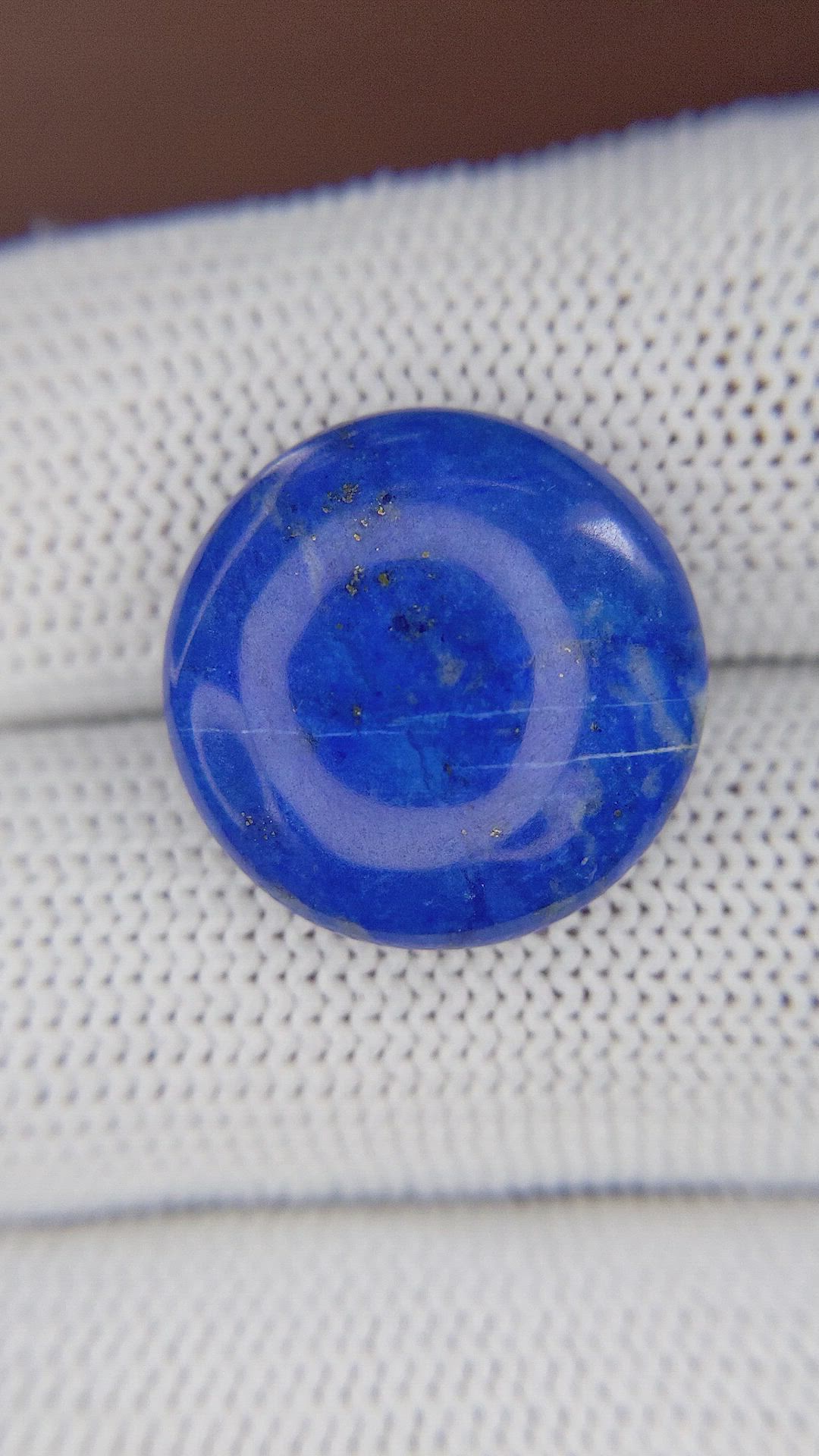
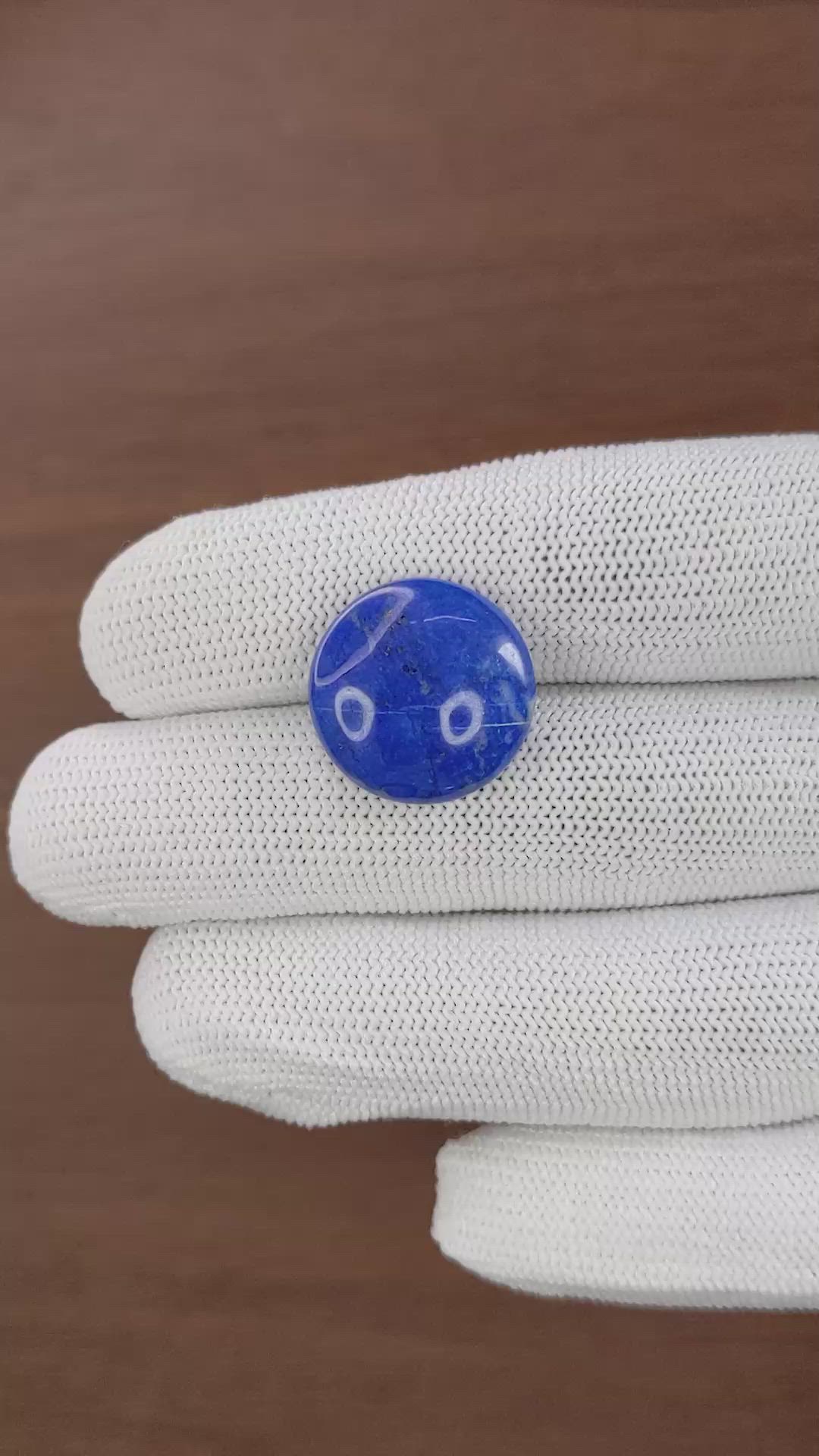
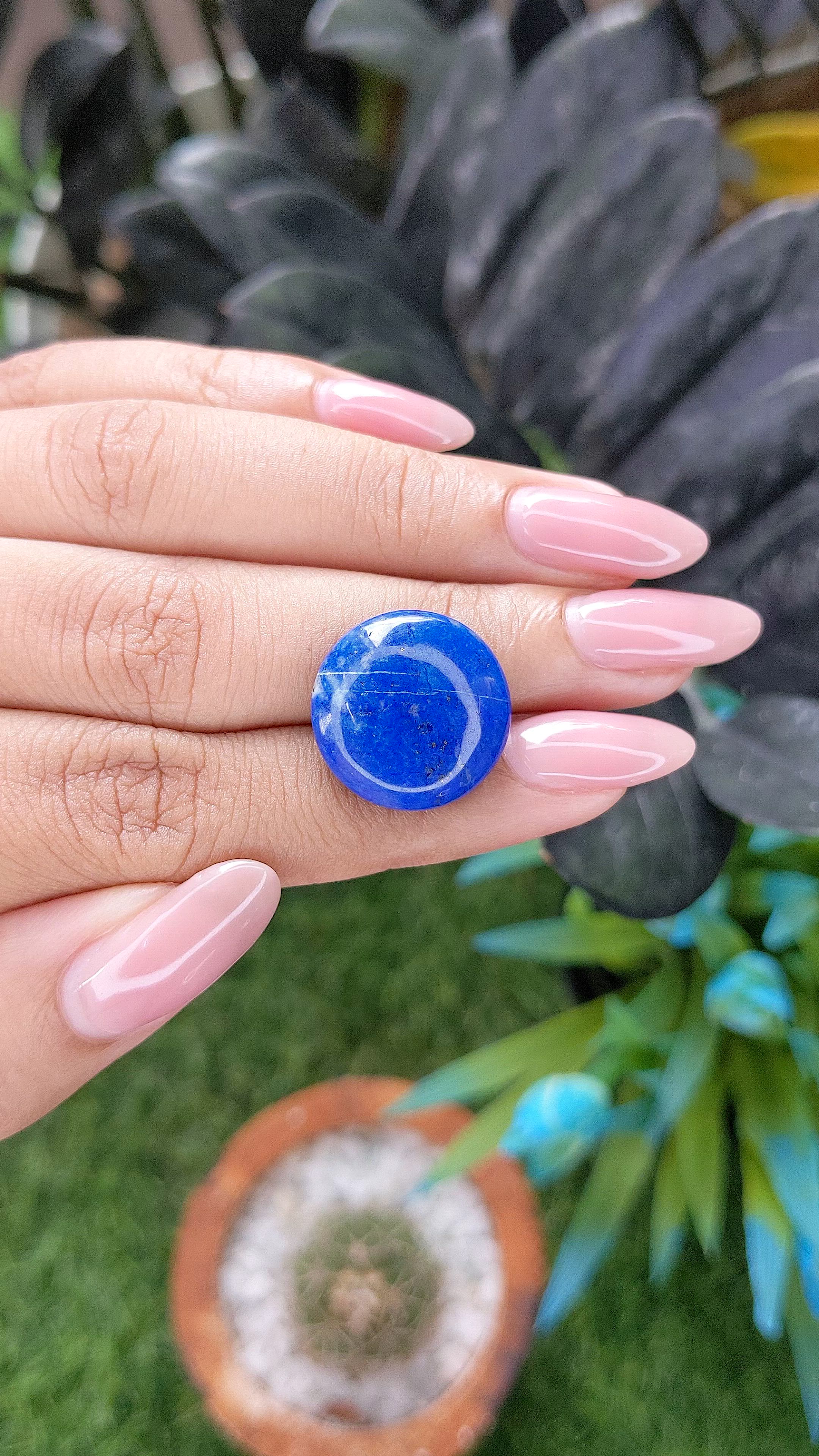
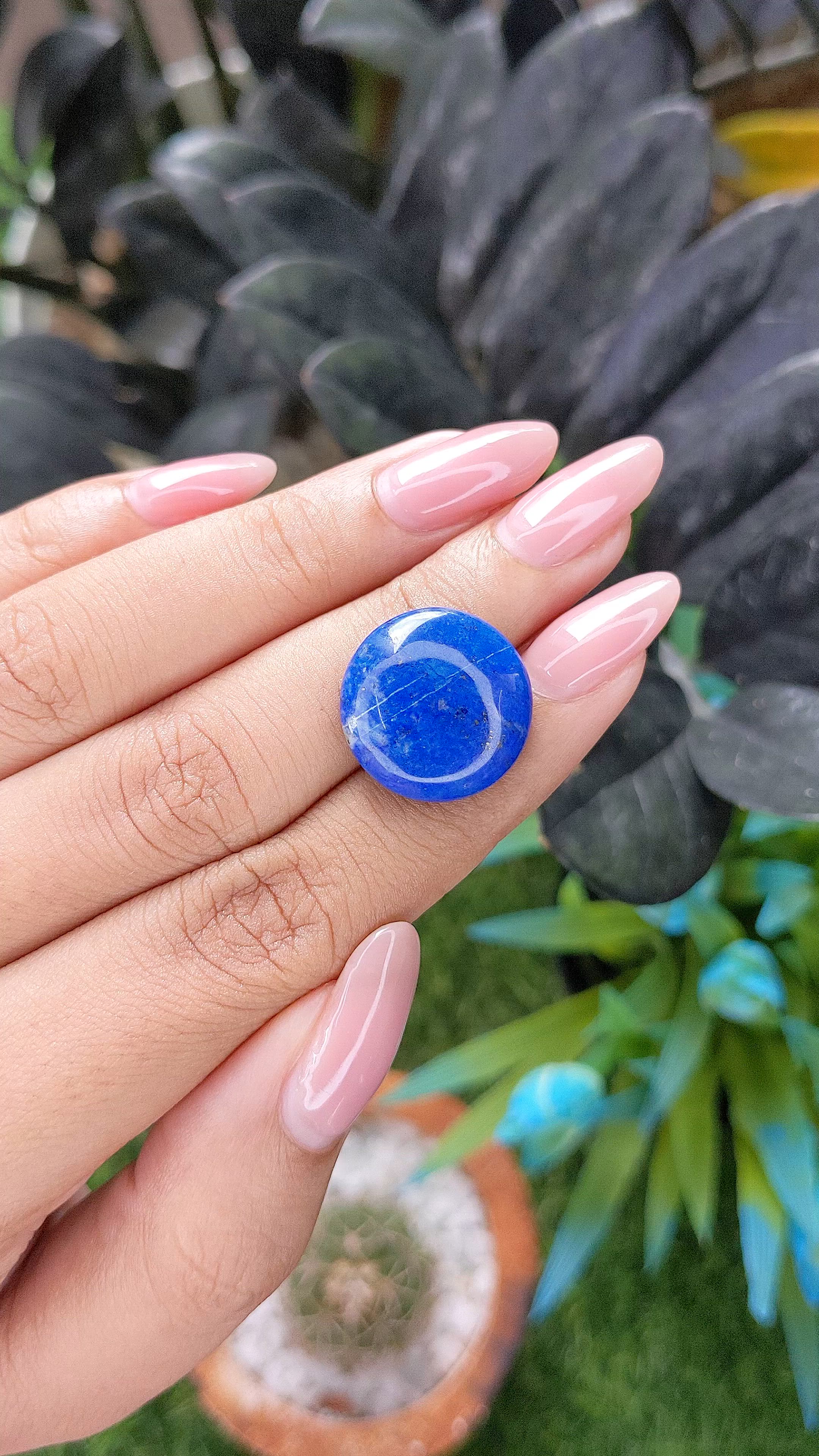
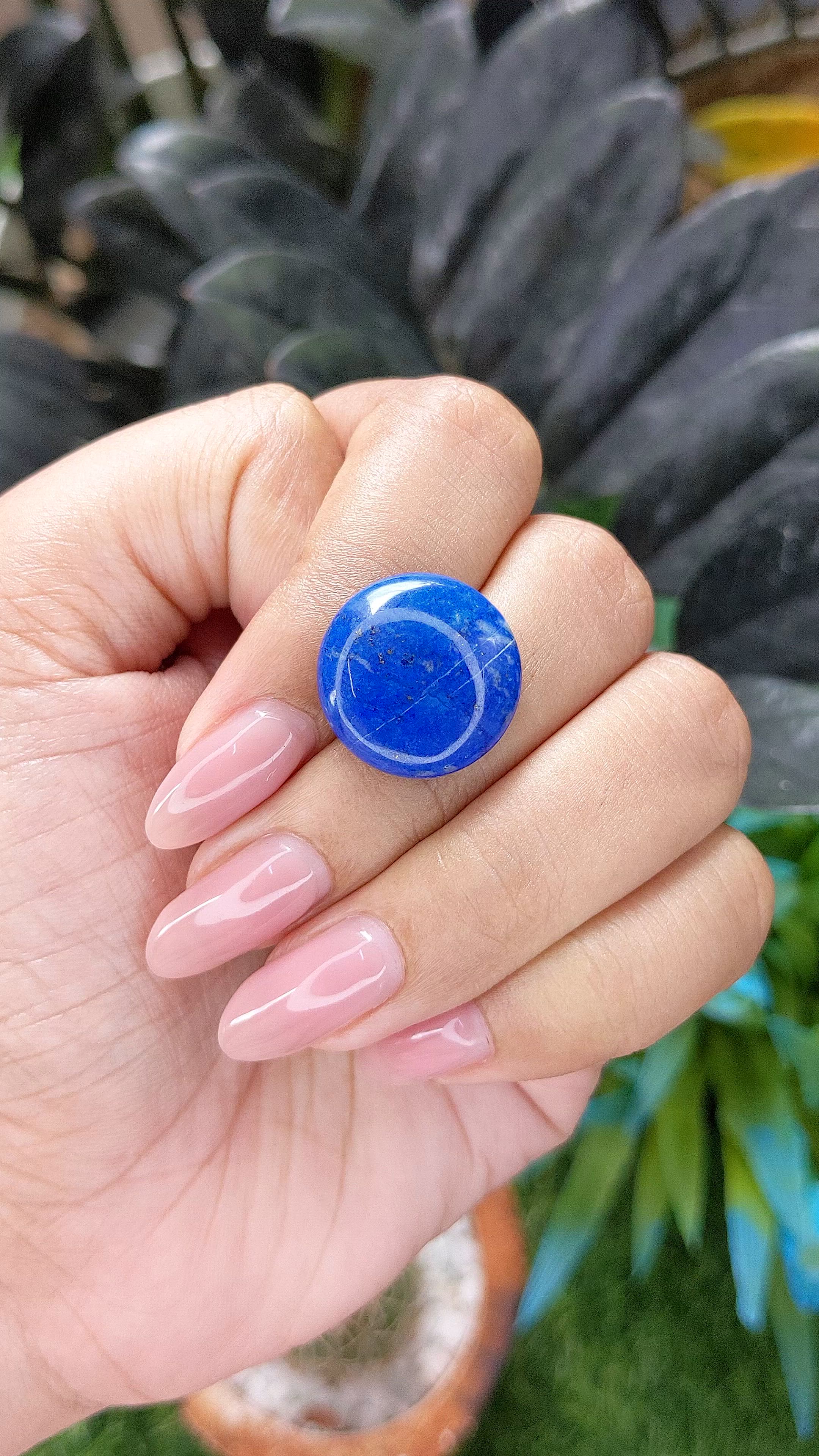
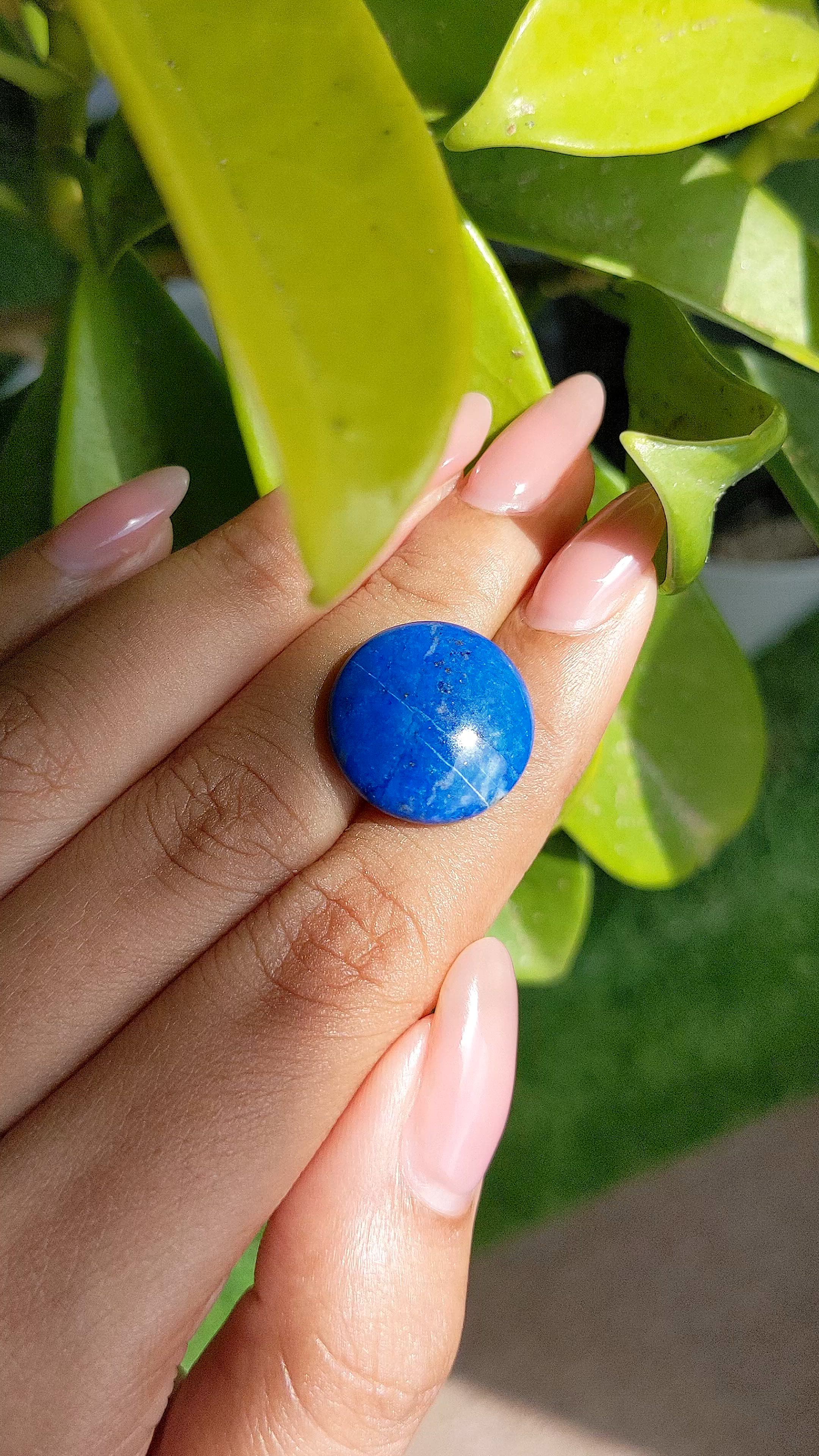
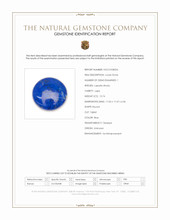

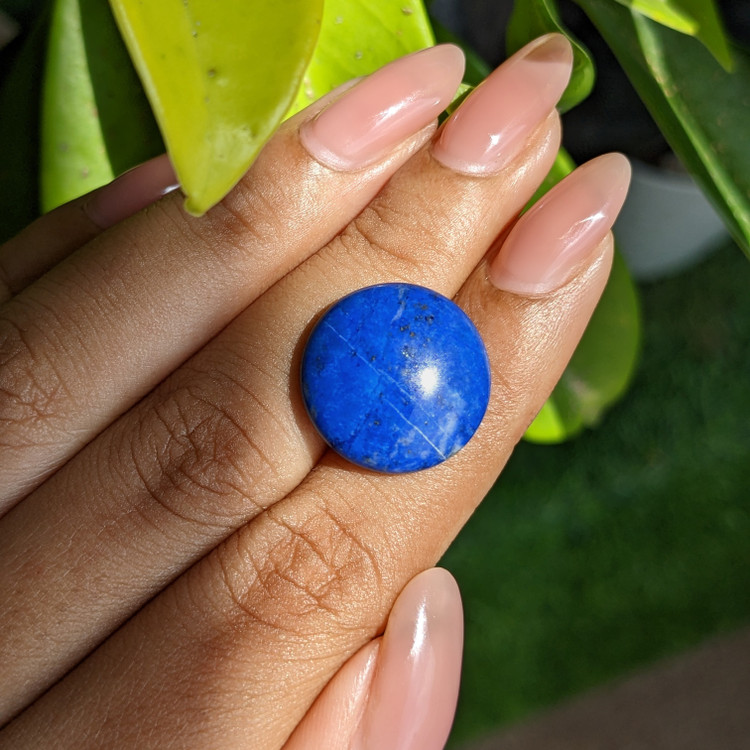

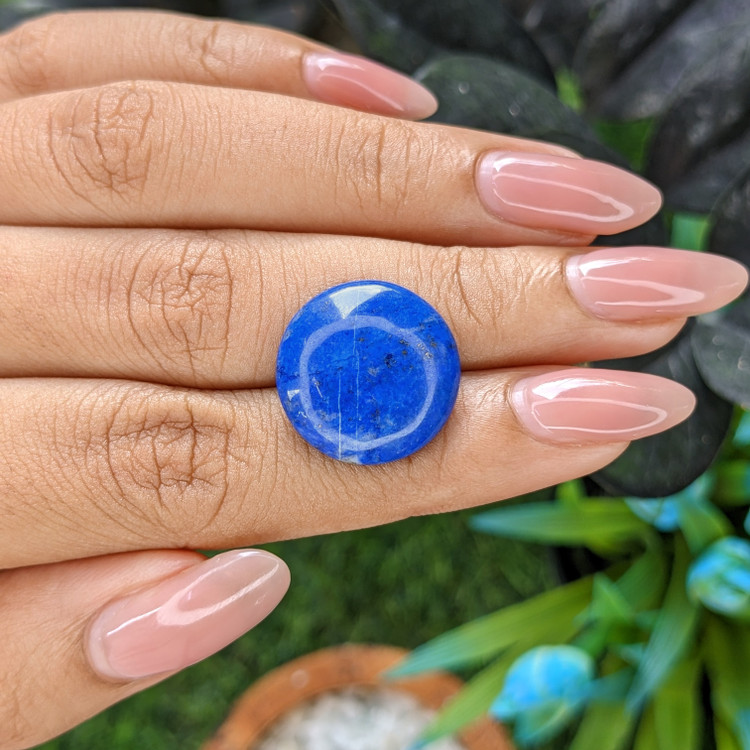
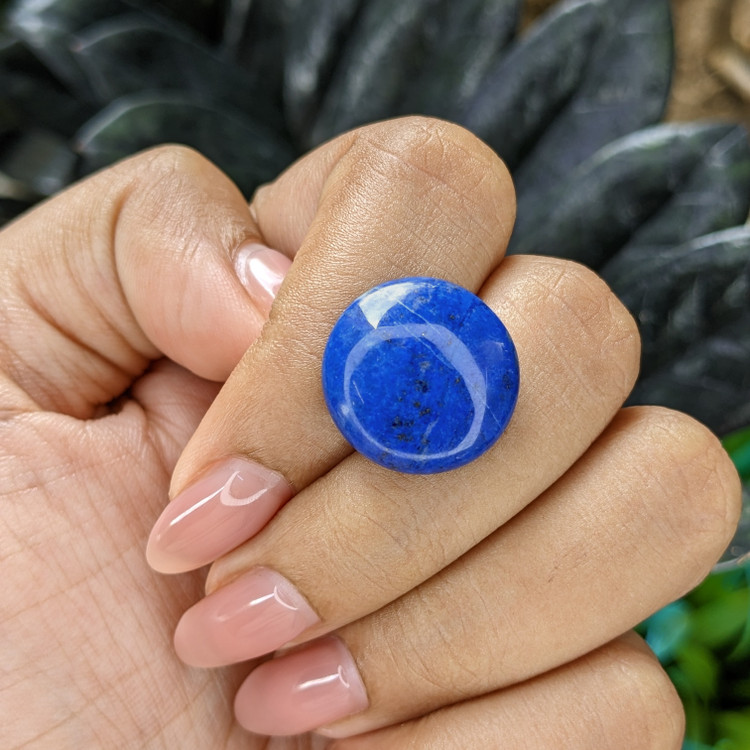
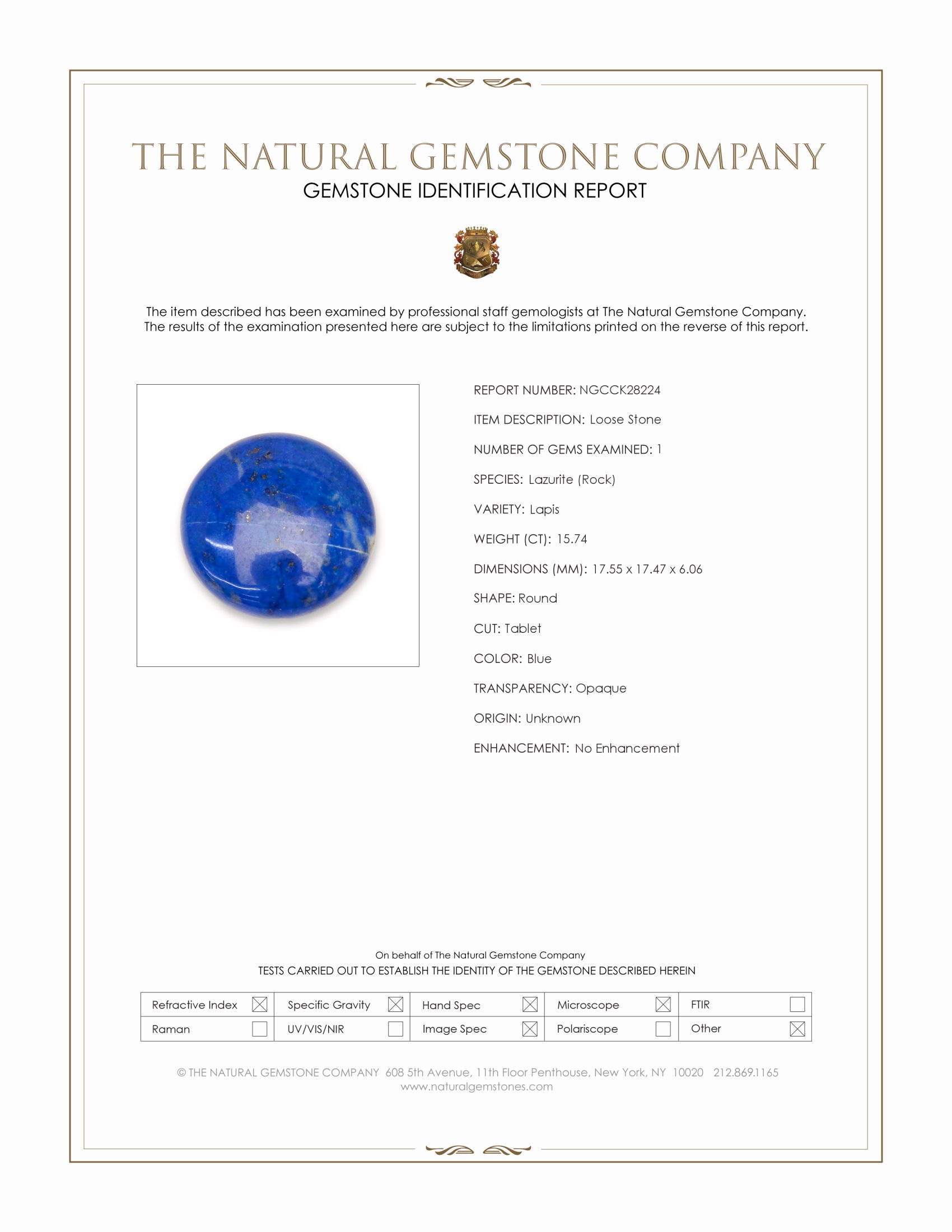

15.74 Ct. Lapis
This loose stone ships by Nov 8
Item ID: | K28224 |
|---|---|
Dimensions (MM): help | Length: 17.55 Width: 17.47 Height: 6.06 |
Weight: | 15.74 Ct. |
Color: help | Blue |
Color intensity: help | N/A |
Clarity: help | Not Applicable |
Shape: help | Round |
Cut: | Tablet |
Cutting style: | Tablet |
Enhancements: help | No Enhancement |
Origin: help | Unknown |
Per carat price: help | $70 |
This specimen from The Natural Gemstone Company is a substantial, opaque lapis measuring 15.74 carat, with precise dimensions of 17.55 by 17.47 by 6.06 millimeters, presented in a round outline and executed in the tablet cutting style. The tablet cut is a shallow, broad planed treatment that emphasizes uniform color planes rather than optical brilliance, and in this piece it produces an expansive surface that reads consistently under varied lighting. The lapidary execution displays excellent polish across the table and crown areas, with tight symmetry between the x and y axes as evidenced by the near identical length and width values. No enhancement has been applied to this stone, and the origin remains unknown, so assessment focuses on intrinsic material quality and finishing. The tablet cut, combined with the round shape and modest thickness of 6.06 millimeters, creates a low profile that sits well in a bezel or flush mount, offering both aesthetic and practical advantages for high end jewelry design where a stable, even color field is desired.
From a gemological perspective, lapis lazuli is a heterogenous rock composed primarily of lazurite, with accessory phases such as calcite and pyrite that influence value through contrast and texture. This particular lapis is described as opaque with the color noted as blue and color intensity not specified, a situation where the tablet cut is especially advantageous because it minimizes surface interruptions and allows the eye to read a continuous blue surface across a broad area. Excellent polish increases perceived depth of color and improves surface luster without altering the body color, and the precise round execution maintains uniform light interaction across the face. Care considerations are important for long term preservation, because lapis has a Mohs hardness of approximately five to five and a half, and it is sensitive to strong acids, prolonged exposure to solvents, and ultrasonic cleaners. The absence of enhancement is a major quality indicator for discerning buyers, because untreated lapis retains the original mineralogy and surface character that collectors seek, and it preserves scope for future provenance testing should documentation or origin attribution become available.
The investment profile for a large, untreated tablet cut lapis such as this is compelling within the context of natural and collectible gem markets, while remaining subject to the general dynamics of demand, supply, and provenance. Large, high quality lapis specimens are comparatively limited in supply because the best material historically has been mined in discrete, now constrained sources, and untreated examples at this scale are increasingly uncommon in wholesale and retail channels. The tablet cut enhances marketability to niche buyers who prioritize intact, broad color fields suitable for museum quality pieces or bespoke jewelry, and designers are willing to pay premiums for stones that integrate seamlessly into modern, minimal settings. Value appreciation is most likely when a stone combines several premium attributes, namely substantial carat weight, exemplary lapidary finish, and untreated status, all of which apply to this piece. To maximize future appreciation it is prudent to document the stone with professional imaging and a standard gemological report, to register provenance or custodial history over time, and to consider retaining or commissioning bespoke settings that elevate the stone to a collectible object of design.
While past performance of any gemstone market is not a guarantee of future returns, the factors that typically drive long term appreciation are present in this lapis, and The Natural Gemstone Company positions this piece as a strong candidate for collectors and investors seeking exposure to natural, untreated colored stone assets. Buyers who prioritize durability and liquidity should note the need for careful handling and clear documentation, and those looking to enhance market appeal can pursue formal certification and bespoke mounting. For clients seeking a detailed condition report or assistance with certification options and bespoke setting recommendations, The Natural Gemstone Company is available to provide technical guidance and provenance strategies to support both aesthetic and investment objectives.


