
- Stone9
- Reports3


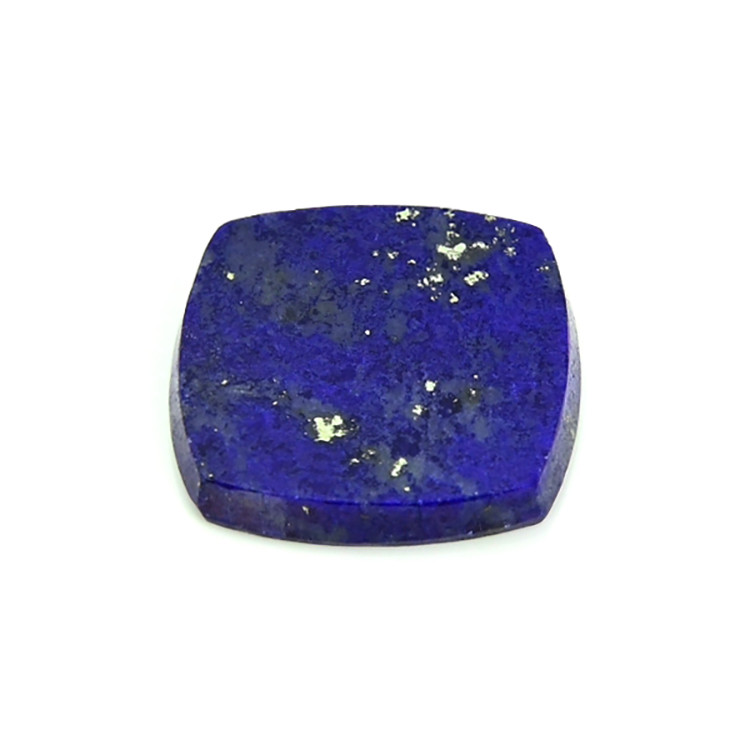


4.32 Ct. Lapis from Afghanistan
This loose stone is available to ship now
Item ID: | K2763 |
|---|---|
Dimensions (MM): help | Length: 12.87 Width: 12.8 Height: 2.24 |
Weight: | 4.32 Ct. |
Color: help | Blue |
Color intensity: help | Vivid |
Clarity: help | Not Applicable |
Shape: help | Cushion |
Cut: | Tablet |
Cutting style: | Tablet |
Enhancements: help | No Enhancement |
Origin: help | Afghanistan |
Per carat price: help | $12 |
From the high mountain veins of Afghanistan to the quiet light of a jewelers workbench, this lapis lazuli carries a story that begins deep in the earth and ends as a piece of wearable history. Formed over millions of years by contact metamorphism in limestone, these stones were once rock, heat, and pressure, and now they are deep blue windows into ancient geology. Miners in regions with a long and storied tradition of lapis, including the famed Afghan deposits, have for generations worked by hand to recover the best material, and that human labor is part of the gem story. The grit and patience of miners, the knowledge passed down through families, the care in selecting rough pieces for the best hue and matrix, all contribute to the provenance of this gem. Holding this lapis, one holds the echo of mountain wind, the echo of history, and the echo of artisans who saw potential in a flake of blue stone.
This particular gem is a 4.32 carat, cushion shape lapis with tablet cut dimensions 12.87 x 12.80 x 2.24 mm, opaque in body, with a vivid color intensity and an excellent polish. The tablet cut accentuates the depth of the blue, and the polished surface reveals the subtle pyrite flashes that lapis collectors prize, without compromising the solid, even color. There has been no enhancement, the stone is natural and untreated, and its untouched nature enhances both its aesthetic and its collectible value. At The Natural Gemstone Company we take particular care to match cut and original rough in a way that respects the inherent character of each piece. The cutter decided on a low tablet profile to preserve weight and to present a broad field of color, a choice that lets the vivid ultramarine surface read true under many lighting conditions. The cushion shape is versatile for settings, balanced for rings or pendants, and the slightly squarish outline with softened corners gives a modern yet classic presence.
Beyond physical description, lapis carries cultural weight that amplifies its desirability. For millennia lapis lazuli was prized by ancient civilizations from Mesopotamia to Egypt, used in beads, inlays, and ground into ultramarine pigment for the most revered paintings and illuminated manuscripts. The best Afghan lapis consistently appears in museum collections and in historical regalia, and that historical pedigree informs contemporary market preferences. Collectors and designers often seek stones with clear ties to origin, and Afghan material has one of the most direct narratives, linking a living craft to ancient tradition. Wearing or owning a piece of lapis is to participate in a lineage of artisans and patrons, it is to carry color that kings and painters once sought, and it is to own a tangible fragment of human culture. That emotional connection can be as compelling for buyers as physical attributes, and this emotional value often supports long term appreciation in quality pieces.
As an investment, a natural, untreated, well cut Afghan lapis of this size and color presents a compelling case for future appreciation. Supply side pressures from limited high quality Afghan deposits, combined with geopolitical and logistical constraints, tend to reduce the flow of top tier rough into global markets, creating scarcity for the best material. On the demand side there is growing interest in natural and untreated gemstones, as collectors, jewelers, and investors look for authenticity and provenance, and that trend supports premiums for stones that show no enhancement. Key drivers for value include vivid and uniform color, desirable weight, clear attribution of origin, documented lack of enhancement, and quality cutting and polish, all of which this stone embodies. For long term preservation of value it is prudent to obtain documentation, consider high quality settings that protect the surface, and maintain a record of purchase and provenance, as these elements enhance liquidity and appeal to future buyers. At The Natural Gemstone Company we are prepared to assist with provenance documentation, secure shipping, and advice on appraisals, because careful stewardship increases the likelihood that your lapis will not only be a thing of beauty, but also an appreciating asset in a diversified collection.


