
- Stone12
- Reports2

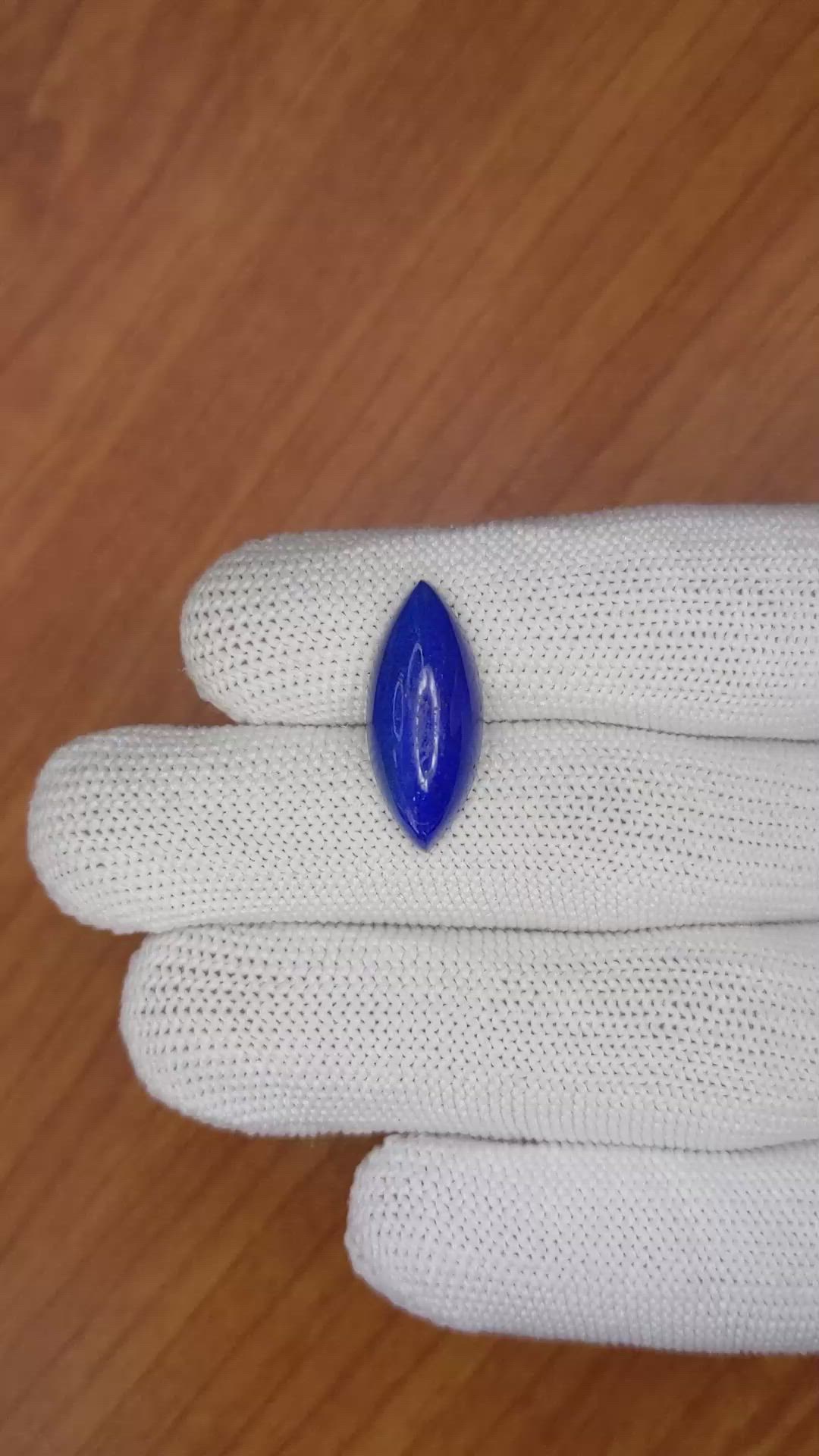
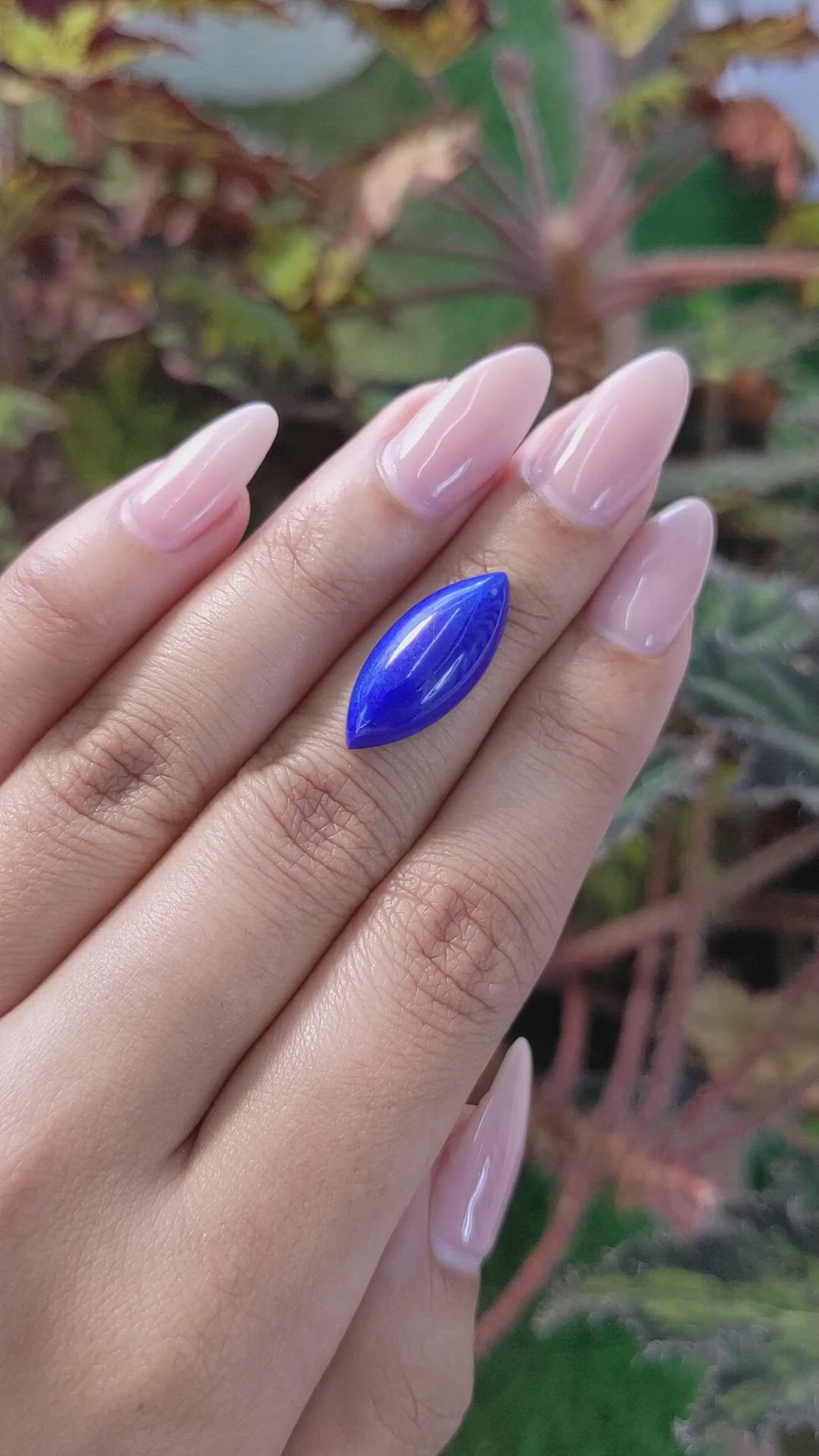
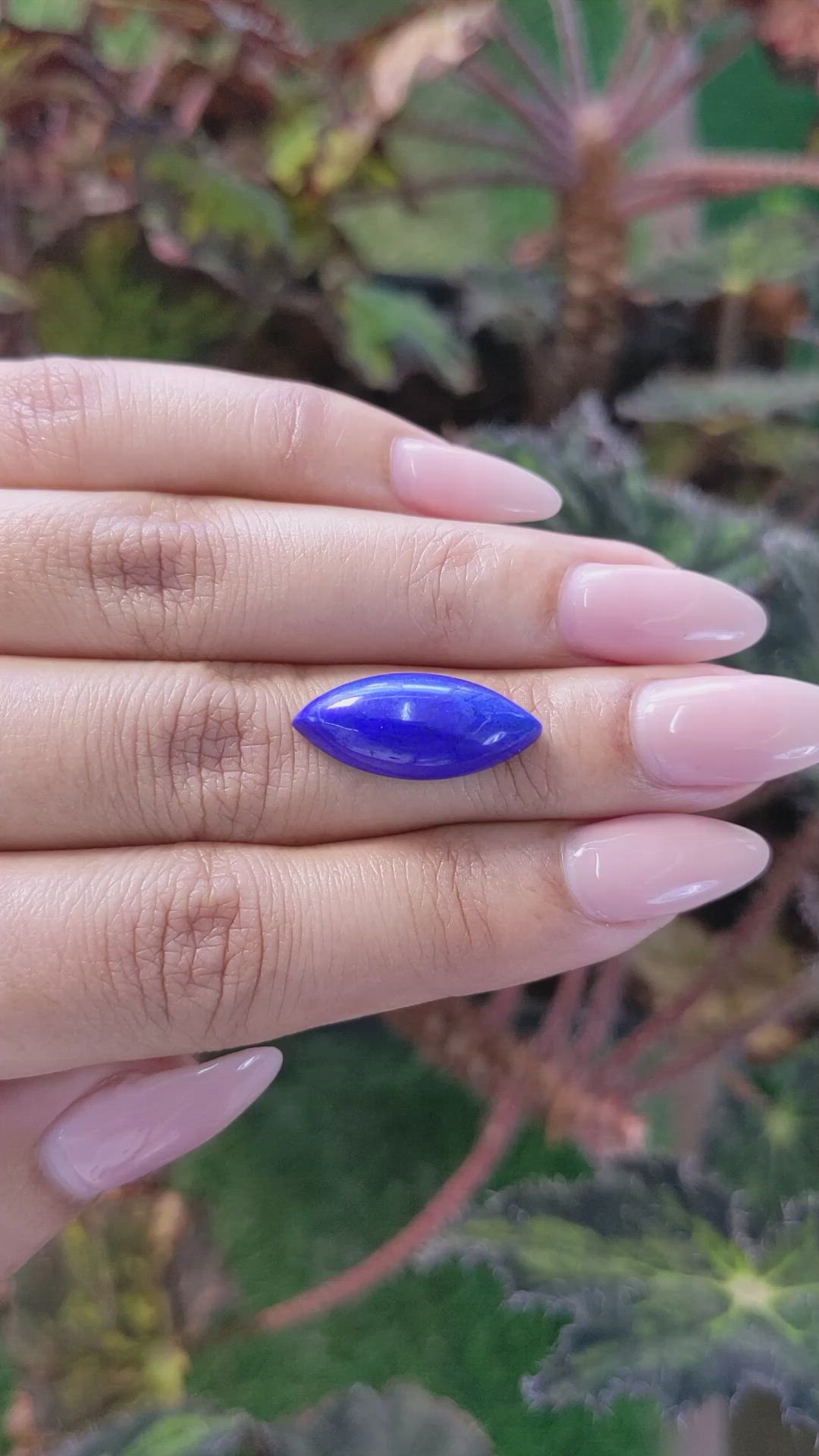
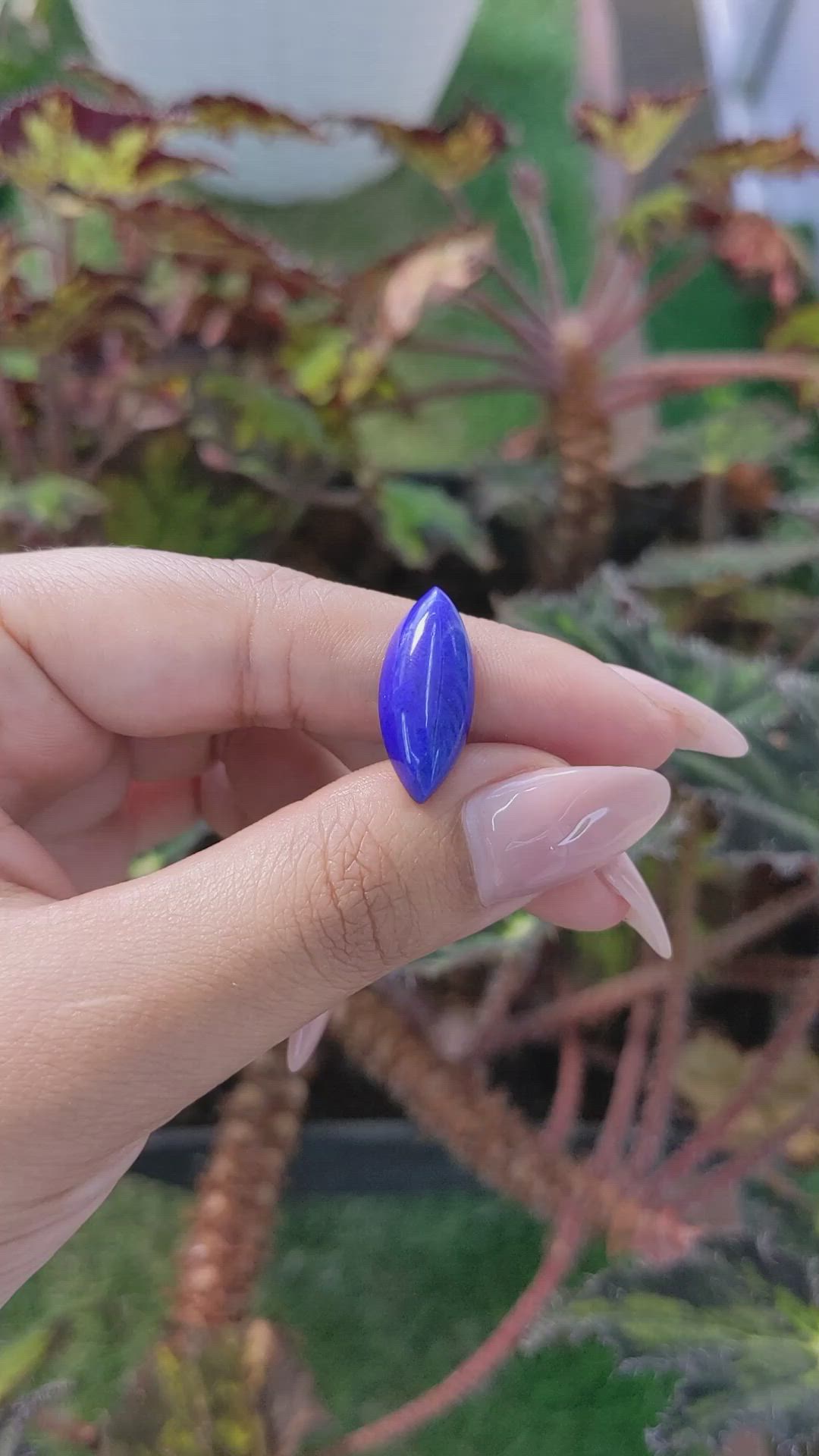


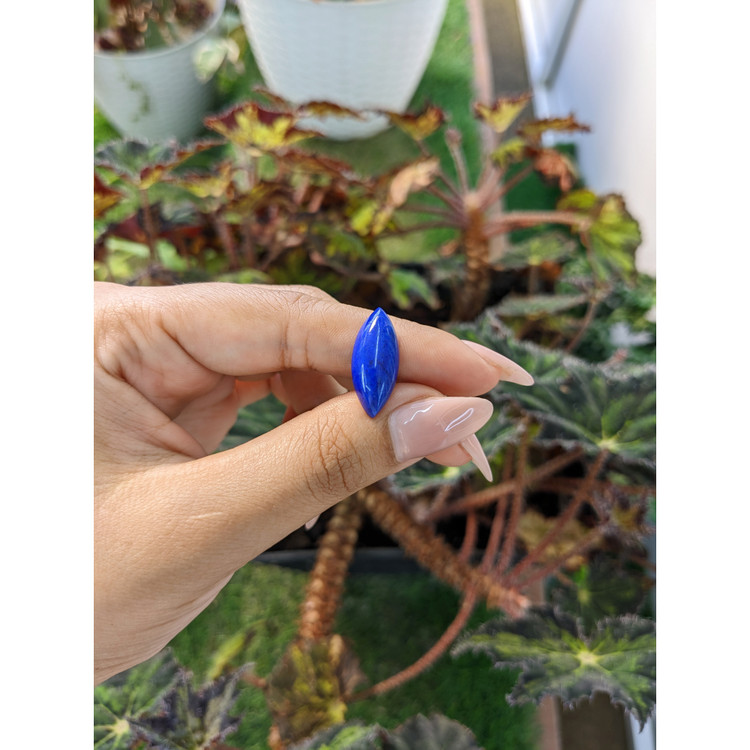
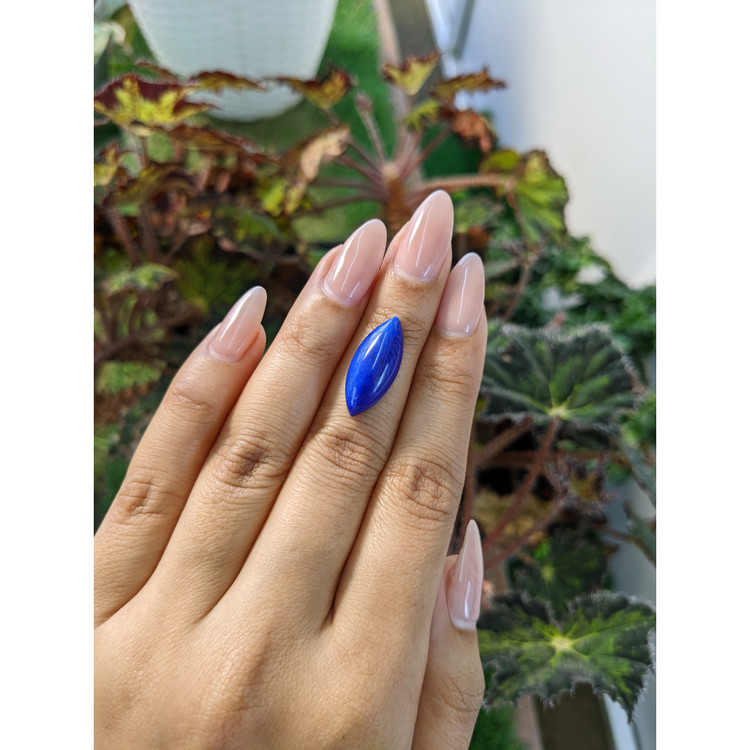
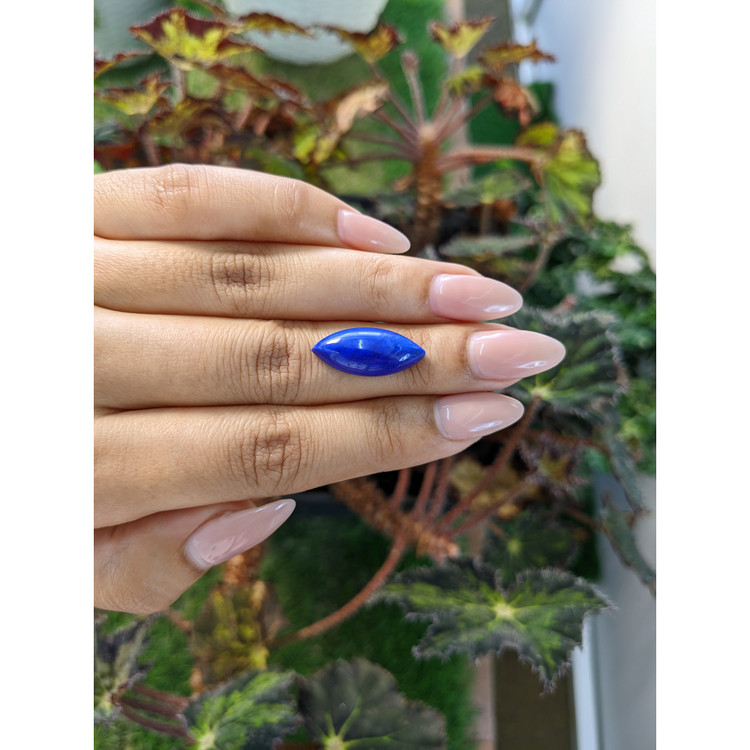


7.32 Ct. Cabochon Lapis from Afghanistan
This loose stone is available to ship now
Item ID: | K21631 |
|---|---|
Dimensions (MM): help | Length: 21.08 Width: 9.03 Height: 5.31 |
Weight: | 7.32 Ct. |
Color: help | Blue |
Color intensity: help | N/A |
Clarity: help | Not Applicable |
Shape: help | Marquise |
Cut: | Cabochon |
Cutting style: | Cabochon |
Enhancements: help | No Enhancement |
Origin: help | Afghanistan |
Per carat price: help | $16 |
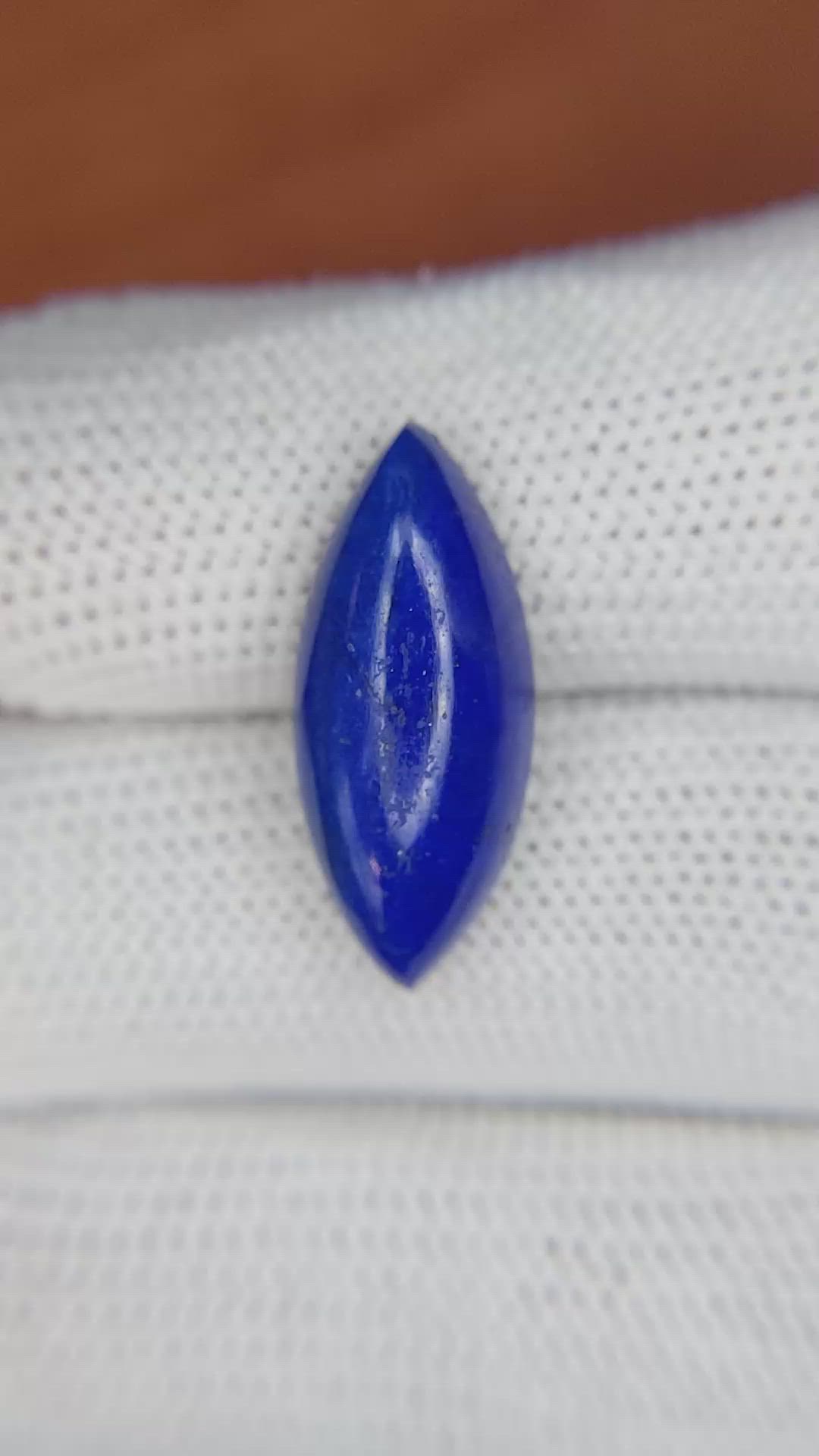
This marquise shaped cabochon is a striking example of natural lapis lazuli, weighing 7.32 carats and measuring 21.08 x 9.03 x 5.31 mm, offered by The Natural Gemstone Company. The stone is opaque with an excellent polish, and it has received no enhancement, which is a key factor that discerning buyers use when assessing value. Lapis is graded differently from transparent gemstones, with emphasis placed on the richness and uniformity of the blue hue, the presence and distribution of calcite and pyrite inclusions, and the overall surface finish. In this example the color presents as a true Afghan blue, known for its depth and stability, the cabochon cut accentuates the even color plane across the marquise outline, and the superior polish allows surface reflections to show a velvety luster that is highly prized in collector grade material. For lapis, clarity is described in terms of the distribution of the rock matrix, and an absence or minimal appearance of white calcite streaks increases the aesthetic appeal. Small, well dispersed pyrite flecks can enhance the visual interest and confirm the natural origin, whereas large calcite patches would reduce value. This piece demonstrates careful material selection and lapidary work, resulting in a clean, consistently colored surface with an elegant elongated silhouette.
From a gemological perspective this lapis commands attention because it combines important market attributes in one specimen. The Afghan origin is significant, as material from historic sources such as the Sar e Sang mines has long been considered the benchmark for the finest lapis, offering a saturated blue that is rare in untreated stones. As lapis is a rock predominantly composed of lazurite with accessory pyrite and calcite, the balance of these components defines grades used by connoisseurs. The absence of enhancement is particularly valuable, because many lower grade pieces are dyed or impregnated to mask calcite and improve color uniformity. An untreated 7.32 carat marquise cabochon of this size and quality is suitable for both high end jewelry design and investment collections. The marquise shape maximizes visual length, offering strong presence in rings and pendants, and the cabochon cut emphasizes color over faceting, which is the traditional aesthetic for lapis. For designers and educated buyers, the combination of documented Afghan origin, no enhancement, excellent polish, and exhibition scale dimensions means this stone will retain desirability and marketability over time.
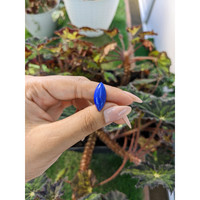
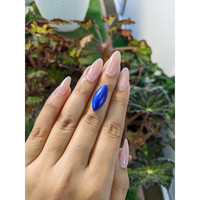
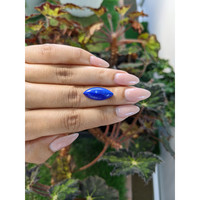
Color interaction with skin tone is a practical consideration when selecting lapis for wearable pieces, and this stone performs exceptionally well across a wide range of complexions. The classic deep blue provides a strong cool anchor that contrasts beautifully with warm undertones, creating a vivid and flattering pop against fair skin with peach or warm beige undertones, while enhancing the natural warmth of medium and olive complexions. Against darker skin tones the saturated blue appears luminous and regal, producing a striking, high contrast effect that reads as both elegant and bold. Metal choice further tailors the visual outcome, as yellow gold will warm the lapis and intensify its richness, rose gold will add a soft complementary glow that is particularly flattering on warm or neutral skin, and white metals such as sterling silver or platinum will emphasize the stones pure coolness and baroque character. The elongated marquise silhouette is especially flattering on fingers that benefit from the optical stretch it creates, and as a pendant the vertical line of the stone can lengthen the visual of the neckline. Pairing suggestions include fine halo settings with small white diamonds to uplift the blue without competing with its inherent charm, or simple bezel settings that showcase the cabochon surface for a more organic, artisanal look.
At The Natural Gemstone Company we focus on transparency and provenance, and we are prepared to provide detailed information about the sourcing and the lapidary process used to bring out the best in this marquise cabochon. For the educated buyer this piece represents a responsible acquisition it is a natural, untreated example of Afghan lapis with an excellent finish, and the dimensions and weight translate into a commanding presence in finished jewelry. Whether you are a designer seeking a signature centerpiece, a collector building a representative suite of historic gem materials, or a purchaser seeking a meaningful gift that will age gracefully, this lapis offers both aesthetic appeal and geological integrity. Please contact our team for additional images, setting advice, or documentation to support appraisal and certification, we are available to assist you in visualizing this stone in a range of settings and metals to ensure the final piece complements the intended wearer and stands the test of time.


