
- Pair14
- Reports4
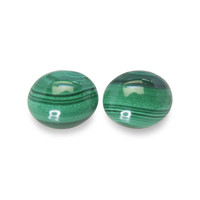
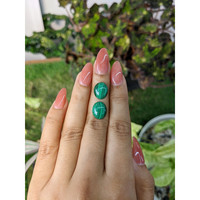
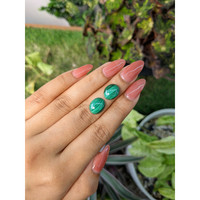
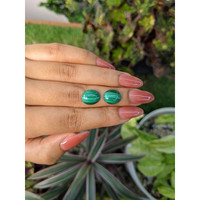
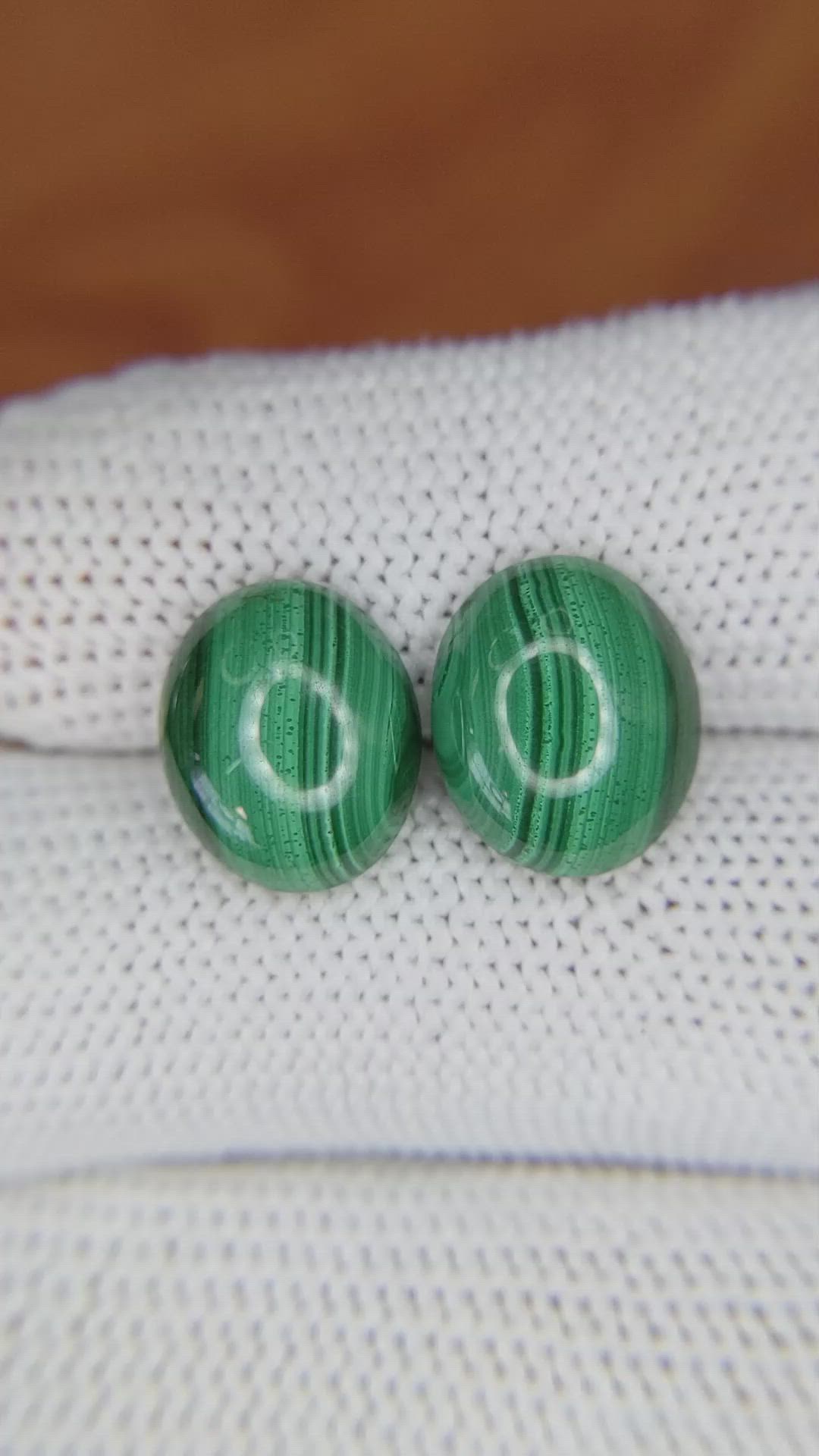
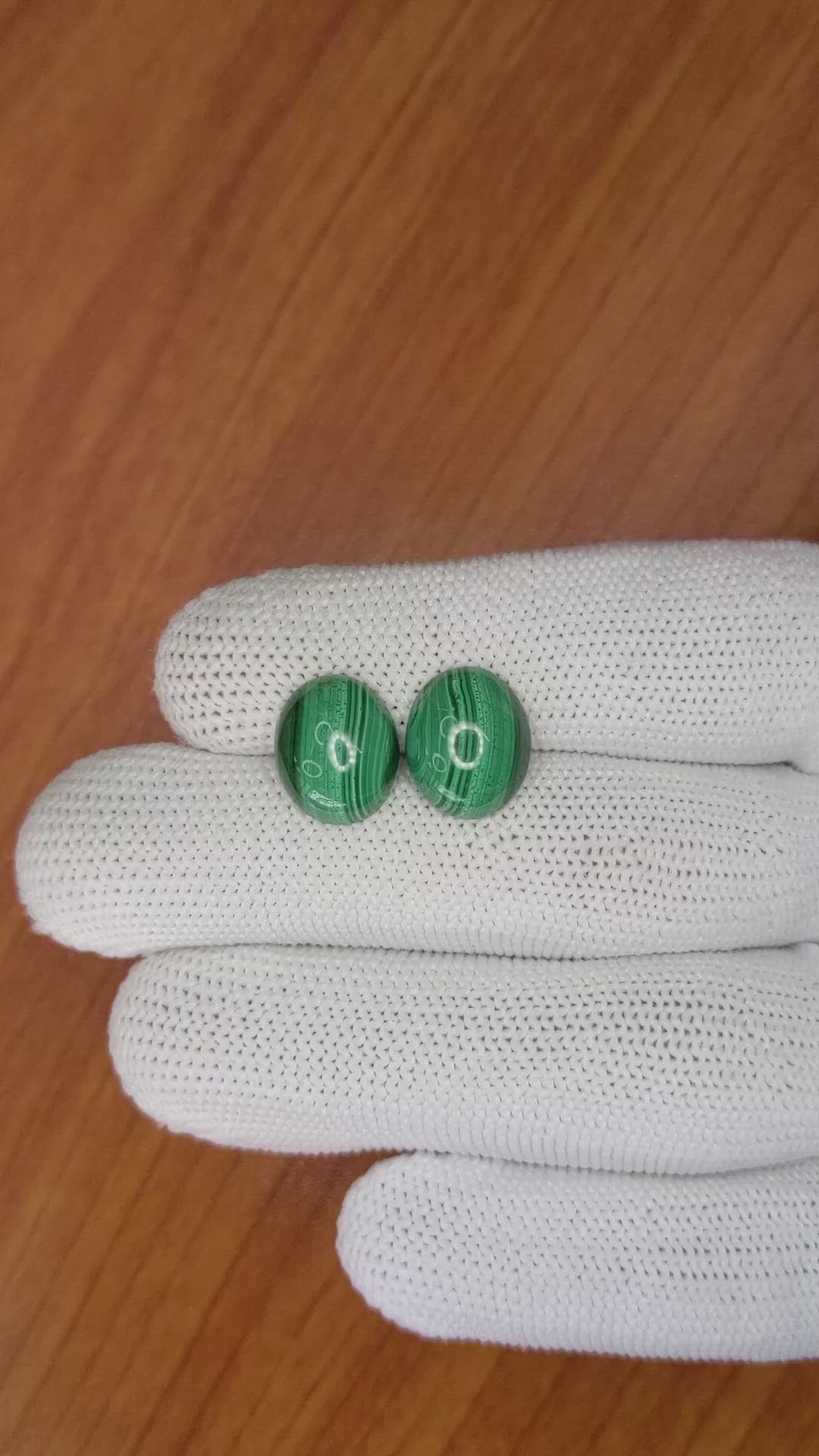
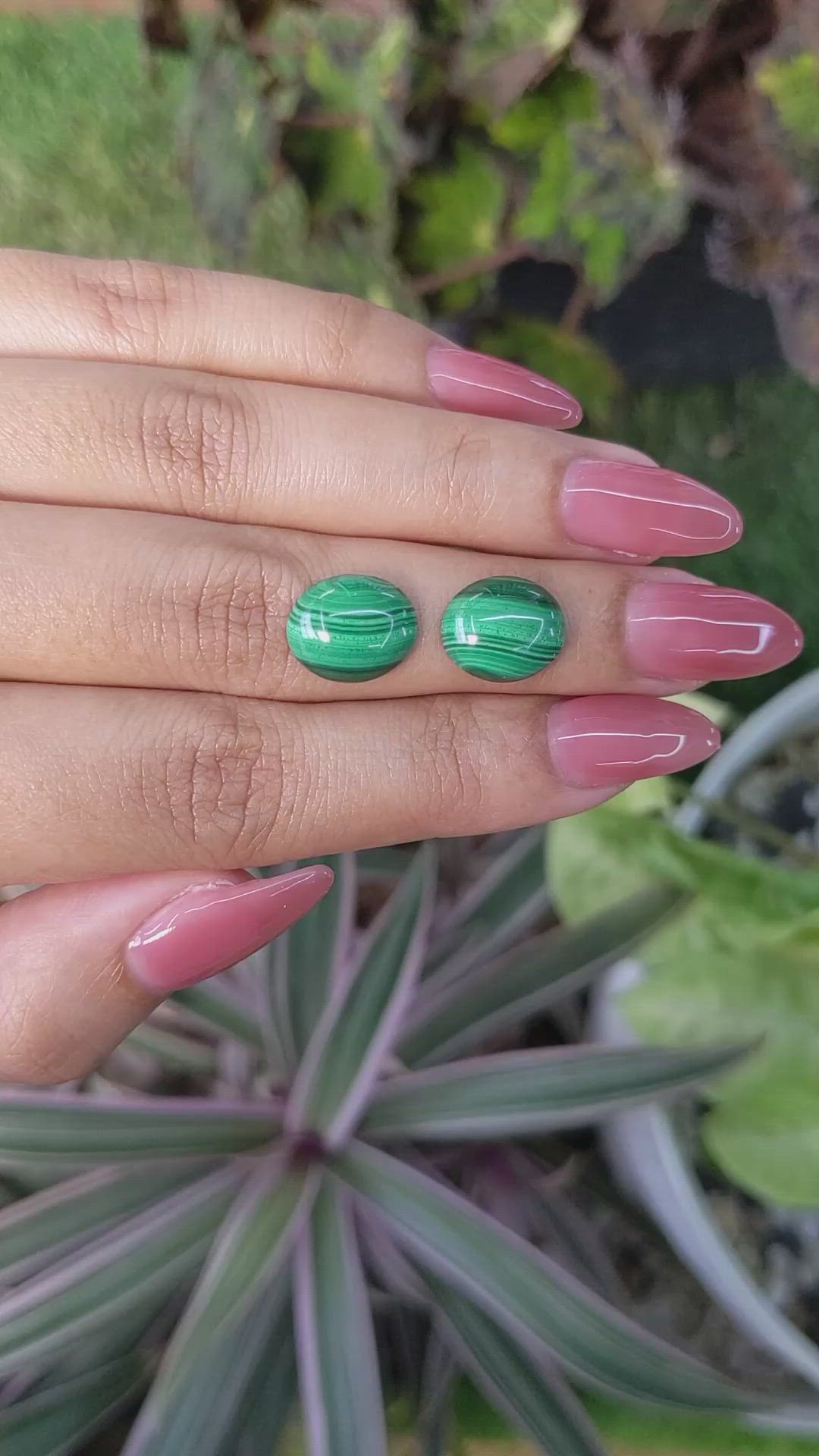
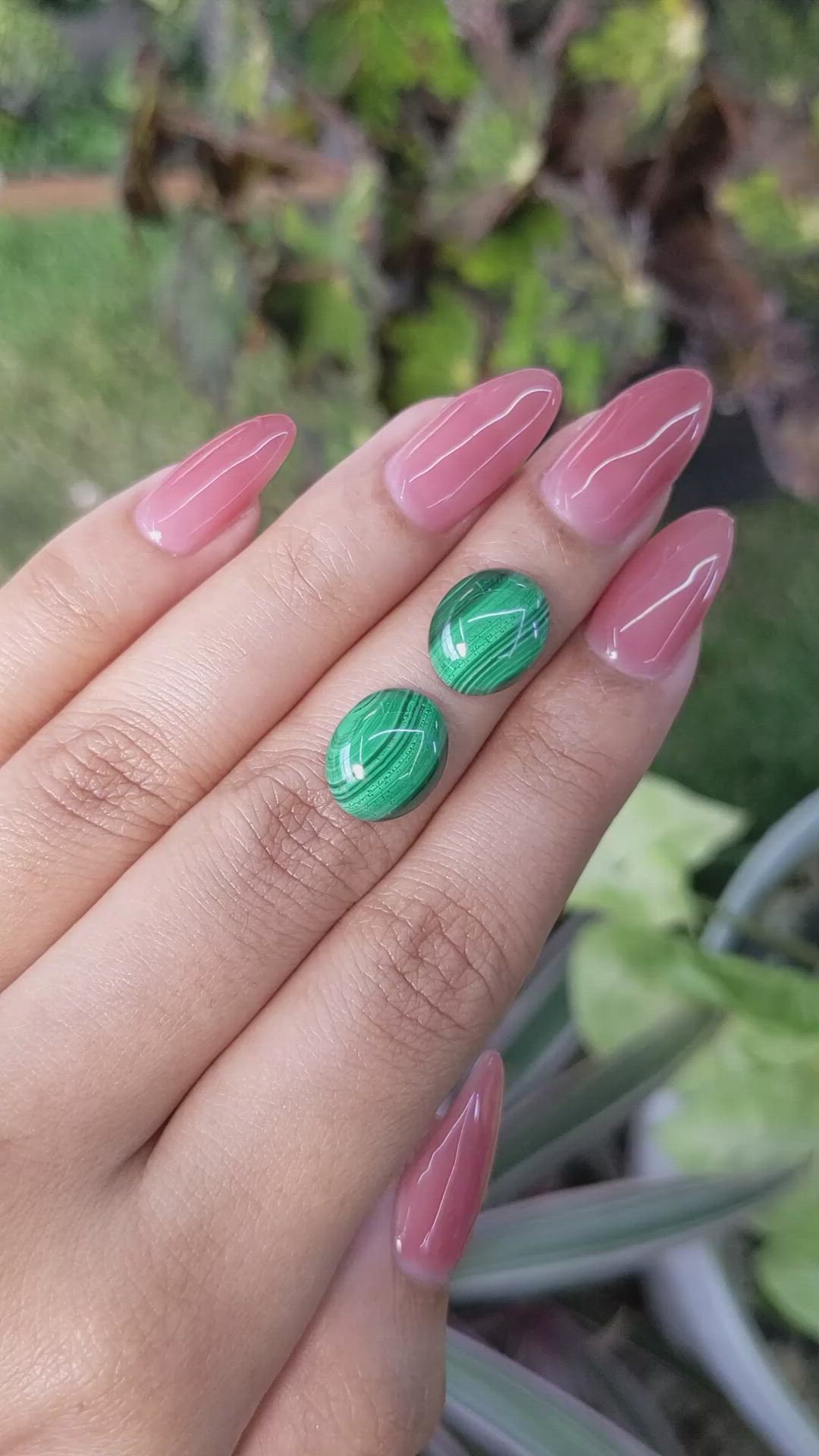
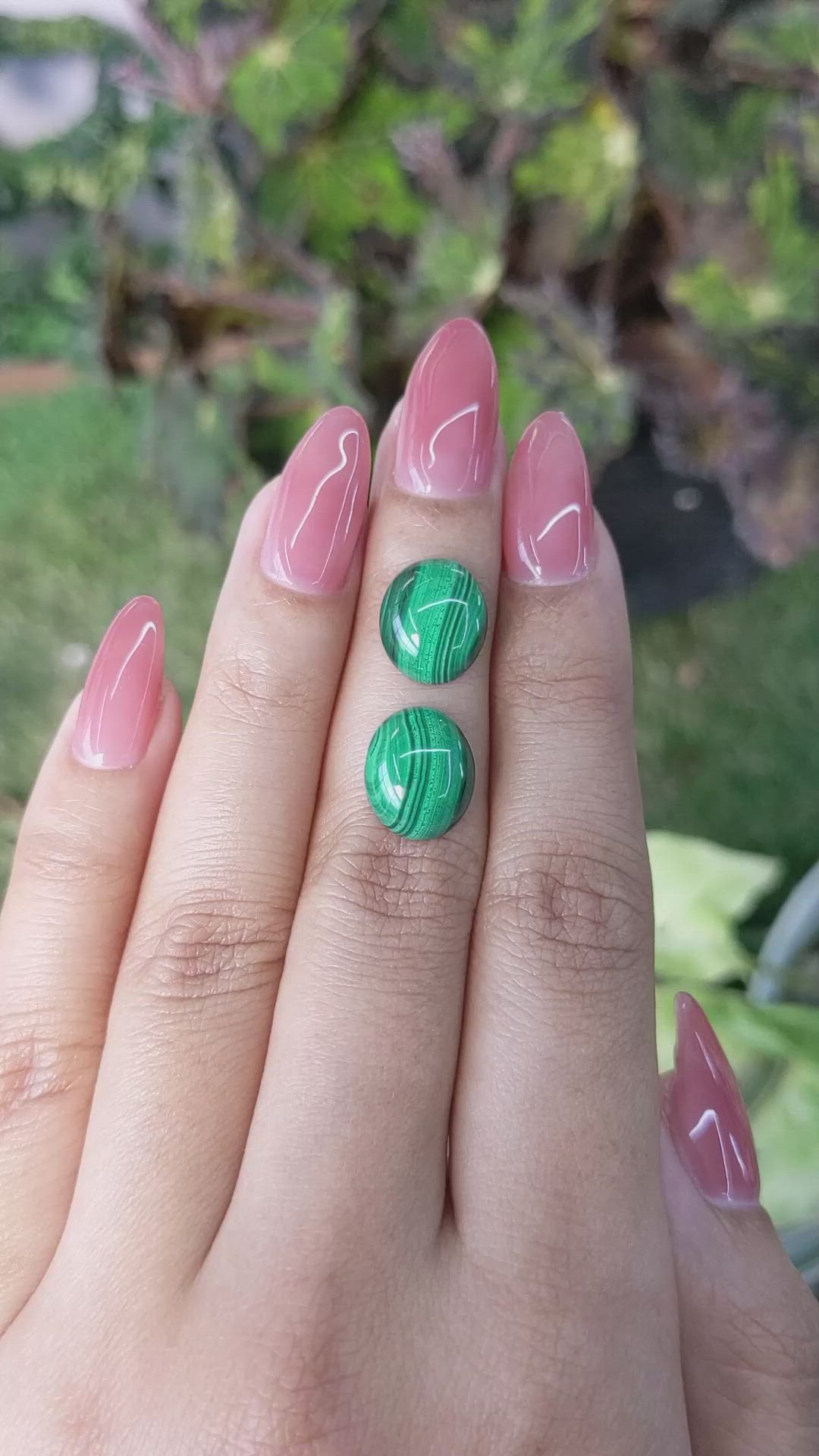


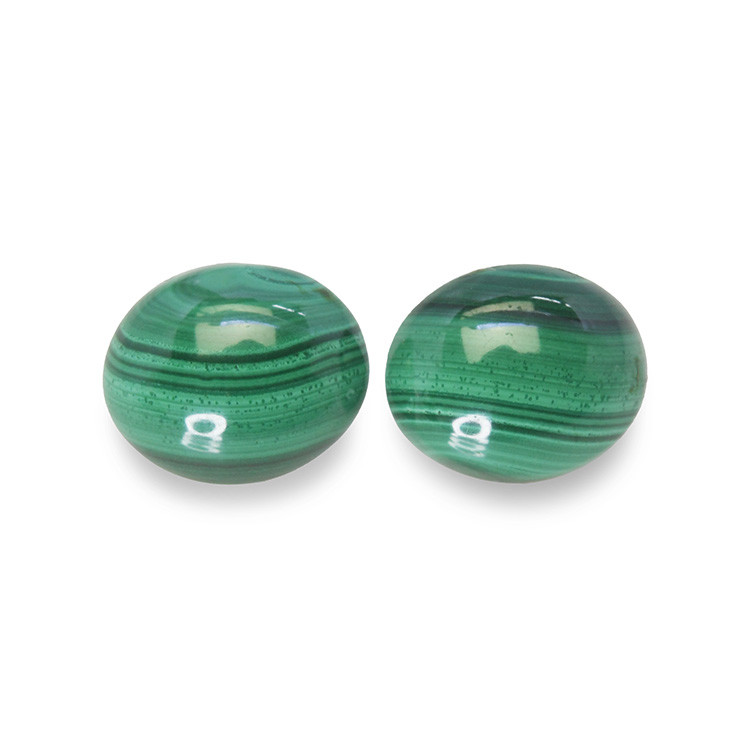
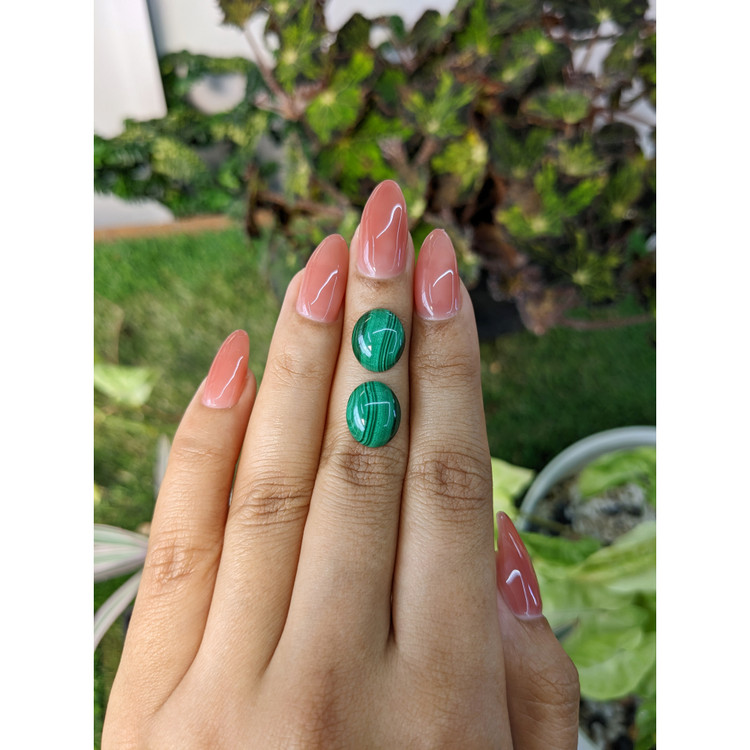
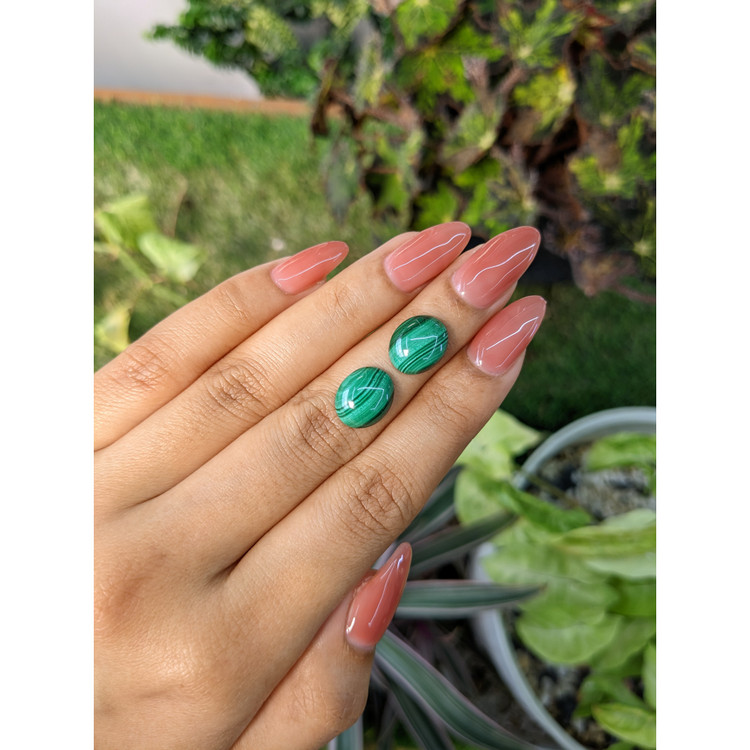
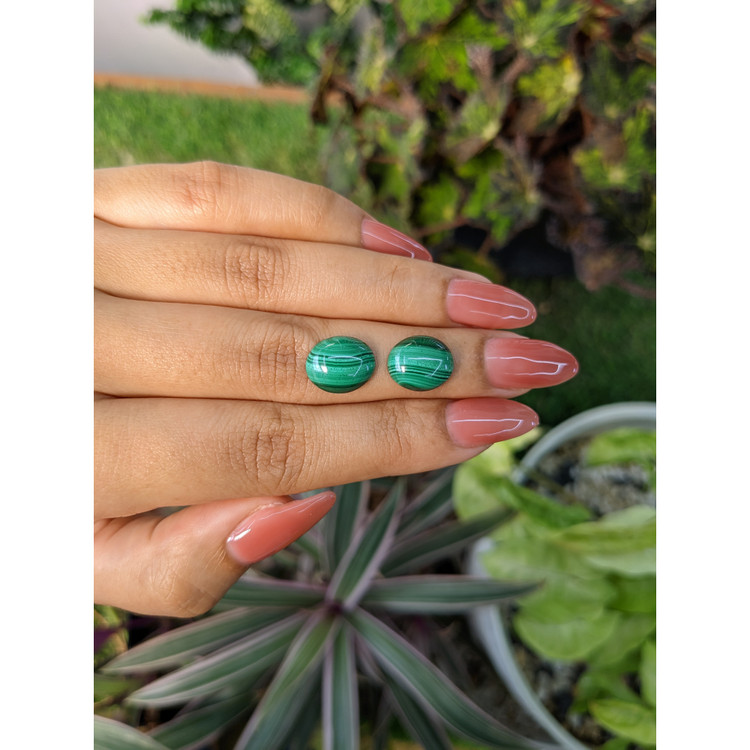


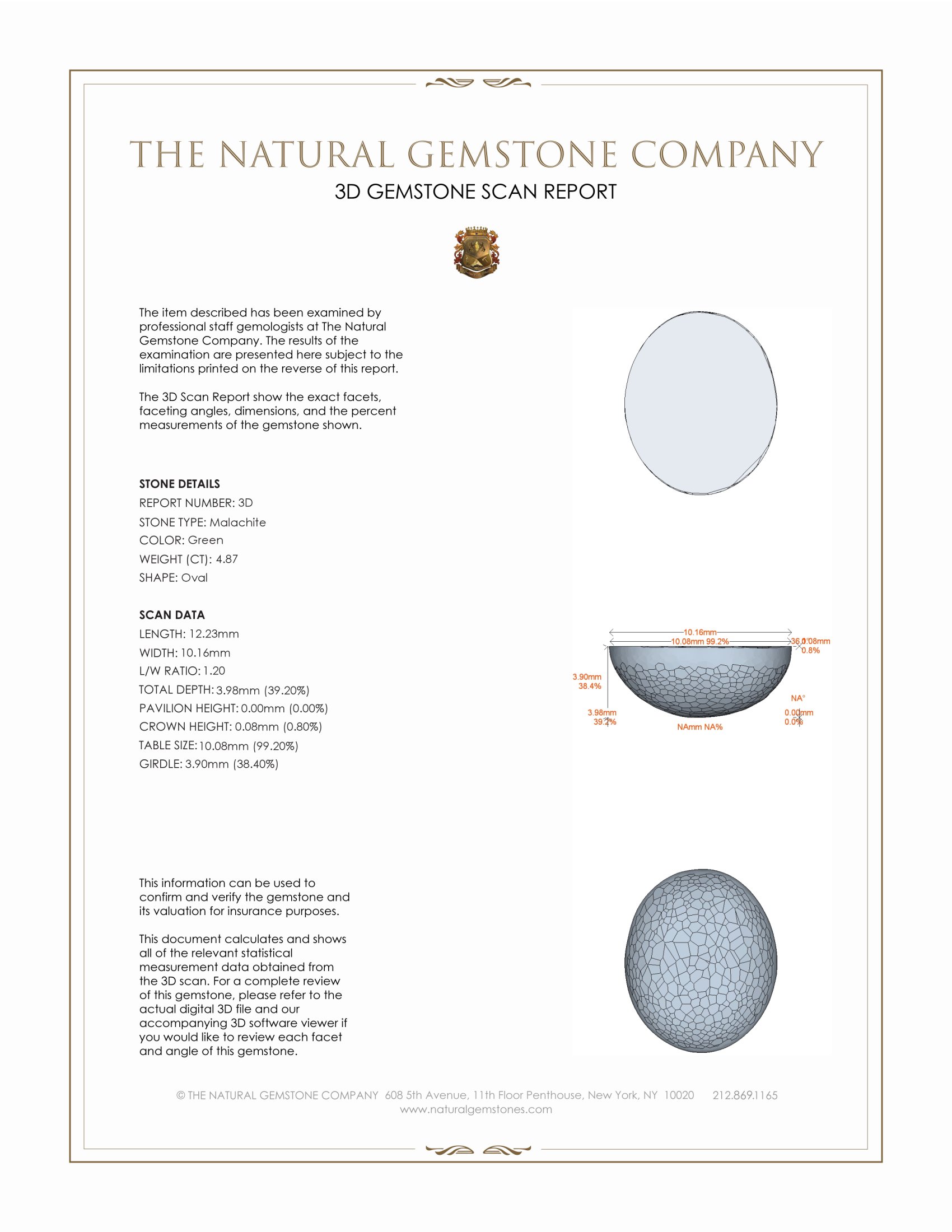
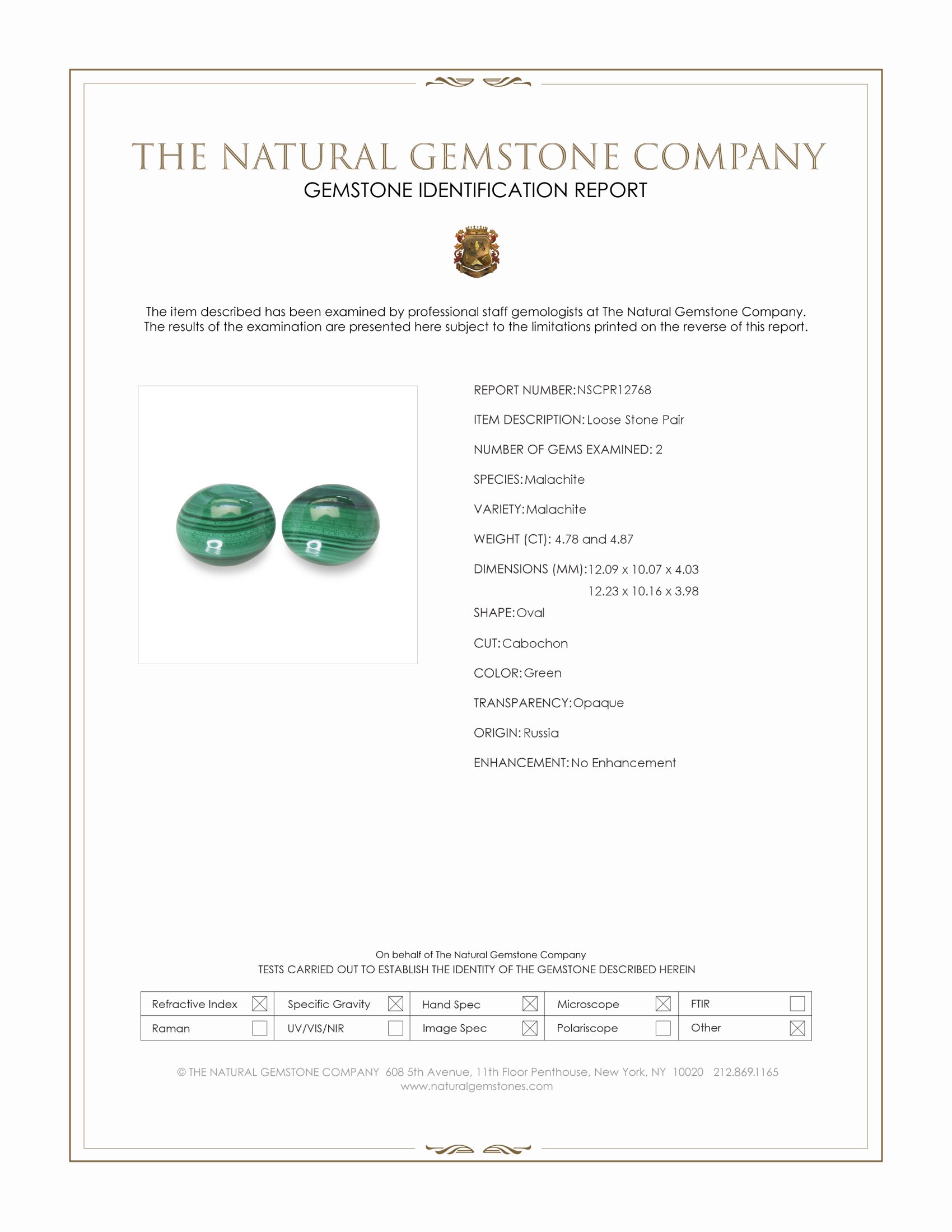
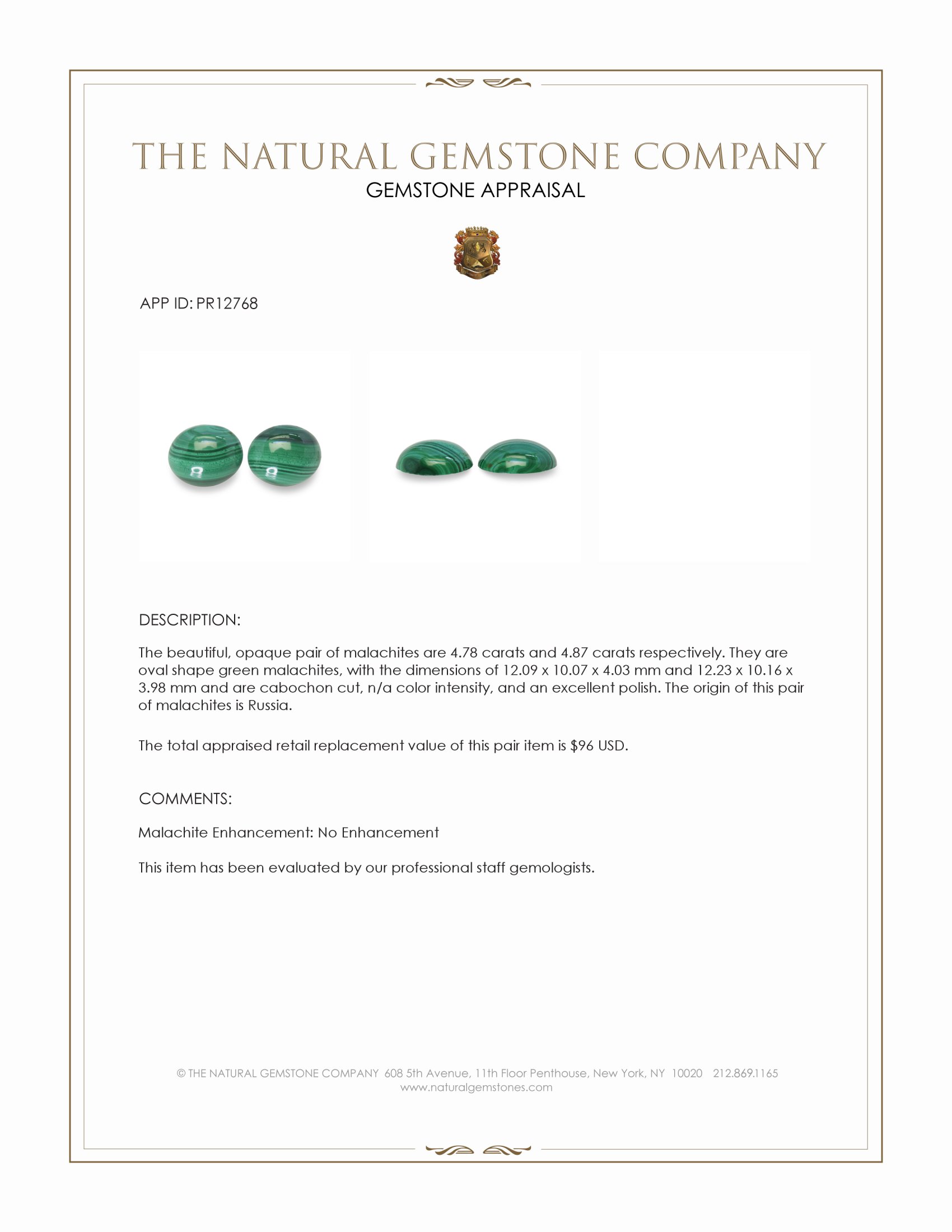
9.65 Ct.Tw.Total Carat Weight Cabochon Malachite Pair from Russia
This pair of stones is available to ship now
Stone type: | Malachite | Malachite |
|---|---|---|
Item ID: | PR12768 | PR12768 |
Dimensions (MM): help | Length: 12.09 Width: 10.07 Height: 4.03 | Length: 12.23 Width: 10.16 Height: 3.98 |
Weight: | 4.78 Ct. | 4.87 Ct. |
Color: help | Green | Green |
Color intensity: help | N/A | N/A |
Clarity: help | Not Applicable | Not Applicable |
Shape: help | Oval | Oval |
Cut: | Cabochon | Cabochon |
Cutting style: | Cabochon | Cabochon |
Enhancements: help | No Enhancement | No Enhancement |
Origin: help | Russia | Russia |
Per carat price: help | $10 | $10 |
It is a rare pleasure to present this exquisite matched pair of Russian malachite cabochons, offered exclusively by The Natural Gemstone Company, a pairing that will immediately appeal to collectors and discerning clients who prize pieces with genuine provenance and natural character. Each stone is a fine example of opaque malachite, weighing 4.78 carats and 4.87 carats respectively, cut into classic oval silhouettes that emphasize the mineralogical beauty for which Russian malachite is celebrated. The dimensions of the stones are 12.09 by 10.07 by 4.03 millimeters and 12.23 by 10.16 by 3.98 millimeters, dimensions that speak to a substantial presence while retaining elegance and versatility for bespoke designs. Both stones are cabochon cut with an excellent polish, presenting smooth domes that capture light in a soft and luxurious way, and neither has been subjected to any enhancement. For connoisseurs who understand the importance of untouched material, this pair represents an opportunity to own malachite as nature intended, with the reassuring pedigree and careful selection that defines The Natural Gemstone Company.
What distinguishes this pair beyond measurements and cut is the visual language written in their bands, a natural signature that only premium Russian malachite displays with such clarity and rhythm. The deep green hues are punctuated by alternating lighter and darker concentric stripes, each band tracing geological time and the conditions of formation, producing a pattern that is at once organic and architectural. The symmetry between the two stones is remarkable for natural material, each echoing the other with corresponding lines and movement, making the pair ideal for earrings, a matched doublet in a bespoke ring, or companion pieces in a high end bespoke cufflink set. Because malachite is opaque, the appeal lies in surface polish and the continuity of the pattern, and in this pair the polish is exceptional, delivering a mirror like surface that deepens the greens and clarifies the banding. The effect is one of quiet grandeur rather than flash, a material that rewards close attention and that marks its bearer as someone who values natural beauty and refined taste.
For jewelers and designers who translate mineral beauty into wearable art, these malachites offer practical advantages as well as aesthetic ones, with proportions and weights that facilitate balanced settings without compromising on presence. The slightly domed cabochon profile provides a generous surface for the bands to run across, allowing settings to be designed that highlight the flow of pattern, either with horizontal bands that extend across both stones, or with vertical orientations that emphasize concentric movement. The weight balance of 4.78 carats and 4.87 carats ensures a near perfect pairing, and the close dimensional match supports symmetrical mounting, an important detail for high end commissions. Because both stones are natural and untreated, standard jeweler care is recommended, avoiding harsh chemicals and ultrasonic cleaning that can harm the stone, and preferring gentle polishing cloths and secure settings that protect the domed surface from abrasion. When set with subtle metalwork, for example hand engraved bezels in warm yellow gold or elegant platinum mounts for contemporary minimalism, the stones retain their voice while being elevated by the metal, creating pieces that feel bespoke and intentional.
The provenance of these stones from Russia further enhances their desirability, as Russian malachite has long been revered in the history of decorative arts and fine jewelry for the depth of color and the quality of banding it yields. Such origin is not merely a label, it is a mark of character that assures collectors of the geological context and of the traditional craftsmanship associated with Russian sources. At The Natural Gemstone Company we curate only the most compelling examples, sourcing parcels with attention to matching and unique patterning, and we offer this pair as part of a very limited selection of matched malachite cabochons. For clients who seek ownership of something both rare and historically resonant, this pair is not mass produced, it is not a commodity, it is a thoughtful selection for a patron who understands that true rarity is found in pieces with story and substance. Owning these stones places you in a small circle of enthusiasts who appreciate original, unenhanced material with unmistakable character.
If you would like to reserve this matched pair for a commission or for private acquisition, The Natural Gemstone Company will provide personalized service to ensure the stones are matched with a setting that honors their pattern and presence, and to advise on design, metal choice, and long term care. We can assist with detailed photography under controlled lighting, or with design sketches from our recommended atelier partners, to visualize how the malachites will live in a finished piece. Given the uniqueness of these stones and the limited availability of comparable Russian malachite, we recommend early engagement to secure them for your project, and we will provide documentation of origin and our assessment of cut and polish on request. For the collector, the maker, and the patron who seeks something singular, this pair represents an opportunity to acquire a natural masterpiece that will endure as a signature element in a bespoke collection.


