
- Stone8
- Reports2
-oval-orange-moonstone-29.3500-cts-k6481-1.jpg?d=200x200&v=20250529111803)


-oval-orange-moonstone-29.3500-cts-k6481-1.jpg?d=750x750&s=ngc&v=20250529111803)


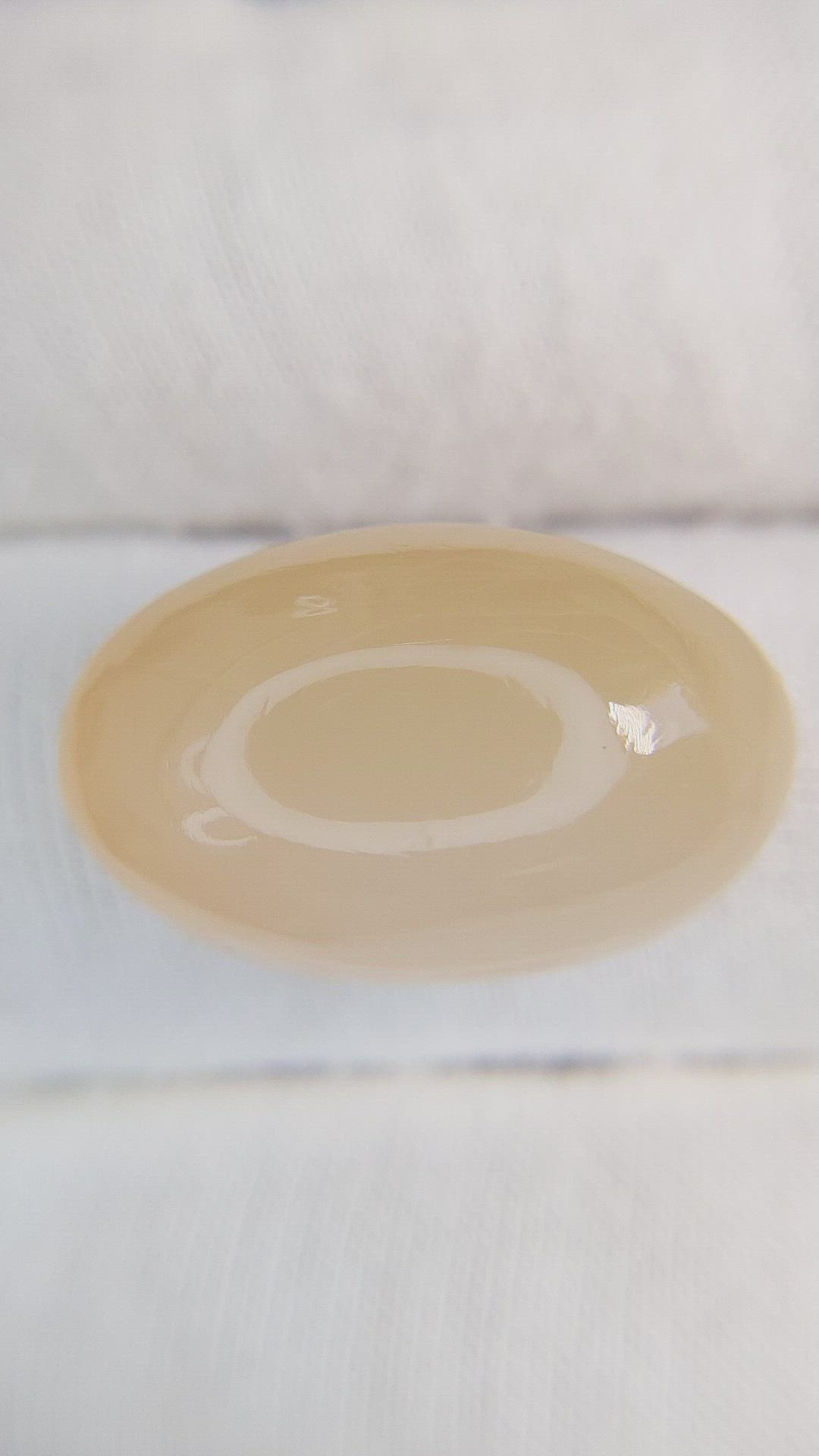
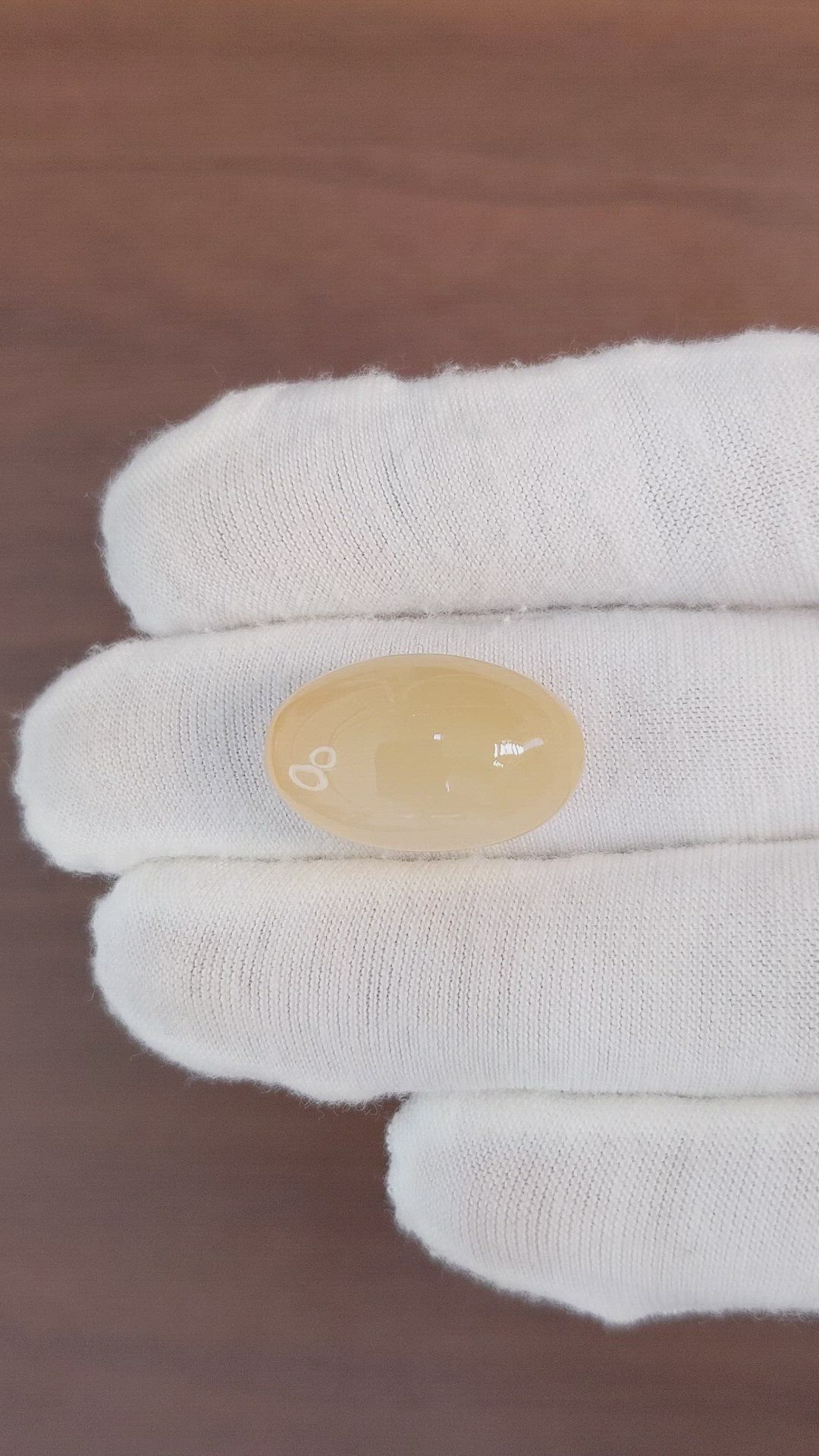
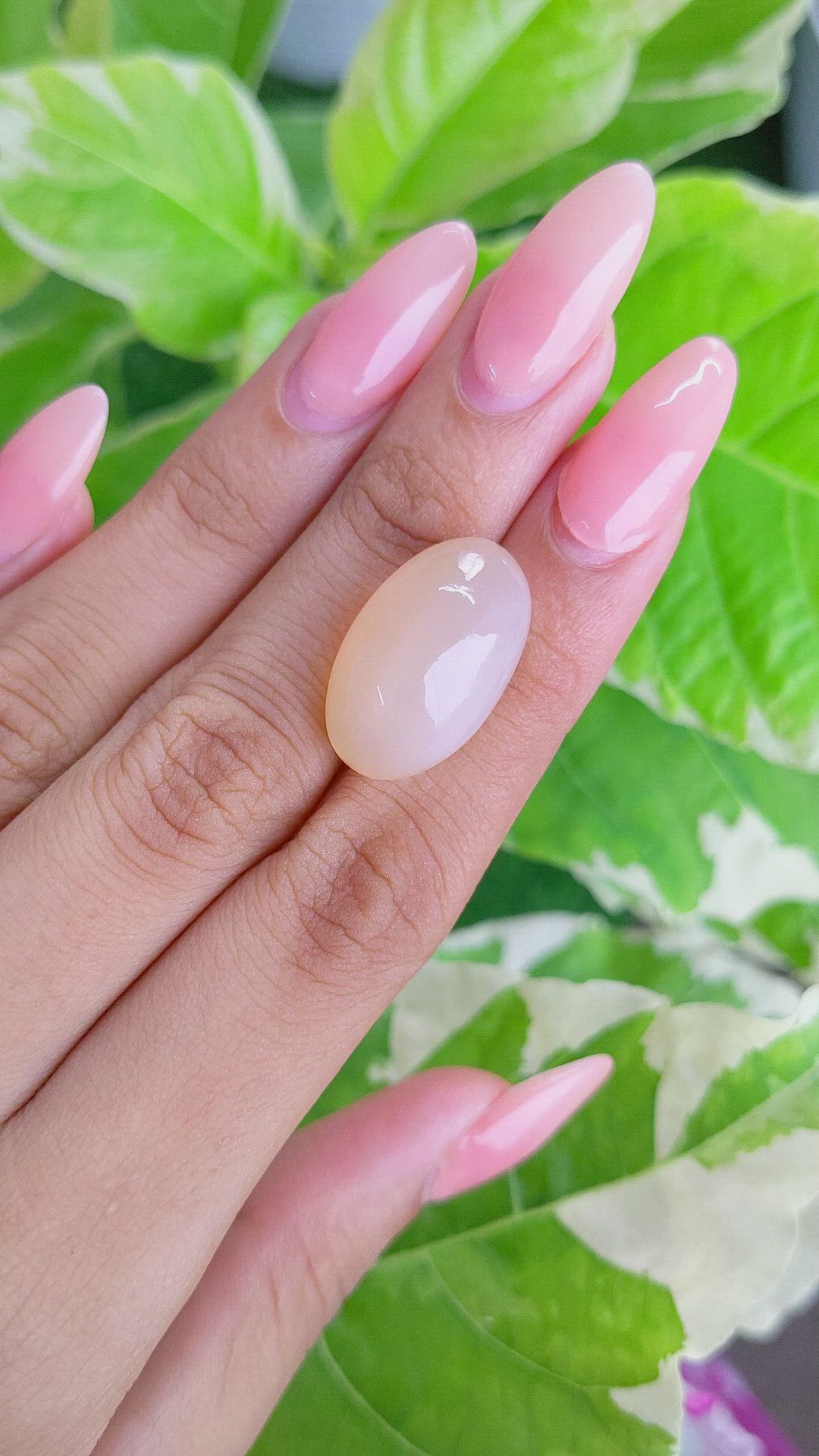
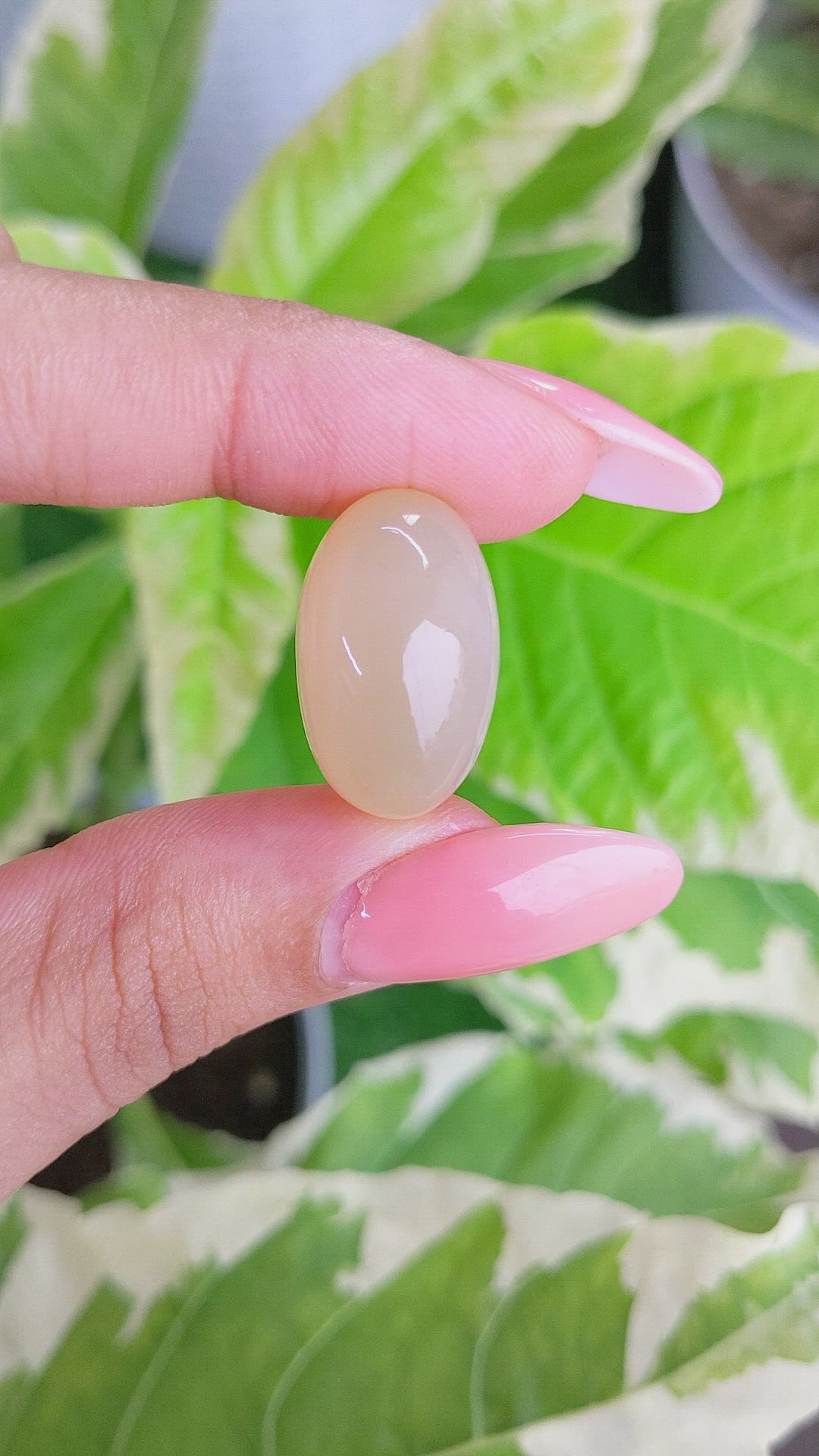
29.35 Ct. Cabochon Moonstone from Ceylon (Sri Lanka)
This loose stone is available to ship now
Item ID: | K6481 |
|---|---|
Dimensions (MM): help | Length: 1 Width: 1 Height: 1 |
Weight: | 29.35 Ct. |
Color: help | Yellow |
Color intensity: help | Light |
Clarity: help | Eye Clean |
Shape: help | Oval |
Cut: | Cabochon |
Cutting style: | Cabochon |
Enhancements: help | No Enhancement |
Origin: help | Ceylon (Sri Lanka) |
Per carat price: help | $6 |
This yellow moonstone presents as a substantial 29.35 carat oval cabochon, with dimensions recorded as 1.00 x 1.00 x 1.00 mm, a presentation that emphasizes mass and surface area to optimize optical phenomena. The gem is an orthoclase feldspar of Ceylon origin, and it displays a light color intensity that reads as a warm, delicate honey yellow under daylight and warm artificial light. Clarity is graded as eye clean upon standard eye level inspection, which allows the internal microstructures to reveal themselves without obstruction, and the polish is excellent, producing a smooth, mirror like dome that enhances directional light return. No enhancement has been applied to this stone, a factor that preserves the natural interplay between the feldspar host and its internal lamellar architecture. At The Natural Gemstone Company we prioritize transparently presenting both gemometric data and the subtle internal features that define a moonstone as both a collector specimen and a design ready material.
The unmistakable signature of this specimen arises from its internal inclusion suite, dominated by finely spaced exsolution lamellae of albite within a potassium rich orthoclase host. These platelets occur as subparallel, microlayered sheets that scatter incident light by diffraction and coherent backscatter, producing the classic adularescent sheen that appears to glide across the cabochon when the viewing angle or light source shifts. In addition to these lamellar arrays there are delicate growth zoning bands that register compositional variations and slight changes in crystallization rate during formation. Occasional aligned microfractures and interface pores are present, but they are narrow and largely closed, functioning as additional scatterers rather than as clarity detractors. Where these microfractures intersect the lamellae there is localized interference color, yielding faint, localized iridescent pinfire that contrasts with the more uniform white to bluish adularescence. The structural twinning typical of feldspar shows as polysynthetic twin planes, which when intersected by albite exsolutions, establish a tridimensional scaffold that governs how light is channeled through the dome. Collectively these inclusions give the piece a fingerprint like internal topology, a set of reproducible optical responses that makes this Ceylon yellow moonstone immediately recognizable to a trained eye.
The cabochon cut and the meticulous polishing executed on this stone are optimized to respect and reveal the internal signatures rather than obscure them. The oval outline provides directional continuity for the lamellar arrays, while the dome profile has been chosen to a height that maximizes adularescent travel without inducing undue light leakage from the girdle plane. The excellent polish minimizes boundary scattering and surface microabrasions that would otherwise disrupt the smooth glide of the sheen, and the eye clean clarity grade ensures that the viewer experiences the internal interplay of exsolution lamellae and growth zoning as controlled, dynamic phenomena rather than as random blemish effects. From a lapidary perspective the cutter has oriented the growth axis so that the most coherent adularescent band lies parallel to the long axis of the oval, a decision that enhances the gem when set in typical jewelry orientations. The absence of treatments means that all optical behaviors are intrinsic, produced by crystallography and inclusion geometry alone, which is of particular interest to connoisseurs who value natural optical mechanisms over induced effects.
For practical use and for curatorial appreciation there are several technical recommendations and observations. To best exhibit the stone in a jewelry setting the dome should face the primary viewing direction, and an open setting that allows light to enter from multiple angles will make full use of the adularescent movement. Bezel settings that permit some light ingress from the side are often preferable to fully closed mountings, because the lamellar architecture benefits from oblique illumination. Handling and cleaning should be conservative, avoiding ultrasonic baths and harsh chemicals, because thermal shock and aggressive cleaning can open or propagate fine microfractures that are currently stable. The provenance from Ceylon contributes to the gemological value, as Sri Lankan feldspars often present a particularly clean interplay between albite exsolution and host orthoclase, yielding adularescence with a soft, rolling character rather than a harsh band. At The Natural Gemstone Company we catalog and image each stone under controlled lighting so that the characteristic sheen angles and inclusion patterns can be evaluated prior to purchase, and we welcome inquiries for additional magnified imagery and orientation guidance for setting. This moonstone carries a reproducible internal signature formed by exsolution platelets, growth zoning, and oriented twin planes, a signature that both defines its visual identity and assures the technically minded buyer of its natural, unenhanced origin.


