
- Stone14
- Reports3
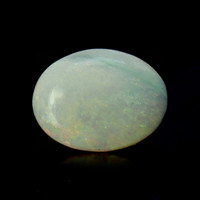
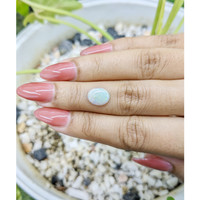
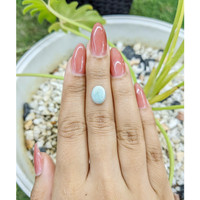
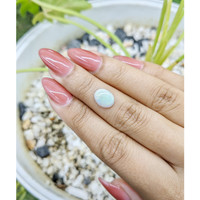
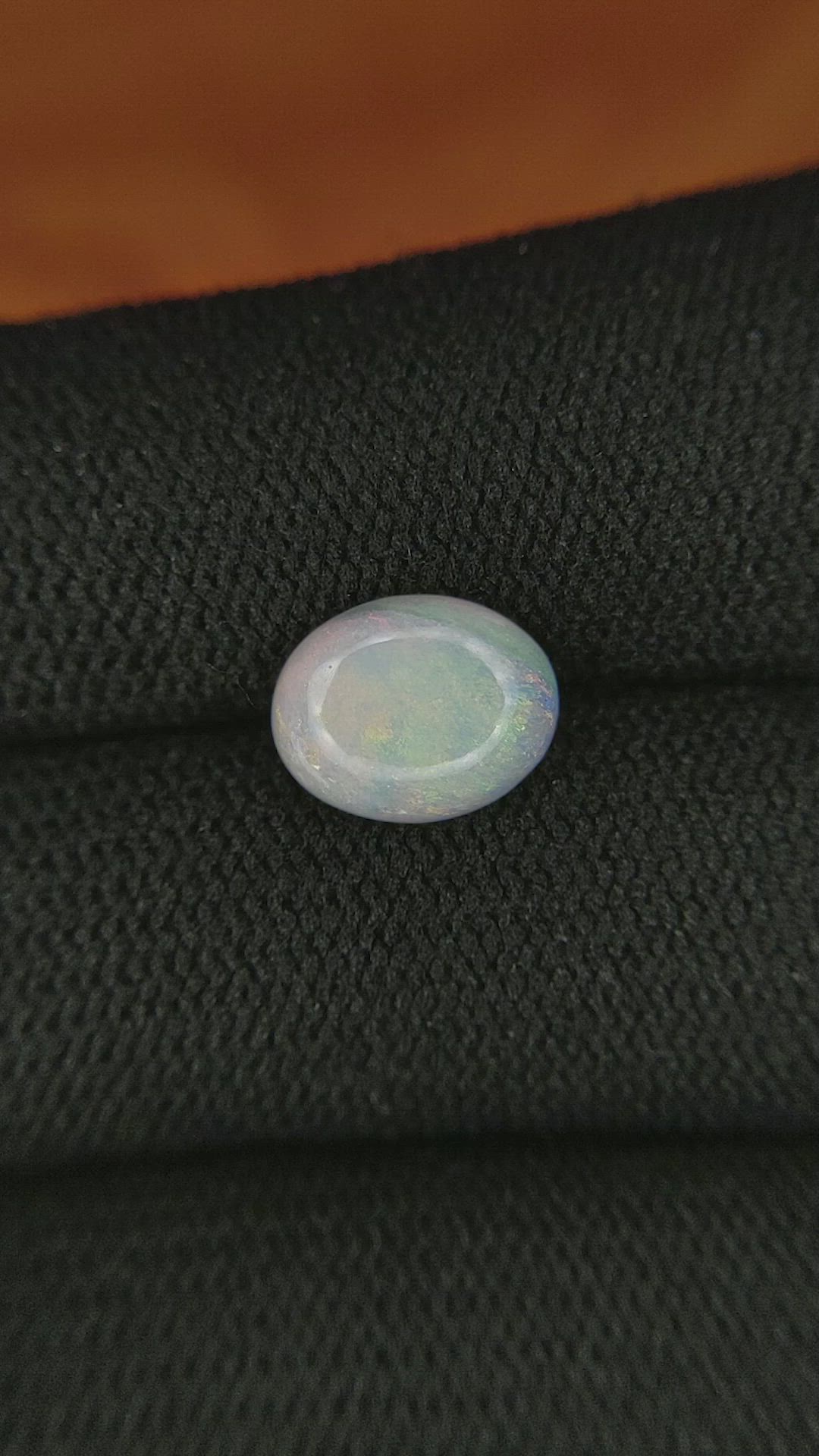
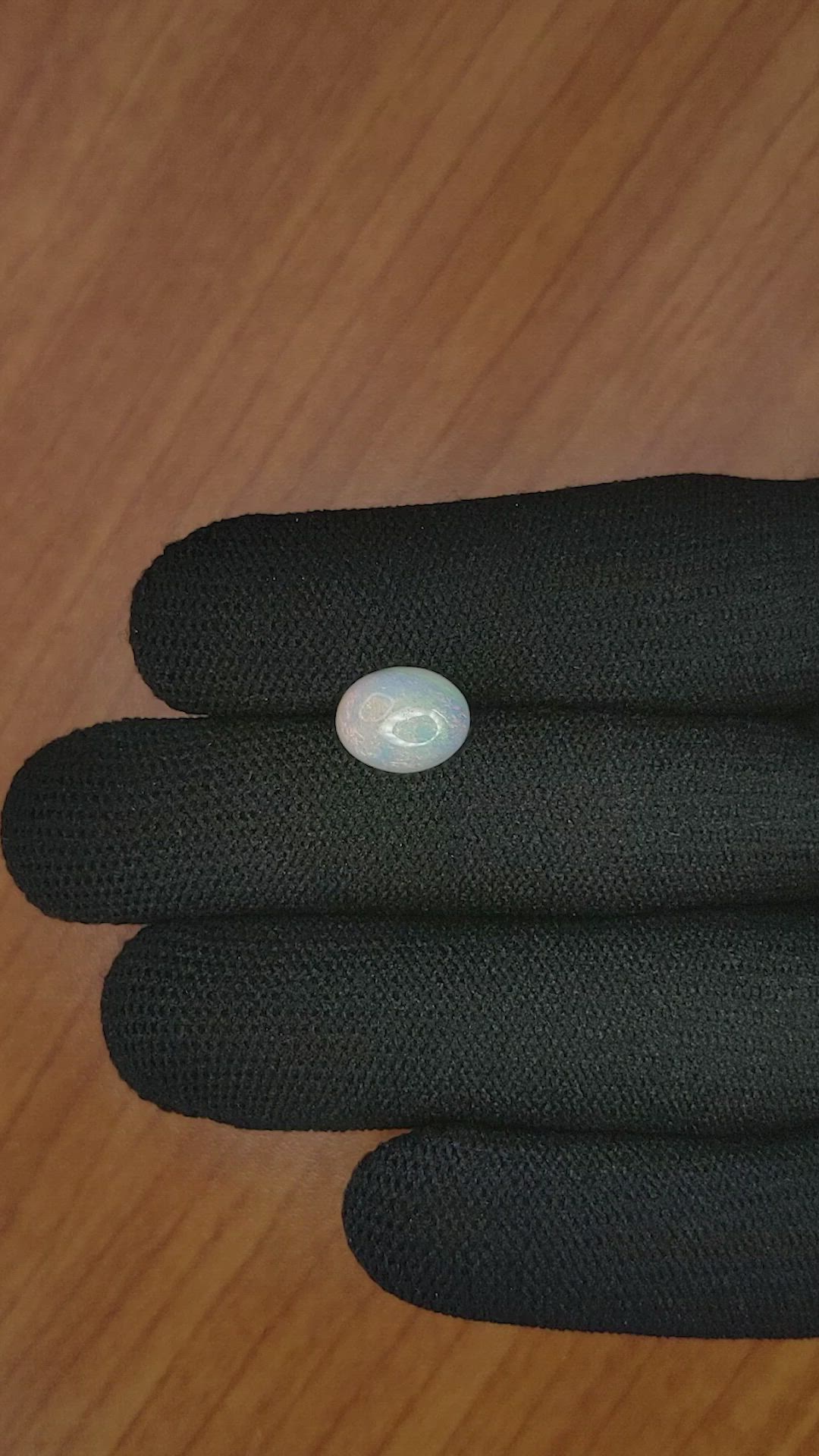
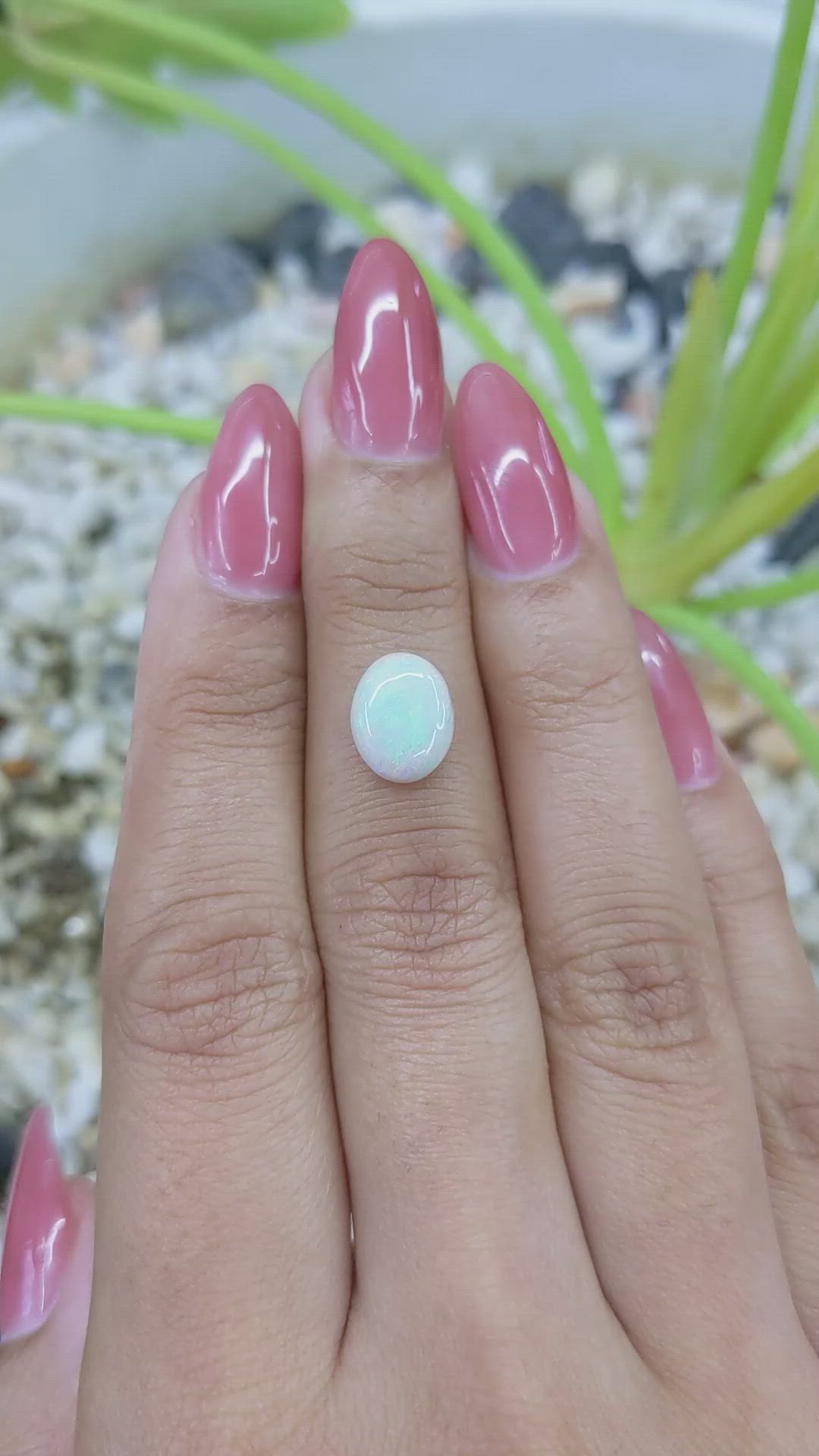
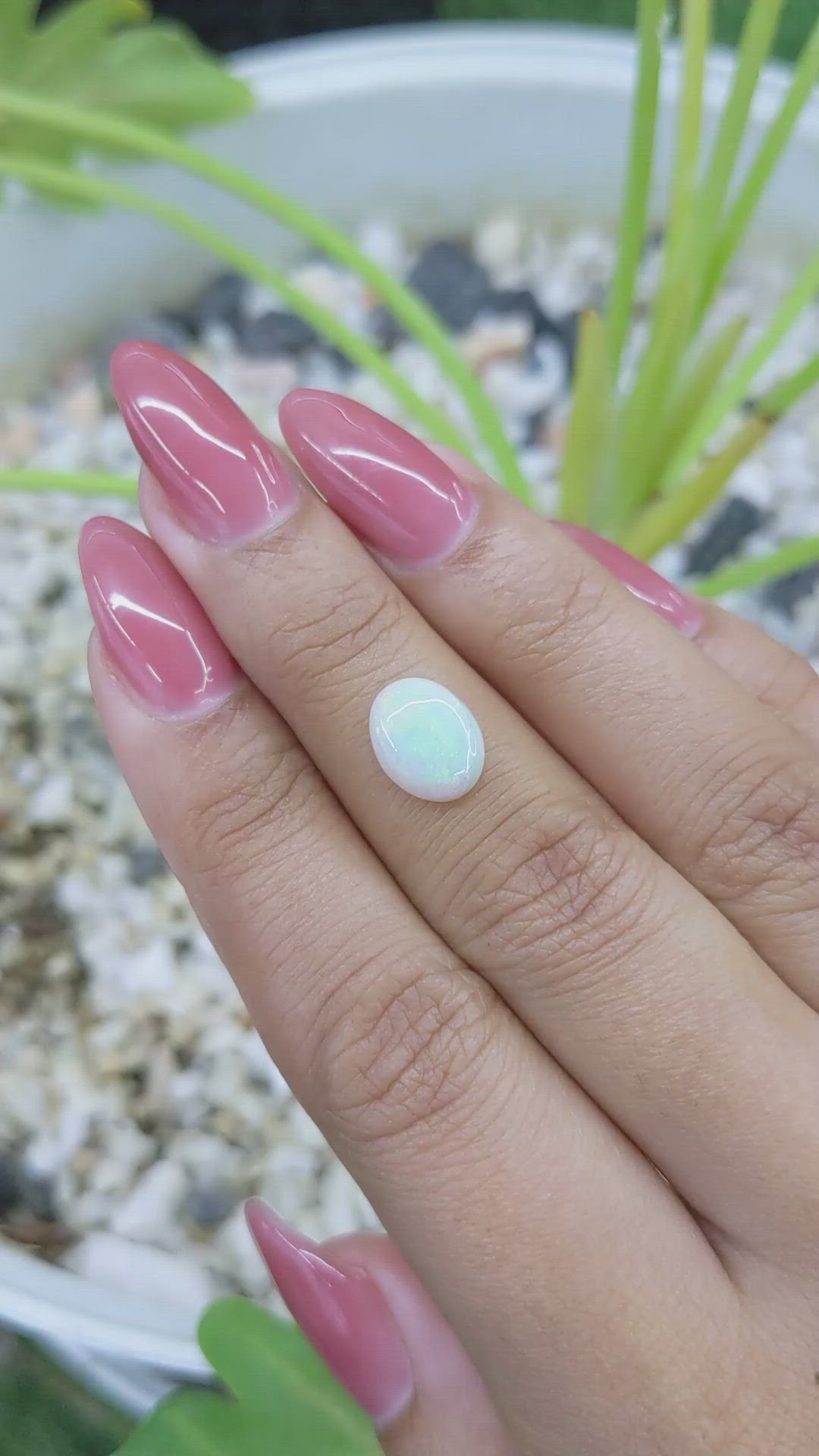

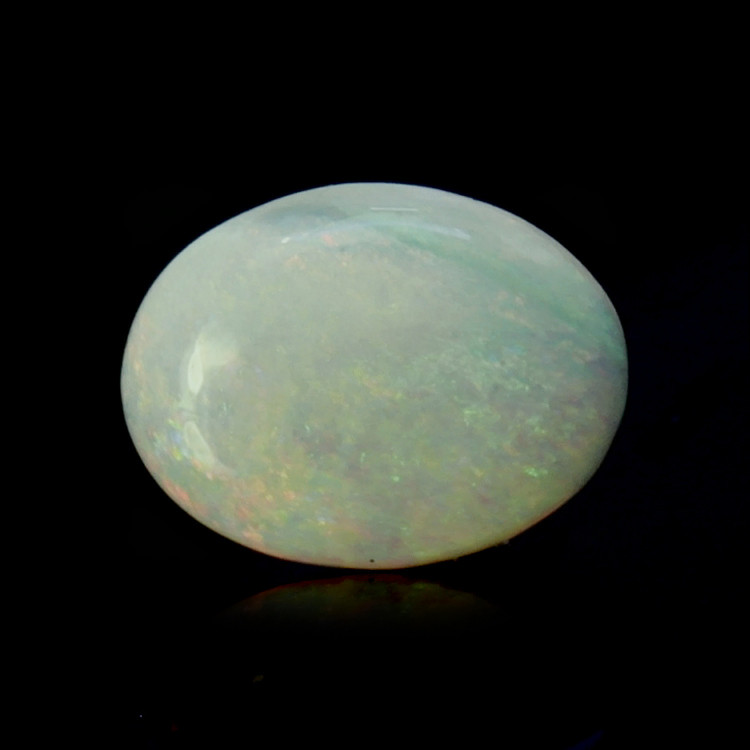
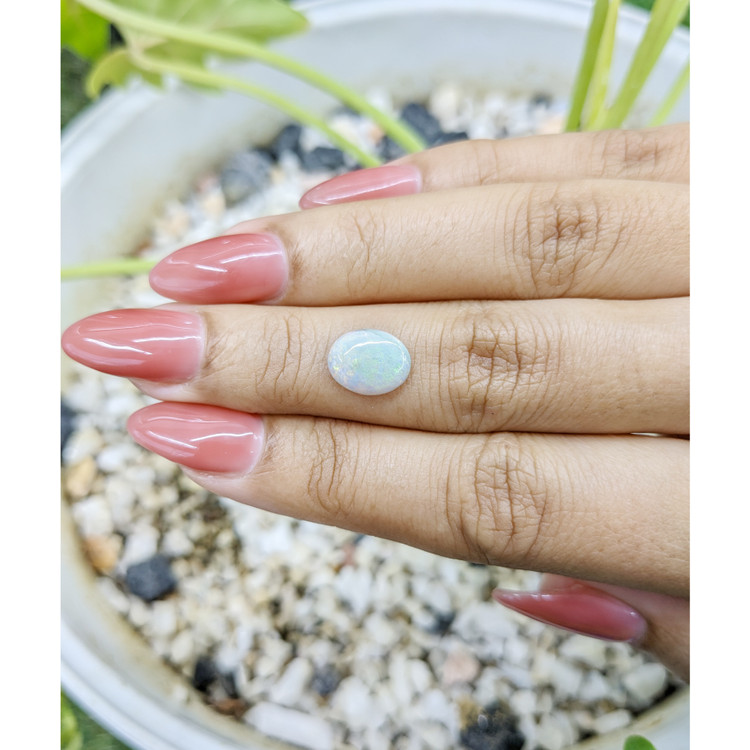
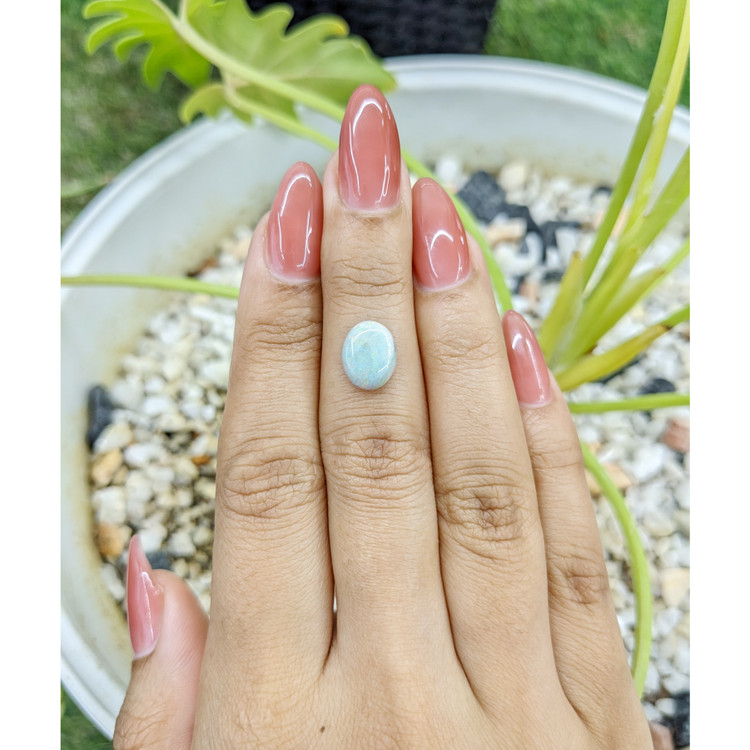
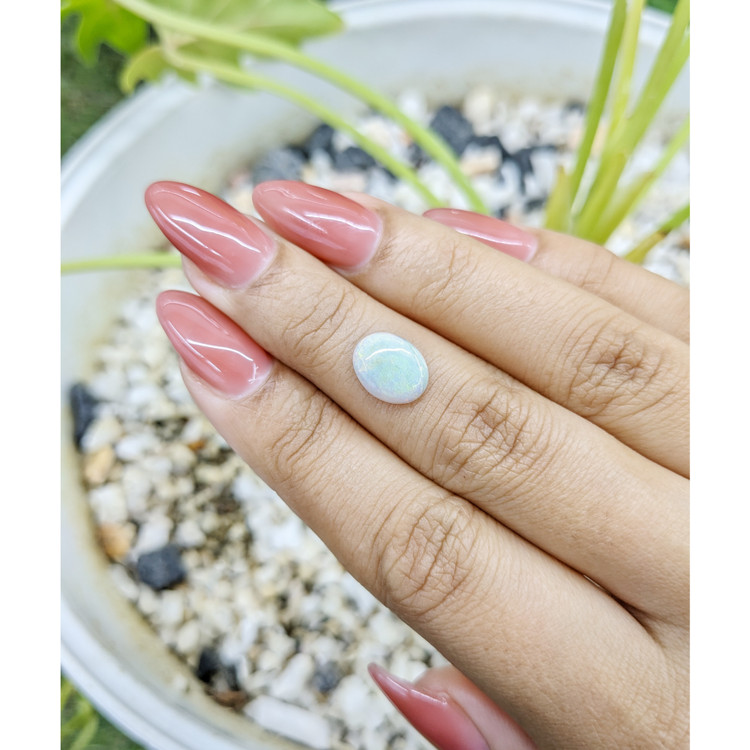

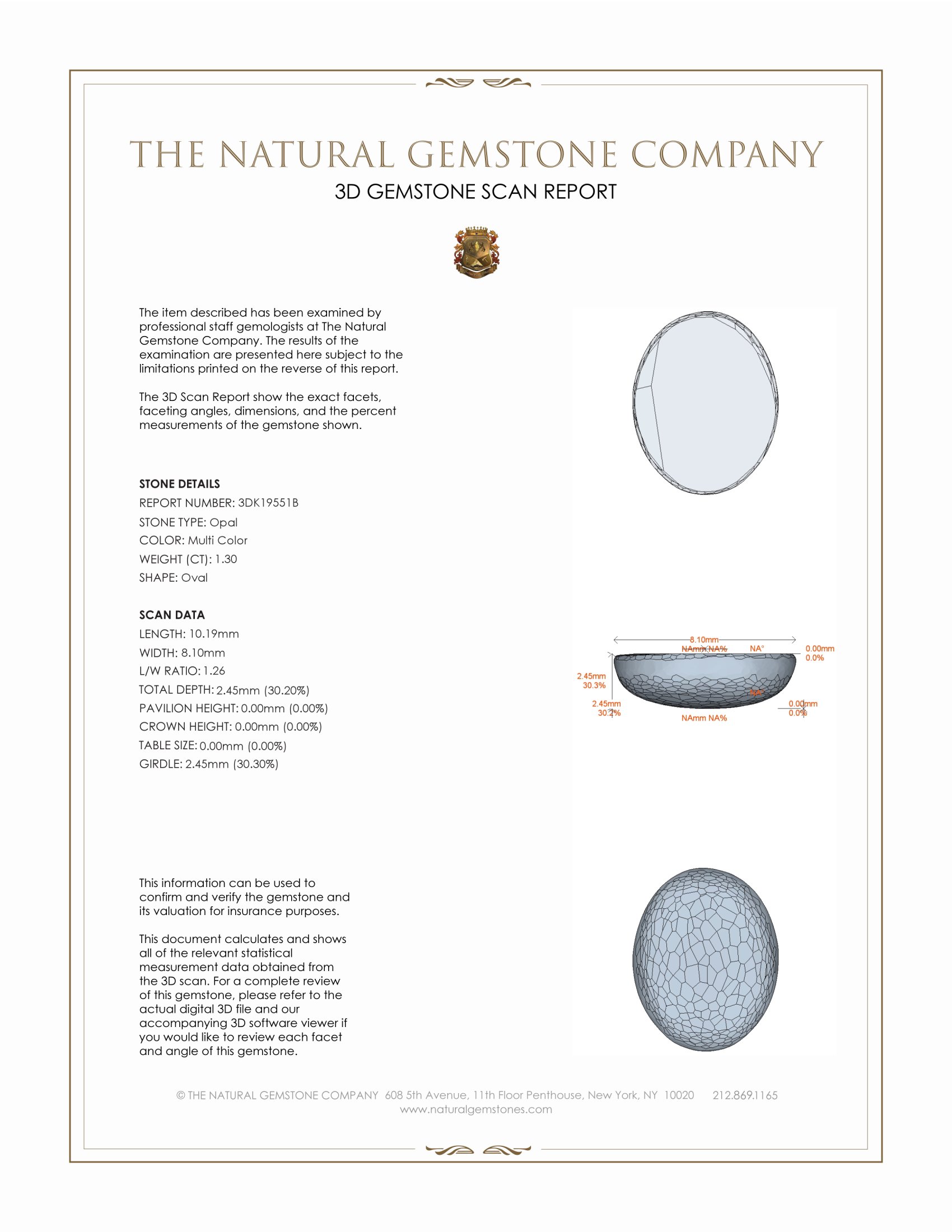
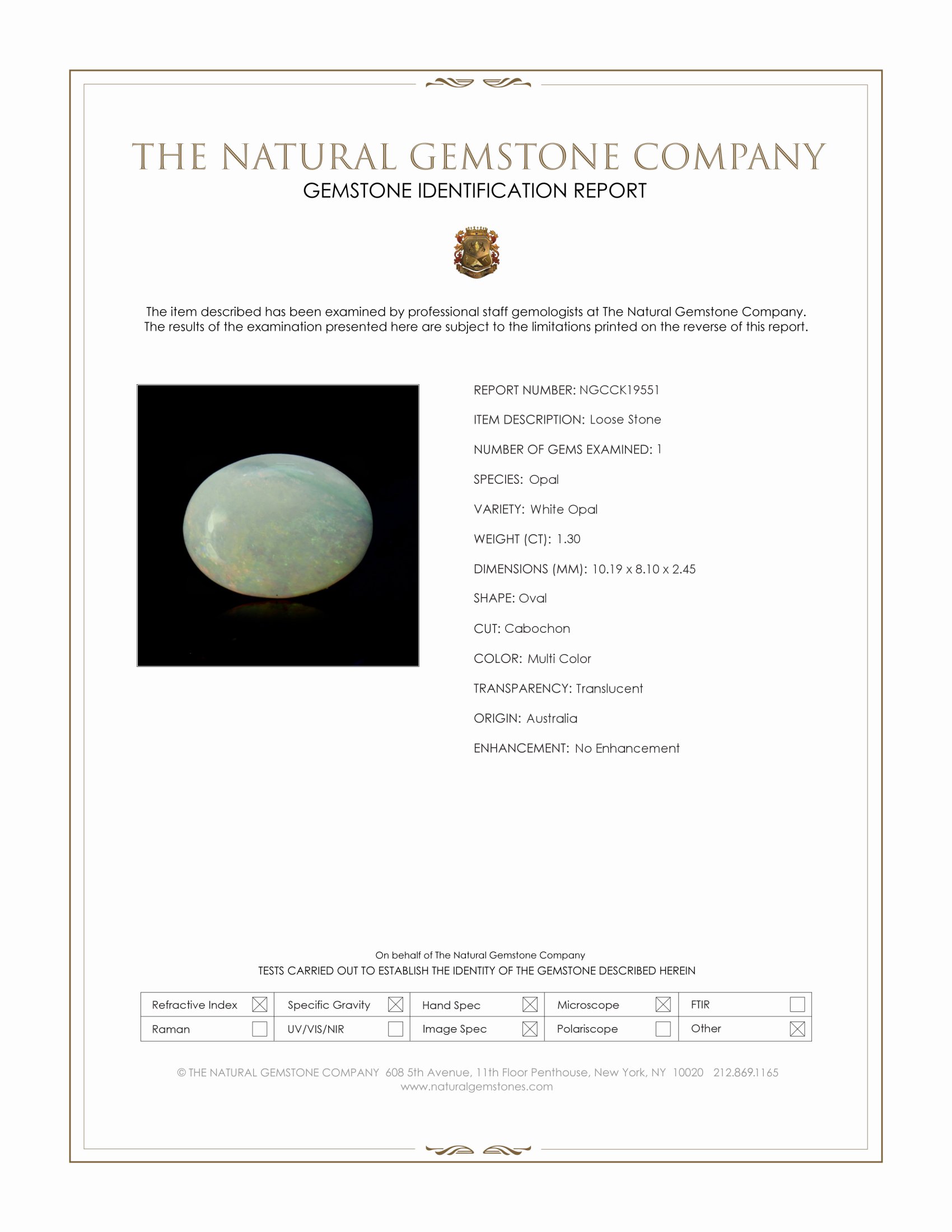
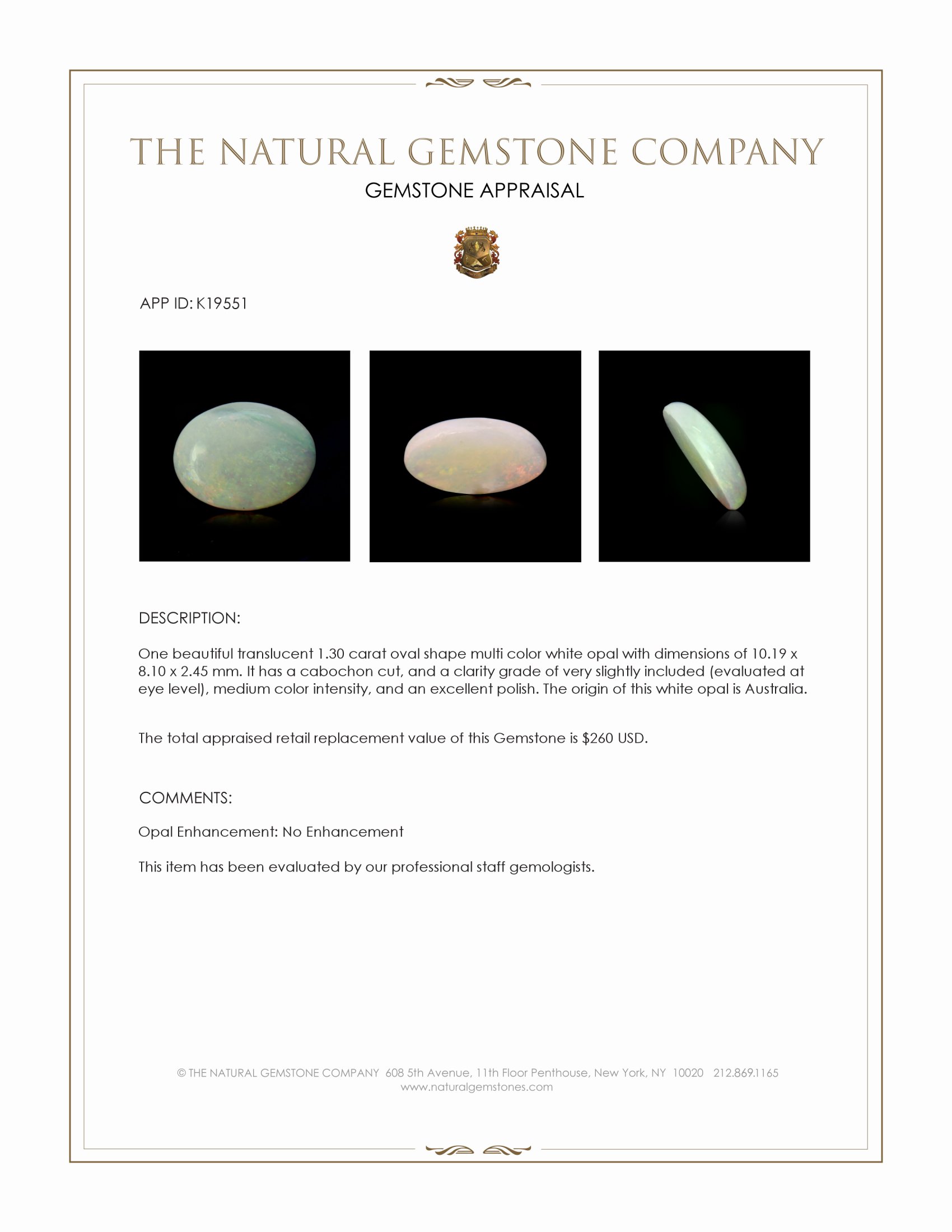
1.30 Ct. Cabochon White Opal from Australia
This loose stone is available to ship now
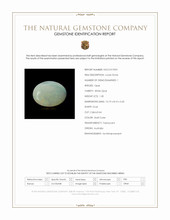
Item ID: | K19551 |
|---|---|
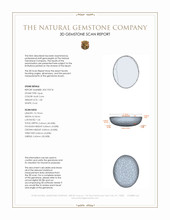
Dimensions (MM): help | Length: 10.19 Width: 8.1 Height: 2.45 |
Weight: | 1.30 Ct. |
Color: help | Multi Color |
Color intensity: help | Medium |
Clarity: help | Very Slightly Included |
Shape: help | Oval |
Cut: | Cabochon |
Cutting style: | Cabochon |
Enhancements: help | No Enhancement |
Origin: help | Australia |
Per carat price: help | $200 |
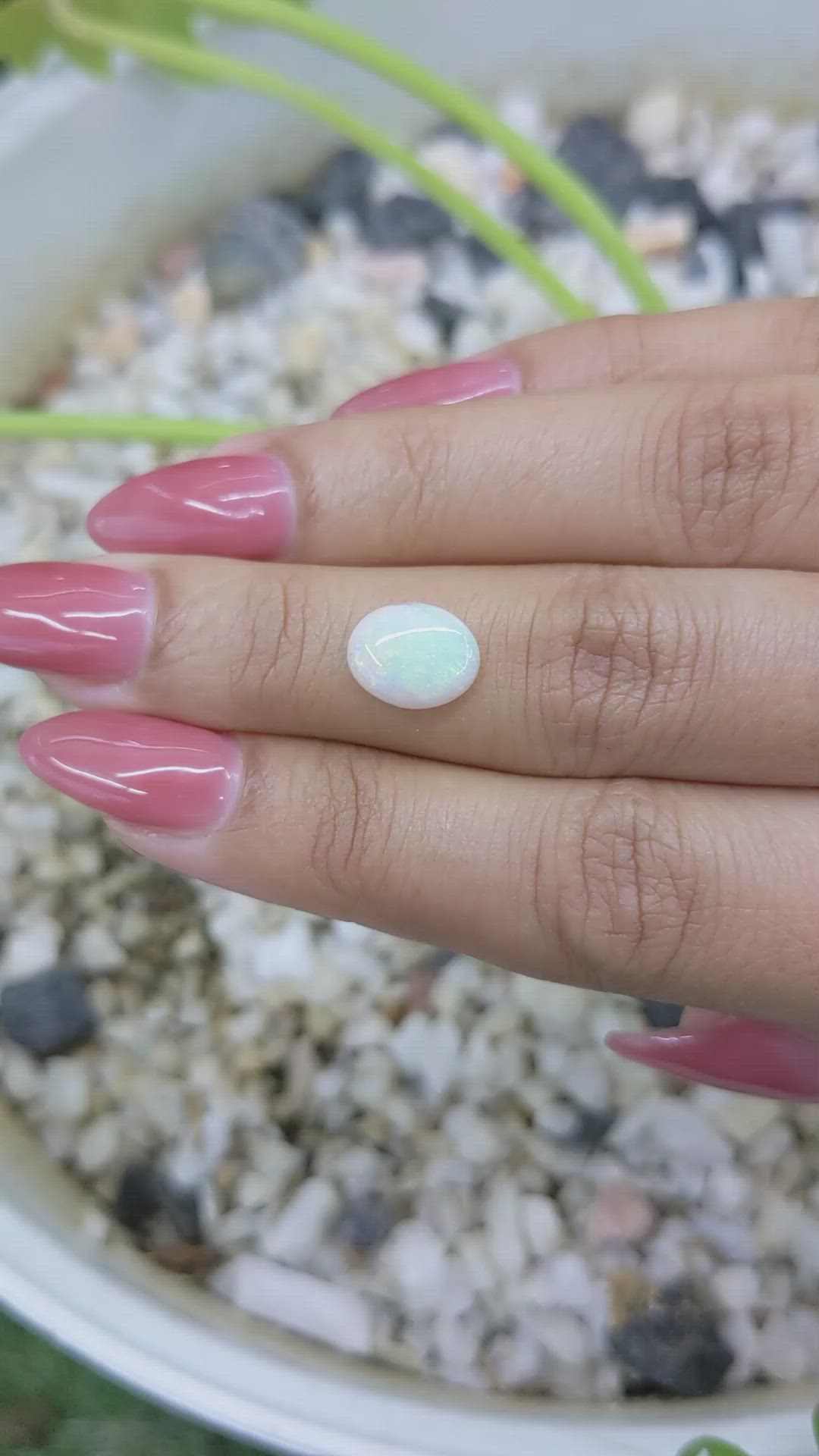
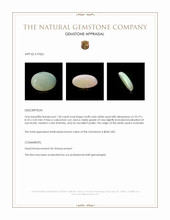
Allow me to introduce a truly lovely White Opal from Australia, offered exclusively by The Natural Gemstone Company. This gemstone weighs 1.30 carat and has a classic oval shape, with dimensions of 10.19 x 8.10 x 2.45 mm, making it an elegant and wearable size for a variety of jewelry designs. The stone is translucent and displays a multi color play that catches the eye with subtle flashes and soft fields of color across the surface. It has been given a cabochon cut to best showcase the opal play of color, and the polish is excellent, producing a smooth reflective dome that enhances the gem face up. There is no enhancement to this opal, and its natural origin in Australia means you are acquiring a stone with authentic provenance and natural beauty. The clarity grade is very slightly included, evaluated at eye level, which is common and acceptable for opals and contributes to the organic character of the gem. Overall the gem combines gentle body tone and lively internal color, a balance that many collectors and jewelers prize.
When you view this White Opal in different lights, the multi color spectacle becomes apparent, with pastel flashes and soft iridescent patches that move as the stone is tilted. The medium color intensity gives the gem a pleasing visual presence without overpowering its delicate white base, and the translucent body allows internal color to breathe through the stone. The cabochon dome maximizes the visible color play and creates a smooth canvas for light to enter and refract within the opal structure. The very slightly included clarity grade means that under normal viewing conditions at eye level the gem appears clean, and the minor inclusions are part of the material story rather than detracting features. With dimensions that offer a substantial face up area, this opal will read larger than its carat weight suggests when set in jewelry. The excellent polish enhances light return and yields a silky surface feel, ideal for daily wear pieces that highlight opal beauty.
From a design and setting perspective, this Australian White Opal is versatile and well suited to a range of jewelry types. Its oval shape and measured proportions allow for traditional solitaire settings, halo designs that use accent stones to amplify color, and elegant bezel mounts that both protect and frame the cabochon. Because opal has a lower hardness than many gemstones, we recommend settings that offer protection to the gem edges and base. A bezel setting is a particularly secure choice that reduces the chance of chipping and helps keep the cabochon safe during wear. For rings, consider a low profile bezel or a protective gallery, and for pendants and earrings the opal will sit beautifully in both simple and ornate designs. The 2.45 mm depth provides enough thickness to allow for secure mounting while maintaining an attractive dome height. For bespoke commissions, the opal pairs wonderfully with warm metals to bring out the stone warmth, or with white metals to emphasize the multi color flashes and create a contemporary look.
As stewards of fine natural gemstones, The Natural Gemstone Company is pleased to offer this White Opal with clear care instructions and full transparency. Because this opal is natural and untreated, we recommend avoiding prolonged exposure to harsh chemicals, strong heat, and extremes of temperature that can stress the stone. Clean the gem gently with a soft cloth and mild soapy water, and avoid ultrasonic cleaners or steamers. Store the opal separately in a padded box or soft pouch to prevent contact damage from harder stones. While opal contains water in its structure, routine gentle handling is usually sufficient and there is no need for special hydration if the gem is worn and stored properly. We are happy to discuss mounting options, provide additional images under multiple lighting conditions, and assist with bespoke design ideas that will showcase this opal to its fullest. Our team can also advise on appraisal and insurance grade descriptions should you require them. If you have any questions about this piece, or if you would like to see comparable opals for comparison, please reach out to The Natural Gemstone Company and we will guide you through selecting the best setting and confirming the details to ensure your complete satisfaction.


