
- Stone12
- Reports3


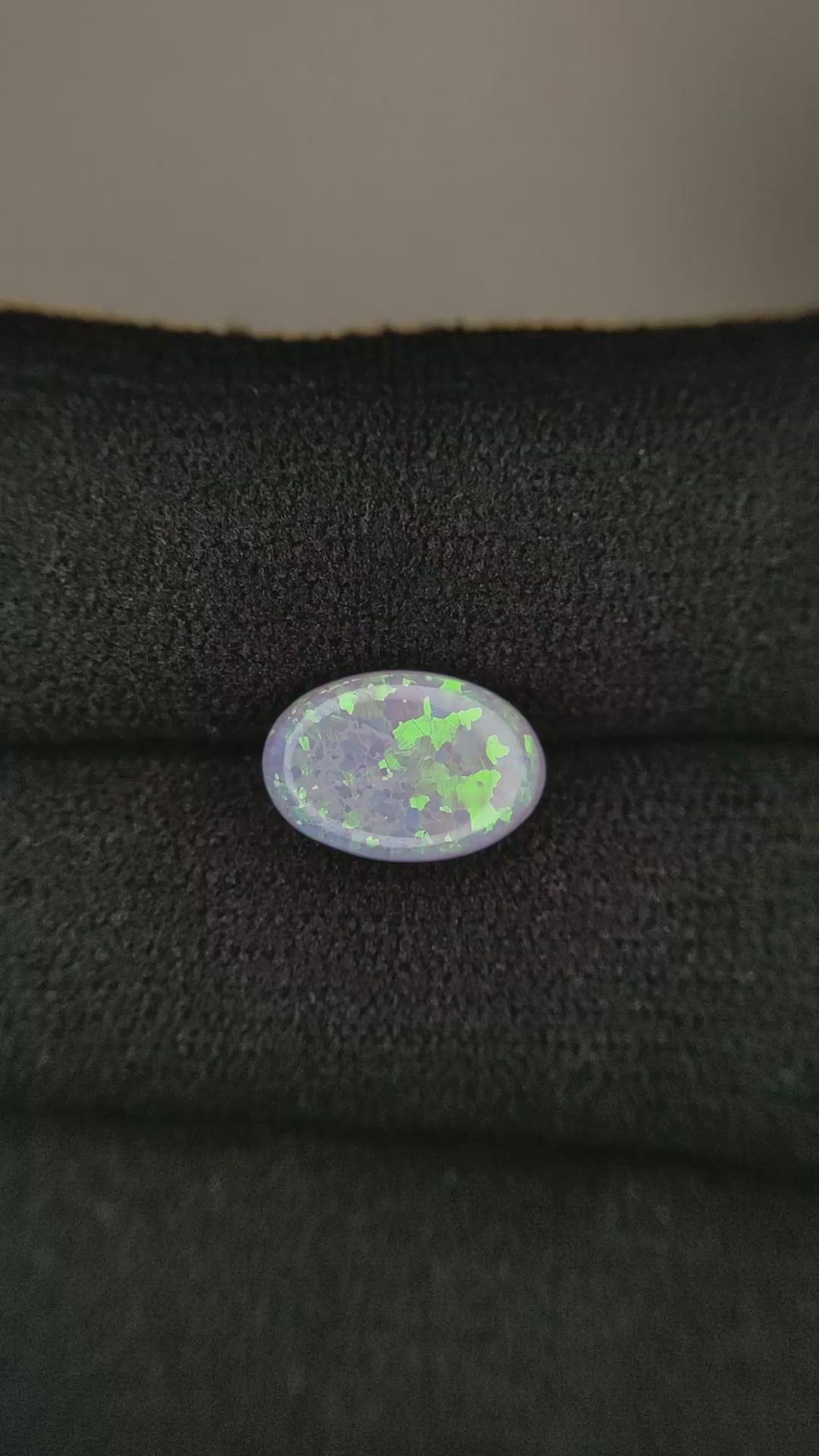
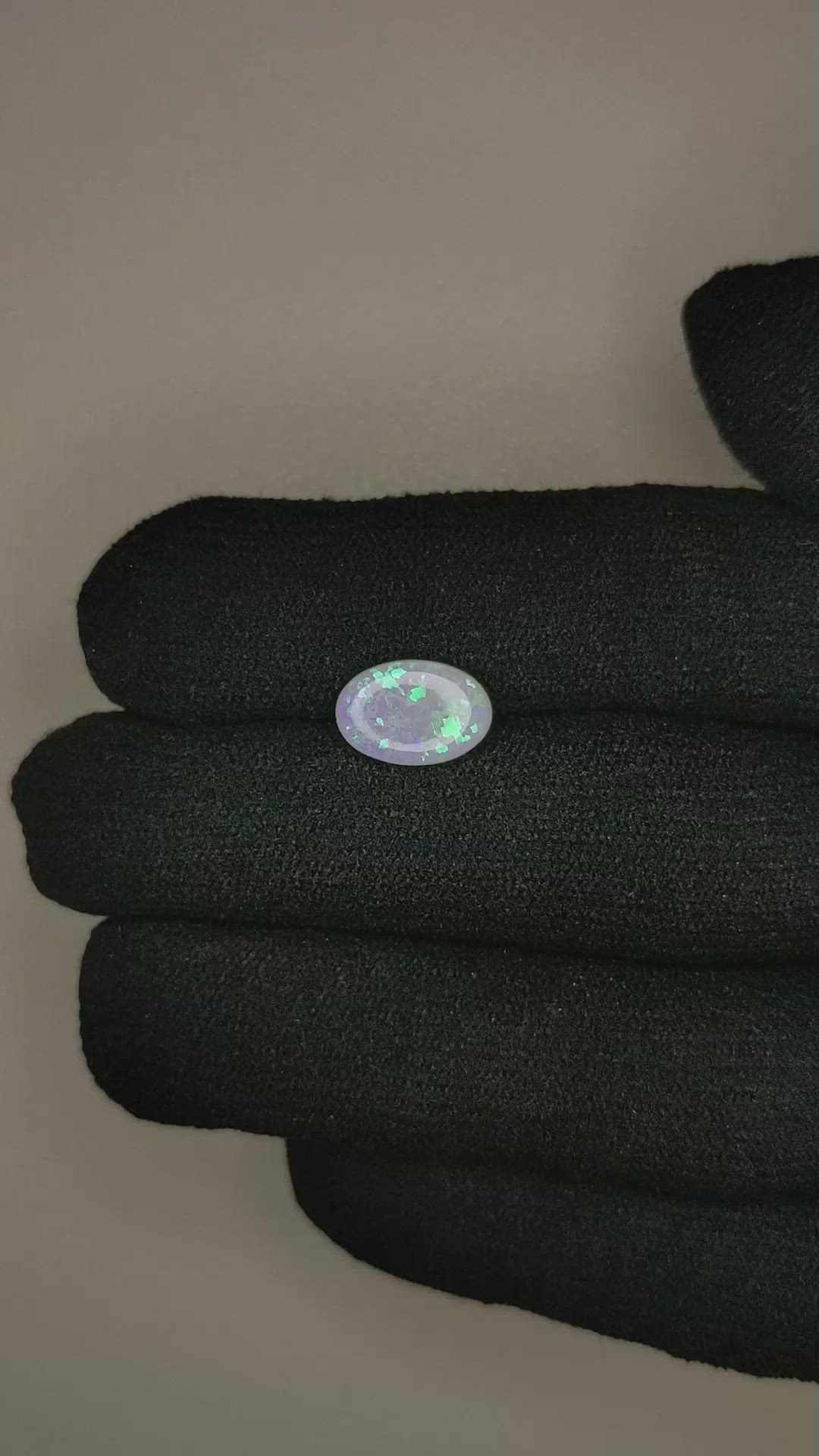
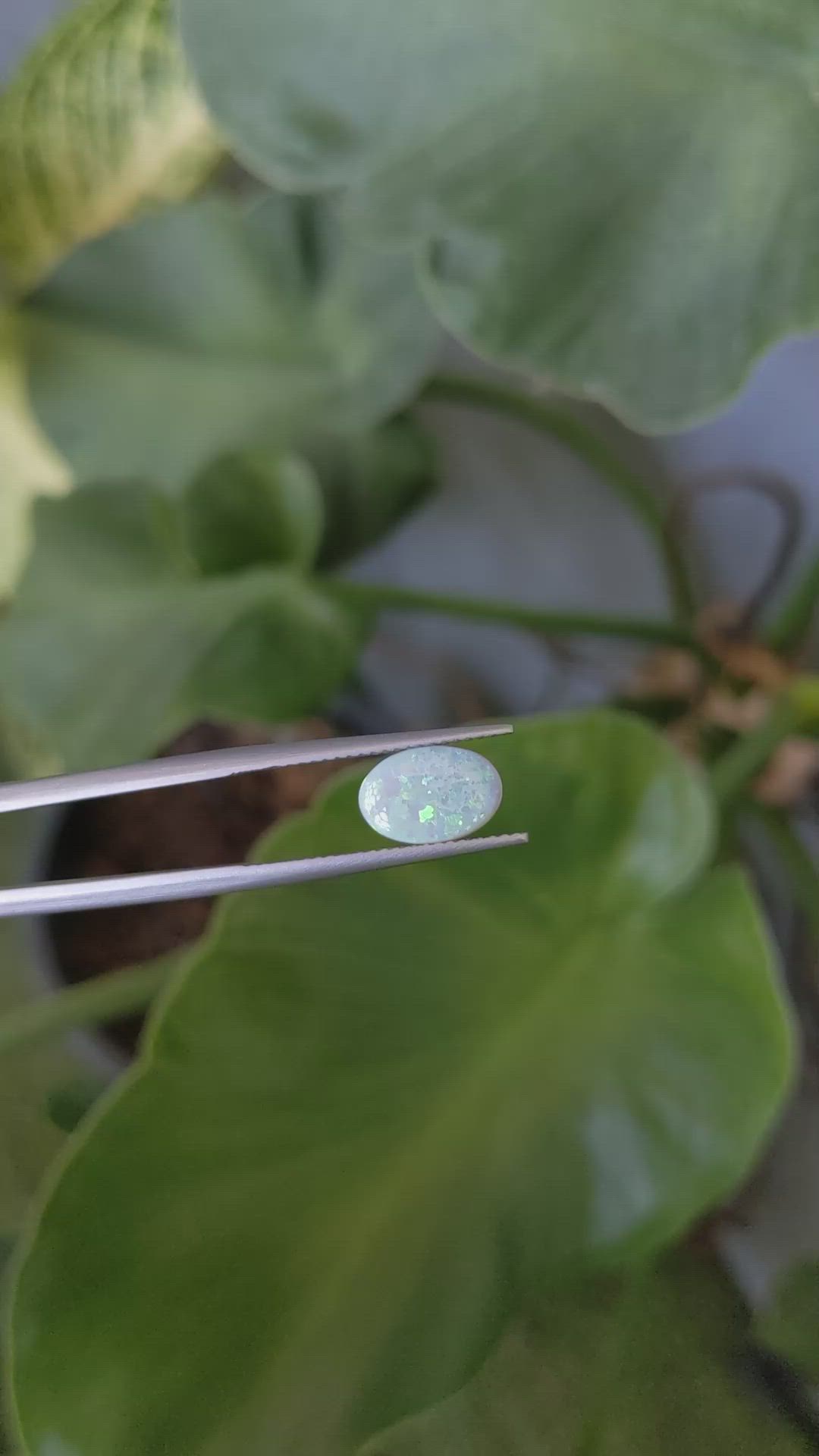
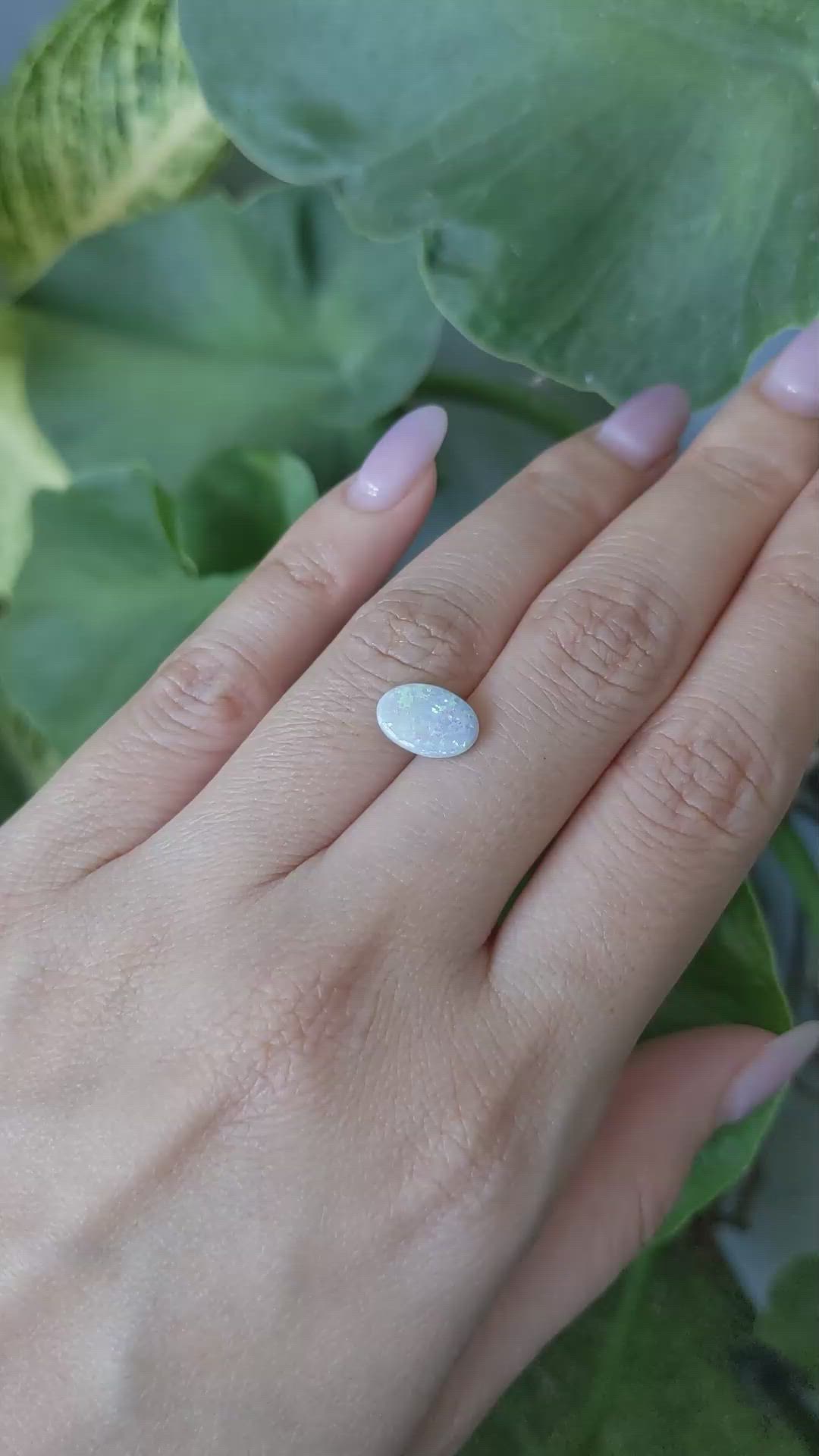


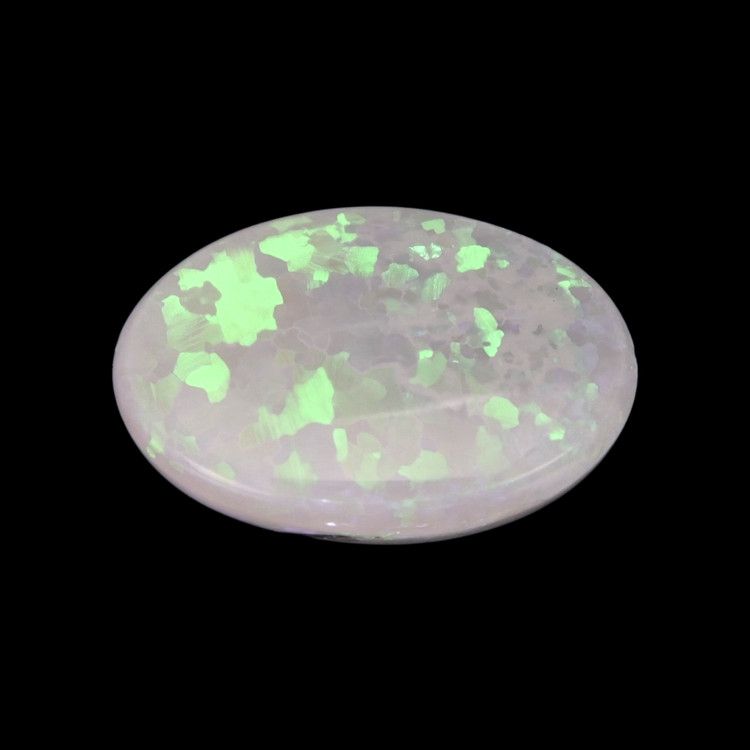
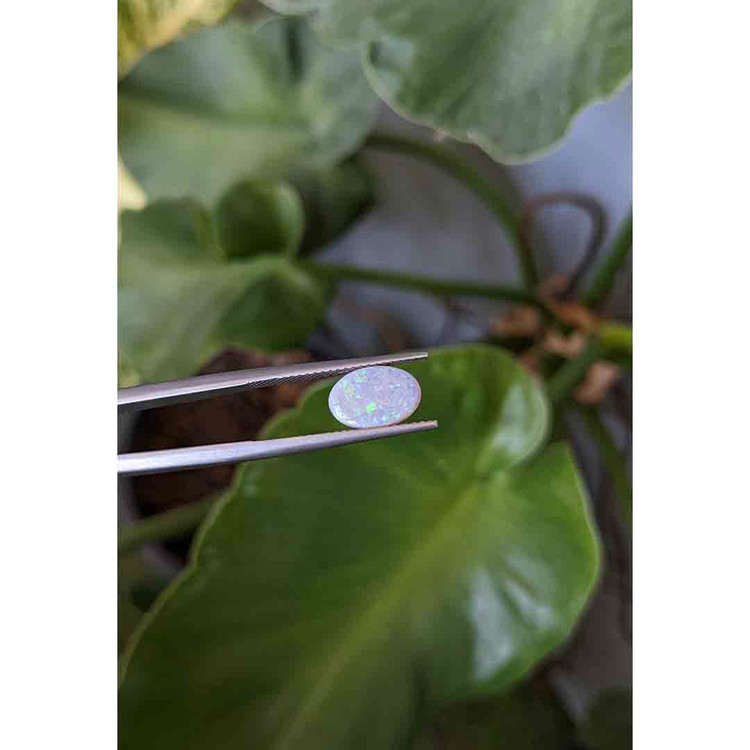
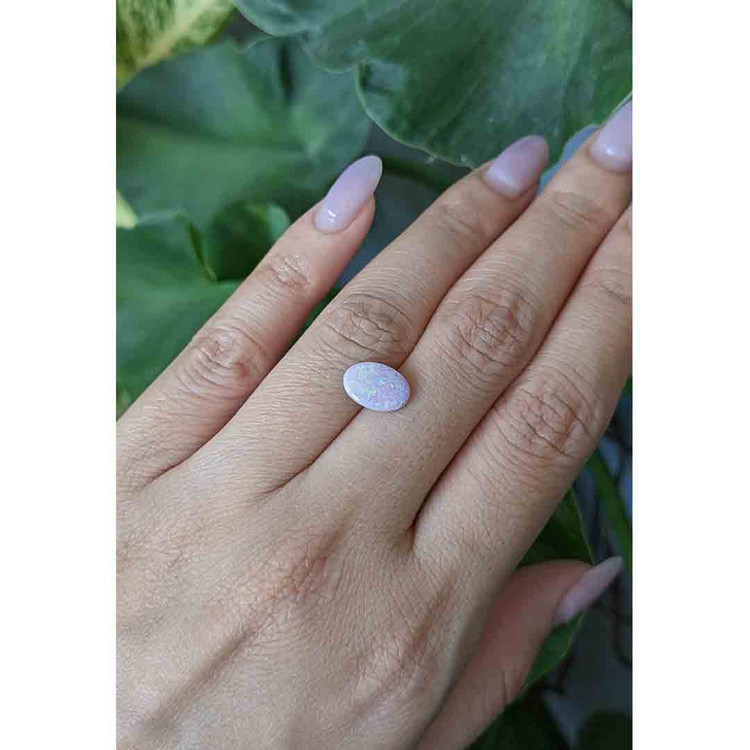


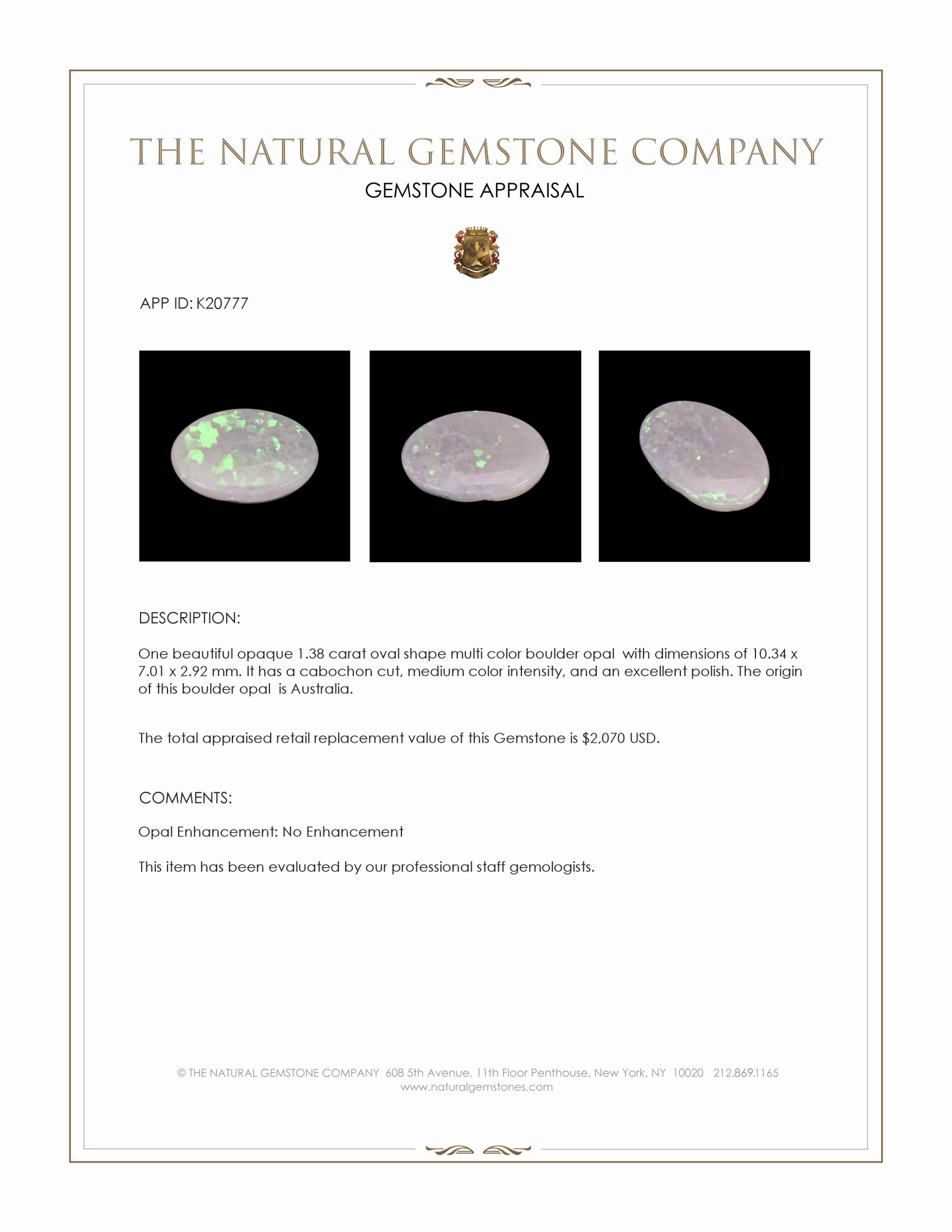
1.38 Ct. Multi Color Cabochon Boulder Opal (Ironstone Opal) from Australia
This loose stone is available to ship now
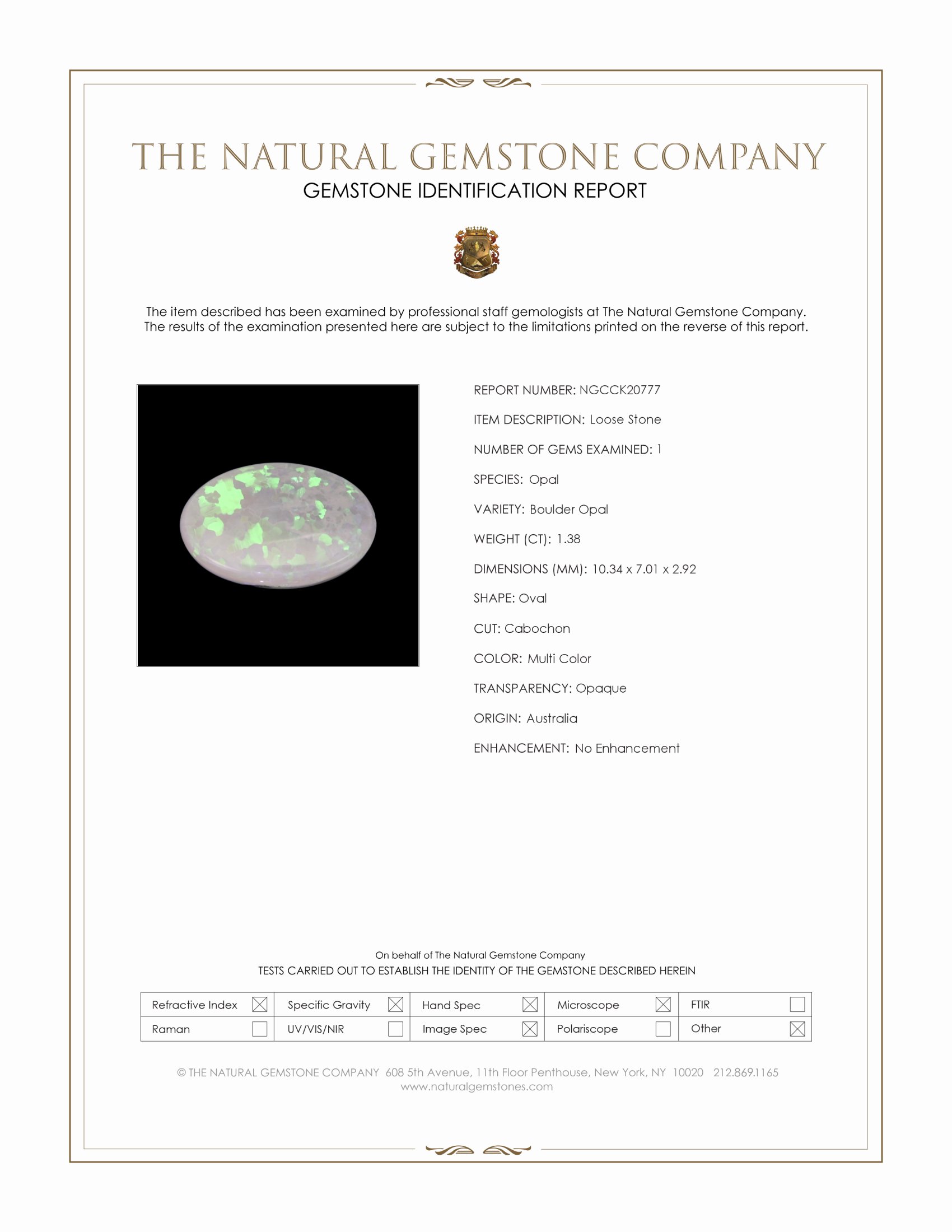
Item ID: | K20777 |
|---|---|
Dimensions (MM): help | Length: 10.34 Width: 7.01 Height: 2.92 |
Weight: | 1.38 Ct. |
Color: help | Multi Color |
Color intensity: help | Medium |
Clarity: help | Not Applicable |
Shape: help | Oval |
Cut: | Cabochon |
Cutting style: | Cabochon |
Enhancements: help | No Enhancement |
Origin: help | Australia |
Per carat price: help | $1,500 |
One of the most technically notable aspects of this specimen is its cabochon execution, an essential decision for maximizing play of color in a multicolor Boulder Opal. The oval outline measures 10.34 x 7.01 x 2.92 mm, and the cutter has maintained a precise, symmetrical silhouette with proportional shoulder radii, ensuring even light return across the surface. The dome height is engineered to a medium profile, a balance that preserves the opal surface area while avoiding excessive thickness that can mute color intensity. The excellent polish is the result of progressive lapping sequences using diamond abrasives, culminating in a final stage with fine cerium oxide to produce a high gloss finish with minimal microabrasion. This polish quality is critical for Boulder Opal, because the ironstone matrix that commonly underlies the color layers benefits from a mirrored surface to accentuate contrast, and because a uniformly smooth cabochon face reduces light scatter, allowing the intrinsic color play to be observed from multiple viewing angles.
From a gemological standpoint, the stone presents as a bona fide Boulder Opal, sourced from Australia, with no treatments or enhancements. Boulder Opal is distinguished by its natural ironstone backing, and in this piece the host matrix integrates with the opal layer in a way that stabilizes the gem without the need for doublets or composites. The declared weight of 1.38 carat corresponds to the measured proportions, and the relatively shallow thickness of 2.92 mm is a deliberate choice by the cutter to orient the color bar optimally parallel to the cabochon face. This orientation amplifies color play while preserving durability for use in jewelry. The medium color intensity rating reflects a balanced vibrancy, not oversaturated, allowing for distinct spectral flashes that shift with movement, and the multicolor designation indicates a spectrum that includes dominant cool tones and intermittent warm accents, a combination that is notably desirable in Boulder Opal specimens.
Rarity is a central selling point for this piece, both in size and in color complexity, compared to typical market offerings. Boulder Opals frequently present as small patches within ironstone seams, and fully realized ovals approaching 10 by 7 millimeters with continuous multicolor play are uncommon. Many Boulder Opals at this size level exhibit single hue dominance or limited patchy color, whereas this cabochon displays sustained multicolor phenomenon across its surface. In addition, the absence of treatment elevates scarcity, because many market stones of similar visual impact are stabilized or assembled. When compared to other opal types, such as Black Opal or Crystal Opal, a multicolor Boulder Opal of this size occupies a specific niche, combining the structural integrity of ironstone backing with the visual complexity of multicolor play, which is rare among both natural and assembled stones. Collectors and designers seeking a single stone that balances wearable dimensions, natural provenance, and chromatic breadth will find this piece particularly scarce and therefore valuable.
The Natural Gemstone Company offers this opal with precise technical documentation and practical recommendations for use in finished jewelry. Given the cabochon profile and the measured dimensions, this oval is ideally suited to a bezel setting that supports the perimeter of the ironstone backing, providing mechanical protection while maintaining the visual plane of the dome. For mounting in rings, a low profile bezel will preserve the medium dome and reduce snag risk, whereas for pendants a slightly raised bezel can allow more light interaction and greater color play during movement. The cutter has left a uniform girdle and a clean back surface, facilitating secure setting without additional alteration. Finally, provenance and treatment status are important for long term valuation, and this specimen being natural, untreated, and Australian in origin aligns with the rigorous sourcing standards of The Natural Gemstone Company, offering both collectors and fine jewelry makers a technically refined, rare opal with documented physical and optical characteristics.


