
- Stone13
- Reports3
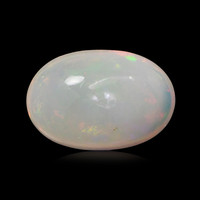
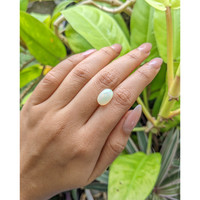
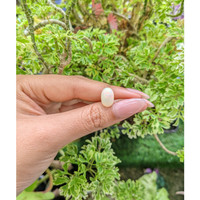
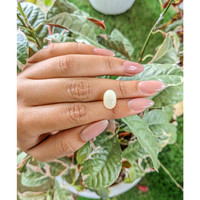
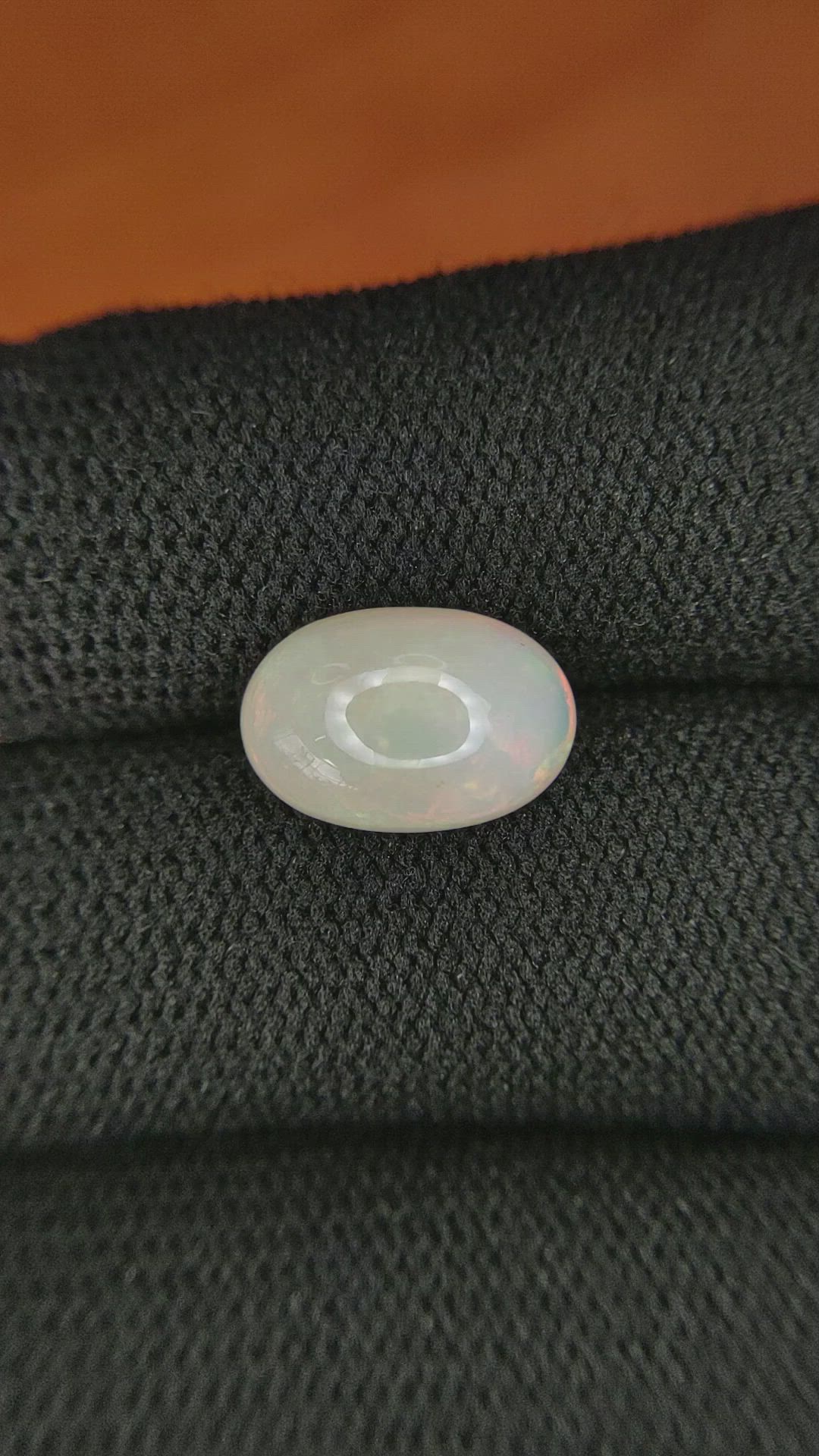
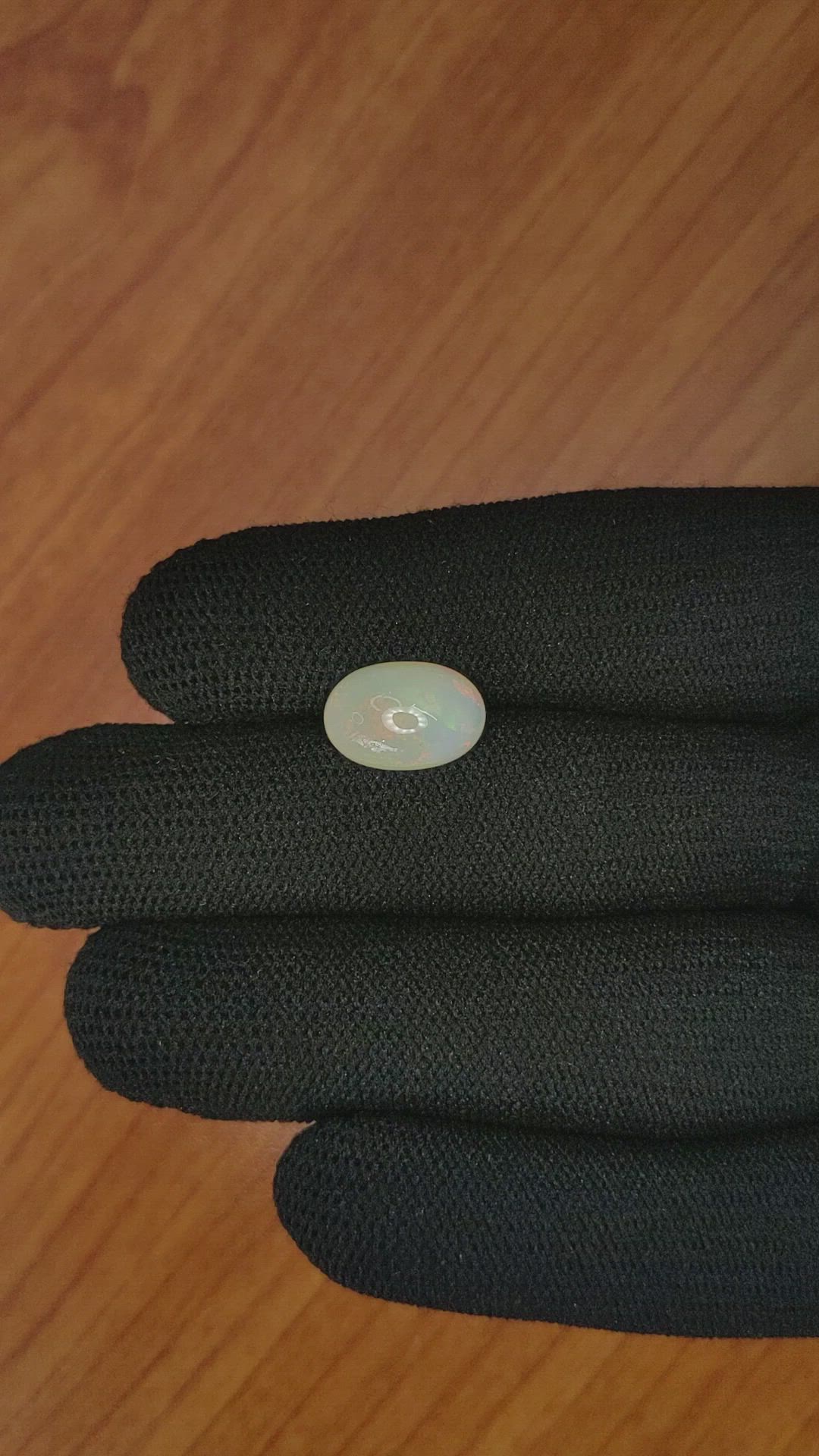
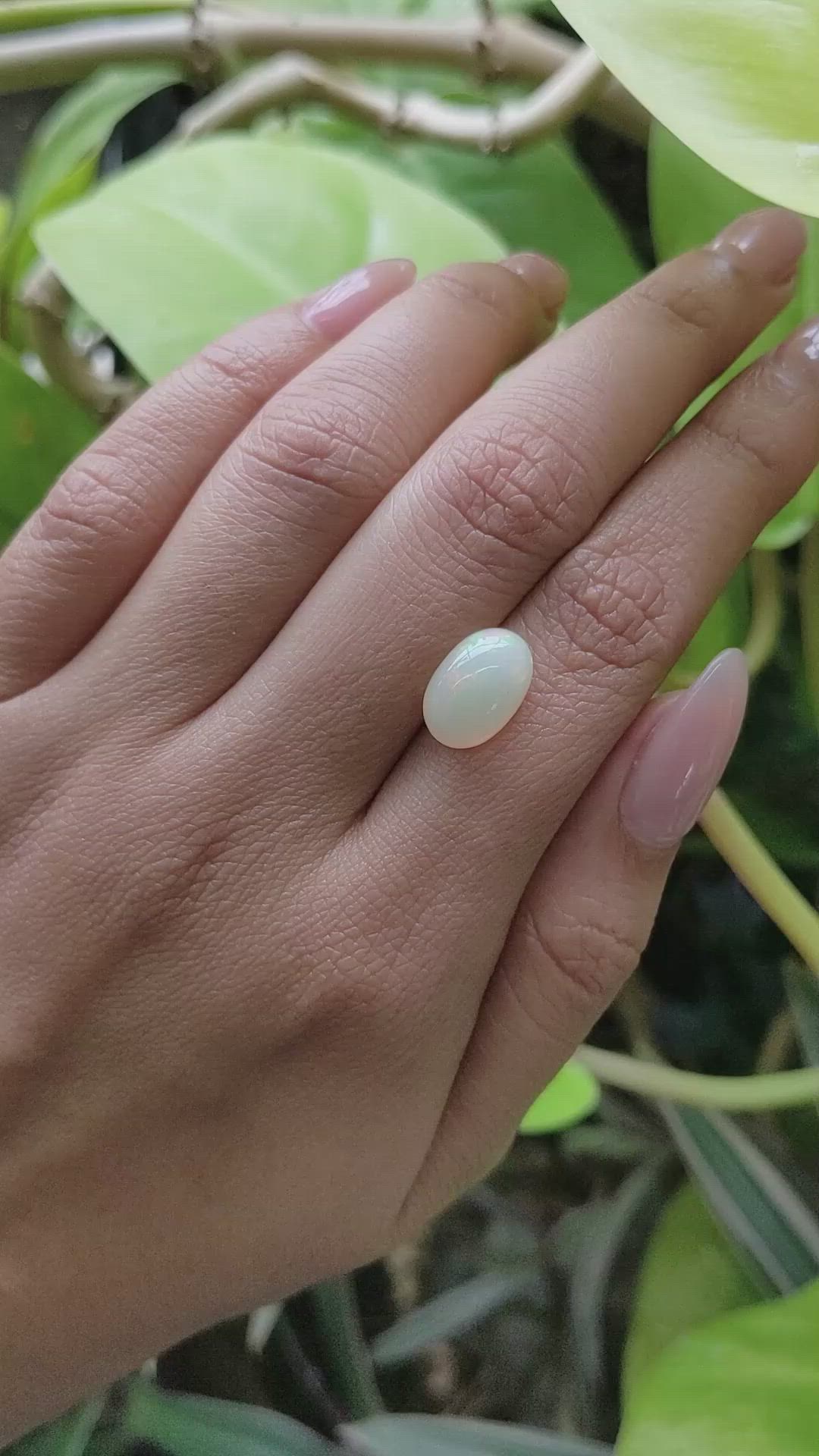
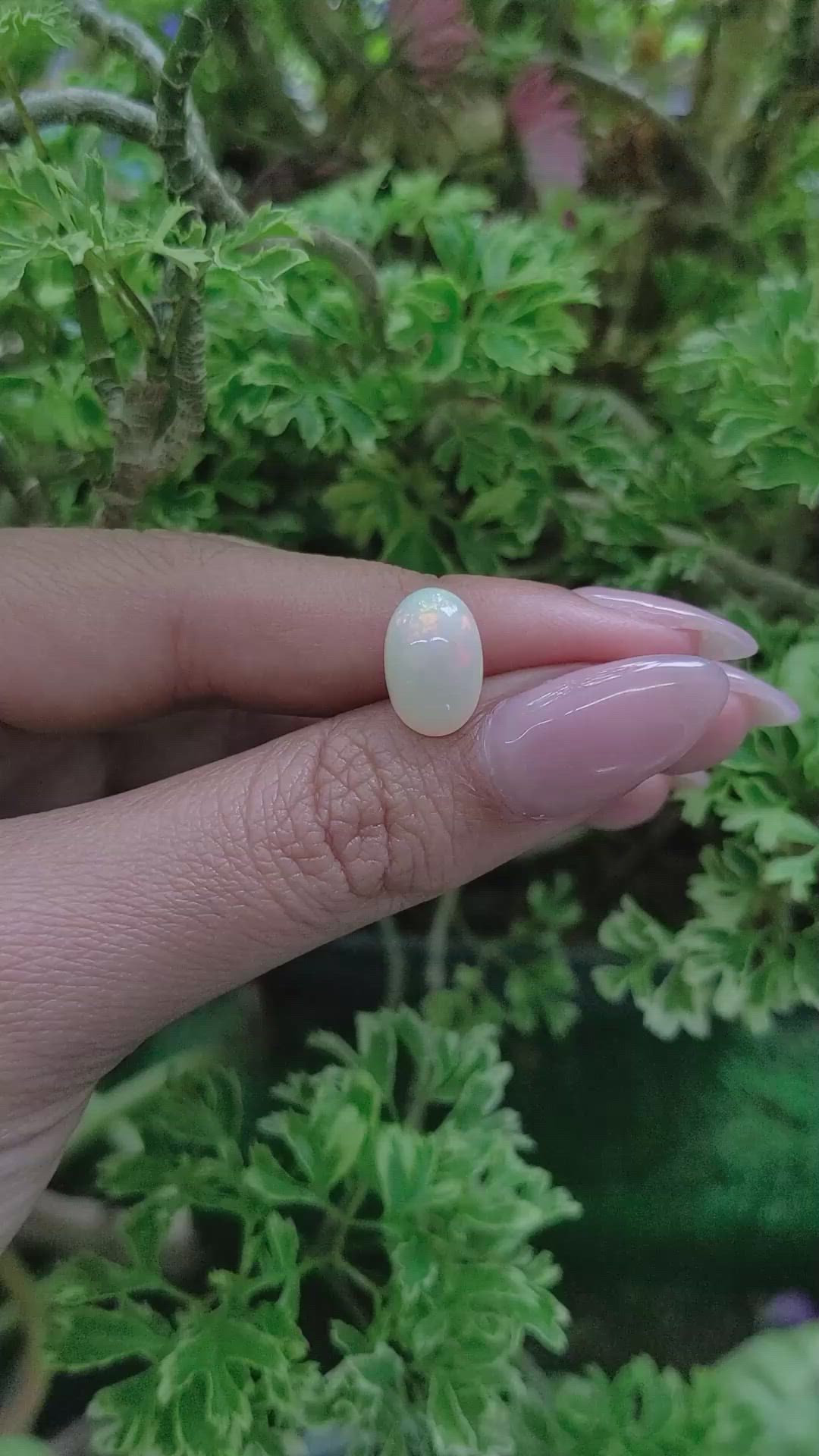
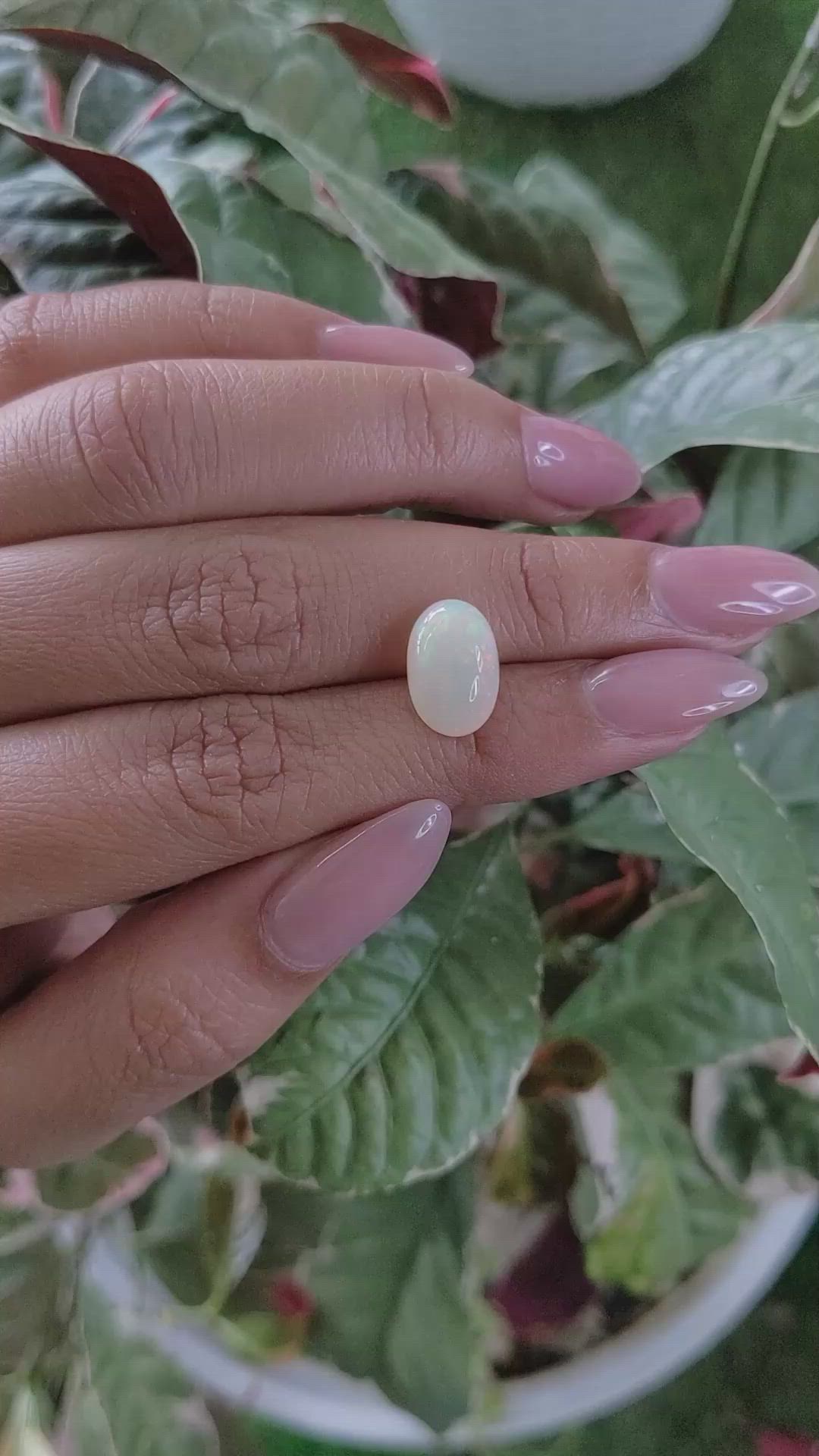



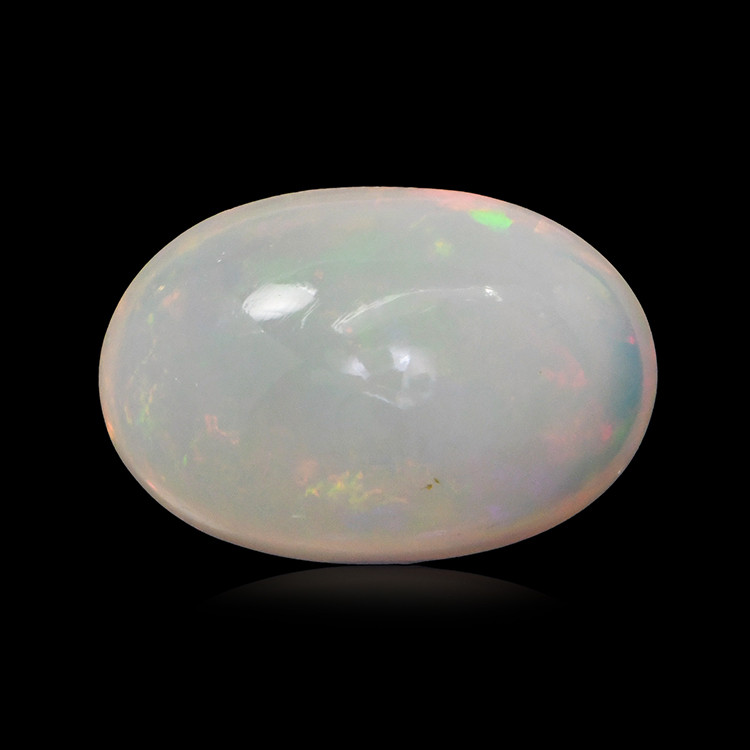
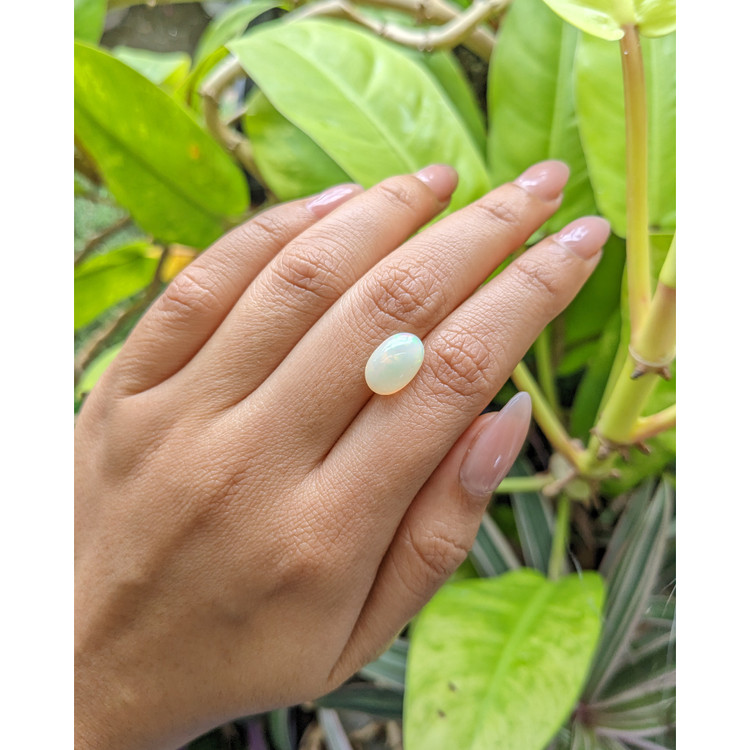
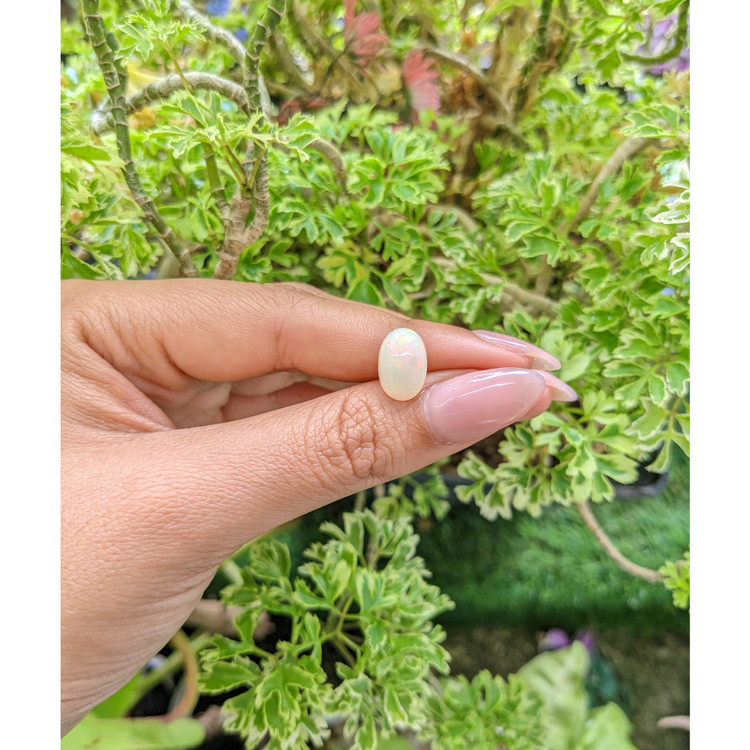
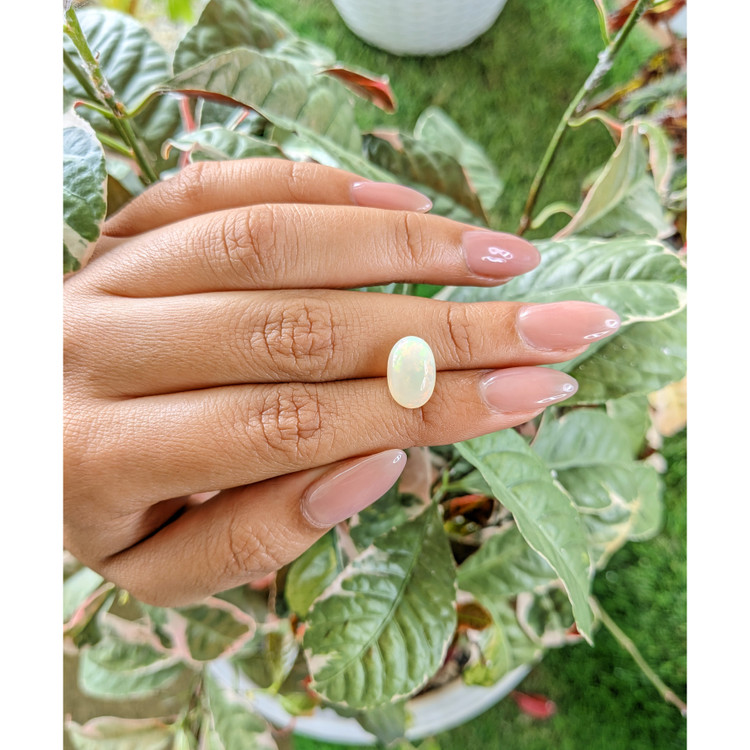

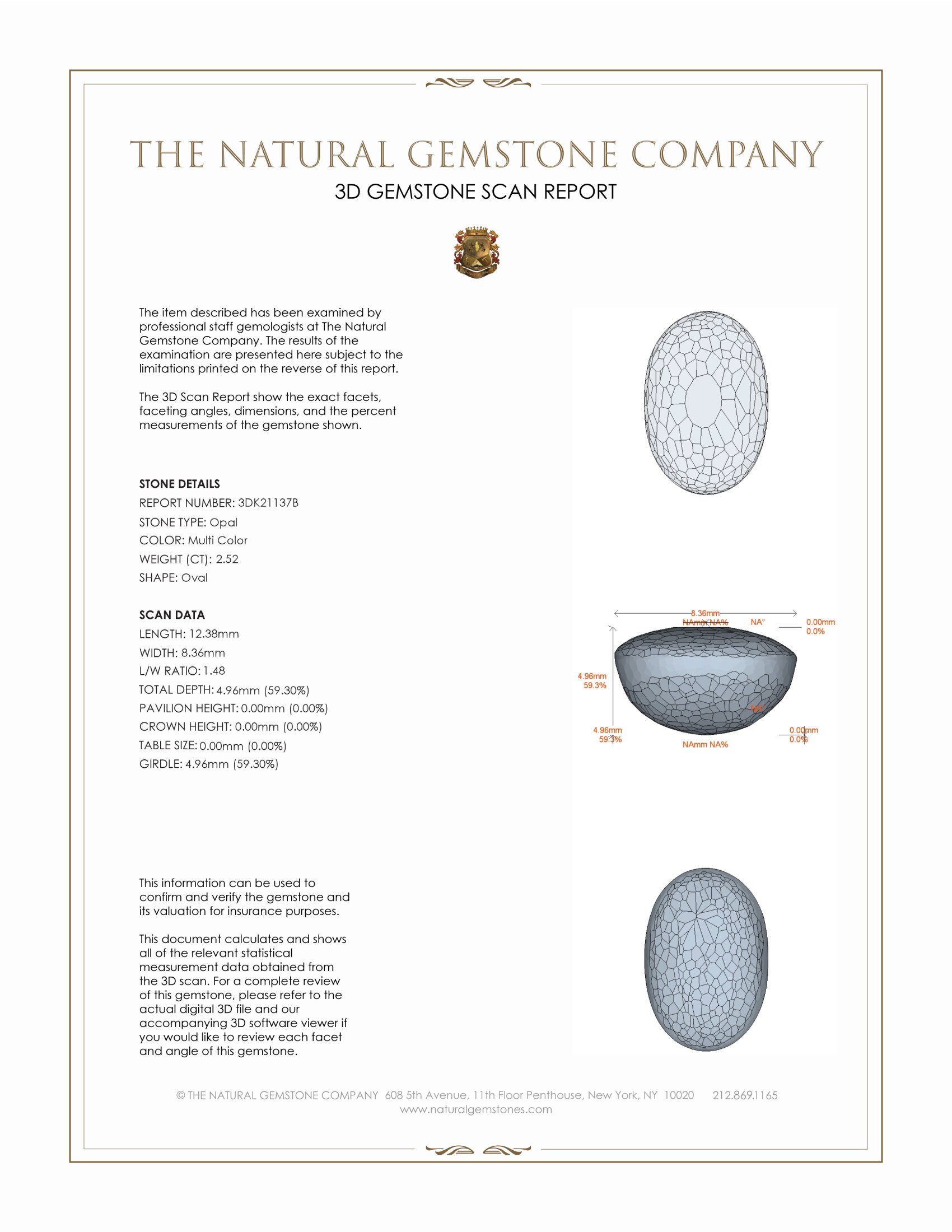


2.52 Ct. Cabochon White Opal from Brazil
This loose stone ships by Apr 26
Item ID: | K21137 |
|---|---|
Dimensions (MM): help | Length: 12.38 Width: 8.36 Height: 4.96 |
Weight: | 2.52 Ct. |
Color: help | Multi Color |
Color intensity: help | Medium |
Clarity: help | Very Slightly Included |
Shape: help | Oval |
Cut: | Cabochon |
Cutting style: | Cabochon |
Enhancements: help | No Enhancement |
Origin: help | Brazil |
Per carat price: help | $40 |
This offering from The Natural Gemstone Company is a natural White Opal, weight 2.52 carats, oval shape, cabochon cut, with dimensions 12.38 by 8.36 by 4.96 millimeters, and a multi color play of color across a translucent body. The cabochon dome has been shaped to maximize the optical diffraction effects inherent to opal microstructure, with a carefully calibrated height to present the most vivid face up color while maintaining structural integrity. Clarity has been evaluated at eye level as very slightly included, a grade that indicates only minor internal inclusions that do not detract from the overall appearance or performance of the stone. Color intensity is medium, providing a balanced backdrop that allows flashes of red, green, and blue to appear distinctly without overwhelming the base tone. The polish is excellent, indicating that the final lapidary processes were executed to a high standard, producing a smooth surface that enhances the play of color and minimizes light scattering. There has been no enhancement, the opal is in untreated condition, and its geological origin is Brazil, a source known for producing high quality white opals with stable hydration and attractive color distribution.
Technically, this White Opal displays the classical optical mechanism of opalescence, produced by the regular arrangement of silica spheres at the nanoscale that diffract visible light. The multi color effect observed is a function of sphere size distribution and ordering, with the medium body tone allowing an optimal contrast between the internal color flashes and the background. The cabochon cut is the industry standard for opal because flat facets would interrupt the diffraction and reduce perceived brightness, therefore the dome curvature here has been selected to preserve continuous optical pathways. The very slightly included clarity grade typically corresponds to minute mineral inclusions or thin potch layers confined beneath the polished surface, rather than fractures or cavities, so the mechanical stability of the piece remains high. The staircase of lapidary operations included preforming, coarse and fine grinding, and a multi stage polishing sequence using progressively finer abrasives and cerium oxide final polish, resulting in the excellent polish grade noted. The dimensions provide a favorable depth to surface area ratio, ensuring sufficient internal volume to display layered color bars and to resist dehydration related crazing under normal care.
When contrasting this natural White Opal to lab grown alternatives, several technical distinctions become apparent. Synthetic opals grown by common laboratory processes can mimic the diffractive behavior but often show an over regular, columnar or pinfire pattern that reveals the artificial assembly, whereas natural specimens feature irregular, organic color patterning that cannot be exactly replicated. Lab grown opals and assembled products such as doublets and triplets frequently incorporate a resin matrix or a bonded backing and cap, which alters refractive indices at interfaces, can reduce long term durability, and introduces potential points of failure. Natural untreated opals, like this Brazilian White Opal, retain native hydration and internal interfaces that contribute to their characteristic luster and aging behavior. From a gemological grading perspective, natural inclusions provide verifiable evidence of origin and growth environment, which supports provenance and valuation. Lab grown stones may offer consistency in appearance, but they lack the unique internal fingerprint that collectors and connoisseurs prize, and they generally do not carry the same appreciation trajectory in secondary markets where natural rarity is rewarded.
For the technically minded buyer, this opal presents specific advantages in terms of lapidary quality, optical character, and long term value. The cabochon dome profile and polish quality mean the piece will perform well in a bezel setting or in a protective mount that limits edge exposure, thereby preserving its surface finish and reducing risk of impact damage. Avoidance of ultrasonic cleaning and steam is recommended because even untreated opals can be sensitive to rapid thermal or mechanical changes, and maintaining a moderate humidity environment will mitigate dehydration risk. The Natural Gemstone Company documents the origin and condition of this White Opal, and we can provide imaging from multiple angles and lighting conditions to demonstrate the multi color response and the very slightly included clarity grade as observed at eye level. Choosing this natural piece offers the buyer a singular optical signature, confirmed natural origin, and artisanal lapidary workmanship, qualities that are technically distinct from mass produced laboratory equivalents and that align with long term collectibility and intrinsic value.


