
- Stone12
- Reports3
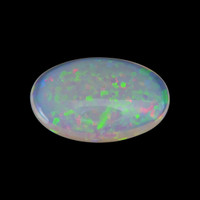

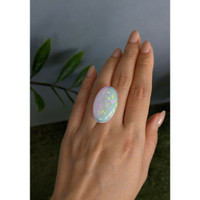
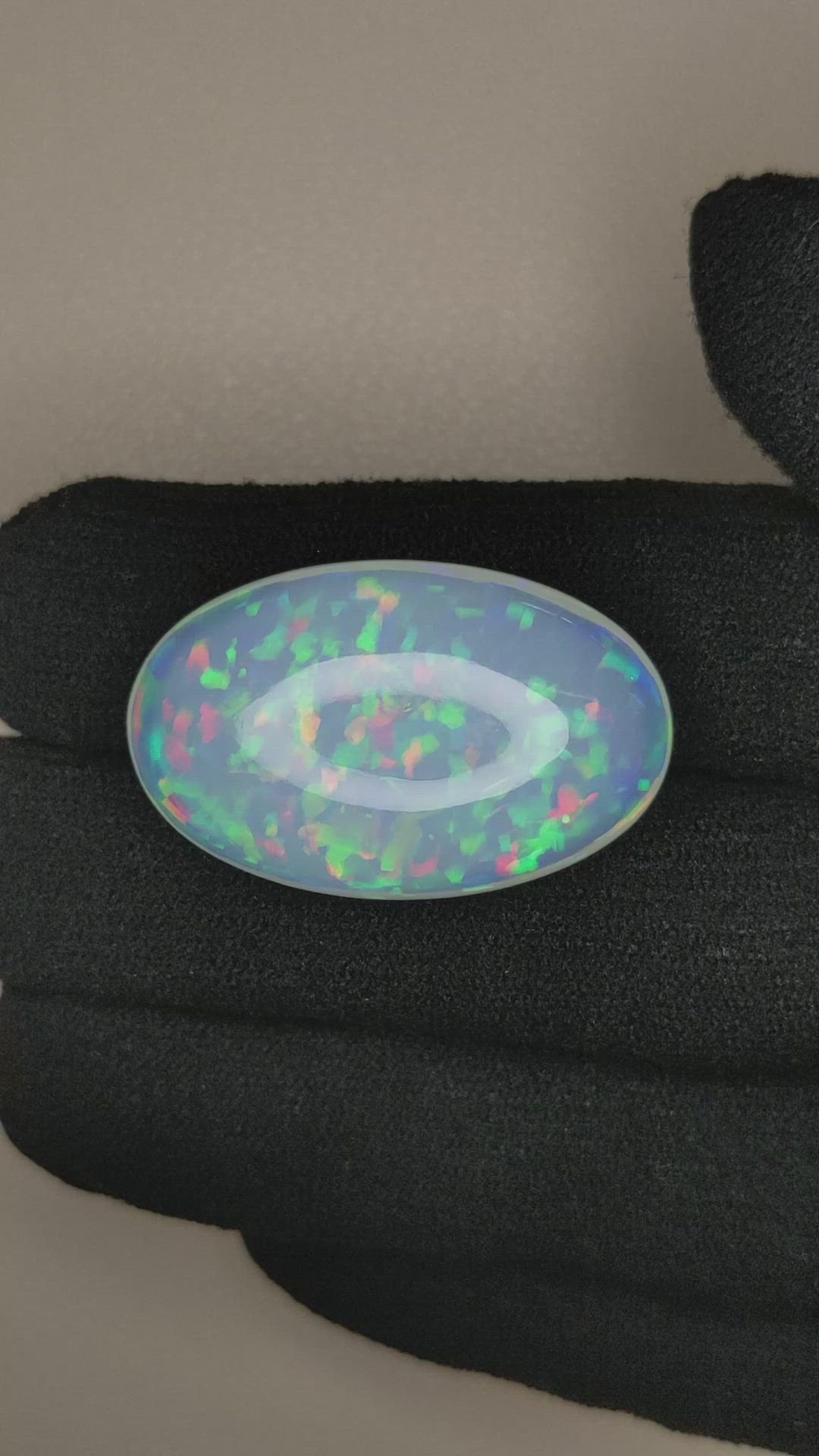
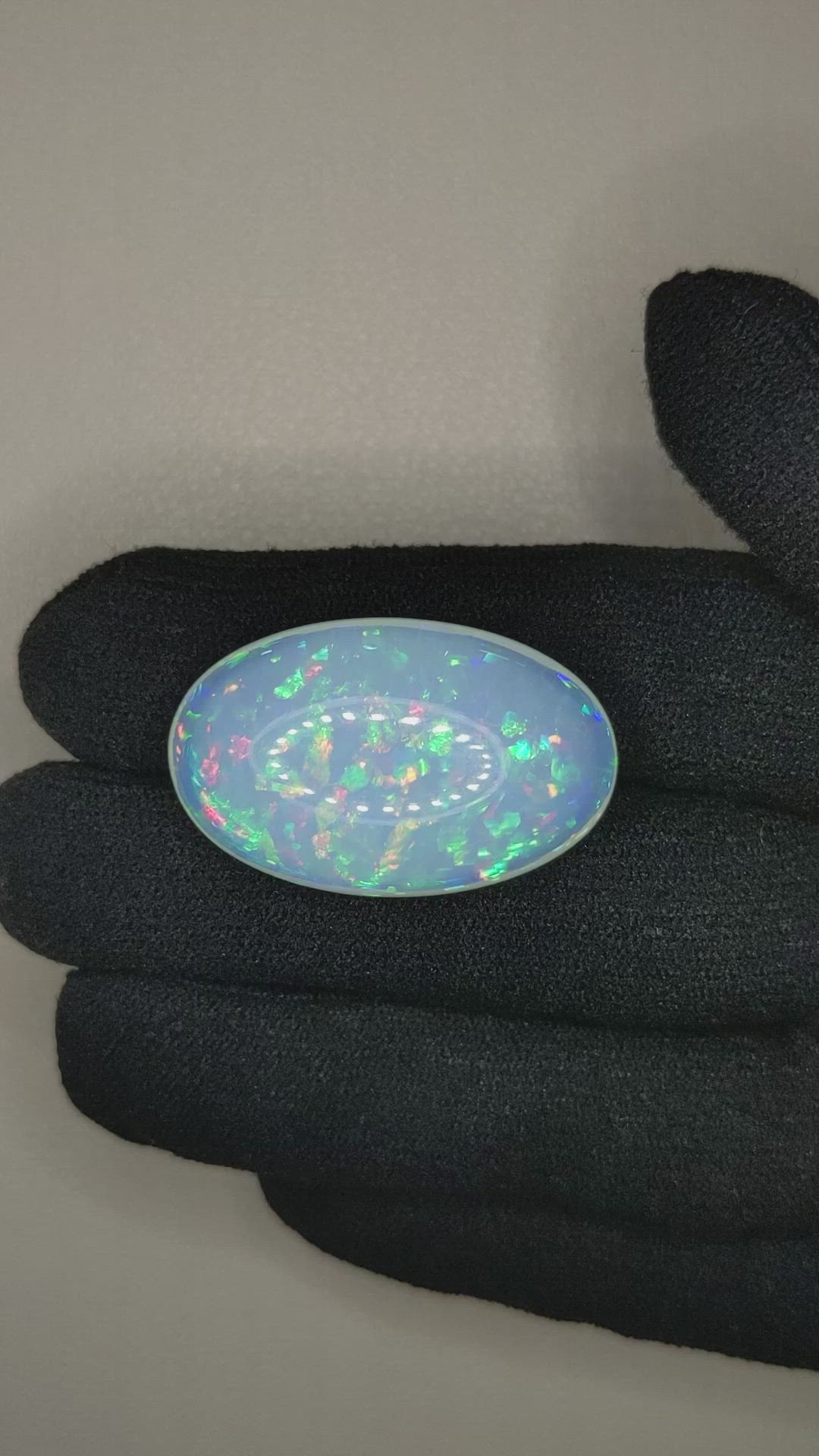
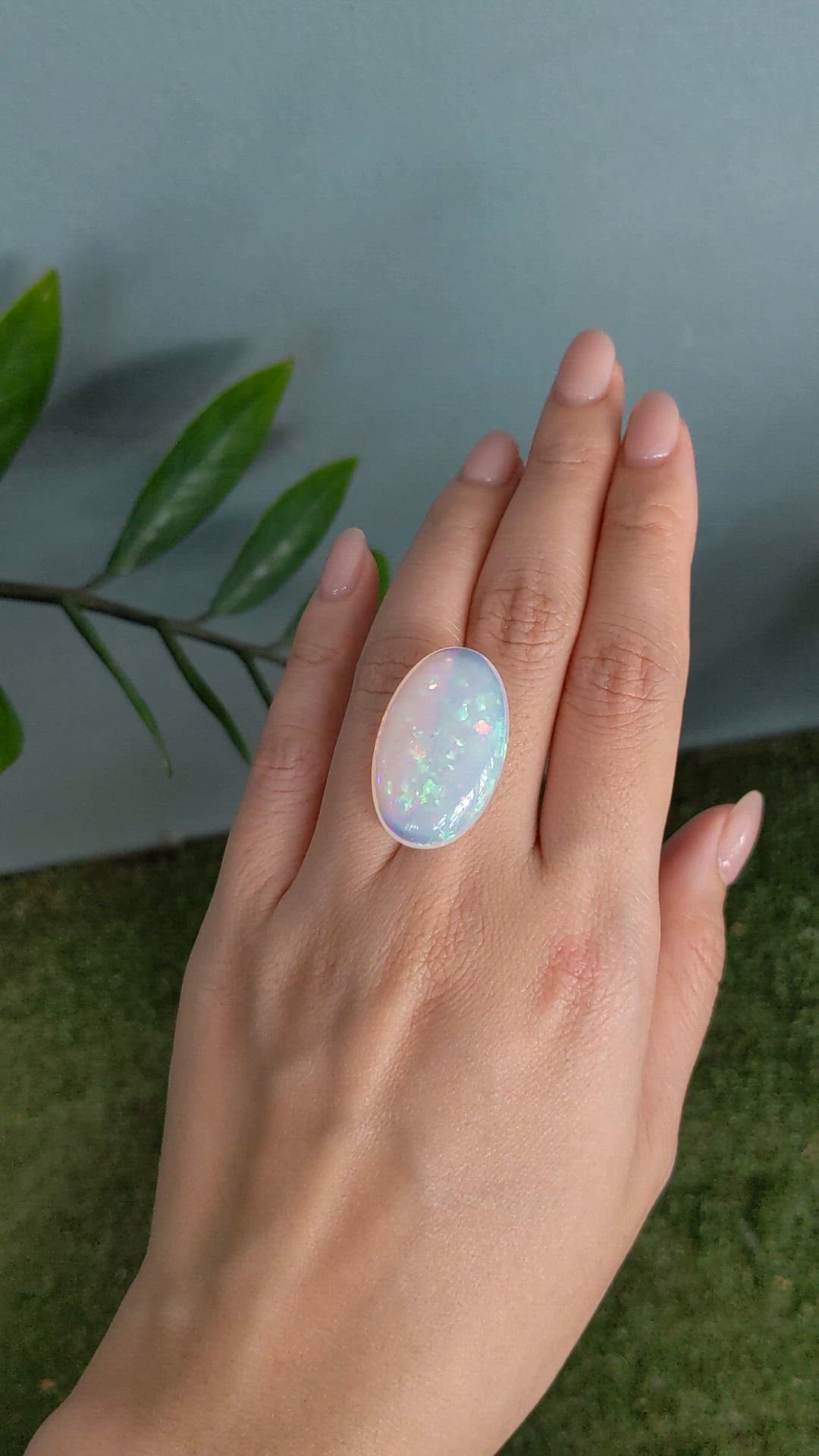
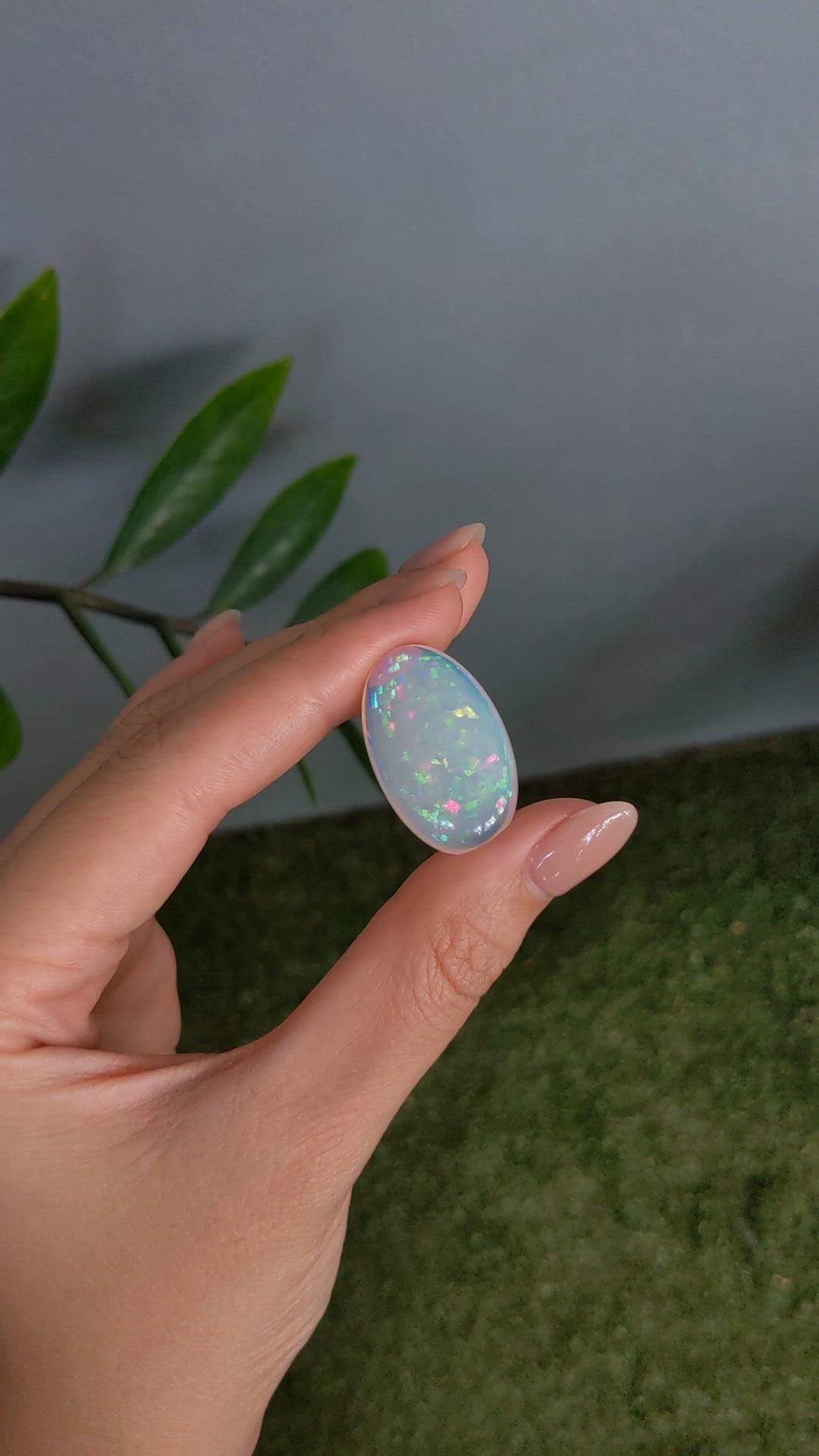

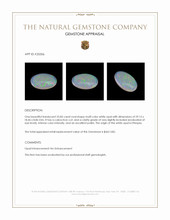


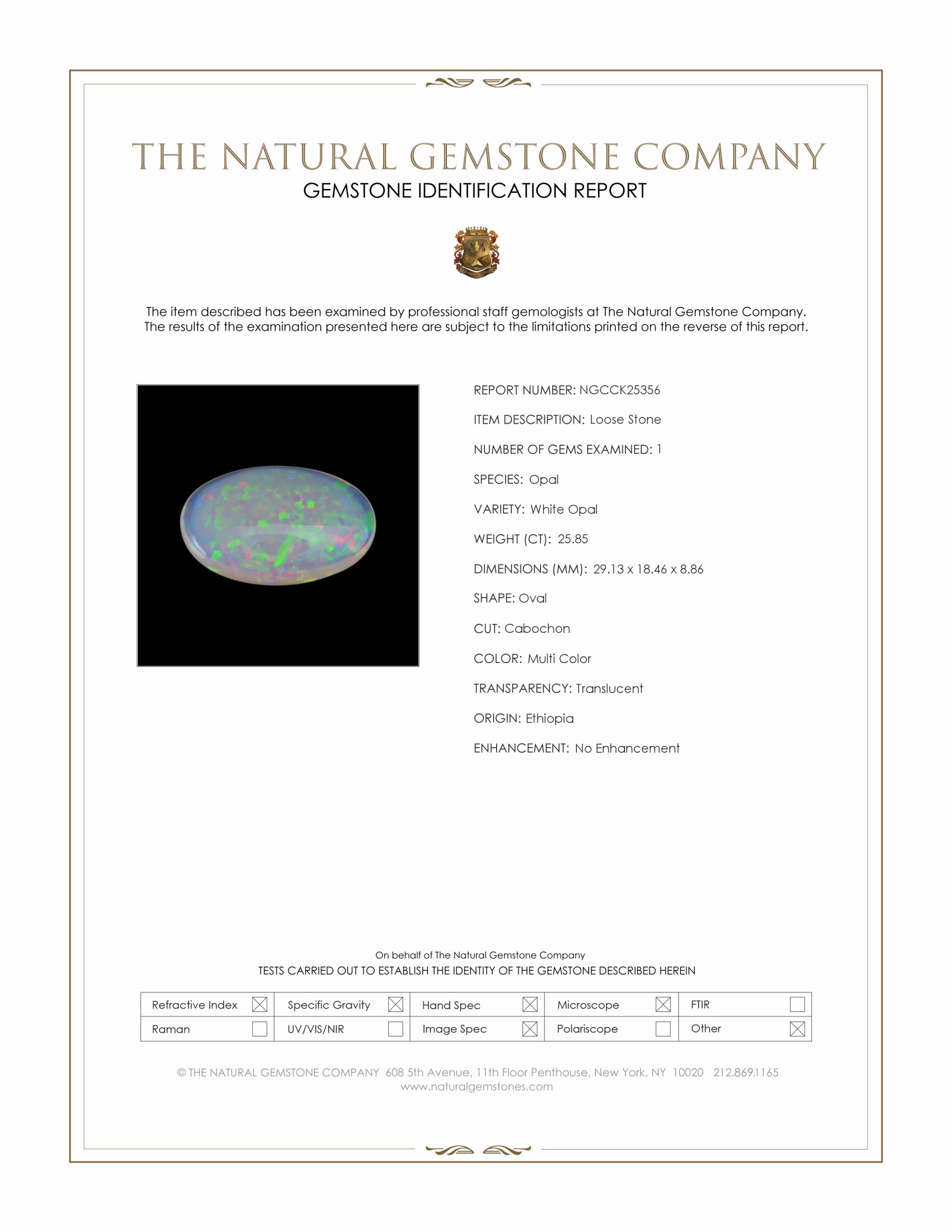
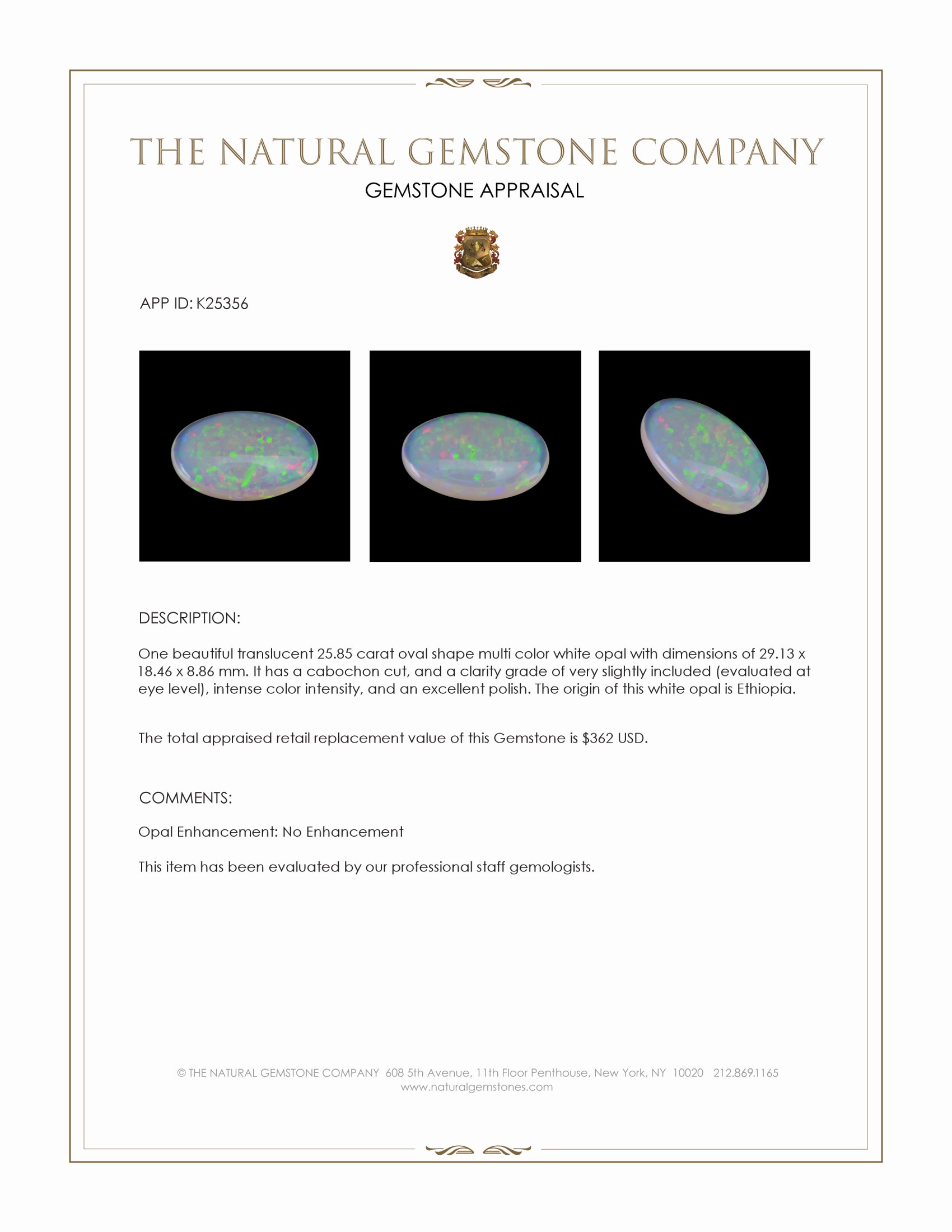
25.85 Ct. Multi Color Cabochon White Opal from Ethiopia
This loose stone ships by Jul 14
Item ID: | K25356 |
|---|---|
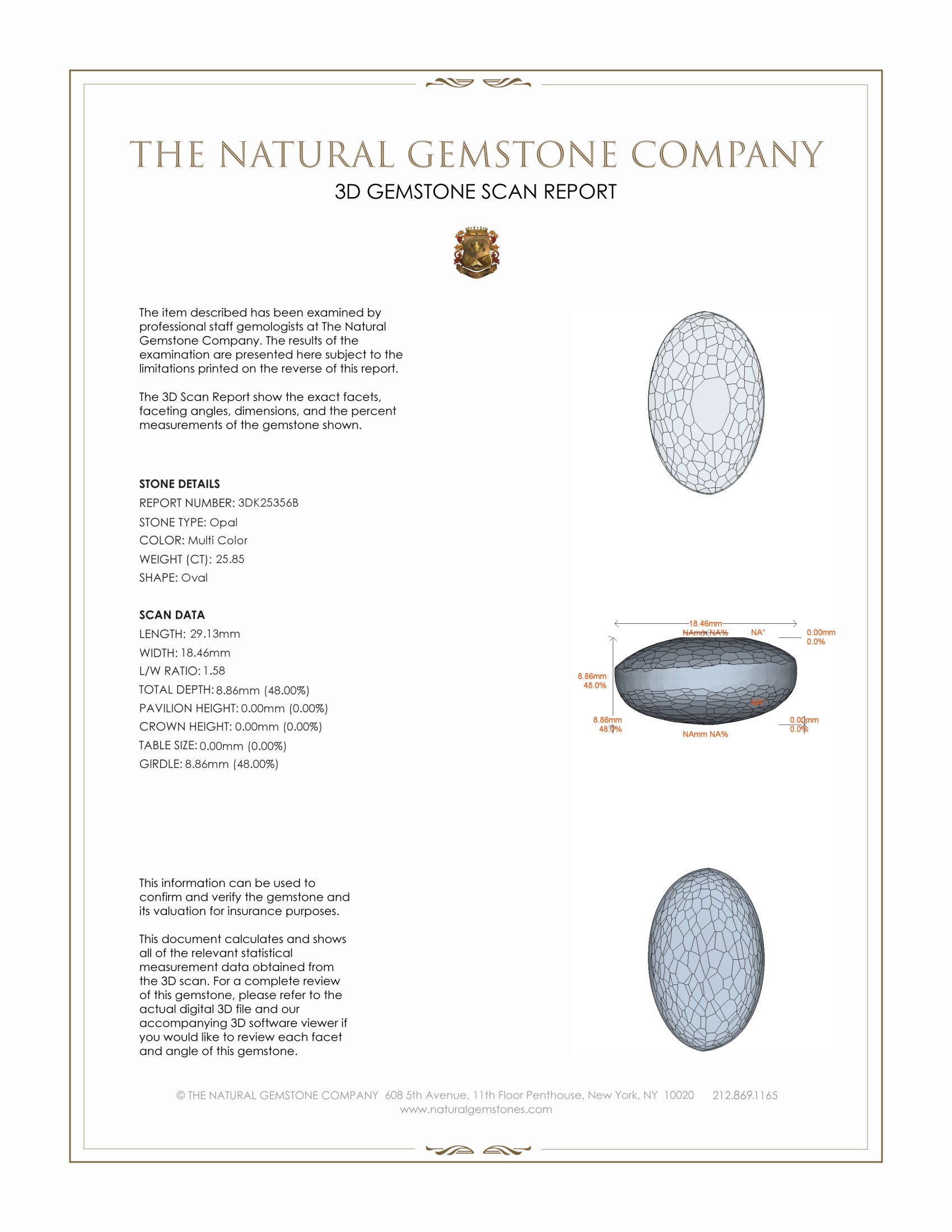
Dimensions (MM): help | Length: 29.13 Width: 18.46 Height: 8.86 |
Weight: | 25.85 Ct. |
Color: help | Multi Color |
Color intensity: help | Intense |
Clarity: help | Very Slightly Included |
Shape: help | Oval |
Cut: | Cabochon |
Cutting style: | Cabochon |
Enhancements: help | No Enhancement |
Origin: help | Ethiopia |
Per carat price: help | $14 |
This item is a translucent White Opal weighing 25.85 carat, presented in a traditional oval cabochon shape, with precise dimensions of 29.13 x 18.46 x 8.86 mm. The gem exhibits a finely executed cabochon cut, chosen to maximize the characteristic play of color that defines opal as a species, and it displays intense color intensity across a multi color spectrum. Clarity has been evaluated at eye level as very slightly included, which in opal terms indicates minimal internal features that do not detract from overall visual appeal, and the surface has been finished to an excellent polish. This specimen is untreated, no enhancement, and its provenance is Ethiopia, a source increasingly recognized for producing high quality White Opal material. The Natural Gemstone Company presents this gem with full disclosure of its attributes, and with imagery that accurately represents its translucency and color play under standard viewing conditions.
From a gemological perspective the combination of size, translucency, and vivid play of color positions this opal within a higher tier of White Opal examples. The cabochon shape supports optimal light interaction, allowing flashes of green, red, and blue to appear across the dome without interruption. The very slightly included clarity grade means the interior character is natural and unfilled, which is generally preferred by collectors and connoisseurs who value original structure. The excellent polish is important for both aesthetics and light performance, ensuring that the surface reflects with a clean luster and that the internal fire remains unobstructed. Because this opal is natural and untreated, it maintains the full spectrum of intrinsic qualities that informed cutting and evaluation can reveal, and it is suitable for use in fine jewelry where the setting can both protect the stone and showcase its optical dynamics.
In terms of investment potential, several objective factors favor this specimen. Large, well colored White Opal examples from Ethiopia are comparatively scarce in the context of global supply, and a weight of 25.85 carat combined with a clean visual presentation is increasingly sought after by collectors and designers. Untreated stones command a premium in the market because enhancements can affect long term stability and resale values, and provenance from reputable localities adds a layer of verifiable history that collectors prize. Market drivers for opal value include size, brightness and distribution of color, pattern desirability, translucency, and physical integrity, and this opal performs strongly across those criteria. Over recent market cycles, fine opals have shown appreciation where supply constraints meet sustained collector interest, however performance varies by subcategory and is influenced by broader economic conditions, trends in jewelry design, and the availability of comparable pieces at auction or through private sales. This makes a carefully selected, documented example such as this one a prudent component within a diversified tangible asset allocation for those who understand the nuances of the colored stone marketplace.
For prospective investors or purchasers there are practical considerations to maximize long term value and liquidity. Obtain independent certification or a detailed gemological report to accompany provenance notes, as documentation materially improves resale prospects and institutional acceptance. Preserve the stone in stable conditions, avoiding prolonged exposure to extremes of humidity or direct heat, and select mounting methods that protect the dome and avoid mechanical stress, since physical damage is the primary risk to opal value. Insure the piece with appraisals updated to reflect market conditions, and consider resale channels that specialize in colored gemstones, auction houses with a strong gemstone clientele, and established dealers who can verify history and provide comparables. The Natural Gemstone Company can supply supporting documentation, detailed imagery, and assistance with appraisal references to facilitate due diligence, and we recommend a measured holding horizon for tangible gems, recognizing that while historical trends for select opals have favored appreciation, past performance is not a guarantee of future returns.


