
- Stone16
- Reports3


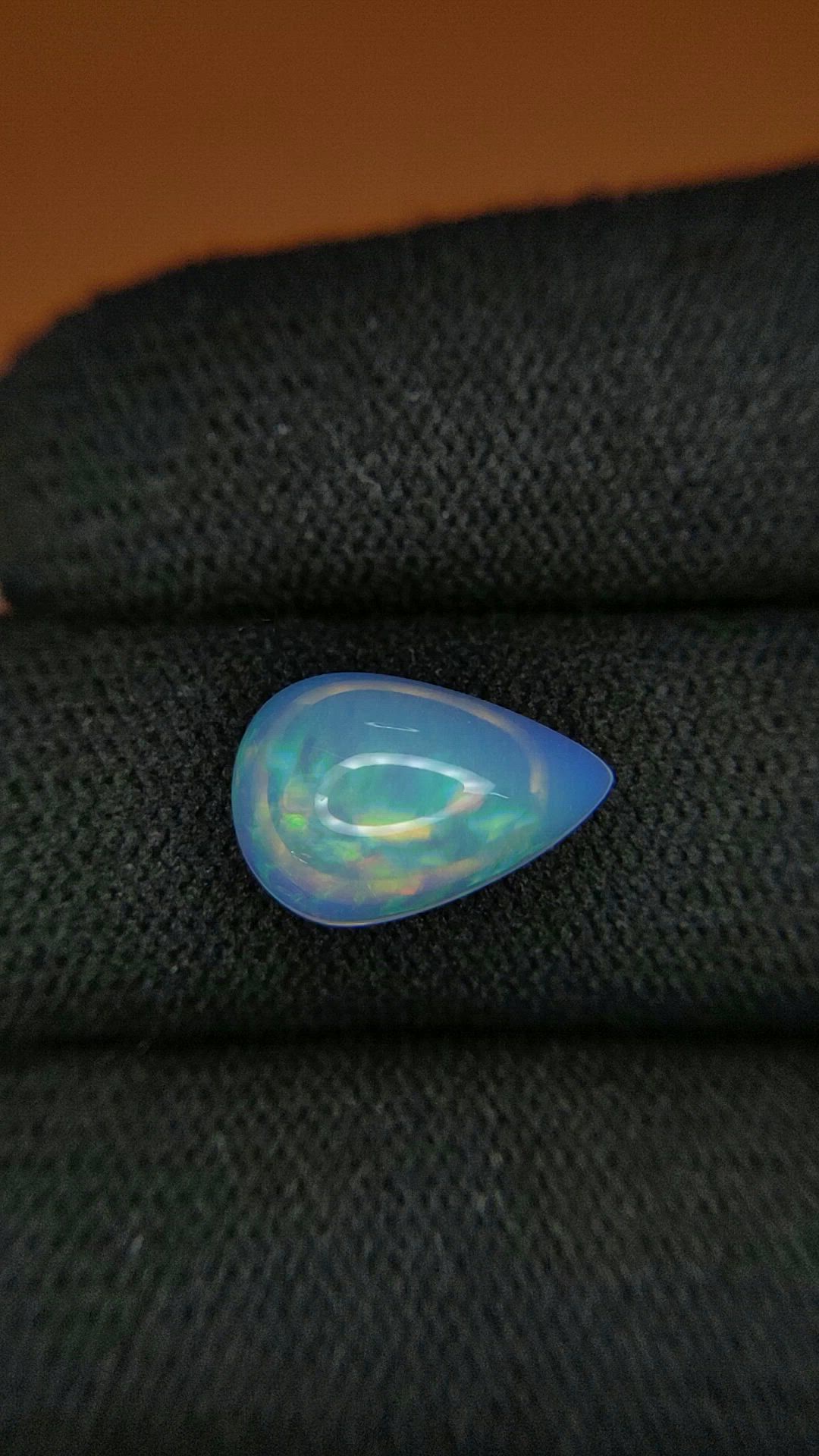
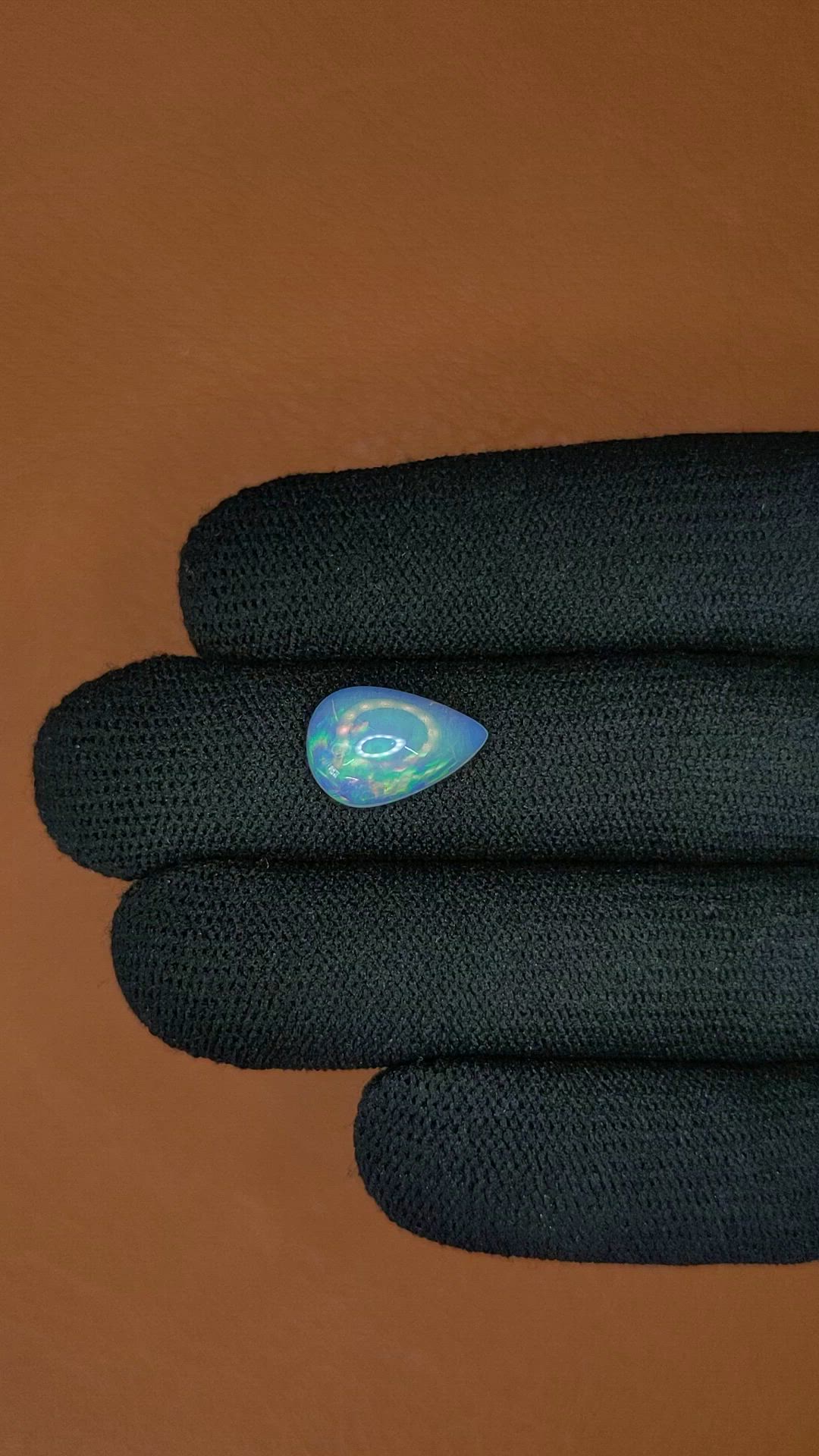
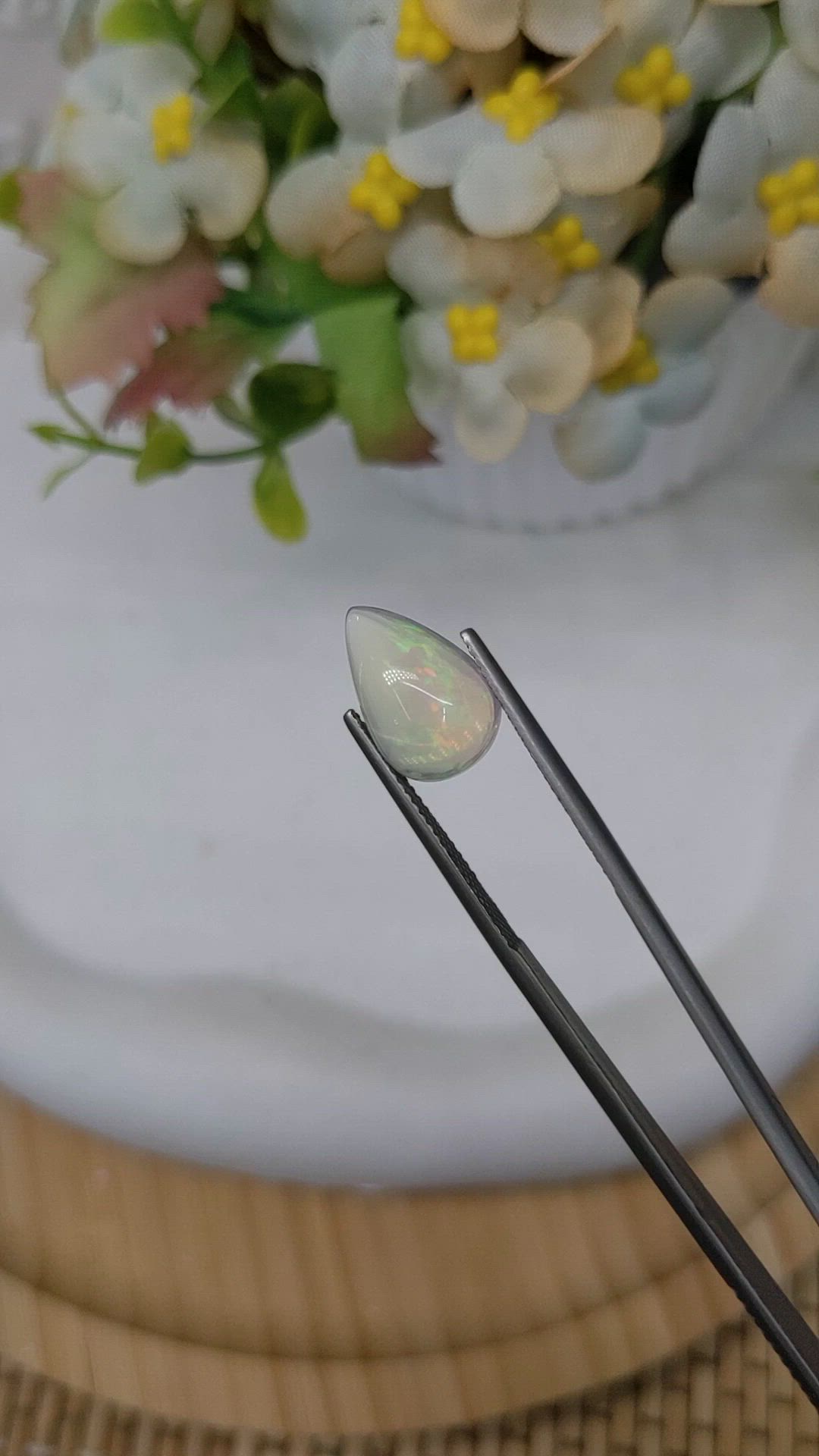
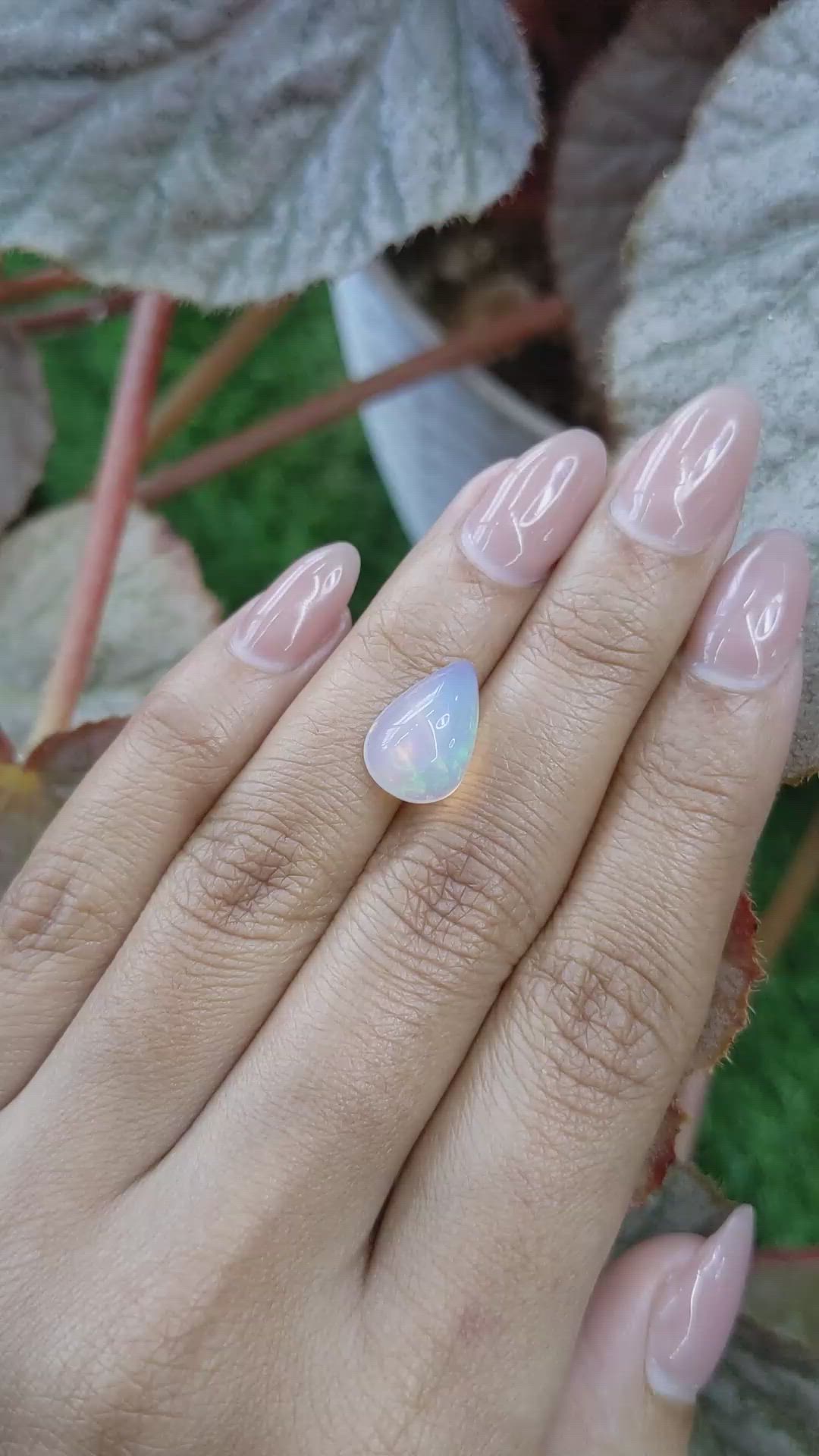
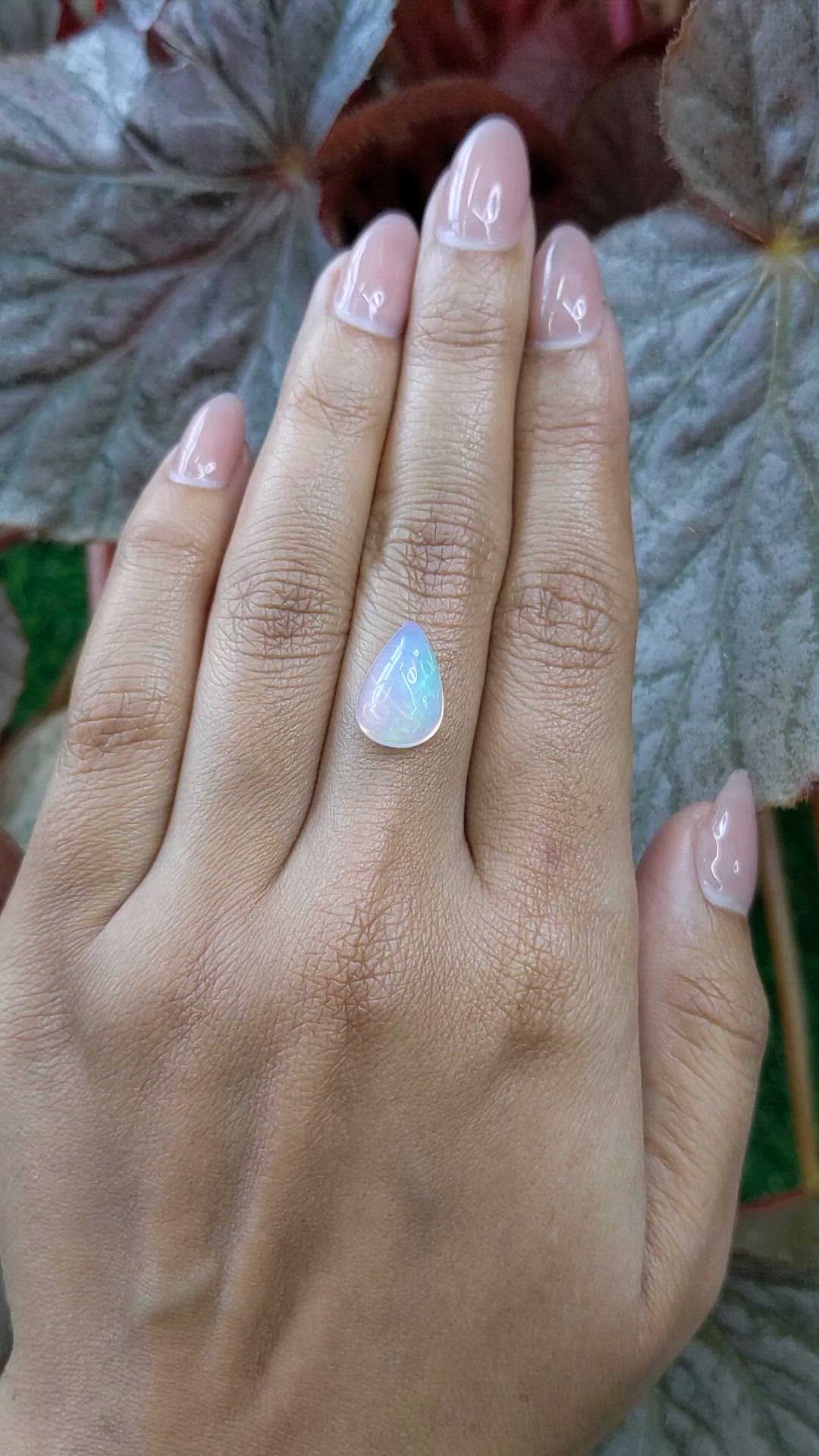
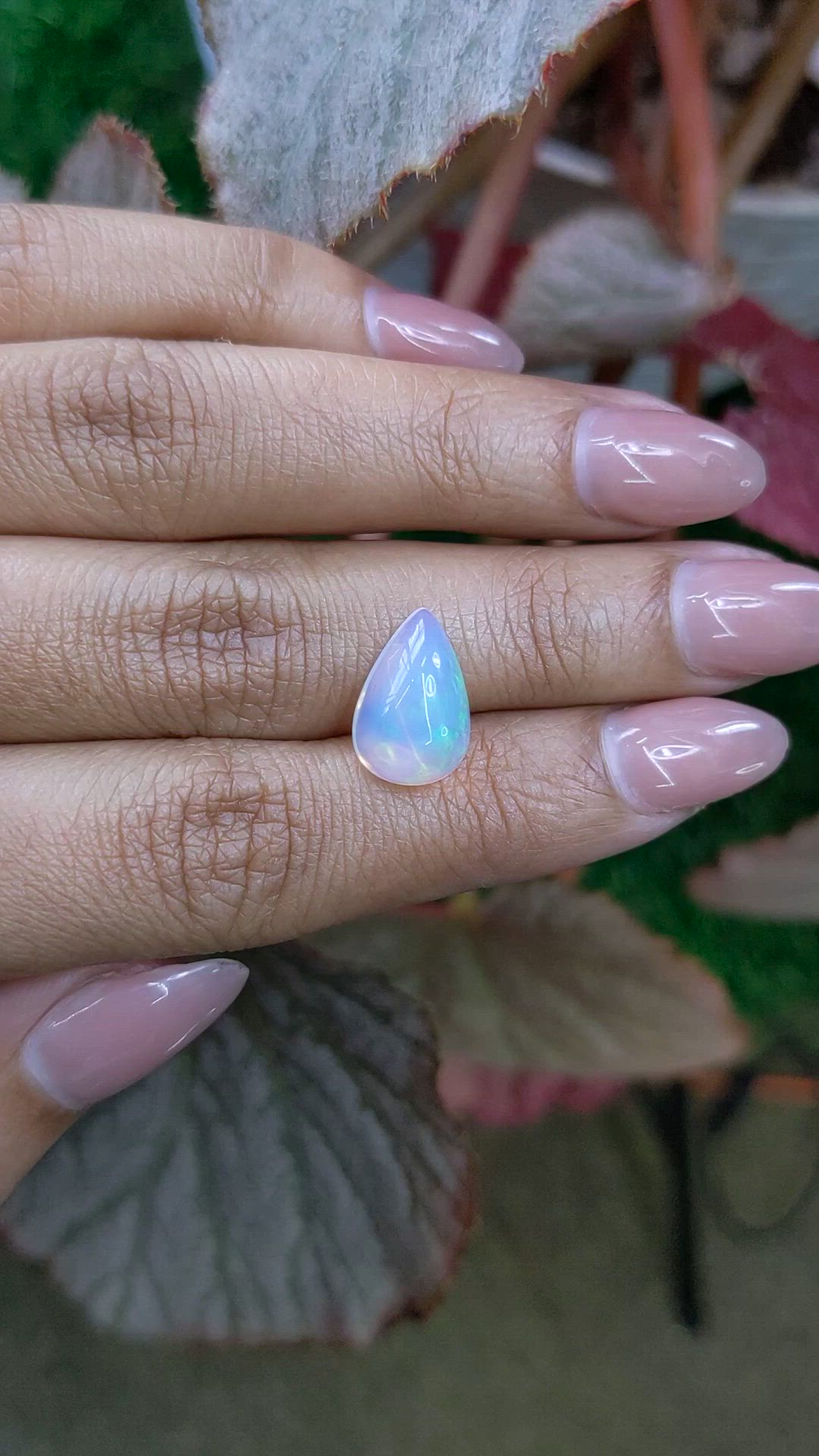



3.37 Ct. Multi Color Cabochon Fire Opal (Flame Opal) from Ethiopia
This loose stone is available to ship now
Item ID: | K31177 |
|---|---|
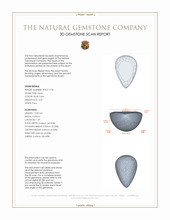
Dimensions (MM): help | Length: 13.81 Width: 9.25 Height: 5.63 |
Weight: | 3.37 Ct. |
Color: help | Multi Color |
Color intensity: help | Light |
Clarity: help | Eye Clean |
Shape: help | Pear |
Cut: | Cabochon |
Cutting style: | Cabochon |
Enhancements: help | No Enhancement |
Origin: help | Ethiopia |
Per carat price: help | $300 |
This listing describes one translucent 3.37 carat pear shape multi color opal, cut as a cabochon, with exact dimensions of 13.81 by 9.25 by 5.63 mm. The cutting style is a classical cabochon, produced to axial symmetry to maximize the internal play of color while maintaining a comfortable profile for bezel or prong settings. Clarity is graded eye clean at normal viewing distance, indicating the stone is free of inclusions that disrupt the field of play when viewed without magnification. Color intensity is assessed as light, which in this specimen works in favor of delicate, pastel to medium saturation flashes, rather than saturated opaque bodycolors. The polish is excellent, providing a smooth, high luster surface that enhances optical transmission into the body of the opal. There are no enhancements, the stone is untreated, and the type is identified as Fire Opal of Ethiopian origin. The provenance and treatment status are stated to support confident appraisal and setting decisions.
From a lapidary perspective, the cabochon cut on this pear shaped opal has been executed with attention to dome height, girdle uniformity, and symmetry between lobes, features that directly influence the way light refracts and diffracts through the internal silica spheres. The dome is moderate to high, optimized to produce broad flash and harlequin scattering patterns without introducing excessive curvature that would fragment color patches into pinpoints. The cutter oriented the stone to the plane of strongest play of color, a critical step with Ethiopian opals where layered color zones can be directional. During preforming the piece was ground on successive grits to maintain consistent profile lines, followed by meticulous sanding and polishing to achieve the excellent final polish. The absence of facets and the choice of a smooth domed face preserve the continuous interference colors characteristic of opal, and they allow the stone to be read for pattern and intensity rather than cut brilliance.
Optical characteristics of this fire opal merit specific technical attention. The stone exhibits a translucent body that permits backlighting and diffuse internal transmission, which enhances spectral separation and produces crisp flashes in the blue and green range, with occasional warmer vents approaching orange. Light color intensity results in a softer body tone, which in this example increases the perceived brightness of internal flashes because the light background does not compete with the diffracted colors. The play of color appears as a mixture of broad flashes and small pinfire elements, indicating variability in the silica sphere packing and layer thickness. The stone is eye clean, so light passes through unobstructed by fractures or inclusions that would scatter and dampen the interference colors. As a fire opal classification, this Ethiopian specimen differs from the classic Mexican type that is known for vivid orange bodycolor, in that Ethiopian fire opals often present a translucent to semi translucent base combined with pronounced play of color, which appeals to buyers who value spectral complexity as well as body tone nuance.
Origin and provenance are central to the value profile of this gem, and Ethiopian origin contributes materially to both market perception and gemological characteristics. Ethiopian opals are relatively recent on the market compared to Australian material, they are formed in volcanic basaltic host rock and often display thinner stacking of silica spheres which produces lively, directional play of color. For collectors and designers, provenance from Ethiopia signals a particular textural and optical signature, and authenticated origin supports traceability and resale valuation. The Natural Gemstone Company provides this stone with documentation of untreated status and measured dimensions, which assists in professional appraisal and insurance. Practical considerations for setting are influenced by the stone geometry and cabochon construction. The pear outline and measured thickness allow for a low profile bezel that protects the girdle while exposing the dome for maximum color play, or for a custom prong arrangement prioritizing plain language cabochon security. Care recommendations include avoiding prolonged exposure to thermal shock and strong chemical cleaners, as hydrous opal structure is sensitive to rapid dehydration, and routine maintenance with mild soap and water will preserve polish and color. For buyers seeking a technically precise example of Ethiopian fire opal that balances play of color, translucency, and lapidary craft, this 3.37 carat cabochon from The Natural Gemstone Company represents a specimen with documented attributes and careful execution.


