
- Stone11
- Reports4
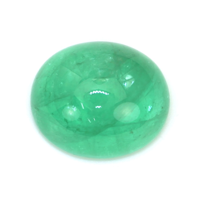
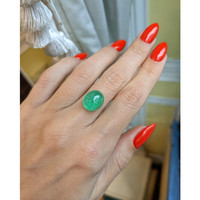

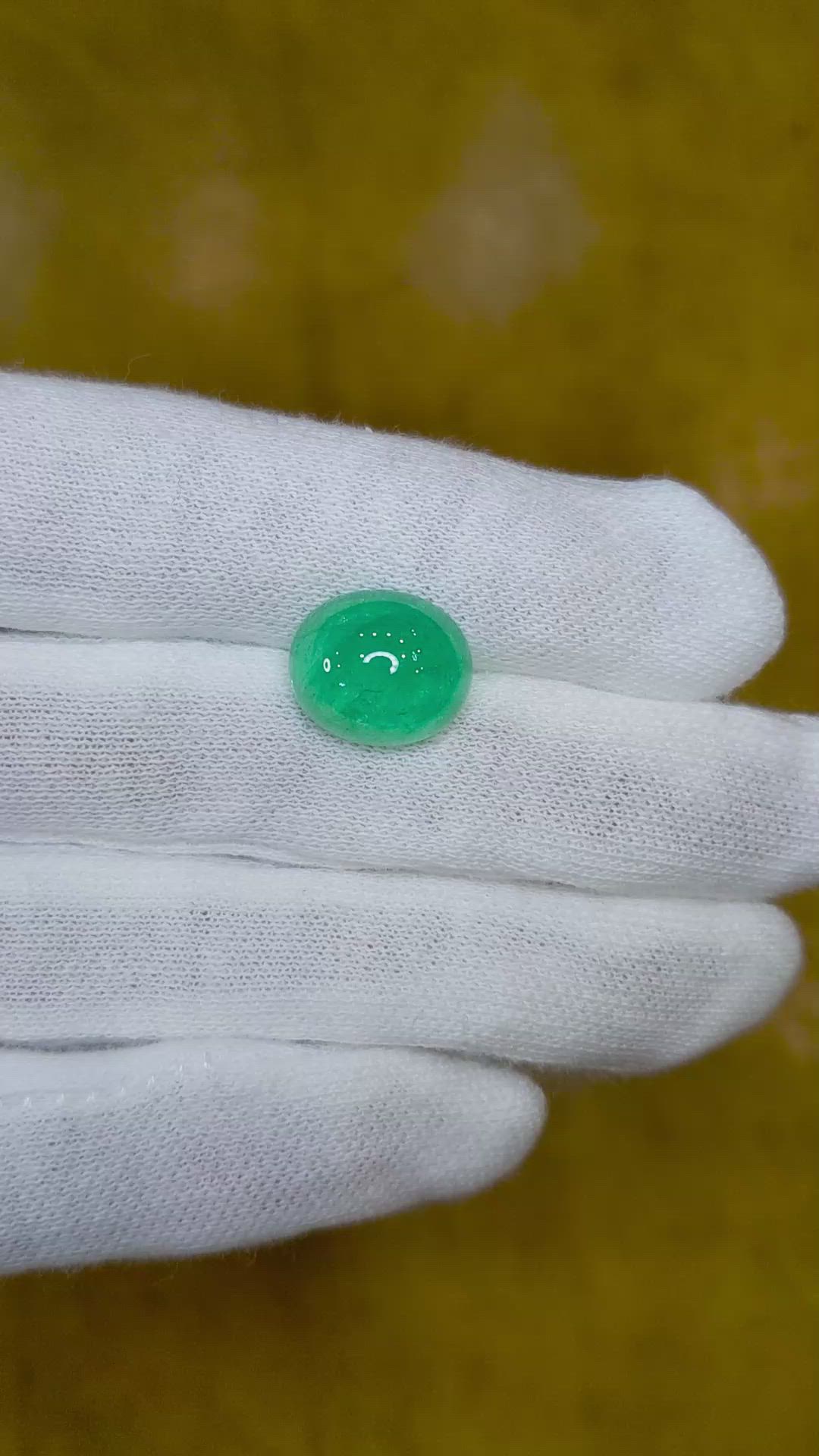




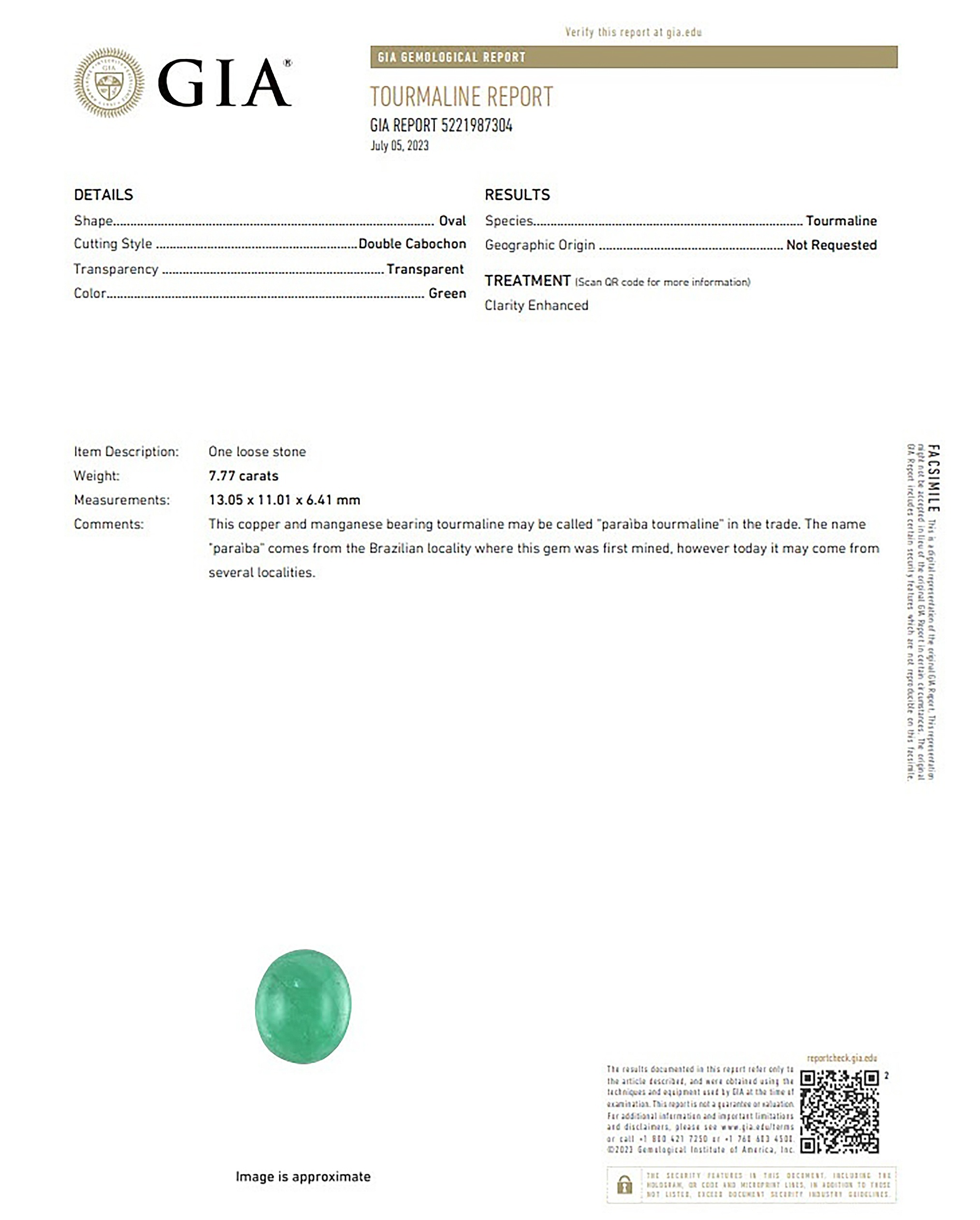
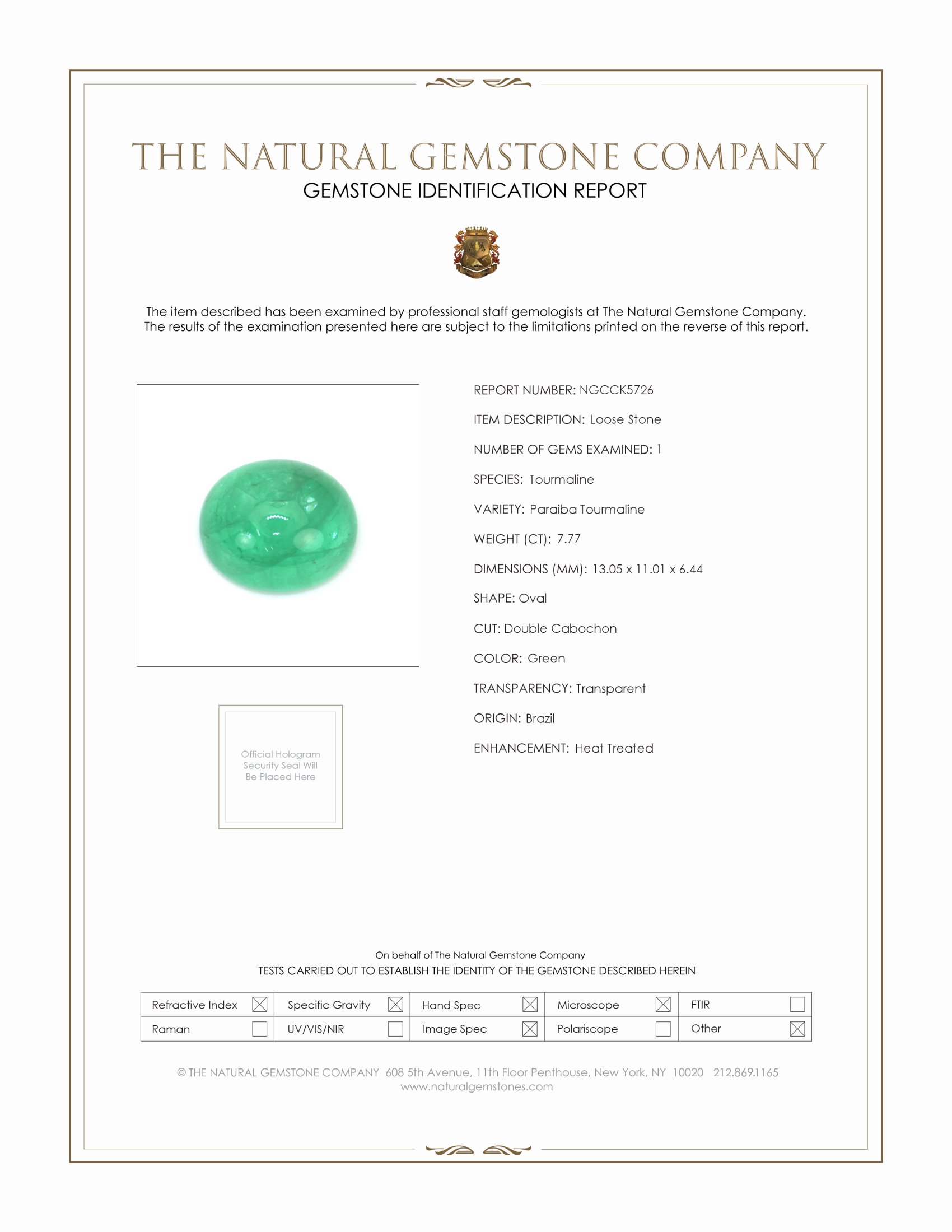
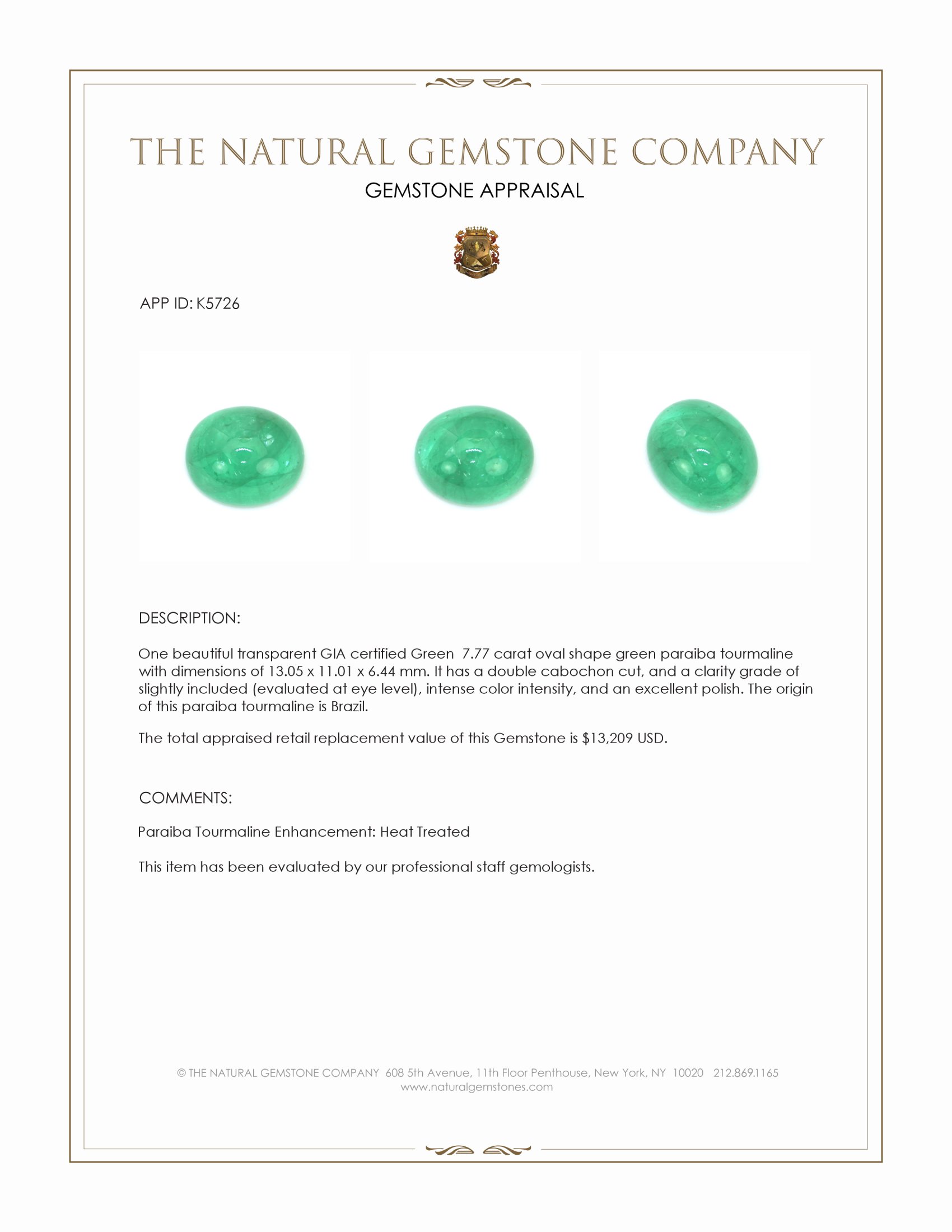
7.77 Ct. Cabochon Paraiba Tourmaline from Brazil
This loose stone is available to ship now
Item ID: | K5726 |
|---|---|
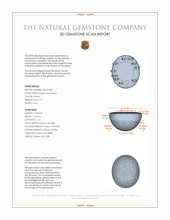
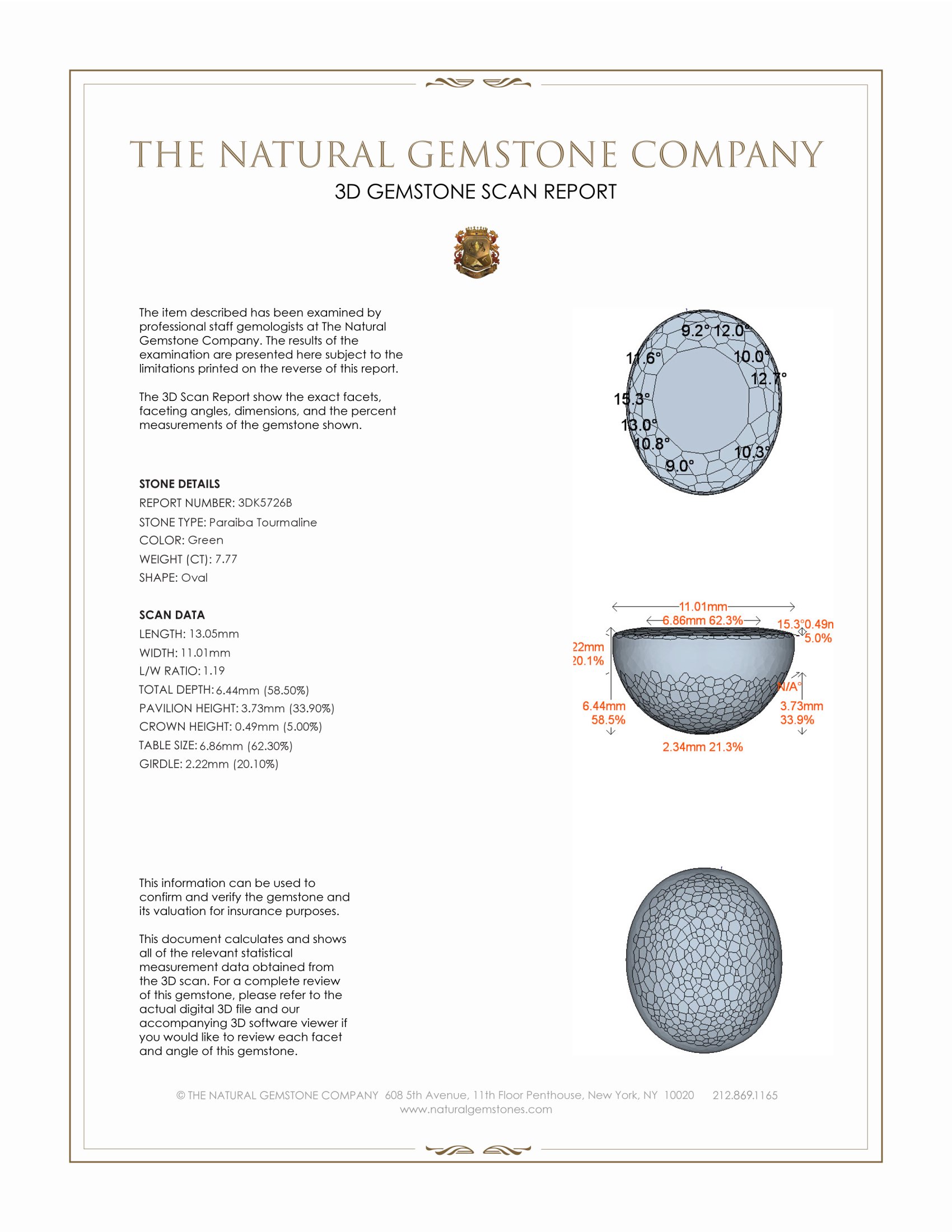
Dimensions (MM): help | Length: 13.05 Width: 11.01 Height: 6.44 |
Weight: | 7.77 Ct. |
Color: help | Green |
Color intensity: help | Intense |
Clarity: help | Slightly Included |
Shape: help | Oval |
Cut: | Double Cabochon |
Cutting style: | Cabochon |
Enhancements: help | Heat Treated |
Origin: help | Brazil |
Per carat price: help | $1,700 |
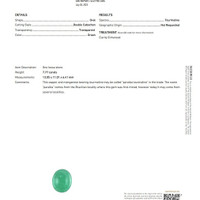
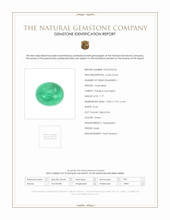
This listing describes a transparent, GIA certified Green Paraiba tourmaline, weighing 7.77 carats, presented in an oval shape with dimensions of 13.05 by 11.01 by 6.44 millimeters. The stone carries a double cabochon cut, delivering smooth domed surfaces that enhance the gem's depth and translucency, and it exhibits an intense color intensity combined with an excellent polish. Clarity has been evaluated at eye level and judged slightly included, indicating the presence of minor, natural internal features that are visible on close inspection but do not materially diminish the gem's overall transparency or vibrancy. The piece has been heat treated, a standard and stable enhancement for tourmaline, and its origin is Brazil, a recognized source for copper bearing Paraiba group tourmalines. The GIA certification accompanies the gem, confirming the reported carat weight, dimensions, cut description, clarity observation, color intensity, enhancement disclosure, and country of origin, providing an objective laboratory record for buyers, appraisers, and future custodians.
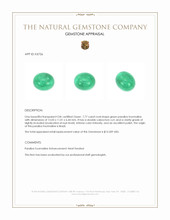
In visual and material terms this green Paraiba tourmaline is distinguished by its intense, saturated hue, which is characteristic of copper influenced tourmalines from Brazilian localities. The color derives from trace amounts of copper and in some examples additional trace elements such as manganese, creating a green that reads both vivid and luminous under balanced lighting. The double cabochon profile was selected to highlight these optical properties, producing a uniform face that emphasizes color and internal glow rather than faceted brilliance. The excellent polish ensures a smooth surface finish that maximizes light flow and tactile quality, while the slightly included clarity grade reflects natural growth patterns and microscopic features formed during the crystallization process. These internal markers serve as part of the gem's natural identity, and they provide a fingerprint that laboratory analysis can correlate with geographic origin and growth history. The disclosed heat treatment has been applied to enhance color uniformity and is considered permanent under normal wear conditions. Documentation from the GIA confirms the treatment, thereby maintaining transparency about the gem's state and ensuring that the enhancement is recognized within the trade and by collectors.
When comparing natural Paraiba tourmaline to lab grown or synthetic alternatives, there are several practical and qualitative distinctions to consider. Natural stones such as this specimen embody a geological provenance that cannot be reproduced in a laboratory environment, including complex internal growth features, inclusion suites, and trace element distributions that record the mineral physics and chemistry of a specific place and moment in the earth. These natural signatures are detectable by gemological laboratories and contribute to both market valuation and collector interest. Furthermore, natural Paraiba tourmalines from Brazil remain rare relative to the broad material supply of synthetic counterparts, and rarity directly influences long term market recognition and potential appreciation. Lab grown gems offer consistent color, fewer visible inclusions, and a lower initial price profile, however they lack the unique growth history and geological individuality of a natural stone. For clients who value provenance, laboratory documentation, and a distinct geological narrative in addition to aesthetic qualities, a natural, GIA certified Paraiba tourmaline presents clear advantages.
The Natural Gemstone Company stands behind full disclosure, providing the GIA report alongside this gem to support authentication, valuation, and future resale or insurance needs. For practical use, Paraiba tourmaline performs well in fine jewelry when set with protection in mind, owing to the gem's mineral hardness and cleavage characteristics, and routine cleaning with mild detergent and soft brushes will maintain its surface polish without risk to the material if standard care is observed. Collectors and designers seeking a piece with documented origin, confirmed enhancements, and demonstrable natural identity will find this 7.77 carat Brazilian Paraiba tourmaline to be a representative example, combining intense color, professional cutting and polishing, and a laboratory verified record that secures its place within both jewelry and gemological contexts.


