
- Stone11
- Reports3
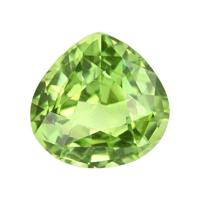
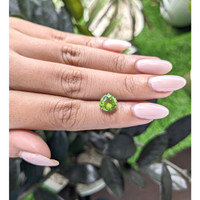
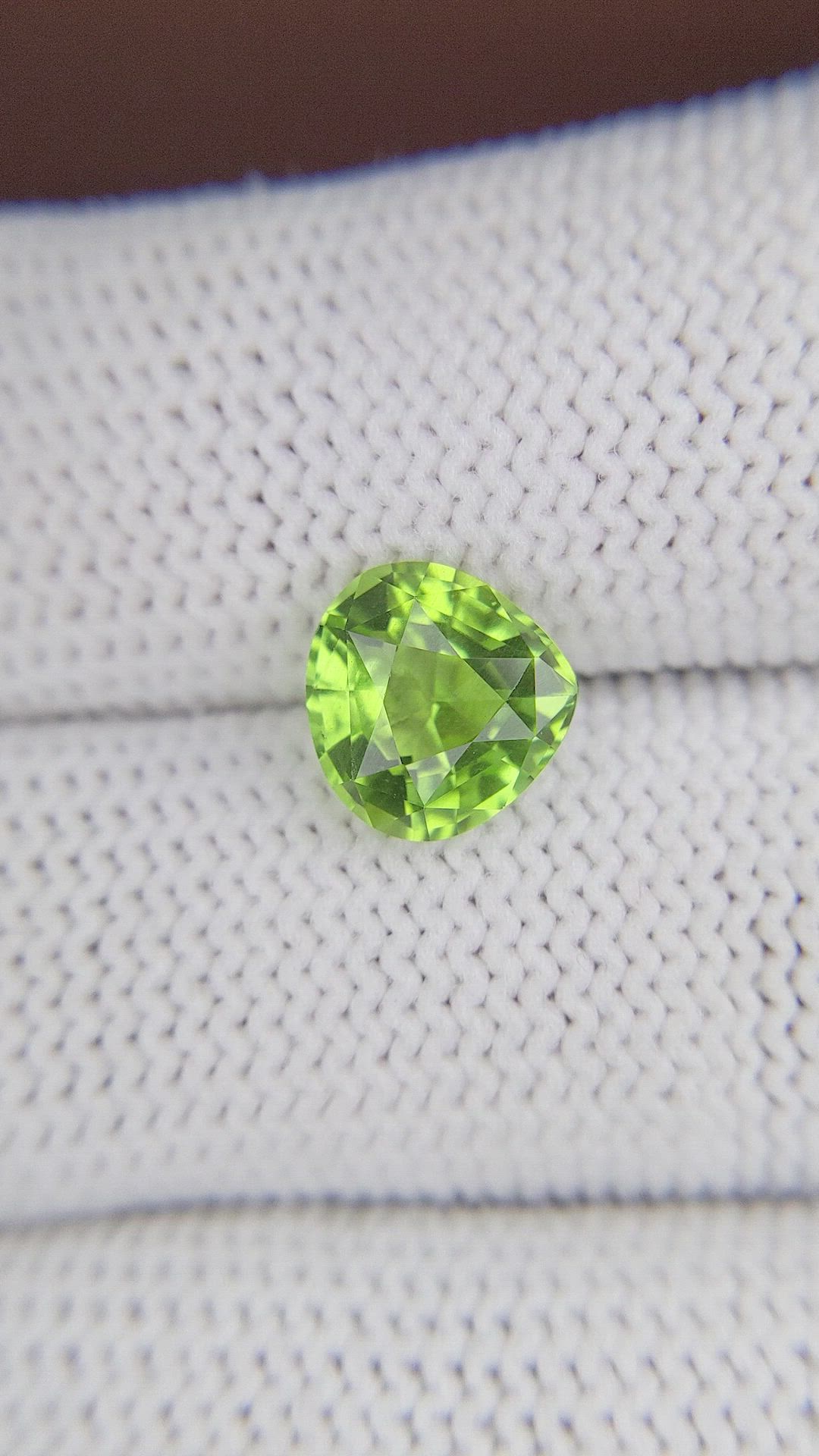
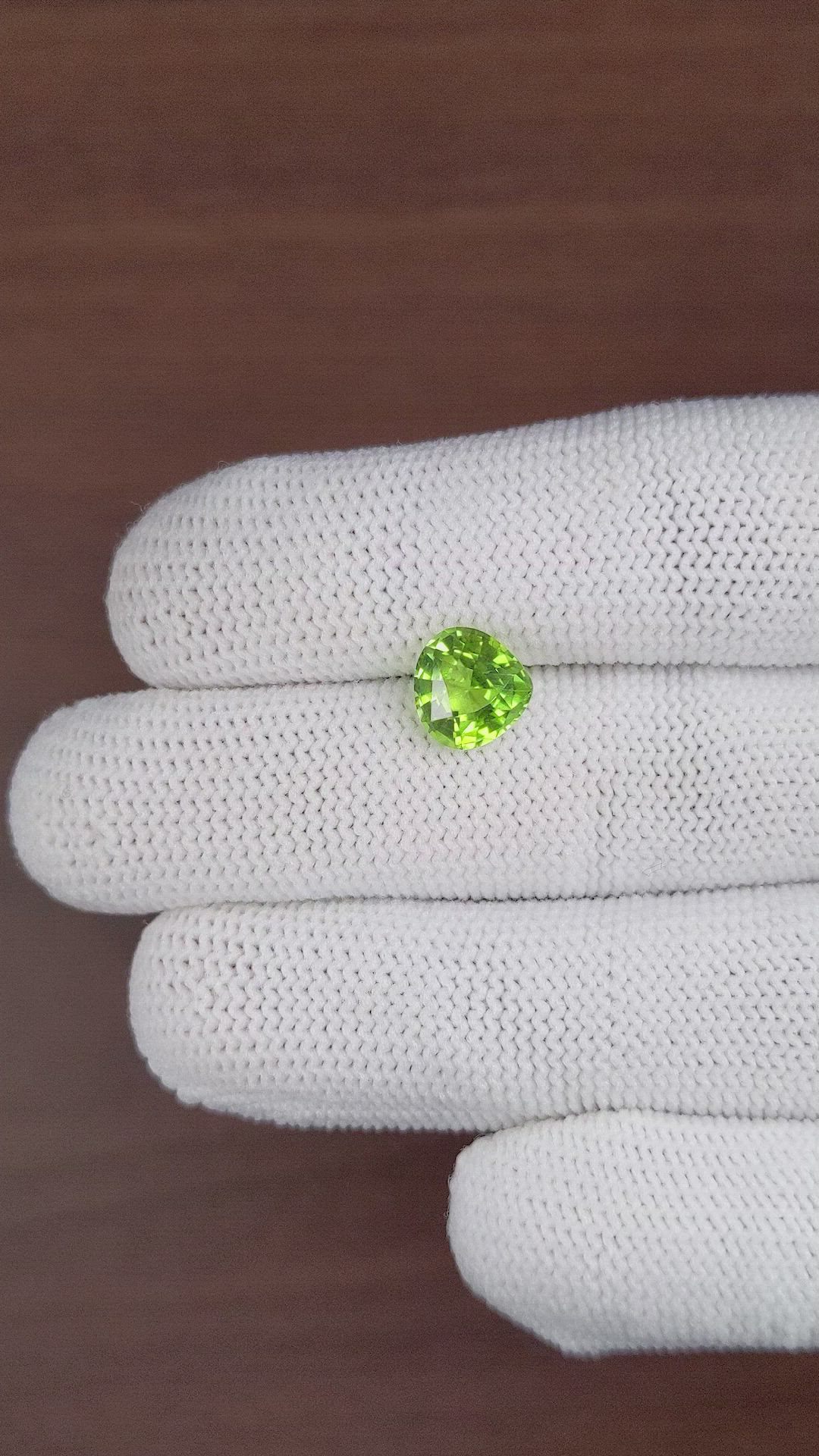
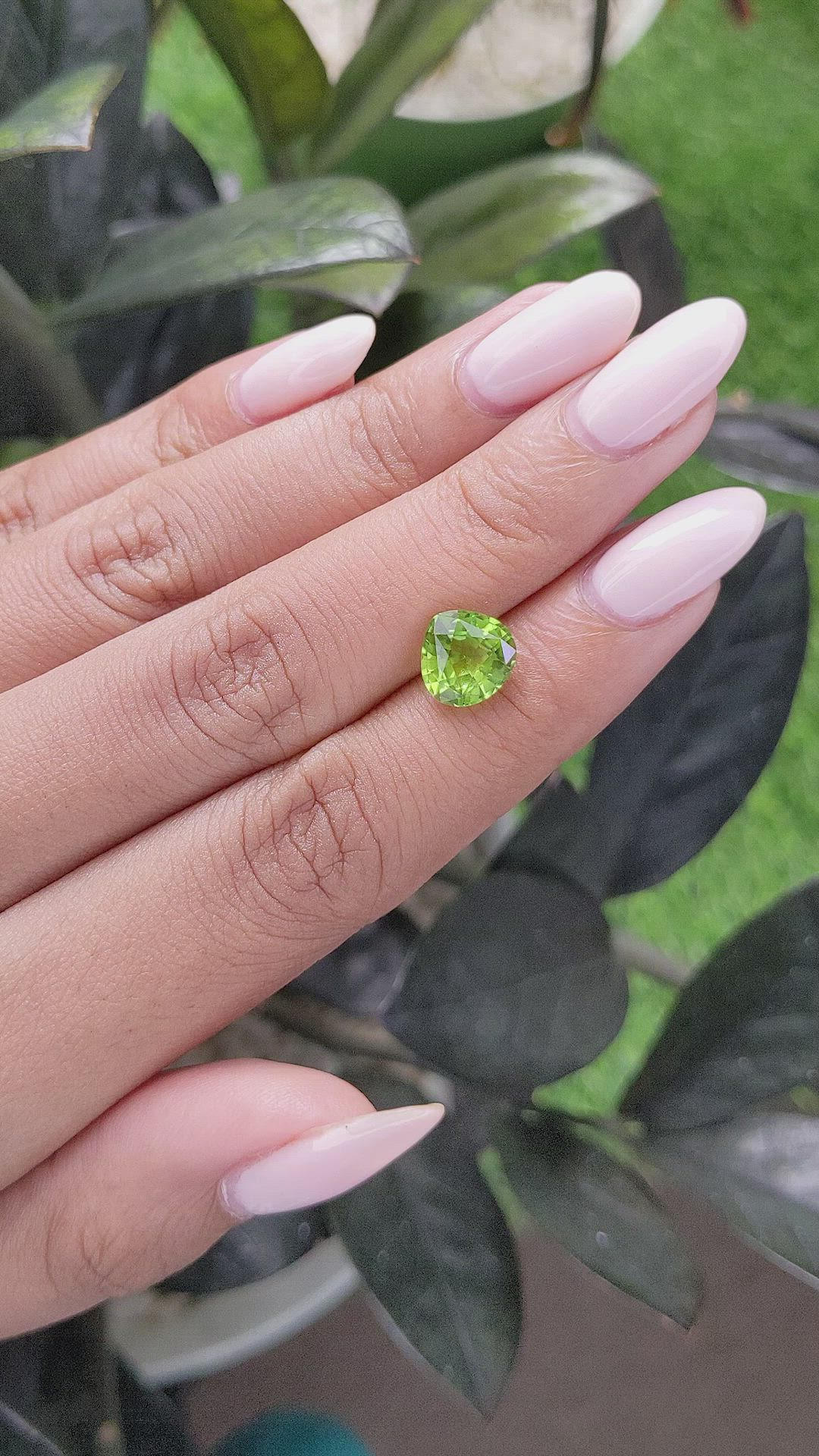
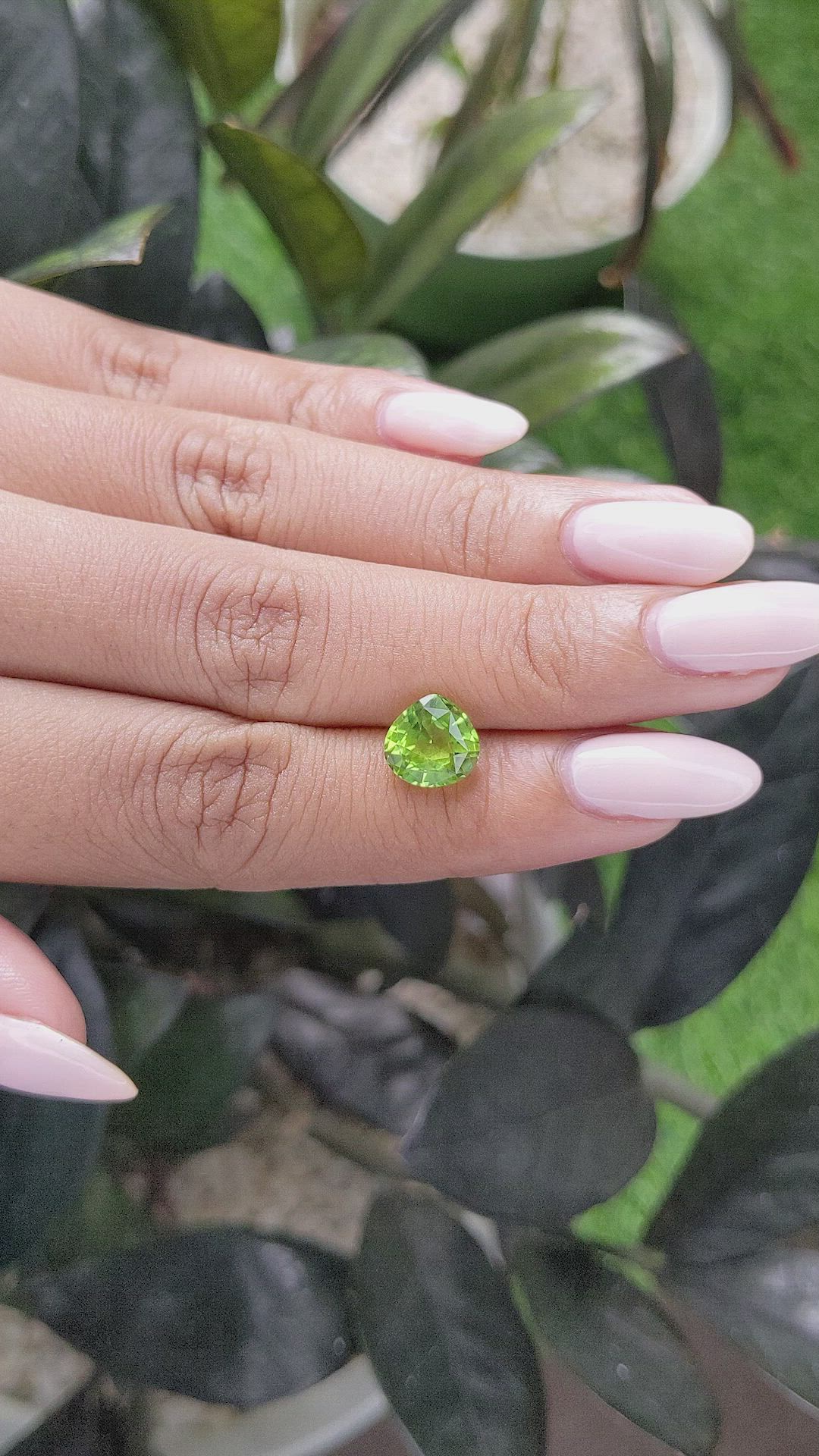


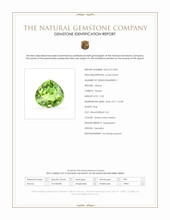
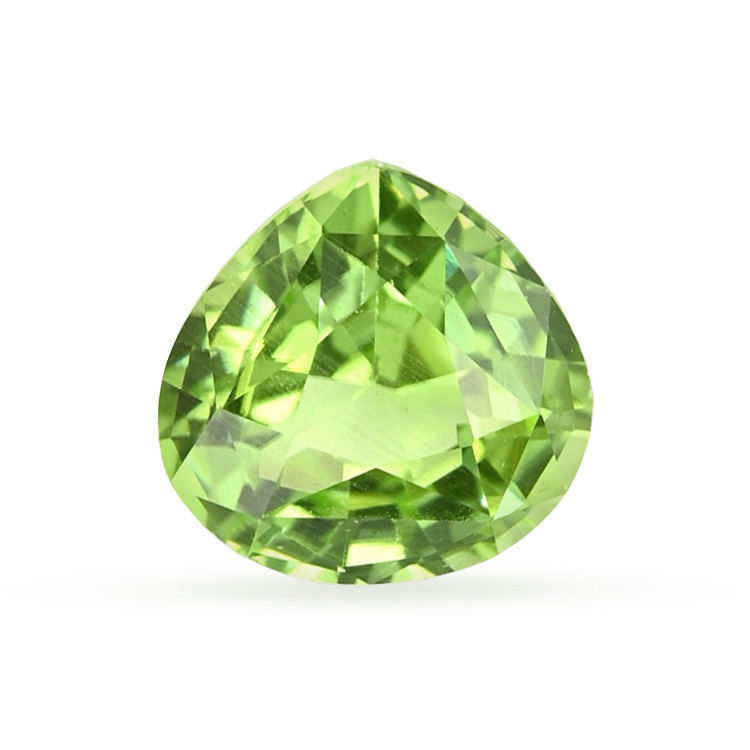
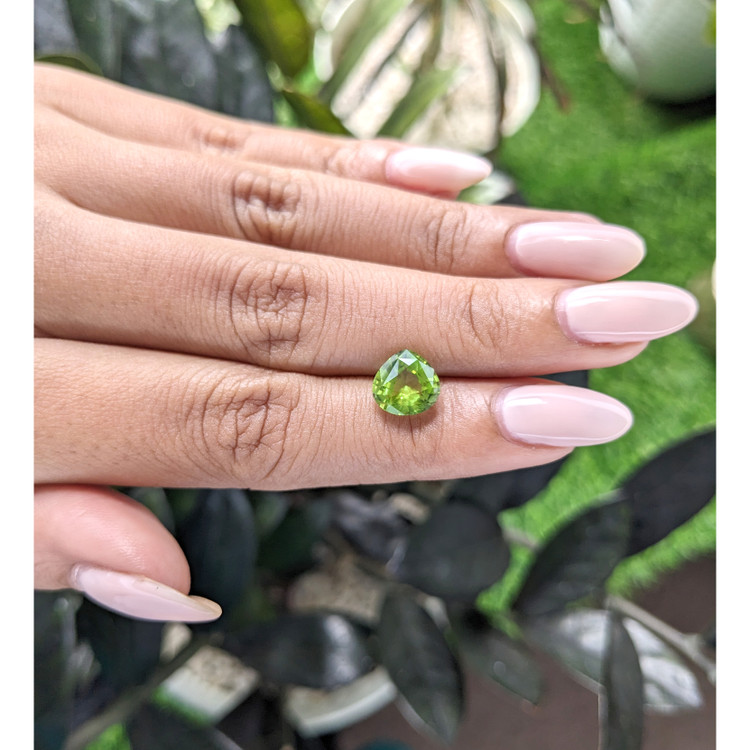


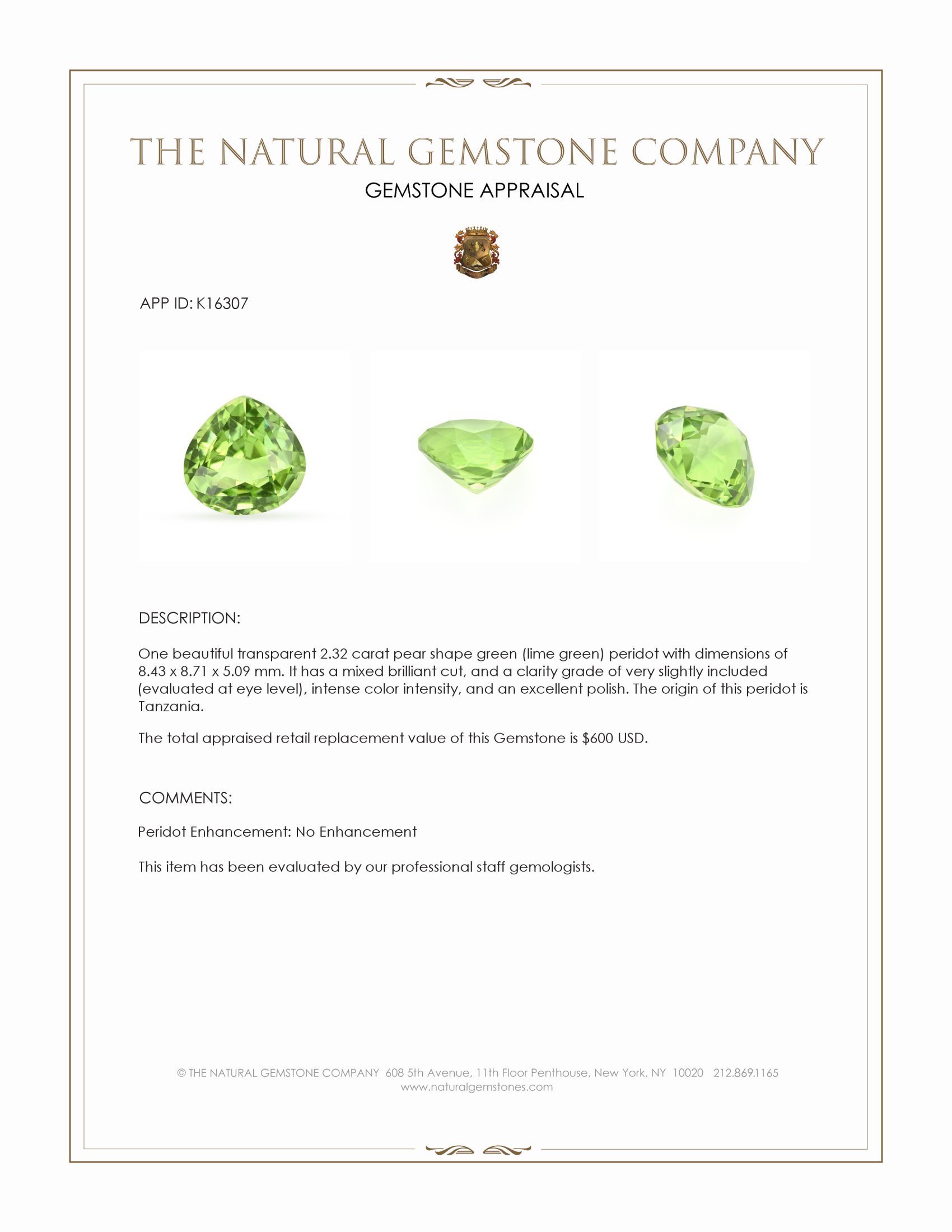
2.32 Ct. Green (Lime Green) Peridot from Tanzania
This loose stone ships by Nov 6
Item ID: | K16307 |
|---|---|
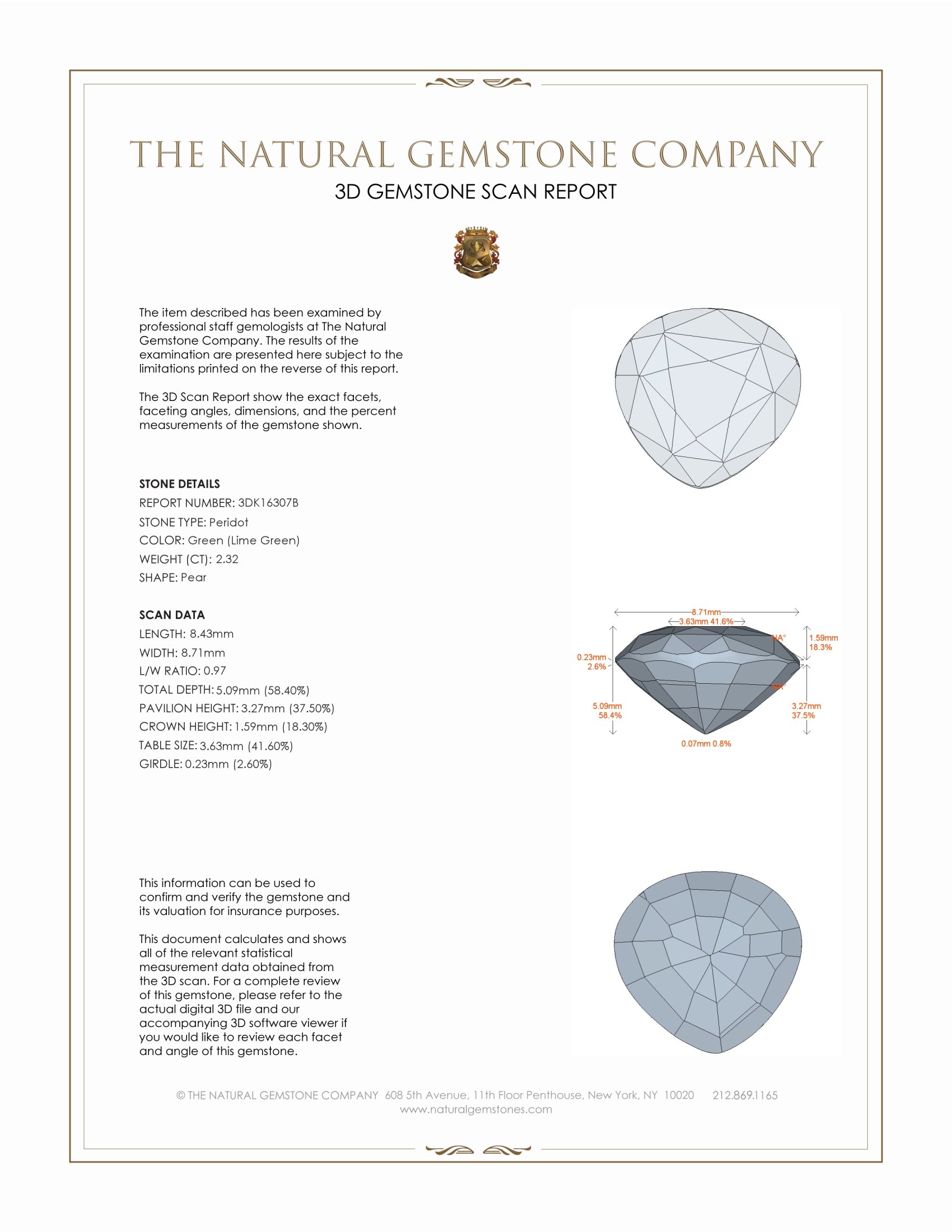
Dimensions (MM): help | Length: 8.43 Width: 8.71 Height: 5.09 |
Weight: | 2.32 Ct. |
Color: help | Green (Lime Green) |
Color intensity: help | Intense |
Clarity: help | Very Slightly Included |
Shape: help | Pear |
Cut: | Mixed Brilliant Cut |
Cutting style: | Faceted |
Enhancements: help | No Enhancement |
Origin: help | Tanzania |
Per carat price: help | $259 |
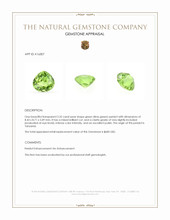
This is a transparent peridot, weight 2.32 carats, pear shape, presented in a precision mixed brilliant cut. The gem measures 8.43 by 8.71 by 5.09 millimetres, and displays an intense lime green hue with very slightly included clarity when evaluated at eye level. The cutting style combines a brilliant crown with a modified pavilion faceting plan to maximize return of light while maintaining a pleasing outline and symmetry. Polish is graded excellent, facet junctions are clean, and no enhancement has been applied. The material is from Tanzania, and provenance and grading are recorded by The Natural Gemstone Company. For reference in mixed-gem settings, note that the opal type most often paired with this peridot in our inventory is Semi-Black Opal, which provides a contrasting dark play-of-colour when set adjacent to this lively green stone.
Optical performance under variable lighting conditions is determined by the stone's high transparency, intense colour saturation, mixed brilliant faceting, and superior polish. In bright north daylight or cool overcast daylight, the peridot reveals its truest lime tone, with even colour distribution across the crown and minimal windowing due to the pavilion angles selected for this piece. Direct sunlight increases the apparent brilliance and contrast, producing sharp scintillation from the brilliant facets and making facet reflections appear more pronounced. Under warm incandescent illumination, the stone shifts subtly toward a richer golden-green appearance, as the longer wavelengths in this light source emphasize the yellow component in the lime green, producing a warm, gemmy glow. Under cool white fluorescence or modern white LED lighting, the green reads a little clearer and more chartreuse, with crisp, cooler highlights along facet edges. In low ambient light and candlelight, overall brightness diminishes, but localized internal reflections from the mixed brilliant cut create softer flashes and a gentle radiance, maintaining visual presence even at reduced illumination levels. The stone exhibits a vitreous luster and lively scintillation rather than pronounced dispersion, consistent with peridot’s moderate refractive and dispersive properties, and the excellent polish contributes to sharp, mirror-like facet return in all lighting conditions.
From a practical perspective, the cutting proportions and stability of colour make this peridot suitable for a variety of settings and combinations, including being set as a solitaire, as an accent to darker stones, or paired with a Semi-Black Opal for a deliberate contrast between bright green saturation and opal play-of-colour. The pear shape allows for both bezel and prong settings; prong settings that permit light entry through the pavilion will maximize brilliance and scintillation, while a well-executed bezel offers security and a modern presentation with slightly reduced light return. The very slightly included grade indicates inclusions are minimal and do not materially affect visual performance at normal viewing distances, though professional inspection and routine cleaning will preserve the stone’s optimum transparency and surface condition. Routine care involves avoiding sustained exposure to harsh chemicals and extreme heat, and cleaning with warm water, mild detergent, and a soft brush, or with standard ultrasonic and steam methods only after consulting with a professional as treatments and settings vary. The Natural Gemstone Company documents this peridot’s specifications and origin, and can advise on complementary pairings, including the Semi-Black Opal, and on setting choices that best exploit the gem’s optical properties.


