
- Stone15
- Reports4
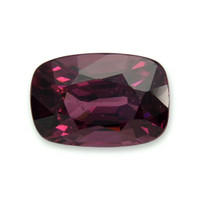
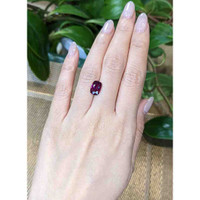
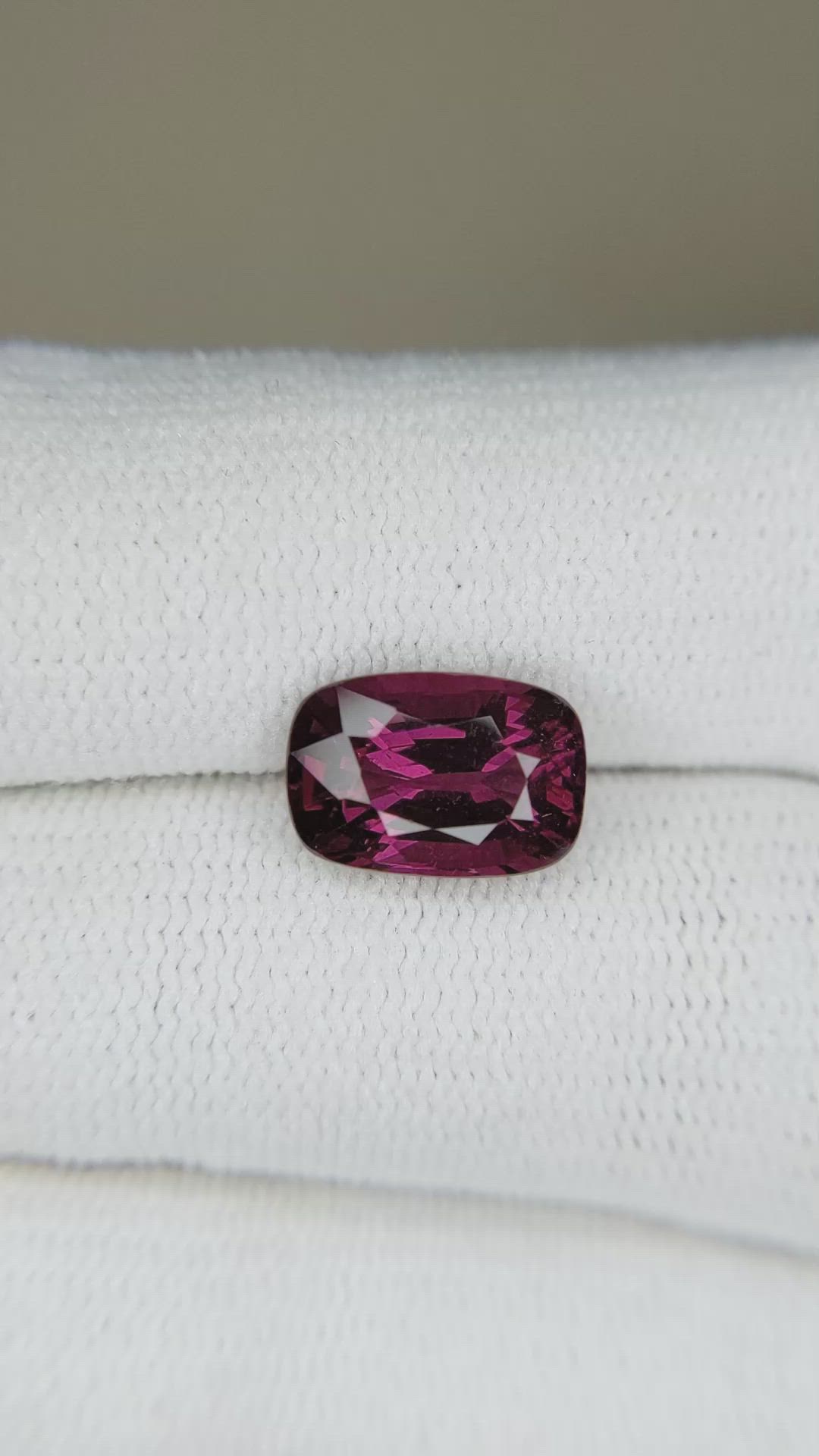
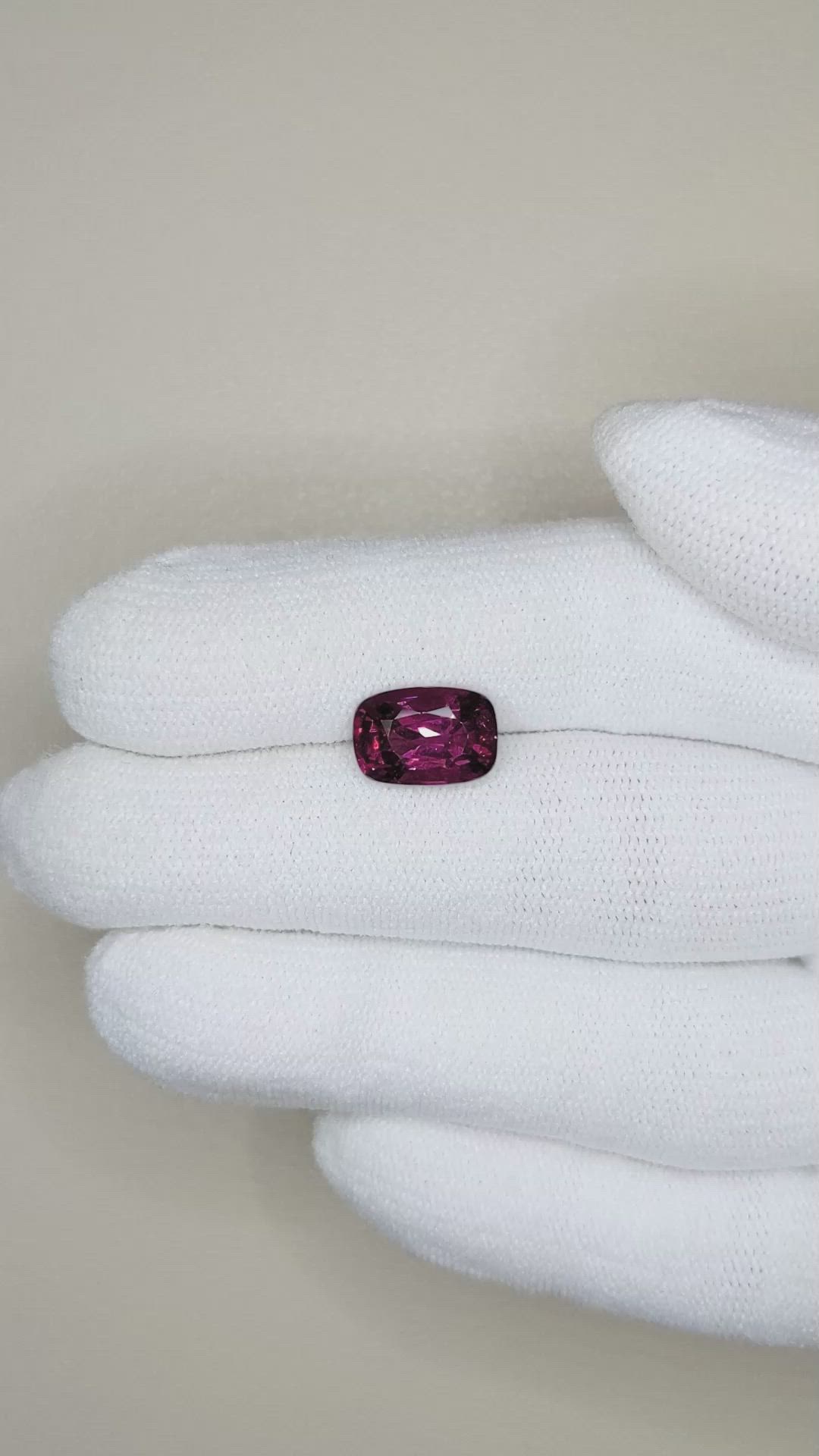
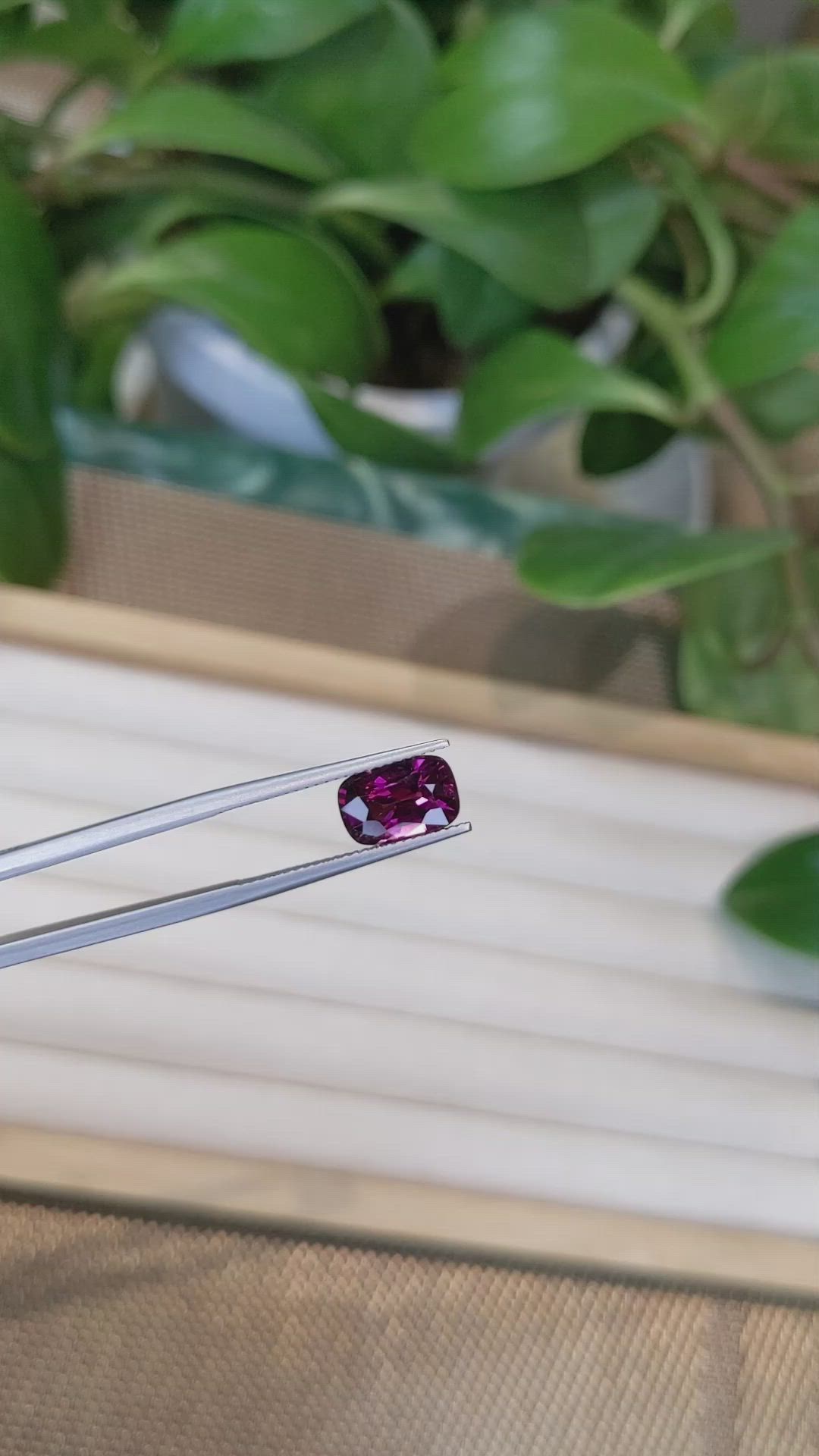
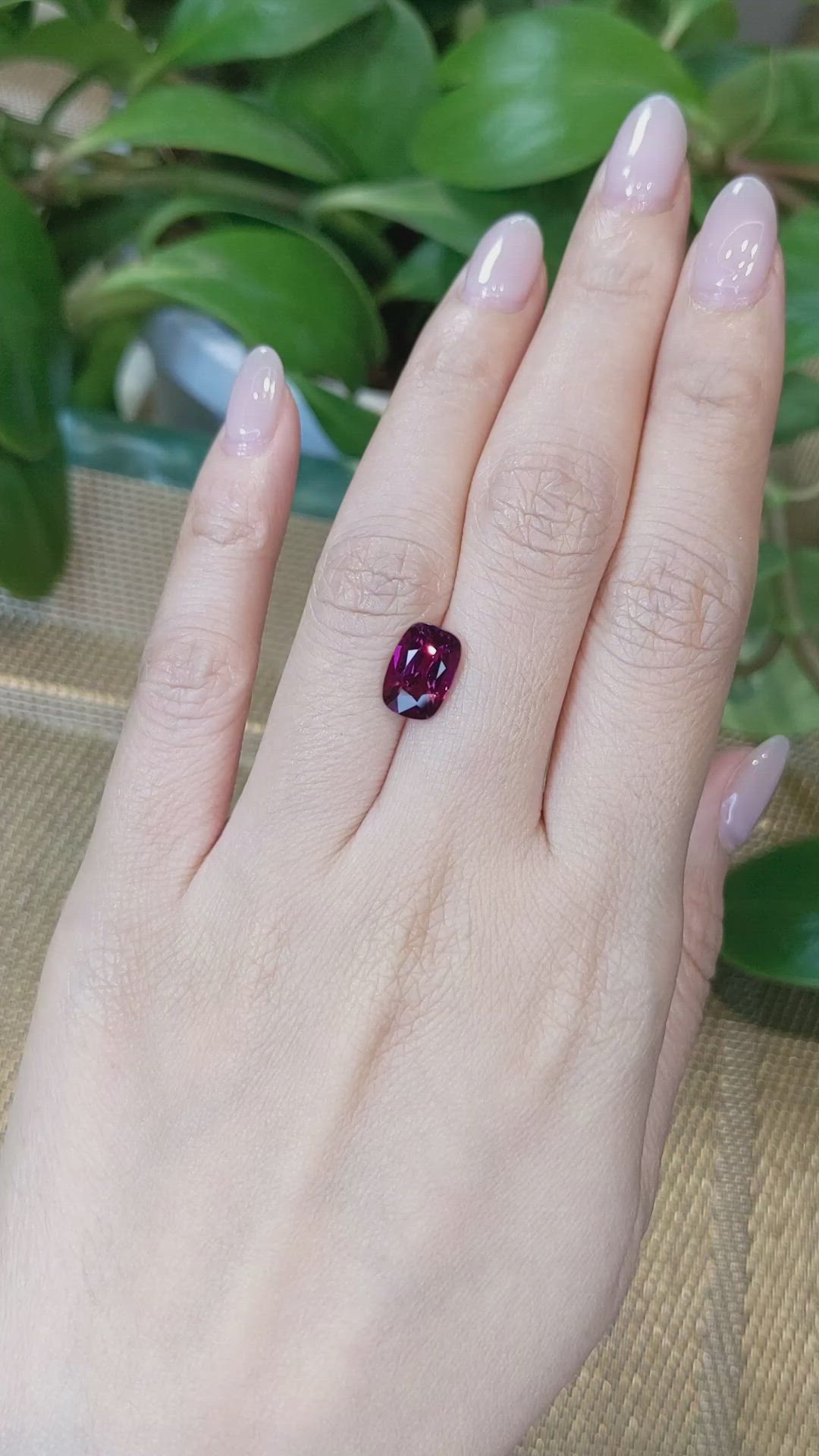


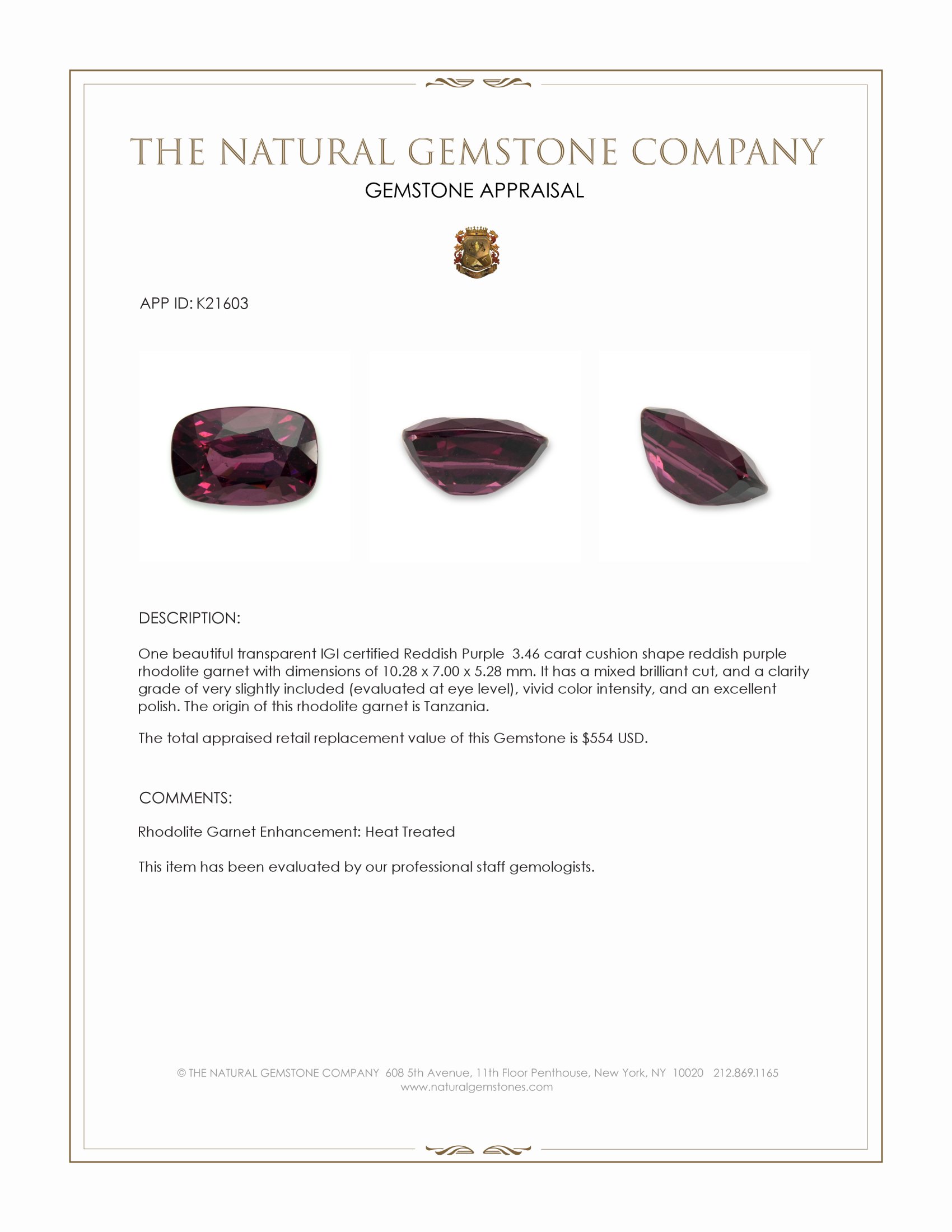
3.46 Ct. Rhodolite Garnet from Tanzania
This loose stone ships by Mar 24
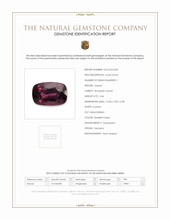
Item ID: | K21603 |
|---|---|
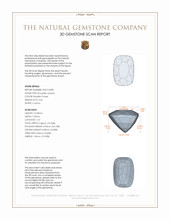
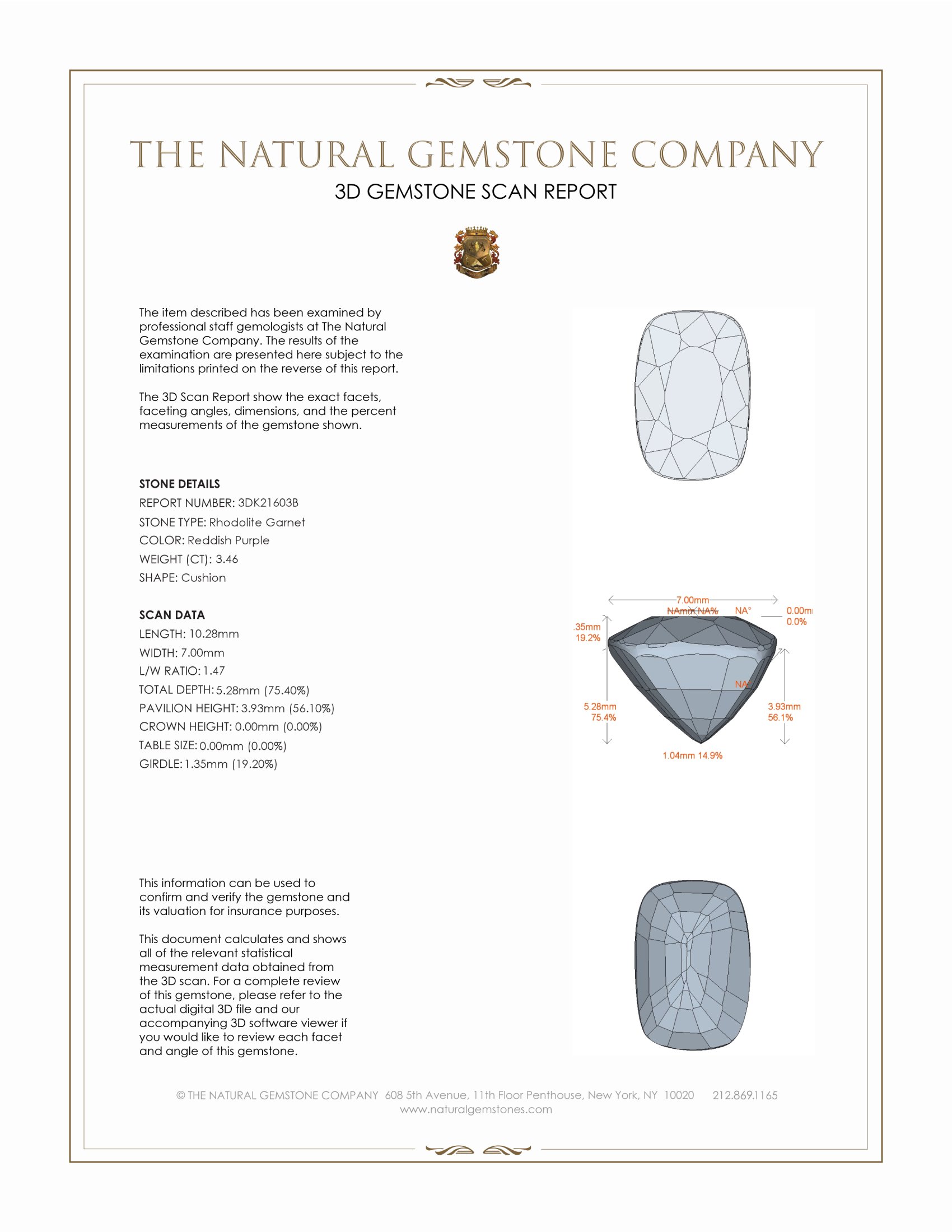
Dimensions (MM): help | Length: 10.28 Width: 7 Height: 5.28 |
Weight: | 3.46 Ct. |
Color: help | Reddish Purple |
Color intensity: help | Vivid |
Clarity: help | Very Slightly Included |
Shape: help | Cushion |
Cut: | Mixed Brilliant |
Cutting style: | Faceted |
Enhancements: help | Heat Treated |
Origin: help | Tanzania |
Per carat price: help | $160 |
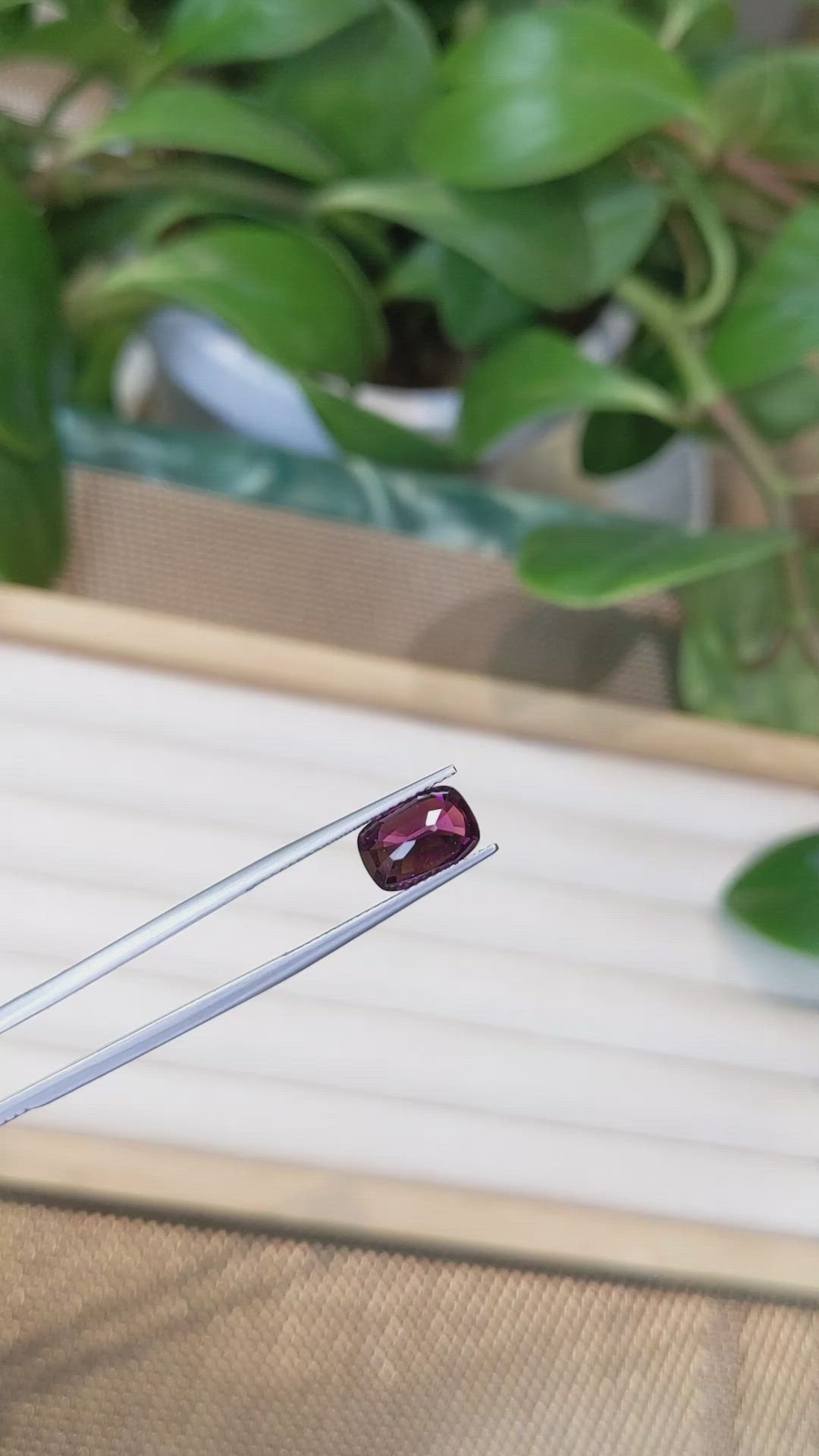
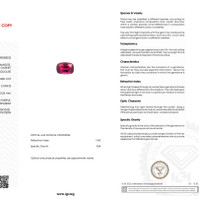
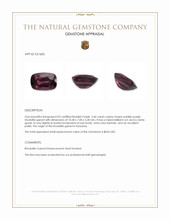
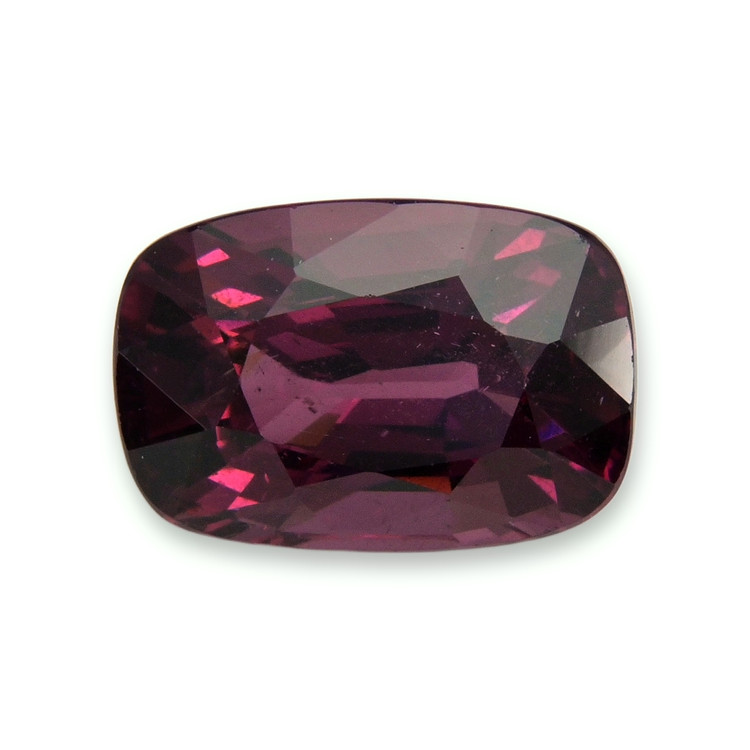
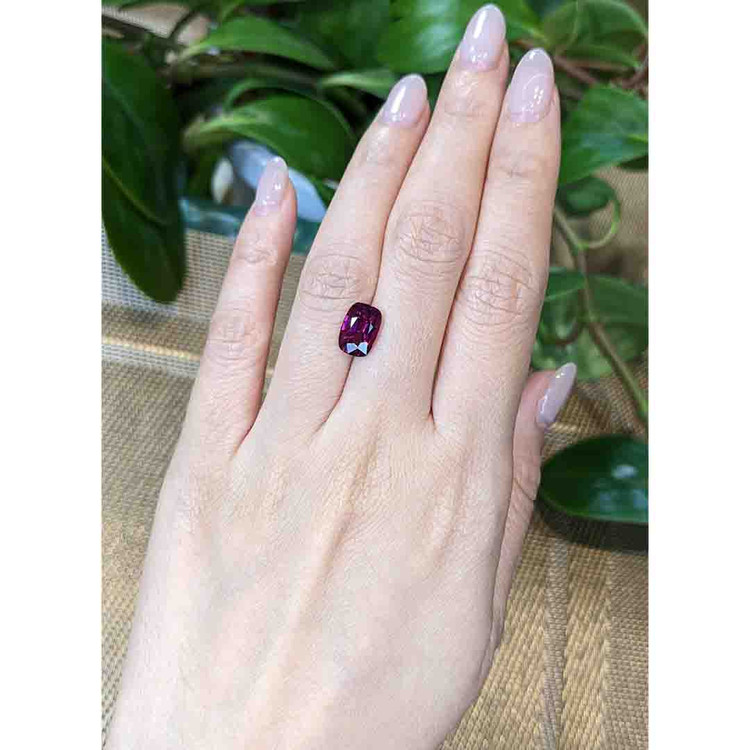
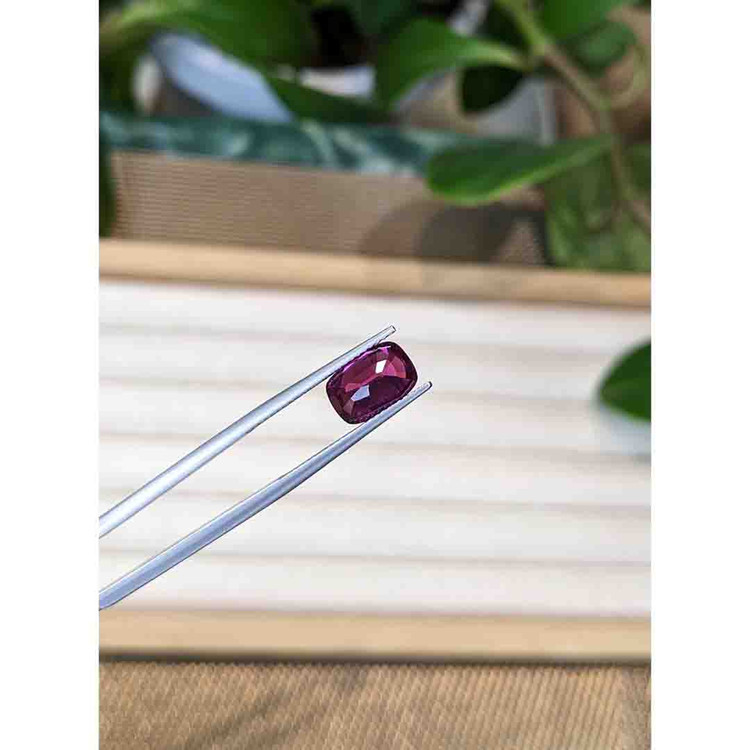
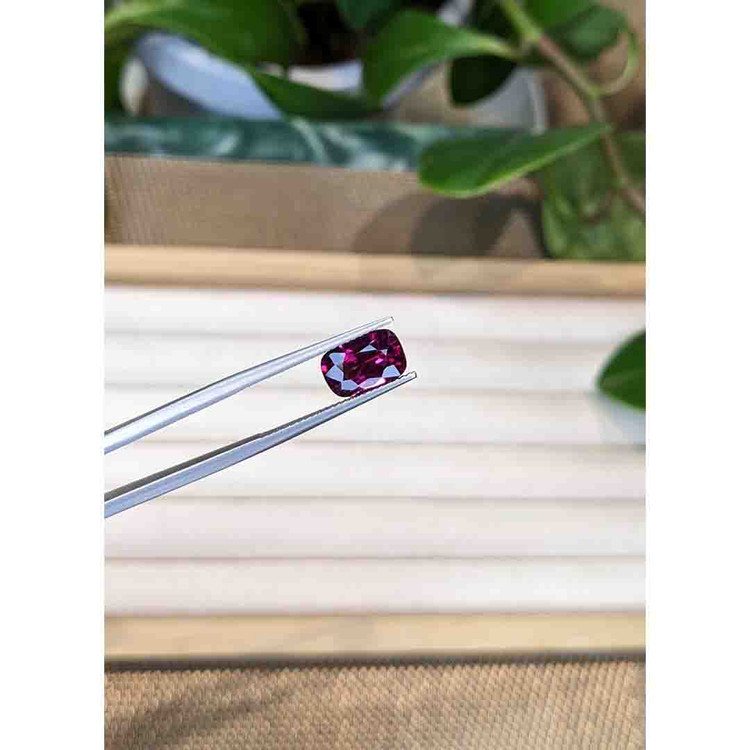
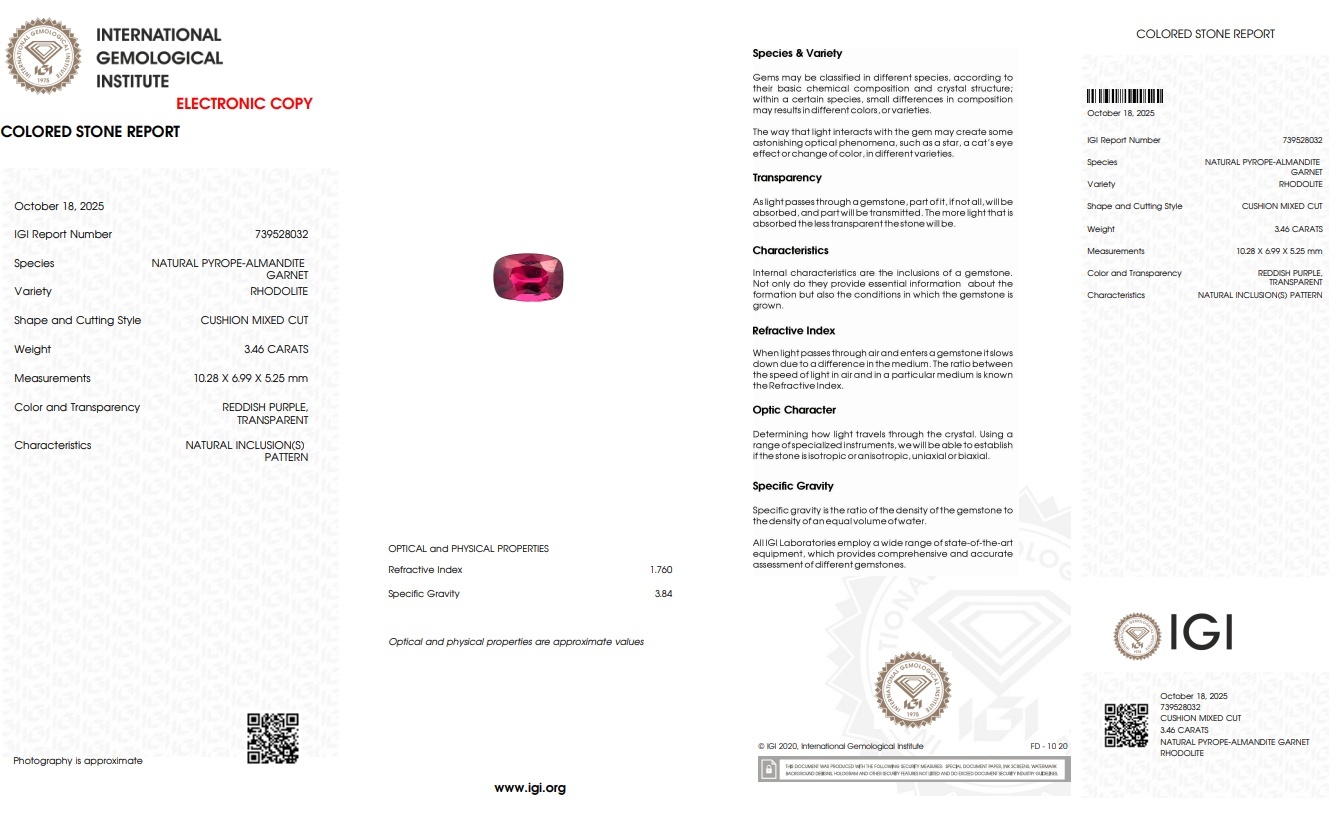
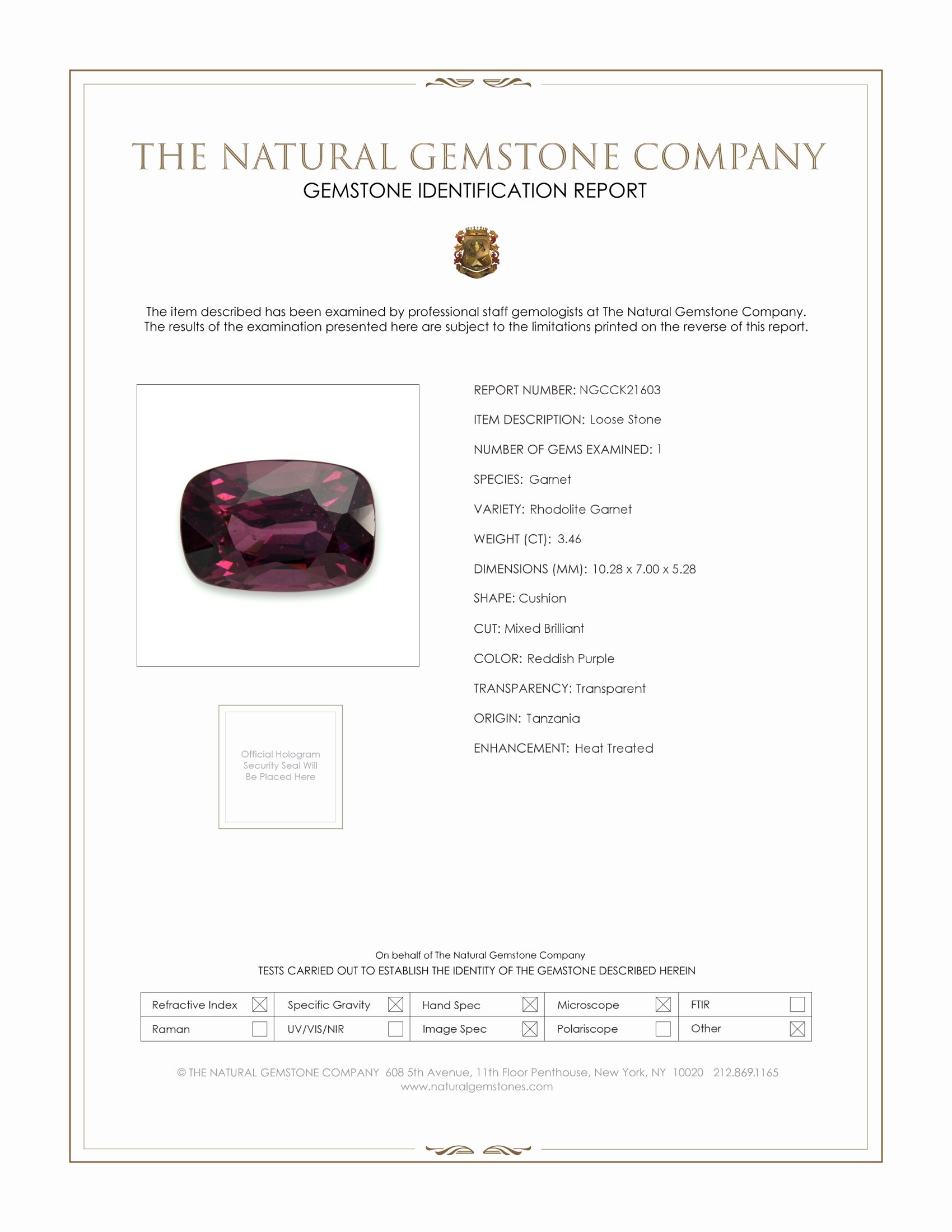
This transparent 3.46 carat cushion shape rhodolite garnet measures 10.28 by 7.00 by 5.28 mm, and presents a vivid reddish purple hue that is immediately striking. The gem has been cut to a mixed brilliant style, combining pavilion and crown facets that are designed to balance internal fire with even color distribution. Clarity has been evaluated as very slightly included at eye level, meaning that microscopic and minor internal growth features are present but do not detract from overall transparency or visual appeal. The polish is excellent, creating crisp facet junctions and smooth facet planes that maximize light return, and the gem has been heat treated as a stable, disclosed enhancement to optimize its color uniformity. Origin is Tanzania, a locality known for producing rhodolites with a rich, saturated spectrum that sits between classic purplish red and deep raspberry tones.
The mixed brilliant faceting on this piece demonstrates considered craftsmanship, with a crown arrangement that moderates table size to maintain color saturation while allowing scintillation across the upper facets. The pavilion shows a series of well proportioned facets that break light into controlled flashes, and the overall facet architecture reduces windowing while enhancing depth of color in the body tone. The cushion outline has been engineered with gentle rounded corners and symmetrical length to width proportions to preserve visual spread without sacrificing weight retention. Facet junctions and girdle execution are consistent with a precision lapidary approach, and the facet polish contributes to an efficient light path that supports both brilliance and the stone s inherent pleochroic tendencies. In practical terms the result is a gem that reads deeply colored in strong light and reveals vivid flashes and internal vitality under mixed lighting conditions.
When comparing this natural rhodolite to lab grown gemstones, it is important to separate optical mimicry from material provenance and growth history. Lab grown gems can achieve exceptional clarity and homogeneous color through controlled growth environments, and they can be engineered to exhibit minimal inclusions and predictable optical response. Natural rhodolite garnet, by contrast, carries a crystallographic fingerprint of its formation environment, including subtle zoning, tiny mineral inclusions, and trace element distributions that influence hue and saturation in ways that are not simply reproducible. Rhodolite chemistry typically represents an intermediate solid solution between pyrope and almandine, and trace levels of manganese and chromium, together with iron content, are responsible for the distinctive reddish purple tone seen in this specimen from Tanzania. These trace element variations also affect absorption bands and the way the gem responds to different light sources, adding character that changes with viewing angle. In addition natural stones like this one often show internal growth features that act as identifiers for gemological origin and that contribute to long term rarity profiles. Lab grown materials can be visually perfect and cost effective, but they lack the geologic back story, provenance, and the subtle, varied optical behavior produced by millions of years of natural formation.
From a practical and connoisseur perspective this rhodolite s properties make it an exceptional choice for bespoke jewelry projects, and it is presented by The Natural Gemstone Company with full disclosure of enhancement and origin. The gem s hardness in the garnet family range makes it suitable for rings, pendants, and design applications where the stone will experience regular wear, provided standard care protocols are observed. Recommended settings include protective bezel or partial bezel mounts if the piece will be exposed to impacts, or four prong settings when a balance of light exposure and security is desired. Because the stone has been heat treated to stabilize color, standard cleaning with warm soapy water and a soft brush is appropriate, avoiding ultrasonic or steam cleaners unless specifically approved by a gemologist during inspection. Collectors and designers will appreciate that the natural inclusions and growth patterns serve both as internal identifiers and as contributors to the gem s aesthetic complexity, a quality that lab grown alternatives cannot fully replicate. For clients seeking documented natural origin, distinct optical personality, and the artisanal lapidary work evident in the mixed brilliant cushion cut, The Natural Gemstone Company offers this 3.46 carat Tanzanian rhodolite as a technically refined and visually compelling option.


