
- Stone16
- Reports3
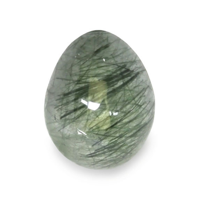
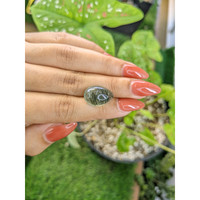
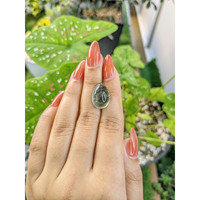
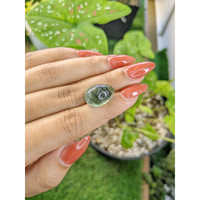




10.12 Ct. Cabochon Rutilated Quartz from Ceylon (Sri Lanka)
This loose stone is available to ship now
Item ID: | K12628 |
|---|---|
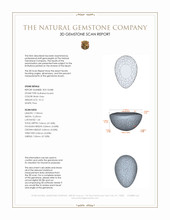
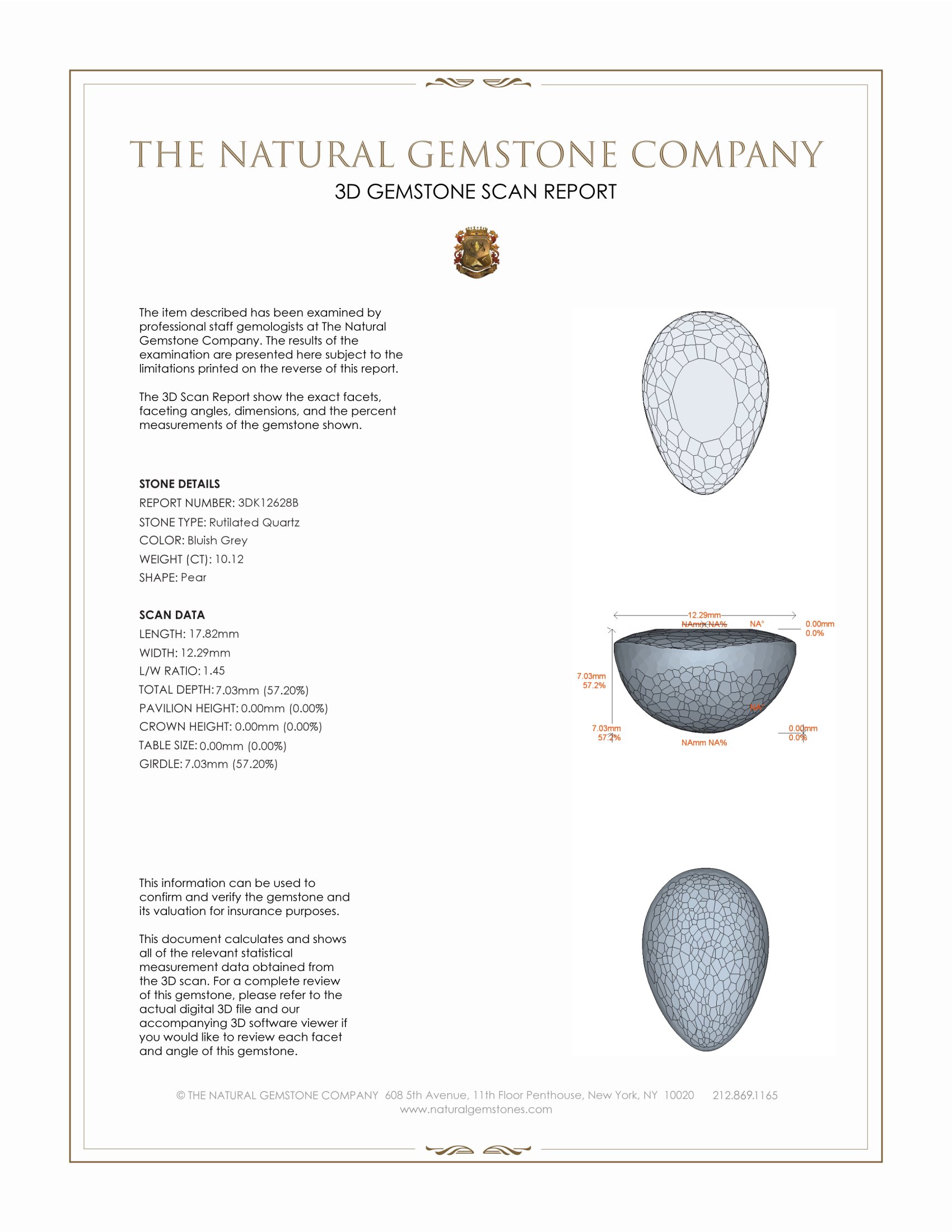
Dimensions (MM): help | Length: 17.82 Width: 12.29 Height: 7.03 |
Weight: | 10.12 Ct. |
Color: help | Bluish Grey |
Color intensity: help | Medium |
Clarity: help | Eye Clean |
Shape: help | Pear |
Cut: | Cabochon |
Cutting style: | Cabochon |
Enhancements: help | No Enhancement |
Origin: help | Ceylon (Sri Lanka) |
Per carat price: help | $13 |
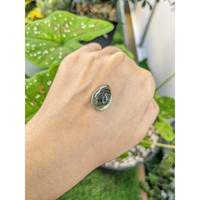
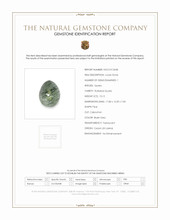
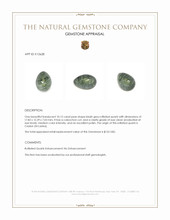
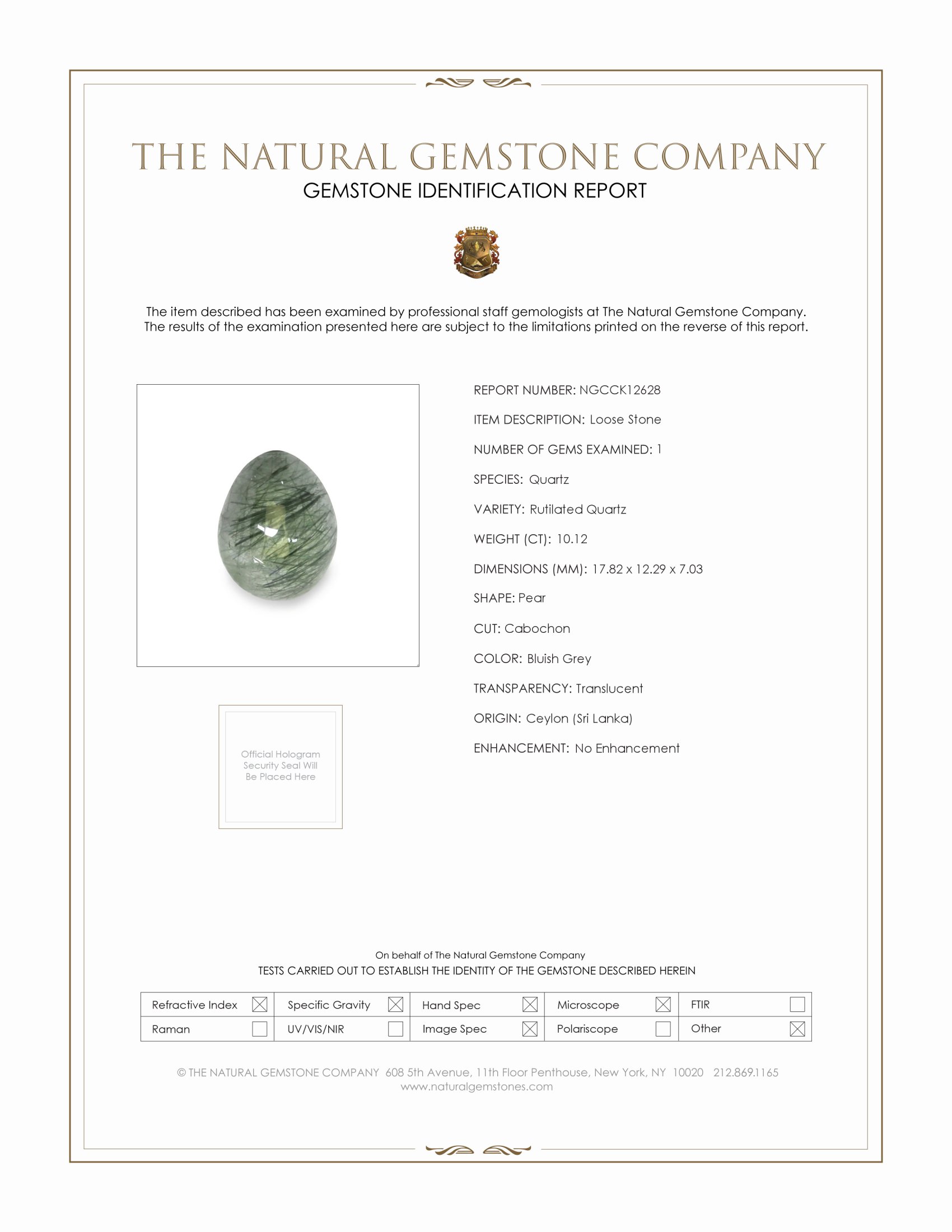
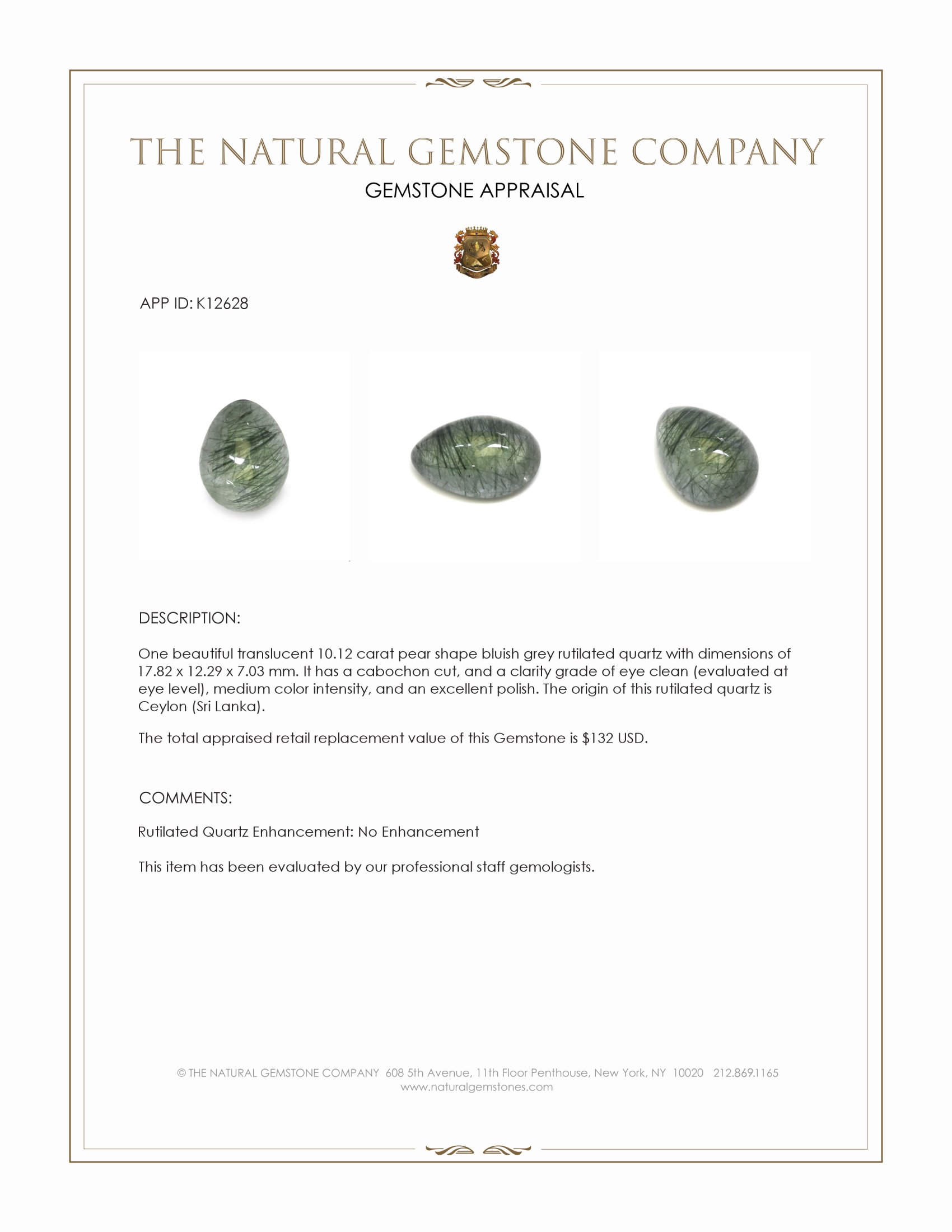
This specimen is a translucent, pear shape rutilated quartz from Ceylon, Sri Lanka, weighing 10.12 carat, with dimensions 17.82 x 12.29 x 7.03 mm. The gem is fashioned as a cabochon, a cut that presents a smooth domed surface to reveal internal structure, and it carries a clarity grade of eye clean when examined at eye level. Color intensity is medium with a bluish grey hue that is evenly distributed through the body of the stone, and the polish is excellent, producing a refined surface luster. There has been no enhancement or treatment, and the natural, undisturbed rutile network within the quartz is a defining characteristic. The Natural Gemstone Company presents this stone as a substantial and well prepared example of rutilated quartz, with a weight and dimensions that make it suitable for significant jewelry settings or for collectors who value notable single stones.
When compared to more commonly encountered gemstones such as diamond, sapphire, or emerald, the optical experience of this rutilated quartz follows a different principle than facet driven brilliance. Faceted diamonds and many transparent colored gems derive their appeal from a higher refractive index and strong dispersion, producing pronounced scintillation and fire under facet reflections. Rutilated quartz, particularly in a cabochon form, exhibits a subtler but equally compelling visual effect, generated by internal needle like rutile inclusions that scatter and modulate light, creating depth, internal shimmer, and an almost three dimensional texture. The bluish grey rutiles in this example produce a directional sheen and internal luminosity that is not measured by facet brilliance metrics, but by how light interacts with the inclusion architecture, yielding a contemplative glow rather than flash. That quality, combined with the eye clean clarity and an excellent polish, allows the rutile pattern to be read clearly across the surface, giving this stone a distinctive presence that stands apart from more conventionally brilliant gems, and offers collectors and designers an alternative aesthetic rooted in natural structure and subdued, enduring beauty.


