
- Stone12
- Reports3
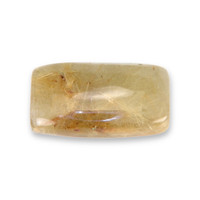
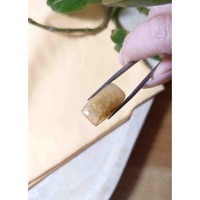
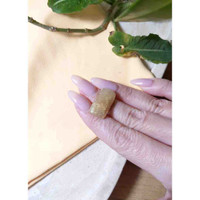
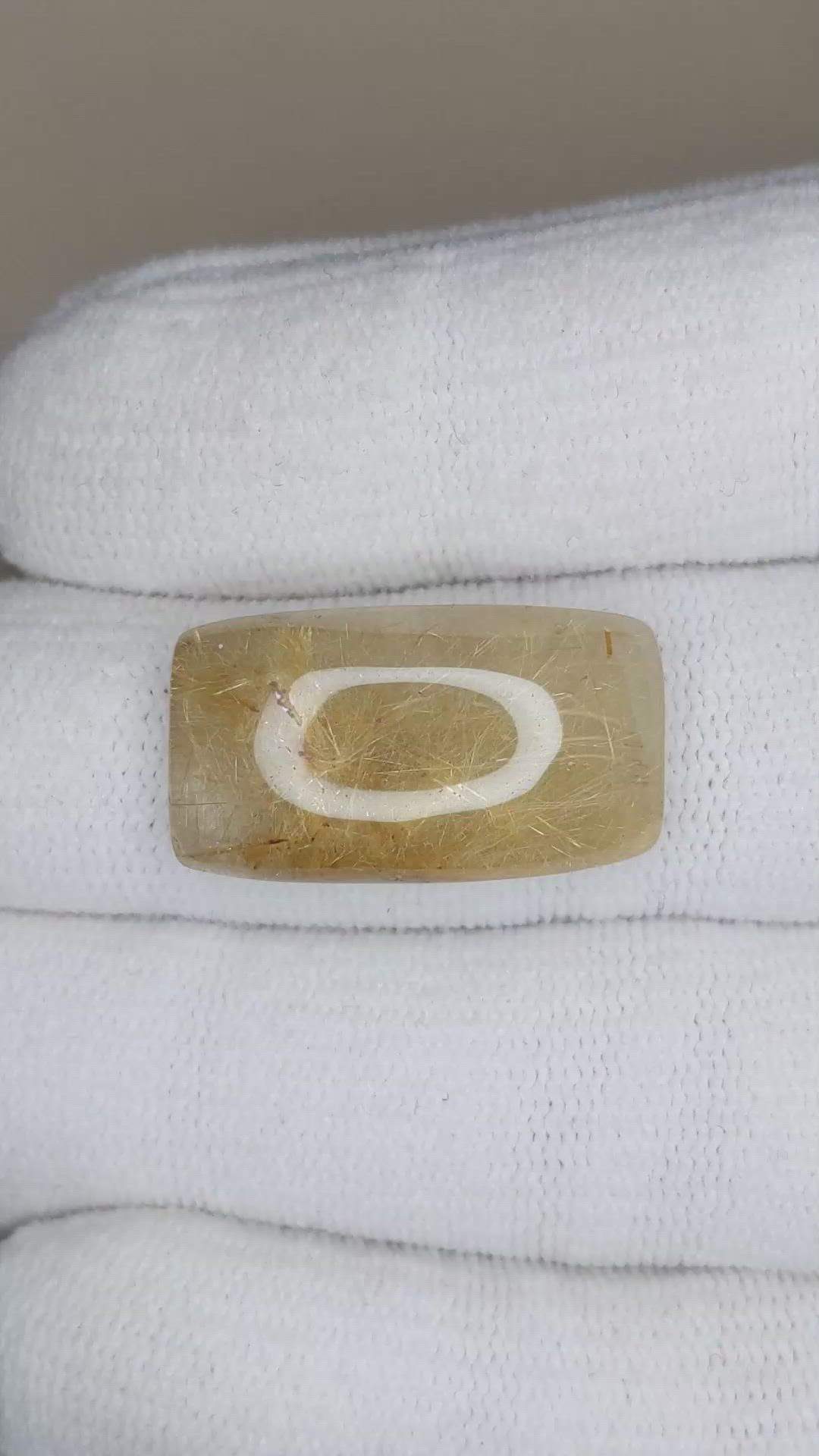






17.76 Ct. Cabochon Rutilated Quartz from Madagascar
This loose stone ships by Apr 17
Item ID: | K21652 |
|---|---|
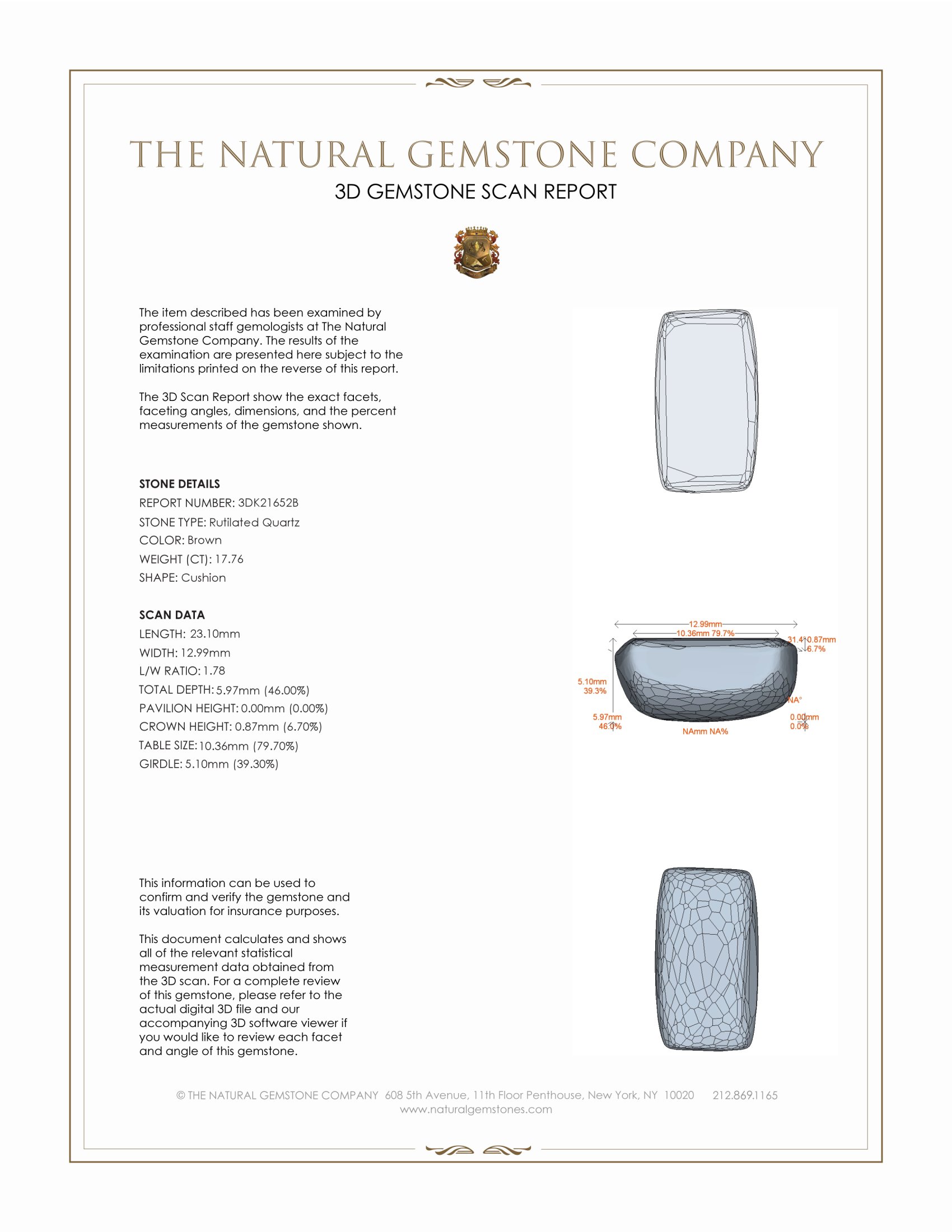
Dimensions (MM): help | Length: 23.1 Width: 12.99 Height: 5.97 |
Weight: | 17.76 Ct. |
Color: help | Brown |
Color intensity: help | Intense |
Clarity: help | Included |
Shape: help | Cushion |
Cut: | Cabochon |
Cutting style: | Cabochon |
Enhancements: help | No Enhancement |
Origin: help | Madagascar |
Per carat price: help | $5 |
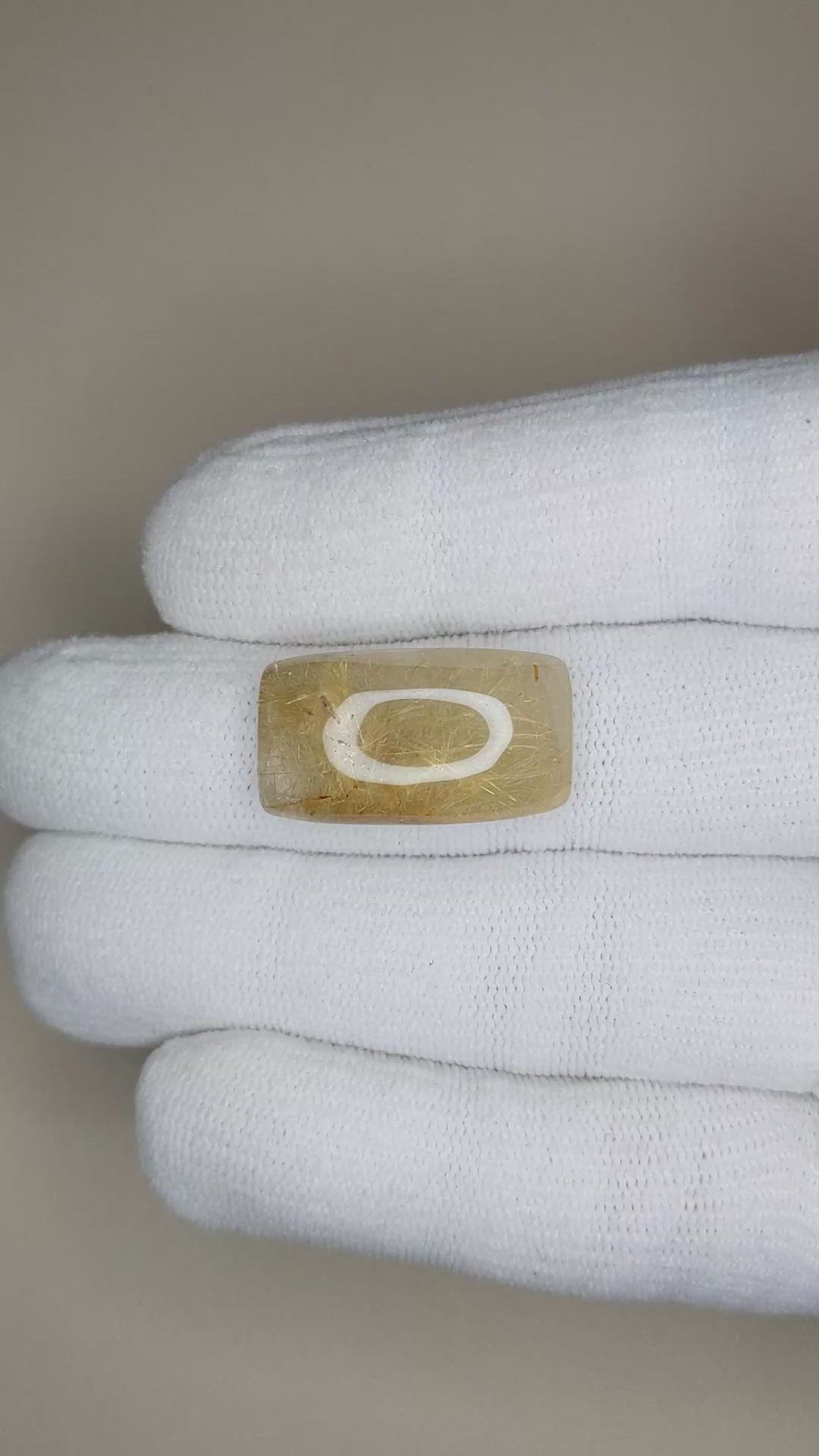
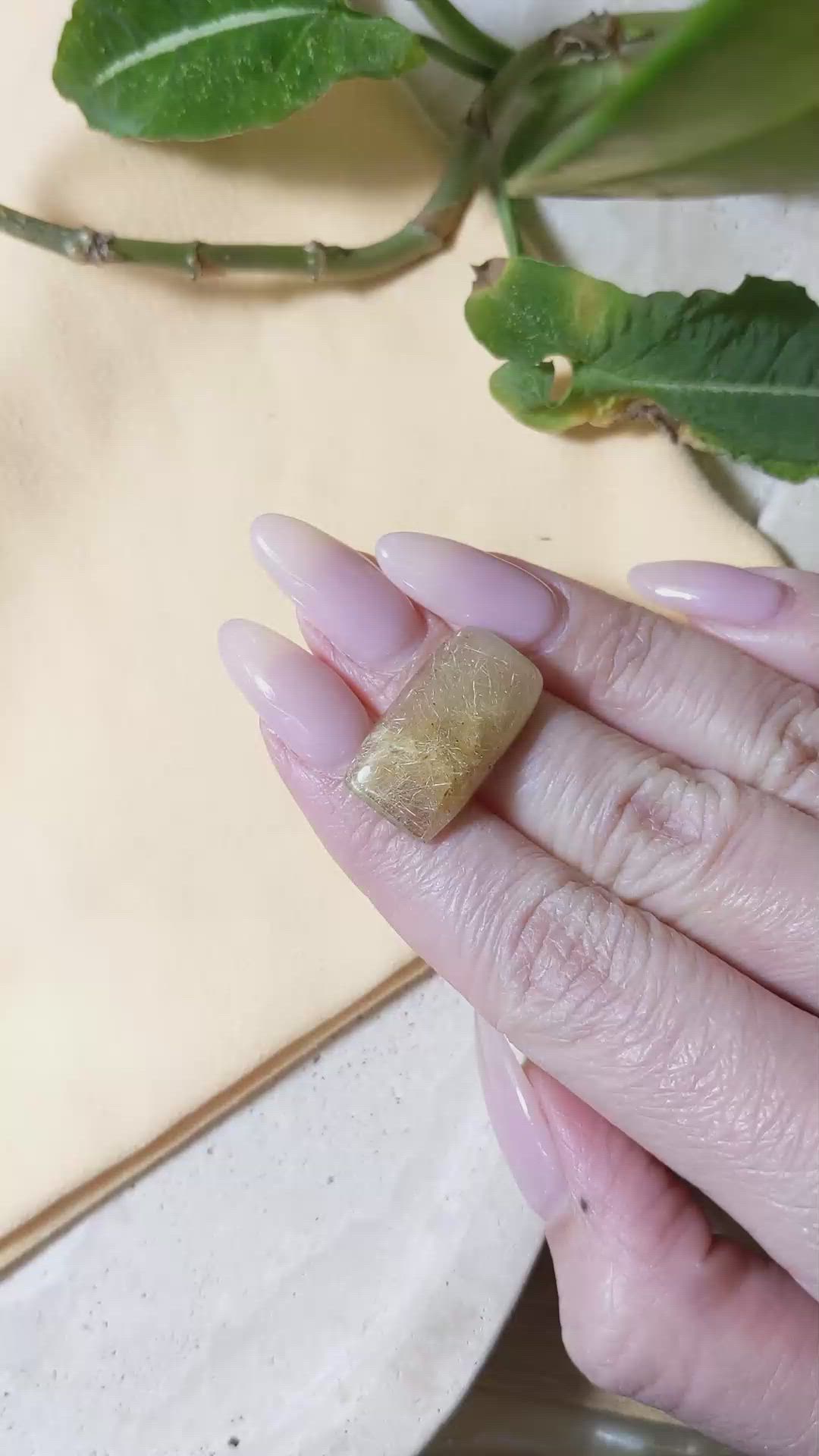
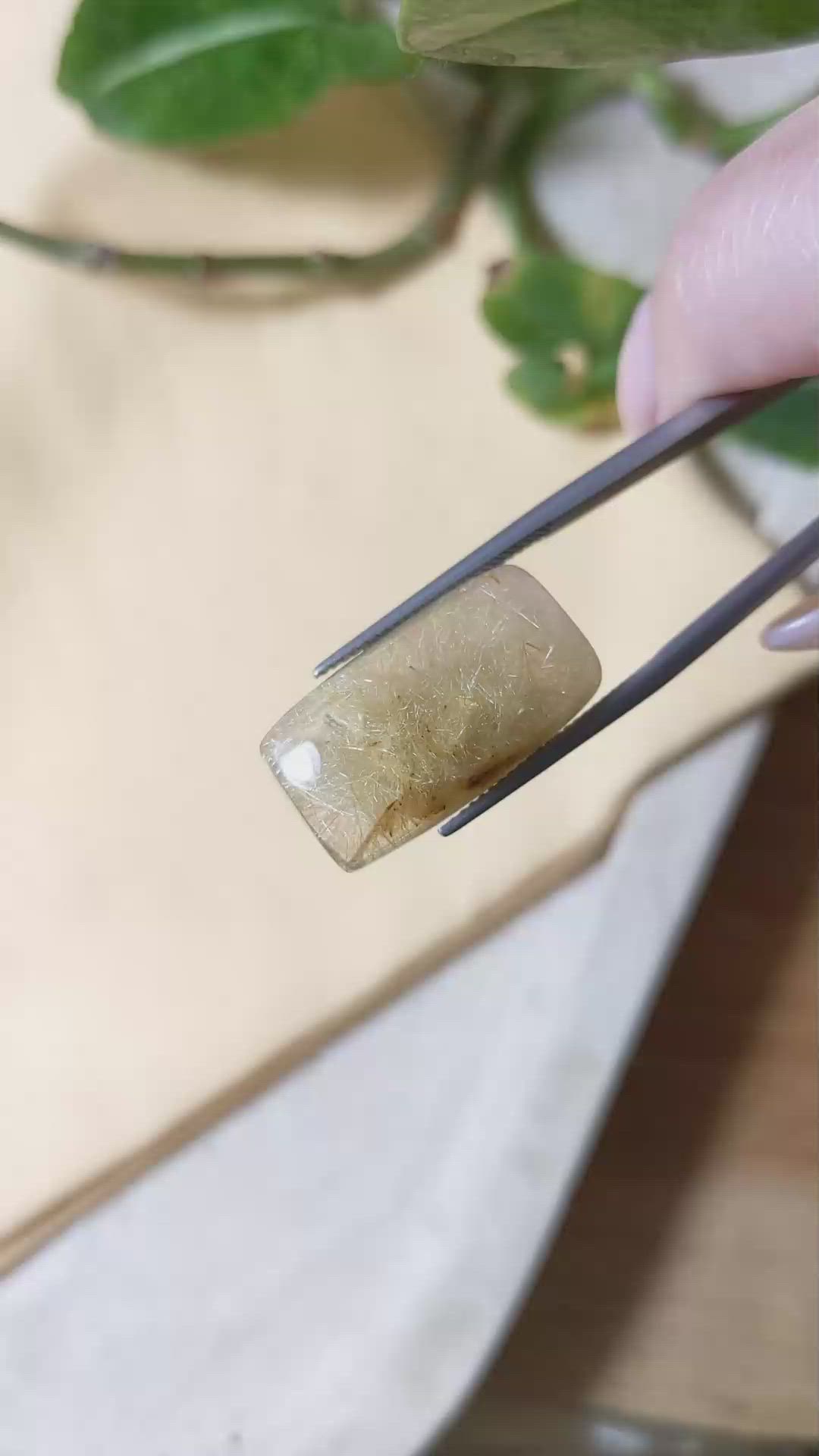
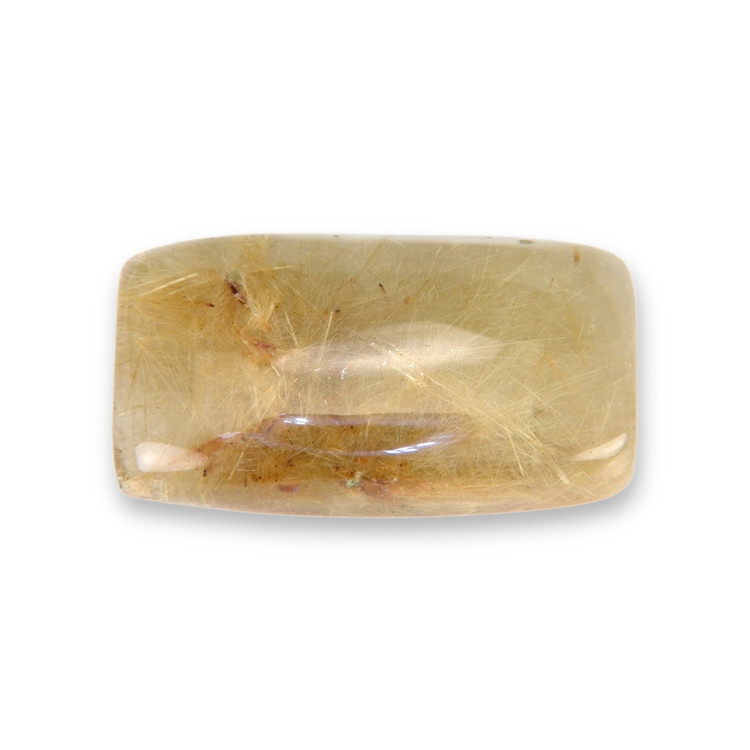
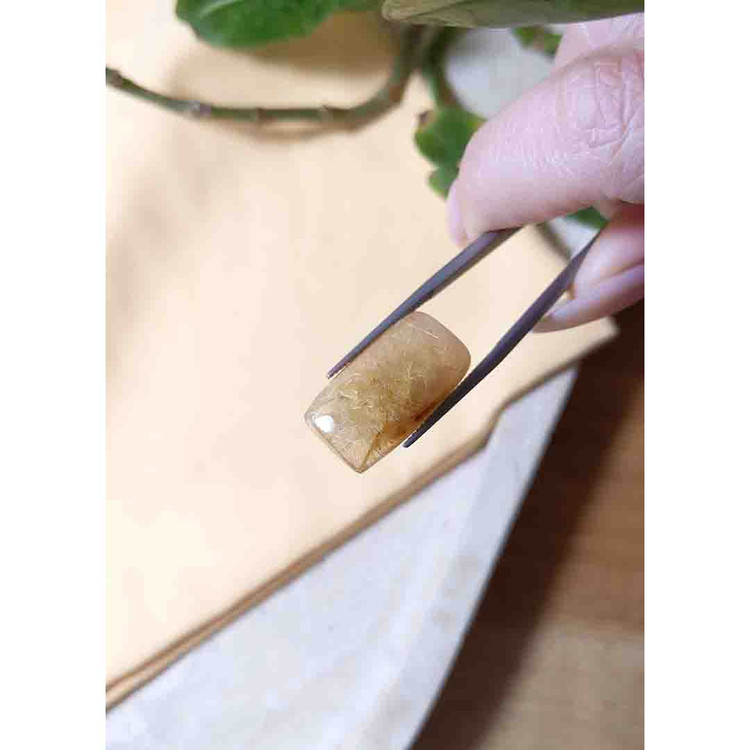
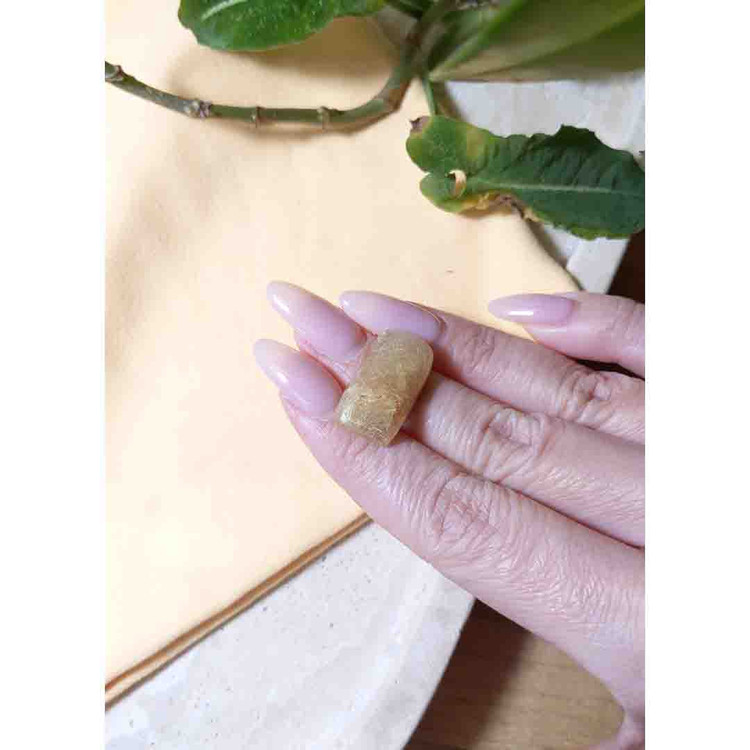
This offering from The Natural Gemstone Company is a single translucent cushion shape brown rutilated quartz, weighing 17.76 carats, with dimensions of 23.10 mm by 12.99 mm by 5.97 mm. The stone is fashioned as a cabochon cut, a form that emphasizes internal character and surface luster. Its clarity grade is included, evaluated at eye level, and it bears an intense color intensity coupled with an excellent polish. There has been no enhancement applied to this specimen, and its stated origin is Madagascar. The combination of size, cut, and natural rutile inclusions yields a tangible presence that reads as both mineralogical interest and wearable volume.
Visually the brown hue of this rutilated quartz reads as a warm, earthy tone, carrying a depth that is more cocoa than amber, and more cognac than chestnut, depending on incident light. The cabochon surface softens light transmission so that the rutile needles and networks present as textured fields of luminous brown, rather than as sharply defined golden threads. This tonal behavior contrasts with many Brazilian rutilated quartz examples, which often display brighter, more golden rutile on a clearer, more transparent matrix. Compared to material from Brazil, the Madagascar specimen exhibits a greater brown saturation and a slightly more diffuse internal contrast, which imparts a softer, moodier appearance. Compared to rutilated quartz from India, which can range toward darker, almost mahogany tones, the Madagascar example maintains a fresher brown clarity while still reading as deeply colored.
When measured against gemstones from other renowned locales, the hue and tonal qualities of this stone take on an instructive character. Against a Ceylon sapphire, whose notable hue is vivid cornflower blue with a medium to light tone, the brown rutilated quartz presents an entirely different chromatic language, one rooted in warm earth rather than cool sky. Against a Colombian emerald, known for its saturated bluish green with lively medium to strong tone, the rutilated quartz offers lower chroma but comparable intensity in its own register, where the color manifests through internal structure rather than pure body color. Compared to Brazilian amethyst, which often shows a clean, saturated violet with transparent clarity, the Madagascar rutilated quartz is less about pure color purity and more about the interplay between color and inclusion patterning. These distinctions are practical, they guide choice when color temperature or internal texture is the decisive factor in composition, and they underscore why provenance matters for the final visual effect.
From a lapidary and design perspective the cushion cabochon format and the excellent polish make this piece well suited to settings that benefit from surface sheen and internal depth. The stone size and weight are substantial enough to anchor a ring or pendant, and the cabochon cut reduces the risk of conspicuous chip damage along faceted planes, while simultaneously magnifying the rutile networks that are the material's principal character. The included clarity grade should be understood as part of the aesthetic, since the rutile inclusions are integral to the gem type and are valued for their contribution to pattern and tone. With no enhancement and a clear Madagascar origin, this specimen is appropriate for collectors and designers seeking a natural, robust example of brown rutilated quartz. For inquiries about matching pieces or bespoke setting recommendations, The Natural Gemstone Company can provide additional photographic detail, lighting studies, and consultation on design directions that will best exploit the stone's hue and tonal strengths.


