
- Stone16
- Reports3
-pear-bluishgrey-rutilatedquartz-2.4000-cts-k28743-1.jpg?d=200x200&v=20260730041823)
-pear-bluishgrey-rutilatedquartz-2.4000-cts-k28743-lifestyleimage-1.jpg?d=200x200&v=20260729053651)
-pear-bluishgrey-rutilatedquartz-2.4000-cts-k28743-lifestyleimage-2.jpg?d=200x200&v=20260729053651)
-pear-bluishgrey-rutilatedquartz-2.4000-cts-k28743-lifestyleimage-3.jpg?d=200x200&v=20260729053652)
-pear-bluishgrey-rutilatedquartz-2.4000-cts-k28743-lifestyleimage-4.jpg?d=200x200&v=20260729053652)

-pear-bluishgrey-rutilatedquartz-2.4000-cts-k28743-1.jpg?d=750x750&s=ngc&v=20260730041823)
-pear-bluishgrey-rutilatedquartz-2.4000-cts-k28743-lifestyleimage-1.jpg?d=750x750&s=ngc&v=20260729053651)
-pear-bluishgrey-rutilatedquartz-2.4000-cts-k28743-lifestyleimage-2.jpg?d=750x750&s=ngc&v=20260729053651)
-pear-bluishgrey-rutilatedquartz-2.4000-cts-k28743-lifestyleimage-3.jpg?d=750x750&s=ngc&v=20260729053652)
-pear-bluishgrey-rutilatedquartz-2.4000-cts-k28743-lifestyleimage-4.jpg?d=750x750&s=ngc&v=20260729053652)

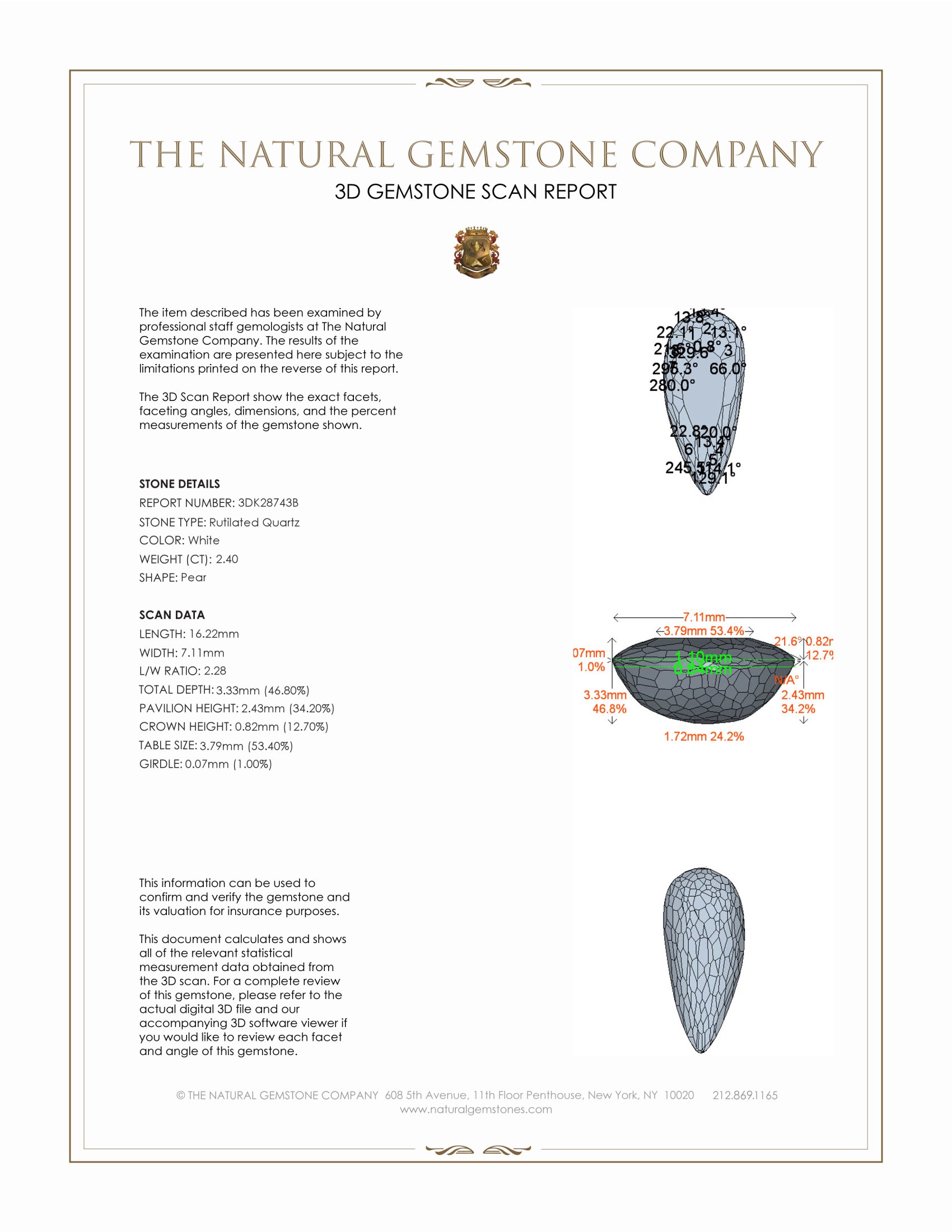
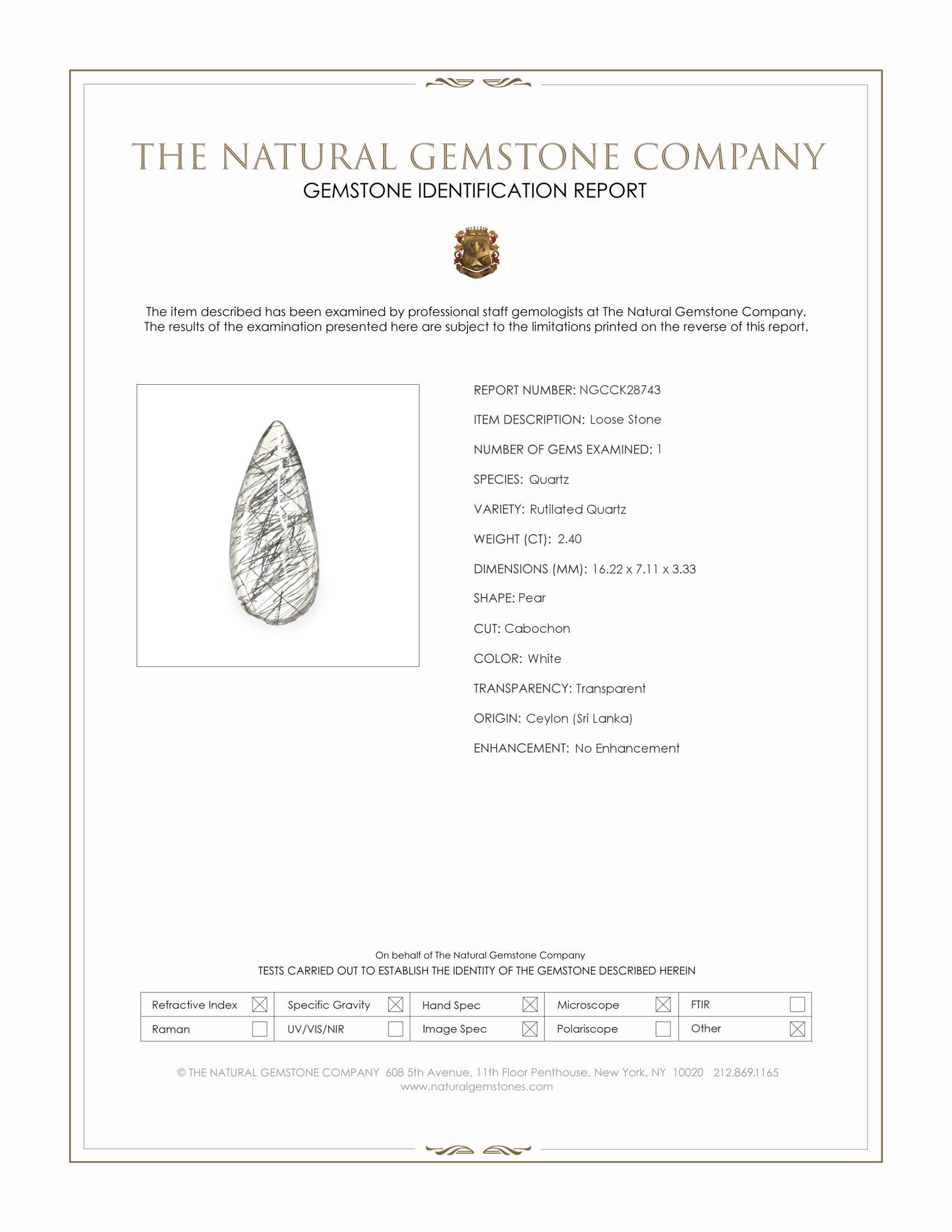
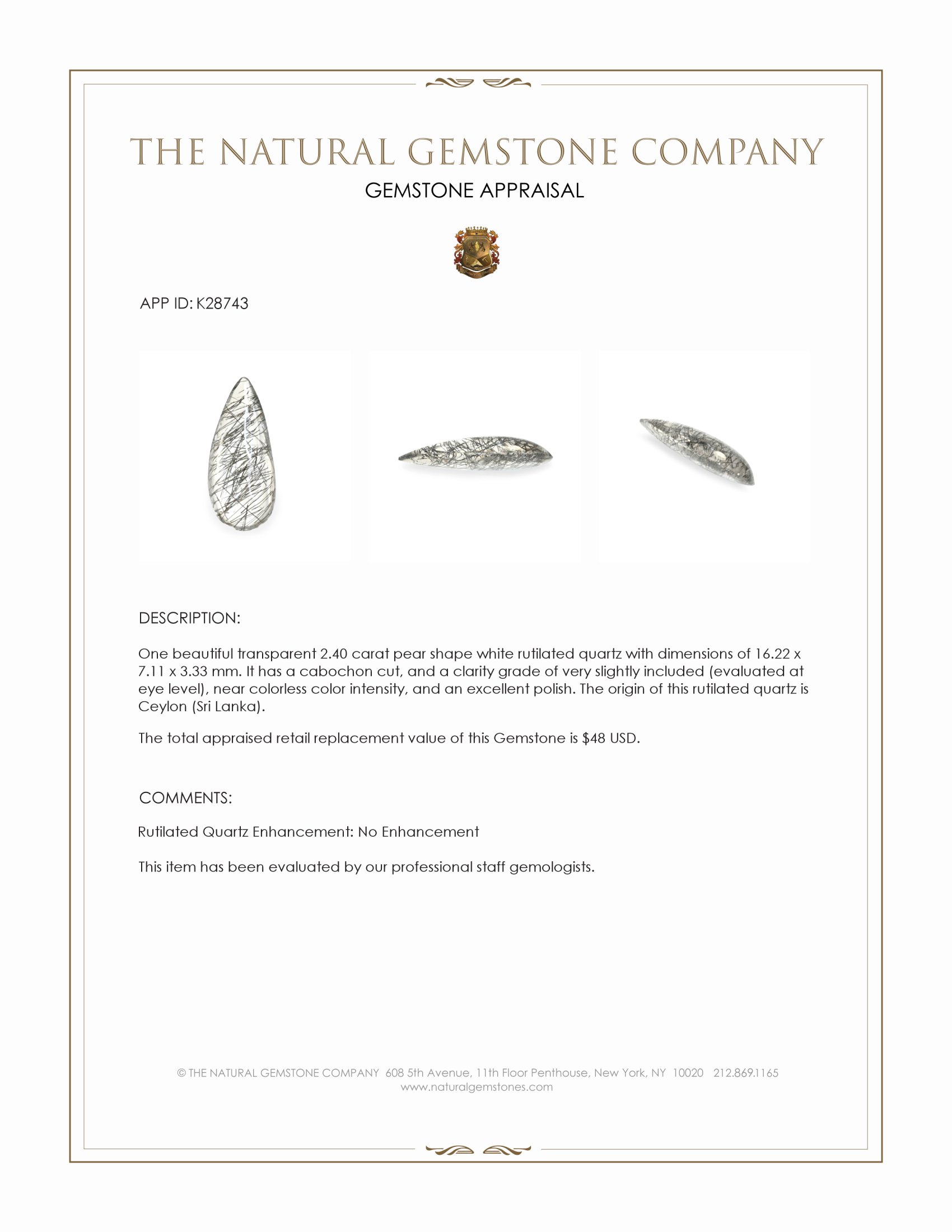
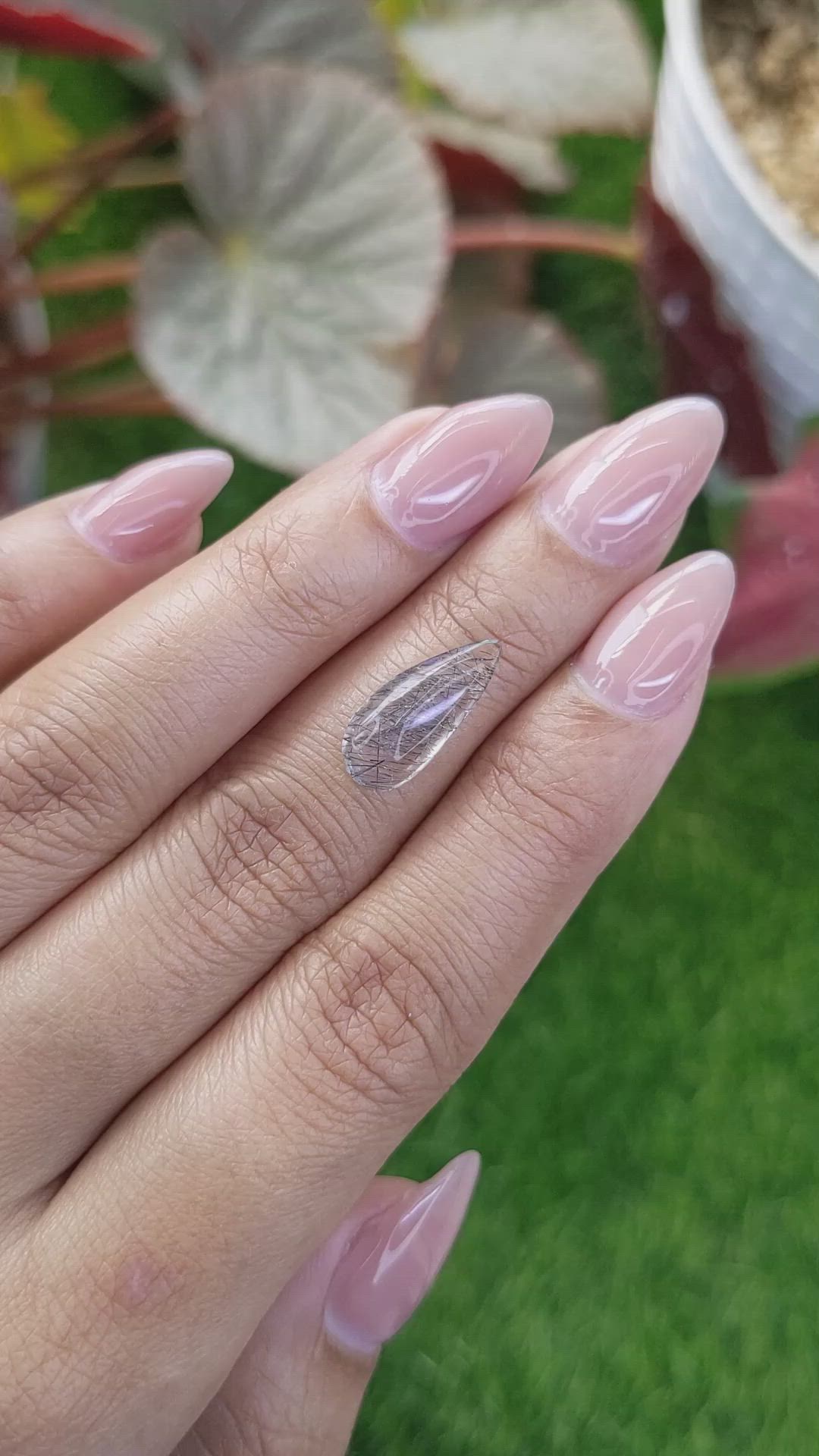
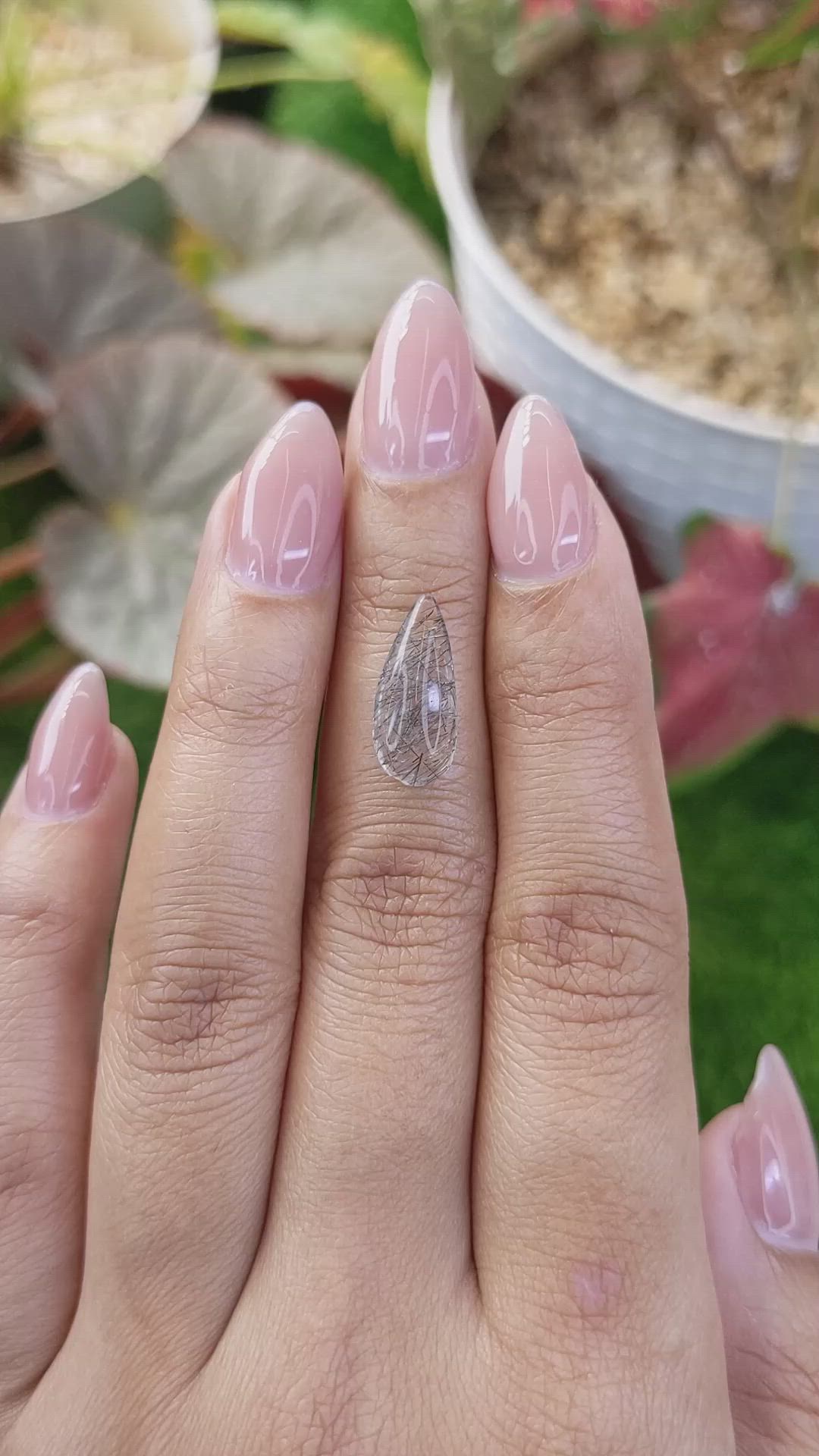
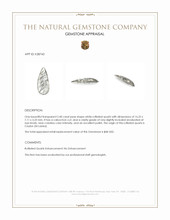
2.40 Ct. White Cabochon Rutilated Quartz from Ceylon (Sri Lanka)
This loose stone is available to ship now
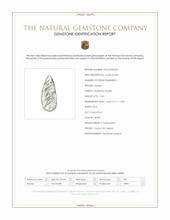
Item ID: | K28743 |
|---|---|
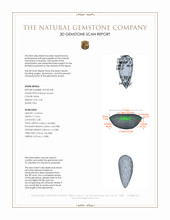
Dimensions (MM): help | Length: 16.22 Width: 7.11 Height: 3.33 |
Weight: | 2.40 Ct. |
Color: help | White |
Color intensity: help | Near Colorless |
Clarity: help | Very Slightly Included |
Shape: help | Pear |
Cut: | Cabochon |
Cutting style: | Cabochon |
Enhancements: help | No Enhancement |
Origin: help | Ceylon (Sri Lanka) |
Per carat price: help | $20 |
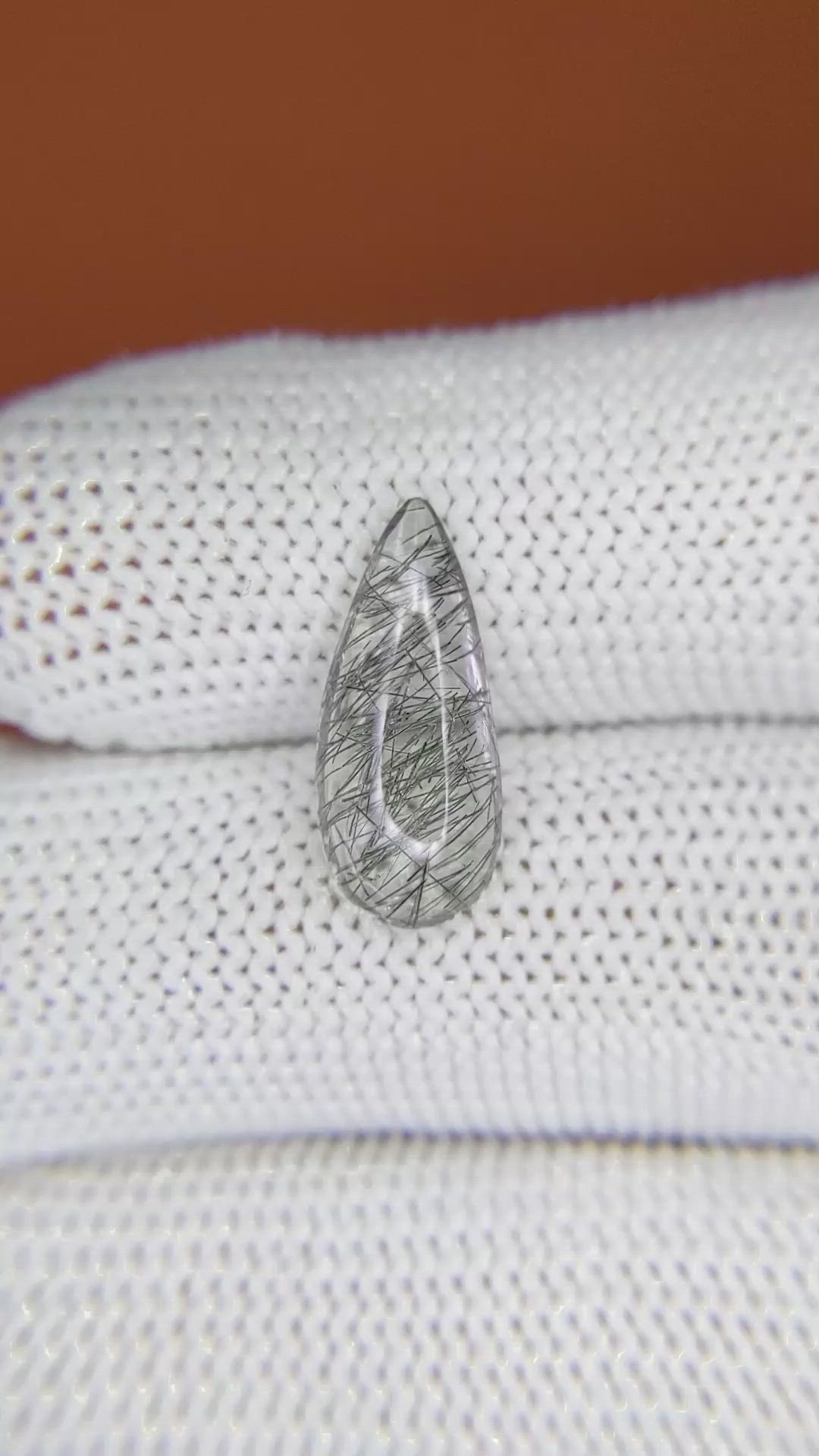
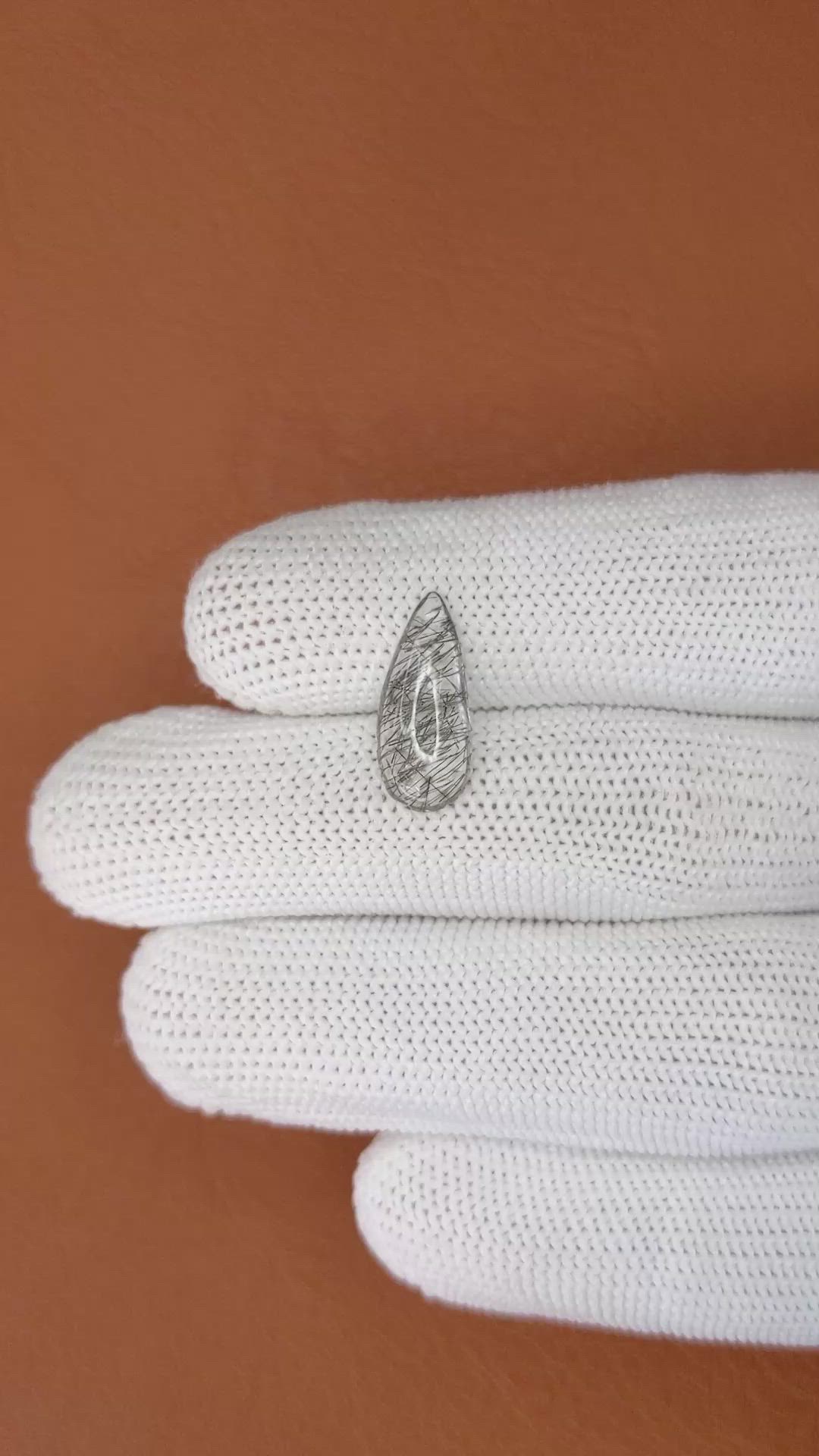
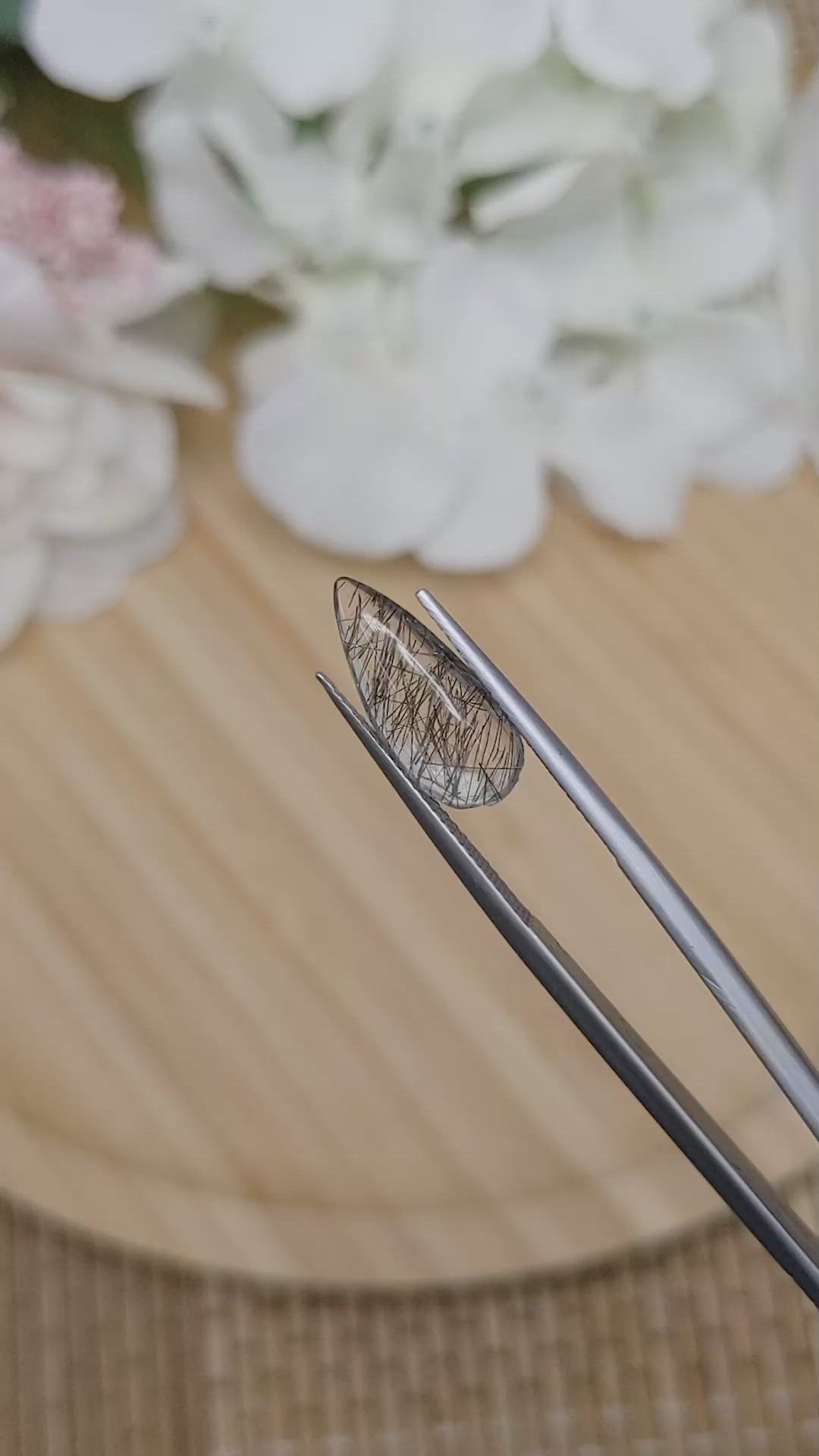
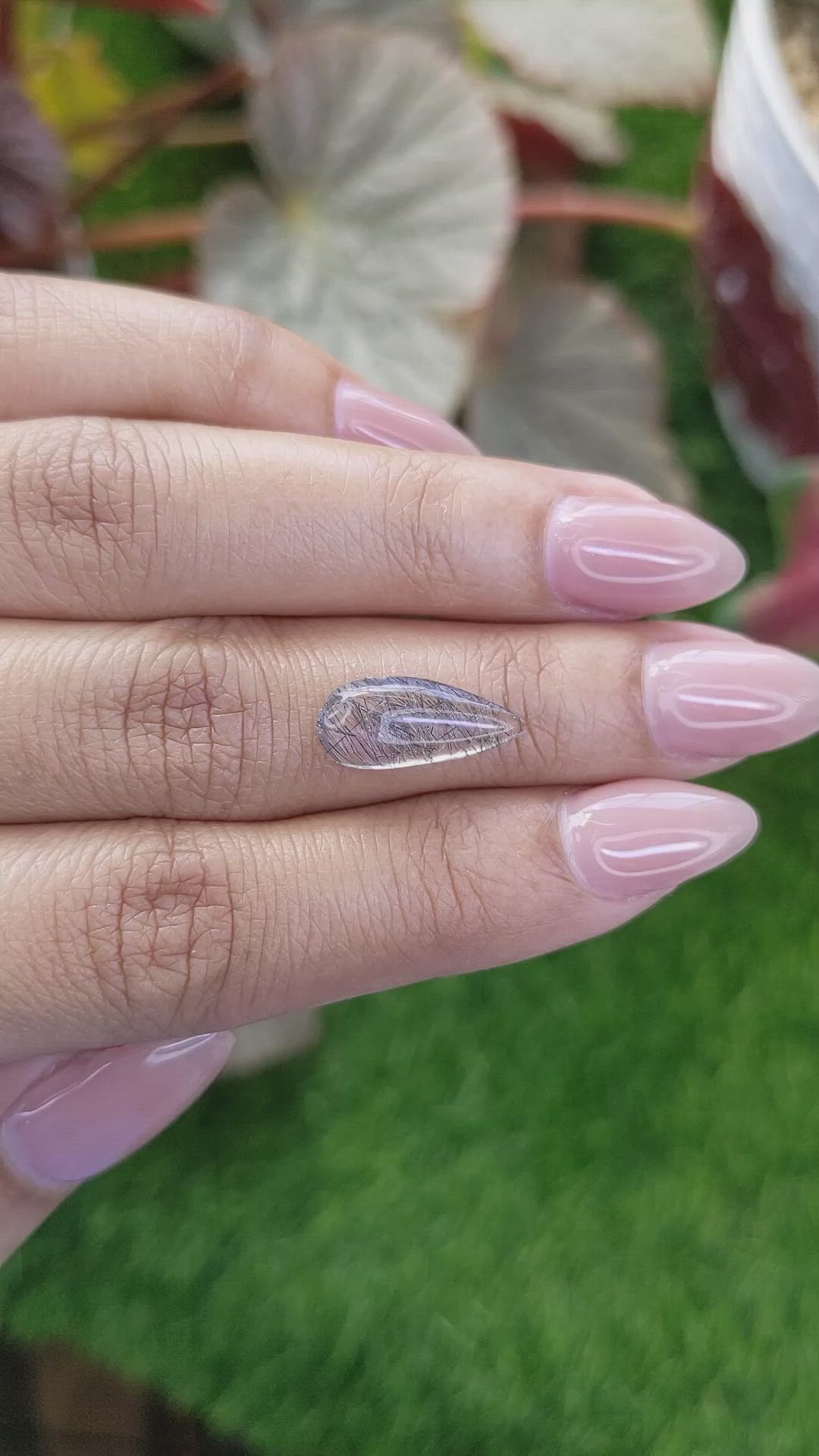
A precisely cut pear shaped white rutilated quartz, this specimen weighs 2.40 carats and measures 16.22 by 7.11 by 3.33 millimeters. The gem is fashioned as a cabochon to emphasize its internal network of rutile needles, and to preserve the continuity of the pattern when set in jewelry. Transparency is described as transparent with a near colorless body tone, and the clarity has been evaluated as very slightly included at eye level, allowing the rutile growth to read clearly while maintaining overall visual clarity. The surface finish is an excellent polish, and there have been no enhancements or treatments applied to modify color, clarity, or appearance. Origin is identified as Ceylon, Sri Lanka, a region noted for producing rutilated quartz with fine crystallographic development and attractive inclusion patterns. The pear outline and cabochon profile combine to create an elongated, elegant silhouette that suits a variety of settings, from solitaire pendants to bespoke ring designs, while the needle orientation and density provide a distinctive visual signature for this single piece.
From a gemological and practical perspective, this white rutilated quartz offers several attributes that contribute to both its aesthetic value and its utility in finished jewelry. Quartz registers a seven on the Mohs hardness scale, providing adequate resistance to everyday wear while remaining amenable to careful setting and repair. The cabochon cut mitigates the risk of chipping along facet junctions and allows the inclusion pattern to remain the principal feature when the stone is viewed face up. The dimensions and weight place the gem in a size category that is versatile for designer work, allowing for comfortable finger coverage in elongated ring settings, or a refined focal point in pendant and drop designs. Given the very slightly included clarity grade, heat and chemical exposures should be avoided as a precaution, and routine cleaning with mild soap and warm water and a soft brush is recommended to maintain luster without risk to the internal structure. When considering mounting, settings that protect the girdle and provide a secure bezel or partial bezel are appropriate choices to minimize mechanical stress.
Regarding investment potential and future appreciation, white rutilated quartz occupies a distinctive niche in the colored stone market. As a species, quartz is relatively common, and therefore generalized price inflation is typically muted compared with traditional investment gems such as unheated sapphire, ruby, or fine emerald. However, rutilated quartz, particularly pieces with exceptional transparency, strong contrast between host material and rutile, uncommon rutile coloration or orientation, and a lack of treatments, can command premiums within the market for collector and designer stones. This particular pear shaped cabochon, originating from Ceylon and presenting a clean, near colorless host with well-distributed rutile needles and an excellent polish, represents a specimen with attributes that are considered desirable among connoisseurs. Market appreciation for such pieces is influenced by several factors, including scarcity of comparable material, evolving design trends that favor natural and unique inclusions, provenance documentation, and the growing interest among independent jewelers and collectors for one-of-a-kind natural gems. Prospective buyers seeking capital appreciation should note that liquidity and realized gains are contingent on timing, the buyer pool, and the availability of certification and documentation.
For clients evaluating this stone as part of a portfolio or as a long term collectible, The Natural Gemstone Company recommends securing independent gemological documentation where applicable, maintaining provenance records from purchase, and considering insured storage for long holding periods. Resale opportunities typically present through specialist auction houses, private collectors, and design jewelers who value unique specimens, and establishing a relationship with reputable dealers can materially improve liquidity prospects. While no investment can be guaranteed, this example of white rutilated quartz combines transparent body, exceptional polish, no enhancement, and provenance from Ceylon, attributes that support its potential to appreciate in value relative to lesser quality material should market demand for distinctive, natural inclusion stones continue to grow.


