
- Stone12
- Reports3
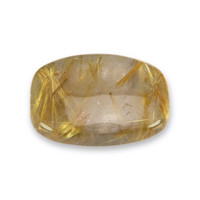
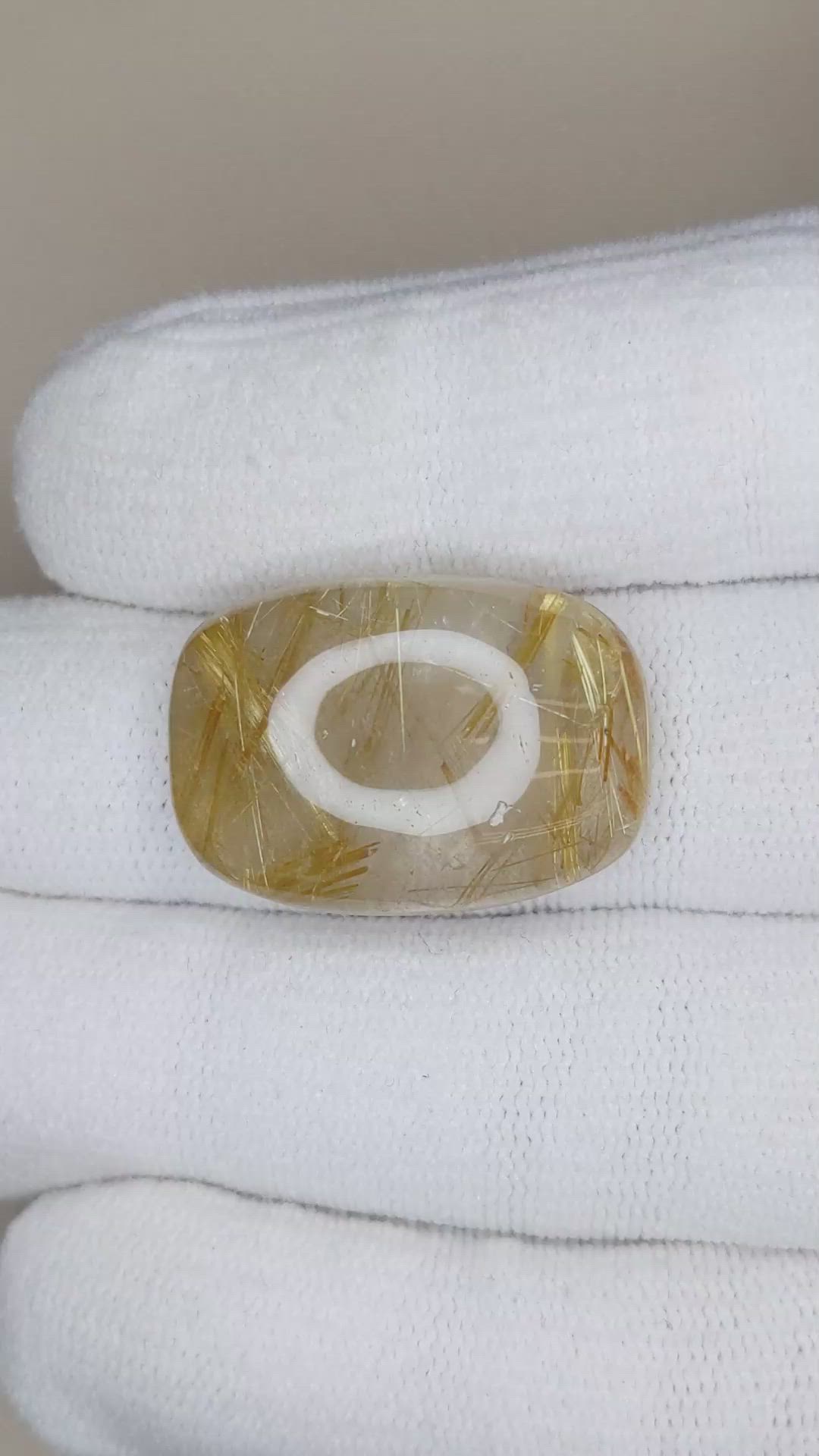
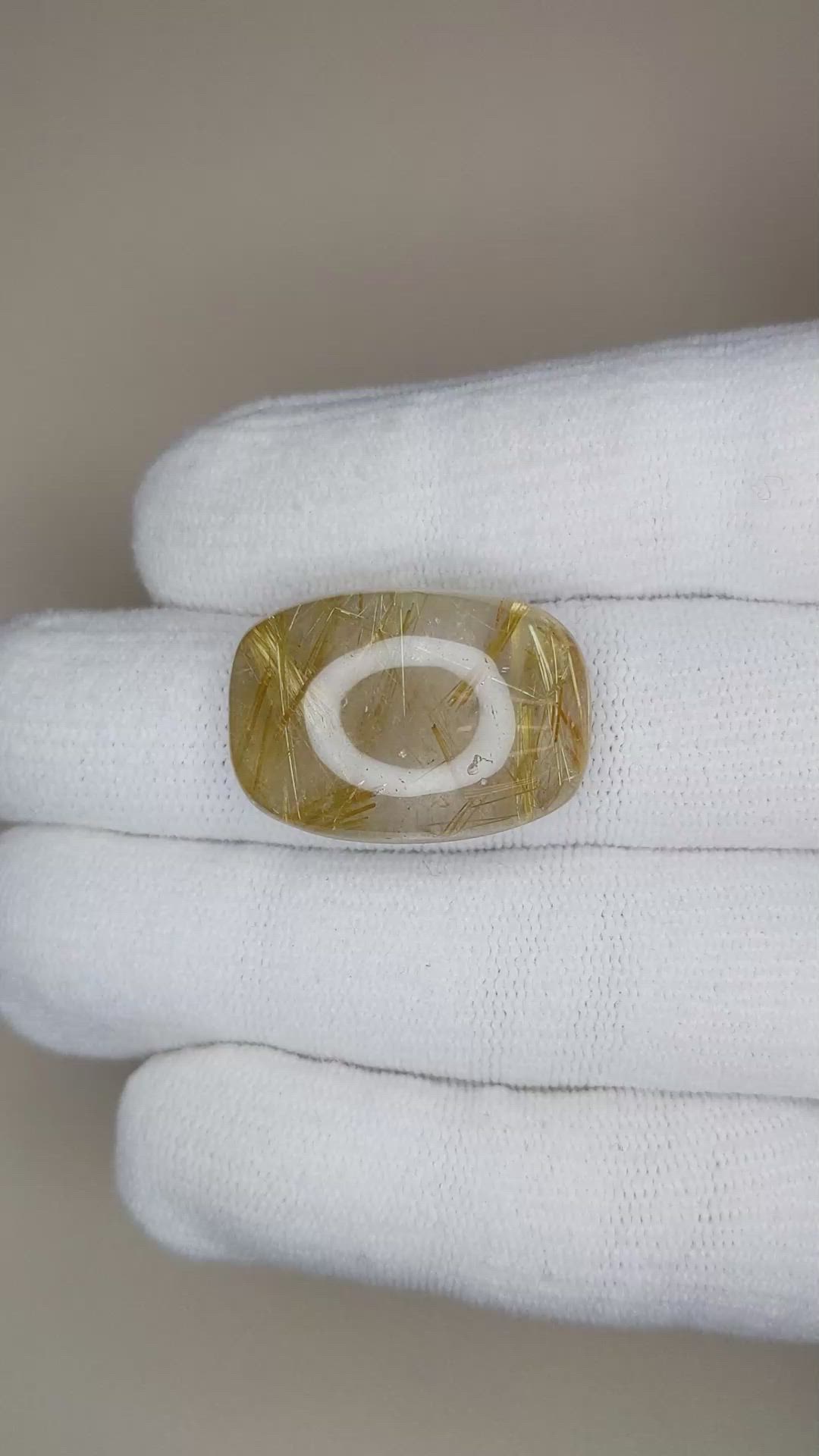
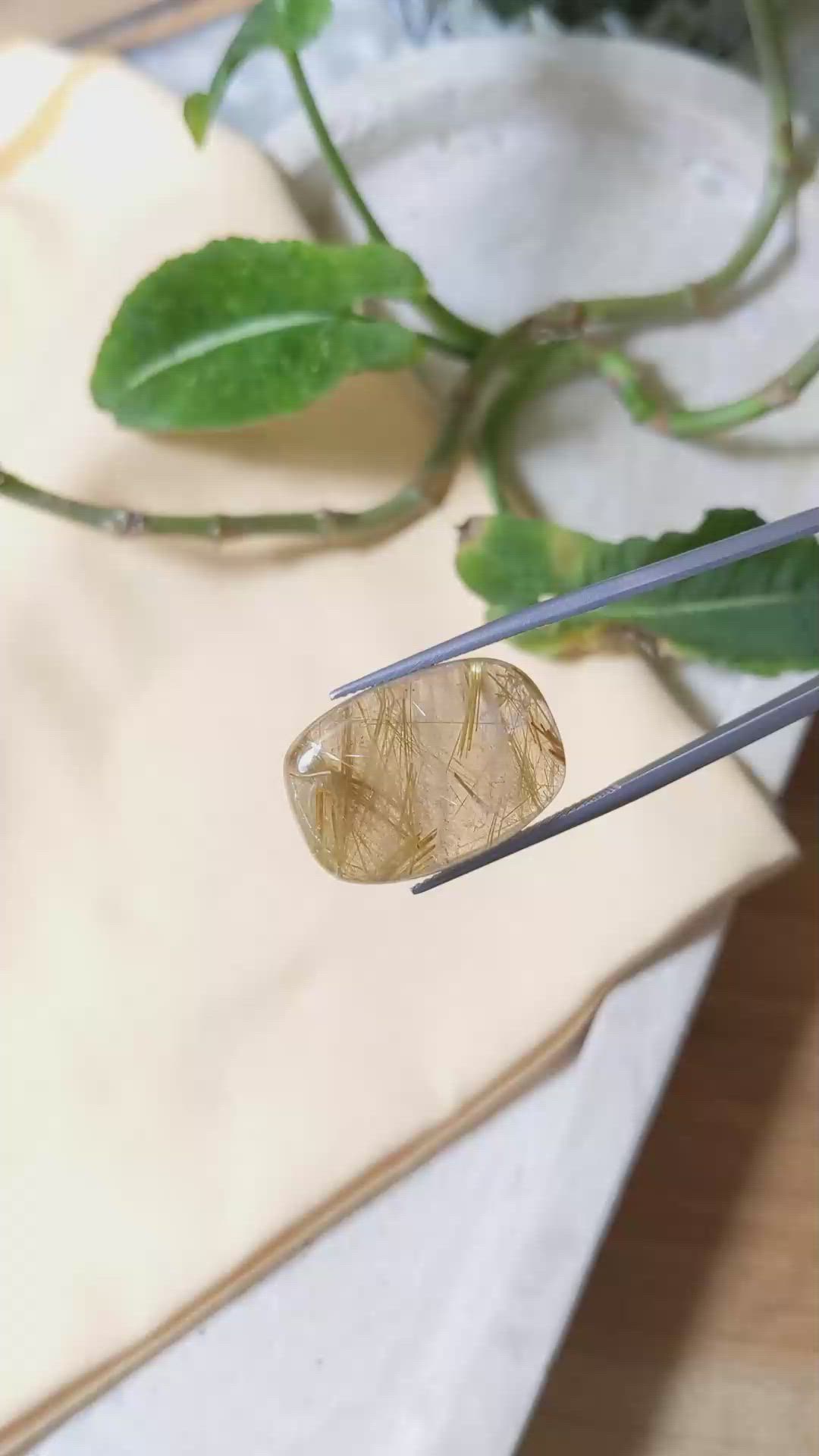
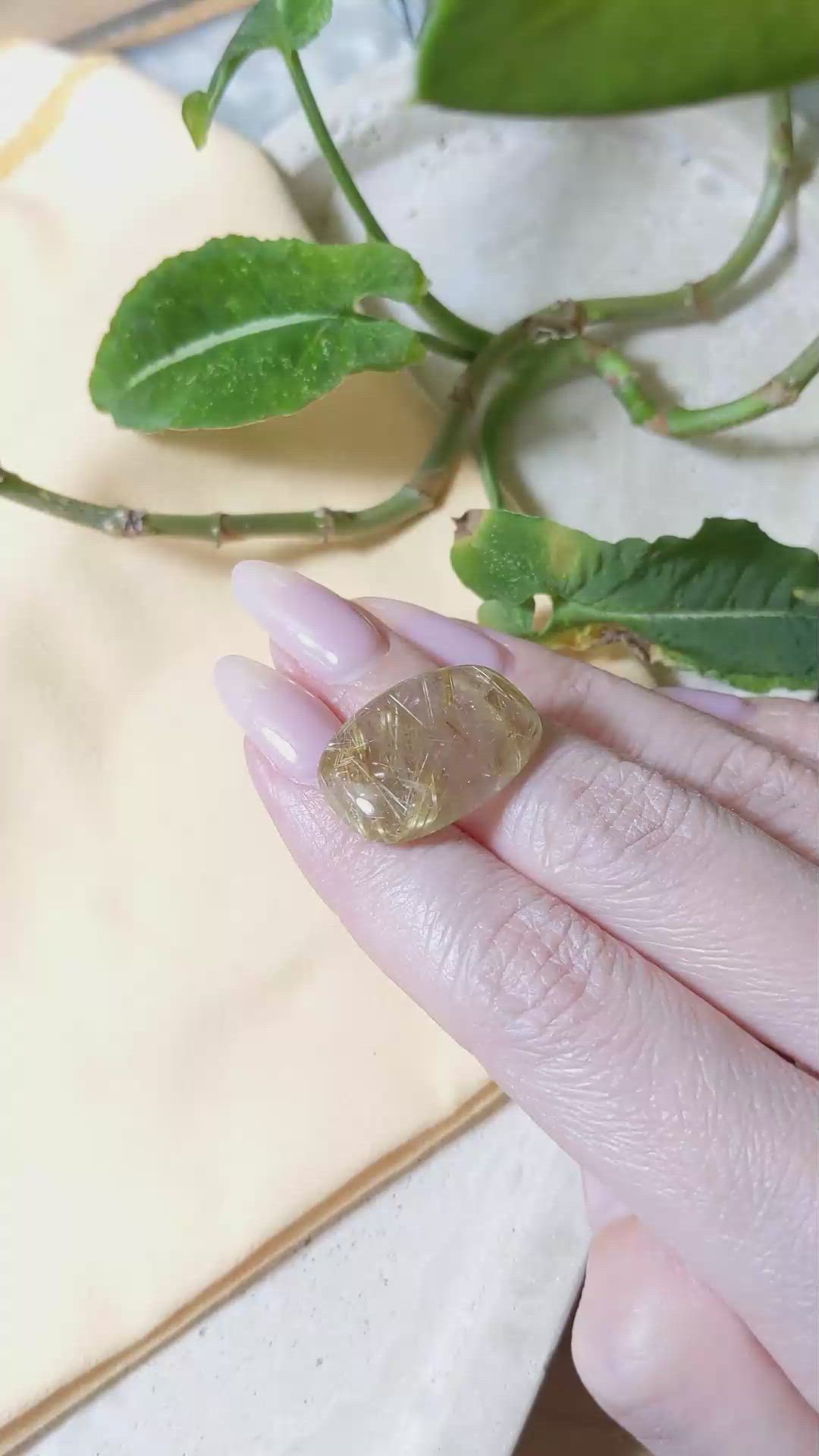

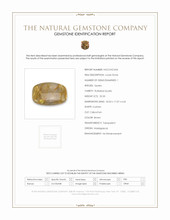

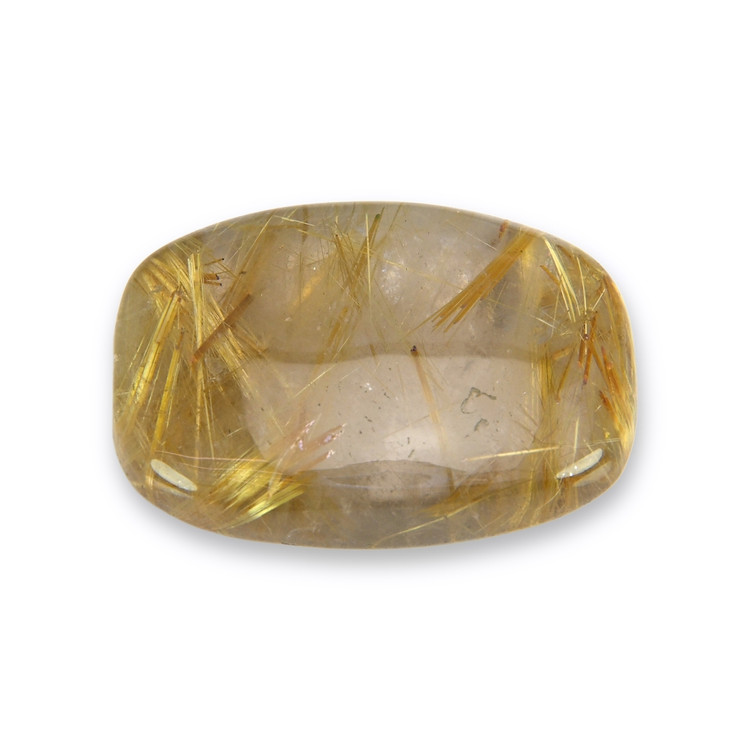
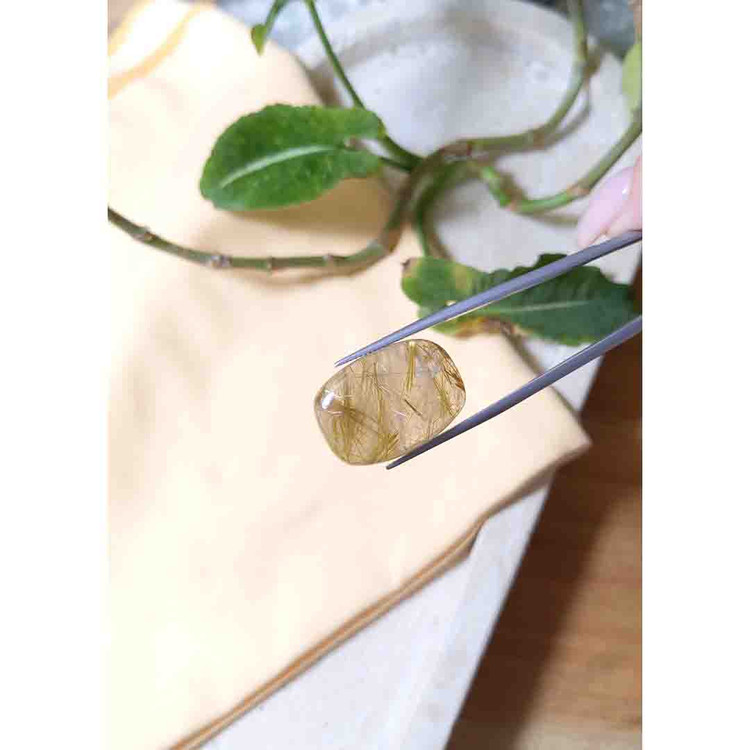
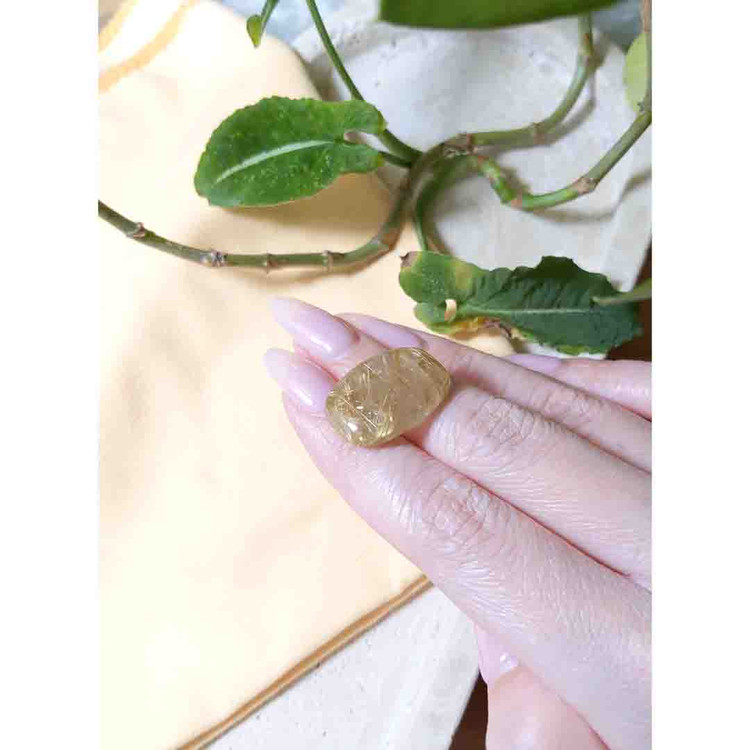



25.33 Ct. Cabochon Rutilated Quartz from Madagascar
This loose stone ships by Apr 19
Item ID: | K21654 |
|---|---|
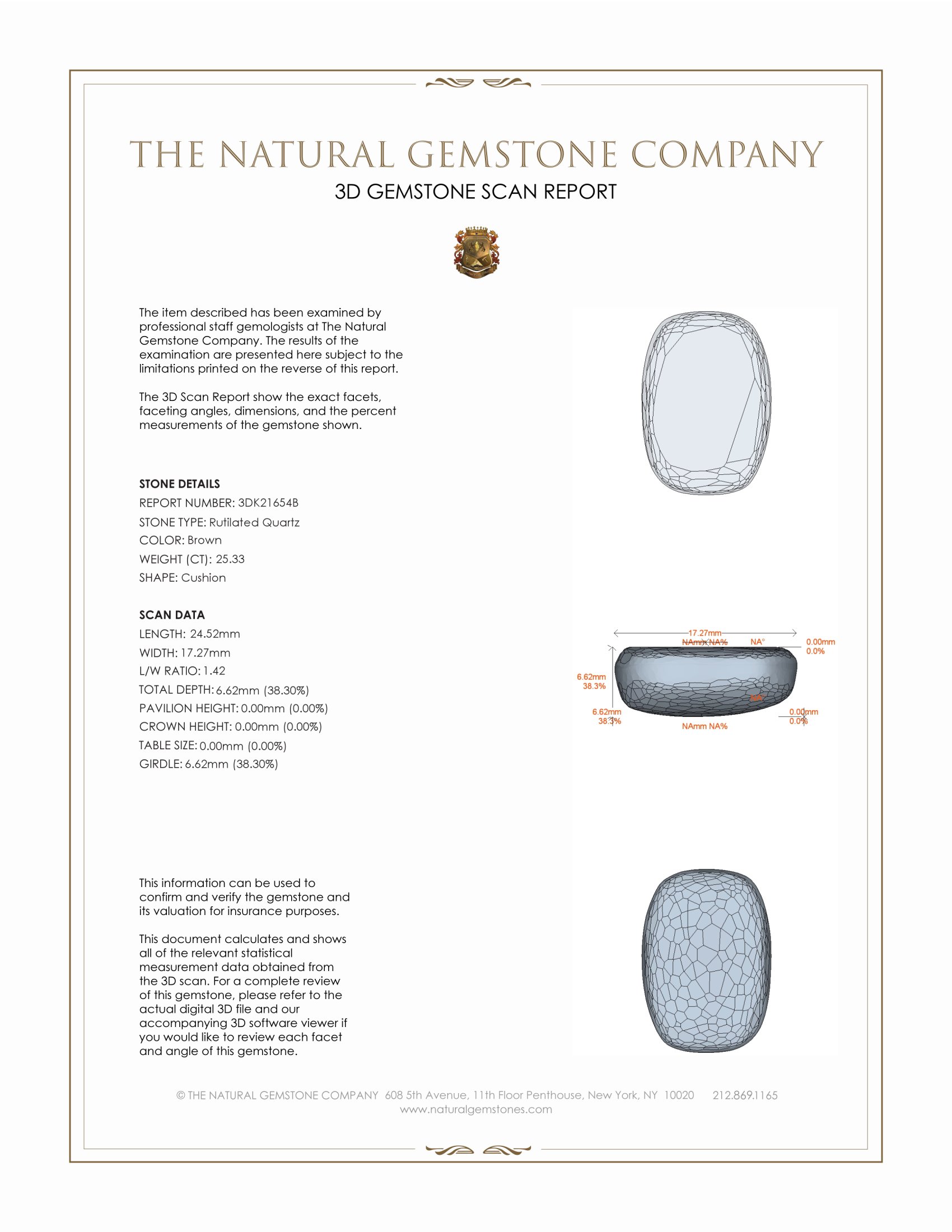
Dimensions (MM): help | Length: 24.52 Width: 17.27 Height: 6.62 |
Weight: | 25.33 Ct. |
Color: help | Brown |
Color intensity: help | Intense |
Clarity: help | Included |
Shape: help | Cushion |
Cut: | Cabochon |
Cutting style: | Cabochon |
Enhancements: help | No Enhancement |
Origin: help | Madagascar |
Per carat price: help | $5 |
Imagine presenting a moment that will be remembered forever, a gift that carries warmth and character, a jewel that seems to have been waiting to complete your story. This stunning 25.33 carat cushion shape brown rutilated quartz, expertly sourced from Madagascar and offered by The Natural Gemstone Company, invites that kind of emotion. Measuring 24.52 x 17.27 x 6.62 mm, its generous size and classic cushion silhouette make it ideally suited for bold custom work, a central focal point in a statement ring, a dramatic pendant, or an heirloom brooch. The cabochon cut brings the inner world of the stone to life, highlighting golden and copper rutile inclusions that catch the eye and stir the heart, the clarity grade noted as included when evaluated at eye level gives each stone unique personality, and the intense color intensity and excellent polish ensure a luminous surface that gleams with hand finished quality. Because this piece has no enhancement, you can promise genuine natural beauty to your client or loved one, a truthful testament to the earths artistry and the careful stewardship of The Natural Gemstone Company.
For designers and bespoke clients seeking a canvas that inspires creativity, this rutilated quartz offers practical advantages as well as emotional resonance. The substantial dimensions allow for secure bezel settings or open backed mounts that let light interact with the rutile veining, while the smooth cabochon dome lends itself to comfortable wear against skin, perfect for rings and pendants meant to be worn daily. Pairing this warm brown stone with yellow or rose gold will amplify its honeyed tones, while a contrast in cool white metals or a halo of small accent stones will frame the rich inclusions and elevate the piece into a modern treasure. As a salesperson who knows gemstones and their stories, I can tell you this gem is more than its specs, it is a living centerpiece for custom jewelry that will evoke joy every time it is seen and worn, an intimate expression of love and a bold declaration of taste. Choose this Madagascar rutilated quartz from The Natural Gemstone Company for a bespoke creation that becomes a cherished memory, a signature piece that speaks of authenticity and heartfelt design.


