
- Stone13
- Reports3
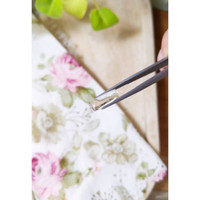
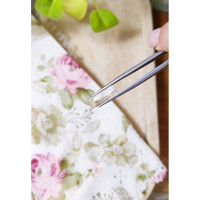
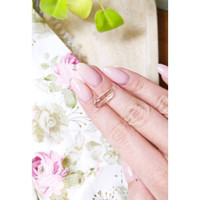


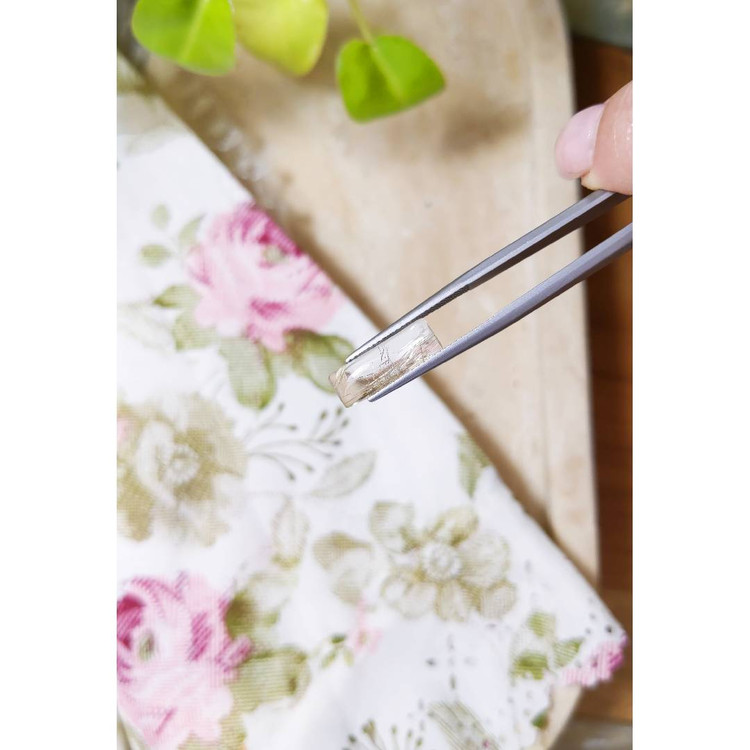
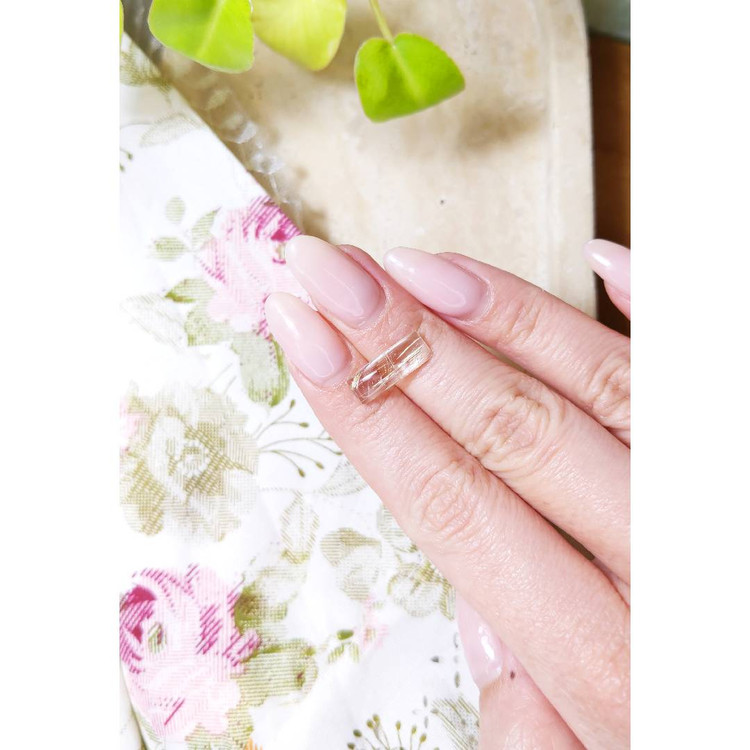


3.19 Ct. Cabochon Rutilated Quartz from Brazil
This loose stone is available to ship now
Item ID: | K20104 |
|---|---|
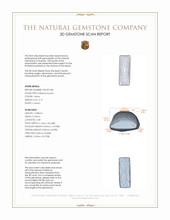
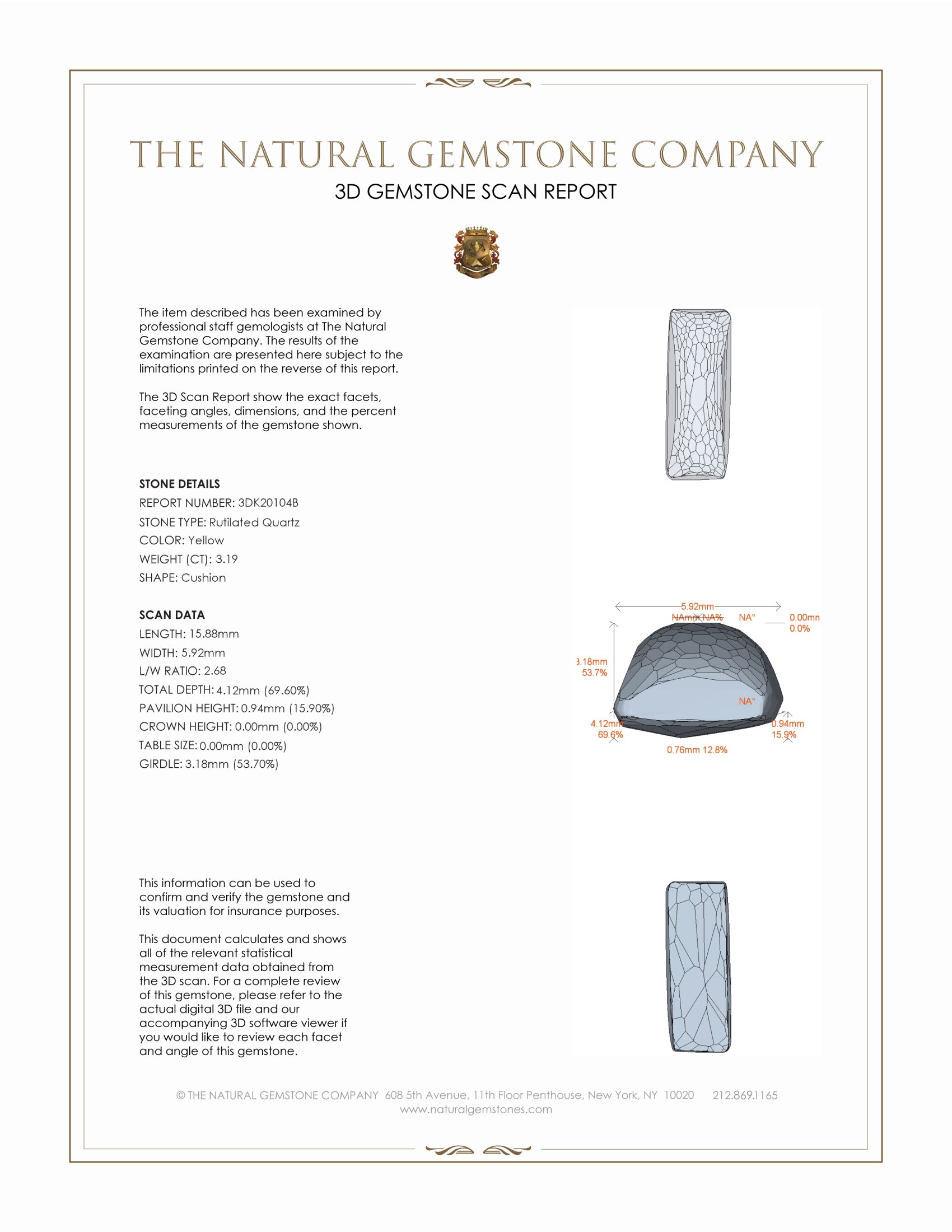
Dimensions (MM): help | Length: 15.88 Width: 5.92 Height: 4.12 |
Weight: | 3.19 Ct. |
Color: help | Yellow |
Color intensity: help | Faint |
Clarity: help | Slightly Included |
Shape: help | Cushion |
Cut: | Cabochon |
Cutting style: | Cabochon |
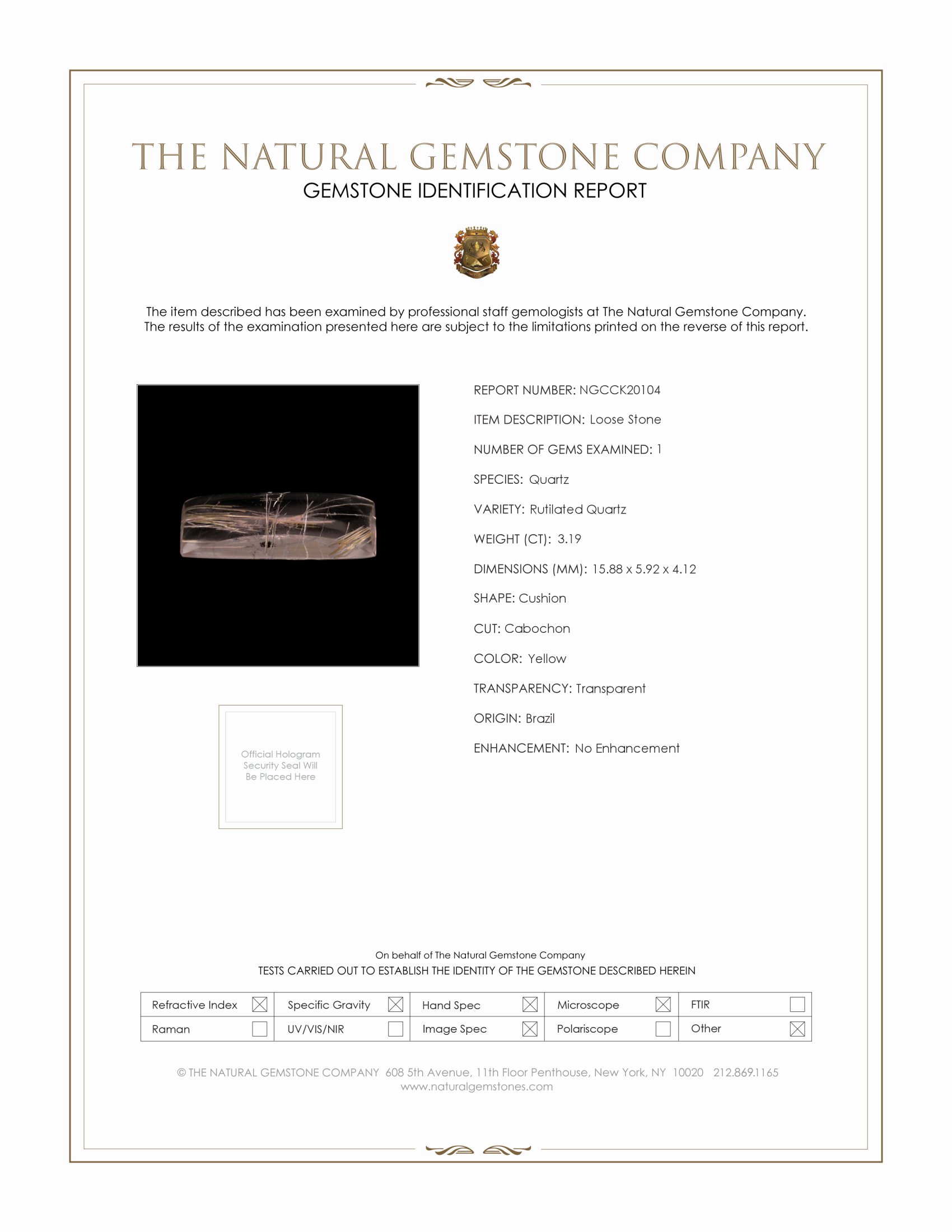
Enhancements: help | No Enhancement |
Origin: help | Brazil |
Per carat price: help | $40 |
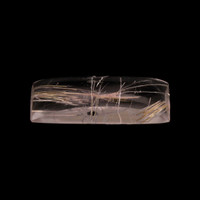
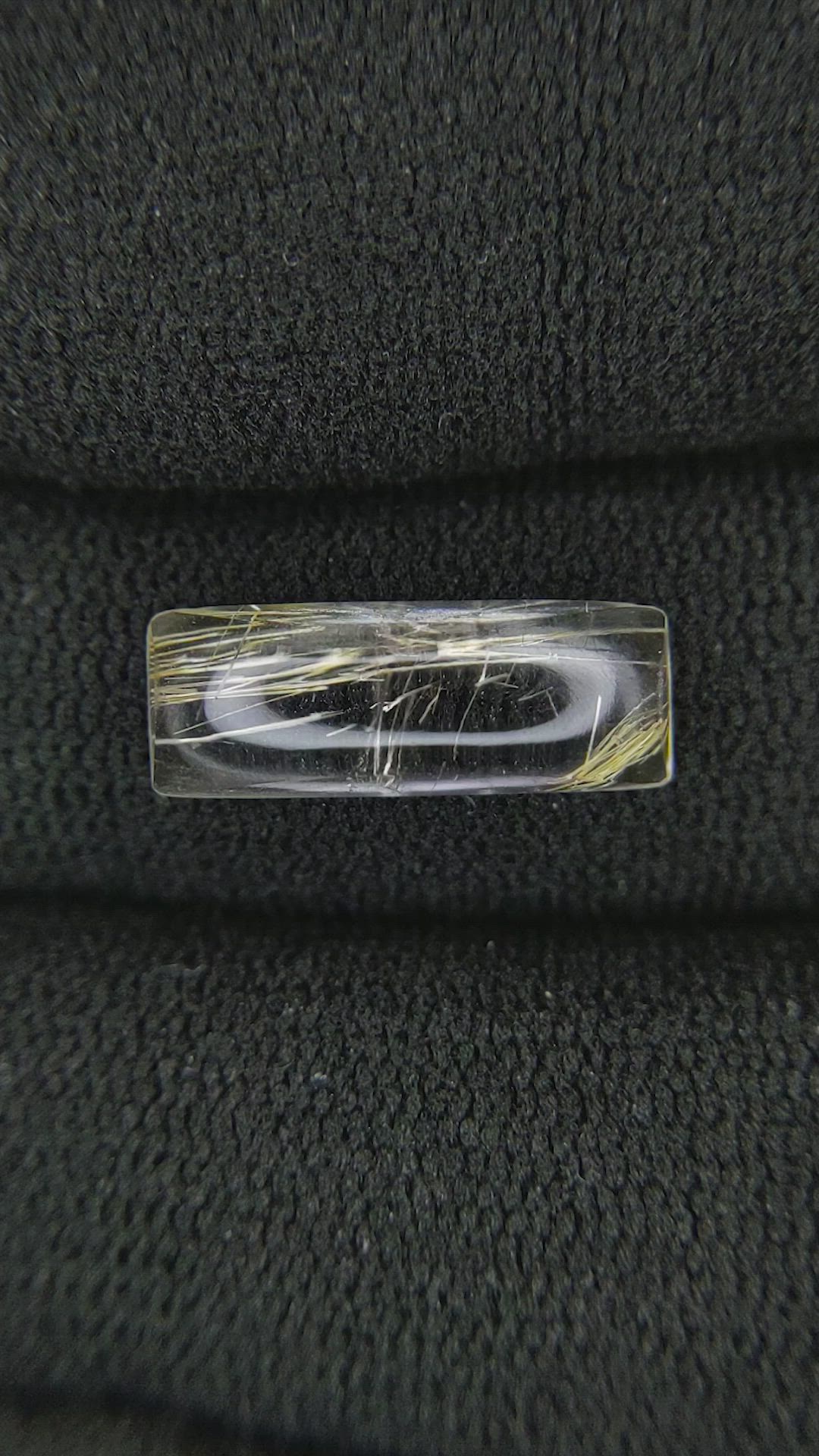
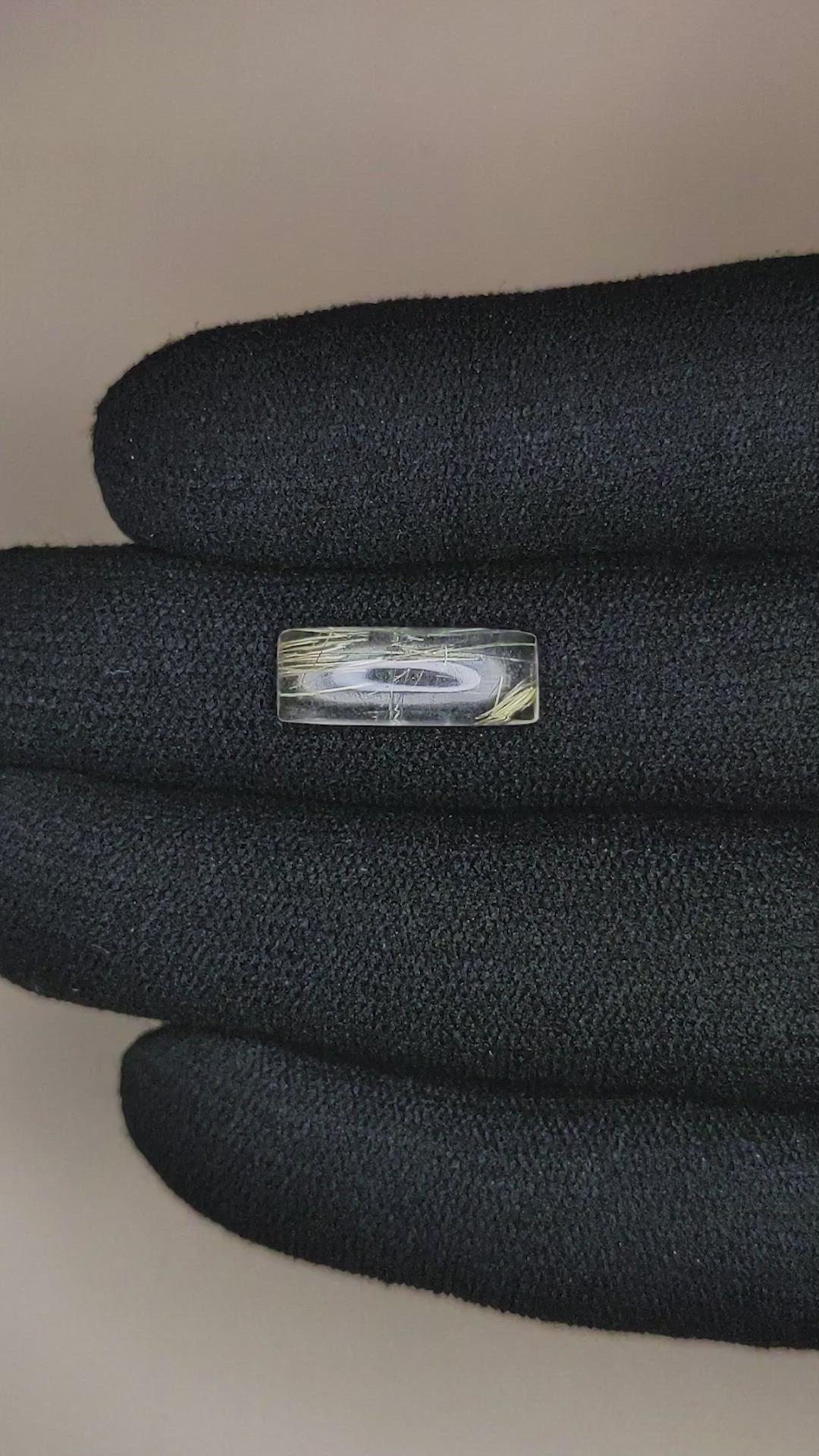
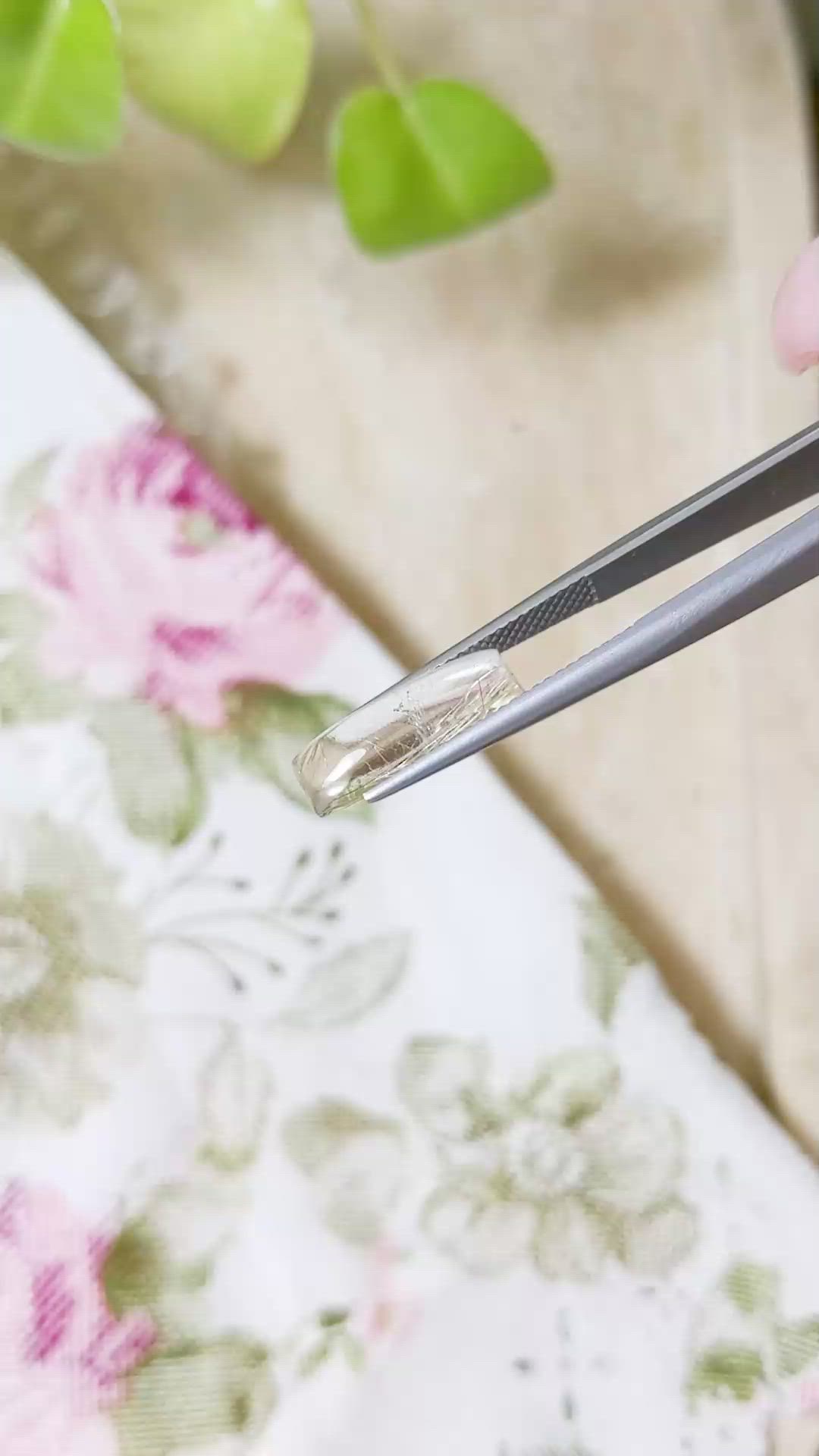
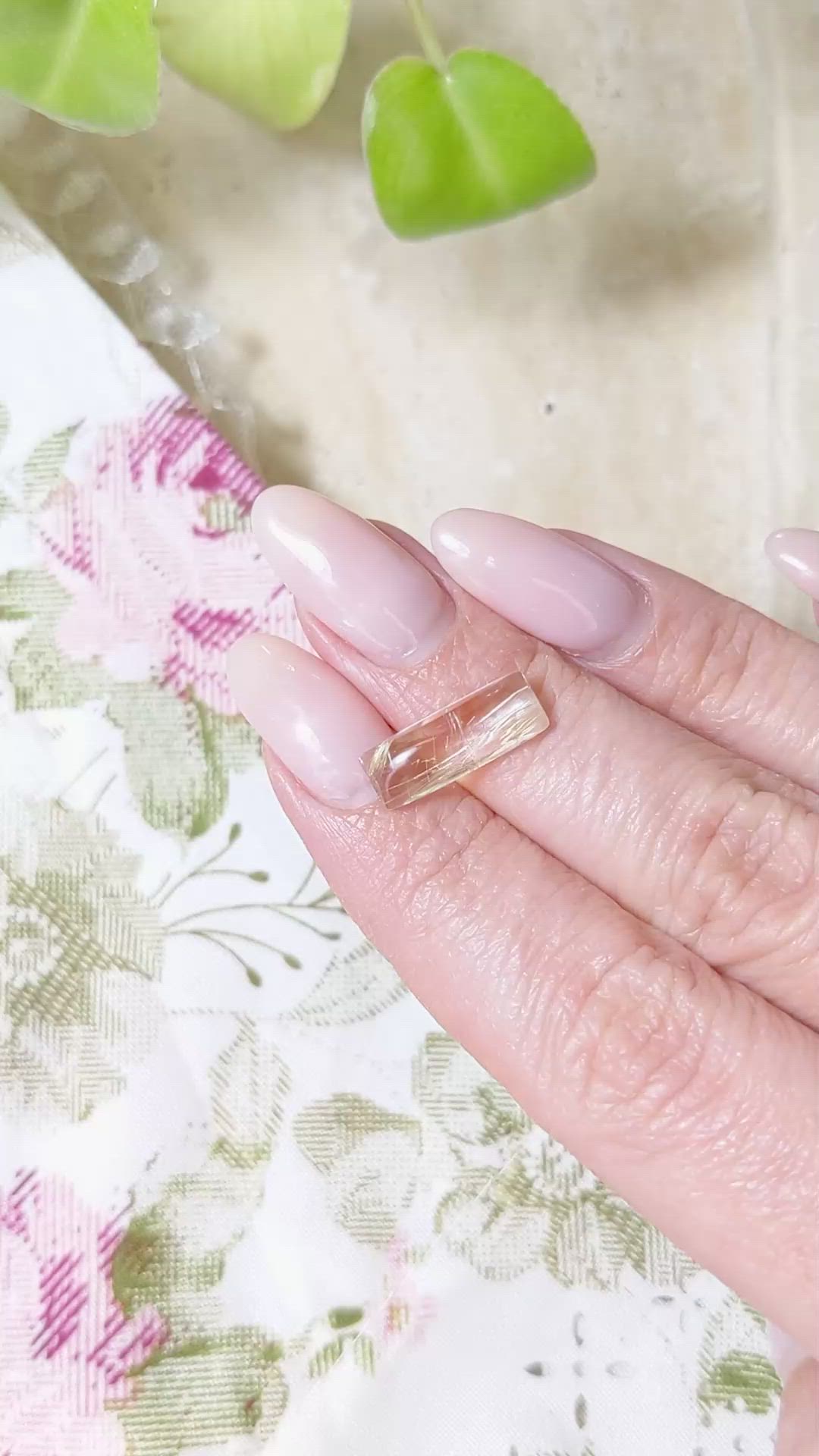
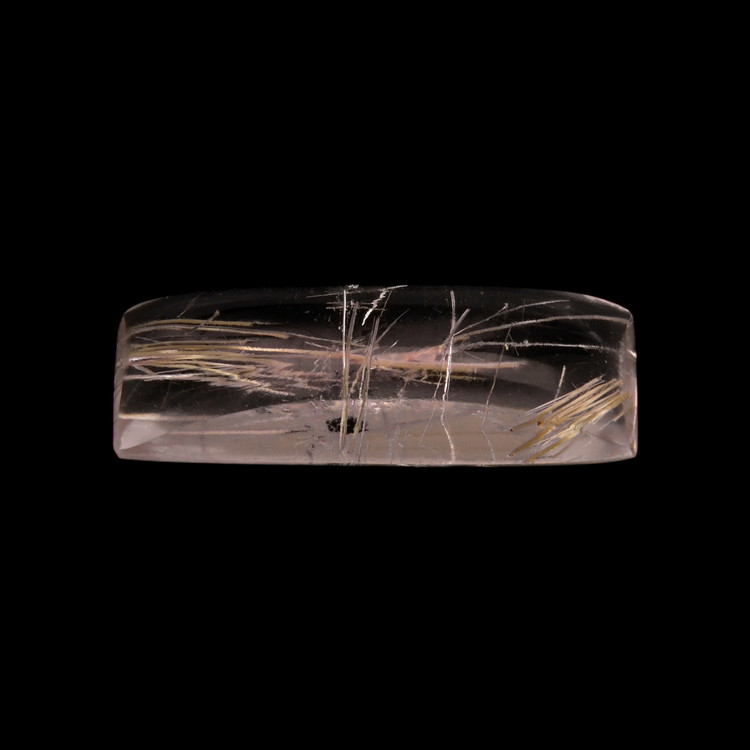
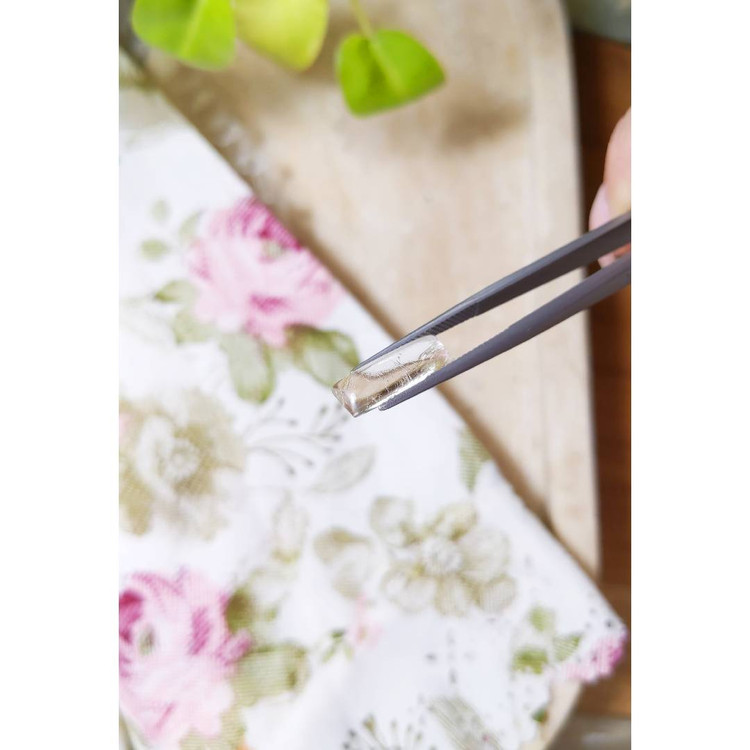
This listing describes a single transparent 3.19 carat cushion shape yellow rutilated quartz, presented by The Natural Gemstone Company. The gem measures 15.88 x 5.92 x 4.12 mm, and is fashioned as a cabochon cut, exhibiting a smooth domed profile rather than faceted planes. Clarity is graded as slightly included when evaluated at eye level, and the body color shows a faint yellow intensity that allows excellent transmission of light through the piece. The polish is excellent, producing a clean, even surface that minimizes surface detractors and maximizes optical access to the internal rutile network. The specimen is natural and untreated, no enhancement, and its origin is Brazil, a source known for producing rutilated quartz with fine, well defined needle inclusions.
From a gemological perspective the most significant attribute of this piece is the arrangement and morphology of the rutile needles. The inclusions are predominantly oriented along elongated planes that follow the crystallographic axis of the host quartz, producing linear and sometimes fanlike patterns that are visible throughout the stone. These needles vary in thickness, with some hairline filaments and others showing slightly more robust, hairlike dimensions, creating a layered texture internally. The distribution of rutile is such that it enhances character without severely compromising transparency, hence the slightly included clarity grade. When light interacts with the cabochon dome the rutile needles generate subtle internal reflections and a soft silken sheen under oblique illumination, while direct overhead light emphasizes the translucency of the quartz and the golden tones of the rutile. For connoisseurs of included gems this balance between transparency and internal structure is desirable, as it permits appreciation of both the host quartz and the rutile microstructures without the stone appearing opaque.
The cabochon cut has been executed to retain maximum material and to orient the rutile for optimal presentation, the dome height and length being chosen to align the major needle clusters parallel to the table curve. This cutting strategy creates a directional visual flow, guiding the eye along the cushion outline and accentuating the rutiles as compositional elements. The cutting and polishing process for a piece of this size and thickness requires careful control of curvature to avoid windowing or over thinning, and the finished thickness of 4.12 mm provides sufficient depth to display three dimensional needle arrays while maintaining a wearable profile. Surface polish at this standard reduces internal reflections caused by surface irregularities, allowing the internal rutile textures to be the primary visual feature. For setting recommendations consider a bezel or low profile prong that secures the cabochon along its girdle area, protecting the domed surface while allowing light to penetrate from the pavilion sides, the slight translucency and faint color responding well to both closed back and open back mounting depending on the desired appearance.
Provenance and treatment history are important to advanced buyers, and this stone is supplied as natural, no enhancement, with origin Brazil as stated. Typical physical parameters for quartz apply, and the piece will perform like other sound quartz material in terms of hardness and wearability, though attention should be paid to the relatively thin proportions along one axis compared to larger faceted cuts. The Natural Gemstone Company stands behind the descriptive grading and imagery provided, and we can supply additional high resolution views or orientation specific images upon request to aid in setting design and appraisal work. For those designing bespoke jewelry the directional rutile pattern offers opportunities for creating pieces where the inclusion architecture is used as a design motif, and the cabochon profile simplifies setting considerations while showcasing the internal needlework. Care recommendations include avoiding sudden thermal shock and ultrasonic cleaning if any doubt exists about attachment substances in historic settings, and routine cleaning with mild detergent and soft cloth will preserve the excellent polish.


