
- Stone13
- Reports3
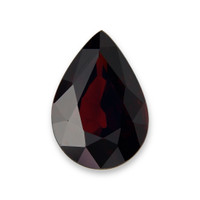
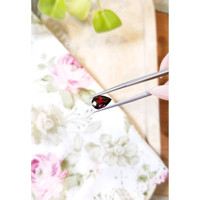



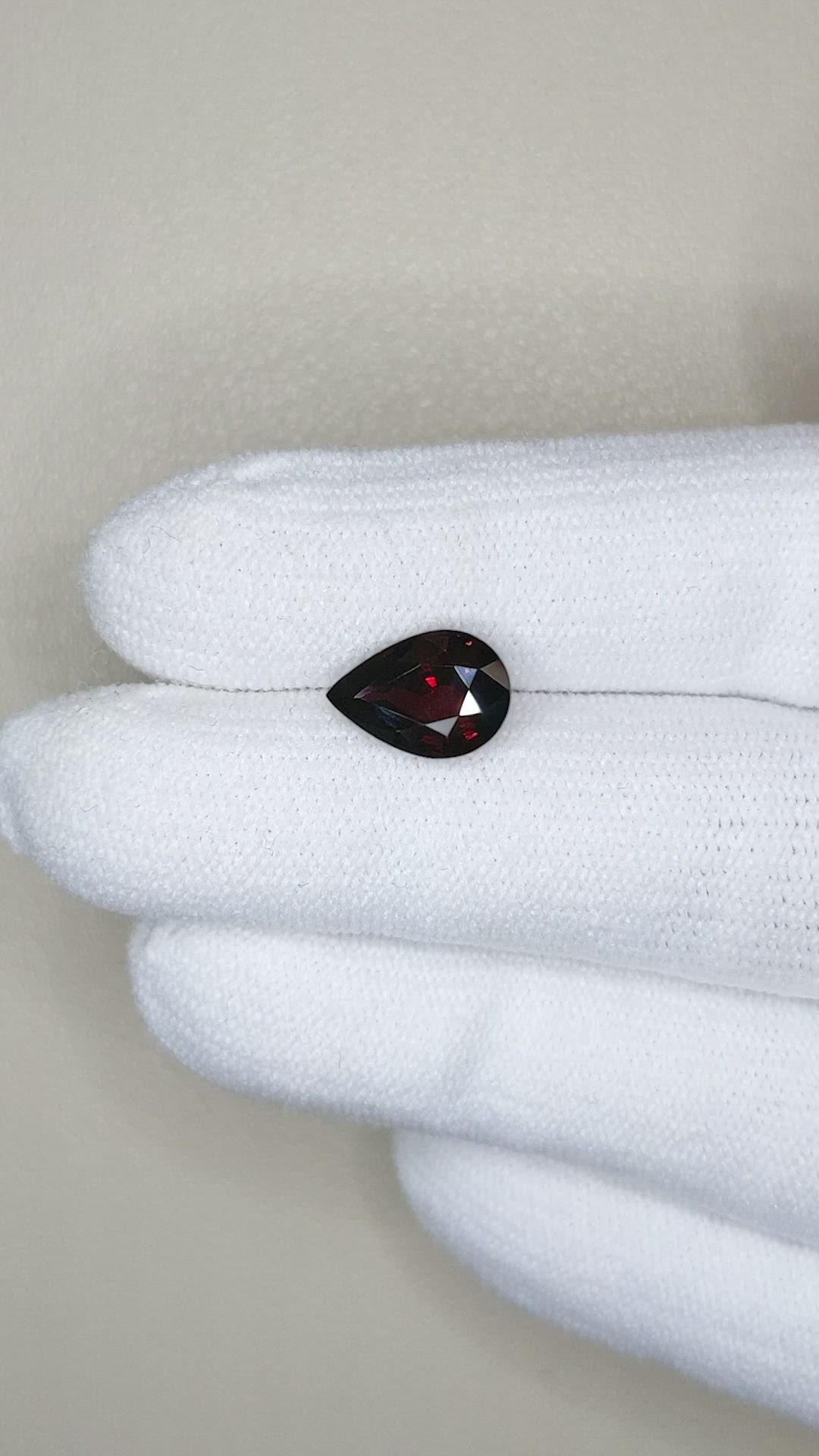


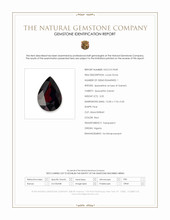
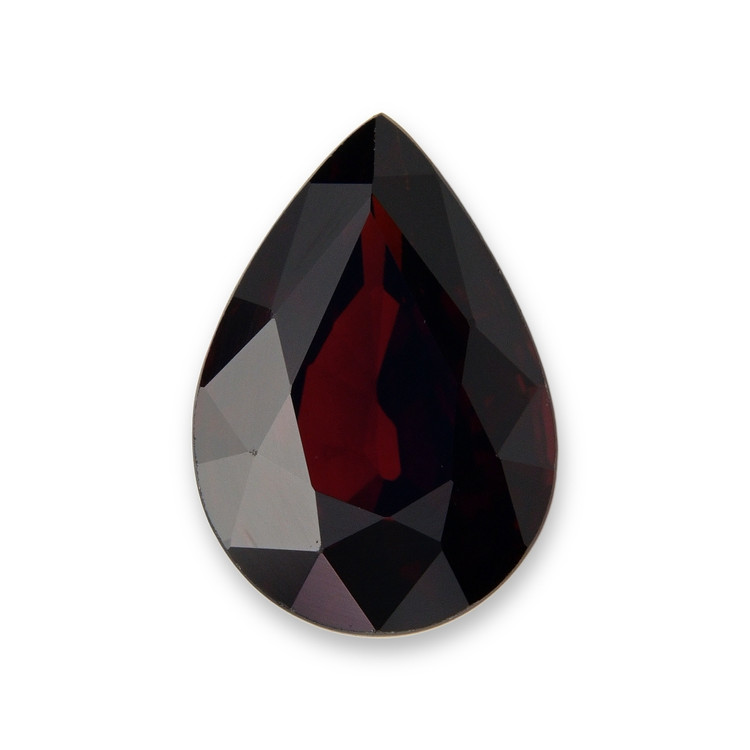
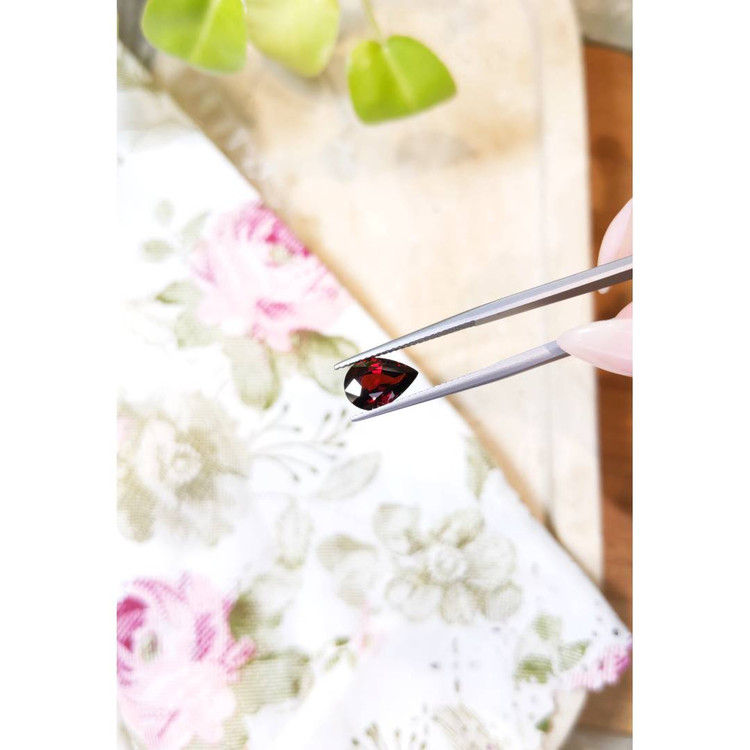
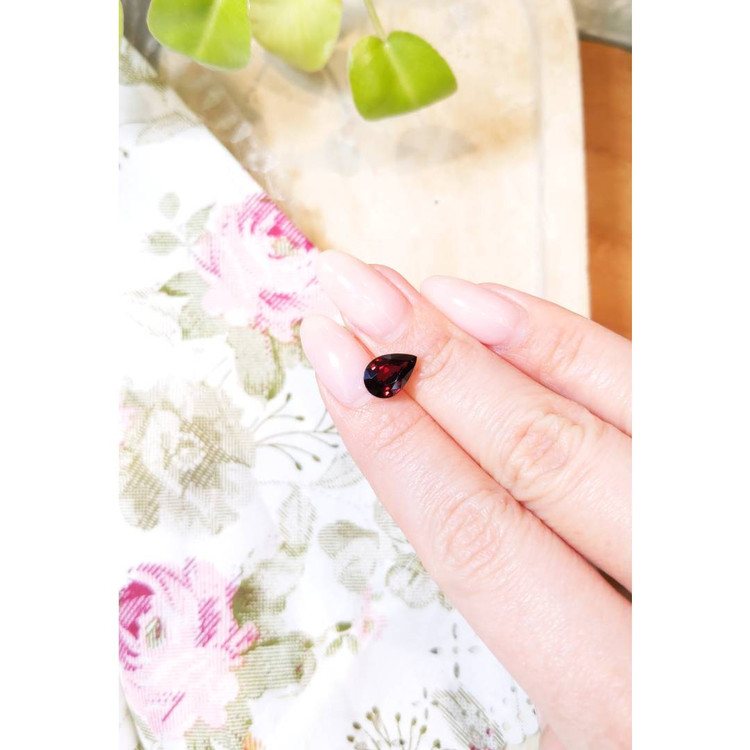
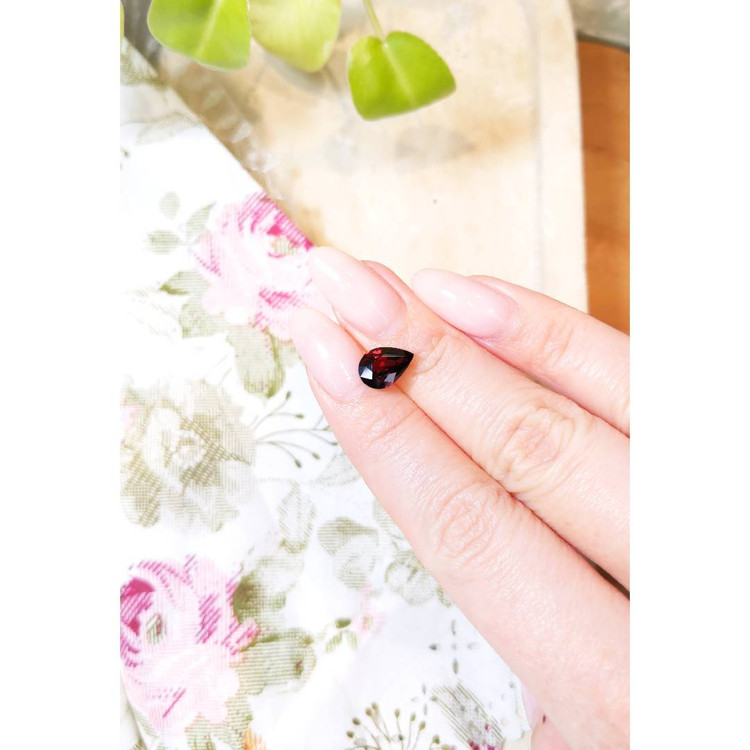

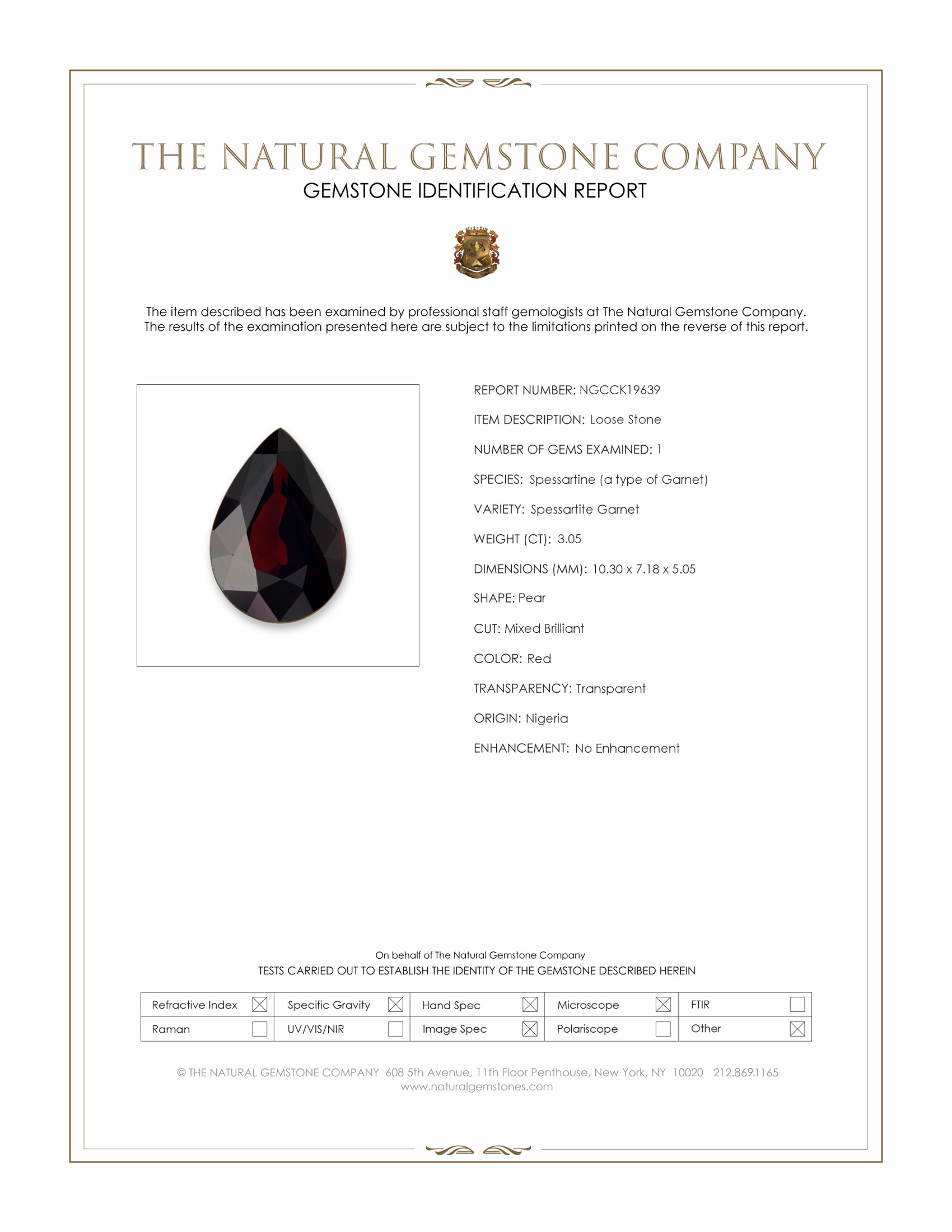
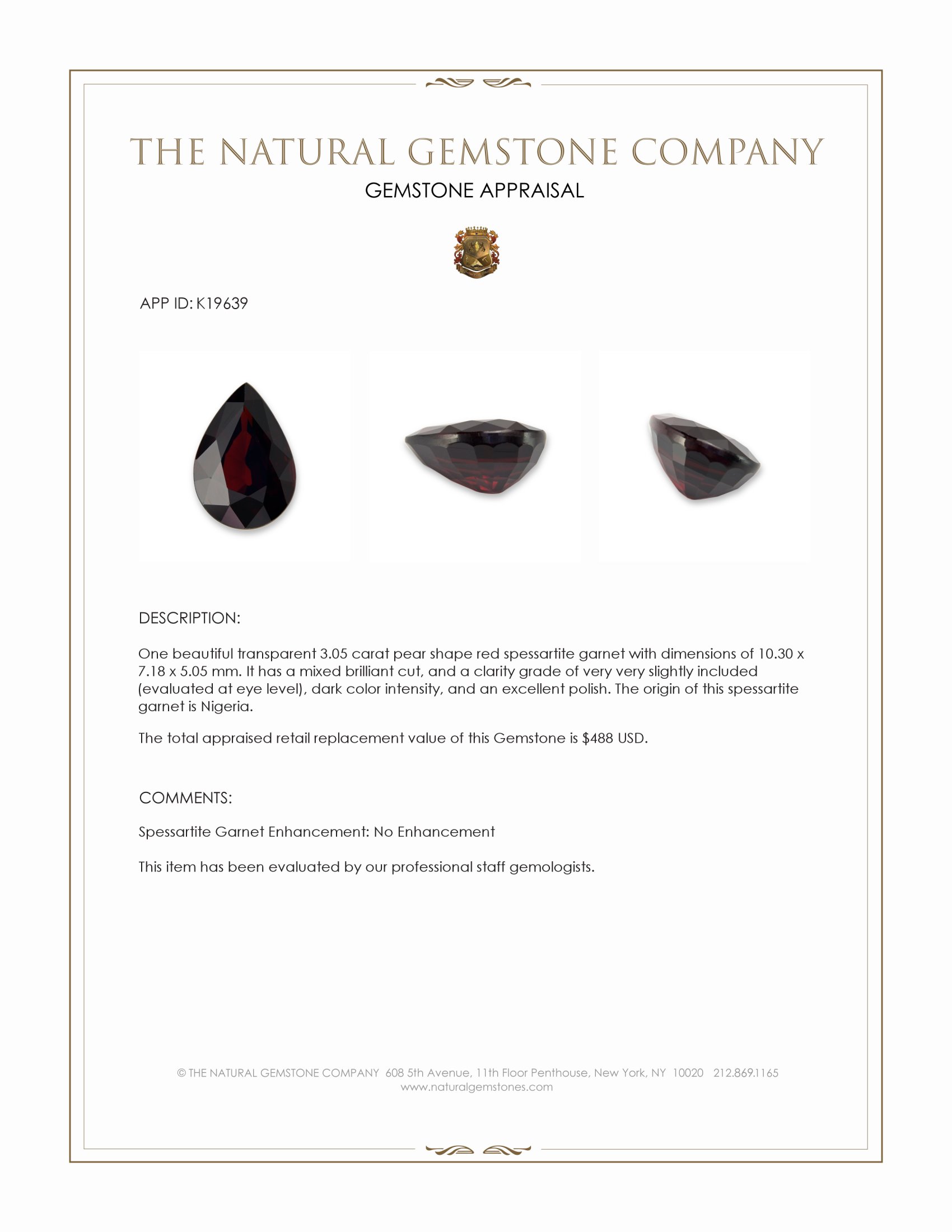
3.05 Ct. Spessartite Garnet from Nigeria
This loose stone is available to ship now
Item ID: | K19639 |
|---|---|
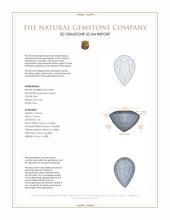
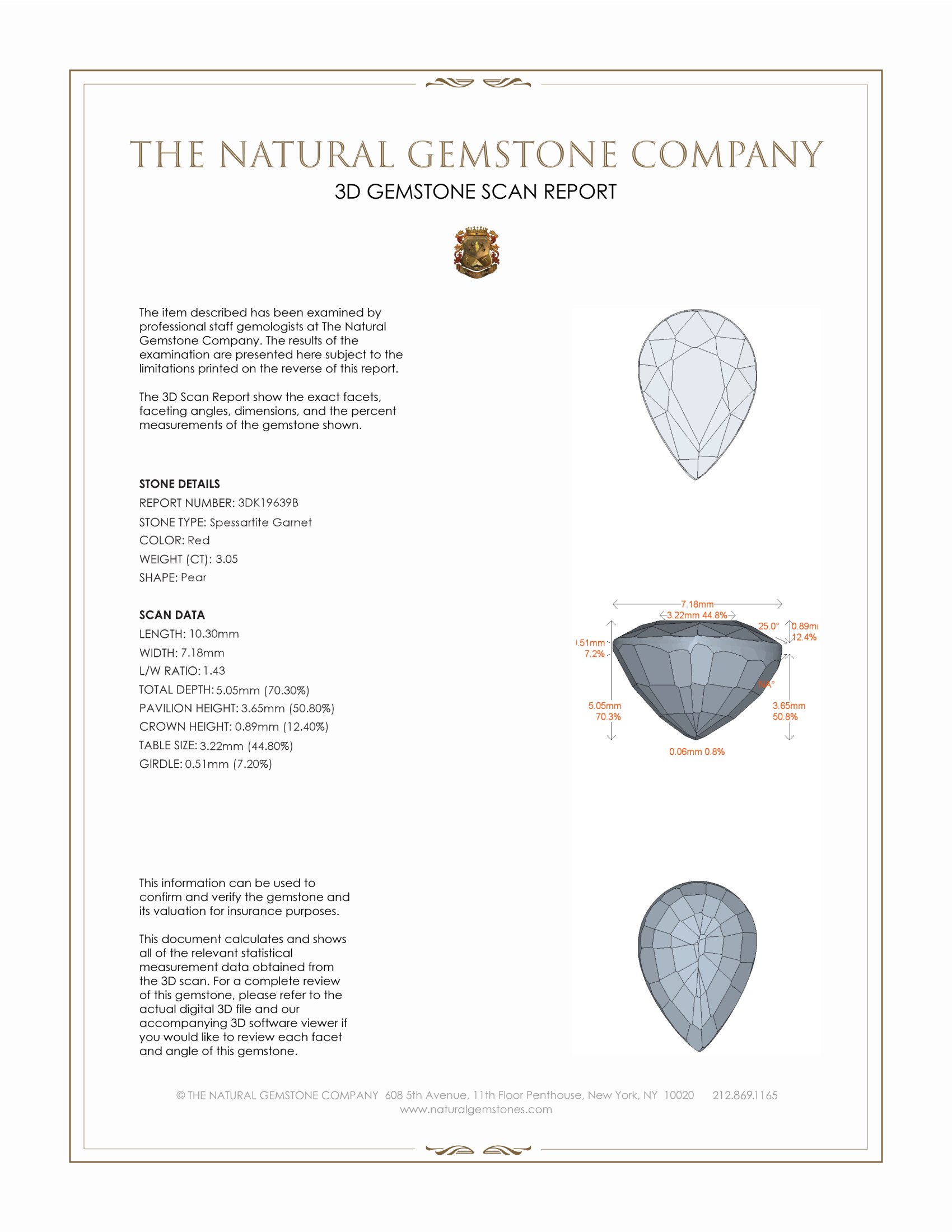
Dimensions (MM): help | Length: 10.3 Width: 7.18 Height: 5.05 |
Weight: | 3.05 Ct. |
Color: help | Red |
Color intensity: help | Dark |
Clarity: help | Very Very Slightly Included |
Shape: help | Pear |
Cut: | Mixed Brilliant |
Cutting style: | Faceted |
Enhancements: help | No Enhancement |
Origin: help | Nigeria |
Per carat price: help | $160 |
This pear shape red spessartite garnet from The Natural Gemstone Company is a transparent gemstone of 3.05 carats, measuring 10.30 by 7.18 by 5.05 millimeters. The stone was cut in a mixed brilliant style, combining a faceted crown with a brilliant pattern and a pavilion that integrates step like facets to control light return and preserve weight. Clarity is evaluated at very very slightly included at eye level, offering exceptional apparent clarity for a spessartite of this size, and the polish has been graded excellent, which ensures crisp facet junctions and minimal surface diffusion of light. The color intensity reads as dark, yielding a deep, saturated red appearance that is entirely natural, with no enhancements, and with documented origin from Nigeria.
The mixed brilliant cut has been executed to take full advantage of the spessartite mineral optics, which are characterized by a relatively high refractive index. The cutter selected a modest table facet and a crown that is proportioned to emphasize internal reflection while maintaining strong color saturation. The crown pavilion interface has been aligned so that incident light is captured by the crown facets and directed into the pavilion where multiple internal reflections occur before being returned as face up brilliance. The pavilion facets display a combination of kite and chevron shapes on the pavilion main facets and elongated steps around the lower girdle, which together create a scintillation pattern that balances broad flashes with smaller pinpoint flashes, enhancing perceived motion without introducing excessive windowing.
Because spessartite is optically isotropic, the stone does not exhibit pleochroic color separation, so the visual behavior is governed largely by facet geometry and refractive properties. The cutter’s approach in this pear shape was to optimize facet angles and orientation for strong total internal reflection, while also considering the depth proportion. With a depth that is approximately forty nine percent of the length, the cutter preserved weight and produced a lively face up presence despite a shallower profile. The mixed brilliant design compensates for the shallow depth by tightening lower girdle facets and increasing crown facet angles relative to a standard round brilliant template, which concentrates light return into rich, deep flashes rather than allowing undue leakage through the pavilion. The excellent polish enhances these effects by preserving crisp light paths through minimal surface interference, resulting in clean, controllable scintillation and well defined facet contrast.
From a setting and wear perspective, the combination of dark color intensity and precise facet architecture gives this pear shape spessartite a strong presence in both solitaire and halo compositions. A setting that permits unobstructed entry of light into the crown is recommended to maximize face up brilliance, with a three or four prong arrangement around the point and shoulders providing secure positioning while exposing the crown to light. The natural, untreated origin from Nigeria makes this specimen particularly desirable for collectors who value provenance and unenhanced material, and the very very slightly included clarity ensures it will perform well under loupe and unaided eye inspection. The Natural Gemstone Company stands behind the description and invites technical buyers to request additional imaging or gemological reports to confirm optical measurements and to evaluate the stone in hand, as the interaction between color depth and mixed cut faceting is best appreciated under controlled viewing.


