
- Stone14
- Reports3
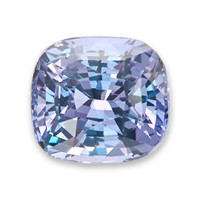


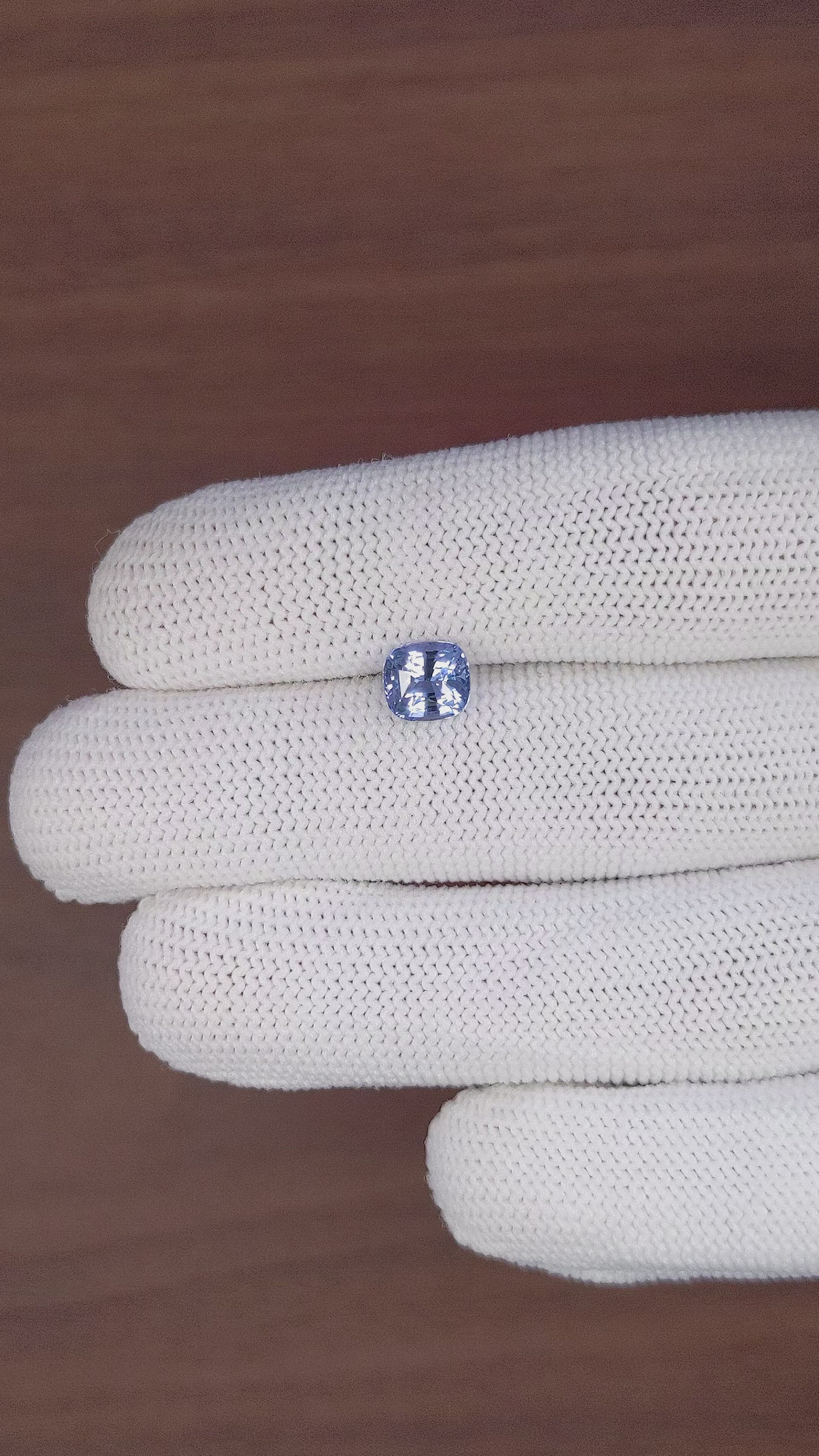
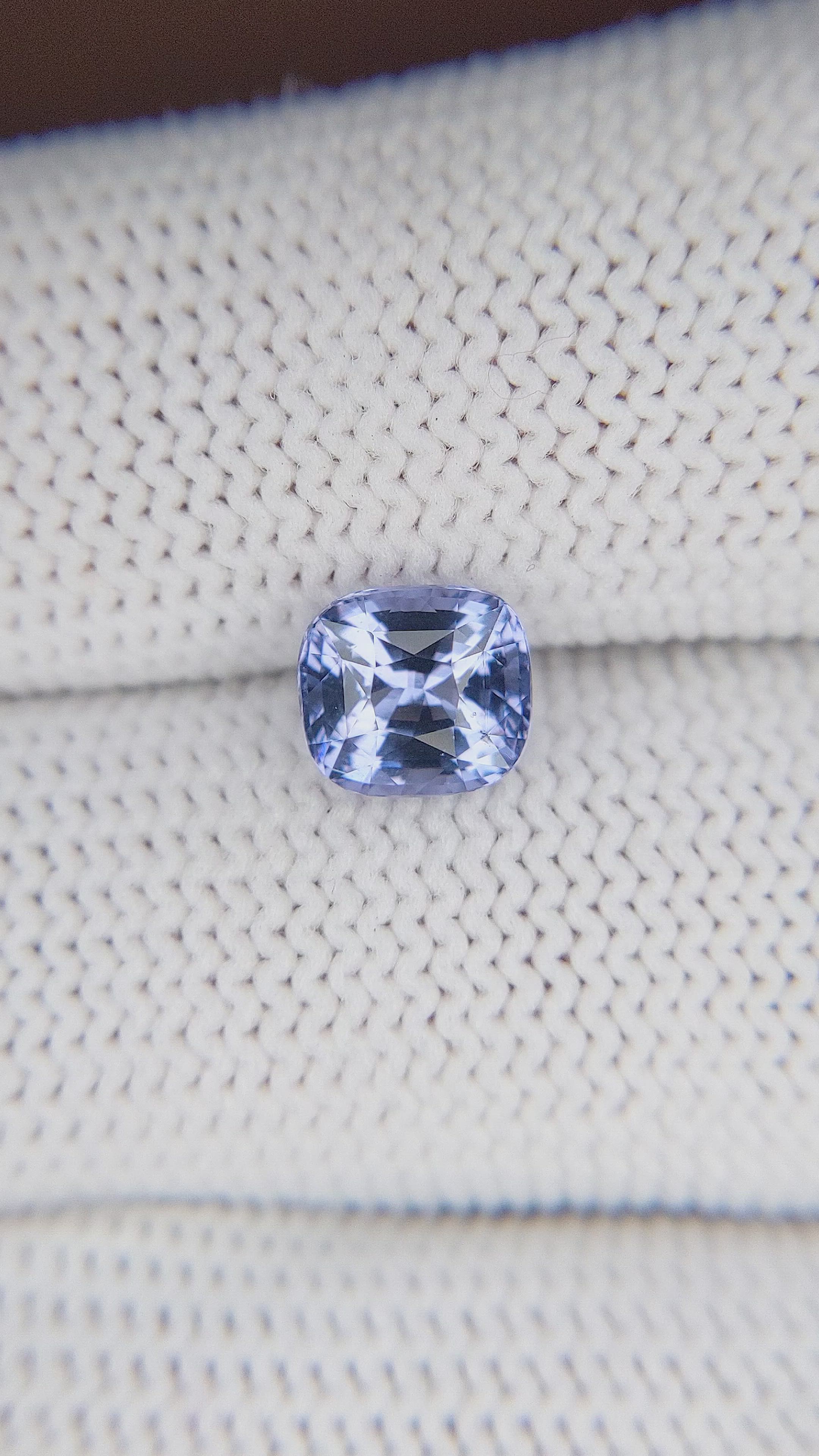
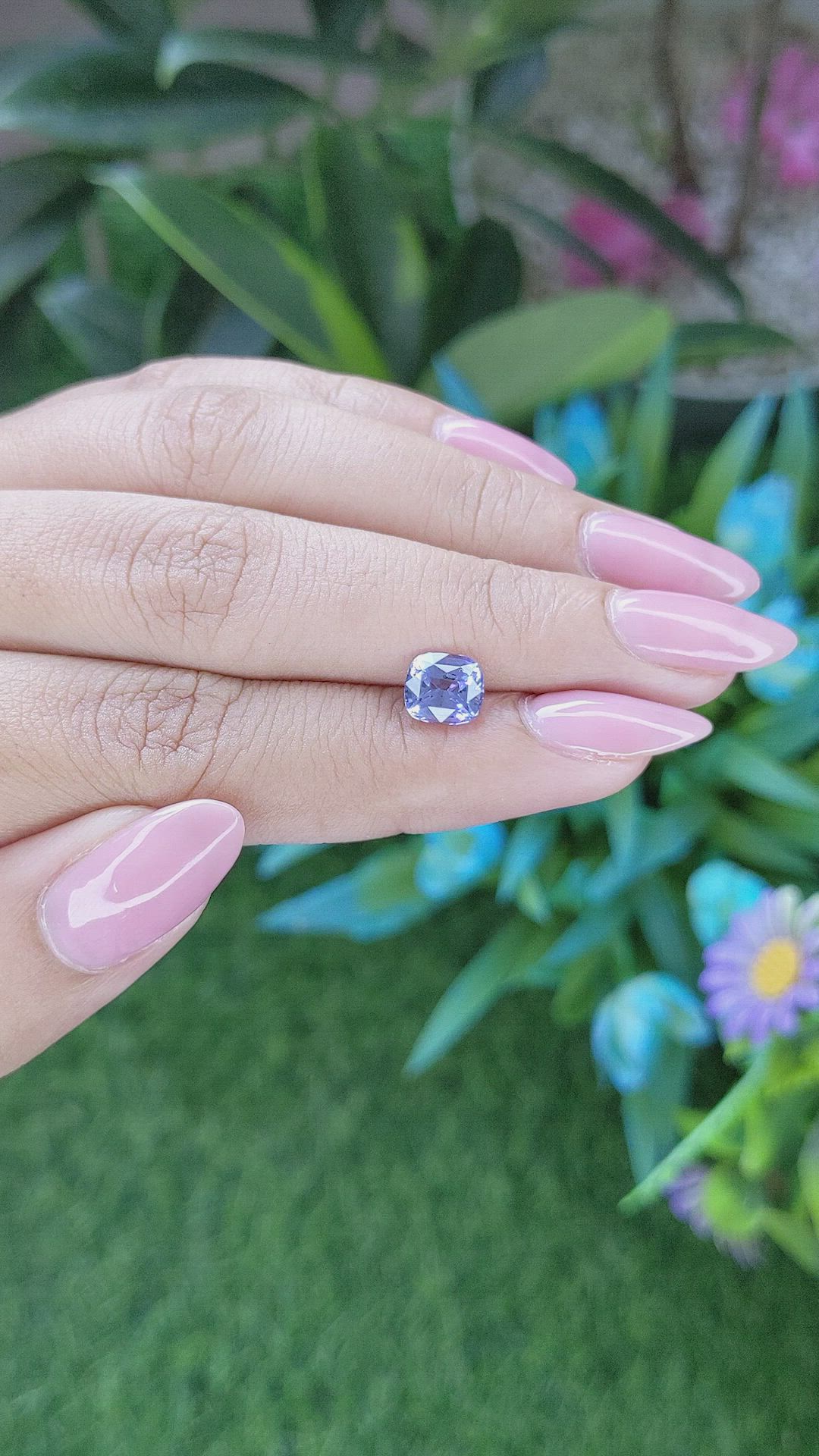
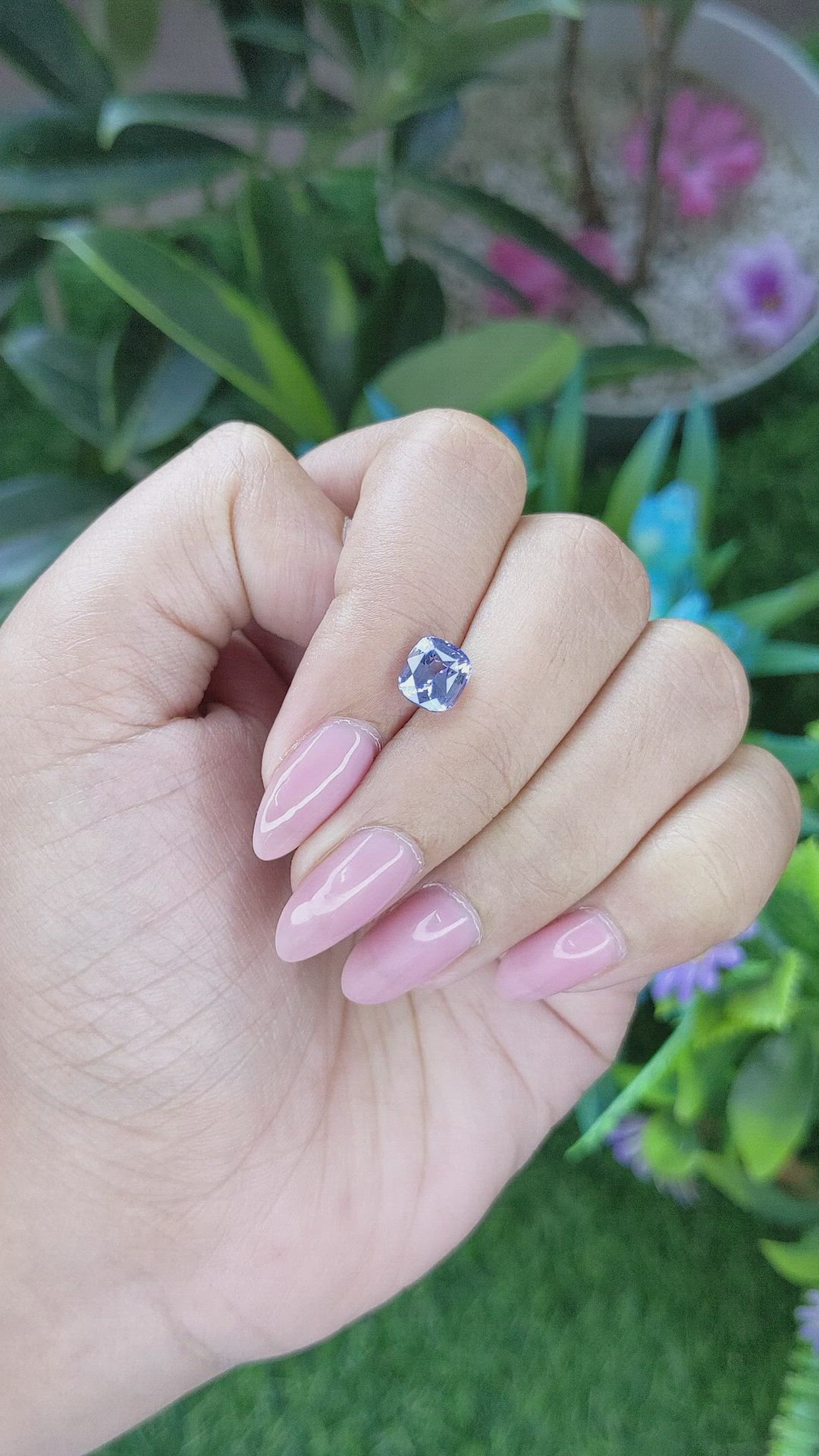
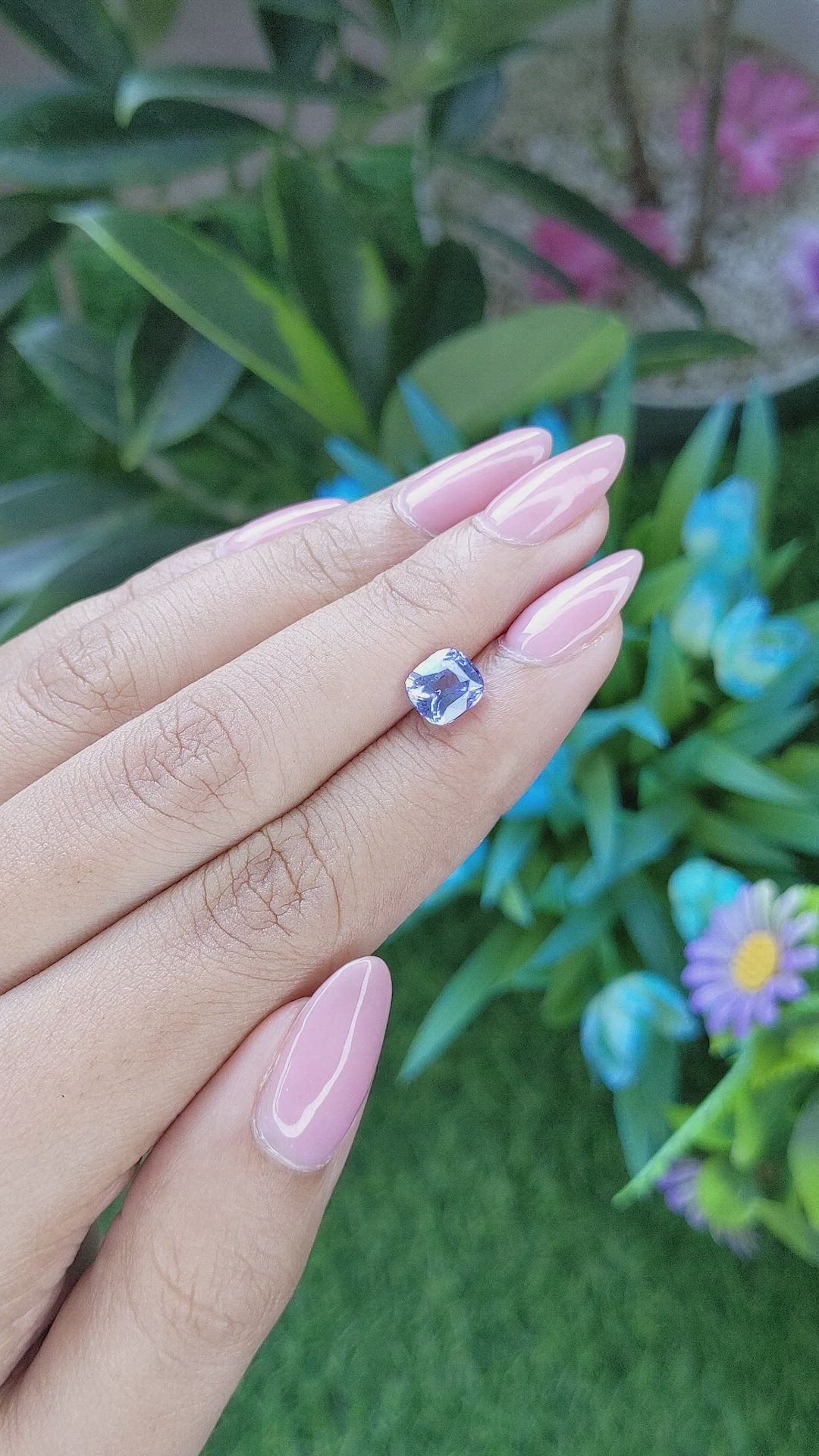

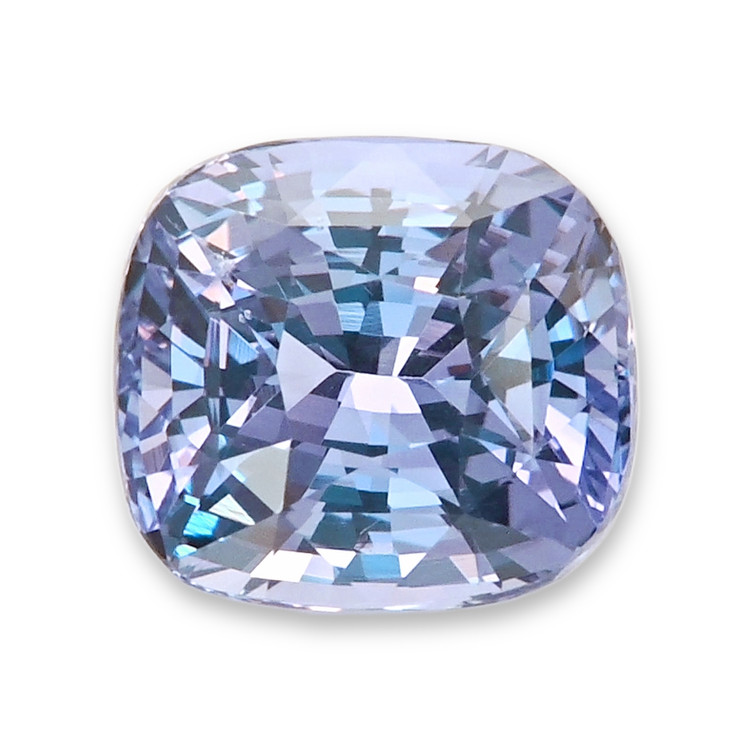


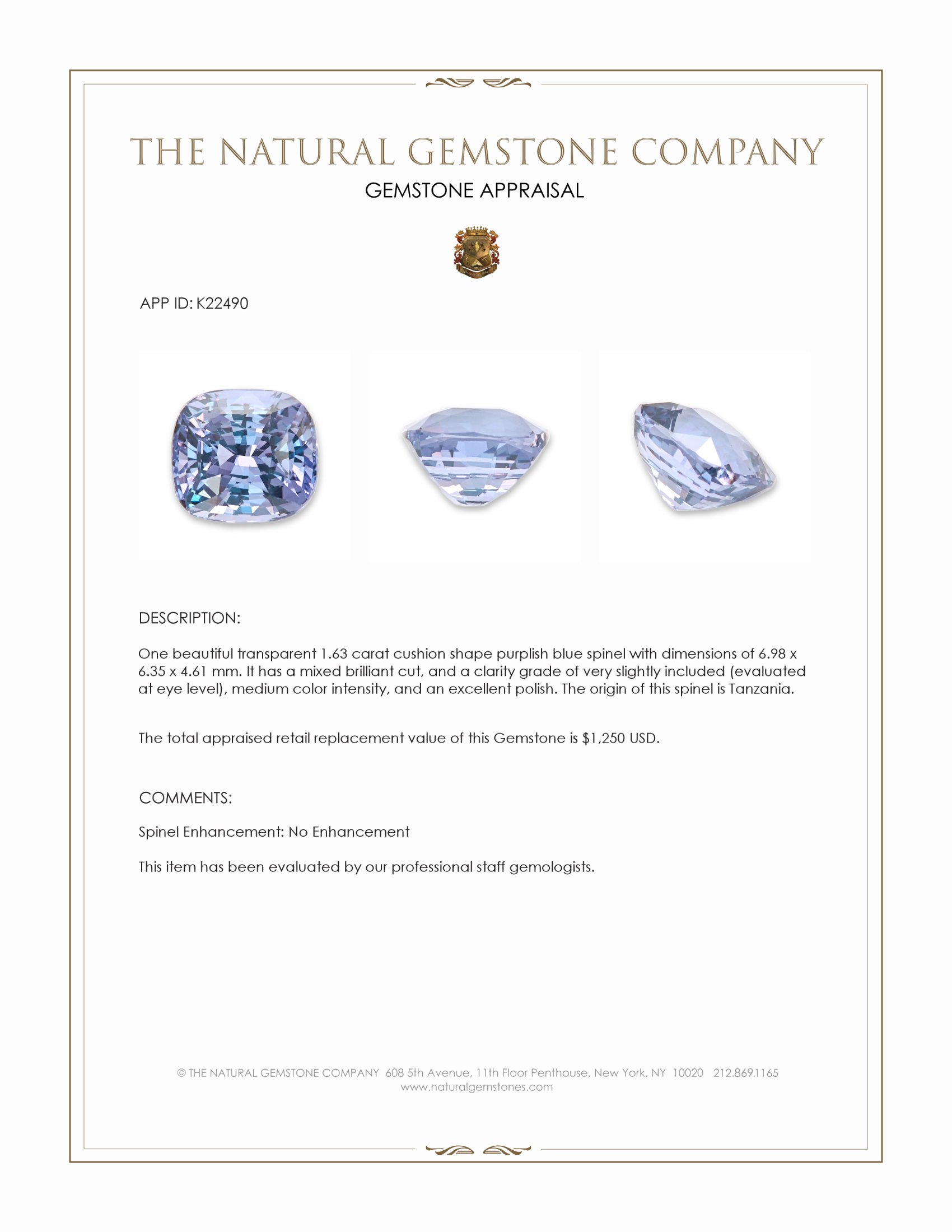
1.63 Ct. Purplish Blue Spinel from Tanzania
This loose stone ships by Dec 1
Item ID: | K22490 |
|---|---|
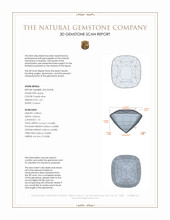
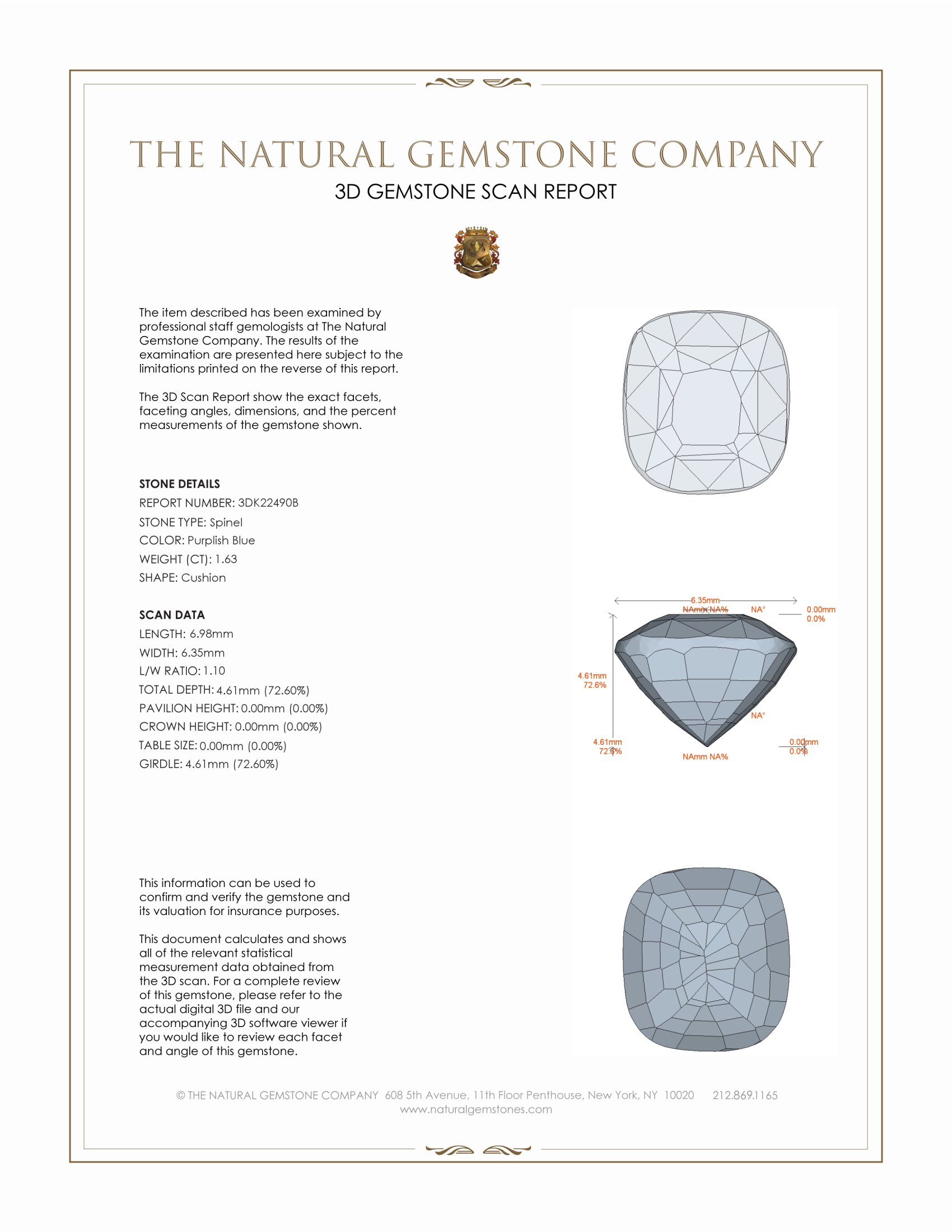
Dimensions (MM): help | Length: 6.98 Width: 6.35 Height: 4.61 |
Weight: | 1.63 Ct. |
Color: help | Purplish Blue |
Color intensity: help | Medium |
Clarity: help | Very Slightly Included |
Shape: help | Cushion |
Cut: | Mixed Brilliant Cut |
Cutting style: | Faceted |
Enhancements: help | No Enhancement |
Origin: help | Tanzania |
Per carat price: help | $767 |
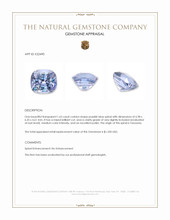
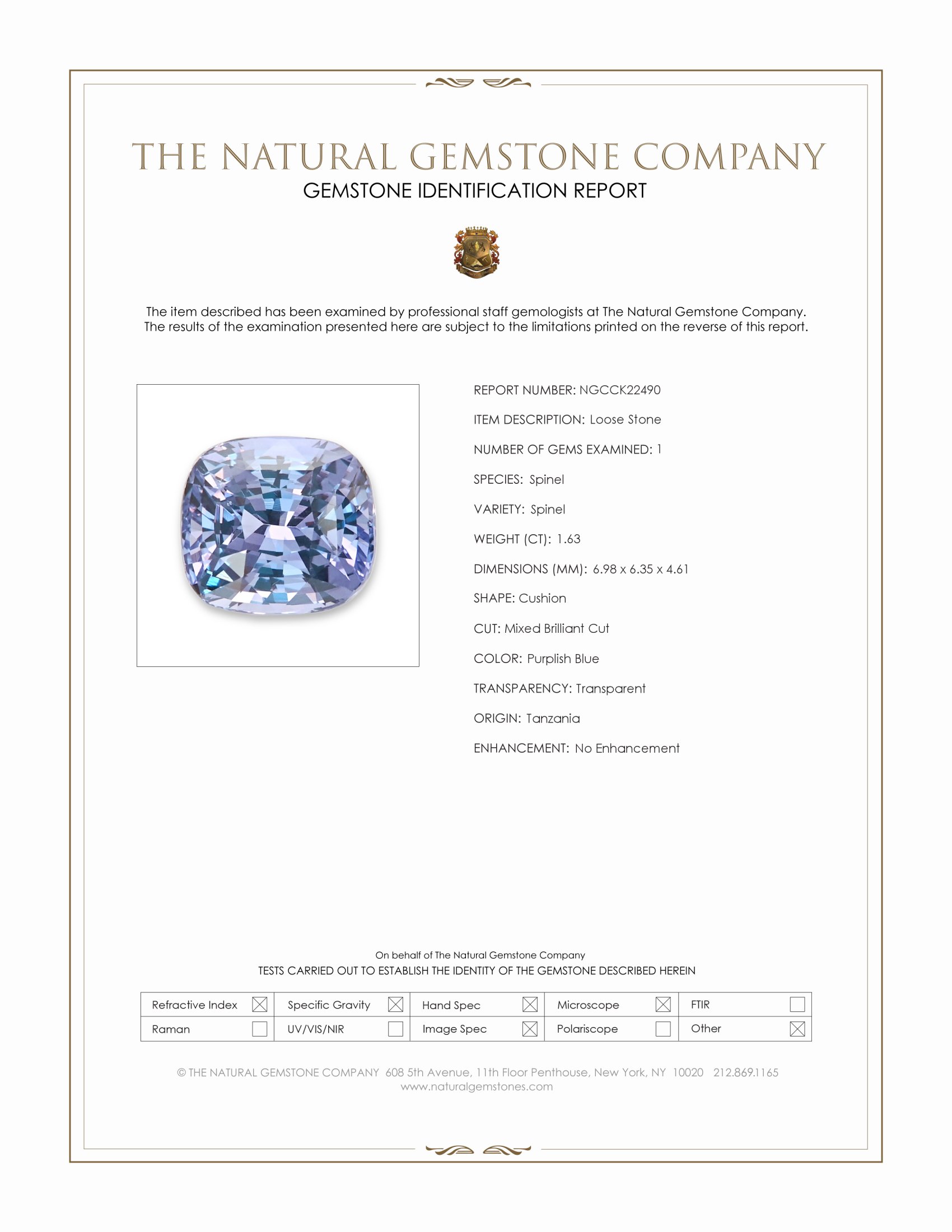
This 1.63 carat cushion shape purplish blue spinel presents a combination of precise dimensions, thoughtful cutting, and natural origin that together define its gemological character. The gemstone measures six point nine eight by six point three five by four point six one millimeters, it is transparent, and it is faceted in a mixed brilliant cut, a cutting style chosen to balance color saturation and scintillation. The clarity grade is very slightly included evaluated at eye level, indicating inclusions that are minor and do not materially detract from the stone s appearance under normal viewing. Color is described as medium intensity, a saturation that retains strong visual presence without appearing overly dark, and the polish is excellent, which enhances surface brightness and the delivery of light from the pavilion to the observer. The stone is natural with no enhancement, and its documented origin is Tanzania. These factual attributes, when considered together, identify this spinel as a high quality, untreated specimen well suited to both fine jewelry settings and collection assemblies where provenance, cutting quality, and natural state are prioritized.
From an investment perspective, untreated spinel of this color and presentation merits attention for several reasons. Spinel as a species has gained greater recognition among collectors and the trade over recent decades, moving from relative obscurity to a category appreciated for its durable physical properties and for colors that can rival more traditional market leaders. Purplish blue spinel is less commonly encountered in commercial quantities than some other hues, and when it is available in attractive sizes with eye level clarity and balanced medium saturation, it commands a premium relative to lower quality material. The 1.63 carat weight is noteworthy, because spinel value tends to escalate with size, particularly once the stone exceeds one carat with favorable color and clarity. The absence of enhancement further increases desirability among informed buyers, because untreated stones are consistently valued above treated counterparts in secondary markets and by institutional buyers that emphasize natural state and transparency of origin.
Future appreciation is not guaranteed, but several factors support the potential for value retention and selective appreciation over a medium to long term horizon. Supply constraints from established sources such as Tanzania, combined with the finite nature of gem deposits, create a baseline of scarcity for well formed crystals suitable for faceting, especially in specific color ranges. Concurrently, market demand for distinctive, natural colored gemstones has strengthened, as private collectors, designers, and investors increasingly diversify beyond traditional white diamonds and historically dominant corundums. Recognition of spinel in auction rooms and specialist markets has climbed incrementally, and provenance tied to reputable localities, paired with verifiable untreated status, tends to accelerate buyer confidence and willingness to pay premiums. External variables that will influence realized returns include broader economic conditions, currency fluctuations, shifts in consumer taste, discoveries of new deposits or changes in production, and the degree of disclosure and documentation that accompanies each sale. For those considering this spinel as part of an investment allocation, the combination of attractive weight, cushion shape, mixed brilliant cutting quality, eye level assessment of very slight inclusions, medium color intensity, excellent polish, natural state, and Tanzanian origin forms a coherent case for inclusion in a curated gemstone portfolio.
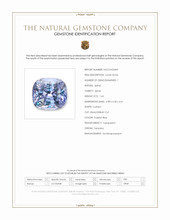
Practical considerations enhance the investment thesis and reduce transactional risk. An independent gemological report, detailed provenance documentation, and consistent, transparent retail channeling are important for establishing market confidence and facilitating resale. The Natural Gemstone Company can provide comprehensive information about this specific stone, guidance on obtaining laboratory certification if not already provided, and recommendations for appropriate settings and conservation, because cut and polish both affect a stone s perceived value and its performance over time. Storage in secure, insured environments, maintenance of documentation, and a patient, long term outlook are advisable for investors, because liquid secondary markets for colored gemstones are narrower and more specialized than for widely standardized assets. When quality is prioritized and supported by verifiable documentation, untreated, well cut spinel from a recognized origin such as Tanzania can perform as a collectible element of a diversified tangible asset strategy, with the potential to appreciate as market recognition and demand evolve.


