
- Stone13
- Reports3
-fancy-grey-spinel-1.7400-cts-k28508-1.jpg?d=200x200&v=20260721060522)
-fancy-grey-spinel-1.7400-cts-k28508-lifestyleimage-1.jpg?d=200x200&v=20260805050341)
-fancy-grey-spinel-1.7400-cts-k28508-lifestyleimage-2.jpg?d=200x200&v=20260805050341)
-fancy-grey-spinel-1.7400-cts-k28508-lifestyleimage-3.jpg?d=200x200&v=20260805050341)

-fancy-grey-spinel-1.7400-cts-k28508-1.jpg?d=750x750&s=ngc&v=20260721060522)
-fancy-grey-spinel-1.7400-cts-k28508-lifestyleimage-1.jpg?d=750x750&s=ngc&v=20260805050341)
-fancy-grey-spinel-1.7400-cts-k28508-lifestyleimage-2.jpg?d=750x750&s=ngc&v=20260805050341)
-fancy-grey-spinel-1.7400-cts-k28508-lifestyleimage-3.jpg?d=750x750&s=ngc&v=20260805050341)

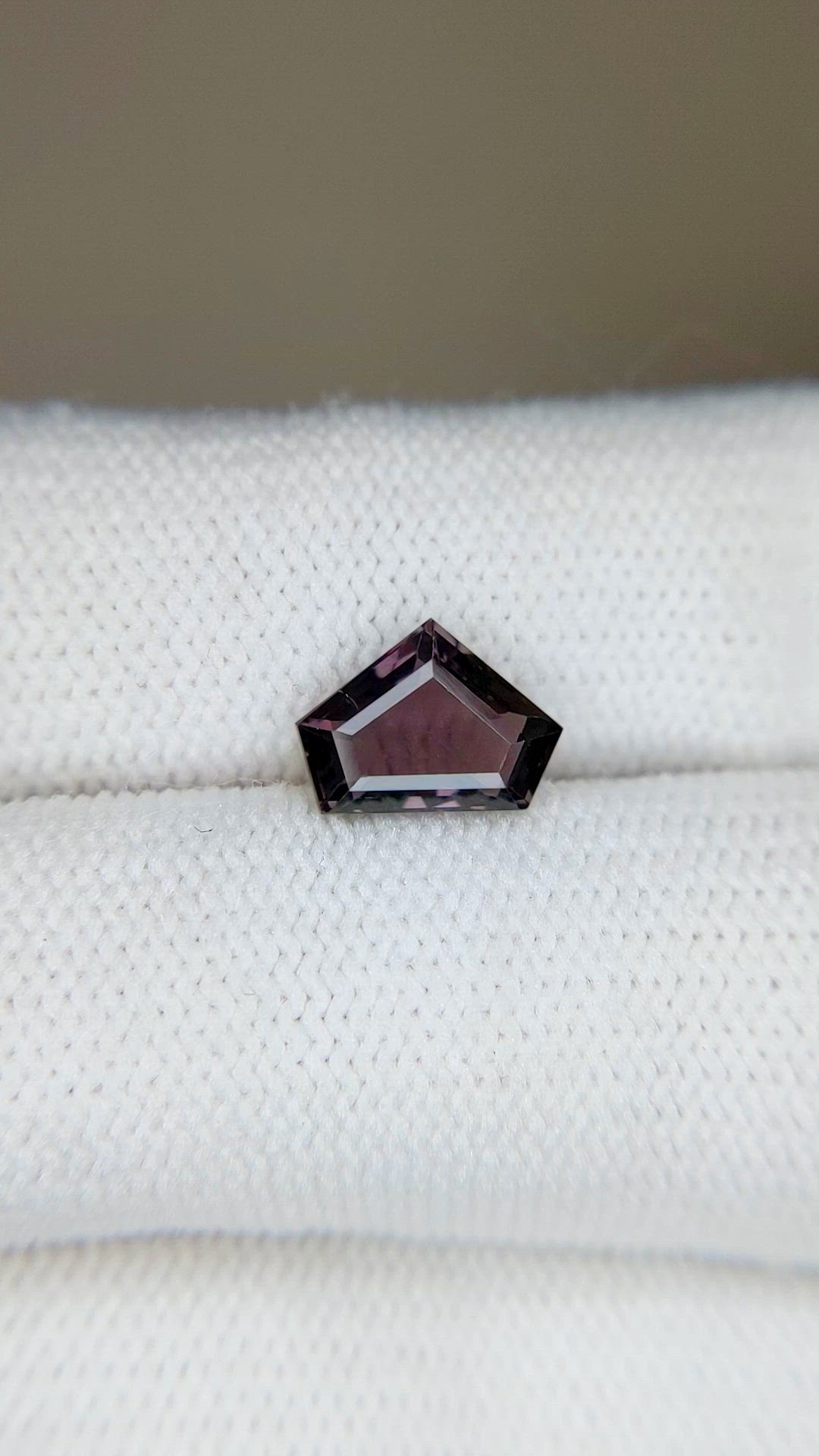
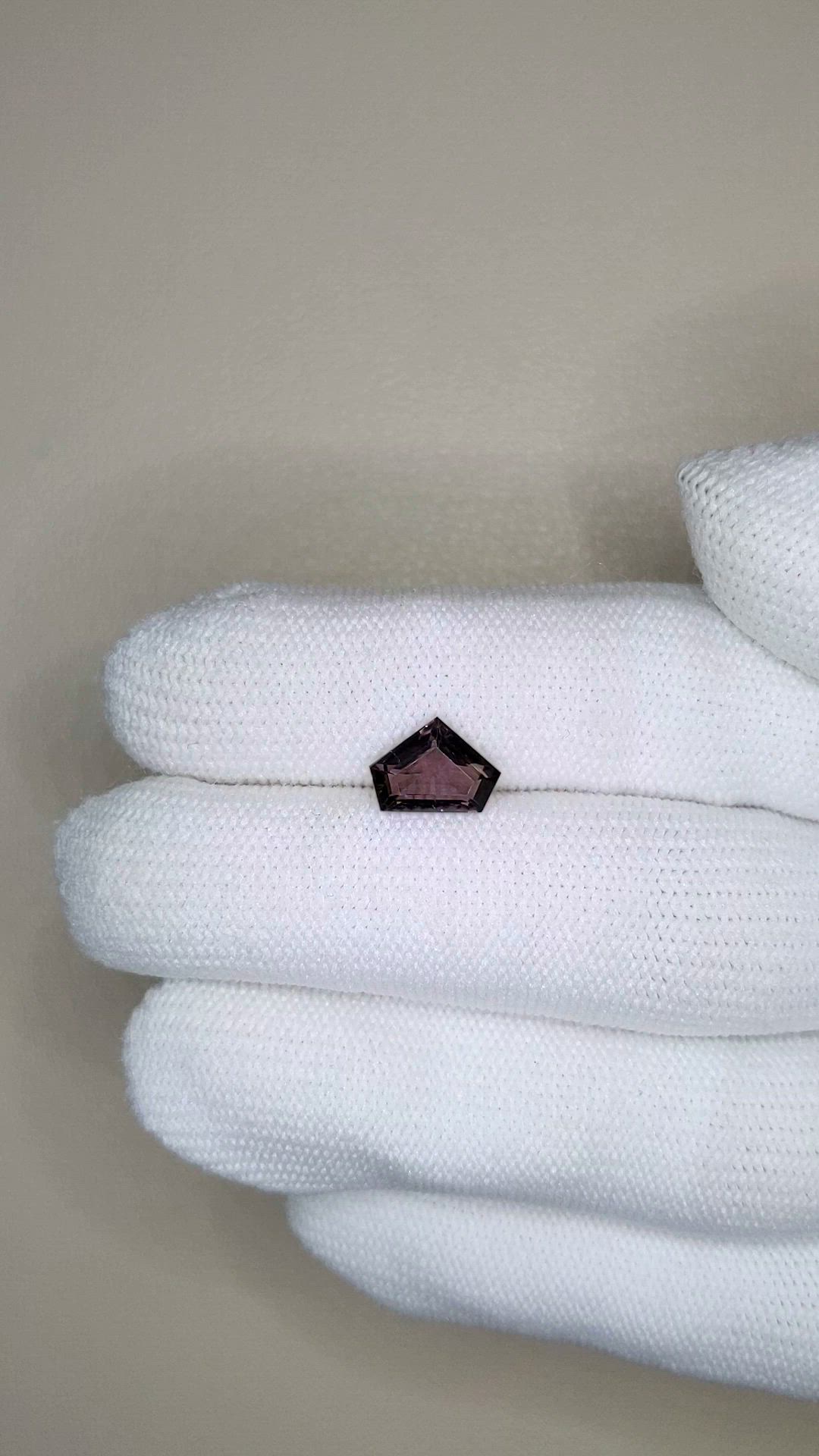
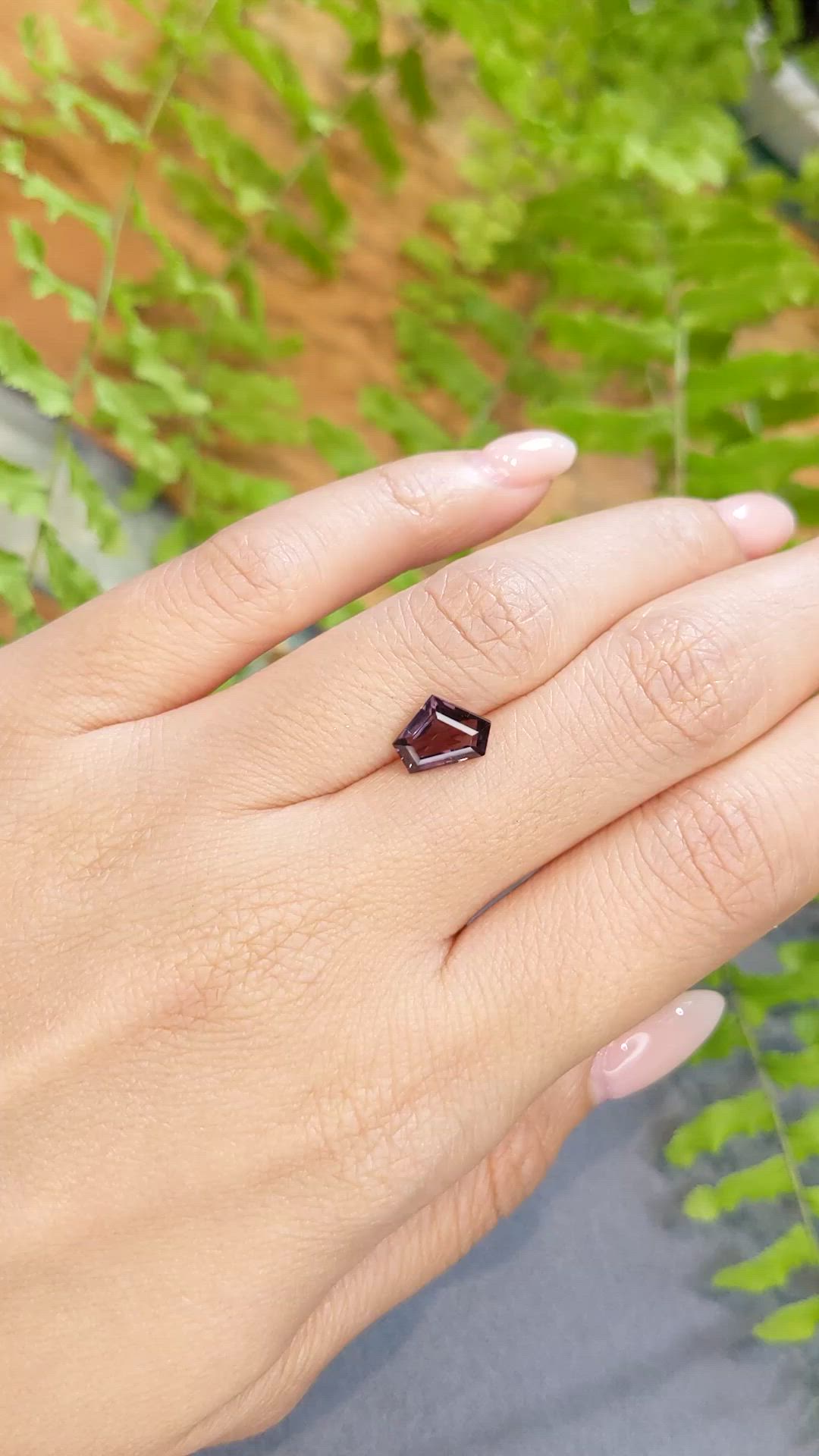
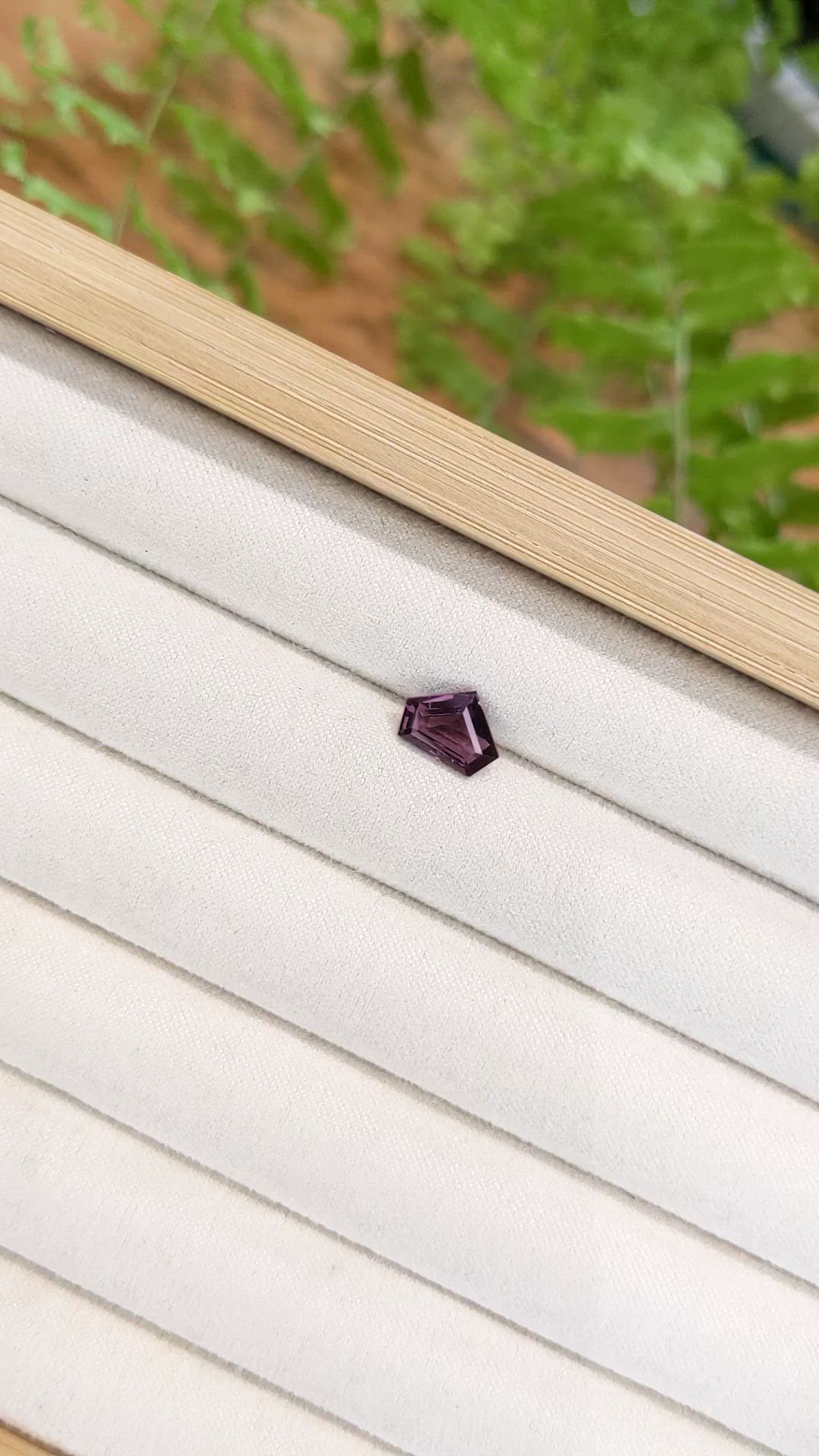
1.74 Ct. Purple Spinel from Burma (Myanmar)
This loose stone ships by Nov 10
Item ID: | K28508 |
|---|---|
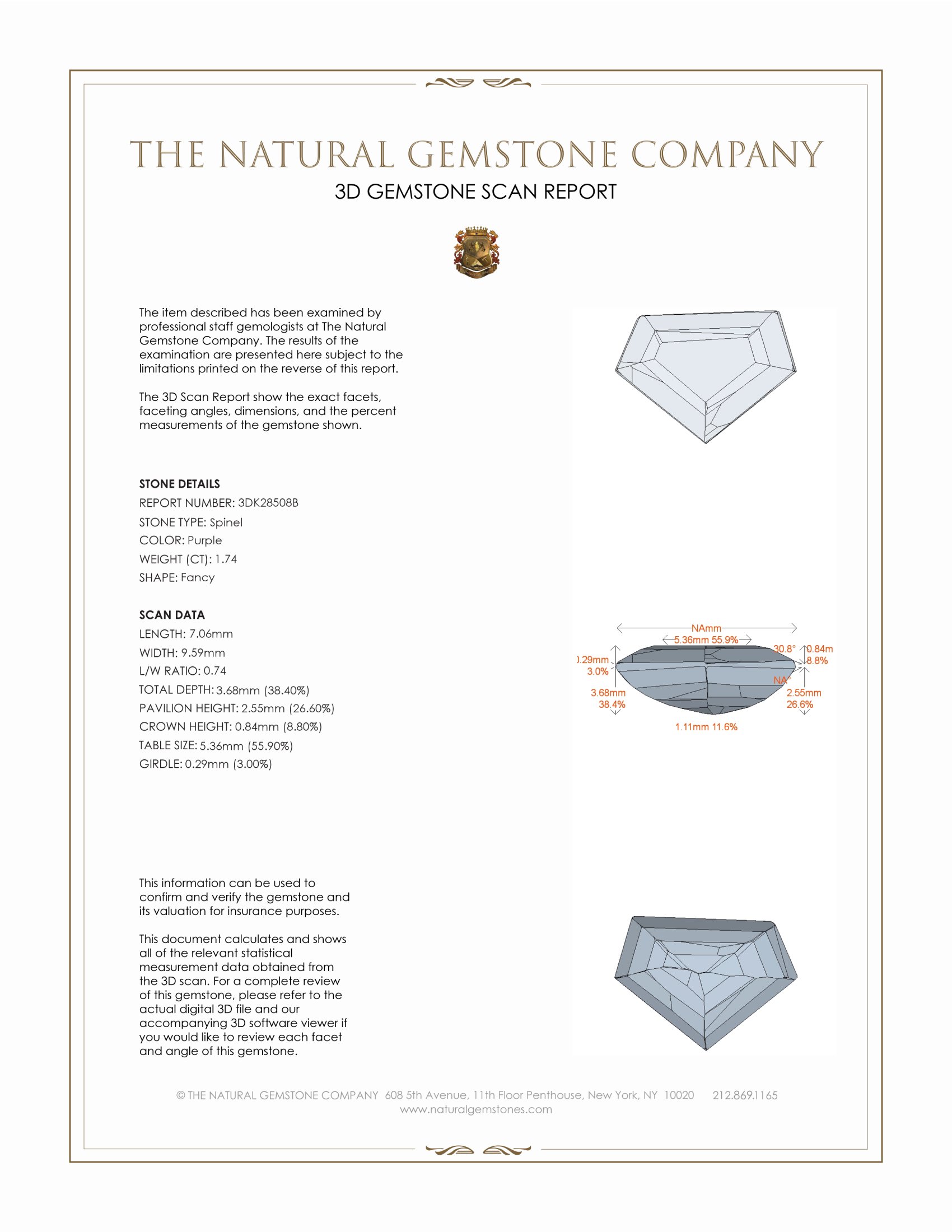
Dimensions (MM): help | Length: 7.06 Width: 9.59 Height: 3.68 |
Weight: | 1.74 Ct. |
Color: help | Purple |
Color intensity: help | Intense |
Clarity: help | Very Slightly Included |
Shape: help | Fancy |
Cut: | Step Cut |
Cutting style: | Faceted |
Enhancements: help | No Enhancement |
Origin: help | Burma (Myanmar) |
Per carat price: help | $160 |
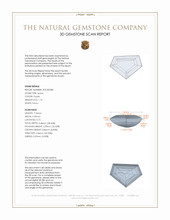
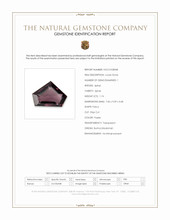
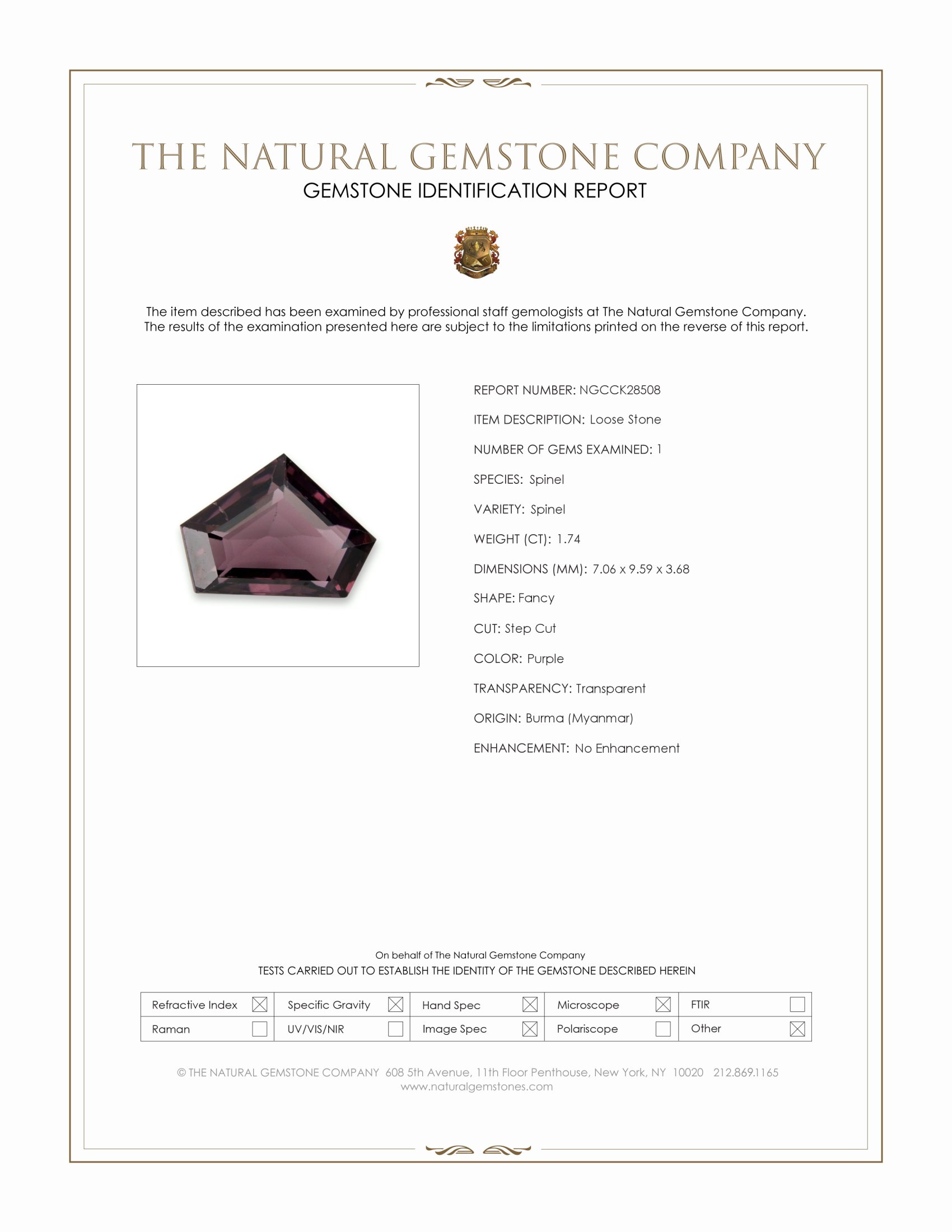
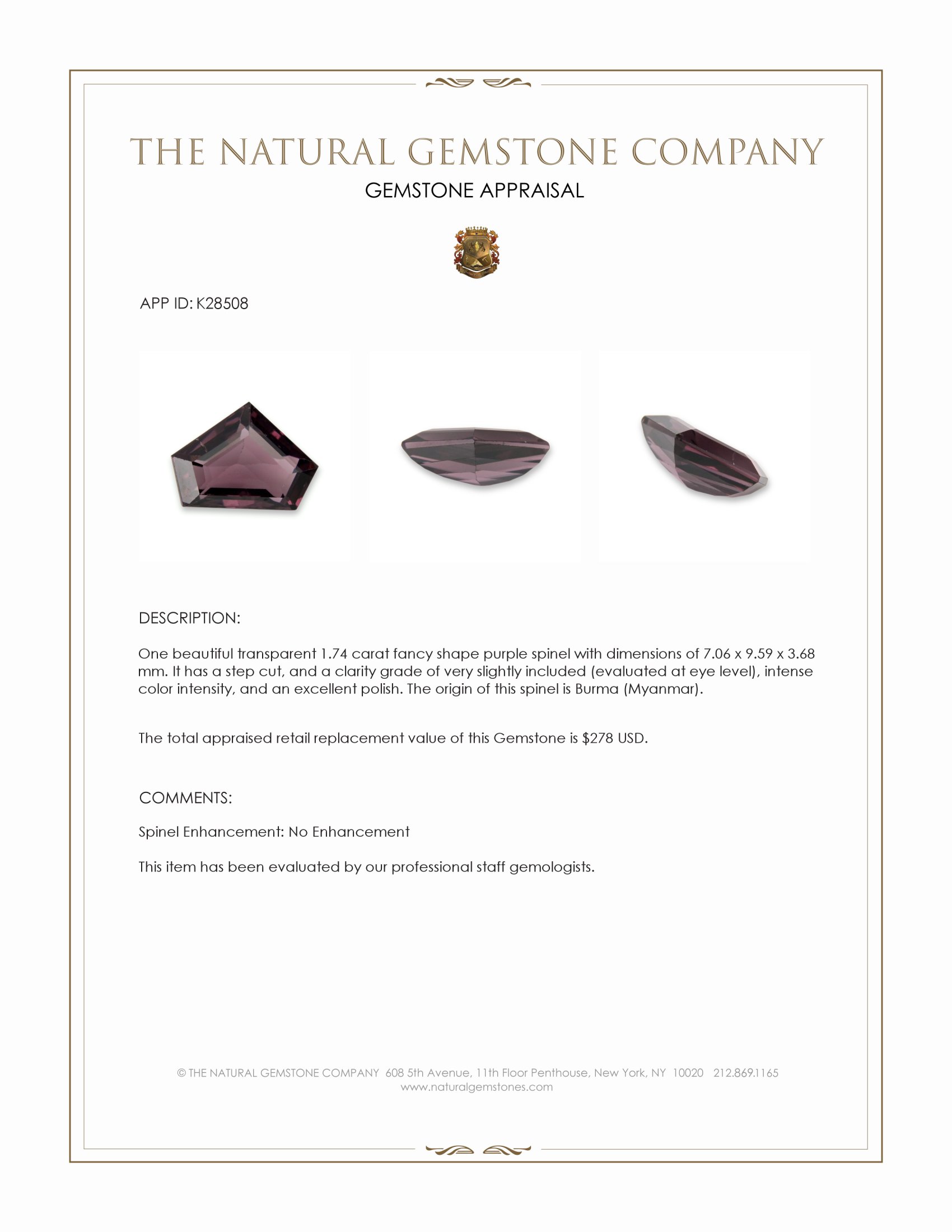
This listing presents a single, transparent 1.74 carat fancy shape purple spinel from Burma Myanmar, with exact dimensions of 7.06 by 9.59 by 3.68 mm, faceted using a classic step cut, clarity grade of very slightly included evaluated at eye level, intense color intensity, excellent polish, and no enhancement. The combination of a step cut and a fancy outline has been selected to maximize saturated color display while maintaining crisp facet planes. The isometric crystal system of spinel yields singly refractive optical behavior, which in a step cut translates to pure, even color windows across broad facets rather than the scintillation dominated look of brilliant cuts. With a hardness near eight on the Mohs scale and a compact specific gravity that gives a pleasing heft for its size, this specimen is durable enough for everyday wear when set responsibly, and its untreated state preserves the original trace element palette and crystal fabric imparted by Burmese geology.
The step cut faceting style warrants technical attention, because it demands exacting planning and execution to balance depth, table proportions, and pavilion angles for optimal color transmission. Broad parallel facets on the crown and pavilion create planes that act like color panes, concentrating hue and saturation rather than dispersing them. In this purple spinel the cutter has prioritized pavilion depth and facet alignment to prevent windowing and to avoid over faceting that would introduce excessive light leakage. Excellent polish indicates that facet junctions meet cleanly, that facet planes are planar no deviation at facet junctions, and that the girdle symmetry supports secure setting without detracting from optical performance. The fancy outline has been proportioned to retain carat weight while allowing the step motif to read clearly from the crown, an approach favored by connoisseurs who prioritize color depth and controlled light return over flash.
Clarity and origin provide further technical context for the collector minded buyer. The clarity grade of very slightly included evaluated at eye level denotes minimal internal features that do not materially interrupt light transmission, yet they serve as natural fingerprints that confirm growth history. Typical inclusions in natural spinel include mineral crystals and subtle growth zoning rather than the flux remnants or seed platelets that can appear in synthetic material. Burmese provenance is significant, because the tectonic and metamorphic environments that create spinel in this region tend to yield intensely saturated hues with fine crystal homogeneity. Because this spinel is unenhanced, there are no indications of heating, diffusion, or filling, attributes that preserve both structural integrity and market value. For buyers seeking specimens with traceable origin and an untouched state, these factors are decisive.
Comparing natural spinel to lab grown alternatives highlights advantages that matter to informed purchasers. Lab grown spinel can replicate chemical composition and color, often with remarkable visual purity and lower price, yet it lacks the geological record captured by natural stones. Natural inclusions, subtle color zoning, and trace element signatures provide provenance and uniqueness, features that command premium value and long term collectible appeal. Natural trace element combinations such as chromium manganese and iron produce complex absorption spectra in spinel that can yield richer and more nuanced purple tones than uniform synthetic chromophores. Furthermore natural stones often show irregularities in crystal habit and growth zoning that refract and absorb light in ways impossible to fully emulate in a controlled growth environment. From an investment perspective natural untreated Burmese spinel benefits from scarcity and documented origin, whereas lab grown pieces while consistent in color are more fungible and less likely to appreciate. For jewelry applications collectors often prefer the tactile and visual complexity of natural material, and for museum or heirloom pieces the unaltered geological history is indispensable.
As a complementary note on gem material diversity and care, we include technical details about Fire Opal as a separate reference for buyers considering mixed gemstone settings. Fire Opal is a transparent to translucent hydrated silica variety characterized by vivid body color ranging from yellow through orange to red, and in some specimens displaying play of color on a microstructure scale. Fire Opal has lower hardness than spinel typically around five and a half to six and a half on the Mohs scale which requires protective settings and careful wear. Optically Fire Opal produces color by both body pigment and microstructure scattering in play of color varieties, and stability depends on hydration and treatment history, with some pieces receiving polymer impregnation to reduce crazing. When combining a dense, hard step cut spinel with a warm toned Fire Opal in a single design, the structural contrast and color complement can be striking, provided that care is taken to protect the opal from sharp blows and prolonged exposure to solvents. The Natural Gemstone Company curates specimens with attention to optical behavior, physical durability, and provenance, and we welcome inquiries about gemological reports and setting recommendations for this 1.74 carat Burmese purple spinel and for any paired Fire Opal that may be under consideration.


