
- Stone14
- Reports3
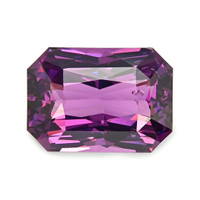
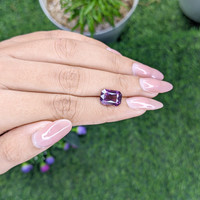
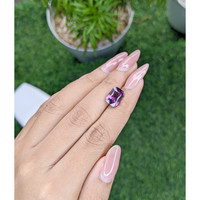
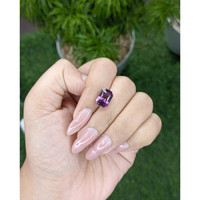
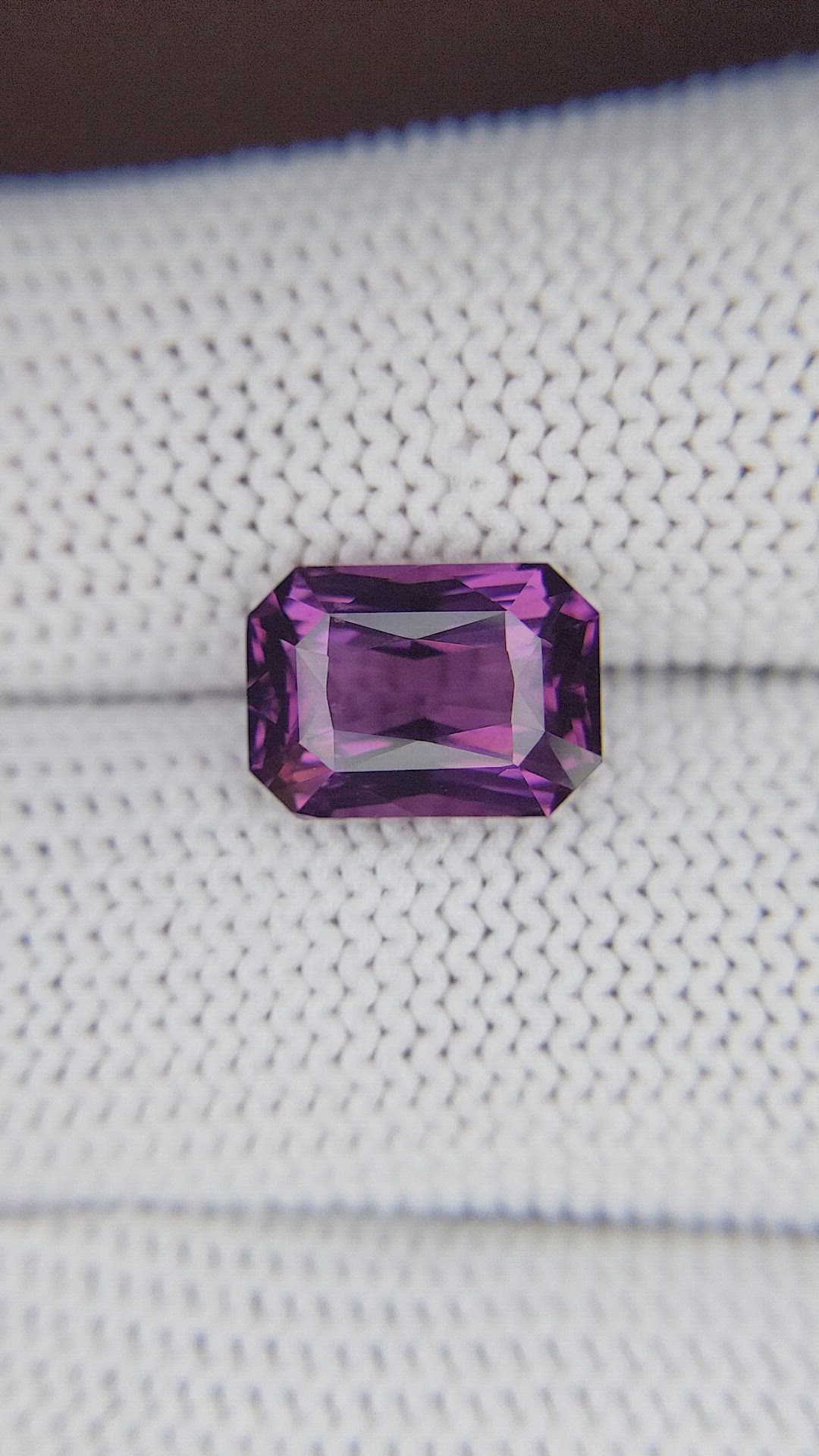
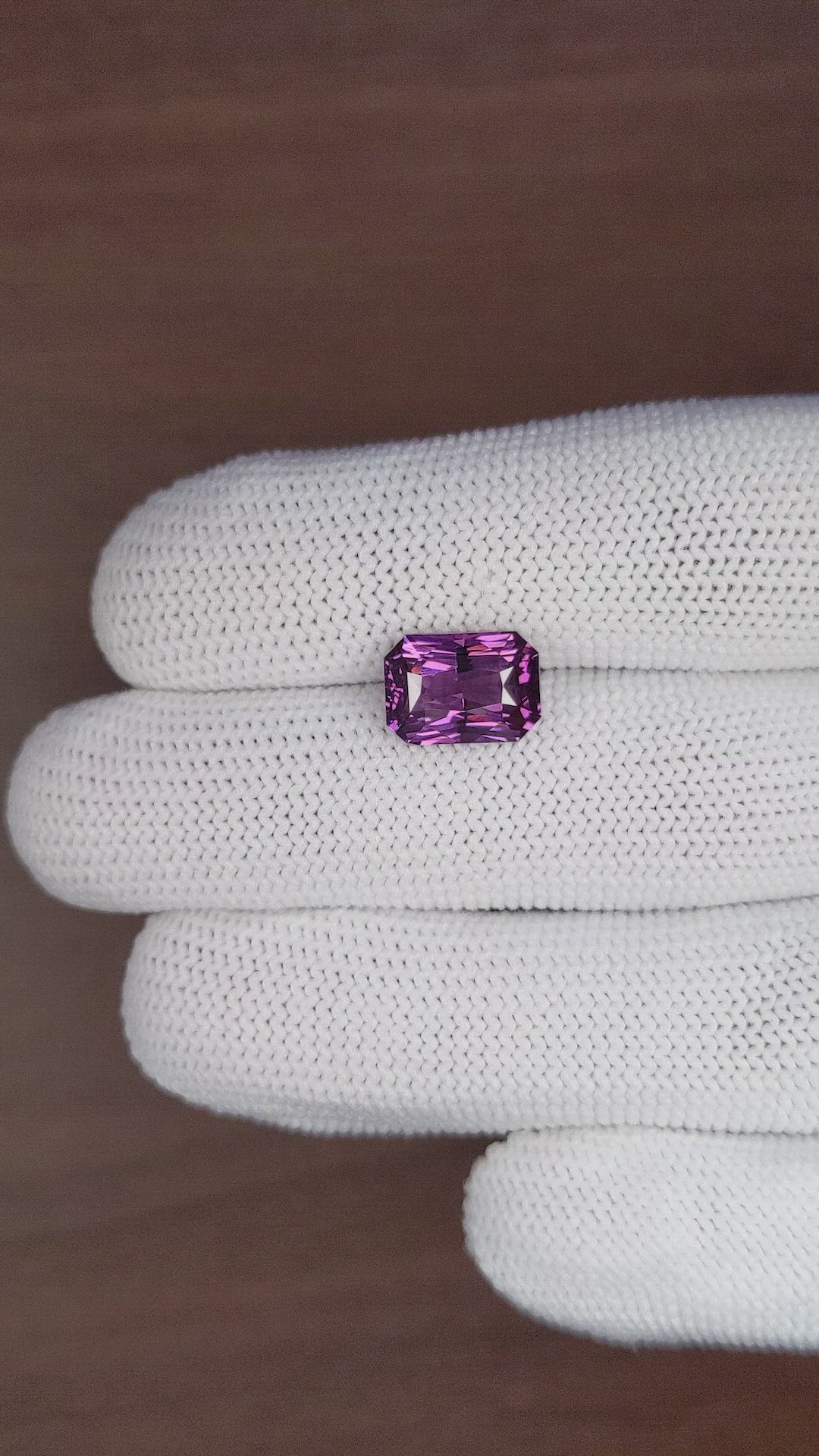
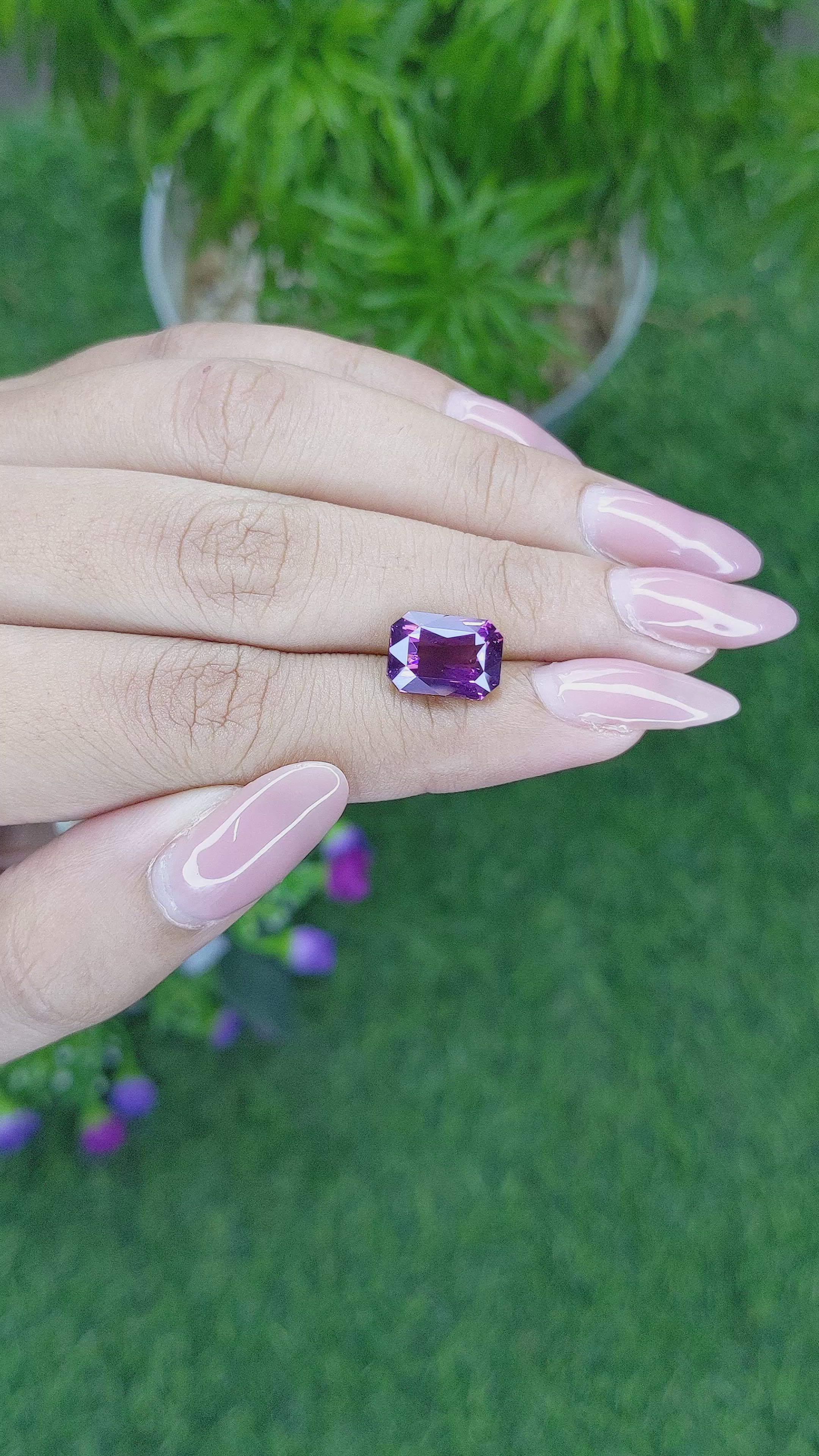
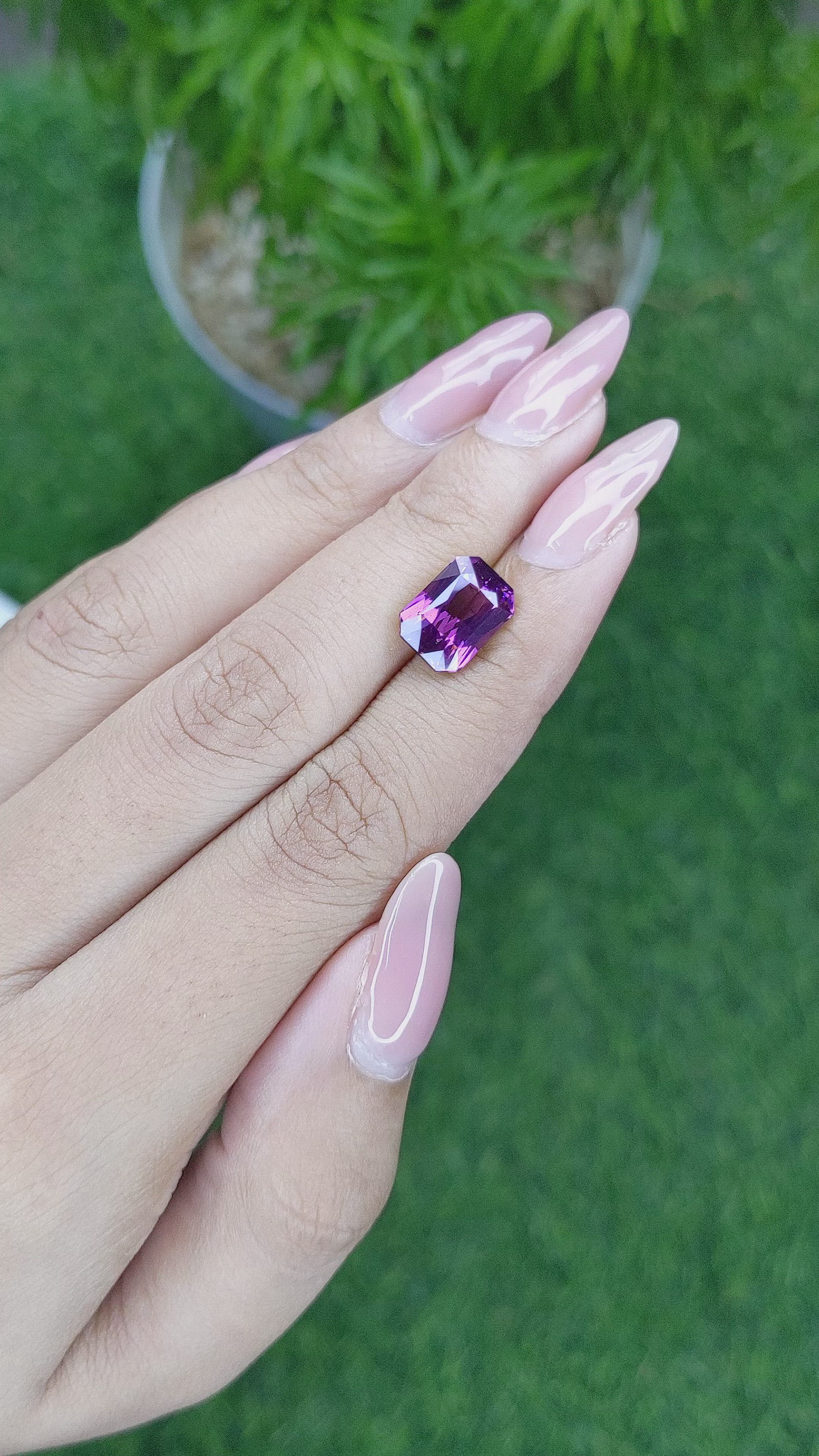


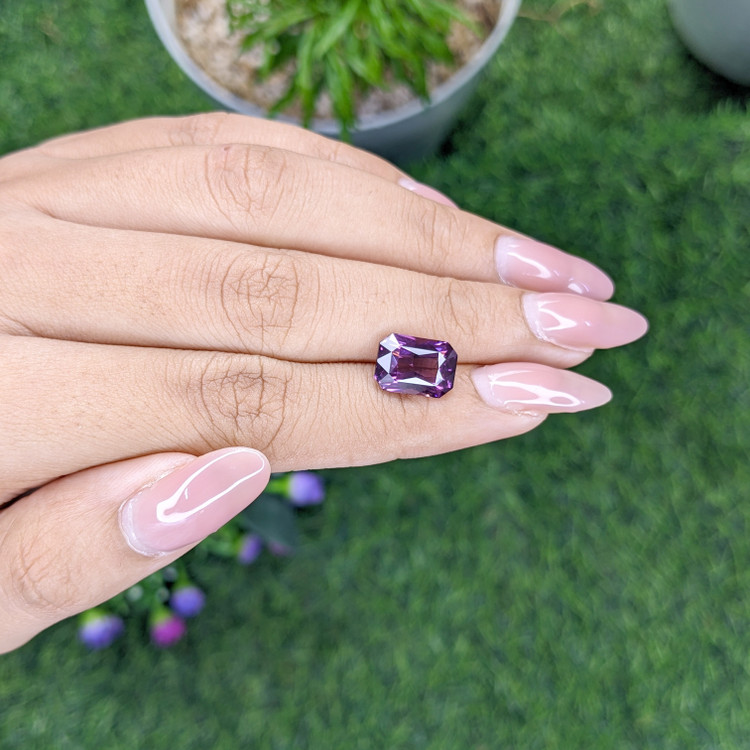
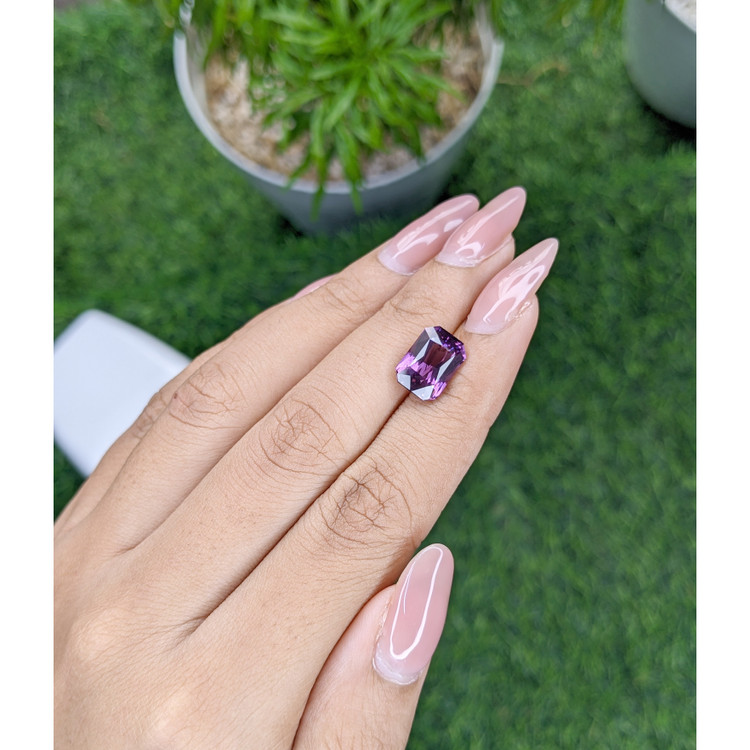
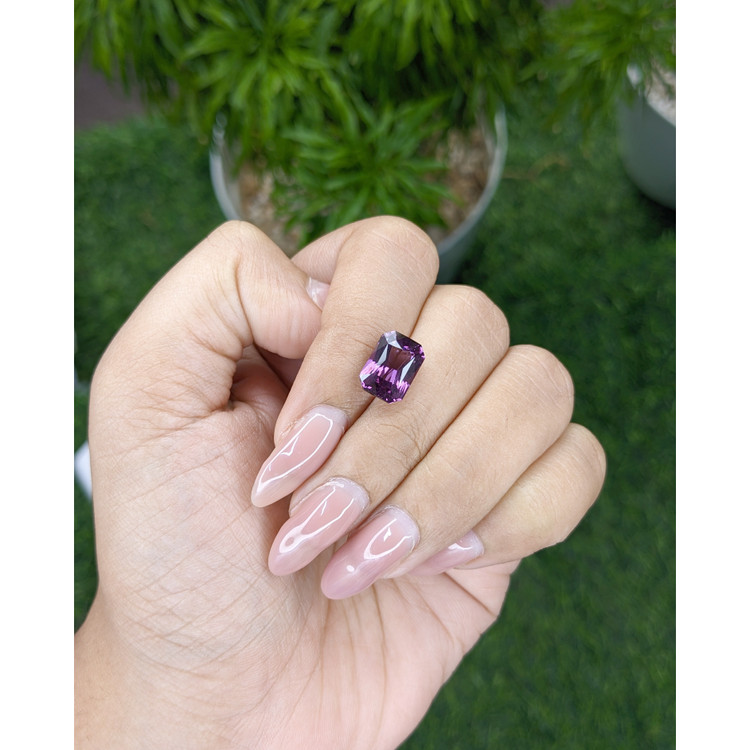



4.69 Ct. Spinel from Tanzania
This loose stone ships by Apr 27
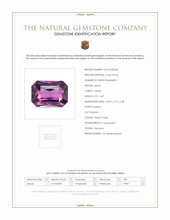
Item ID: | K20432 |
|---|---|
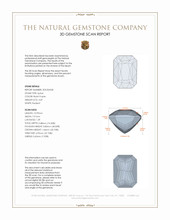
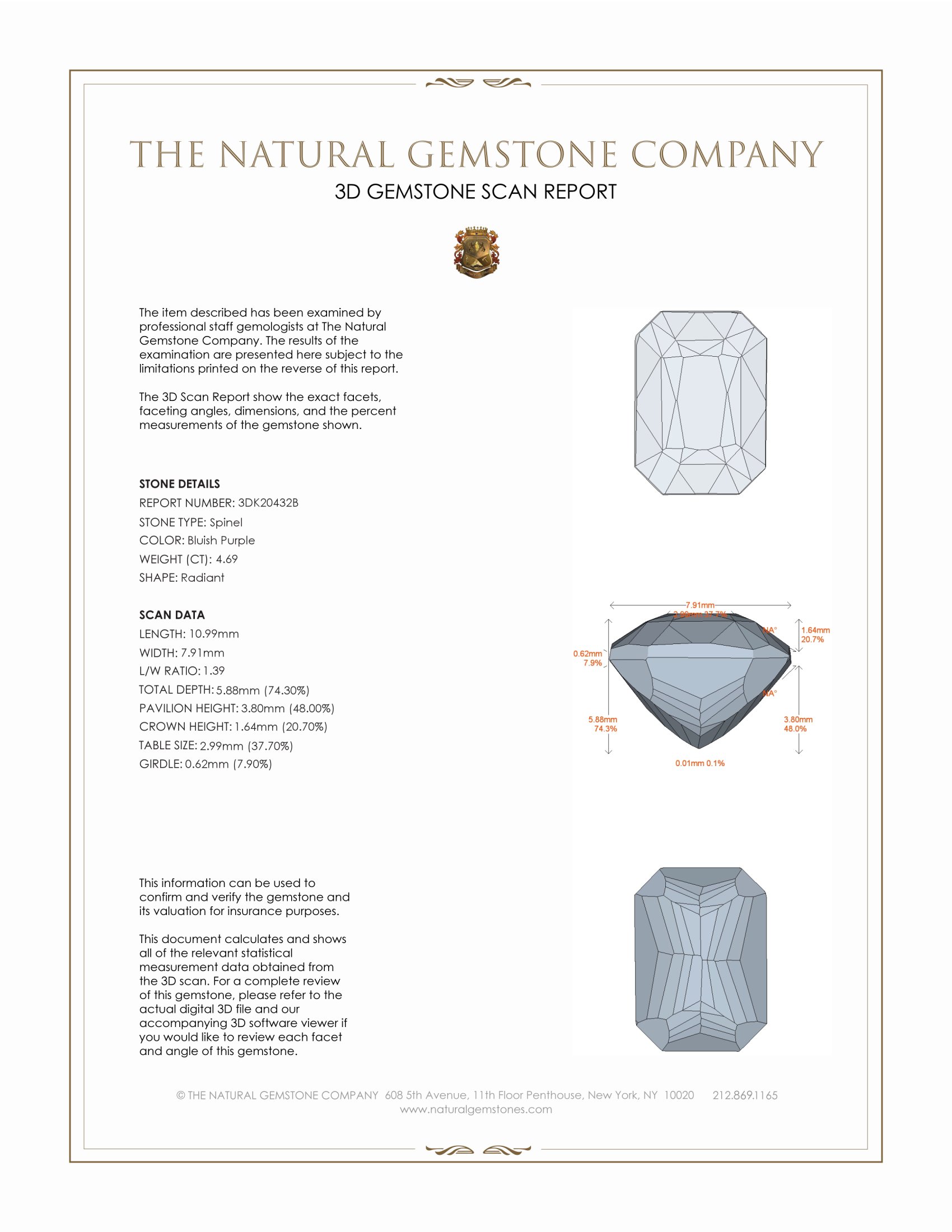
Dimensions (MM): help | Length: 10.99 Width: 7.91 Height: 5.88 |
Weight: | 4.69 Ct. |
Color: help | Pinkish Purple |
Color intensity: help | Vivid |
Clarity: help | Slightly Included |
Shape: help | Radiant |
Cut: | Radiant |
Cutting style: | Faceted |
Enhancements: help | No Enhancement |
Origin: help | Tanzania |
Per carat price: help | $800 |
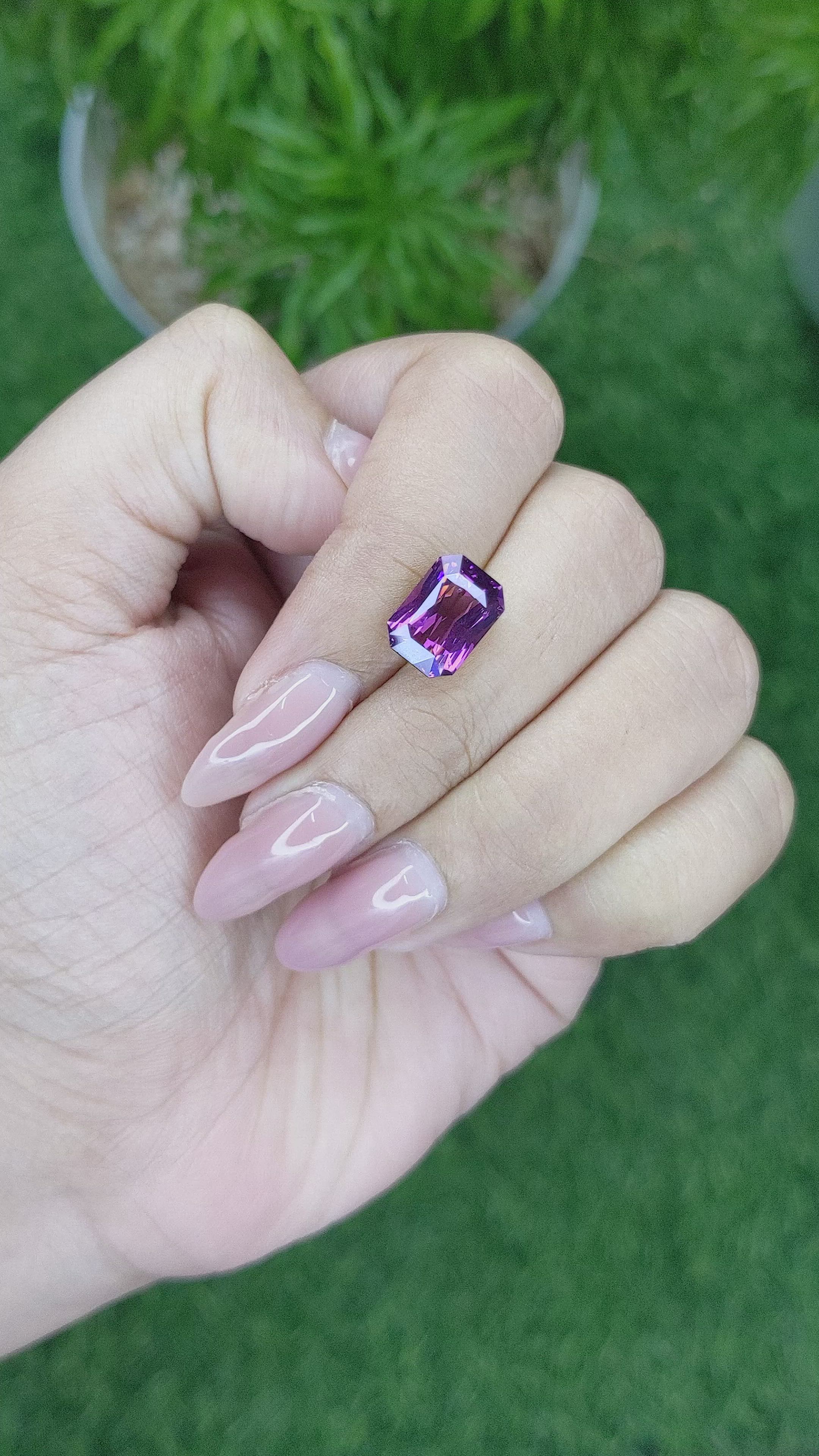
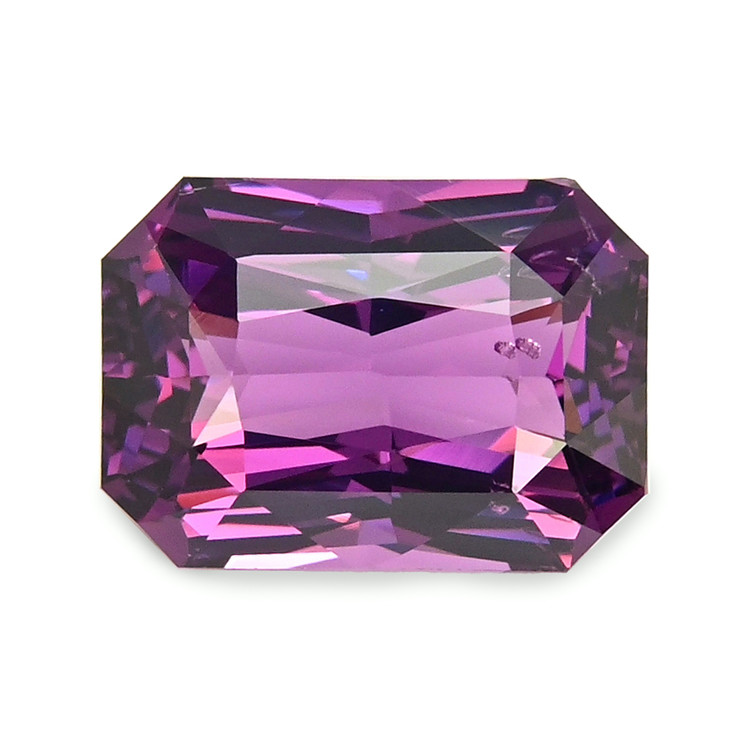
This 4.69 carat radiant shape pinkish purple spinel from Tanzania presents a rare combination of weight, color saturation, and optical quality that immediately distinguishes it from the ordinary gem market. At 4.69 carats the stone sits well above the common size threshold for intensely colored spinel, a factor that increases its per carat value nonlinearly as size grows. The stone measures 10.99 by 7.91 by 5.88 millimeters, dimensions that deliver a substantial visual presence on the finger or as the central element of a pendant, while maintaining proportions that support lively light performance. The hue is best described as pinkish purple with vivid color intensity, a saturation level that remains strong through the pavilion and crown facets, not a surface effect but a volumetric color that contributes to both face up appeal and depth of tone. Transparency is notable, the gem reads as transparent across the table and crown, and the polish is graded excellent, a finish that enhances both scintillation and the integrity of facet junctions. This spinel is natural and untreated, with no enhancement, a critical attribute for collectors and connoisseurs who equate natural state with long term value and collectability. The origin is Tanzania, a source recognized for producing vivid spinel material, and provenance from this region further informs value expectations in specialist markets.
The cutting style is a radiant cut with a mixed facet architecture that marries brilliant and step facet systems to optimize both fire and color retention. The radiant cut in this example is executed with careful attention to pavilion dynamics, crown angle relationships, and facet symmetry, producing crisp facet outlines and well controlled light return. The radiant form uses trimmed corners, which reduce susceptibility to chipping in bezel settings while allowing broader tables and deep pavilions to concentrate color. Facet pattern analysis reveals a hybrid arrangement of kite and triangular facets on the crown, and elongated chevron or step facets through the pavilion, a configuration that modulates contrast and maintains dispersed spectral flashes without sacrificing the stone s overall color saturation. Proportions are balanced for a gem of this shape, with an approximate depth percentage of 62 percent calculated from the reported dimensions, a depth that supports a full body color without appearing windowed or overly dark. The excellent polish is evident at facet junctions and along girdle surfaces, reducing light leakage and enhancing the perceived clarity at eye level. The result is a gem that combines technical cut quality with an orientation of facets optimized for vivid color and stable brilliance.
Clarity is graded slightly included based on an evaluation at eye level, a practical clarity designation that indicates there are small natural inclusions visible under inspection but not disruptive to the overall aesthetic of the stone when mounted. In spinel grading, slightly included material at this weight and color intensity is common and often acceptable for high value stones, because strong chroma can mask minor internal characteristics and because the structural robustness of spinel tolerates precise cutting that minimizes the visual impact of inclusions. The inclusions present in this piece are not pervasive, and they do not compromise transparency or the pathway of light through the pavilion. From a gemological perspective, the slightly included grade should be considered in the context of weight and color, since the value curve for spinel places premium emphasis on size and color purity, particularly for pink to purple material with vivid saturation. The absence of enhancement is especially significant, as heat treatment and other common augmentations can alter color and market perception. Being untreated, this 4.69 carat radiant spinel retains natural provenance, a factor that many advanced buyers and institutional collectors prioritize when assessing long term investment potential.
The weight of 4.69 carats is the single most influential factor in both rarity and valuation for this stone, given that spinel of vivid pinkish purple hue becomes exponentially rarer as carat weight increases. Pricing behavior in the market reflects a steep per carat premium once stones exceed the two to three carat range for vivid colors, and a 4.69 carat specimen that combines strong saturation, transparent clarity, and superior cutting is positioned in a distinctly high tier of desirability. For setting considerations, the stone s dimensions and trimmed corners of the radiant cut lend themselves to both prong and bezel settings, with bezel mounting offering additional protection to the corners without diminishing face up color. For collectors focused on preservation of value, a secure mounting with consideration for clean light exposure will maintain the stone s visual properties while protecting the excellent polish and facet junctions. At The Natural Gemstone Company we document both the technical attributes and the untreated origin of this spinel, and we provide guidance for certification and appraisal to support provenance and resale. This 4.69 carat radiant pinkish purple spinel from Tanzania represents a technically refined and naturally rare example of its species, a gem that rewards both the connoisseur s eye and the investor s criterion for weight driven scarcity.


