
- Stone16
- Reports3
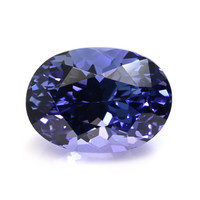
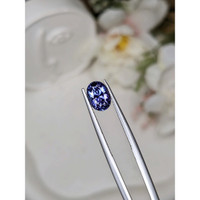
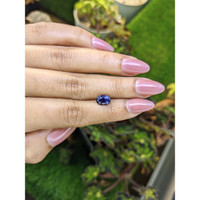
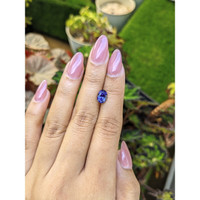
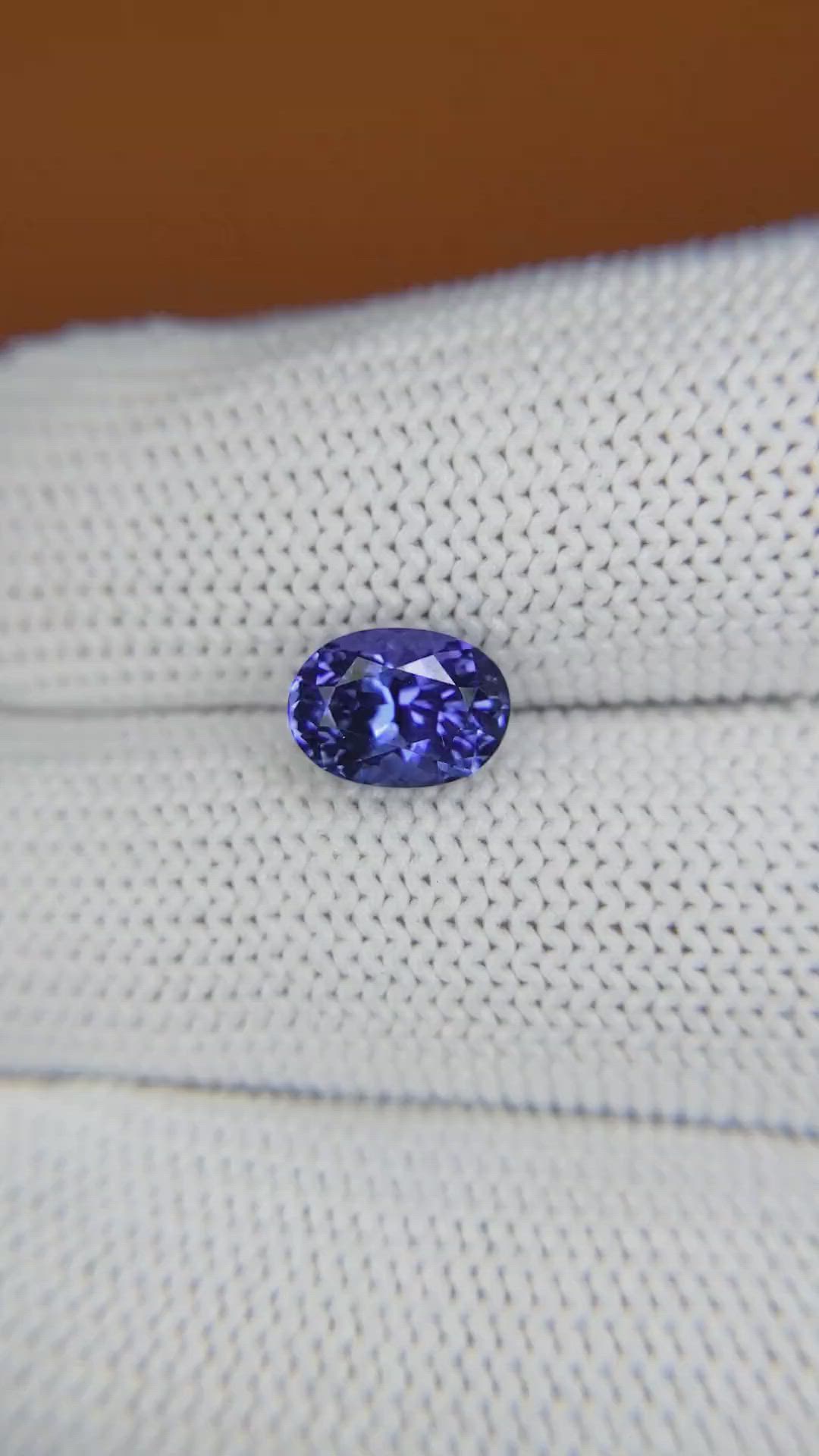
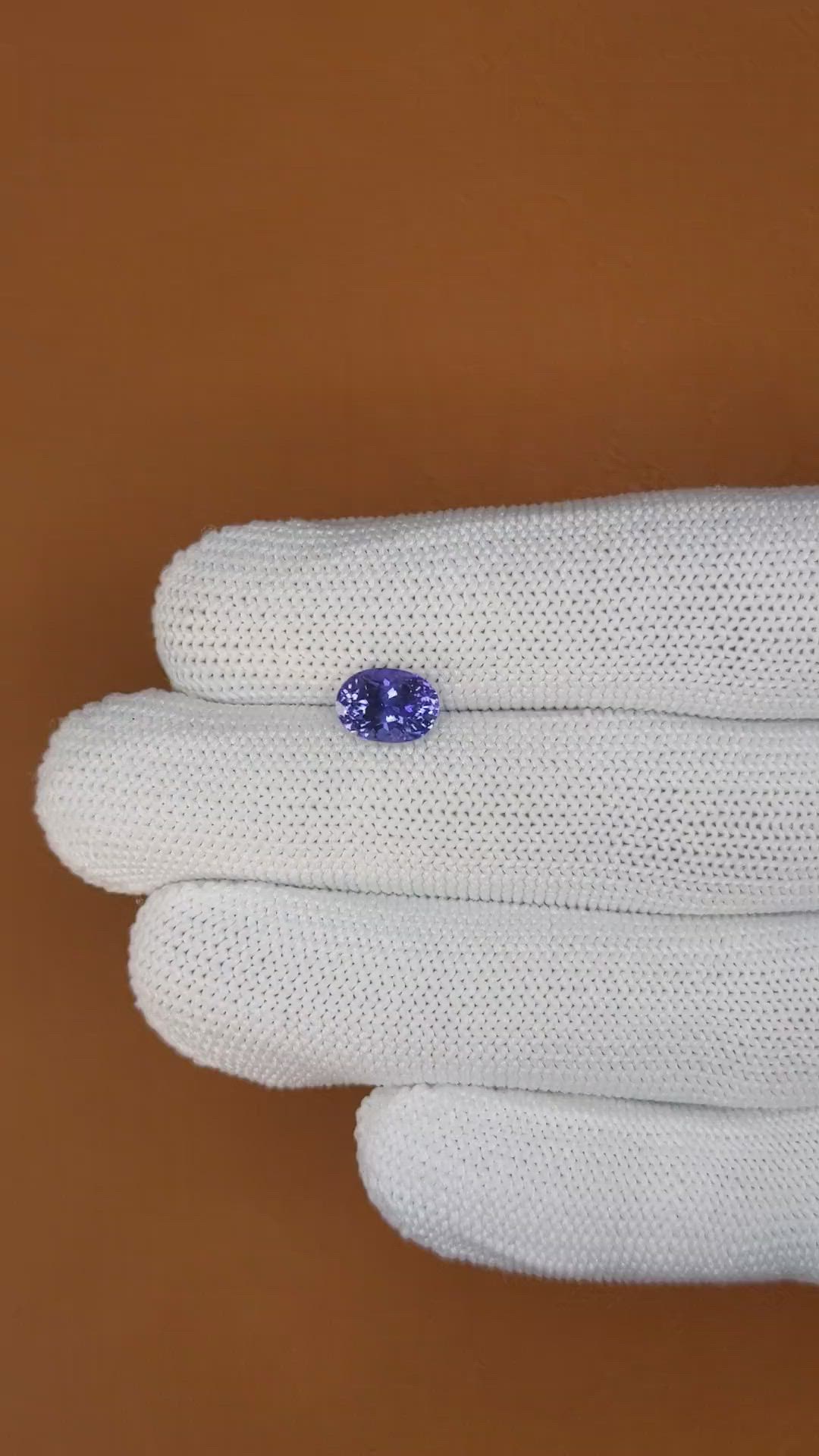
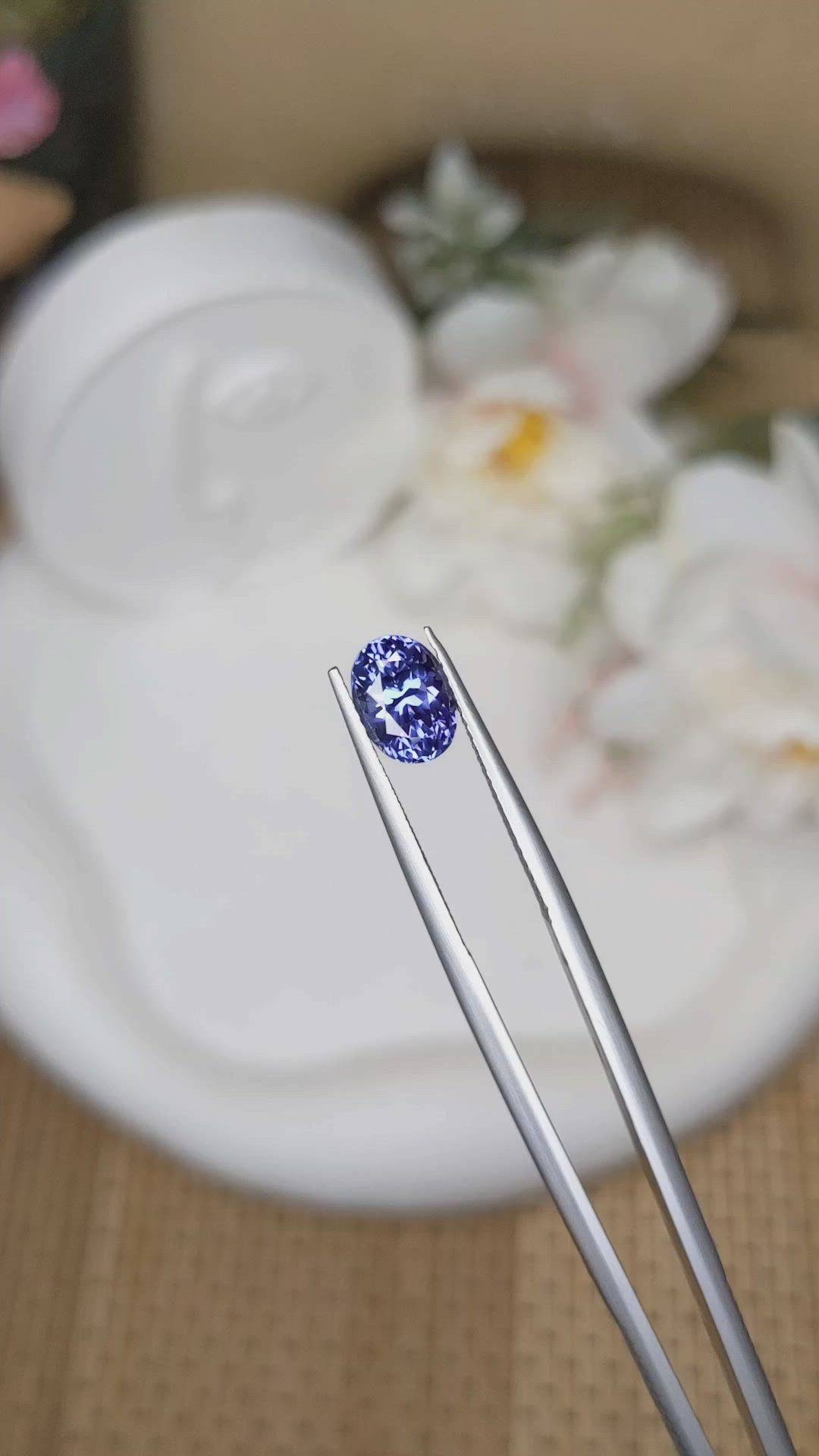
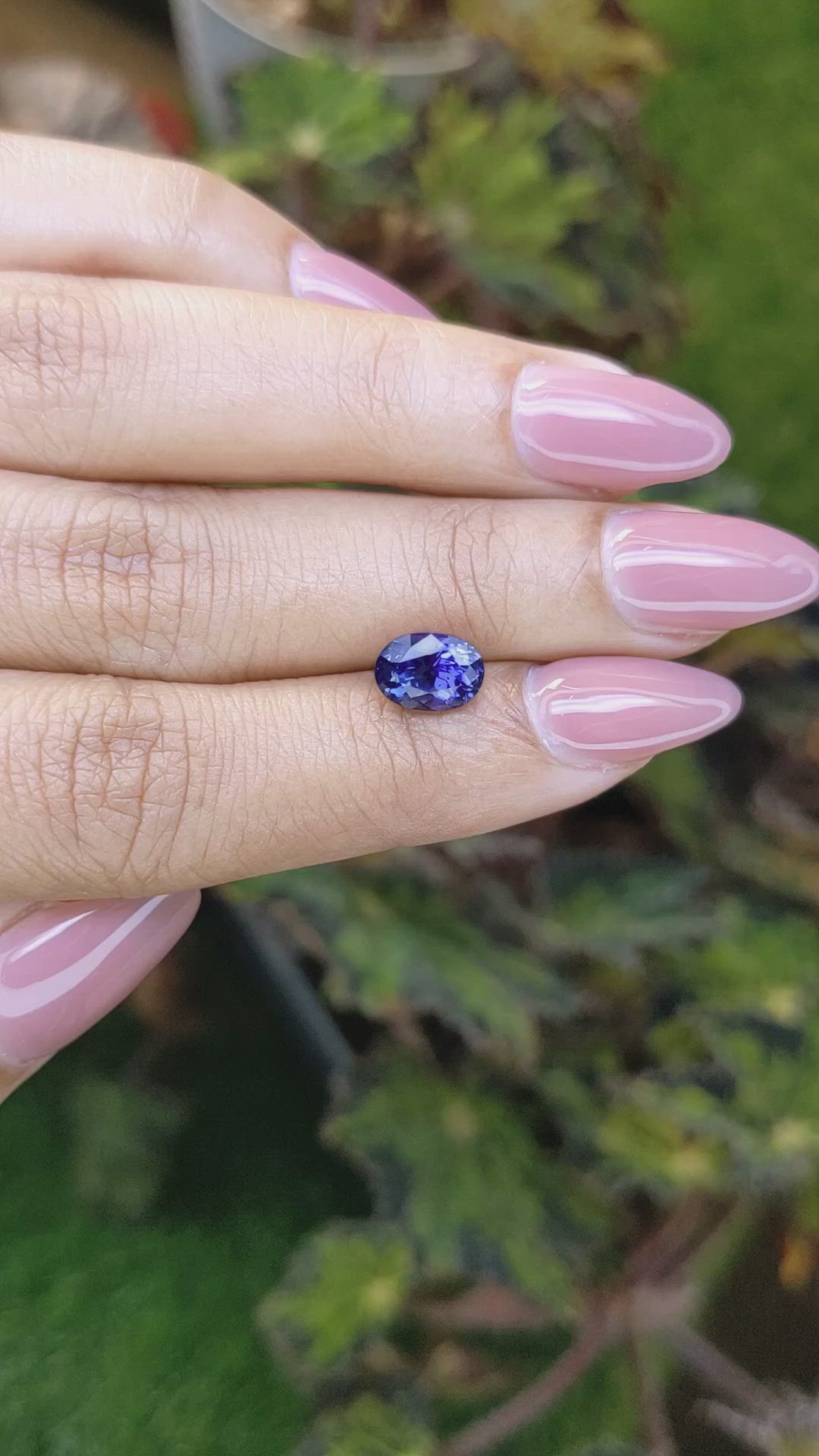
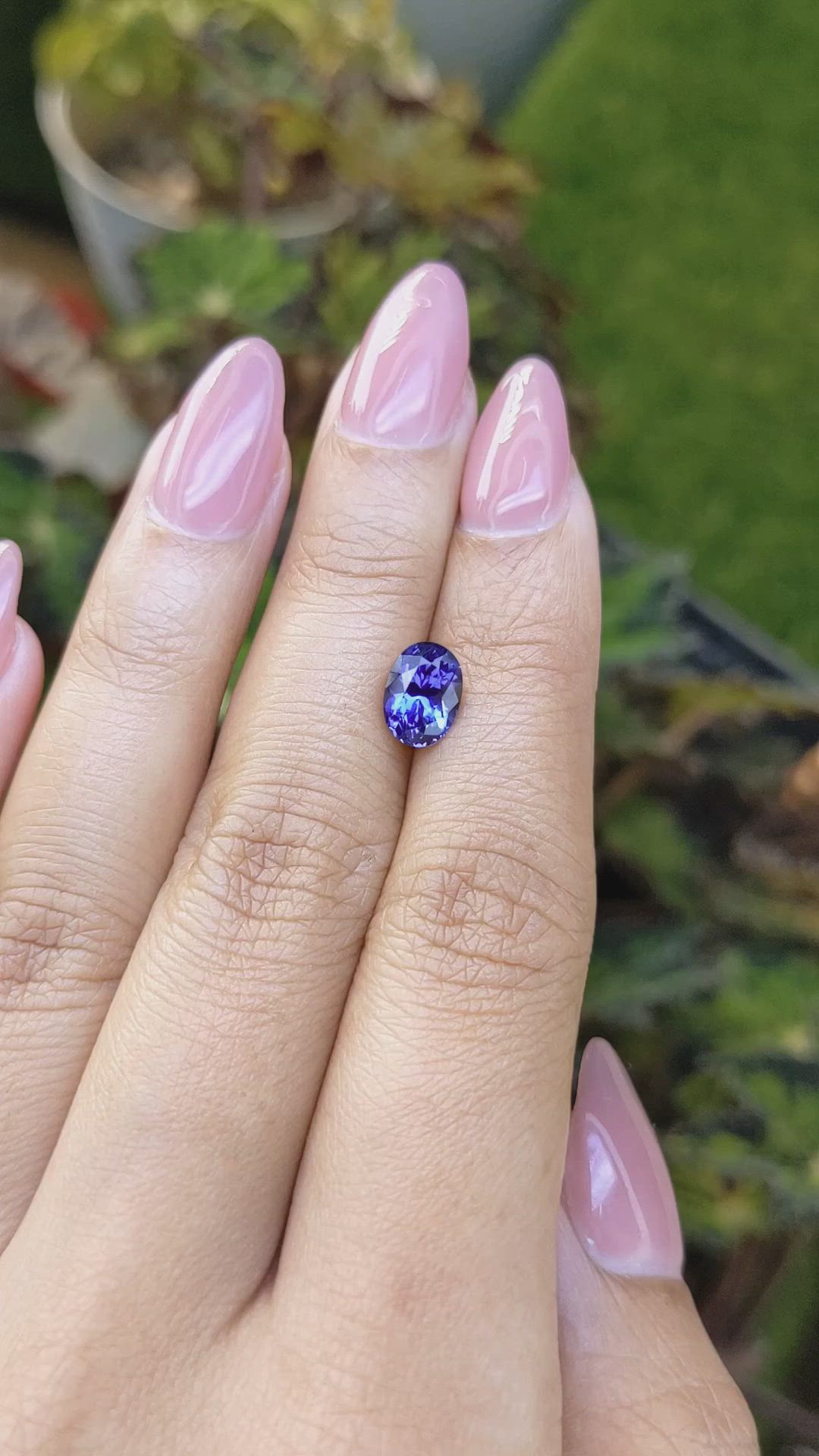
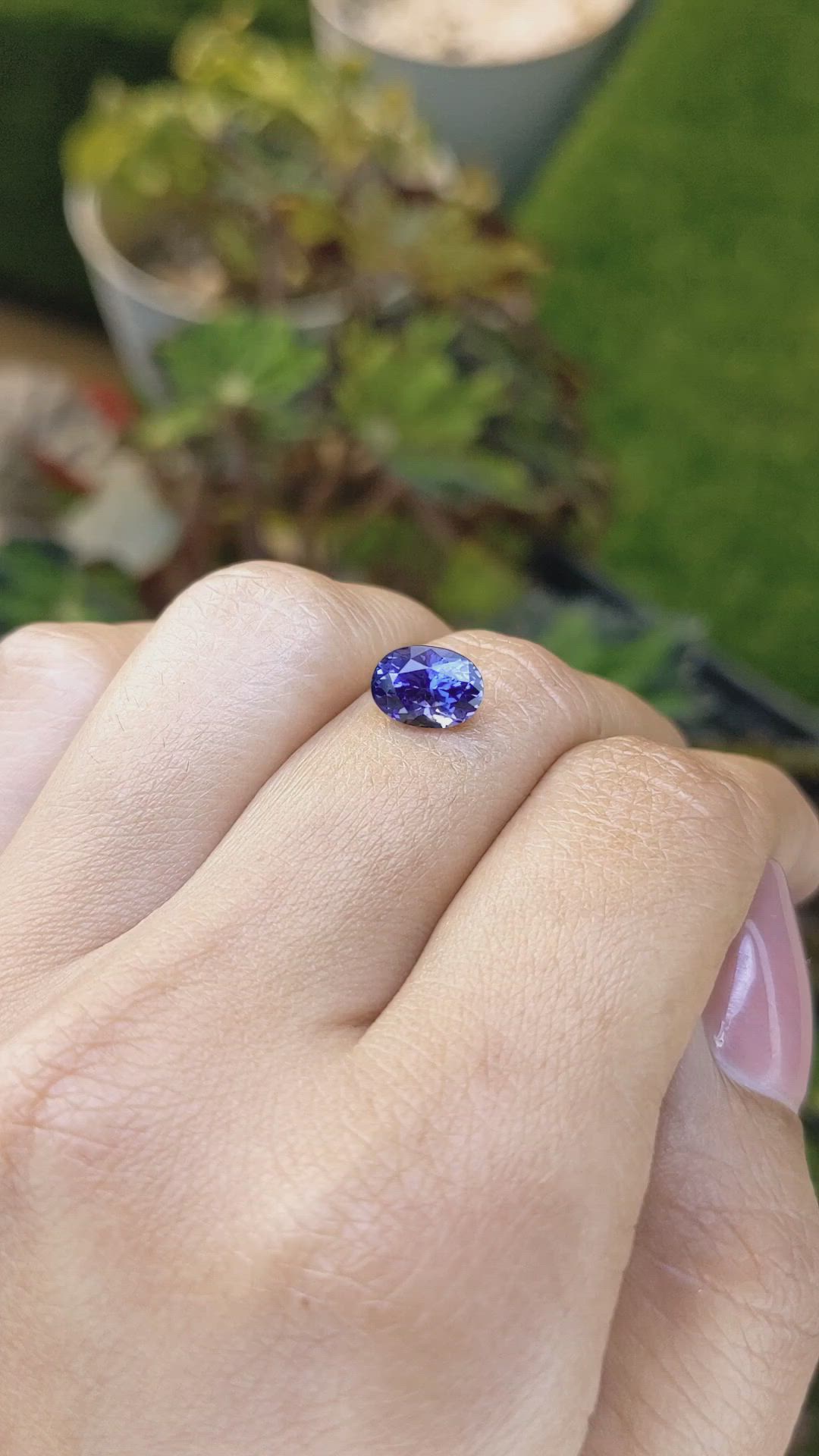

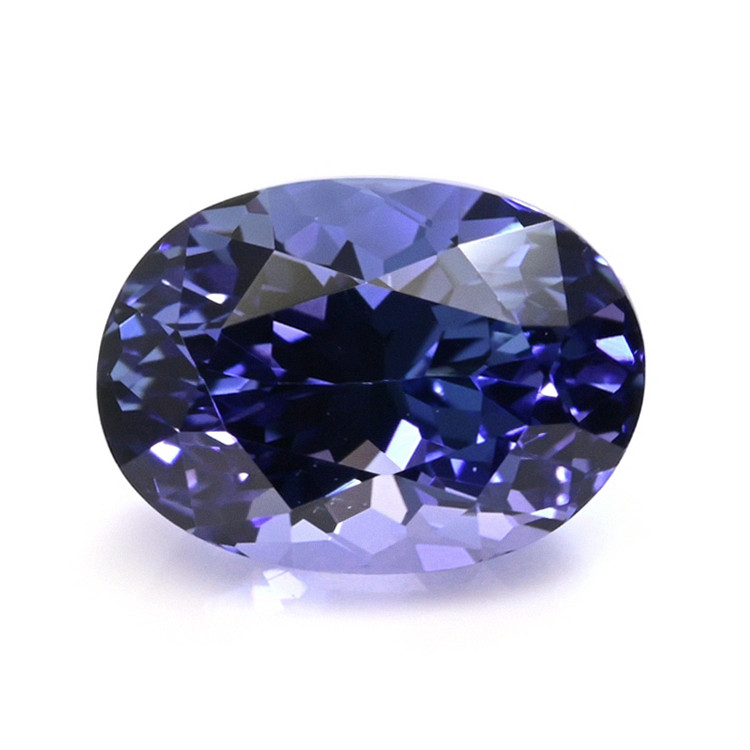
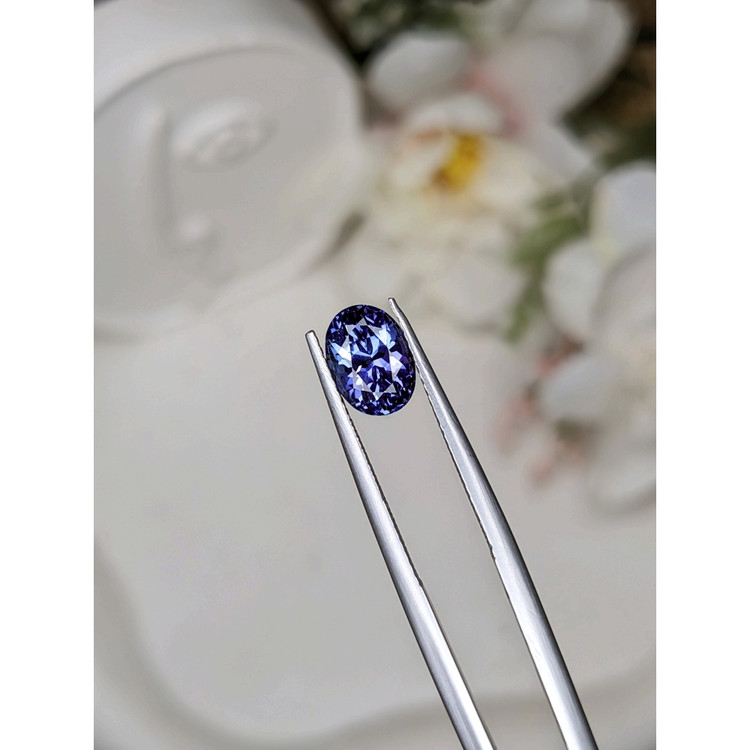
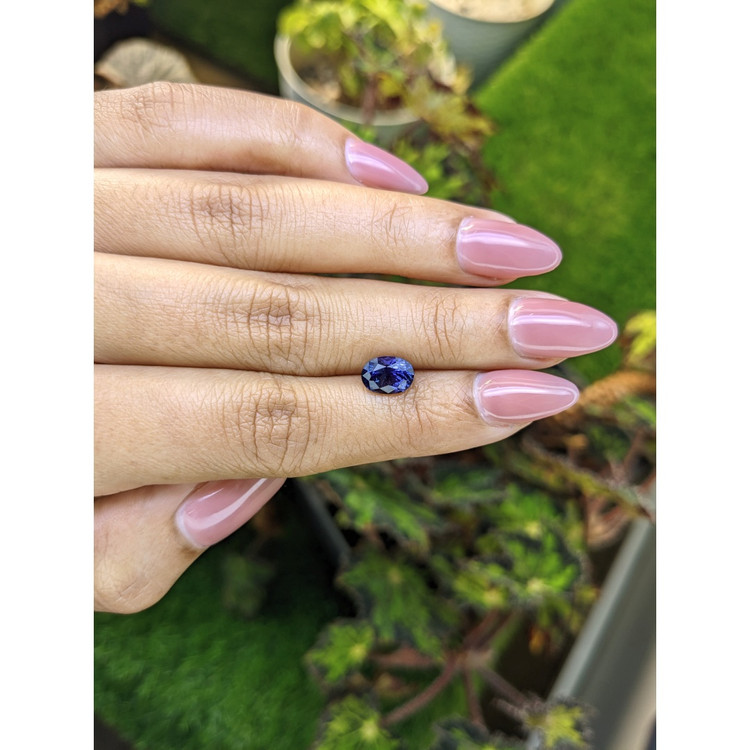
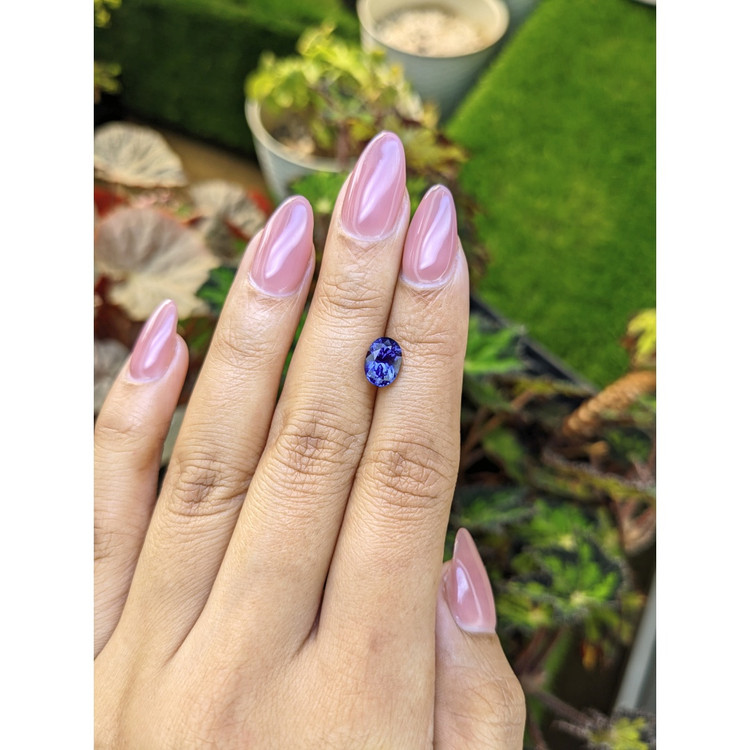
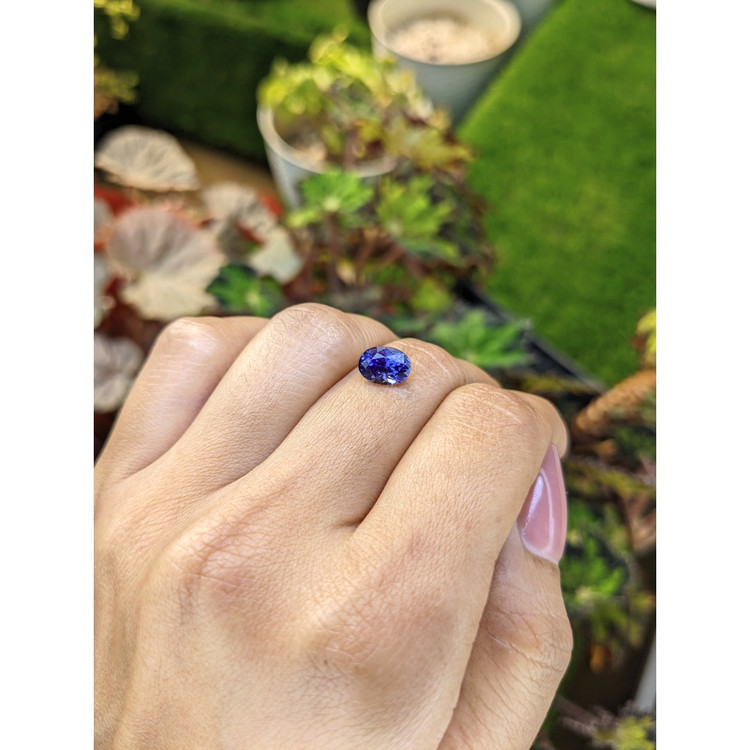

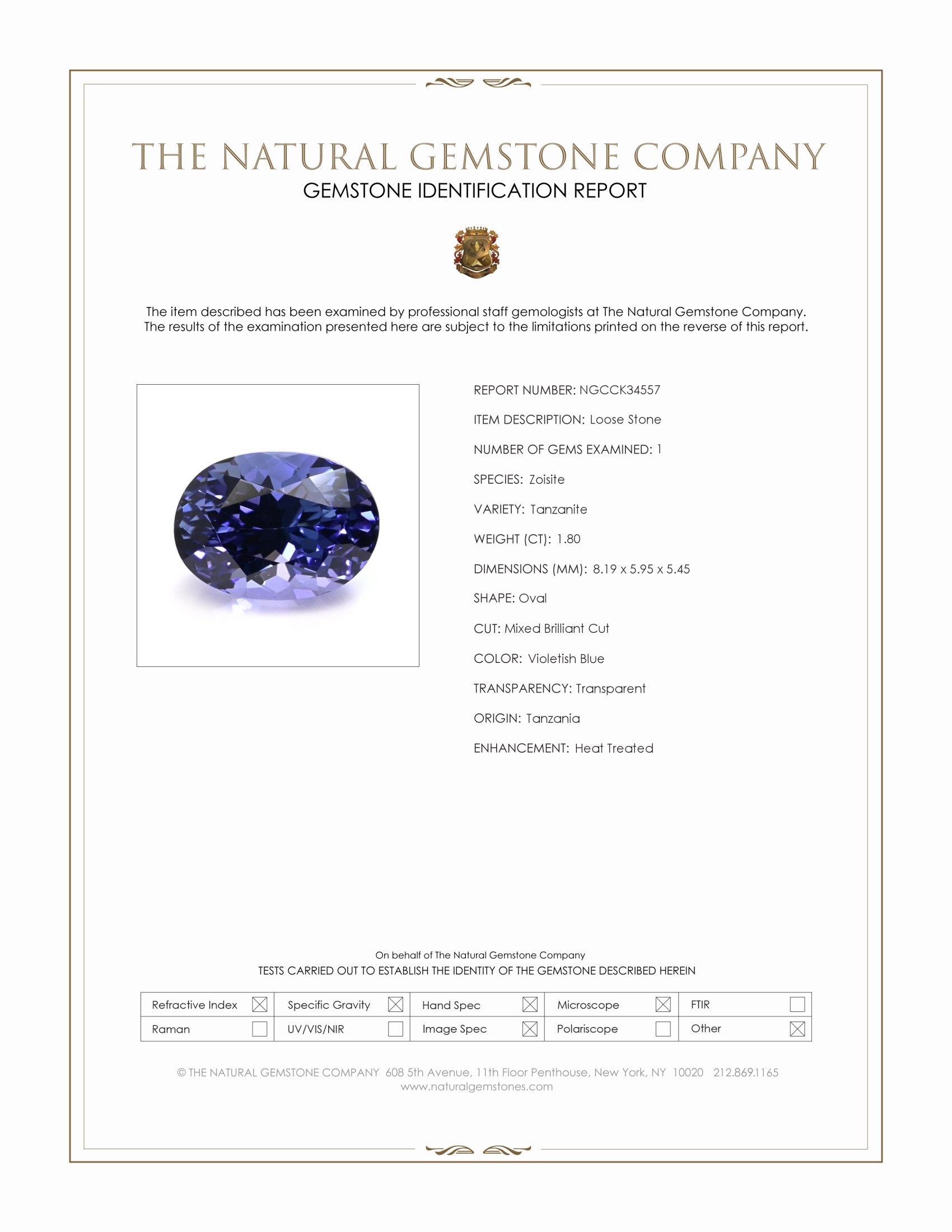
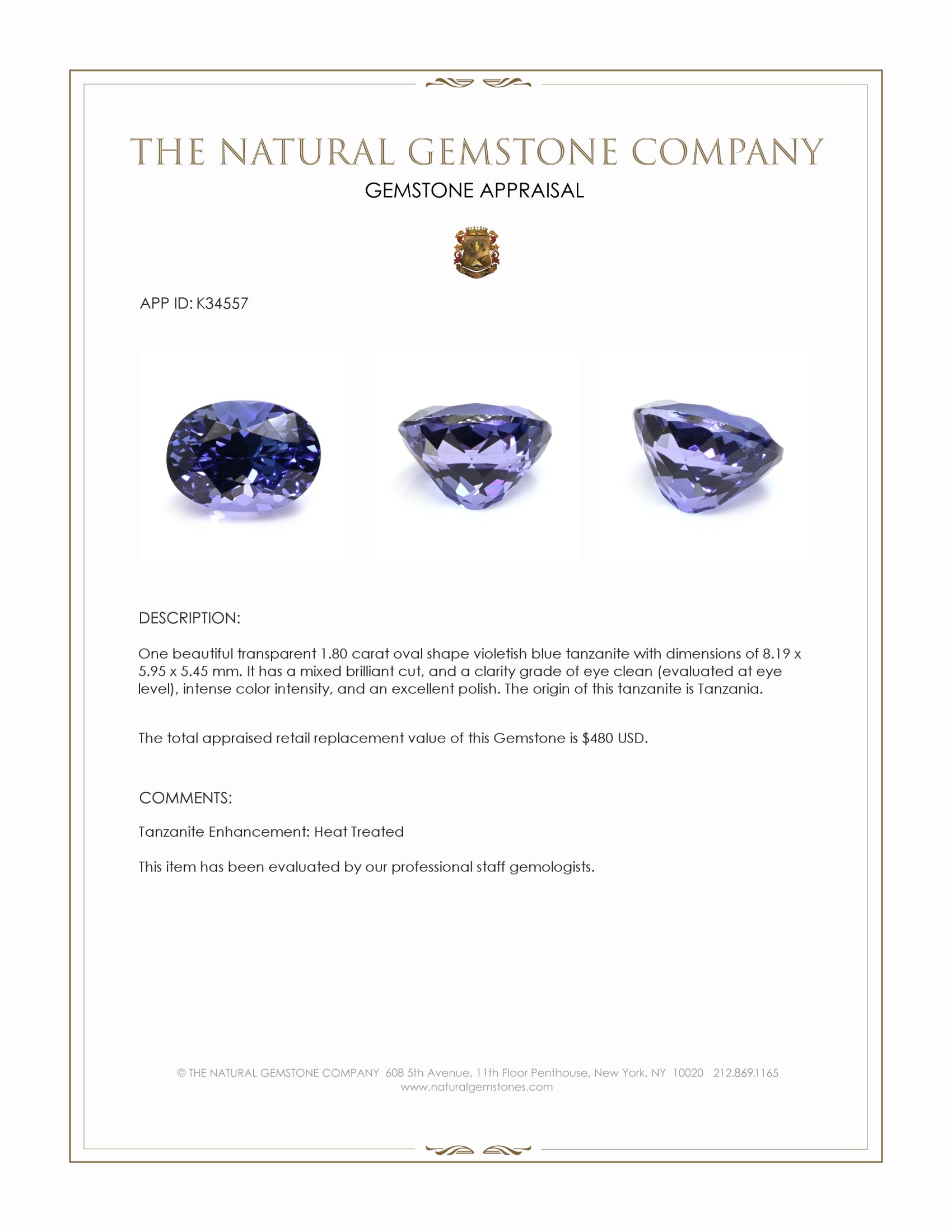
1.80 Ct. Violetish Blue Tanzanite from Tanzania
This loose stone ships by Dec 10
Item ID: | K34557 |
|---|---|
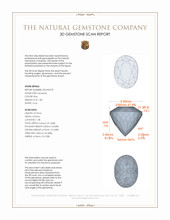
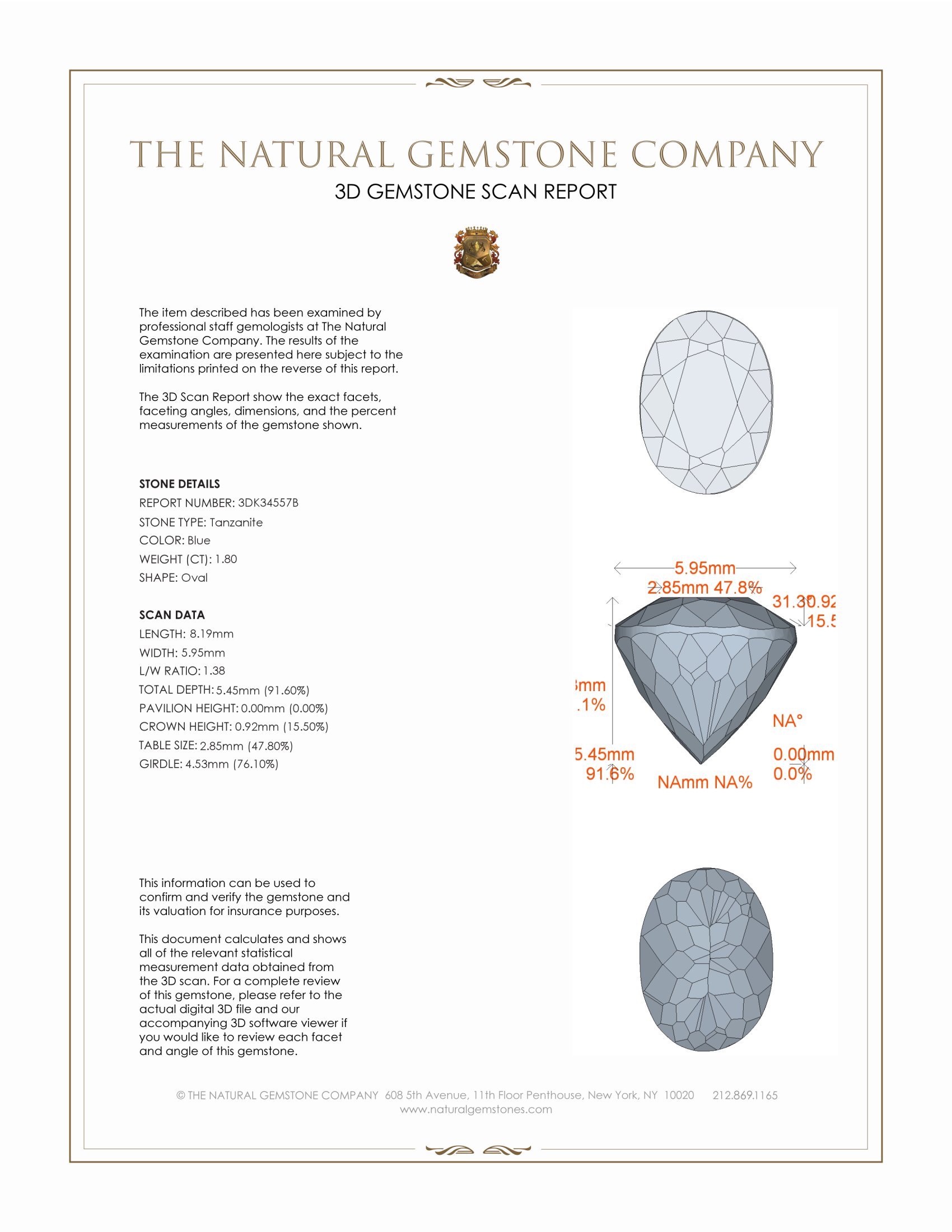
Dimensions (MM): help | Length: 8.19 Width: 5.95 Height: 5.45 |
Weight: | 1.80 Ct. |
Color: help | Violetish Blue |
Color intensity: help | Intense |
Clarity: help | Eye Clean |
Shape: help | Oval |
Cut: | Mixed Brilliant Cut |
Cutting style: | Faceted |
Enhancements: help | Heat Treated |
Origin: help | Tanzania |
Per carat price: help | $267 |
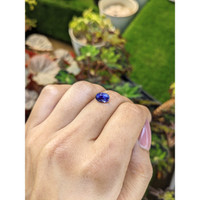
One beautiful transparent 1.80 carat oval violetish blue tanzanite, presenting with dimensions 8.19 x 5.95 x 5.45 mm, offers a refined combination of weight and proportion for versatile jewelry applications. Cut in a faceted style with a mixed brilliant cut, the stone displays an intense color intensity and an eye clean clarity grade as evaluated at eye level, supported by an excellent polish that optimizes light return. This tanzanite originates from Tanzania and has been heat treated, a standard and stable enhancement used to develop and stabilize the characteristic violet and blue hues. The oval outline and balanced depth produce a pleasing spread on the finger and allow the stone to be set with confidence in rings, pendants, or bespoke pieces while maintaining a strong visual presence relative to its carat weight.
Optical performance of this tanzanite is notable for its vivid saturation and the subtle play between violet and blue tones that tanzanite is renowned for. The mixed brilliant cut was selected to maximize scintillation and to manage the stones pleochroic tendencies, rendering lively flashes and a deep, even face up appearance. With eye clean clarity, light transits through the pavilion with minimal interruption, enabling clean facet reflections and a crisp table face. The excellent polish enhances the stones surface luster and refraction, supporting a premium presentation in both studio lighting and natural daylight. At 8.19 x 5.95 mm, the gem reads as a substantial and elegant oval, with proportions that favor secure setting and comfortable wear.
Regarding treatment and care, this tanzanite has been subjected to controlled heat treatment to bring out its intense violetish blue coloration, a widely accepted practice in the trade that produces stable and enduring color when the stone is handled correctly. Tanzanite is comparatively durable for everyday jewelry, however it is softer than many traditional gem materials and can be susceptible to thermal shock and strong chemical exposure. For longevity, avoid sudden temperature changes, aggressive ultrasonic cleaning, and prolonged contact with harsh chemicals. Routine cleaning using warm soapy water and a soft brush, followed by careful rinsing, will maintain the stones brilliance. Consideration of protective settings that shield the girdle and pavilion will further reduce the risk of impact damage while maintaining the gems visual appeal.
When compared to lab grown gemstones, natural Tanzanian tanzanite offers distinct advantages that are important to many collectors and connoisseurs. Lab grown gems can reproduce tanzanites basic chemical and optical properties and may provide very uniform color and clarity at lower cost, however they do not replicate the geological history and geographic provenance that confer rarity and character to a natural specimen. Natural tanzanite carries unique growth features and subtle internal signatures that serve as a fingerprint of its natural formation, and the single known primary source in northern Tanzania contributes to the materials scarcity and desirability. The Natural Gemstone Company emphasizes traceability and gemological evaluation, and this tanzanite is presented with documented attributes including carat weight, dimensions, cut, clarity assessment at eye level, color intensity, polish, treatment, and origin. For buyers prioritizing natural origin, long term collectibility, and the narrative of a stone formed over geological time, this Tanzanian tanzanite represents a meaningful choice that balances aesthetic performance with the intrinsic value derived from its natural provenance.


