
- Stone13
- Reports3
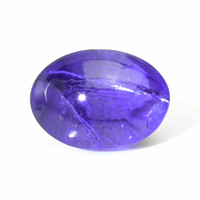
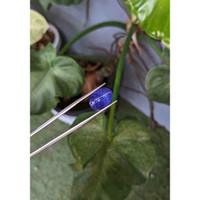
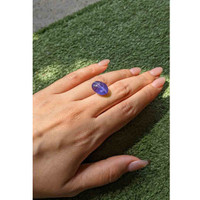
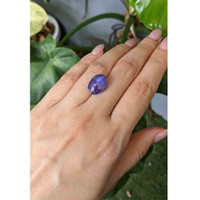
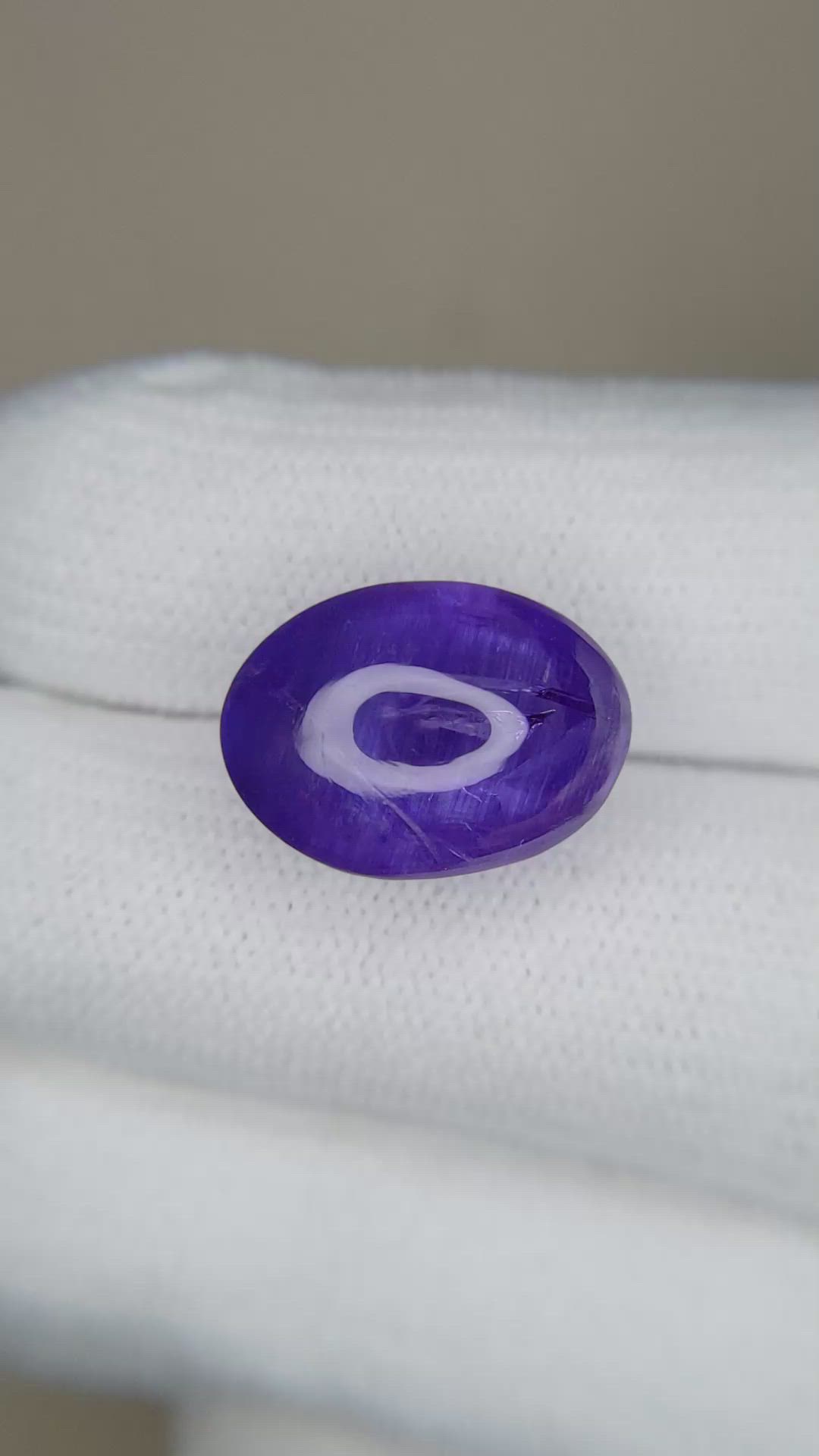
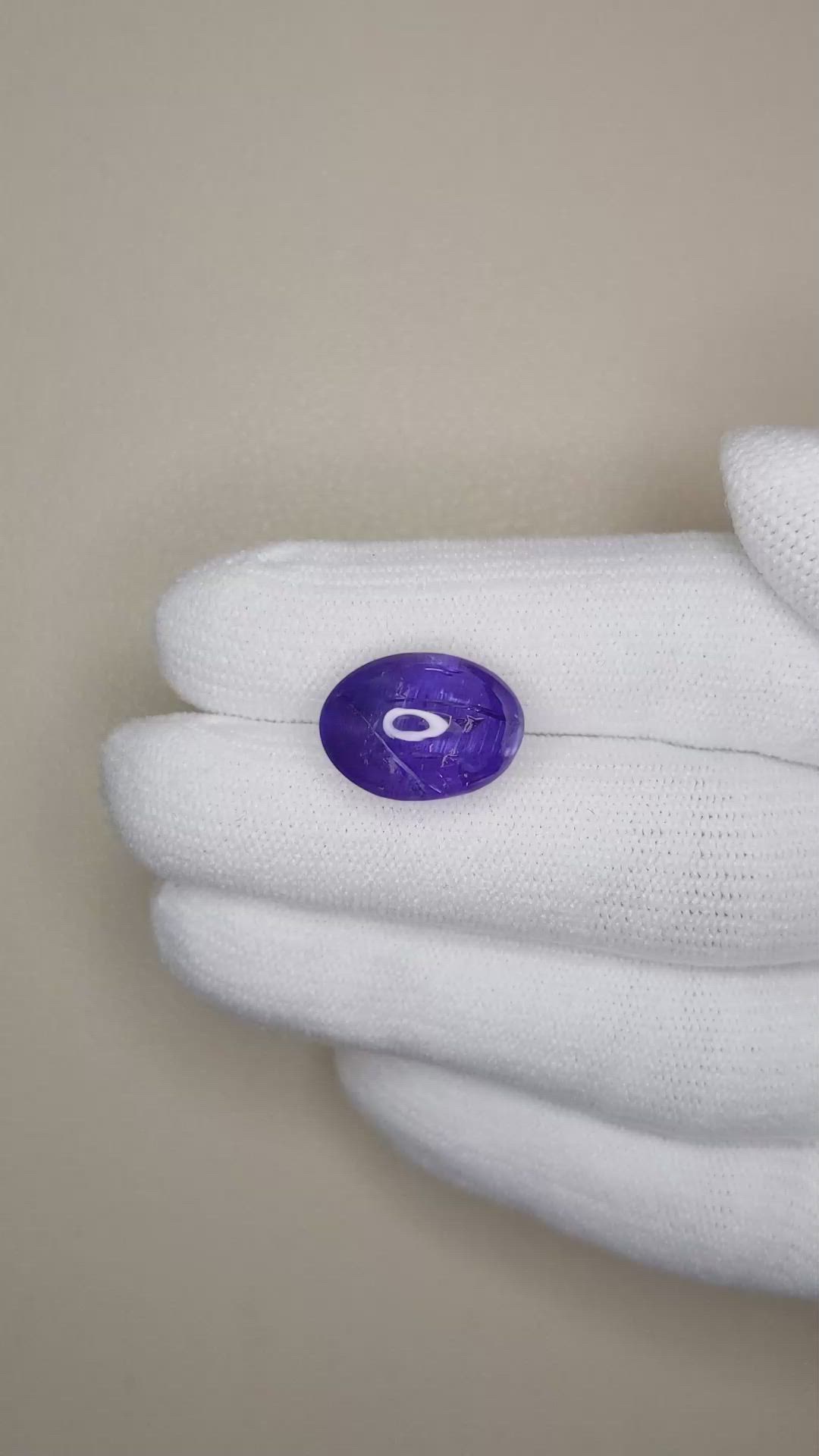
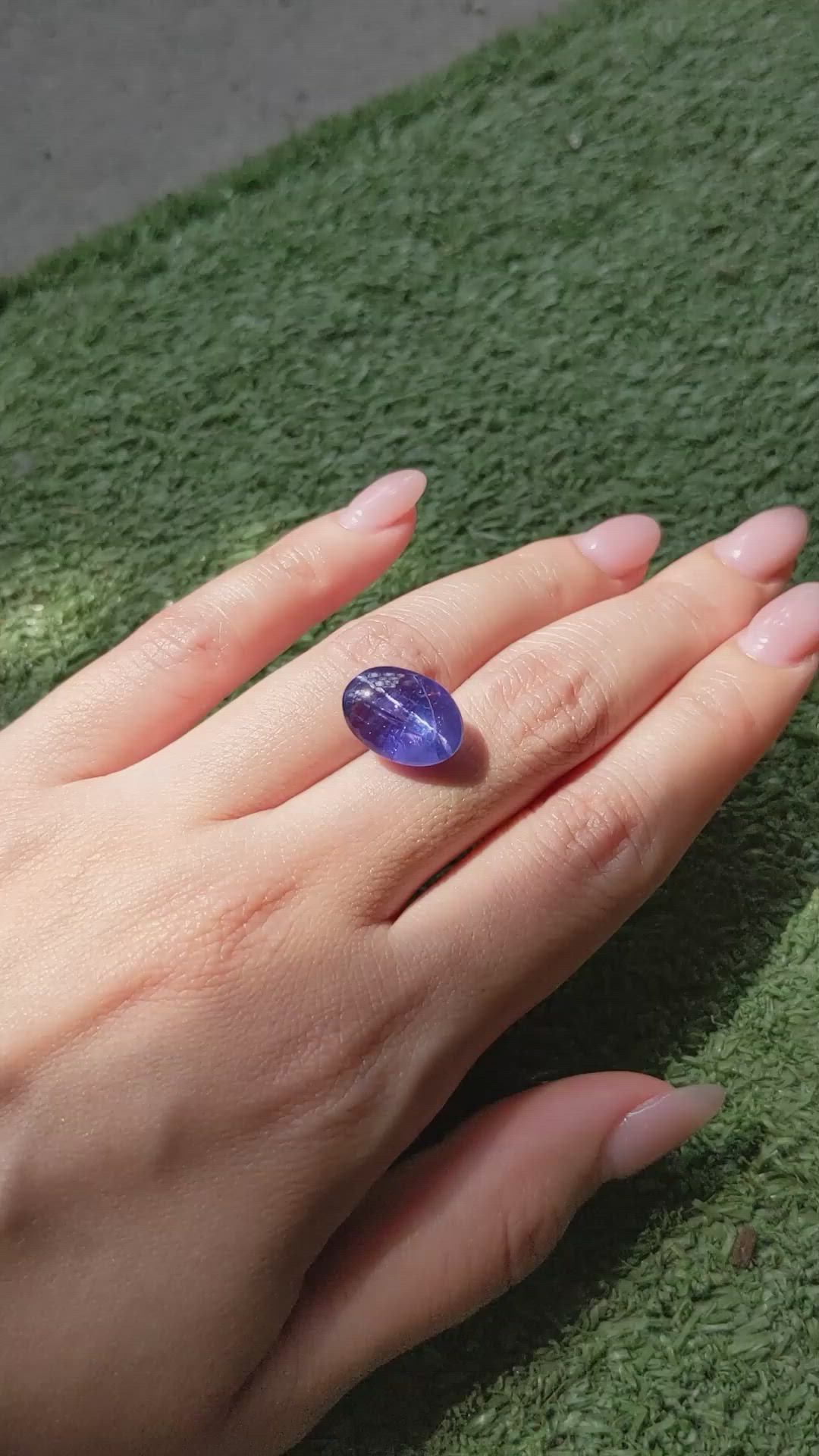
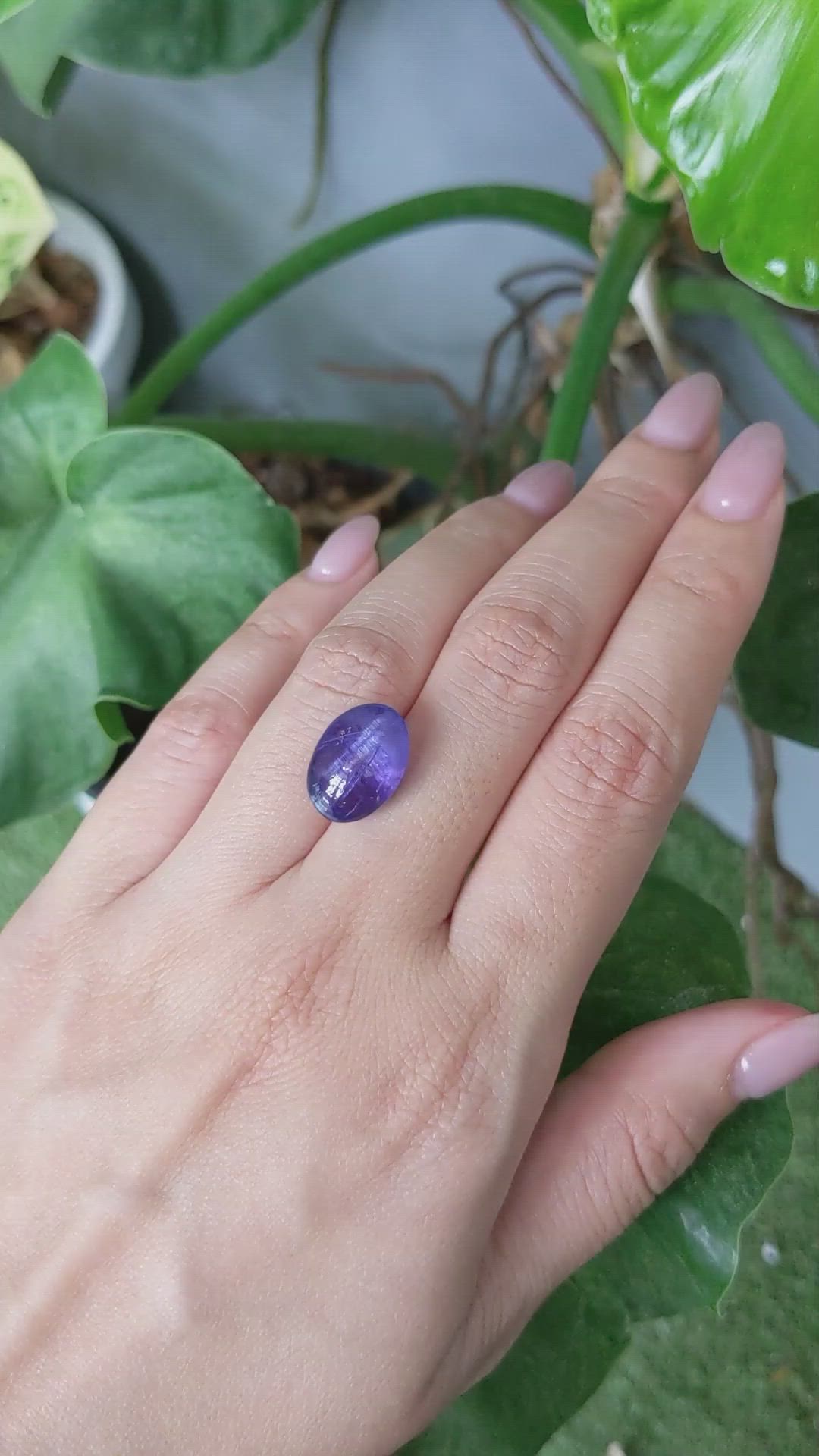

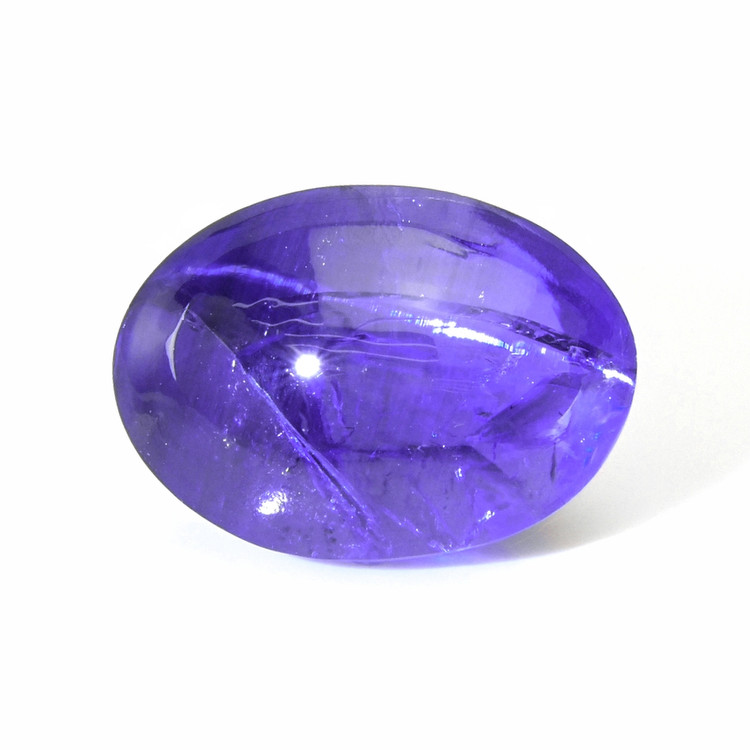
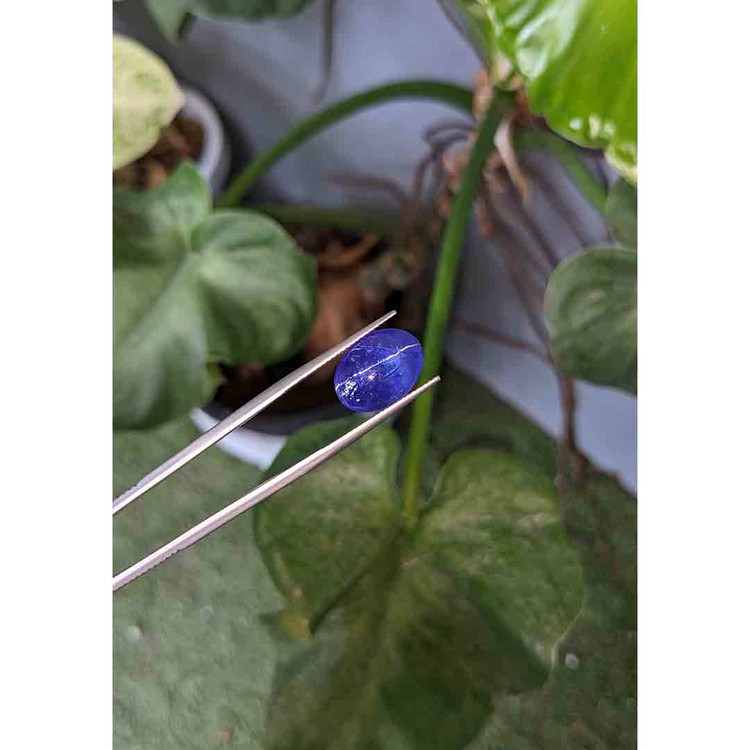
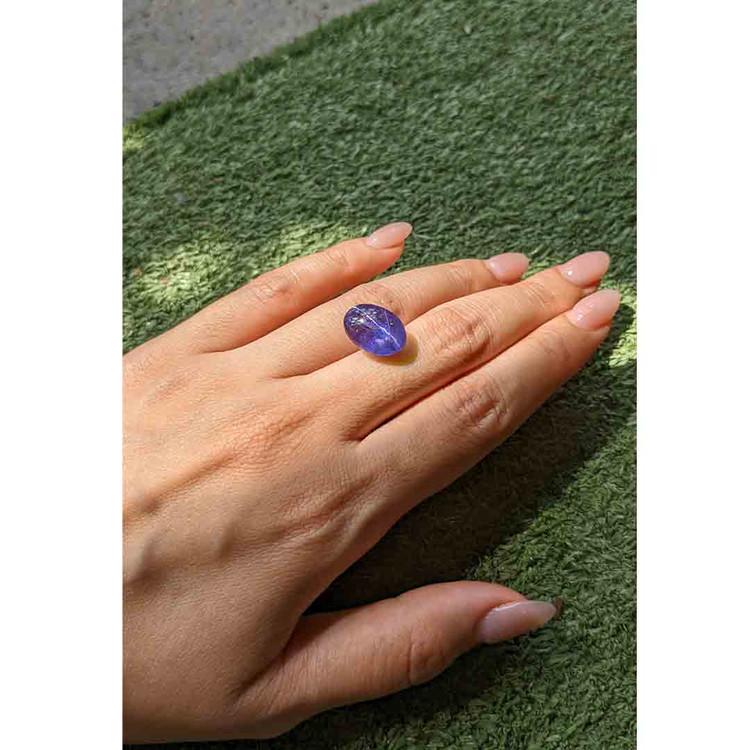
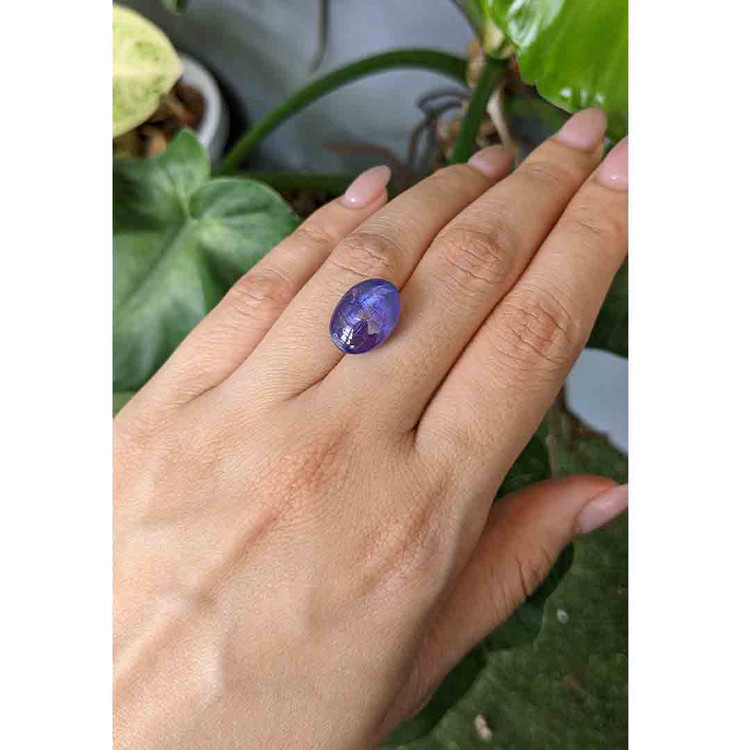

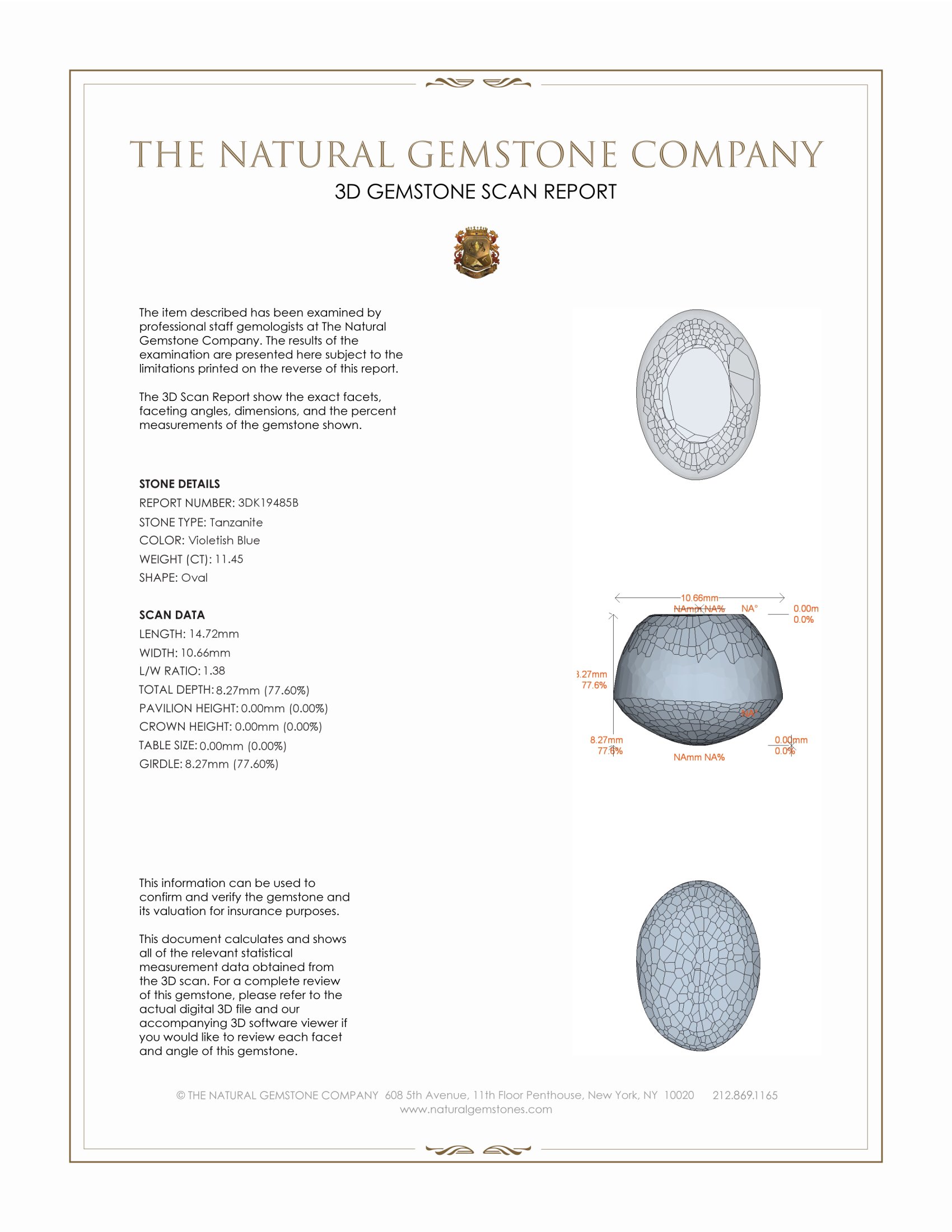
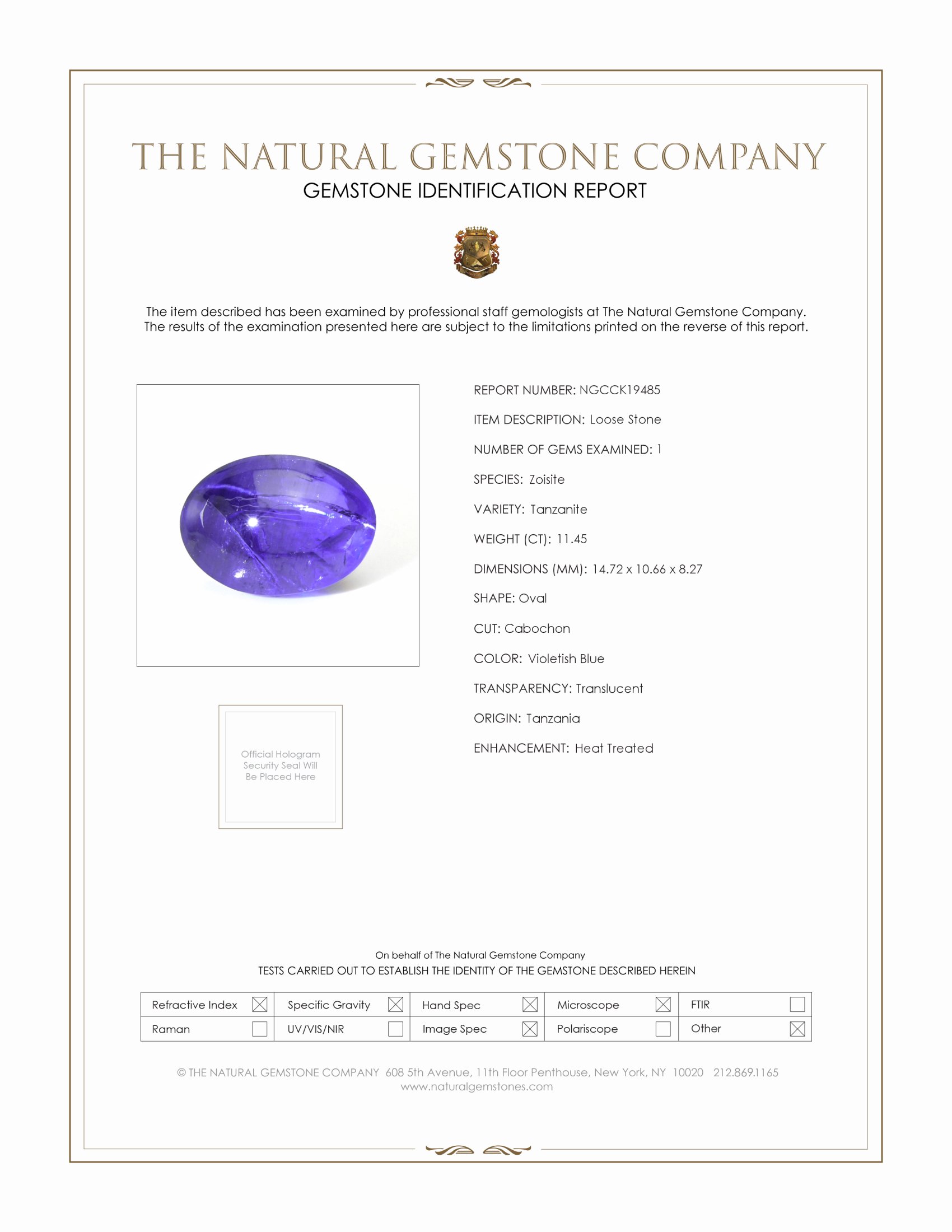
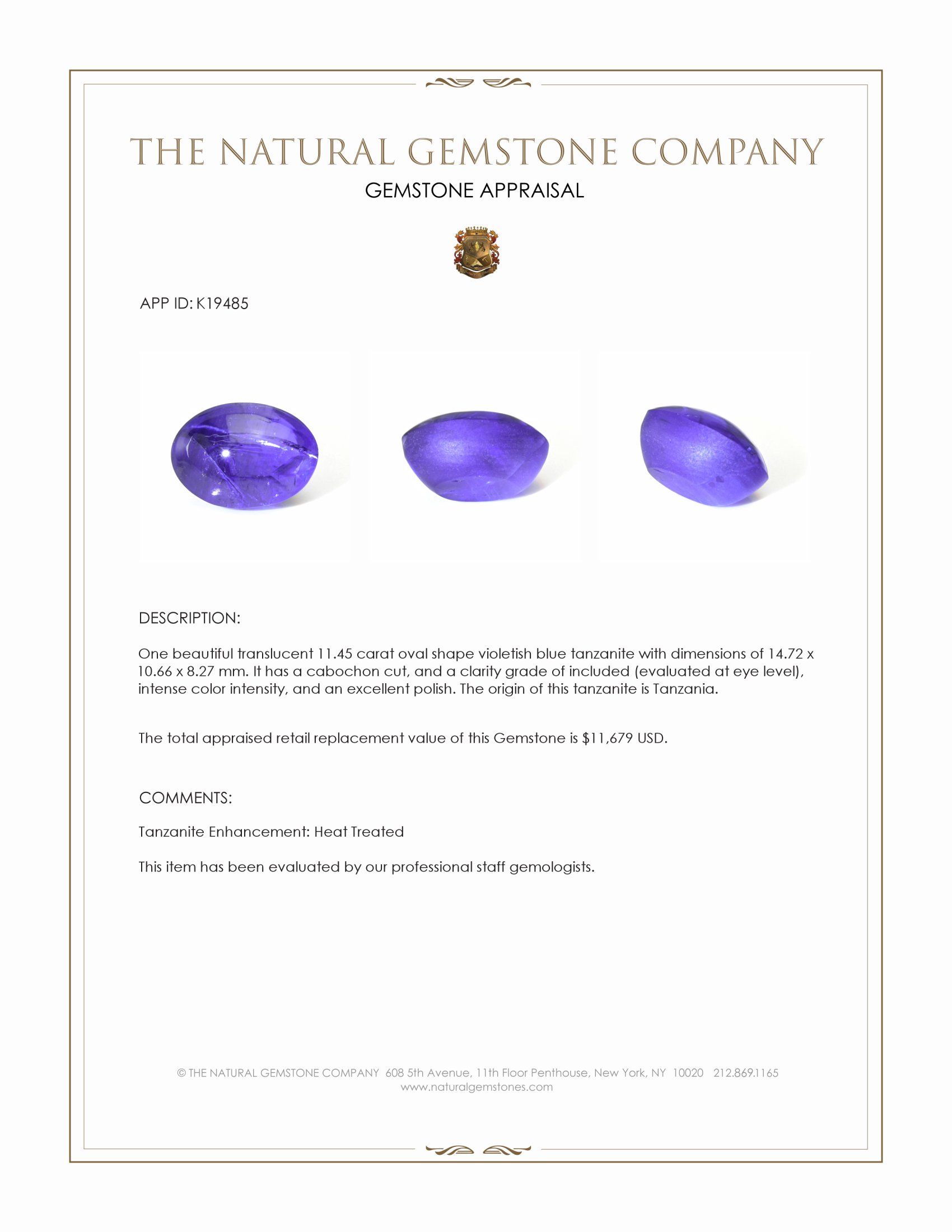
11.45 Ct. Cabochon Tanzanite from Tanzania
This loose stone ships by Apr 16
Item ID: | K19485 |
|---|---|
Dimensions (MM): help | Length: 14.72 Width: 10.66 Height: 8.27 |
Weight: | 11.45 Ct. |
Color: help | Violetish Blue |
Color intensity: help | Intense |
Clarity: help | Included |
Shape: help | Oval |
Cut: | Cabochon |
Cutting style: | Cabochon |
Enhancements: help | Heat Treated |
Origin: help | Tanzania |
Per carat price: help | $1,020 |
Imagine receiving a jewel that feels like a secret passed down through generations, a treasure that catches the light and the heart at the same time. This is one beautiful translucent 11.45 carat oval shape violetish blue tanzanite from Tanzania, presented by The Natural Gemstone Company. Its generous dimensions of 14.72 by 10.66 by 8.27 mm give it a presence that is both graceful and commanding. The cabochon cut allows the stone to glow from within, a velvety surface that invites the fingers to linger and the eyes to fall in love. With a clarity grade of included as evaluated at eye level, this tanzanite carries the little stories written into its depths, natural signatures that make it unmistakably alive. The intense color intensity and excellent polish combine to produce a gem that will stop conversations and start memories, heat treated to reveal the richest, most captivating tones that only a Tanzanian tanzanite can truly express.
When you hold this stone up to the light, you feel the quiet drama that only a natural tanzanite can produce. The cabochon silhouette transforms light into a soft, internal luminosity, a bloom of violetish blue that seems to pulse with a life of its own. The surface polish is flawless to the touch, and the translucency allows color to shift and deepen as you move the gem, a play of shade that feels like sunlight under water. Those included features are not imperfections, they are intimate fingerprints of time, evidence of the high pressure and slow formation that only nature can achieve. These internal markings give the gem personality, a gentle reminder that what you are wearing was once part of a story that began deep within the earth, and that story now continues with you. The result is a jewel that is not only admired for its beauty, but cherished for its character.
Compare this natural Tanzanian tanzanite to lab grown gemstones and you feel the difference in your chest as much as in your eyes. Lab grown stones can mimic color, they can achieve remarkable clarity and they can be made consistent, but they cannot reproduce the singular history written into every natural crystal. Natural tanzanites carry provenance, they are born of a place and time, and this particular piece comes to you from Tanzania, a rare origin that cannot be recreated in a factory. The inclusions that you see when you inspect this gem are like the lines in a loved ones hand, they make the tanzanite uniquely identifiable and irreplaceable. Rarity is another quiet advantage, natural tanzanite of this size and intensity is a finite gift from the earth, its scarcity and origin often translate into enduring sentimental and financial value. Many collectors and gift givers treasure that narrative, the knowledge that they are giving something that cannot be mass produced, a one of a kind token of affection.
Choosing this tanzanite from The Natural Gemstone Company is a choice to invest in emotion, in memory, and in a story that will grow more meaningful with every passing year. Picture gifting this gem on a milestone birthday, presenting it as an engagement surprise, or setting it into a family heirloom that will live on long after the day itself. Natural stones invite a different kind of joy, one that is layered and deep, because they carry the evidence of antiquity and the touch of the earth. Our team at The Natural Gemstone Company understands gemstones intimately, we see and respect the light within each stone, and we are honored to help you find the perfect way to celebrate your life moments. If you seek brilliance, rarity, and a connection to the world as it was created, this 11.45 carat violetish blue tanzanite is waiting to become the heart of your next cherished memory.


