
- Stone12
- Reports3

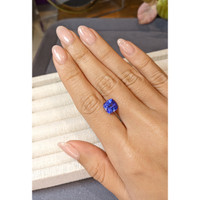
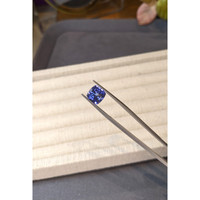
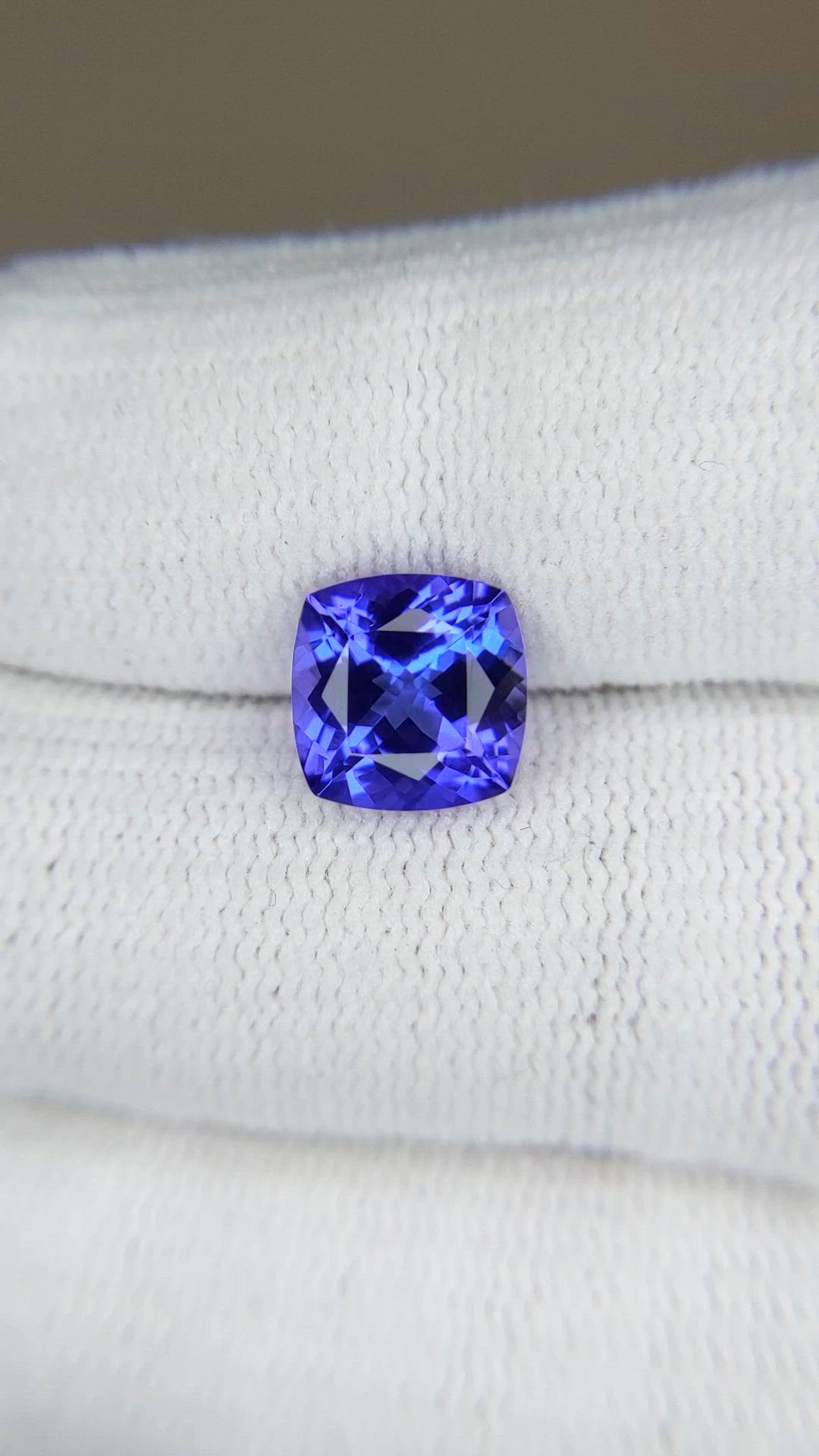
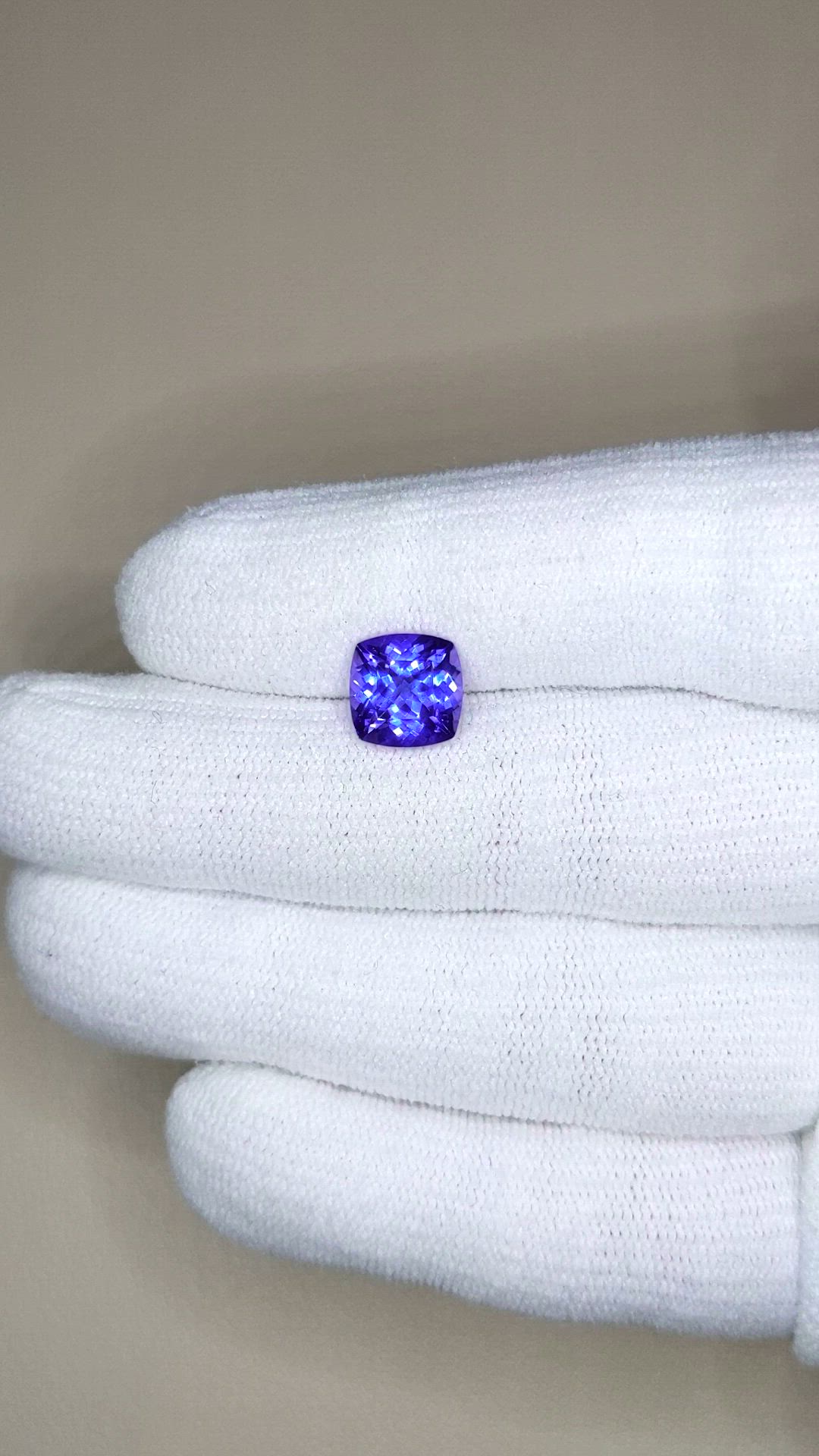
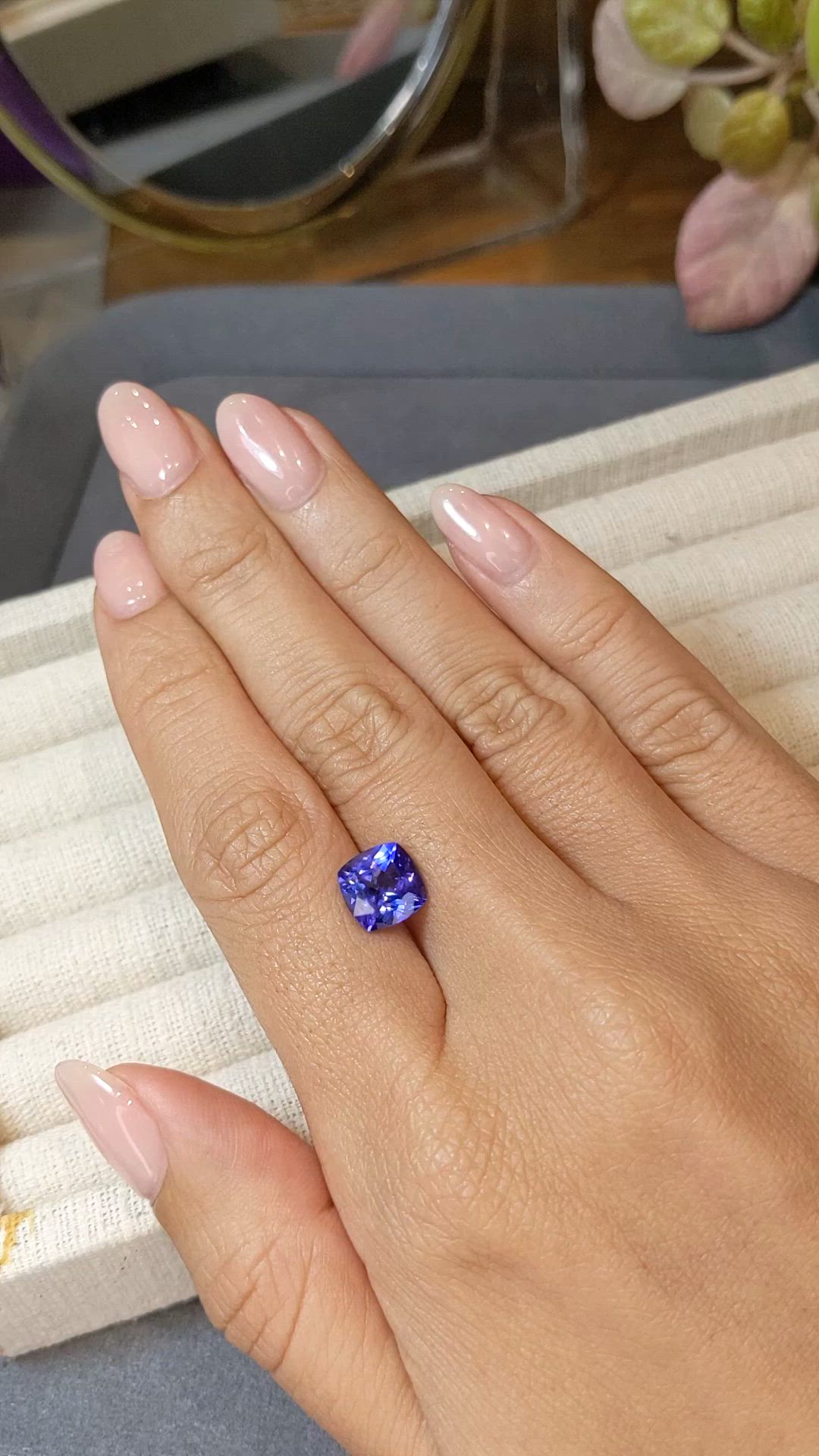
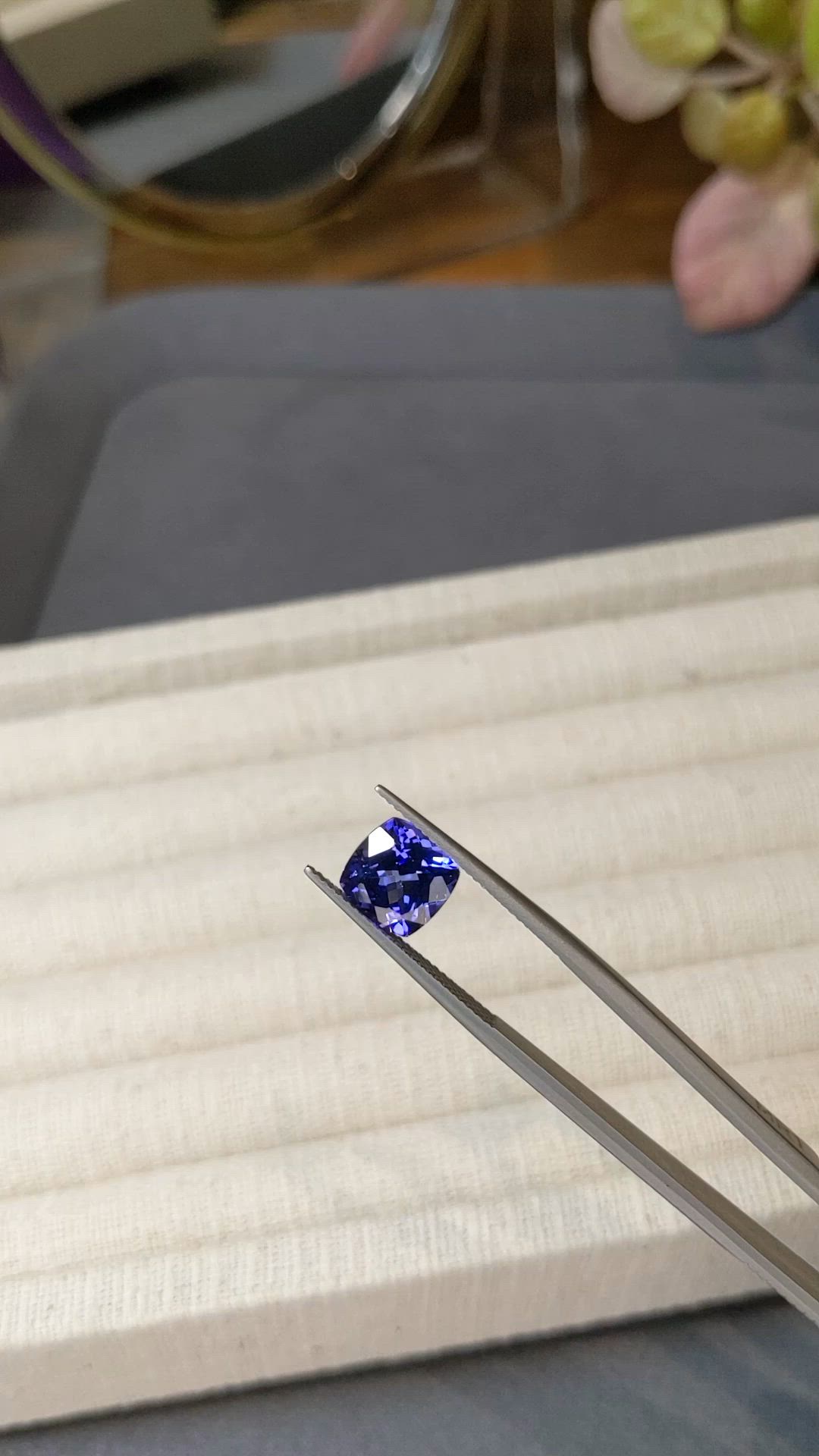


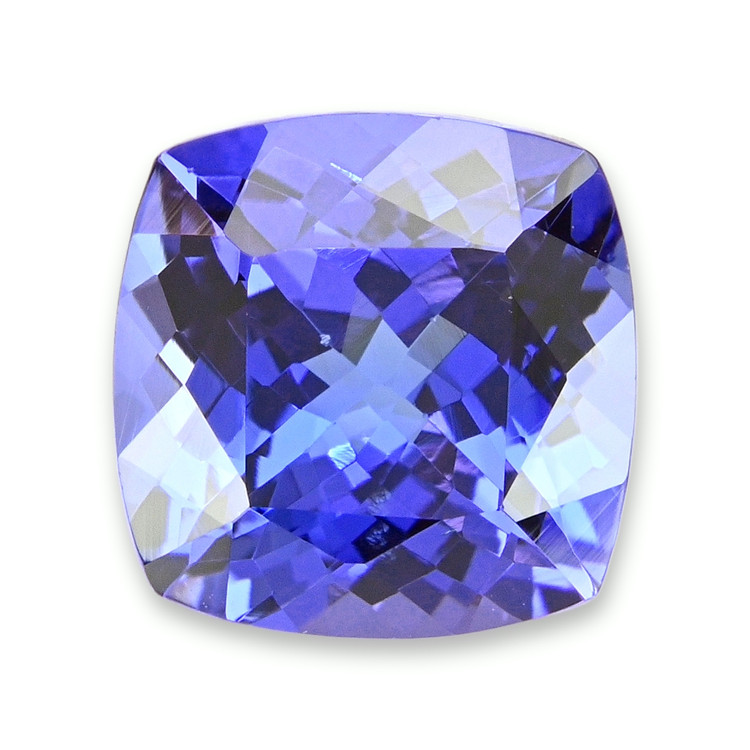


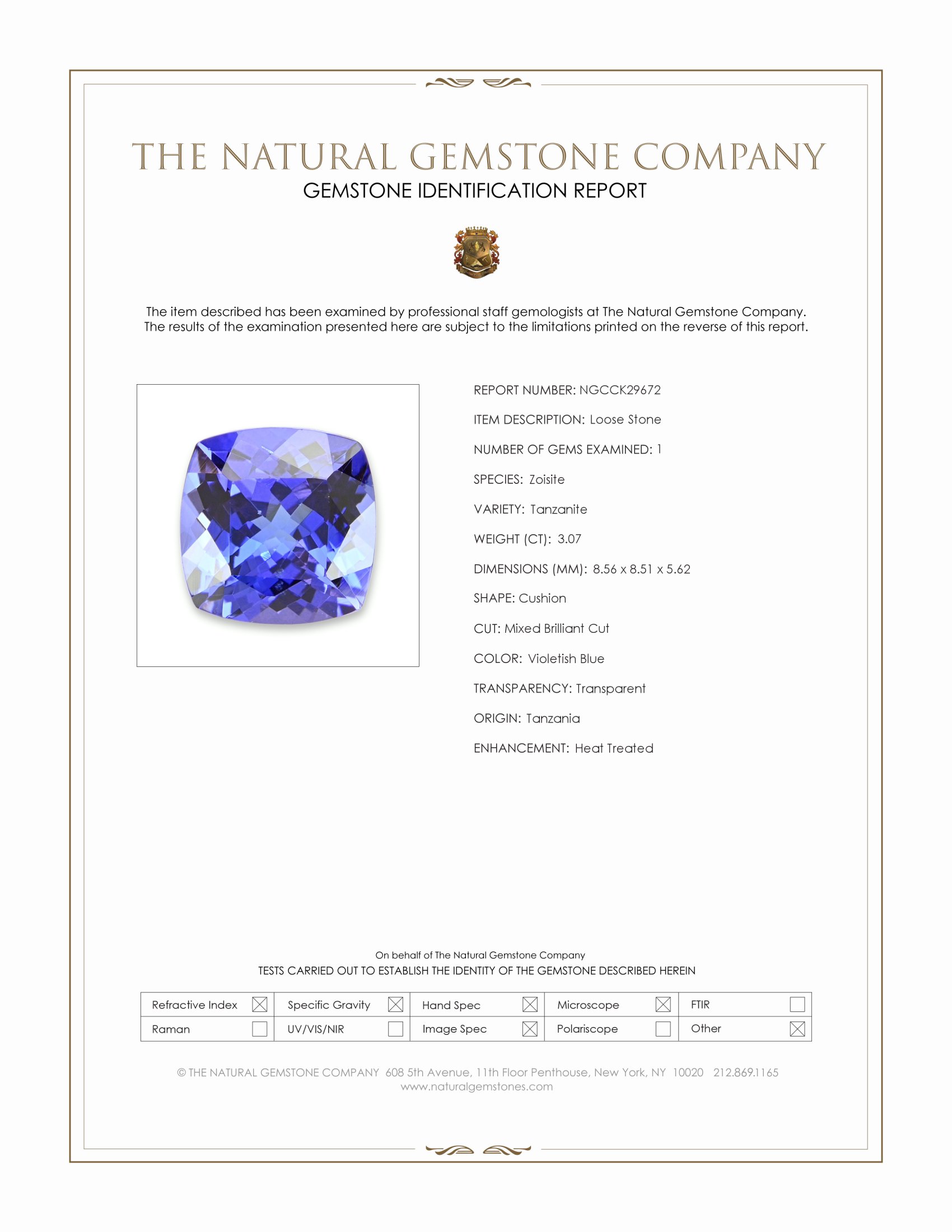

3.07 Ct. Violetish Blue Tanzanite from Tanzania
Item ID: | K29672 |
|---|---|
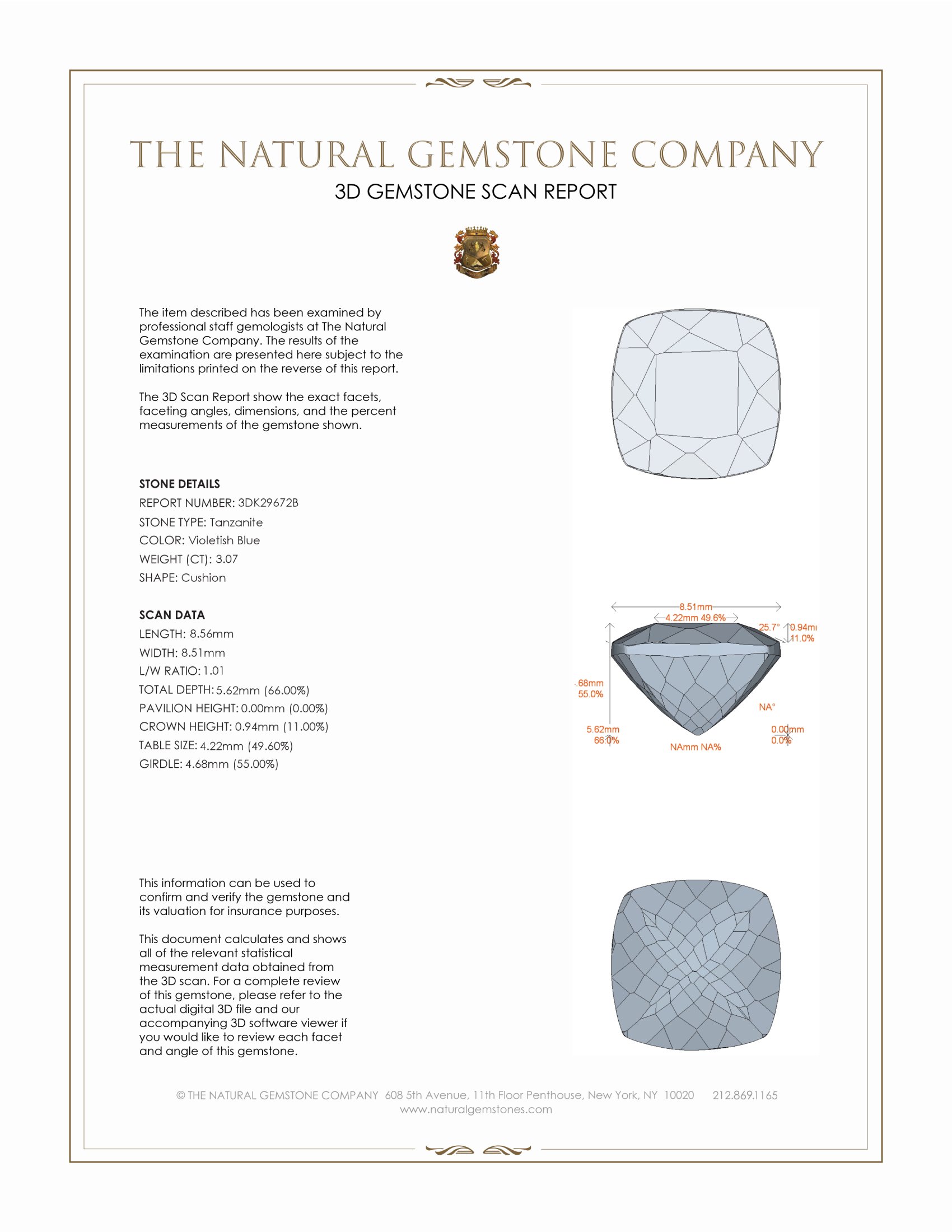
Dimensions (MM): help | Length: 8.56 Width: 8.51 Height: 5.62 |
Weight: | 3.07 Ct. |
Color: help | Violetish Blue |
Color intensity: help | Intense |
Clarity: help | Very Very Slightly Included |
Shape: help | Cushion |
Cut: | Mixed Brilliant Cut |
Cutting style: | Faceted |
Enhancements: help | Heat Treated |
Origin: help | Tanzania |
Per carat price: help | $400 |
This listing presents one transparent tanzanite weighing 3.07 carats, cut in a cushion shape, with dimensions of 8.56 by 8.51 by 5.62 millimeters. The cutting style is faceted, executed in a mixed brilliant cut that balances table size and pavilion faceting to maximize both color and brilliance. Clarity is graded as very very slightly included when evaluated at eye level, indicating minimal internal features that do not detract from face up appearance. The color reads as violetish blue with intense color saturation, a combination that is highly characteristic of fine tanzanite, and the polish is rated excellent, yielding crisp facet junctions and lively light return. The stone has been heat treated, a common and stable enhancement used to develop the preferred violet blue hue, and its geographic origin is Tanzania, the established source for gem quality tanzanite. The Natural Gemstone Company provides this stone with full disclosure of treatment and origin, and with photographic views that represent the stone under neutral lighting conditions.
Optically this tanzanite displays the strong pleochroism for which the species is known, presenting shifts between violet, blue, and subtle violet blue depending on viewing angle and lighting. The mixed brilliant cut has been selected to take advantage of these optical properties, concentrating color in the crown facets while allowing the pavilion facets to contribute sparkle and return. At 3.07 carats and the cited dimensions, this gem offers a visible presence suitable for a variety of settings, from solitaire rings to bespoke pendants, while maintaining proportions that allow secure and practical mounting. The very very slightly included clarity grade means that at typical viewing distances the stone appears clean, with inclusions confined to positions that do not interrupt the overall color field or contribute to light leakage. The excellent polish enhances face up appearance, ensuring the facets act as effective windows and mirrors rather than diffusion points.
Regarding enhancement and care, heat treatment is a widely accepted practice in tanzanite, applied to transform brownish or greenish material into stable violet blue tones. When properly performed, heat treatment is permanent and does not reduce structural integrity. Tanzanite registers approximately 6 to 7 on the Mohs hardness scale, and while it is suitable for many types of jewelry, it requires mindful handling and protective settings for everyday wear. Avoid exposure to sudden temperature changes and strong chemicals that could affect the surface, and consider protective bezel or halo settings for rings and bracelets that encounter frequent knocks. Cleaning is best accomplished with warm soapy water and a soft brush, avoiding ultrasonic and steam cleaners in cases where internal features might be present or where previous settings have compromised structural support.
Compared to lab grown gemstones, natural tanzanite from a single known location in Tanzania offers attributes that many buyers value, including geological provenance, natural formation history, and the subtle variability in color and inclusion patterns that serve as a natural fingerprint. Lab grown stones deliver consistent color and clarity, and they can be a cost effective option for some uses, but they lack the specific mineralogical and geological context of a natural stone, and they do not carry the same degree of rarity associated with a single, geographically limited source. Natural tanzanite exhibits genuine pleochroism and color zoning that vary from piece to piece, offering collectors and connoisseurs a degree of uniqueness and character that is often sought after for high quality pieces. From a long term perspective natural gemstones tend to retain desirability among certain segments of the market because their supply is finite and tied to primary deposits, and because disclosure of treatment and origin, as provided by The Natural Gemstone Company, supports transparent valuation and provenance documentation.


