
- Stone14
- Reports2
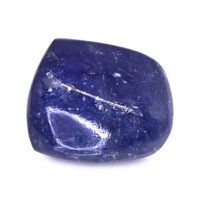
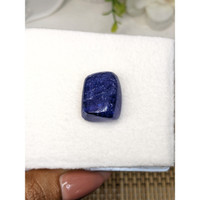
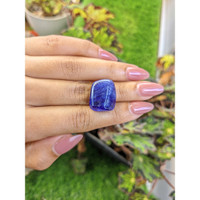
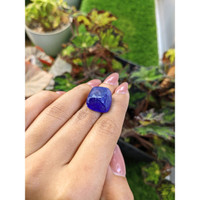
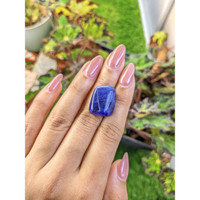
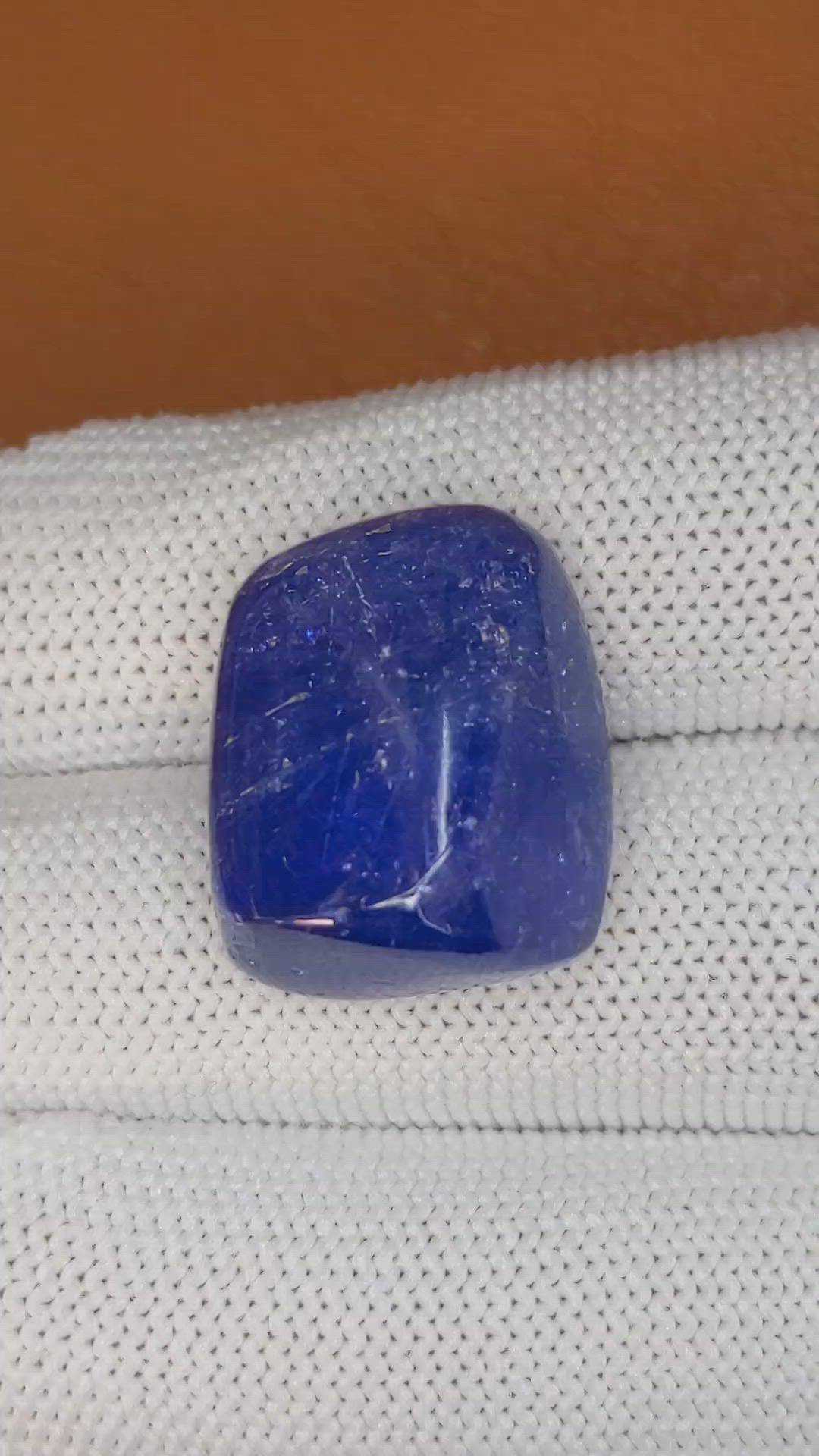
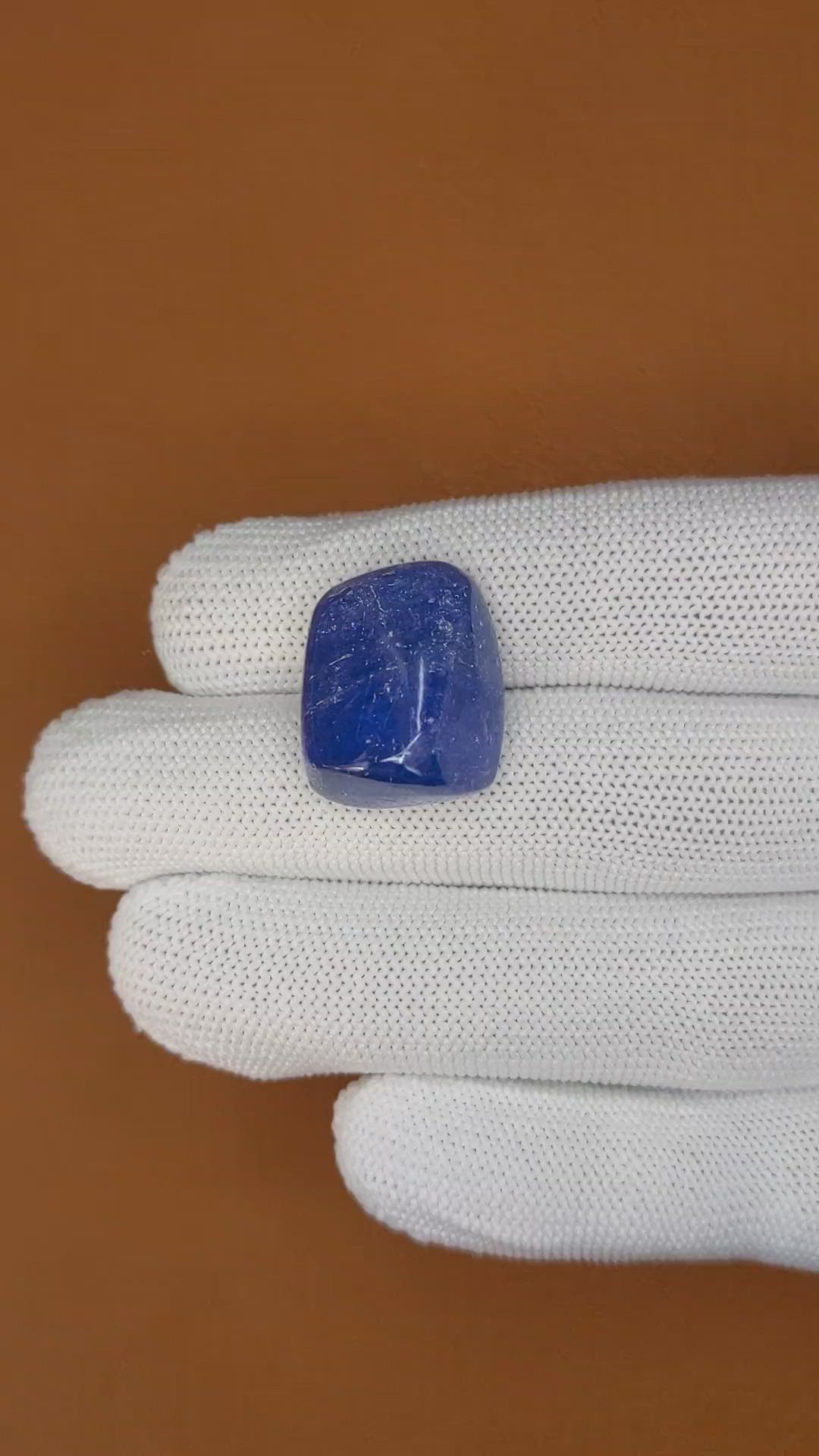
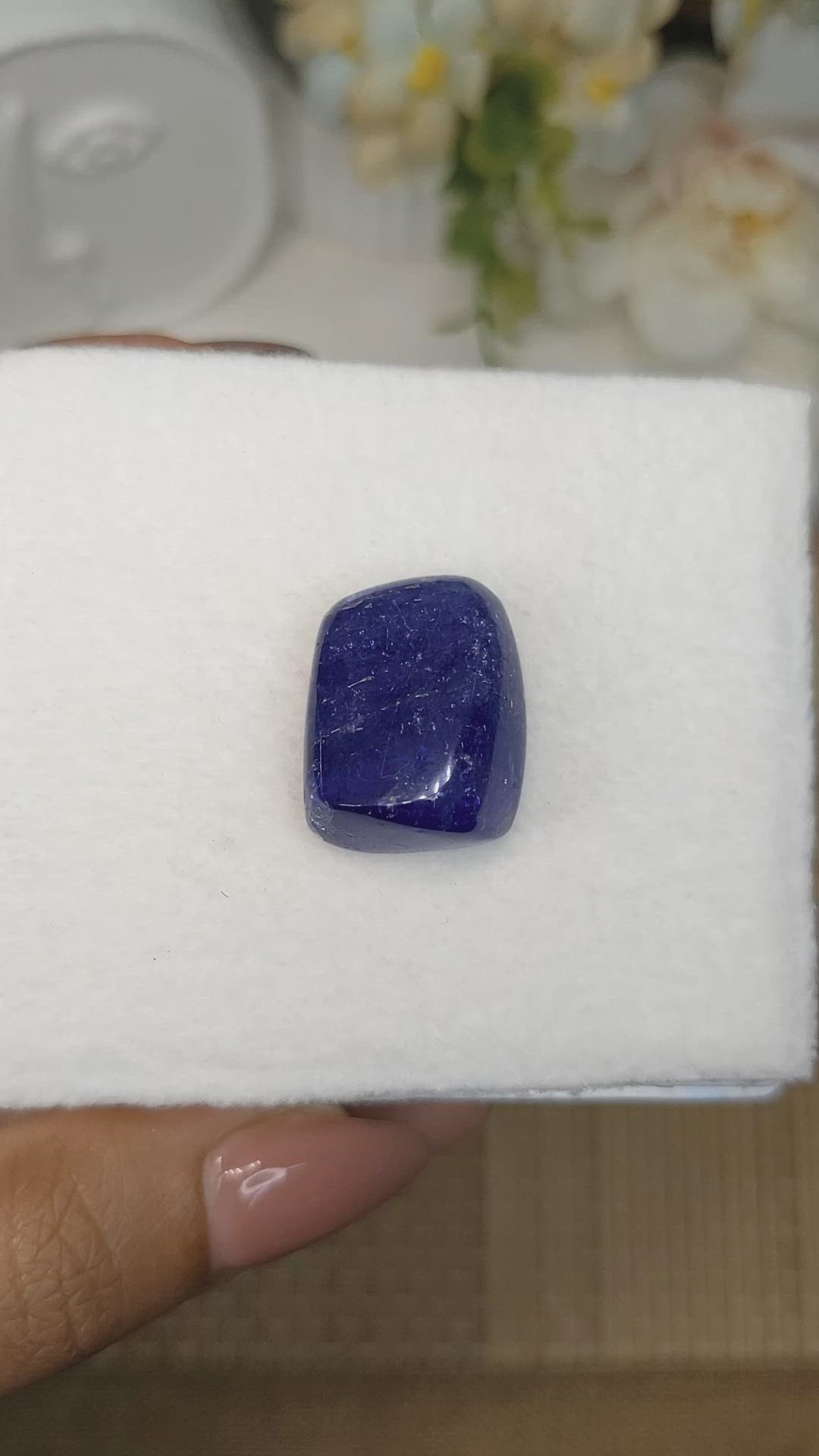
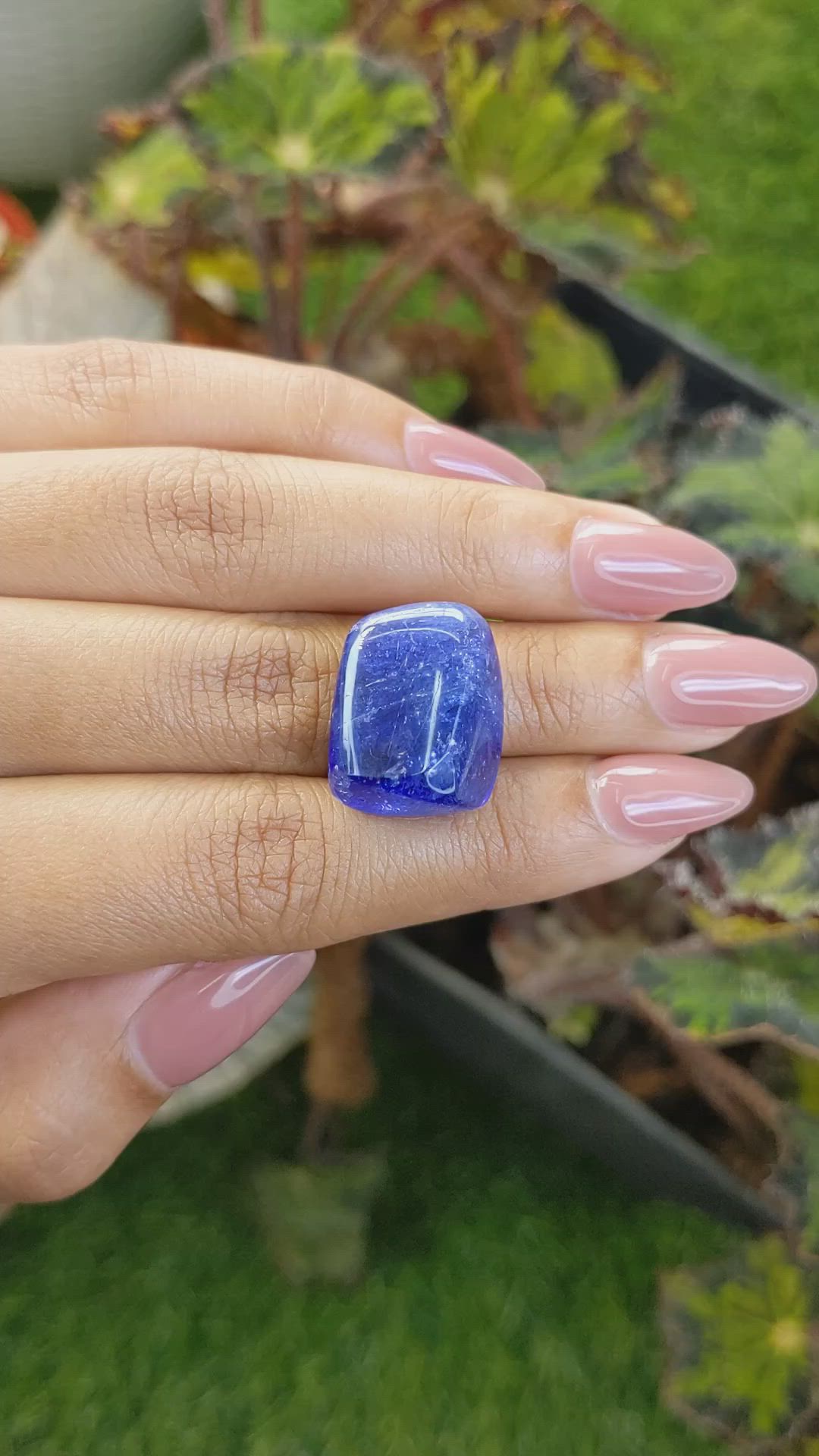
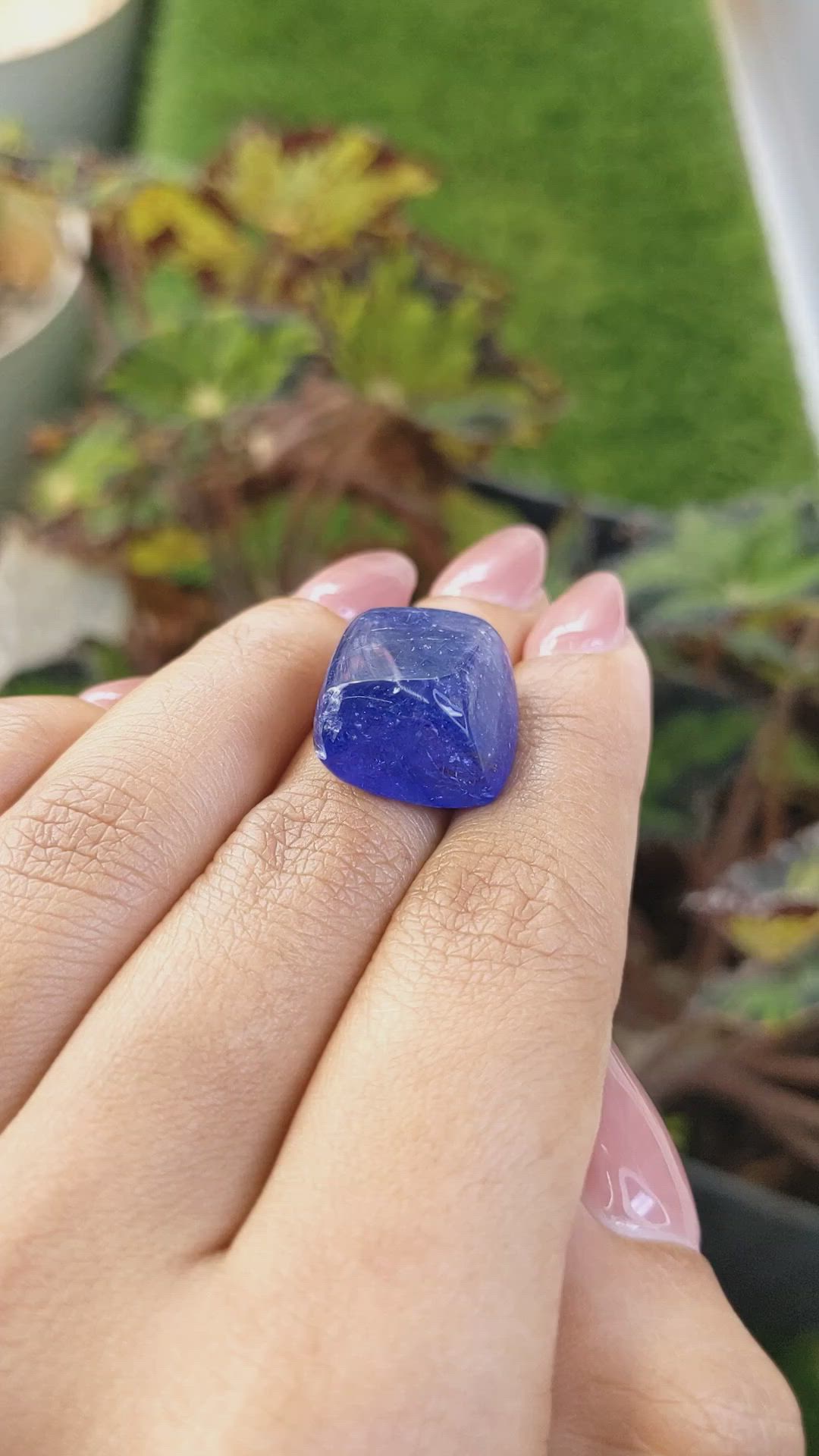
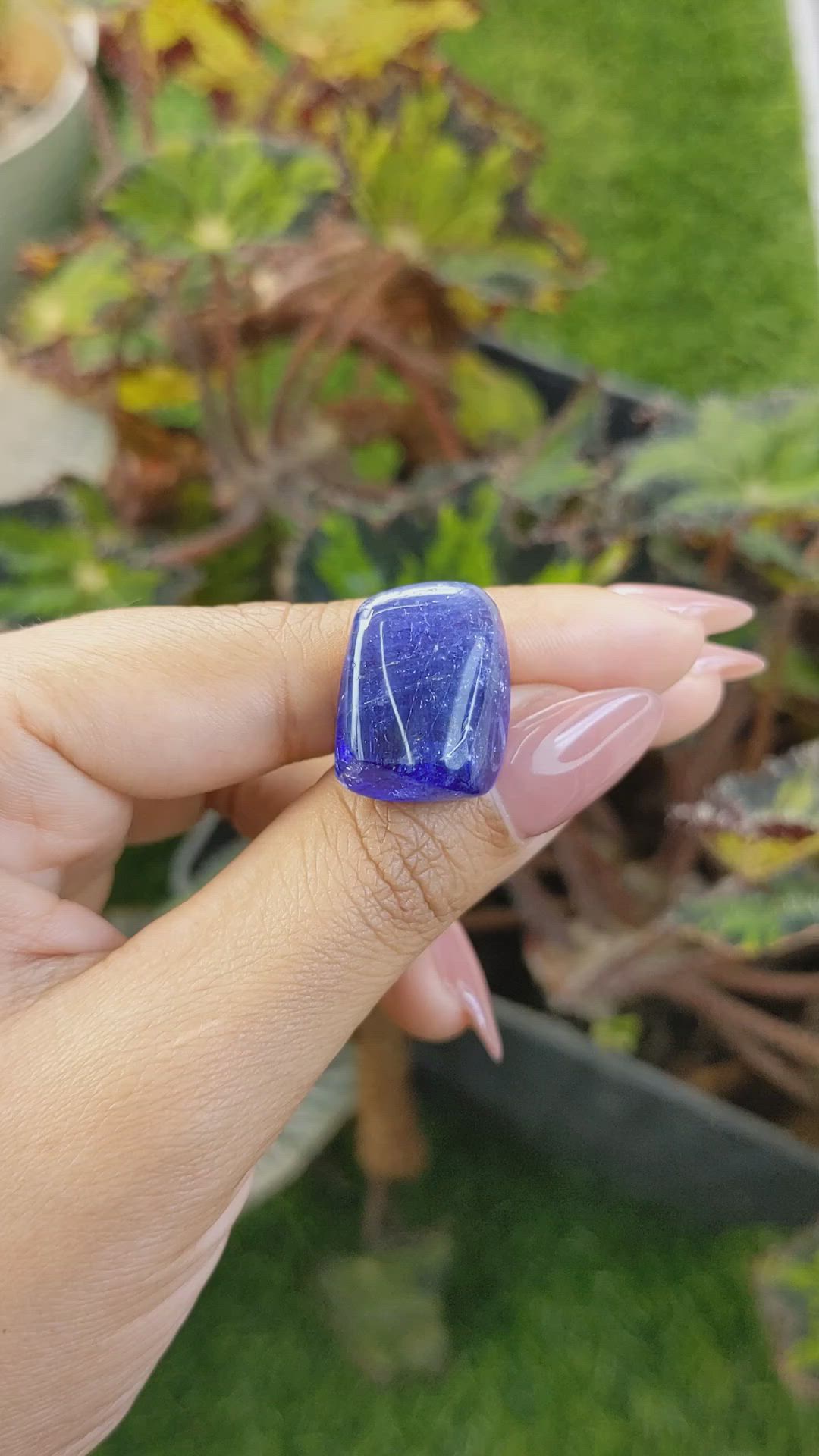
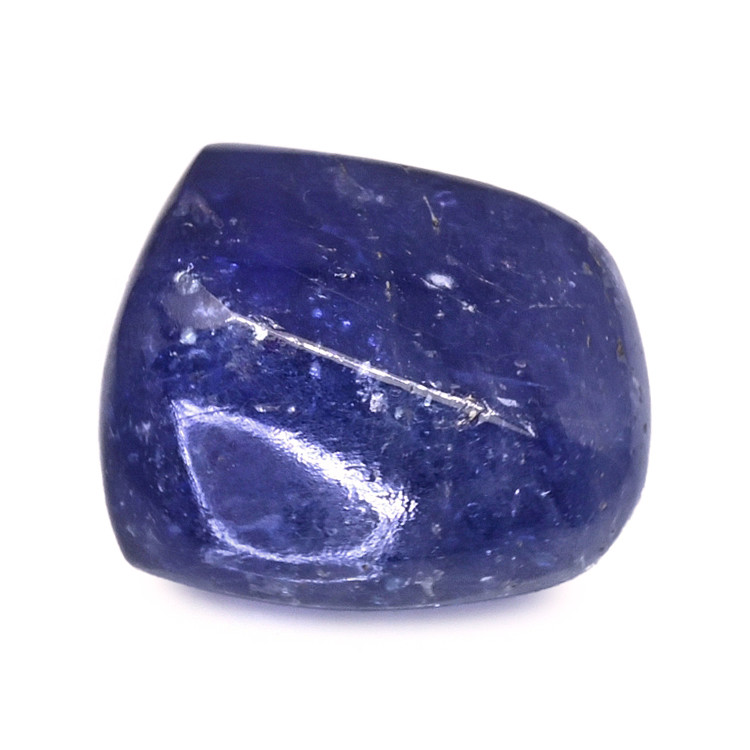
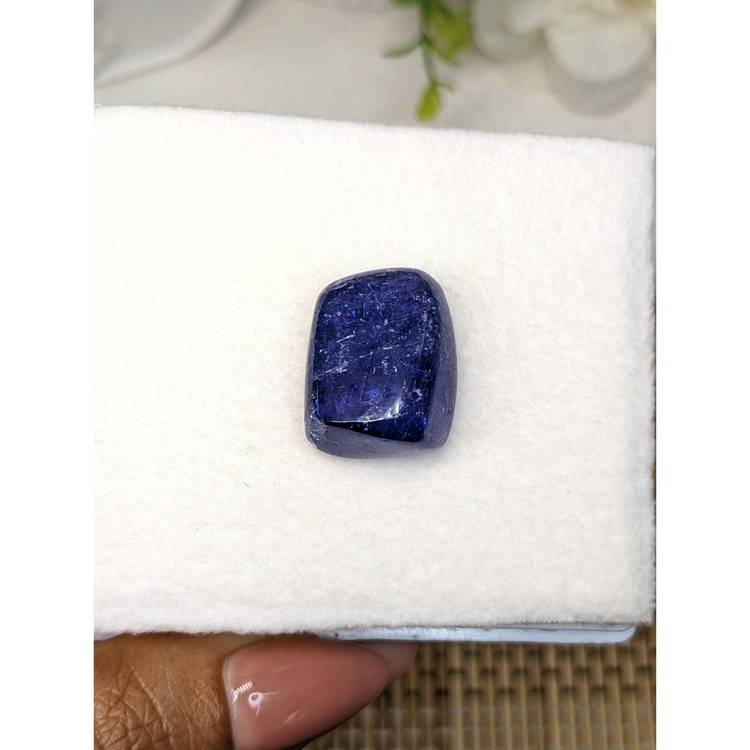
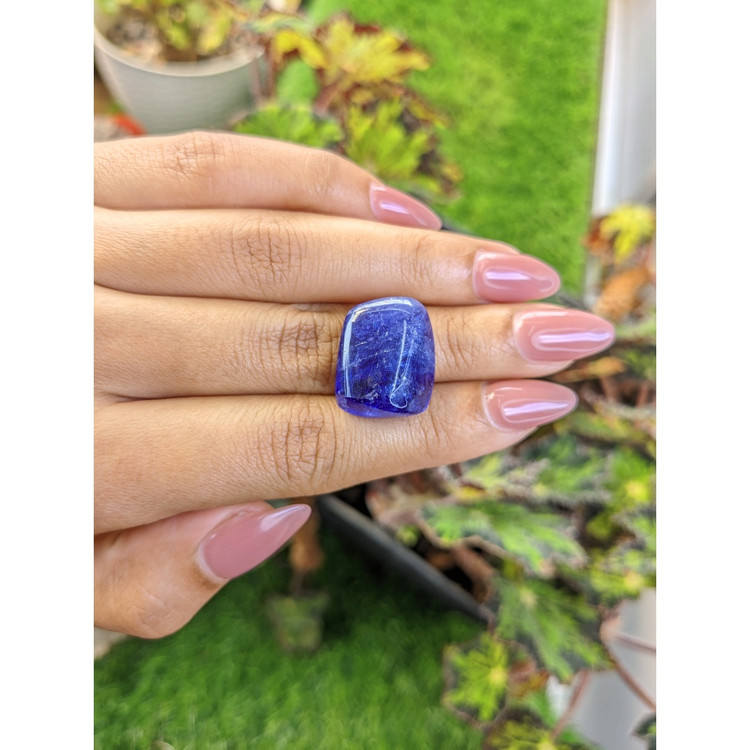
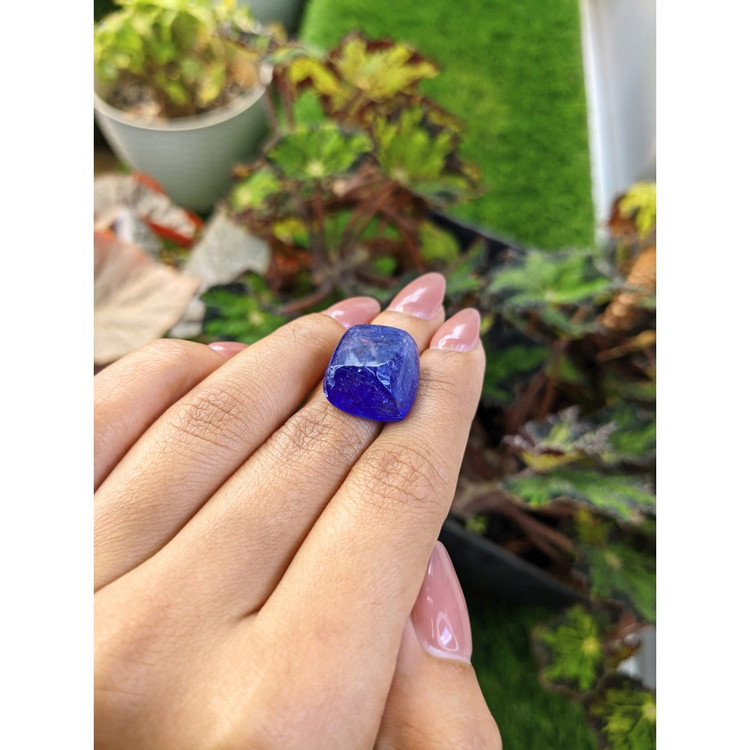
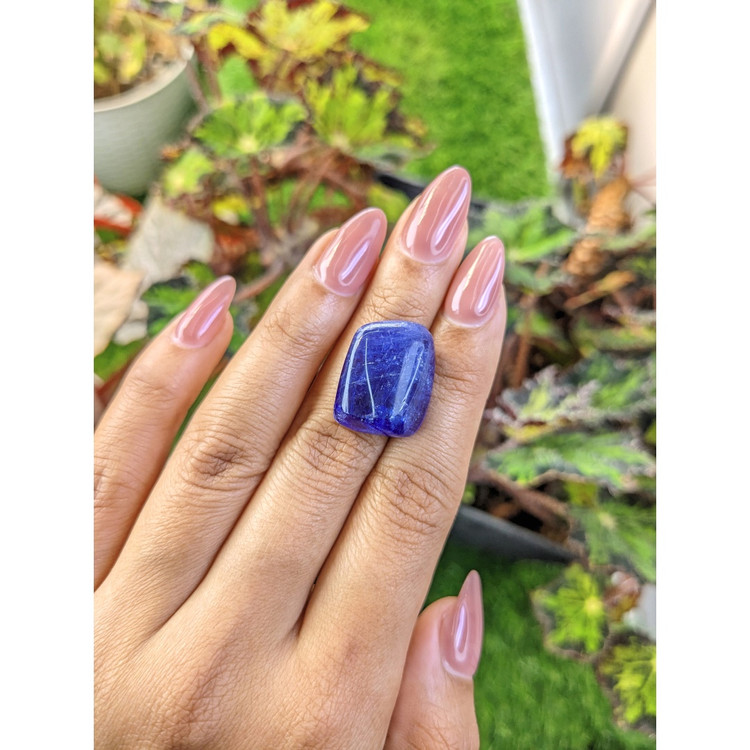
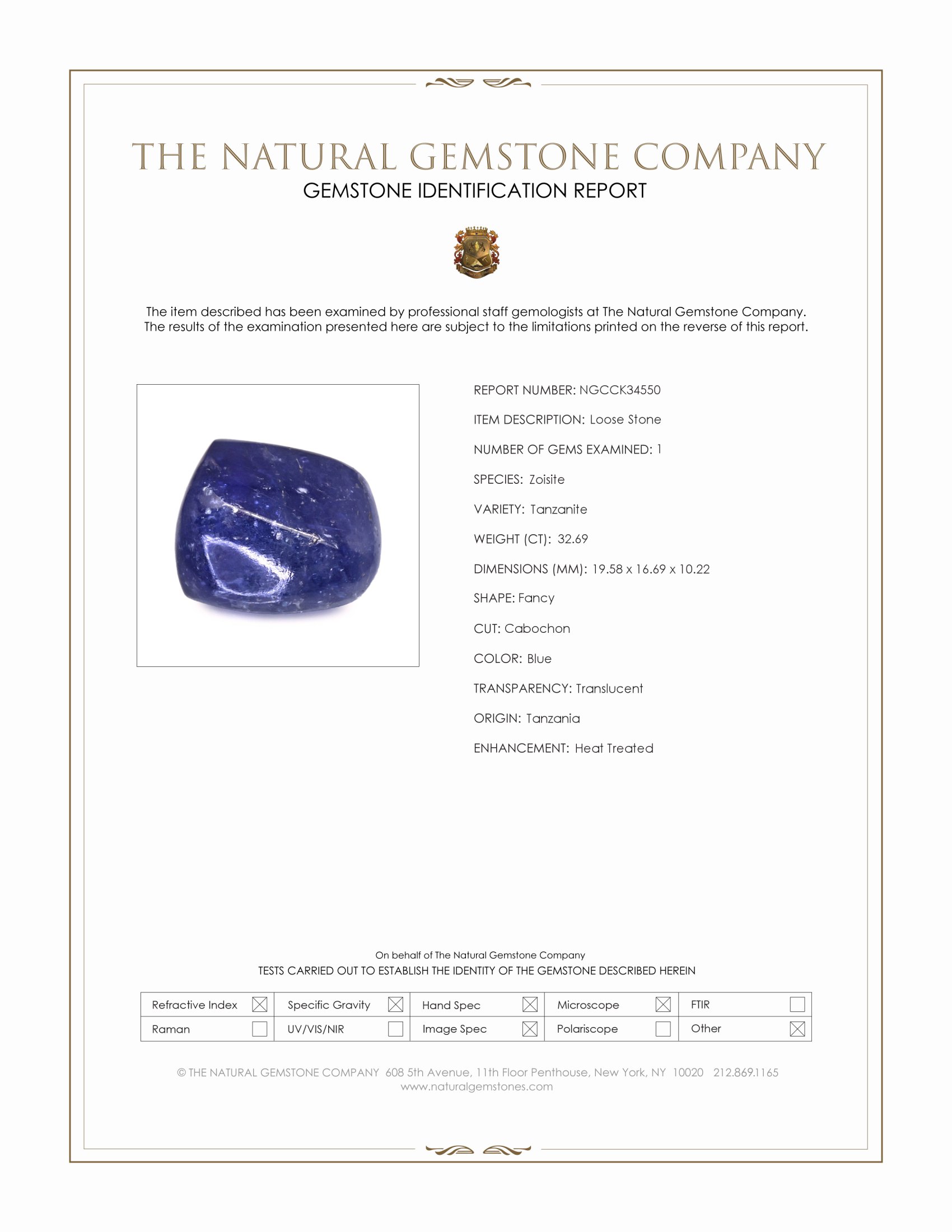
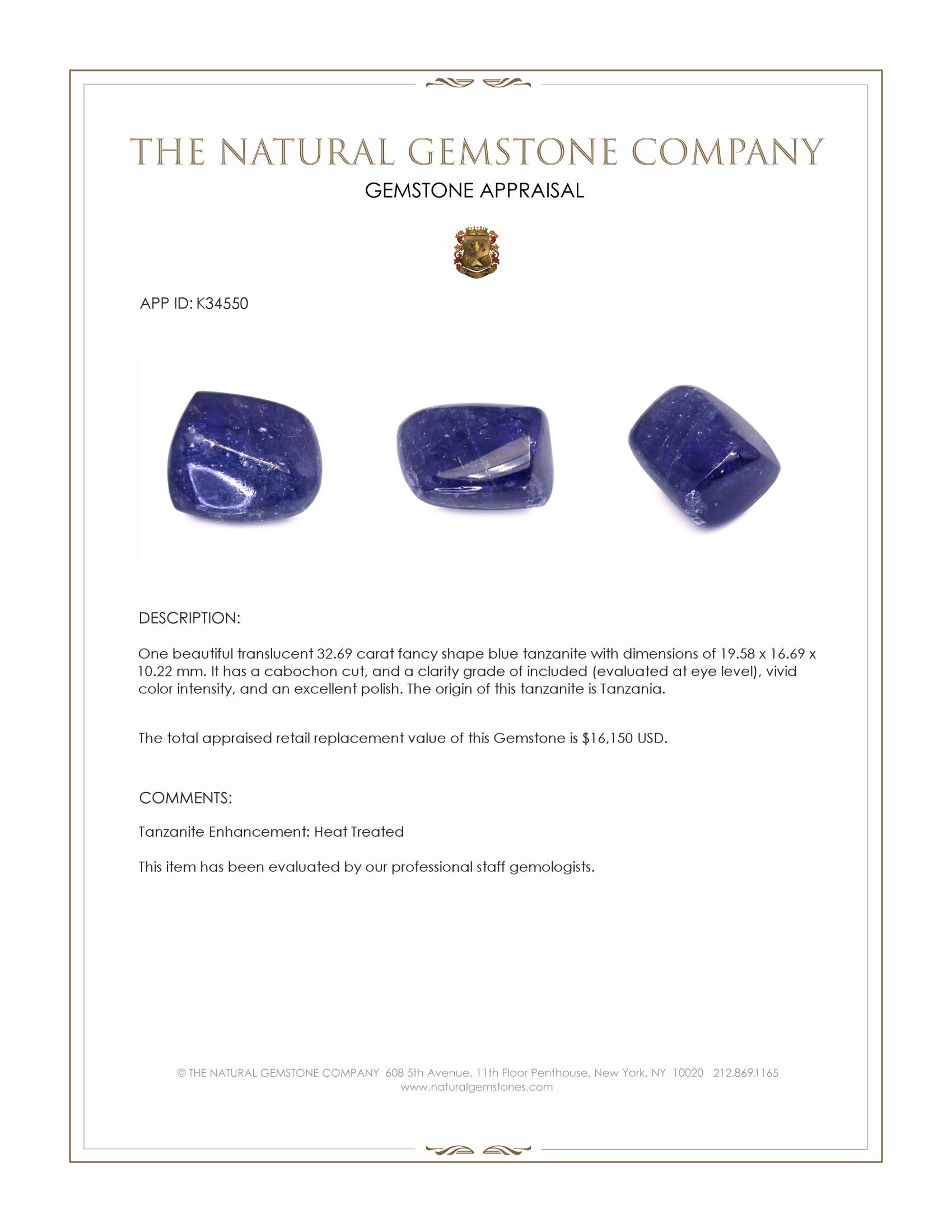
32.69 Ct. Blue Cabochon Tanzanite from Tanzania
This loose stone ships by Dec 11
Item ID: | K34550 |
|---|---|
Dimensions (MM): help | Length: 19.58 Width: 16.69 Height: 10.22 |
Weight: | 32.69 Ct. |
Color: help | Blue |
Color intensity: help | Vivid |
Clarity: help | Included |
Shape: help | Fancy |
Cut: | Cabochon |
Cutting style: | Cabochon |
Enhancements: help | Heat Treated |
Origin: help | Tanzania |
Per carat price: help | $494 |
This exceptional 32.69 carat blue tanzanite offered by The Natural Gemstone Company is presented in a graceful fancy shape cabochon, with measured dimensions of 19.58 x 16.69 x 10.22 millimeters. The material is translucent with vivid color intensity and an excellent polish, delivering a deep and saturated blue tone that is immediately striking to the eye. The cutting style is cabochon, which enhances the stone s body color and provides a luminous surface that interacts beautifully with light, rather than relying on facet play. Clarity is graded as included when viewed at eye level, meaning that natural inclusions are visible without magnification. These inclusions are part of the gem s natural character and do not detract from the overall presence of this sizable piece. The tanzanite has undergone standard heat treatment to intensify its blue violet hue, a stable and widely accepted enhancement in the trade, and its documented origin is Tanzania, the only known commercial source for gem quality tanzanite in the modern market.
For an educated buyer, understanding the gemological specifics informs both aesthetic appreciation and long term value considerations. Tanzanite is a variety of the mineral zoisite, with a typical hardness of approximately 6.5 to 7.0 on the Mohs scale, which requires thoughtful setting and sensible wearing practices to protect the stone from abrasion and impact. The cabochon cut is particularly well suited for larger tanzanite specimens with translucent to opaque body color, as it maximizes the perception of depth and uniformity of tone. The clarity grade included denotes that internal features exist and are observable at normal viewing distances, but these features can add character and confirm natural origin. The vivid color intensity of this example is a primary driver of desirability, since tanzanite s market value is strongly correlated with the purity and saturation of its blue and violet components. Heat treatment is a routine and permanent enhancement that converts brownish zoisite into the vivid blue violet hues collectors prize, and it is both predictable and stable under normal wearing and storage conditions.
Placing this stone in historical perspective helps explain its unique appeal to collectors and designers who are familiar with legendary gemstones. While not identical in material or market tier, the deep blue saturation and cabochon presentation recall the intense velvety blues for which the finest Kashmir sapphires became famous in the late 19th and early 20th centuries, and which remain benchmarks for blue gem color. The cabochon form also evokes famous star sapphires where smooth domes reveal a concentrated, almost mystical internal glow, yet this tanzanite displays its own singular character through color depth rather than asterism. Compared to iconic gems that are household names, such as the Hope Diamond with its unparalleled fame and history, this tanzanite offers a different but meaningful kind of rarity. Tanzanite was discovered only in the modern era of 1967, and commercial deposits are geographically restricted to the Merelani Hills of northern Tanzania, which creates a compelling provenance story and a practical scarcity. A large, 32.69 carat tanzanite cabochon with vivid color and a fine polish is uncommon, and for collectors who value locality, narrative, and aesthetic impact, it presents a compelling alternative to the classic historical stones that defined earlier eras of gem collecting.
From a practical acquisition viewpoint, this tanzanite is versatile for high impact jewelry or as a showpiece specimen for a collection. Its cabochon profile works beautifully as a central element in a pendant, where the stone s size and depth of color can be appreciated at close range, or as a statement ring with a protective bezel or gallery setting to mitigate wear. Designers who aim to create pieces with a modern yet timeless presence will value the richness of tone and the tactile smoothness of the cabochon surface. For the discerning buyer considering long term appreciation, the concentration of production in one district of Tanzania, combined with the worldwide popularity and limited supply of quality tanzanite, supports its position as a gemstone with collectible appeal. At The Natural Gemstone Company we can provide additional high resolution images, light box photographs, and discussion of appropriate mounting options, to ensure that the stone s handling and setting preserve both its beauty and structural integrity. We invite serious collectors and jewelry professionals to evaluate this piece in person when possible, and to take advantage of our expertise in grading, sourcing, and custom design to maximize the gem s potential in a finished piece.


