
- Stone15
- Reports3

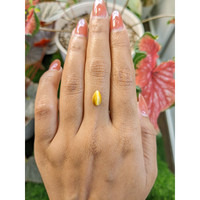


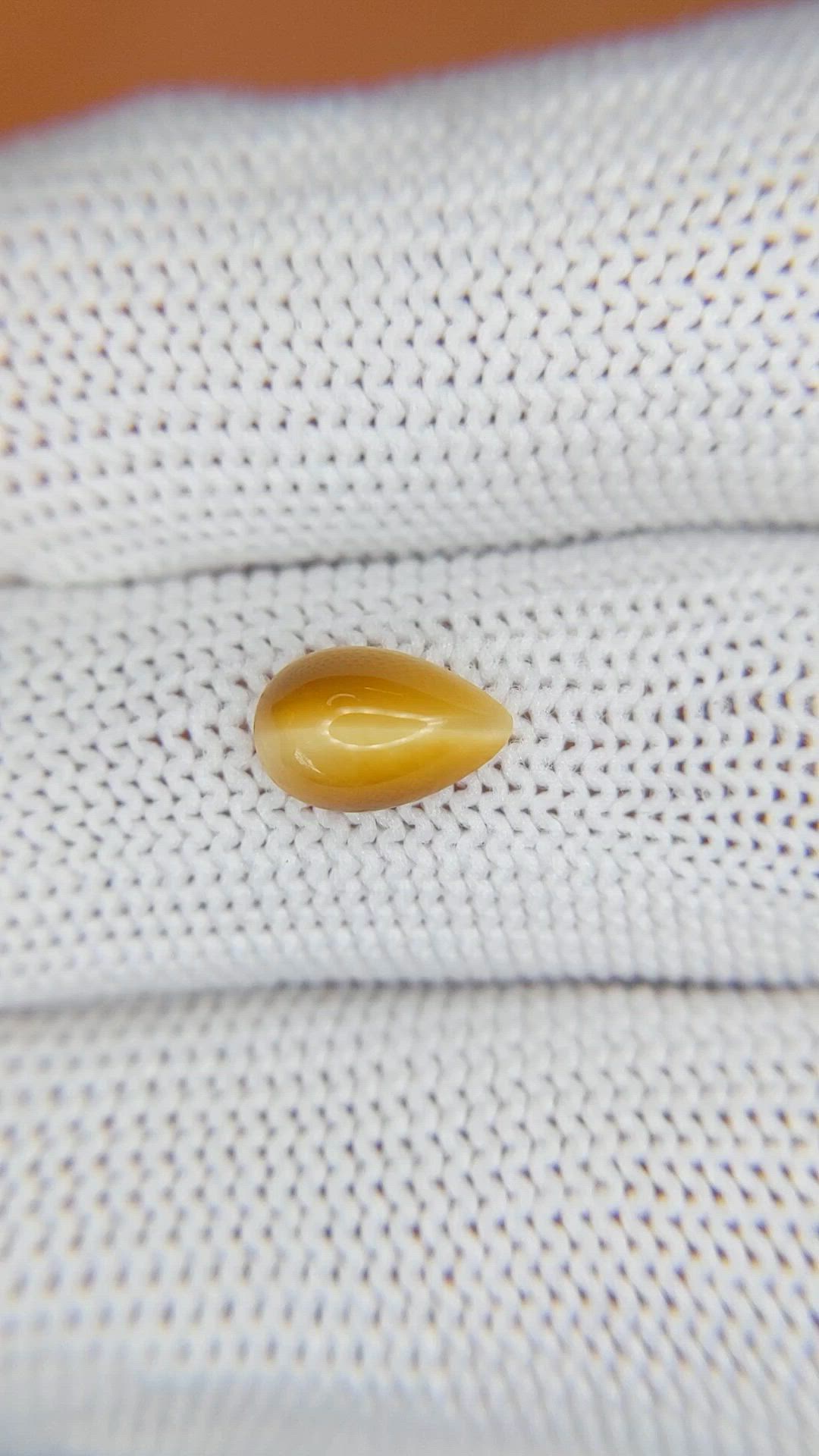
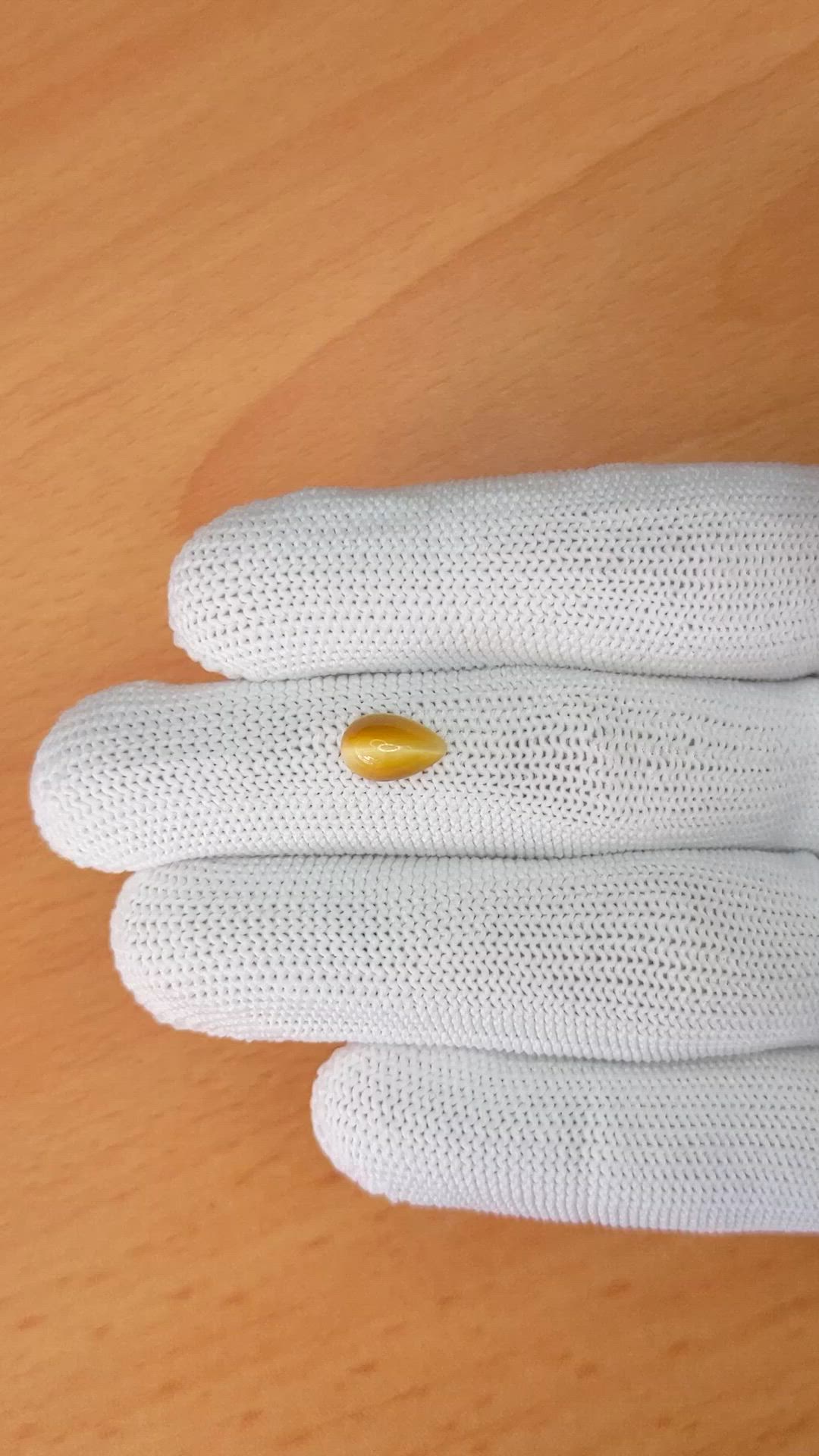

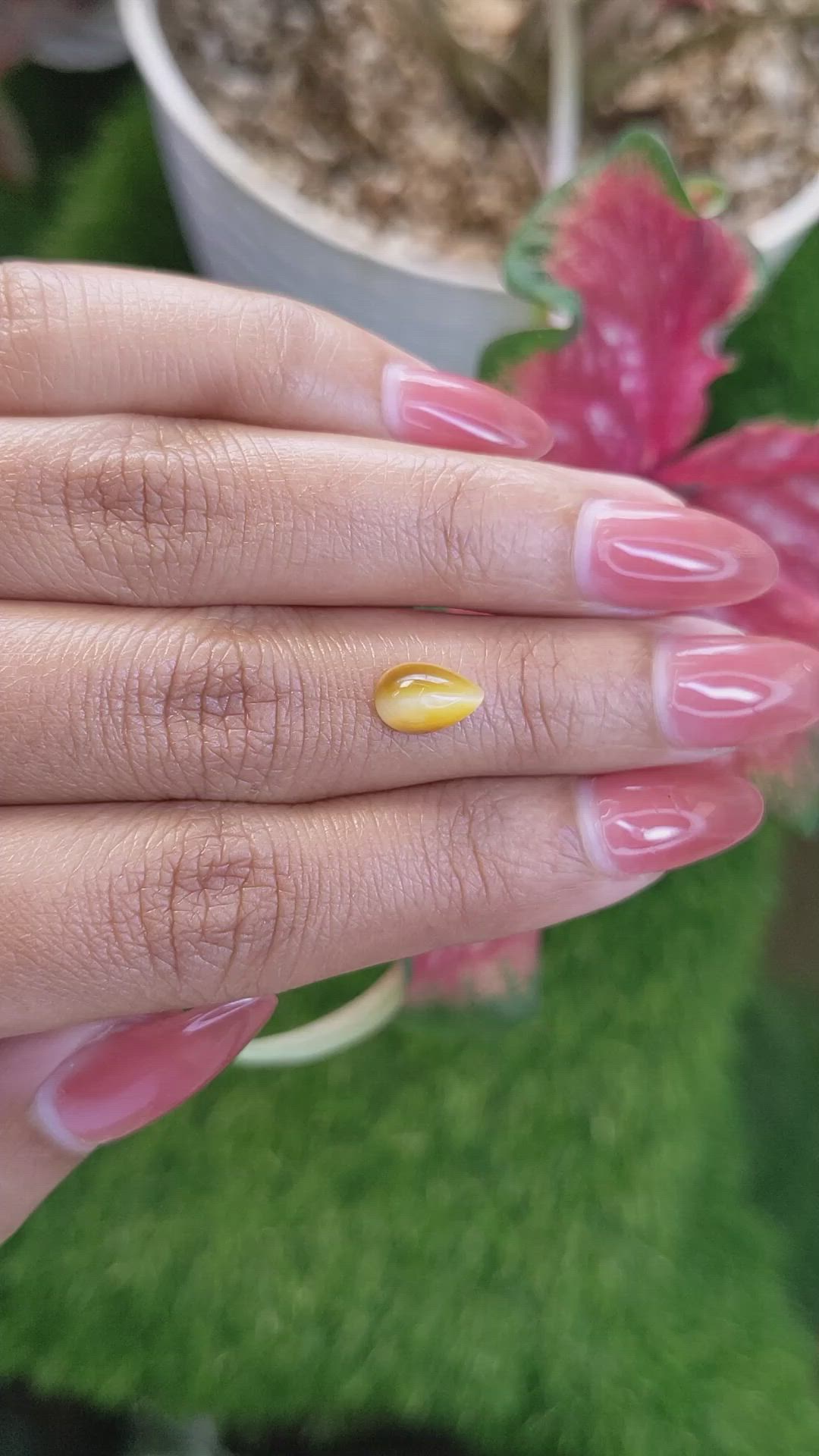
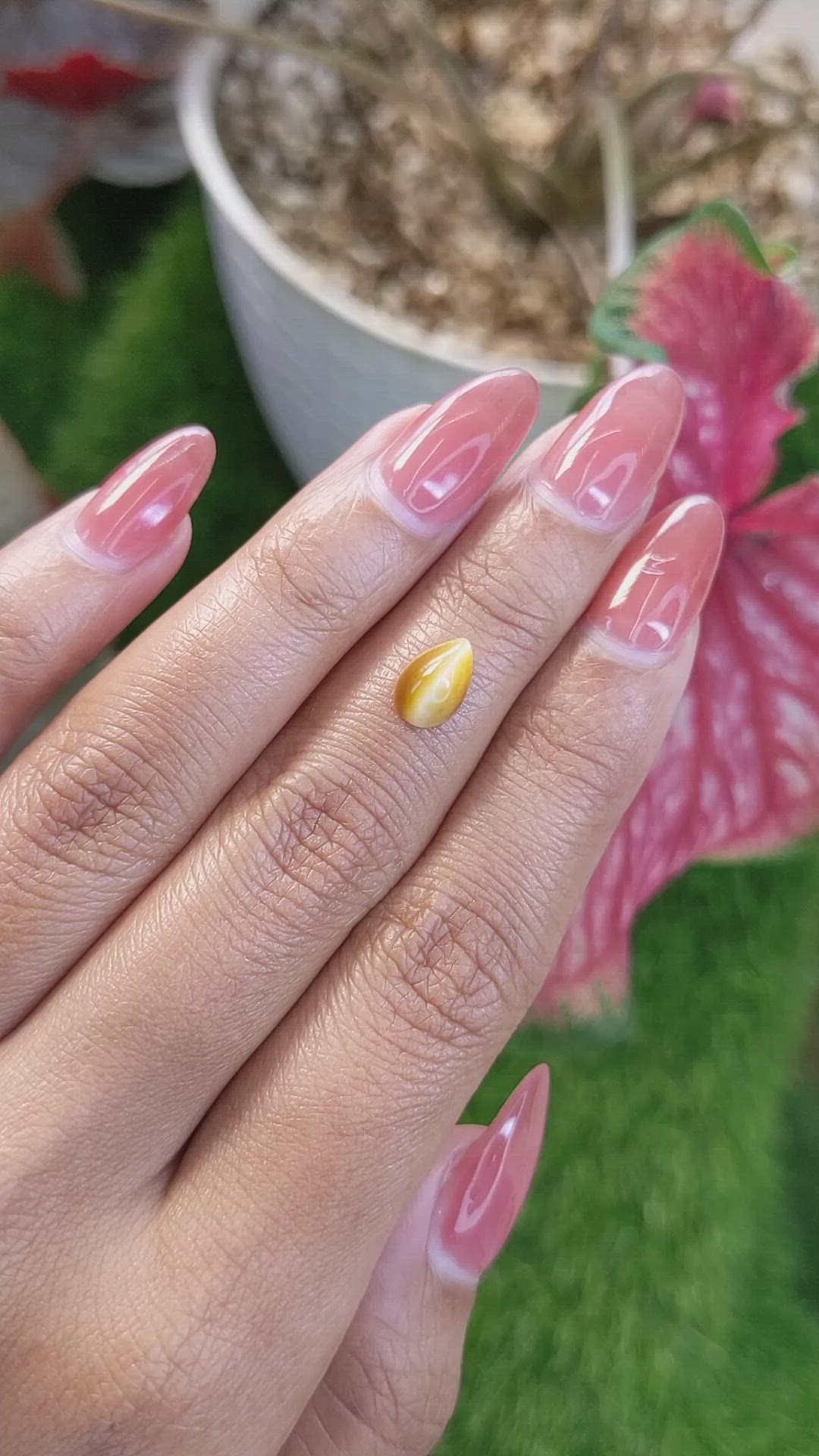
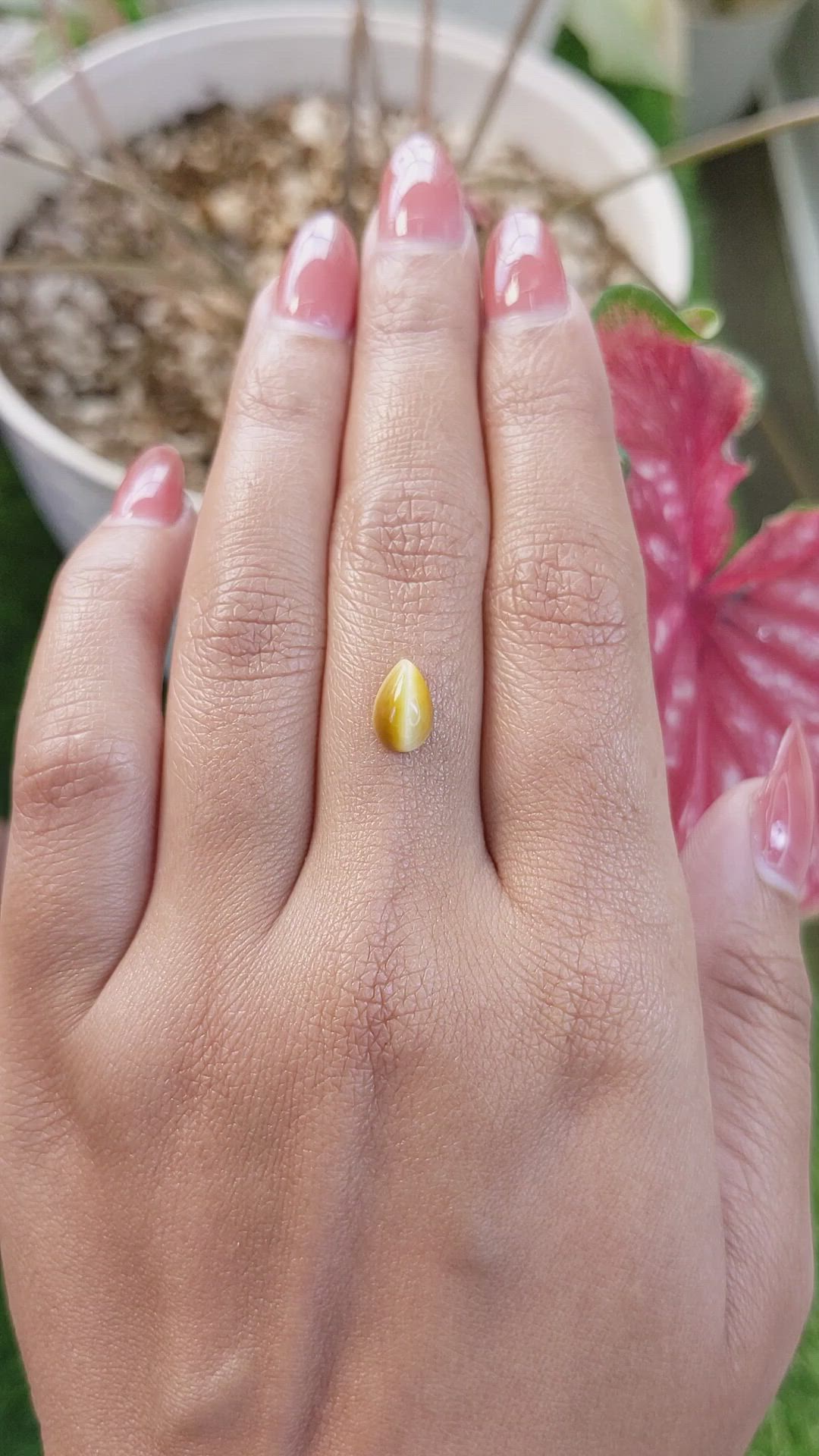

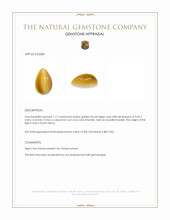


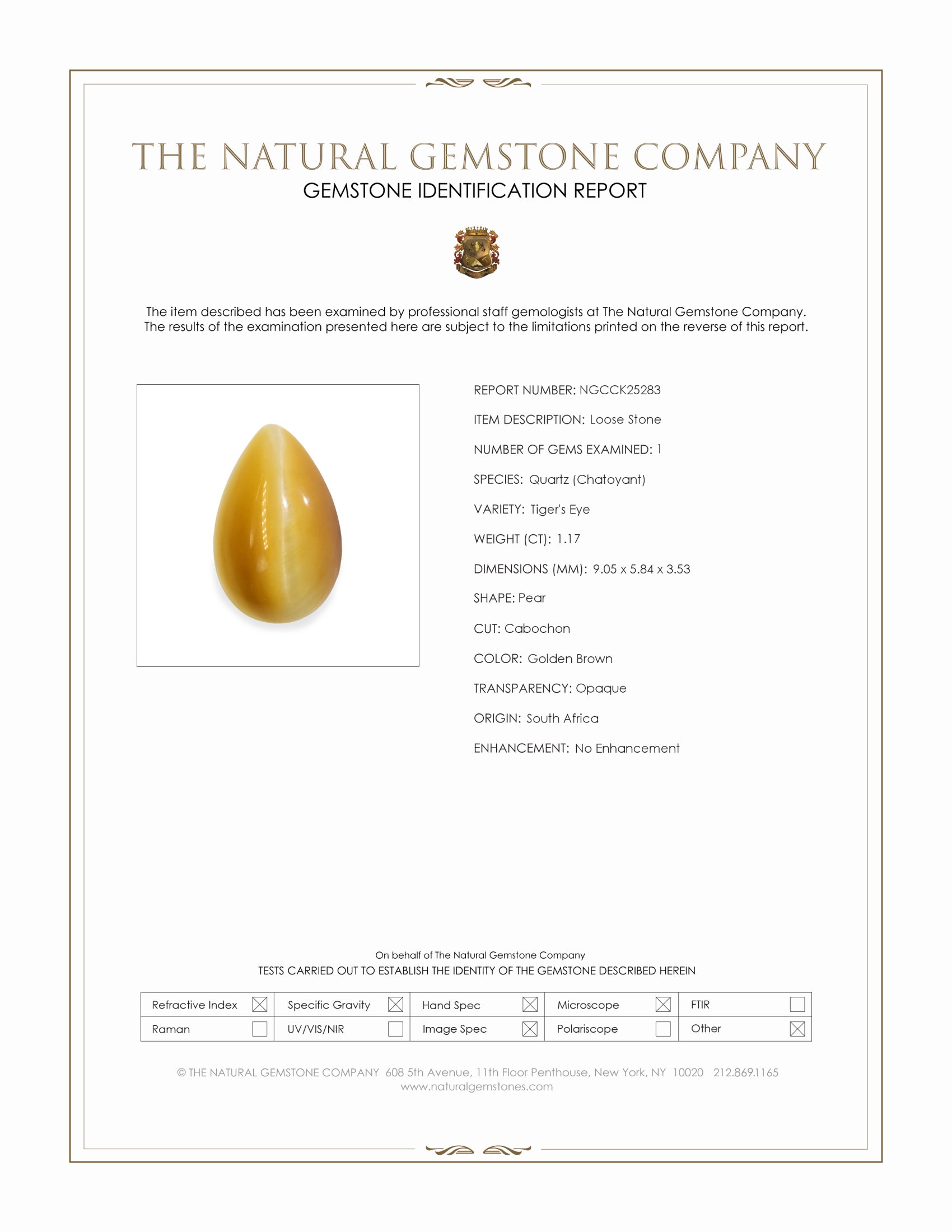
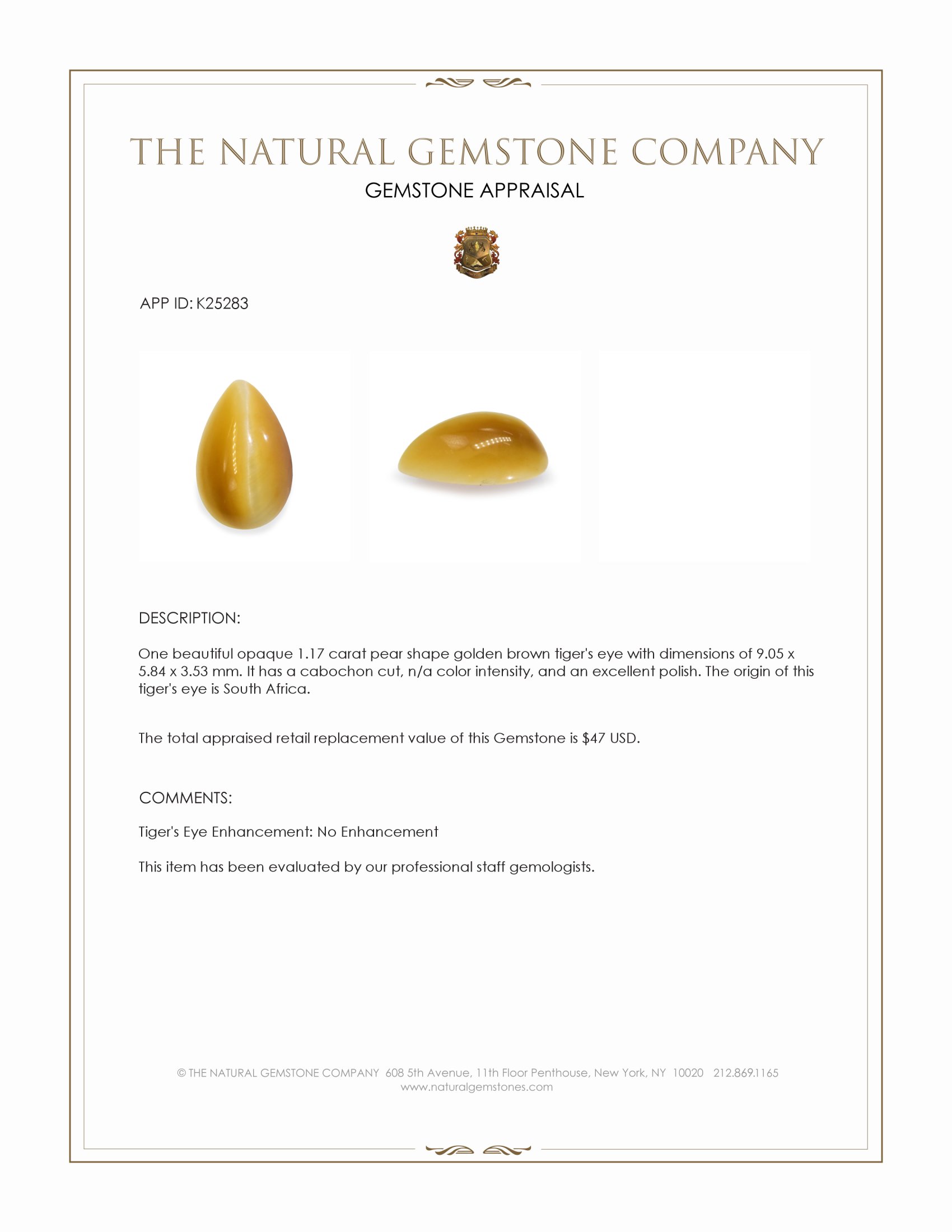
1.17 Ct. Cabochon Tiger's Eye from South Africa
This loose stone is available to ship now
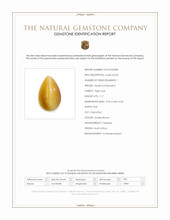
Item ID: | K25283 |
|---|---|
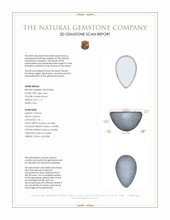
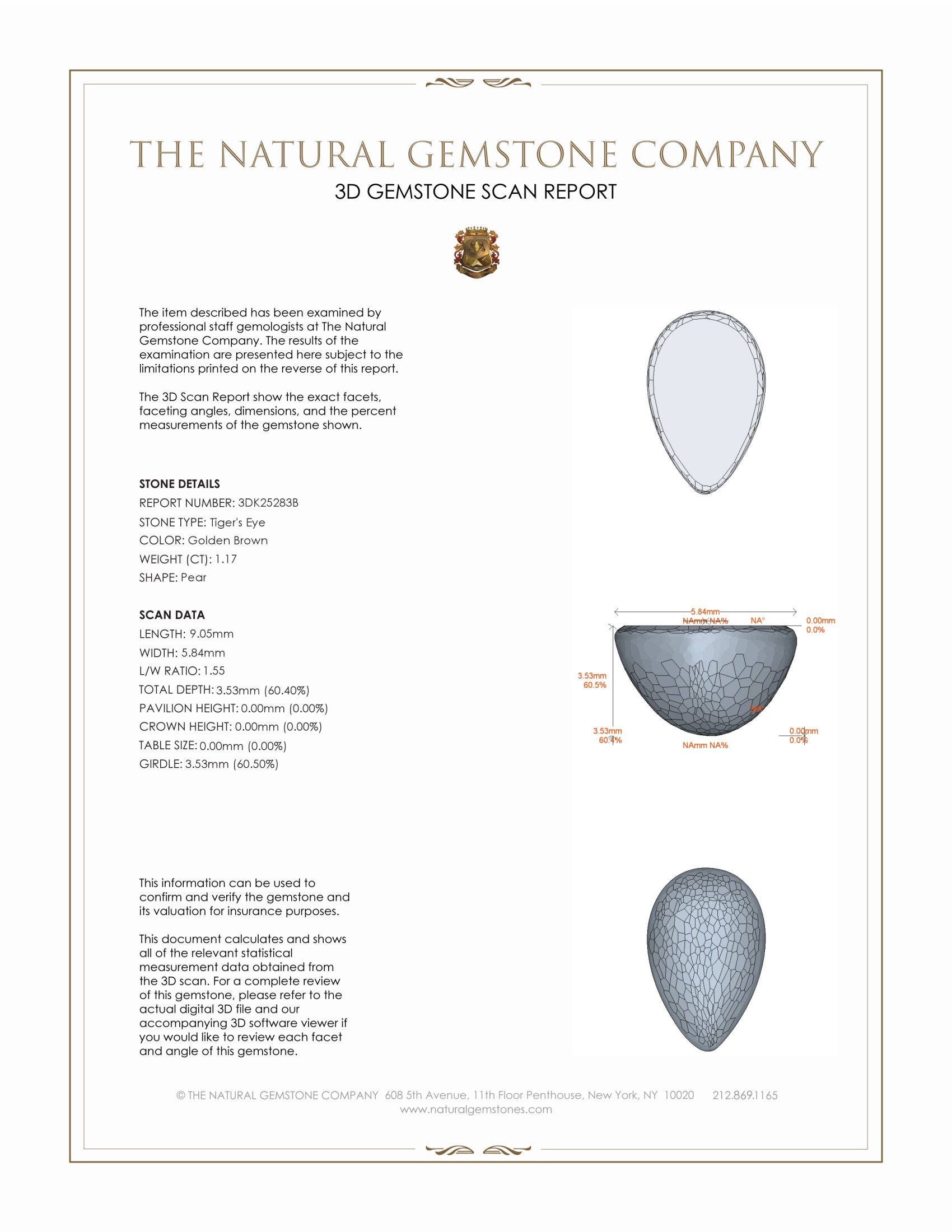
Dimensions (MM): help | Length: 9.05 Width: 5.84 Height: 3.53 |
Weight: | 1.17 Ct. |
Color: help | Golden Brown |
Color intensity: help | N/A |
Clarity: help | Not Applicable |
Shape: help | Pear |
Cut: | Cabochon |
Cutting style: | Cabochon |
Enhancements: help | No Enhancement |
Origin: help | South Africa |
Per carat price: help | $40 |
This pear shape golden brown tiger eye offered by The Natural Gemstone Company is a finely proportioned cabochon weighing 1.17 carats, with dimensions of 9.05 by 5.84 by 3.53 millimeters, and an excellent polish that accentuates its characteristic chatoyancy. The stone is opaque, as is typical for classic tiger eye, and the cabochon cutting style has been selected to maximize the silky light band that travels across the surface when the gem is moved. Color is described as golden brown, and although a formal color intensity grade is not applicable for opaque materials, the piece displays a warm saturated tone that reads evenly across the surface. No enhancement has been applied, so the color and finish are natural, and the absence of fracture filling or dye preserves long term stability. From a clarity perspective, tiger eye is not graded by the same metrics used for transparent gems, however the surface integrity and lack of visible pits or polishing abrasions are notable, and the internal fibrous structure that produces the chatoyant effect is intact and well aligned, which is a primary determinant of desirability for a connoisseur. This cabochon has been shaped and polished to preserve that alignment and to present a single strong eye along the length of the pear, making it straightforward to orient in a bezel or prong setting to best display the effect.
Provenance is an important factor for educated buyers, and this specimen originates from South Africa, a region with a long history of producing high quality tiger eye that exhibits clear silky luster and stable coloration. Geologically, tiger eye results from the pseudomorphic replacement of crocidolite fibers by silica, with oxidation and preservation of the fibrous texture creating the narrow reflective bands that are the hallmark of the gem. Knowing the country of origin allows buyers to assess likelihoods for hue range, typical fiber orientation, and local cutting traditions, and in this case South African material is often prized for its consistent golden to honey brown tones and strong chatoyancy. The cabochon form here is proportioned to highlight the linear orientation of the fibers, and the height of the dome provides enough curvature to deliver a sharp, mobile eye without creating undue bulk for fine jewelry. For collectors and designers who value traceability and intact natural characteristics, the lack of enhancements means that the purchaser is acquiring a gemstone with verifiable physical history, which supports both aesthetic and investment considerations.
When comparing this natural tiger eye with laboratory grown alternatives or simulants, several important distinctions emerge that matter to informed buyers. Most true chatoyant stones arise in nature through specific geological processes that are not straightforward to reproduce in a laboratory setting, and while some simulants and treated materials can mimic the visual banding, they lack the complex fibrous microstructure and subtle tonal variations that give natural tiger eye its depth. Laboratory grown quartz exists for some gem varieties, but producing the same pseudomorphic fibrous texture that yields chatoyancy is not a routine product of standard hydrothermal growth, which means that natural material retains an authenticity and structural provenance that lab processes typically do not replicate. Advantages of choosing a natural, untreated stone include the uniqueness of each piece, the natural variation in tone and banding that collectors prize, and the demonstrated stability of color and chatoyancy over long periods with normal wear. Natural tiger eye from a known source like South Africa also carries the added value of provenance, which can be important for resale and for buyers concerned with ethical sourcing, and at The Natural Gemstone Company we document origin and treatment status to support transparency. For buyers who value material integrity, geological story, and long term desirability, this 1.17 carat pear shape cabochon represents a compact but meaningful example of natural tiger eye, ready to be set into a design that will benefit from its warm color, strong eye, and untreated provenance.


