
- Stone13
- Reports2


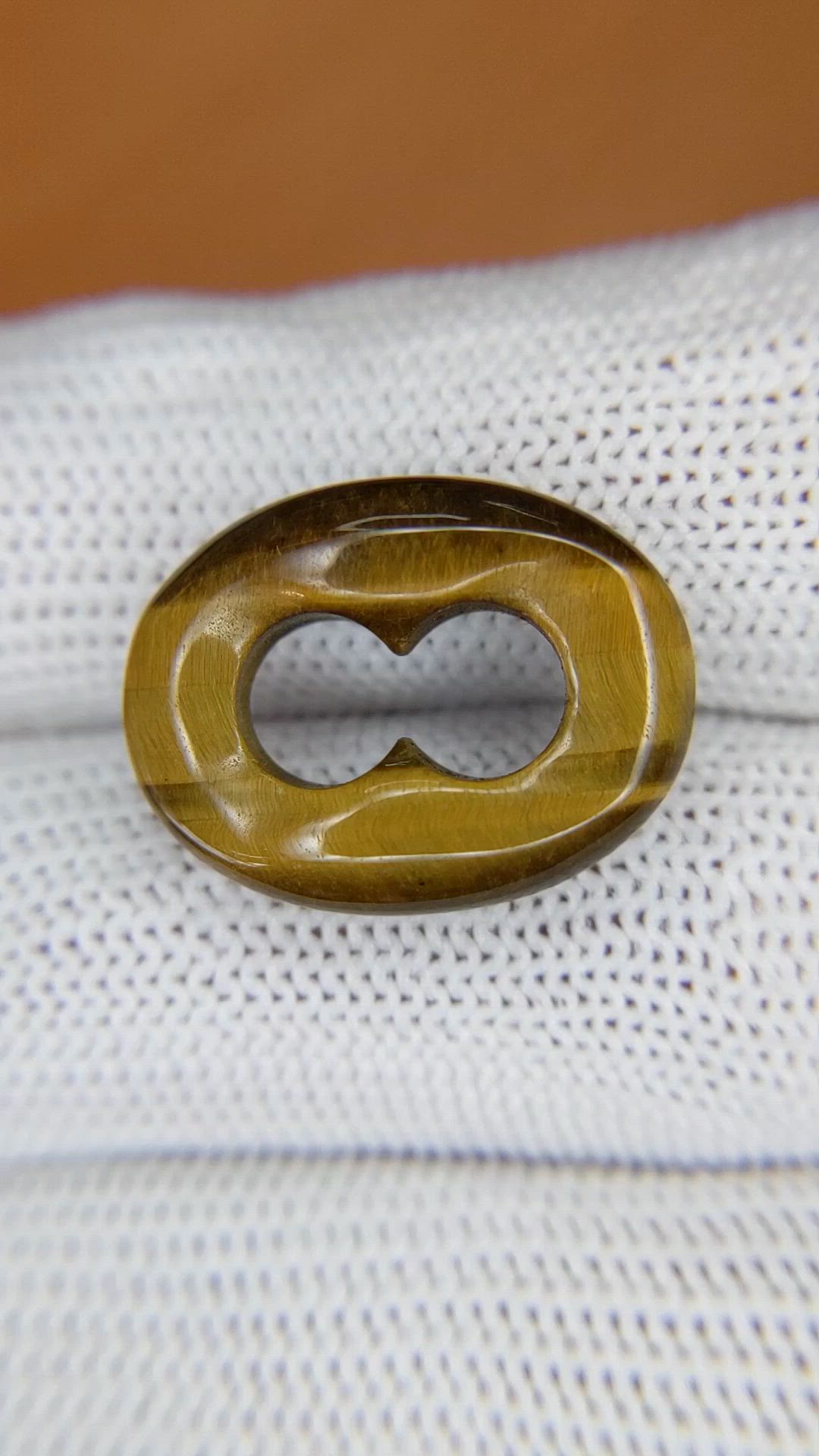
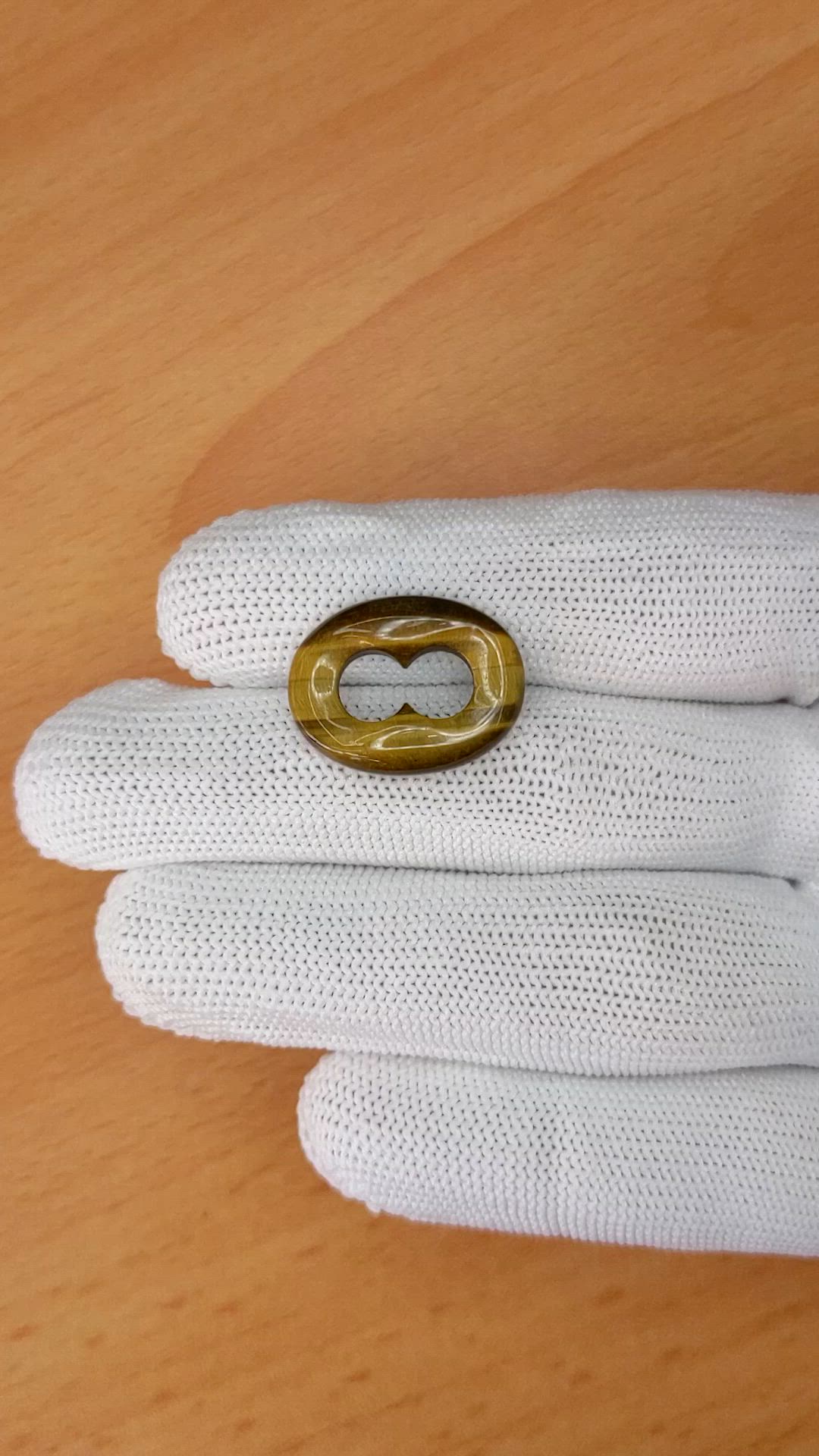
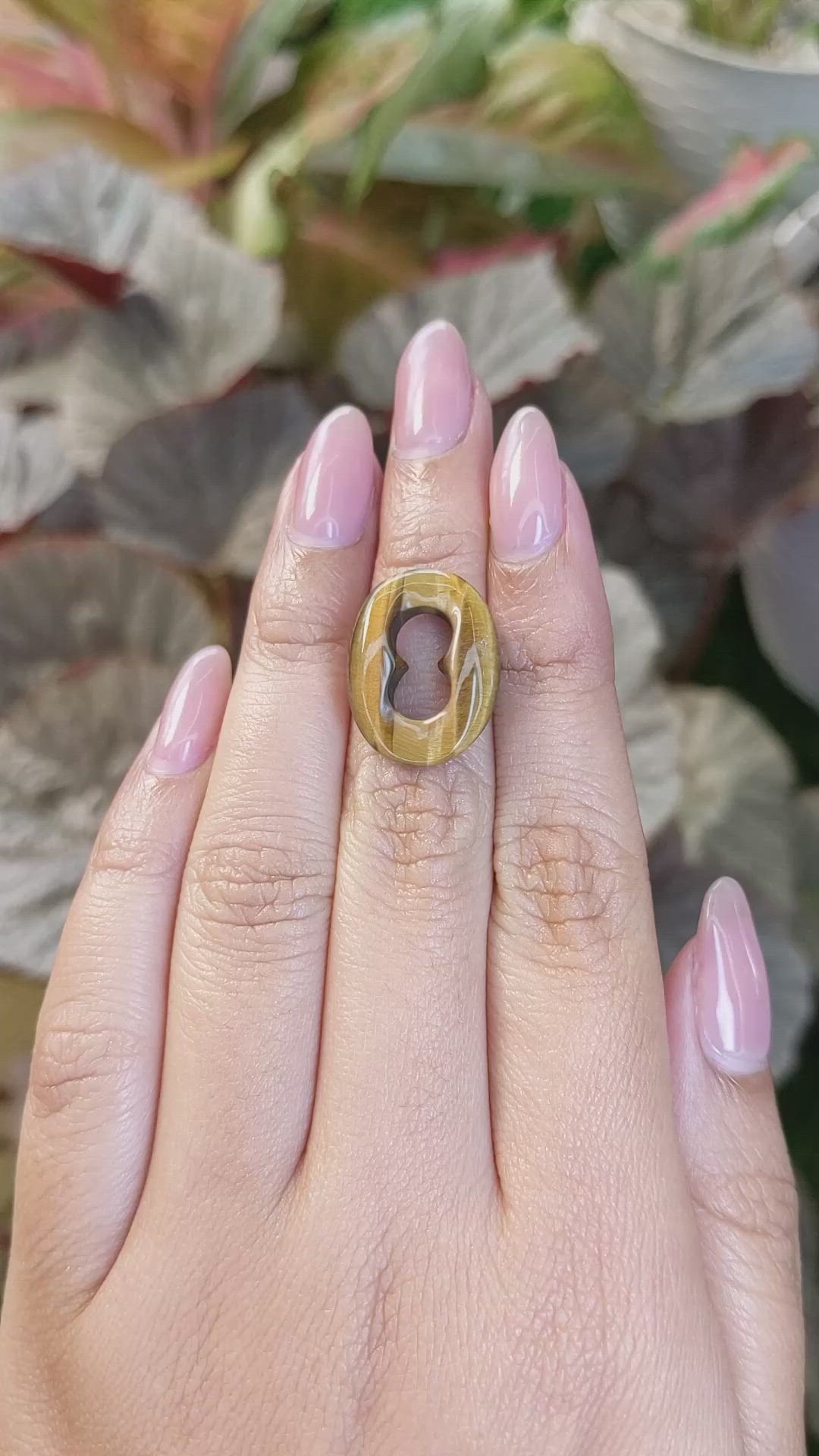
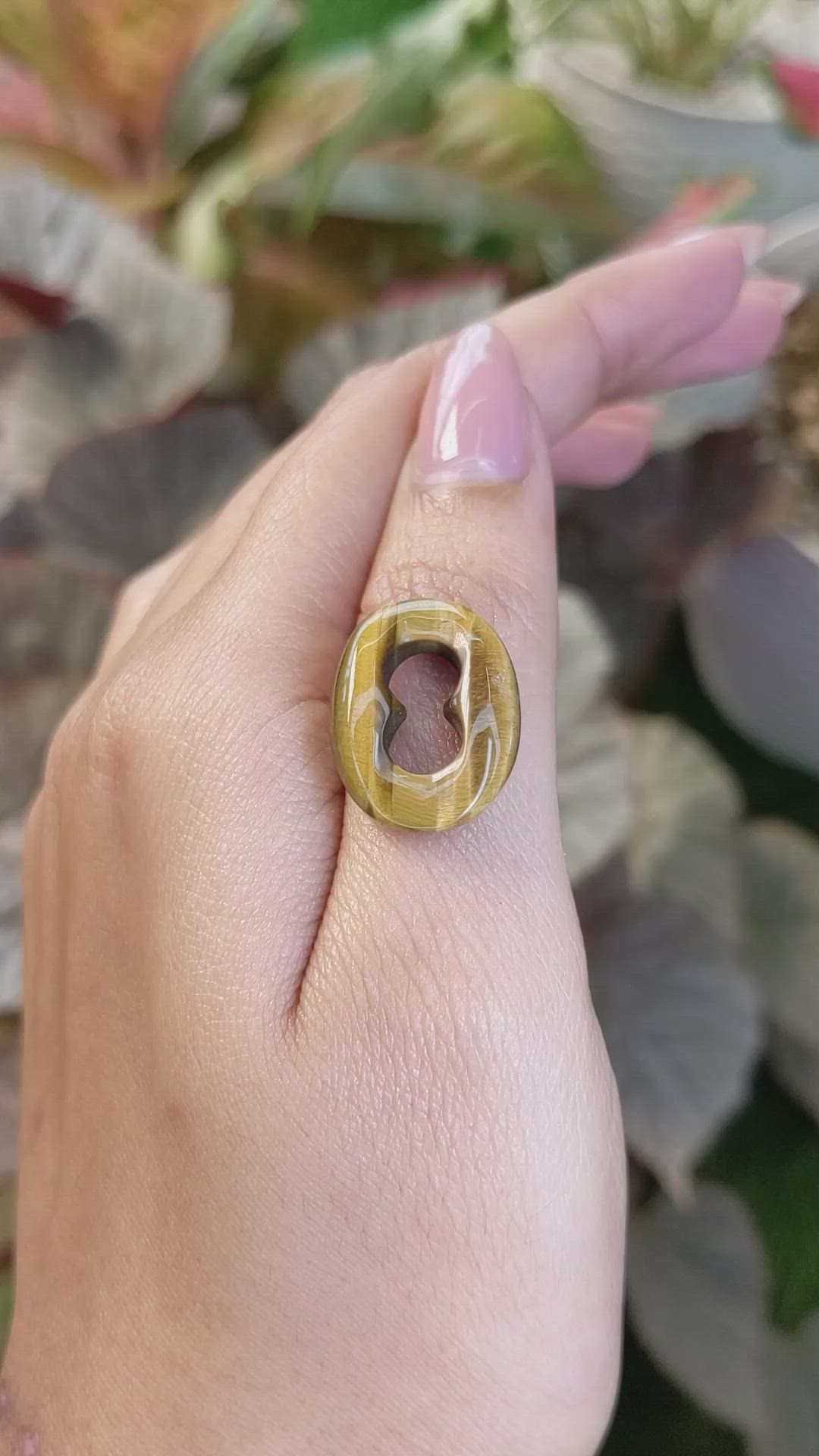
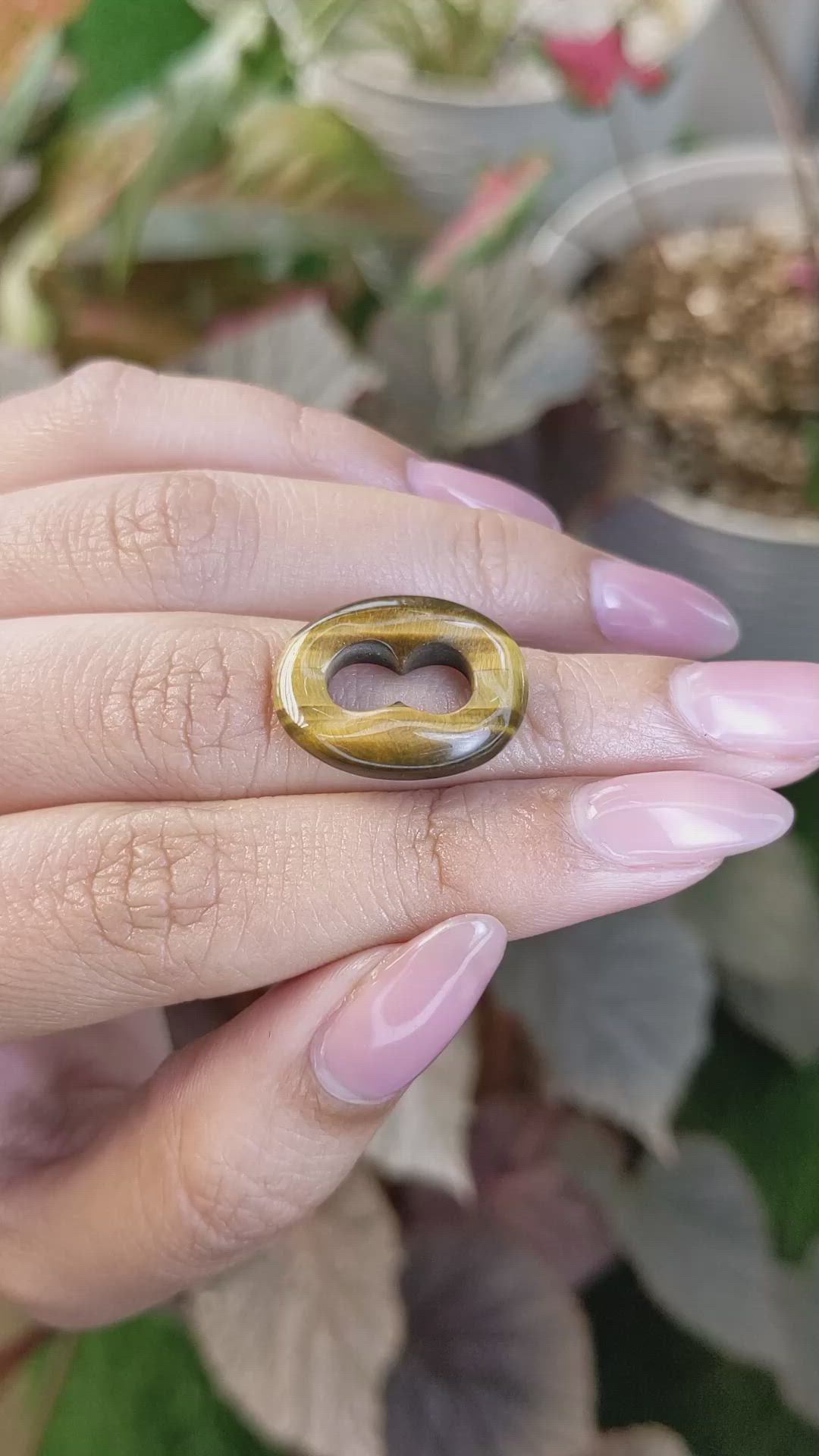
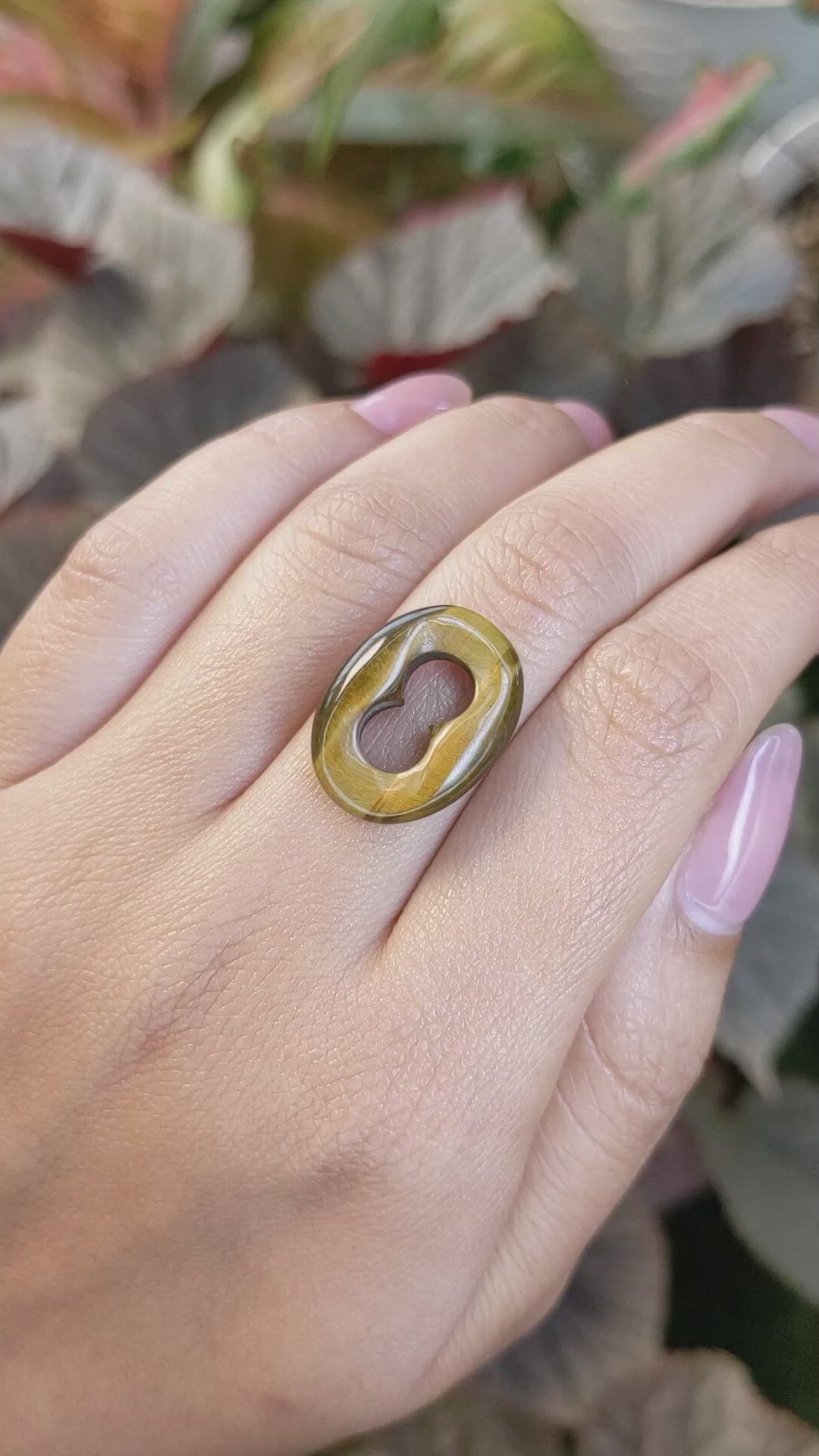


10.14 Ct. Cabochon Tiger's Eye from South Africa
This loose stone is available to ship now
Item ID: | K25289 |
|---|---|
Dimensions (MM): help | Length: 20.35 Width: 15.39 Height: 5.63 |
Weight: | 10.14 Ct. |
Color: help | Golden Brown |
Color intensity: help | N/A |
Clarity: help | Opaque |
Shape: help | Oval |
Cut: | Cabochon |
Cutting style: | Cabochon |
Enhancements: help | No Enhancement |
Origin: help | South Africa |
Per carat price: help | $10 |
This specimen is a 10.14 carat, oval shaped golden brown tiger's eye, measuring 20.35 x 15.39 x 5.63 mm. The stone is fashioned as a cabochon, with a smooth domed surface and an excellent polish that allows its optical phenomena to be observed clearly. Clarity is evaluated as opaque at eye level, which is typical for tiger's eye and contributes to the interplay of light across its surface. The color is a warm golden brown, natural and unenhanced, with no treatments applied. The material originates from South Africa, a region known for producing tiger's eye with strong chatoyant properties, and the piece is presented by The Natural Gemstone Company with full disclosure of weight, cut, dimensions, clarity, polish, and enhancement status.
The characteristic sparkle of tiger's eye arises from its unique internal structure, rather than from faceting or dispersion. Tiger's eye is a pseudomorph of silica after crocidolite, a fibrous amphibole. During the pseudomorph process, silica replaces the crocidolite fibers while preserving their parallel fibrous alignment. The original fibrous architecture becomes a series of aligned, subparallel channels and interfaces within the quartz matrix. When light strikes the polished dome, it reflects coherently off these aligned fiber boundaries, producing a concentrated band of reflected light that moves across the surface as viewing angle or light source changes. This optical effect is known as chatoyancy, and in tiger's eye it manifests as a single sharp, silky band that can appear to glide across the cabochon. The golden brown color is typically the result of iron staining and oxidation processes that altered the original crocidolite, imparting warmth and tonal depth that interact with the chatoyant band to create a depth and glow that differ fundamentally from the sparkle produced by faceted transparent gems.
The cabochon cut and the excellent polish of this oval specimen are integral to maximizing the chatoyancy inherent in the material. The dome of the cabochon concentrates and aligns incident light so that the collective reflection from the parallel fibrous structure forms a crisp, luminous stripe. The precise orientation of the fiber axes relative to the main face of the cabochon determines the sharpness and travel of the band, and this piece has been cut to center the chatoyant line along the length of the oval for optimal visual effect. Unlike the scintillation of faceted stones, which depends on internal reflection and facet geometry, the visual movement in tiger's eye is a linear, silky shimmer. This makes the gem particularly suitable for settings that allow unobstructed light across the dome, and for designs that emphasize a dynamic, directional effect rather than multicolored sparkle.
From a practical perspective, tiger's eye is durable enough for everyday wear, with a Mohs hardness of approximately seven for its quartz matrix. The stone should be set with attention to protect the domed surface from abrasive contact, and cleaned with mild soap and water or a soft cloth to preserve the polish. The opaque clarity and natural, unenhanced color of this South African tiger's eye make it a material that carries both geological interest and aesthetic presence. The Natural Gemstone Company provides this specimen with documentation of its origin and treatment status, allowing designers and collectors to evaluate its intrinsic attributes. The combination of distinct fibrous structure, precise cabochon cutting, and excellent surface polish yields a form of sparkle that is unique to chatoyant stones, a silky, migrating band of light that remains unmatched by faceting based sparkle in both character and effect.


