
- Stone14
- Reports3










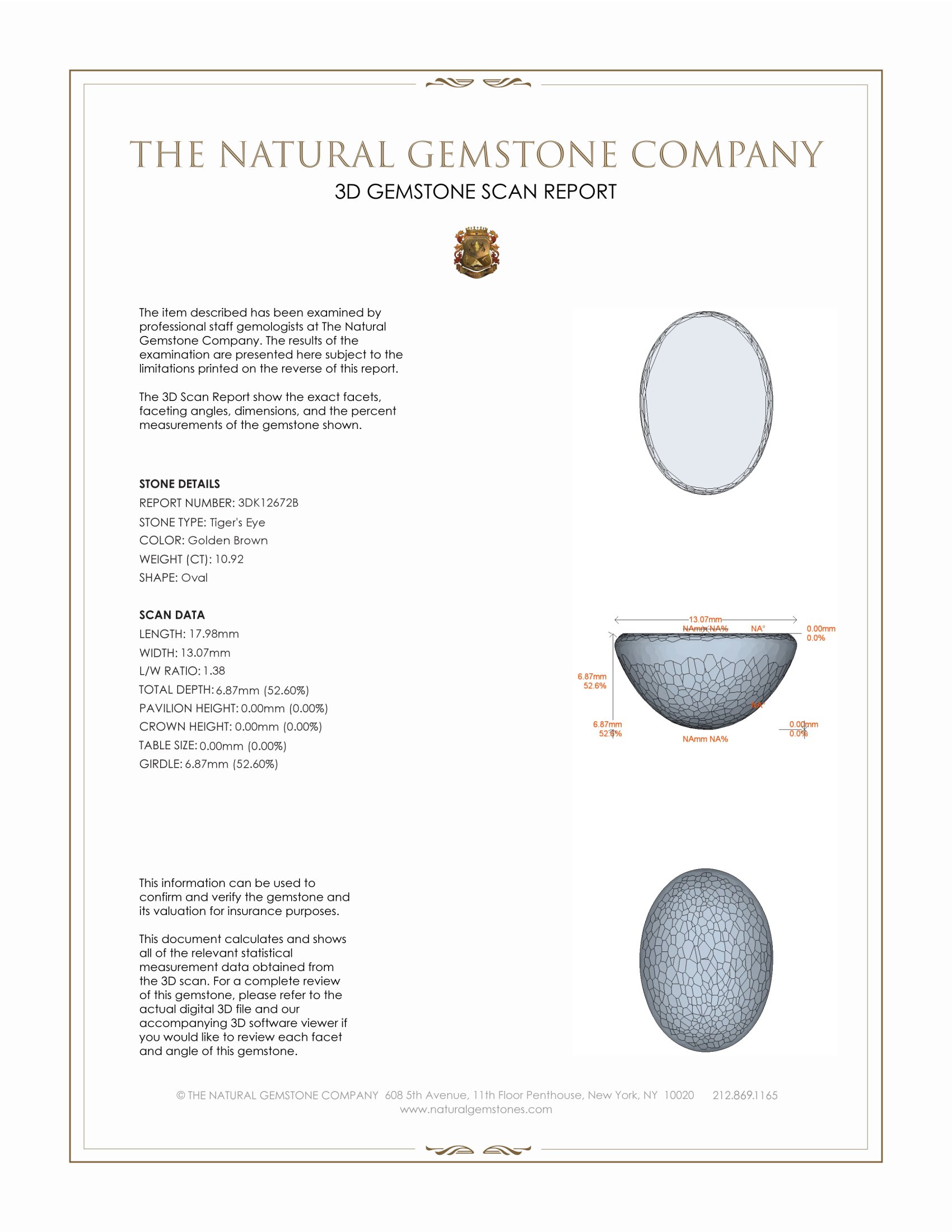


10.92 Ct. Cabochon Tiger's Eye from South Africa
This loose stone is available to ship now
Item ID: | K12672 |
|---|---|
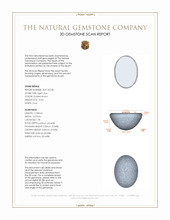
Dimensions (MM): help | Length: 17.98 Width: 13.07 Height: 6.87 |
Weight: | 10.92 Ct. |
Color: help | Golden Brown |
Color intensity: help | N/A |
Clarity: help | Opaque |
Shape: help | Oval |
Cut: | Cabochon |
Cutting style: | Cabochon |
Enhancements: help | No Enhancement |
Origin: help | South Africa |
Per carat price: help | $4 |
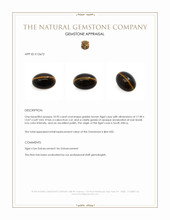
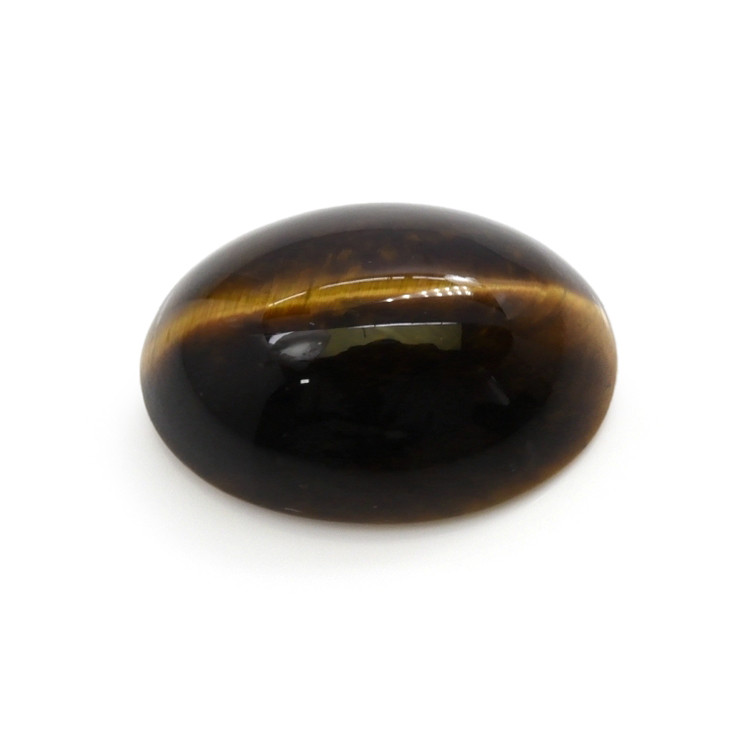
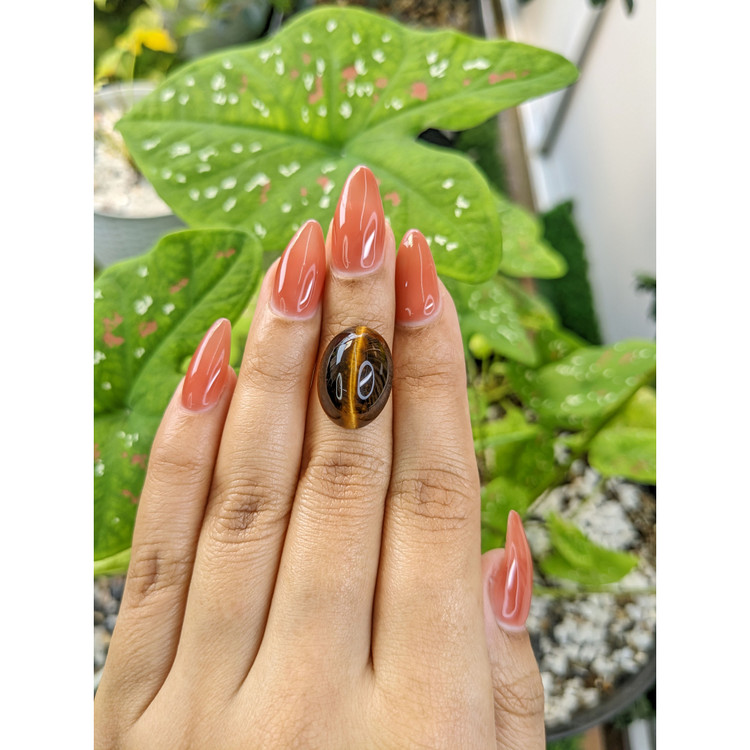
This offering is a single, well defined specimen of golden brown tiger's eye, weighing 10.92 carats, presented in an oval cabochon form with dimensions 17.98 millimeters by 13.07 millimeters by 6.87 millimeters. The cabochon cut is the traditional and preferred style for tiger's eye, selected specifically to emphasize the characteristic silky chatoyancy that defines the material. Evaluated at eye level, the clarity is described as opaque, consistent with the typical structure of quality tiger's eye, and the surface shows an excellent polish that enhances reflective banding and overall visual depth. No enhancement has been applied to this stone, and the material is documented as originating from South Africa, a region recognized for producing fine golden brown specimens. The Natural Gemstone Company provides this information as part of our standard description and provenance disclosure.
From a gemological perspective, several attributes contribute to the specimen's technical quality and potential desirability. The relative solidity and hardness of tiger's eye, approximately on the Mohs scale at 7, make it a durable choice for wearable pieces and long term preservation. The cabochon geometry, symmetry of the oval outline, and the depth of the dome all play a direct role in how the light interacts with the fibrous structure to produce a sharp, moving band of light. The color is a stable golden brown rather than an indistinct or washed tone, and the polish is sufficient to allow clear observation of banding without surface disruption. The absence of treatments is material to value, as natural, untreated stones are generally preferred by collectors and designers for both aesthetic and ethical reasons. The South African origin adds provenance value, given the documented history of producing consistent, marketable tiger's eye material.
Assessing investment potential requires an objective view of market dynamics, rarity, and the specific attributes of this stone. Tiger's eye is classified as a semi precious material, and its market behavior differs from that of major gemstones such as diamond, ruby, sapphire, or emerald. Broadly, high quality, sizable, untreated specimens with strong chatoyancy and excellent polish occupy a narrower market segment and are therefore more likely to maintain or appreciate in value relative to common, mass market material. Demand drivers include use by independent jewelry designers, collectors who focus on unusual or well formed cabochons, and the interior design and decorative markets that value natural patterning. Supply factors are influenced by ongoing mining and extraction conditions, which can alter availability over time. Provenance and documented authenticity contribute positively to liquidity, as buyers increasingly value traceability. While no investment is guaranteed, well documented, aesthetically striking tiger's eye pieces that are preserved in original condition have a reasonable potential to command premium pricing in specialized markets over the long term.
Practical considerations for those evaluating this stone from an investment perspective include documentation, condition retention, and resale strategy. Obtain or maintain written confirmation of weight, dimensions, cut, origin, and the fact of no enhancement, as these details support future appraisal and sale. Preserve the excellent polish by avoiding abrasive contact and harsh chemicals, and consider periodic professional cleaning rather than mechanical polishing which may alter the cabochon profile. Insurance appraisal at market replacement value is advisable if held as an investment asset. Resale routes that tend to yield stronger pricing include specialized gemstone auctions, reputable gemstone dealers, and bespoke jewelry commissions where the stone can be set to showcase its chatoyancy. For those seeking counsel or transaction support, The Natural Gemstone Company can provide condition reports, provenance documentation, and recommended channels for sale. Long term appreciation is most plausible for stones that combine size, aesthetic distinction, natural state, and reliable documentation, and this specimen aligns with those criteria.


