
- Stone13
- Reports3
-cushion-skyblue-topaz-1.3700-cts-k20510-1.jpg?d=200x200&v=20251212105136)
-cushion-skyblue-topaz-1.3700-cts-k20510-lifestyleimage-1.jpg?d=200x200&v=20251212054717)
-cushion-skyblue-topaz-1.3700-cts-k20510-lifestyleimage-2.jpg?d=200x200&v=20251212054717)
-cushion-skyblue-topaz-1.3700-cts-k20510-lifestyleimage-3.jpg?d=200x200&v=20251212054717)

-cushion-skyblue-topaz-1.3700-cts-k20510-1.jpg?d=750x750&s=ngc&v=20251212105136)
-cushion-skyblue-topaz-1.3700-cts-k20510-lifestyleimage-1.jpg?d=750x750&s=ngc&v=20251212054717)
-cushion-skyblue-topaz-1.3700-cts-k20510-lifestyleimage-2.jpg?d=750x750&s=ngc&v=20251212054717)
-cushion-skyblue-topaz-1.3700-cts-k20510-lifestyleimage-3.jpg?d=750x750&s=ngc&v=20251212054717)

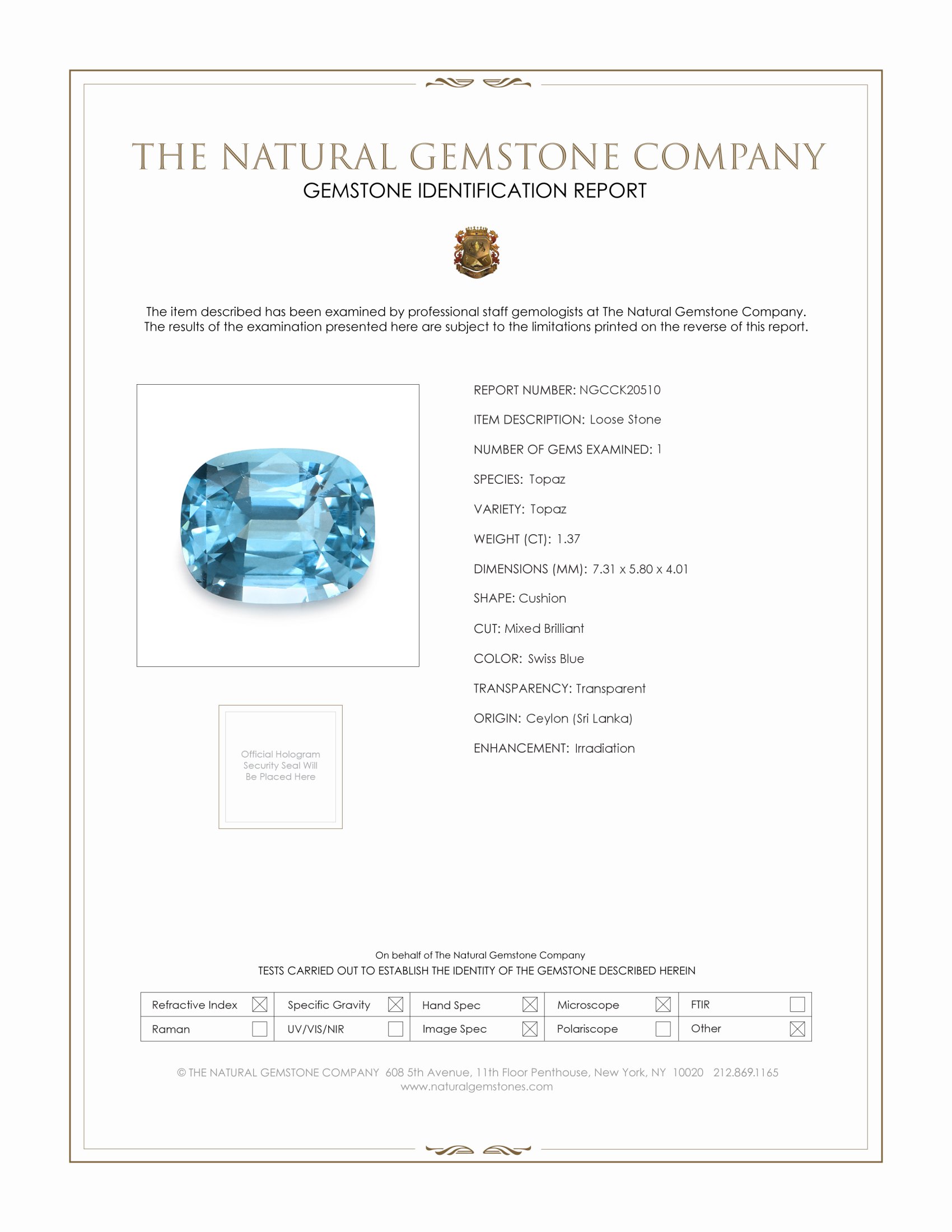
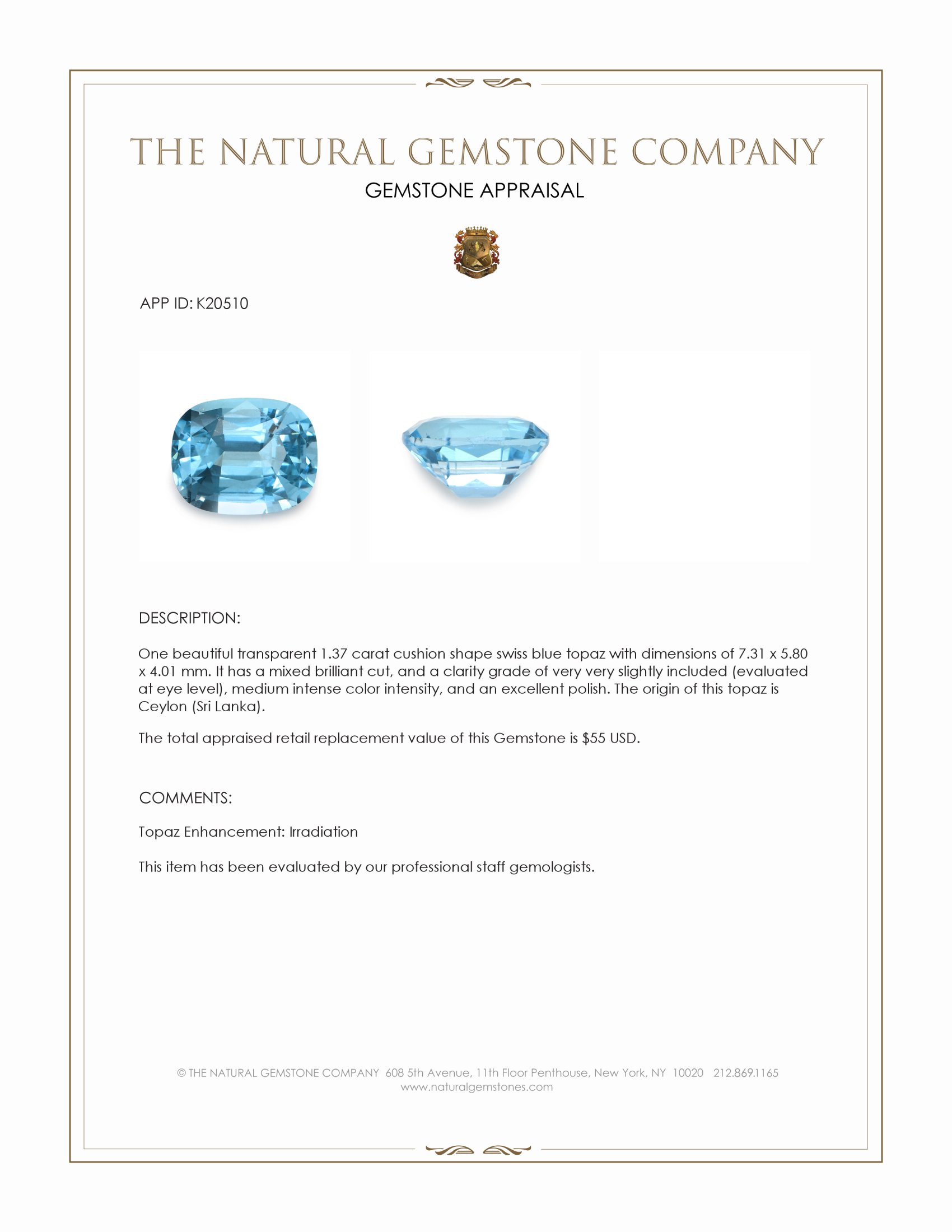
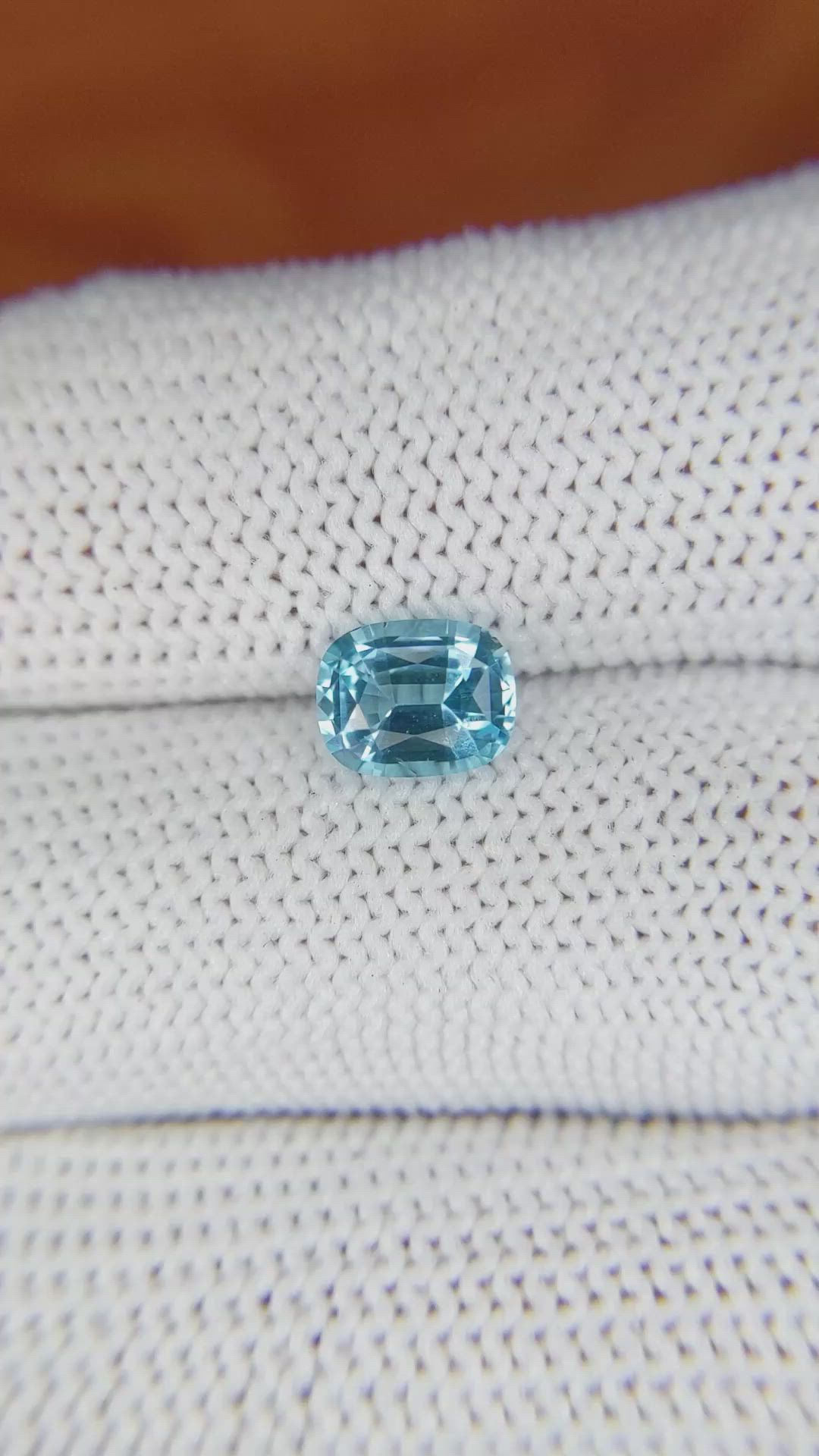
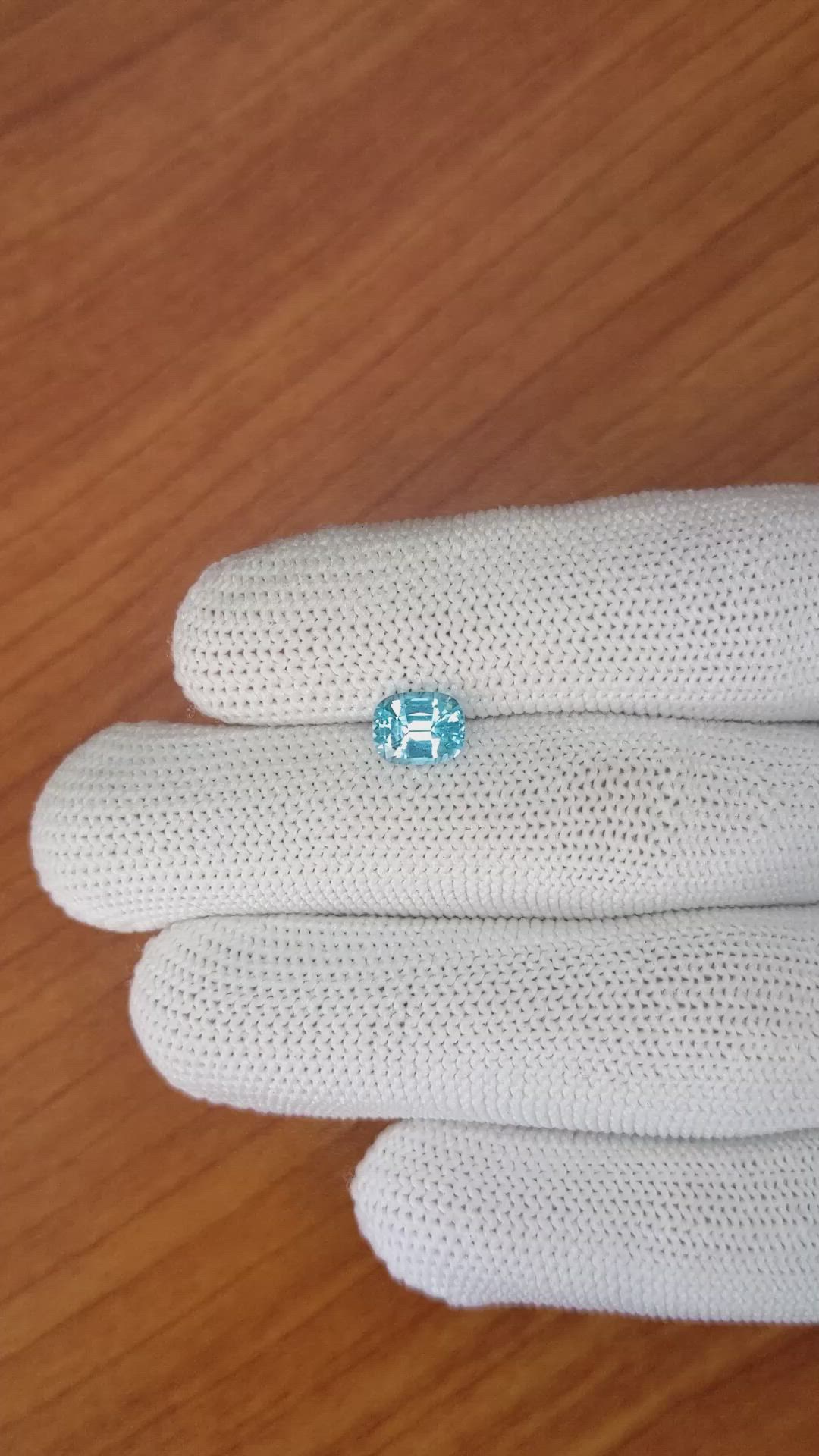
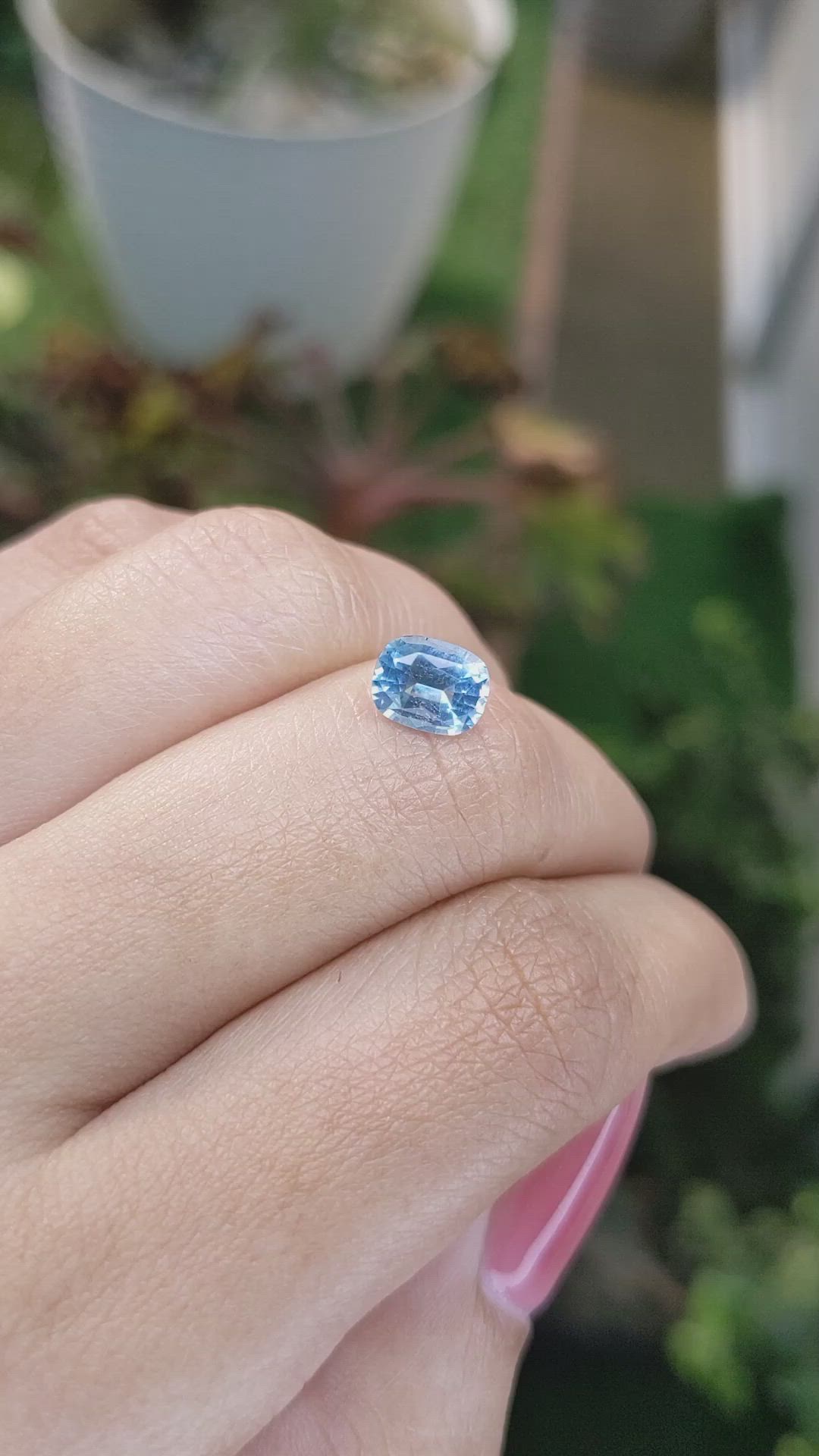
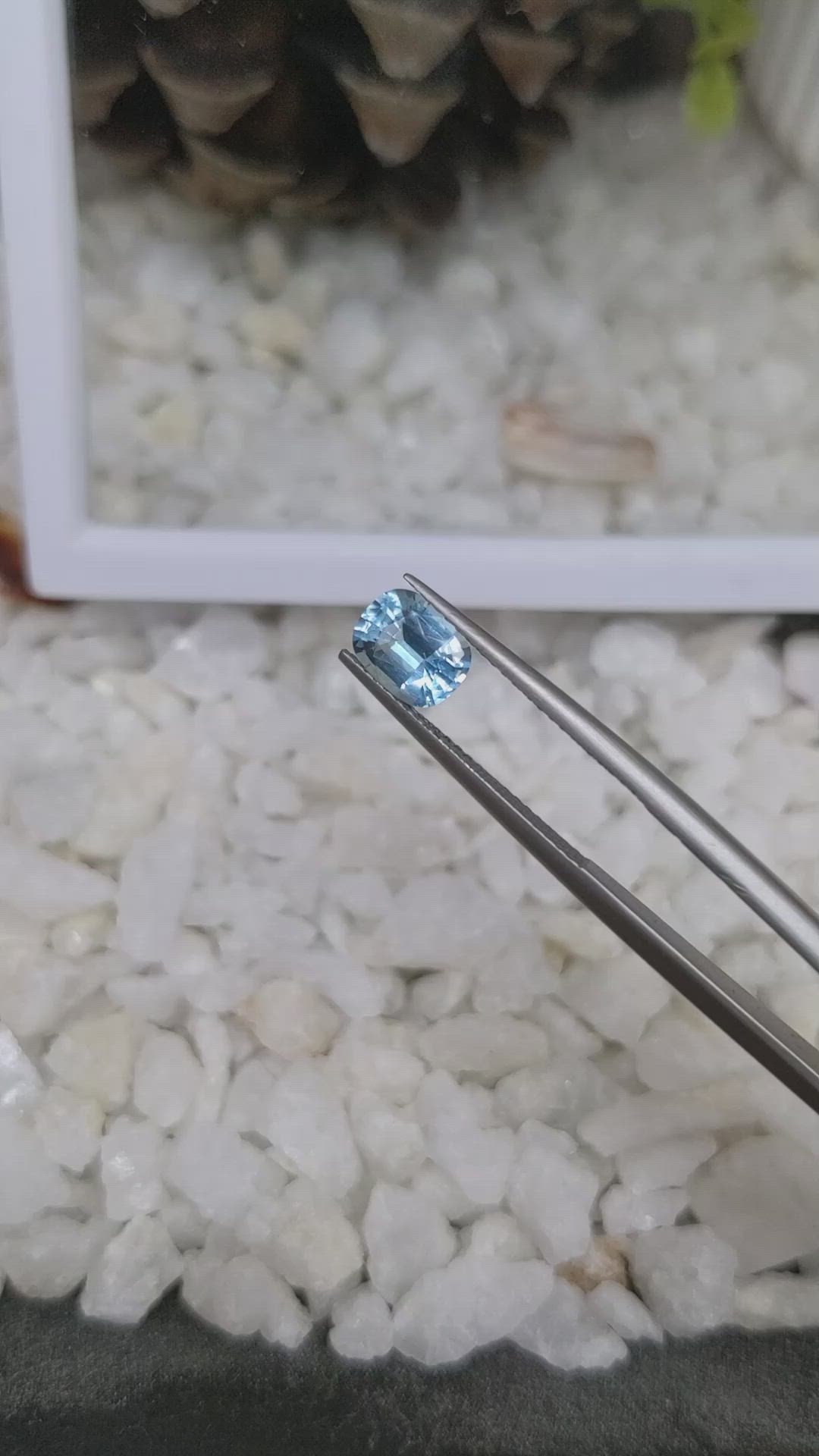
1.37 Ct. Topaz from Ceylon (Sri Lanka)
This loose stone ships by Jan 4
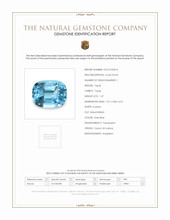
Item ID: | K20510 |
|---|---|
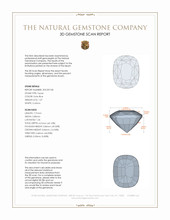
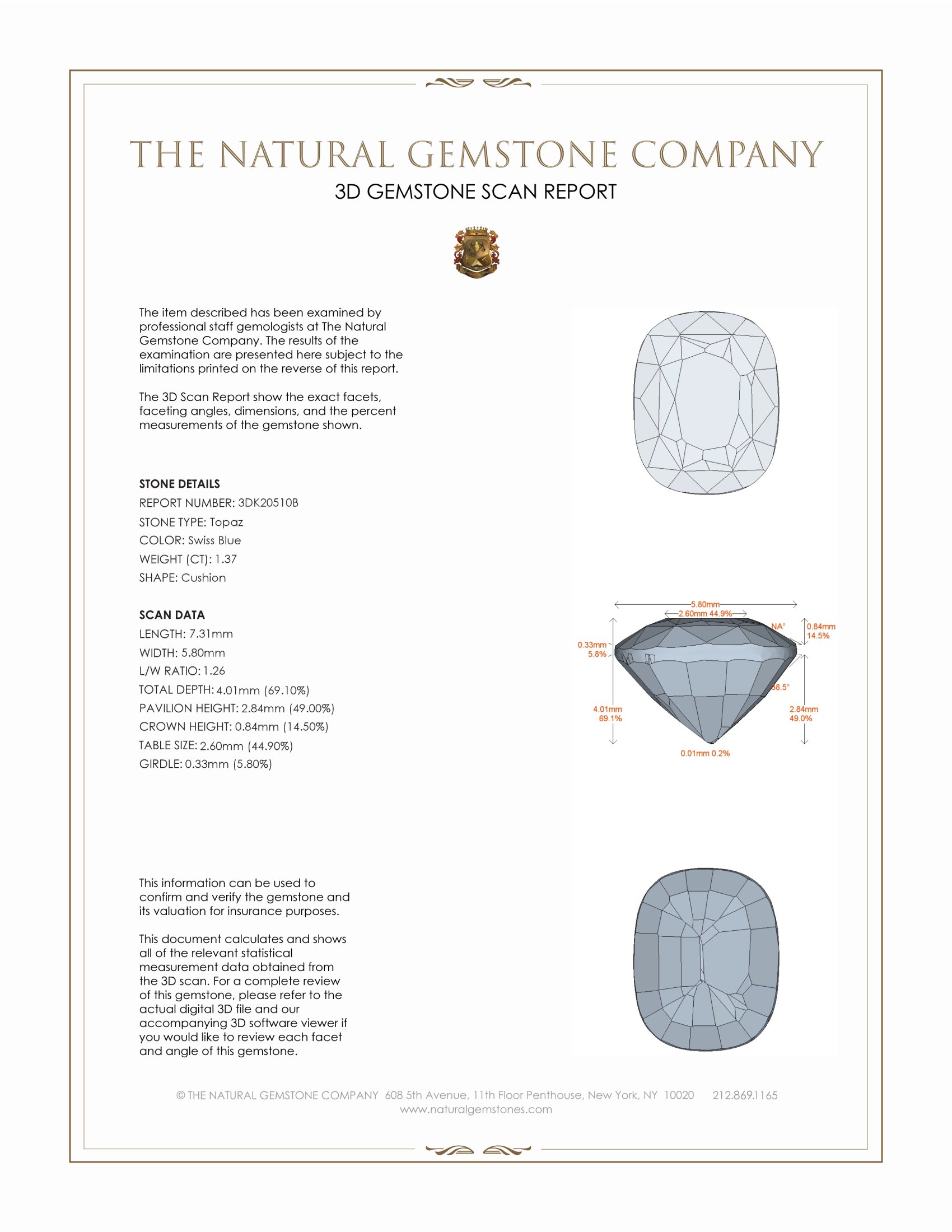
Dimensions (MM): help | Length: 7.31 Width: 5.8 Height: 4.01 |
Weight: | 1.37 Ct. |
Color: help | Swiss Blue |
Color intensity: help | Medium Intense |
Clarity: help | Very Very Slightly Included |
Shape: help | Cushion |
Cut: | Mixed Brilliant |
Cutting style: | Faceted |
Enhancements: help | Irradiation |
Origin: help | Ceylon (Sri Lanka) |
Per carat price: help | $40 |
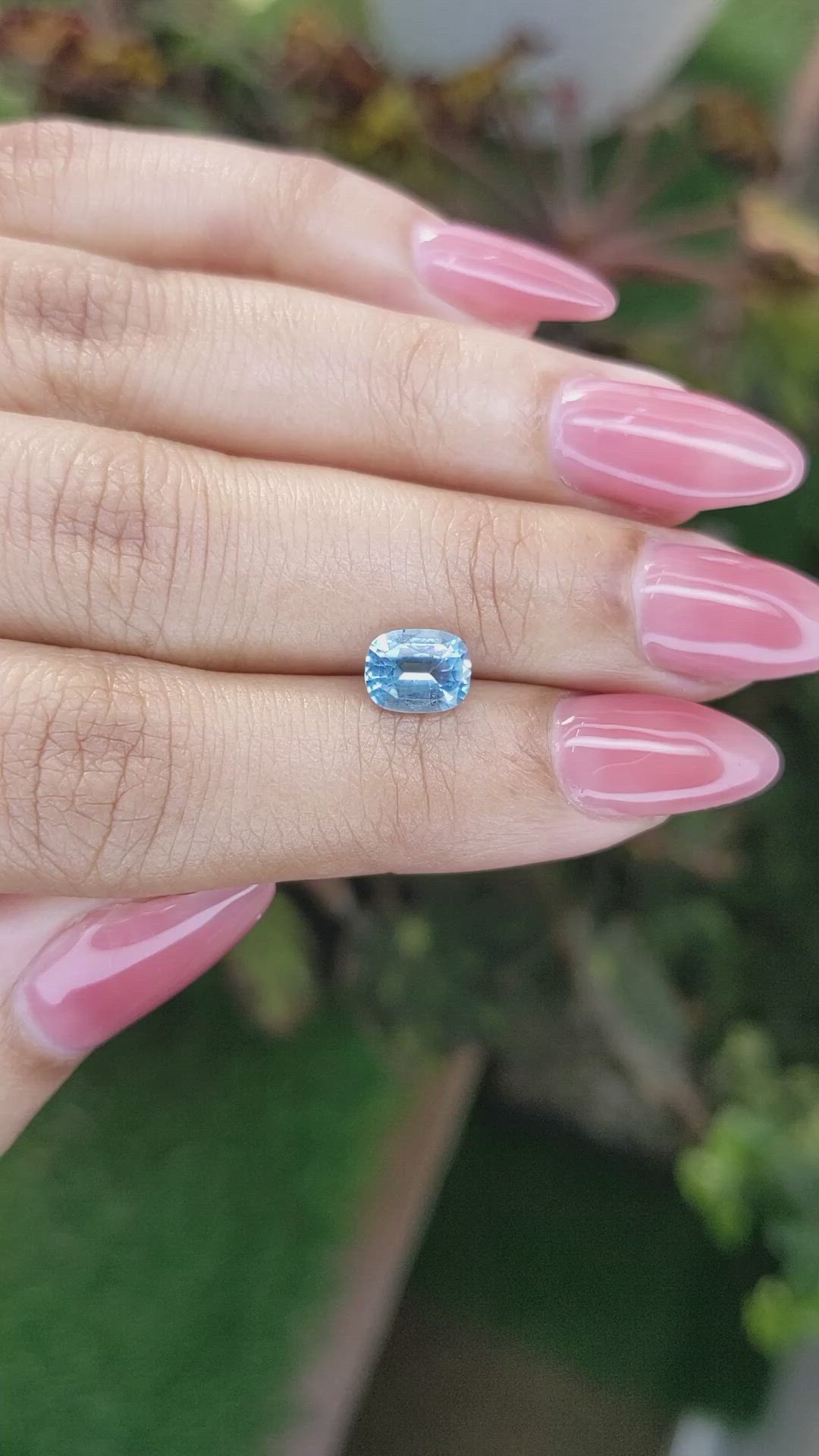
This Swiss blue topaz offered by The Natural Gemstone Company is a transparent, cushion shaped gem weighing 1.37 carats, with precise dimensions of 7.31 x 5.80 x 4.01 mm. The pavilion depth relative to the average span of the stone calculates to approximately 61.2 percent, a proportion that balances strong light return with a pleasing table area for face up brilliance. The cutter has executed a mixed brilliant cut, combining a modified brilliant crown with a step influenced pavilion arrangement, which delivers lively scintillation from small faceting on the crown while maintaining controlled color saturation through broader pavilion facets. Clarity is graded as very very slightly included when evaluated at eye level, indicating that the few internal features present do not materially affect transparency or visual performance under normal viewing, and the surface finish is described as excellent polish, with crisp facet junctions and a smooth girdle plane that will sit securely in standard prong or bezel settings. The hue reads as Swiss blue with medium intense color intensity, the blue showing a clean, true tone that is neither overly dark nor washed out, and the piece has been enhanced by irradiation to achieve and stabilize this attractive blue, a treatment that is industry standard for blue topaz and which yields a durable color when properly set and cared for.
From a lapidary and optical dynamics perspective, the mixed brilliant execution on a cushion outline in this specimen is designed to maximize perceived size and scintillation while maintaining even color distribution across the table. The crown facet architecture introduces a network of small star and bezel facets that fragment incoming light into high frequency flashes, producing a lively surface scintillation that contrasts with the broader, lower frequency flashes generated by the pavilion planes. The girdle presents an even thickness that supports consistent setting engagement, and the excellent polish enhances facet to facet light transfer, reducing surface diffusion and preserving contrast between bright and dark facets. The proportions, including the approximately 61.2 percent depth, promote a strong return of light to the viewer, rather than excessive leakage, which is particularly important with medium intense color topaz where both brilliance and tone must be balanced to avoid looking too dark or overly saturated. The very very slightly included clarity at eye level means that under loupe and high magnification these inclusions can be seen by trained observers, providing an internal fingerprint that confirms natural origin, while to the naked eye the gem presents as clean and transparent.
Comparing this natural Swiss blue topaz to lab grown blue gemstones, there are several substantive differences that informed buyers should consider. Laboratory produced counterparts can offer very high purity and homogeneous color, and they are a useful option for certain controlled designs. However, natural stones retain a provenance and trace element signature tied to their geological origin, in this case Ceylon Sri Lanka, which imparts subtle character to hue distribution and internal inclusions. These natural attributes are not mere imperfections, they are verifiable evidence of the gem as a product of specific geological conditions, which supports long term rarity and collectability. Natural topaz that has been responsibly sourced and disclosed with treatments such as irradiation, as in this example, often maintains stronger recognition in resale and appraisal contexts than synthetics, because the market values documented natural origin and established treatment practices. In addition, natural stones like this Swiss blue topaz carry a variability in optical behavior that cutters can exploit to create unique visual signatures, something that mass produced lab grown material tends to lack.
When assessing stability and care, irradiated blue topaz is a stable enhancement under normal wear conditions, and the color is not light sensitive the way some other enhancements can be. From a technical and investment perspective, the natural specimen provides a combination of documented origin, trace inclusion fingerprinting, and expert cutting that together create a gem with both immediate aesthetic appeal and longer term market recognition. The Natural Gemstone Company stands behind the natural origin and disclosed enhancement of this topaz, and can provide detailed provenance and condition information to support appraisal and bespoke mounting. For buyers who prioritize precise lapidary quality, natural origin, and the nuanced differences that only a naturally formed gem can exhibit, this 1.37 carat cushion Swiss blue topaz represents a technically refined and commercially robust choice.


