
- Stone12
- Reports3


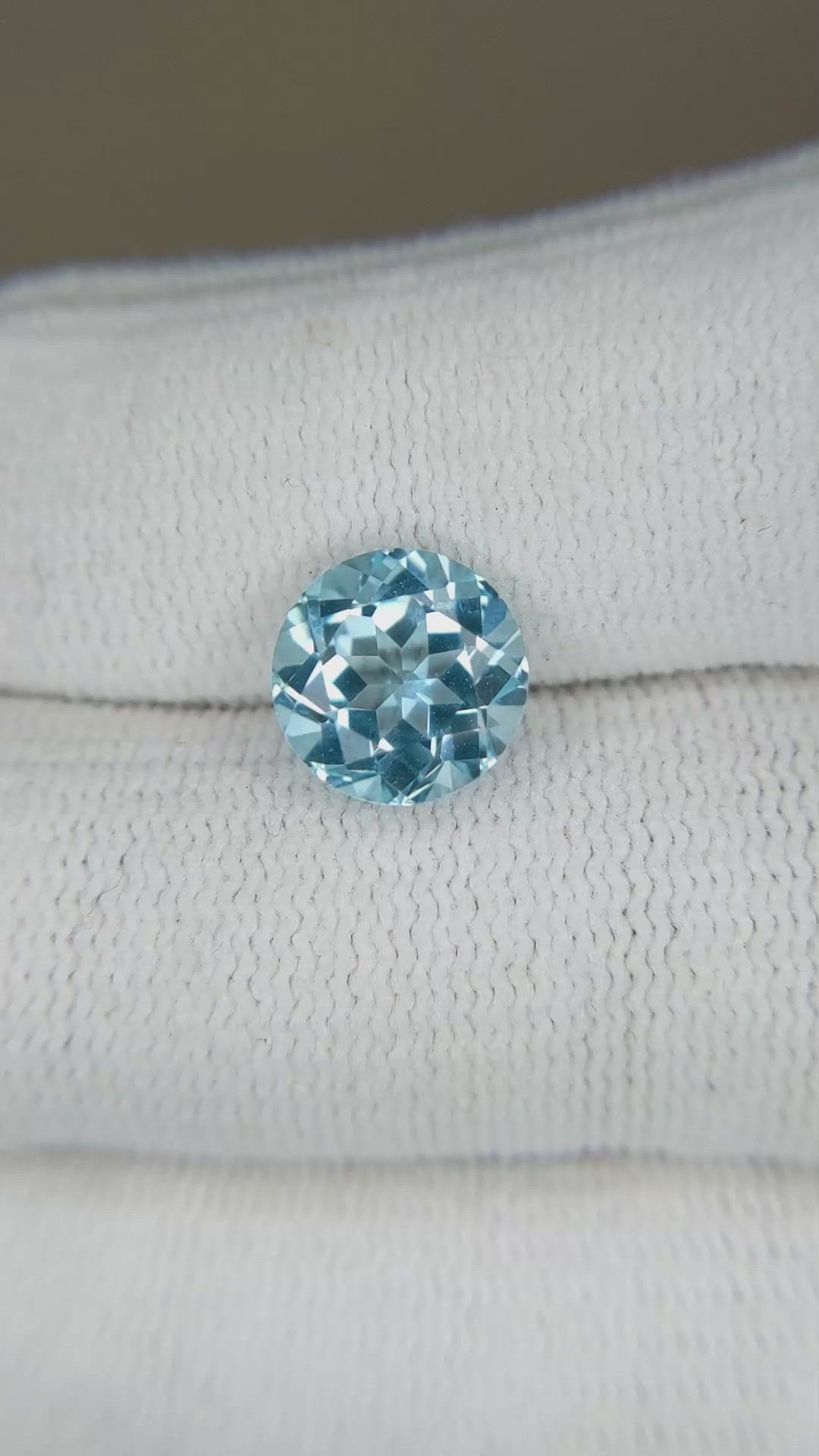
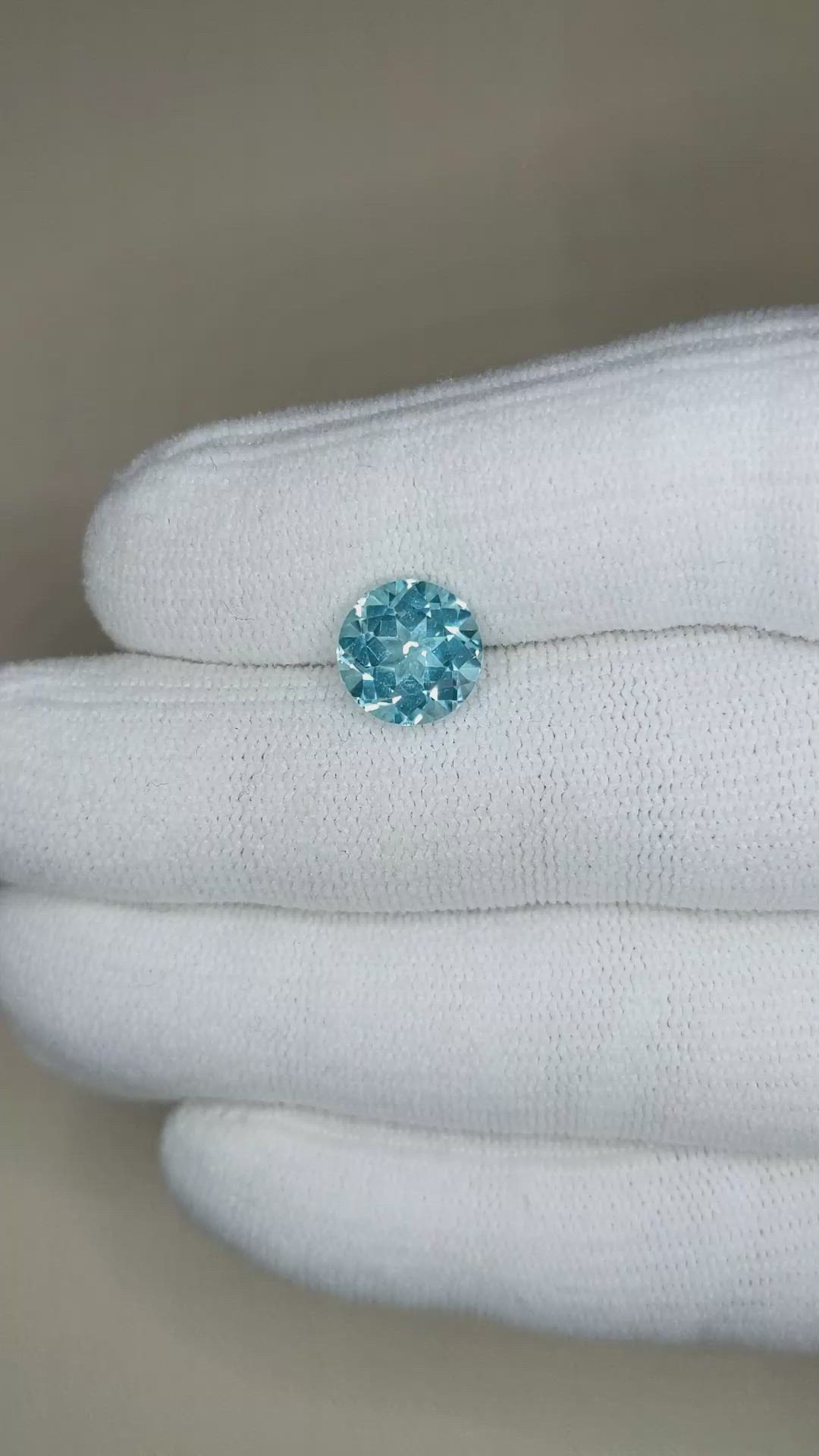
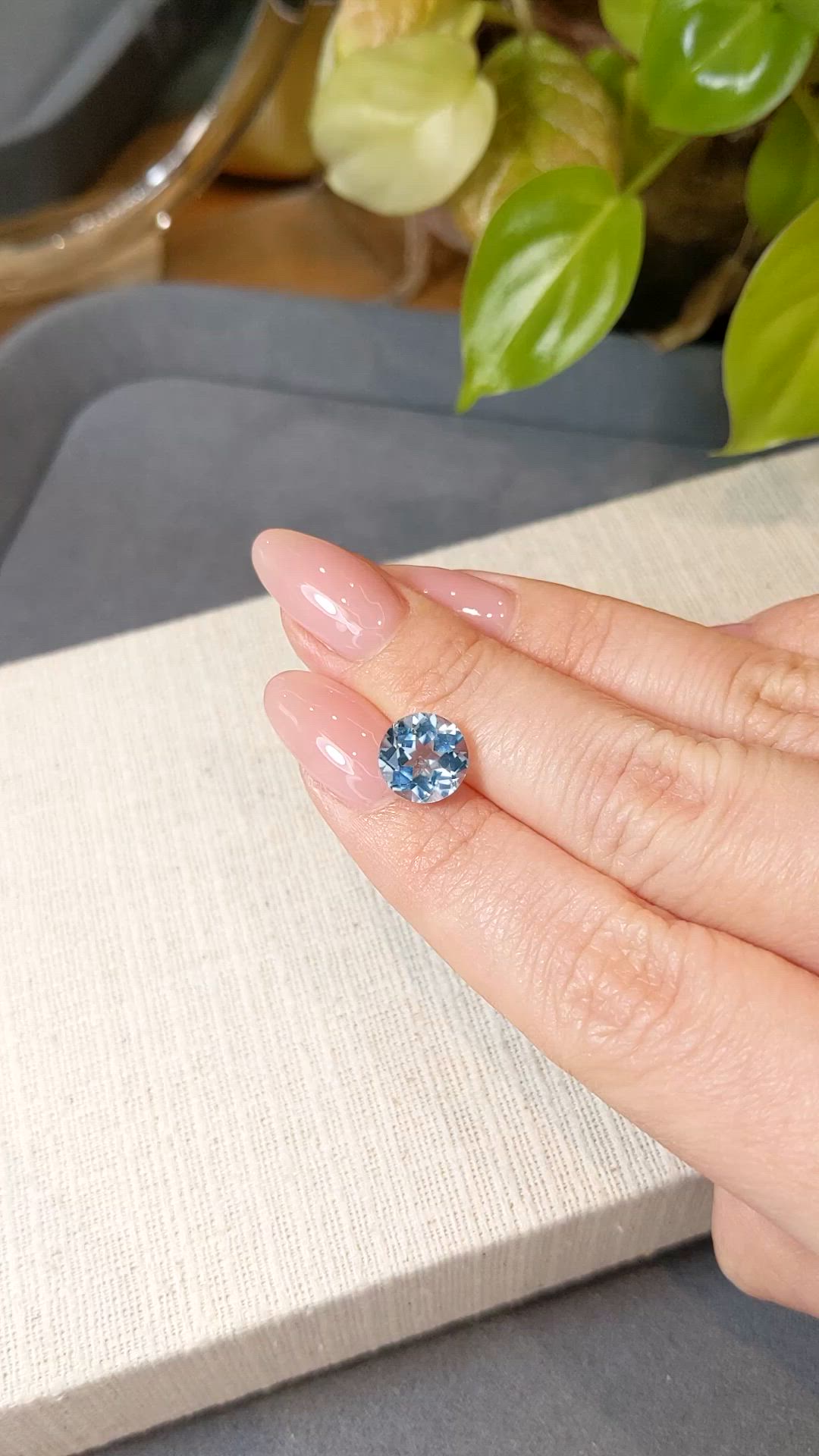
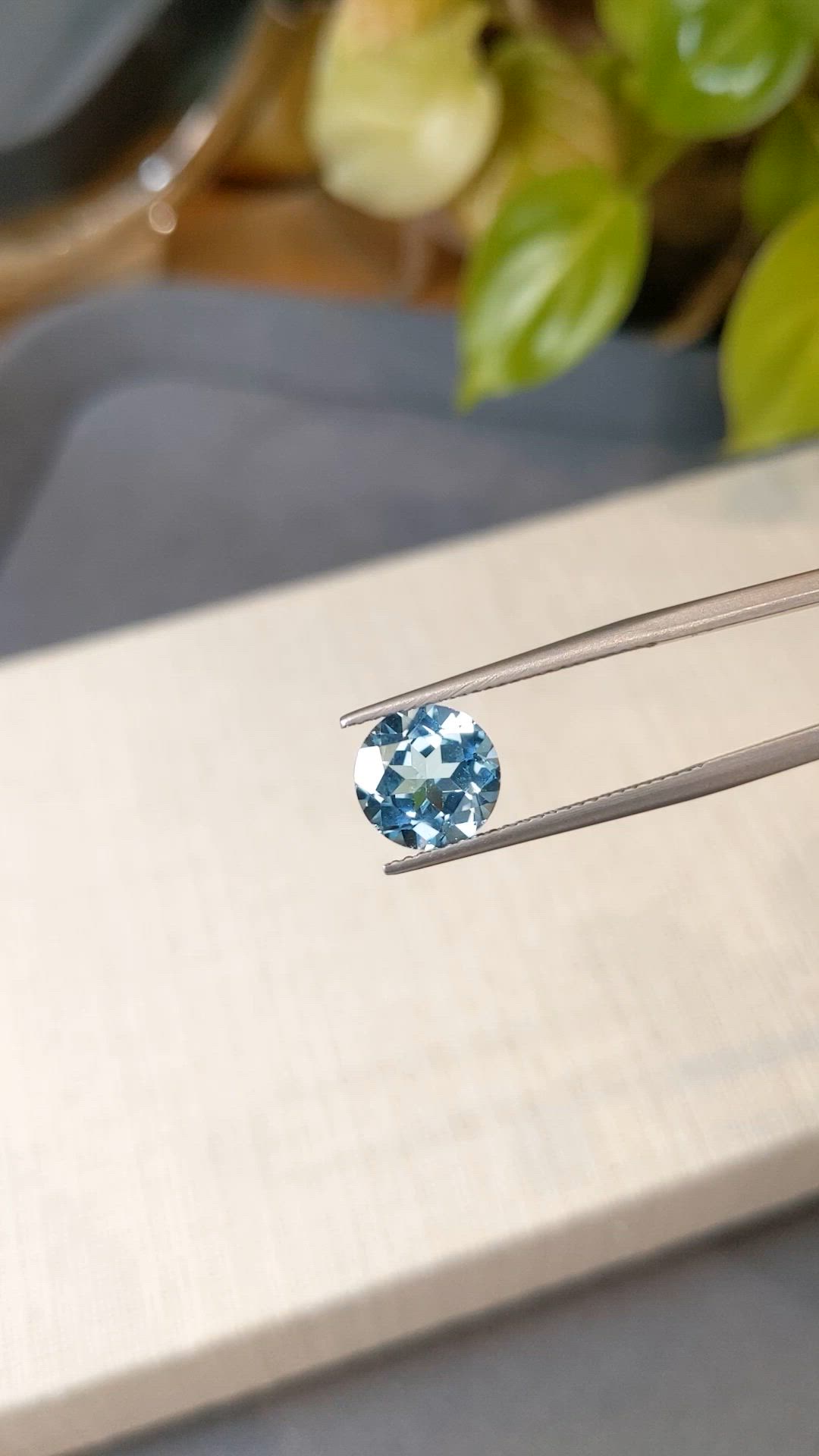

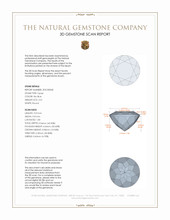


3.41 Ct. Sky Blue Topaz from Brazil
This loose stone is available to ship now
Item ID: | K23834 |
|---|---|
Dimensions (MM): help | Length: 9.01 Width: 9.01 Height: 5.94 |
Weight: | 3.41 Ct. |
Color: help | Sky Blue |
Color intensity: help | Medium |
Clarity: help | Very Slightly Included |
Shape: help | Round |
Cut: | Mixed Brilliant Cut |
Cutting style: | Faceted |
Enhancements: help | Irradiated |
Origin: help | Brazil |
Per carat price: help | $30 |
Beneath a sky that remembers the Atlantic wind, this sky blue topaz was born in the patient heart of Brazil, where rivers braid the earth and light finds secret places to rest. Miners working by lamp and dawn ledgers found a whisper of blue lodged in pale host rock, a transparent promise that would one day become a private harbor of light. The first hands that held it felt the coolness of stone and the warmth of discovery, and from the moment it left its place in the earth the gem seemed to hum with memory. It spent its earliest days among clays and sun baked trails, a small compendium of geological poetry, each grain of sand and mineral stain composing a map that only time could read. Quiet voices and practiced gestures carried it from vein to sorting table, and those who touched it knew they were keeping a secret between soil and sky.
The cutter saw in that secret the shape of a star, and guided the stone to a new life with the patience of an artisan and the eye of a poet. Meticulous facets were planned to honor its inner breath, a mixed brilliant cut chosen to coax both fire and calm from within. The finished gem is a round shape, a perfect circle of sky, weighing 3.41 carat, and measuring 9.01 x 9.01 x 5.94 mm. Its medium color intensity is a soft, evocative blue that suggests the quiet of early morning, not the brazen glare of high noon, and its transparency invites light to travel deep and return as a gentle song. The clarity grade is very slightly included, evaluated at eye level, an intimate trace that tells of the stone s unique genesis, rather than a flaw, and its excellent polish allows every facet to sing. Enhanced by careful irradiation to evoke that bluest breath, the topaz now bears a hue that seems almost composed by the sky itself.
From the cutting studio the gem was given a name that would suit its destiny, and it began the journey to market wrapped in stories and catalogues, carried by hands that understood both commerce and reverence. At The Natural Gemstone Company we shepherded its passage, photographing its angles, noting its measurements, and composing the words that would let another heart imagine its glow. We speak of provenance not as a ledger entry, but as an heirloom of place, a lineage from Brazilian veins to the quiet light of a jewelry case. Our craftsmen and curators consider the emotional architecture of a gemstone, how a single transparent stone can hold a proposal, a promise, a memory. Imagine it set at the center of an engagement ring, the round brilliant form catching each sideways glance, its 3.41 carat presence declaring both modesty and significance. Picture it cradled in a halo, suspended for kisses and anniversaries, the medium blue tempering the heat of passion with the coolness of fidelity.
To hold this topaz is to hold a small sky, a compact history of earth and art, an object whose journey is as much about people as it is about minerals. It traveled from Brazilian mines through thoughtful hands and expert cutters, arriving polished and stabilized, enhanced by irradiation to perfect an already tender tone, its measurements and grades recorded with the care of a curator. When you invite this jewel into your life you are inviting decades of craftsmanship and a story that began in the dark and came to light. Let The Natural Gemstone Company place this stone in the context of your own story, to be set into a ring that will speak of promises, or kept as a solitary talisman that reflects the quiet blue of memory. The gem waits like a held breath, ready to become part of a narrative whose next line is written by the one who receives it.


