
- Stone14
- Reports3


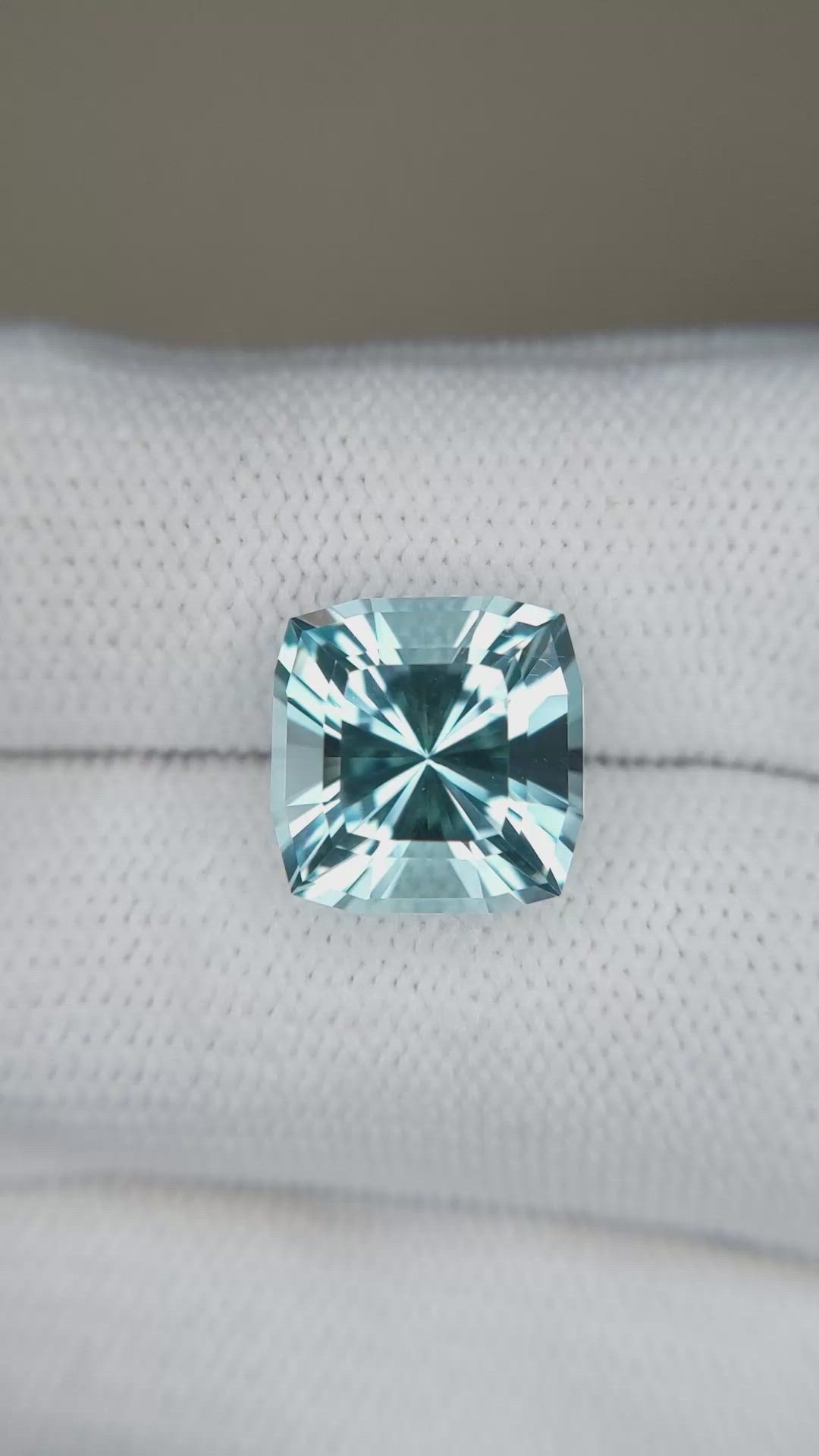
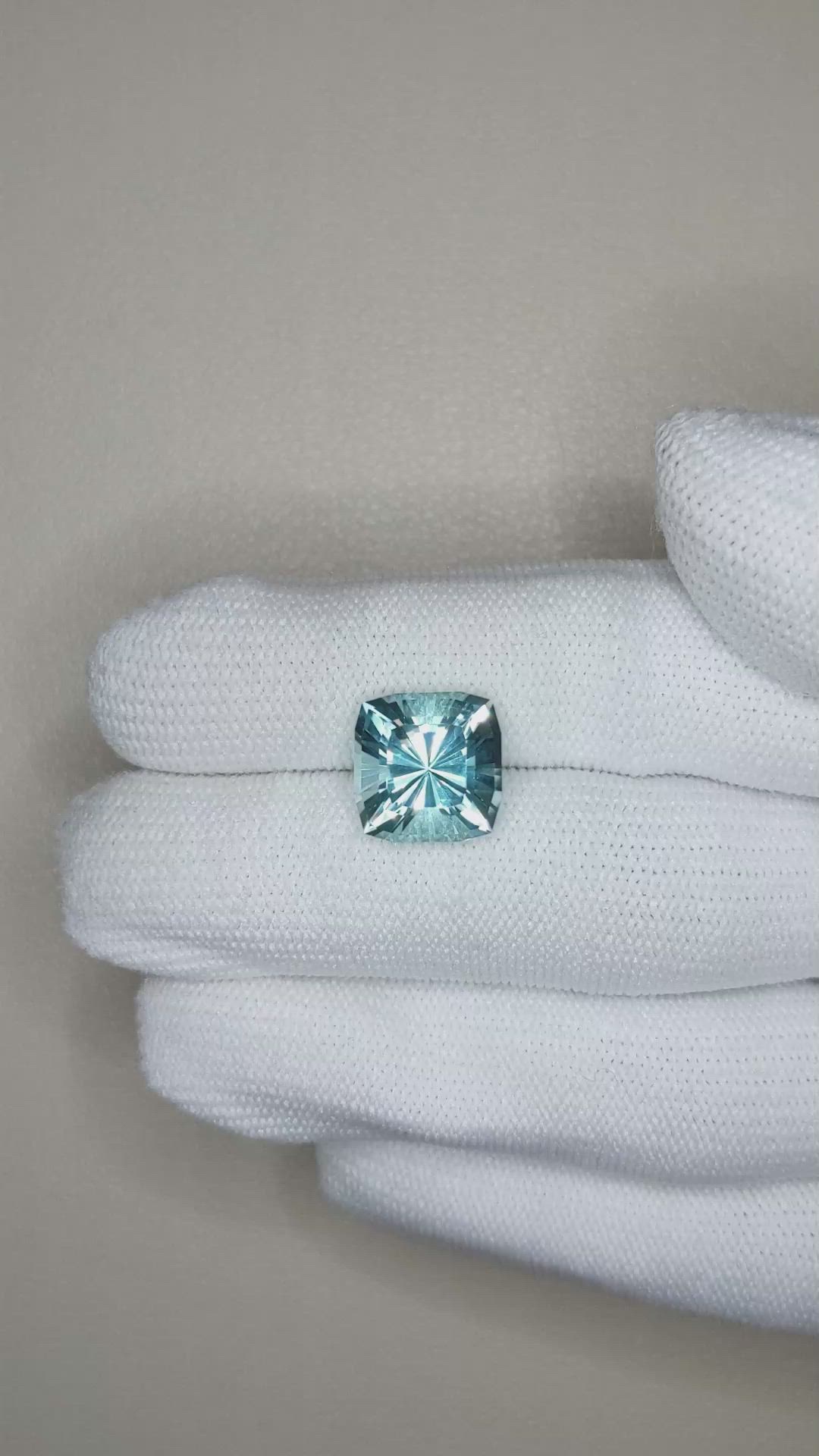
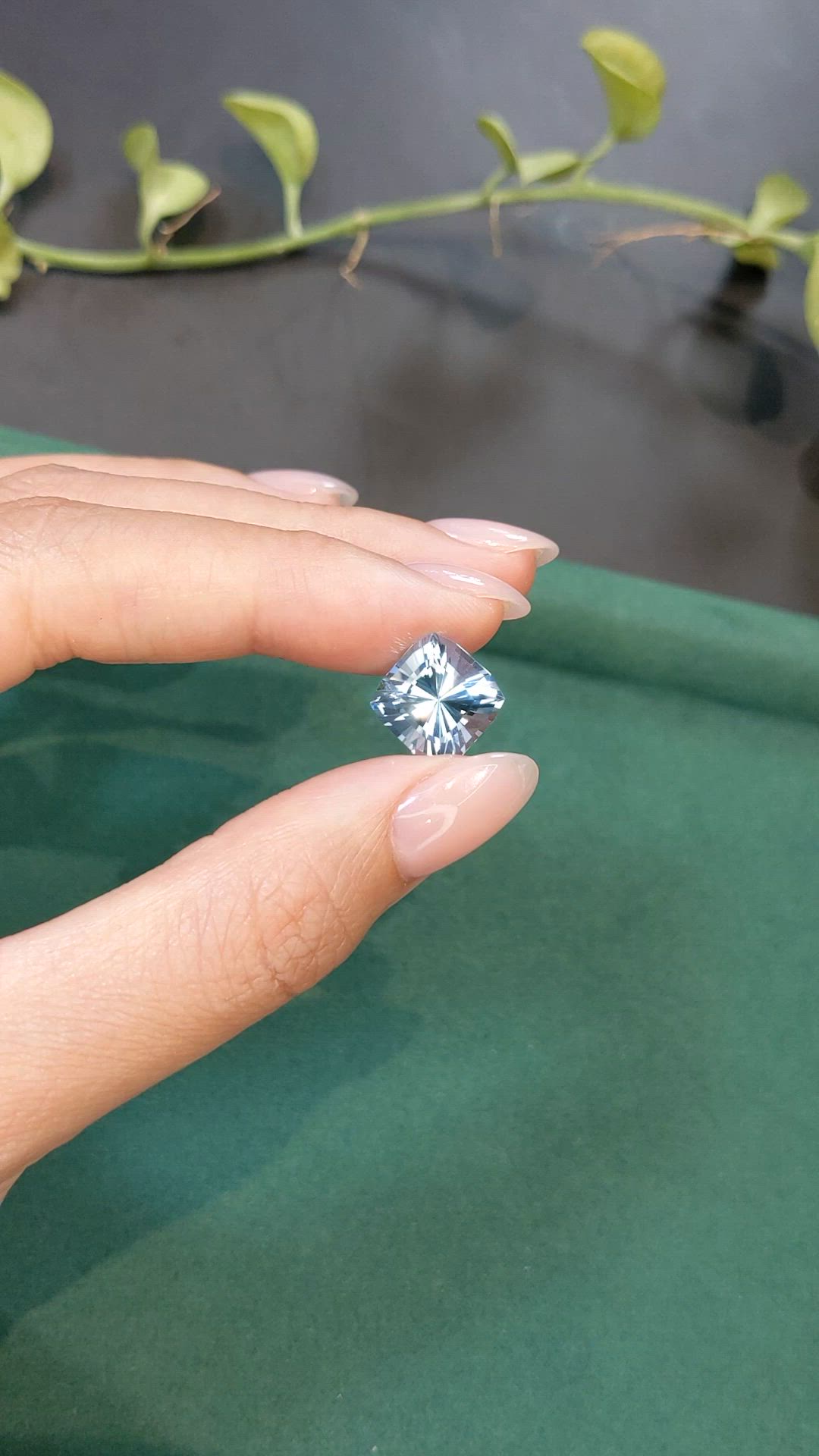
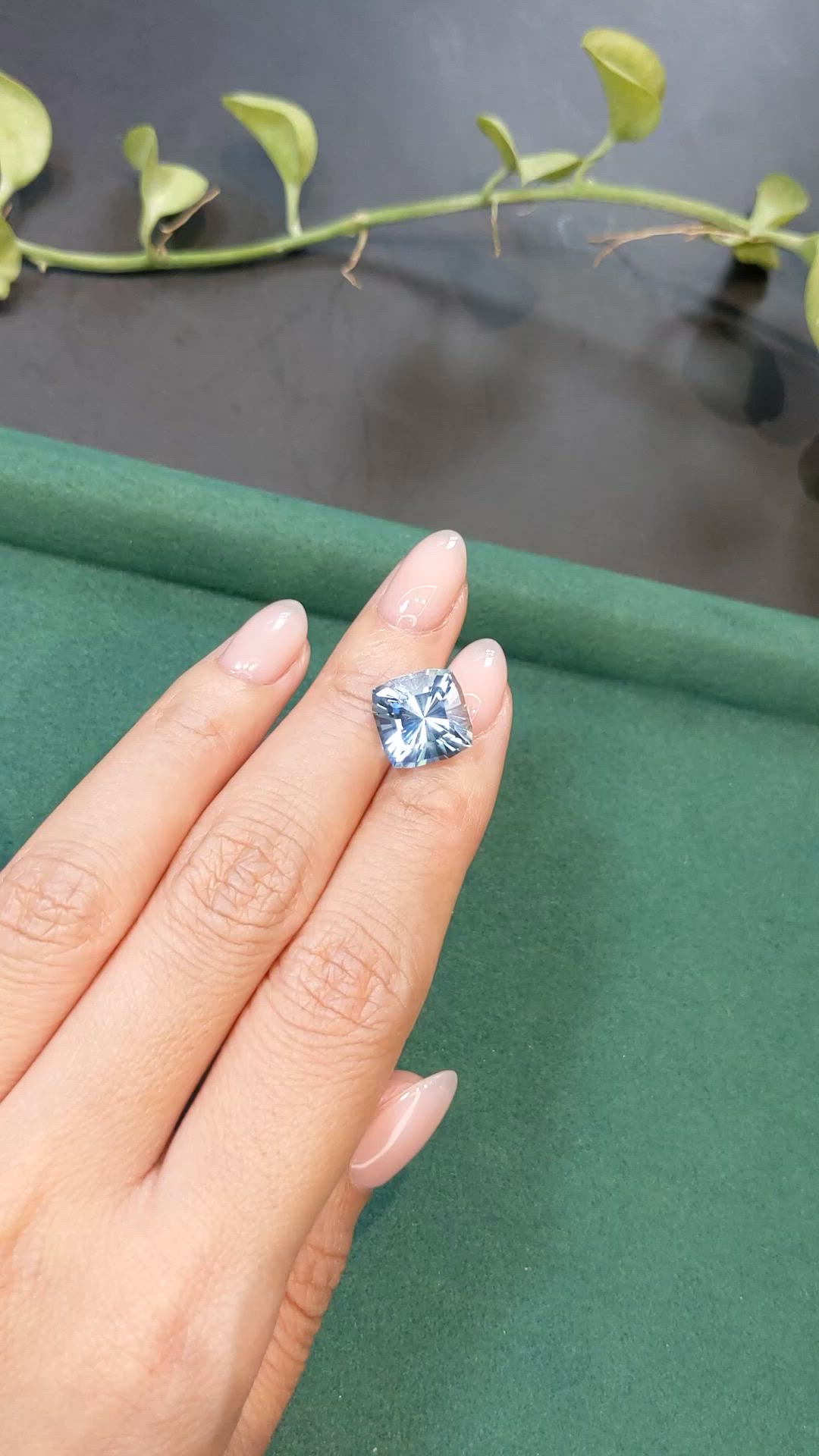

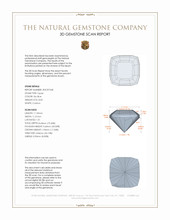
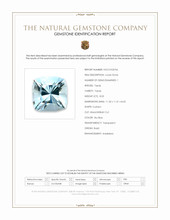


8.03 Ct. Sky Blue Topaz from Brazil
This loose stone ships by Sep 1
Item ID: | K25766 |
|---|---|
Dimensions (MM): help | Length: 11.32 Width: 11.21 Height: 8.43 |
Weight: | 8.03 Ct. |
Color: help | Sky Blue |
Color intensity: help | Light |
Clarity: help | Very Very Slightly Included |
Shape: help | Cushion |
Cut: | Mixed Brilliant Cut |
Cutting style: | Faceted |
Enhancements: help | Irradiated |
Origin: help | Brazil |
Per carat price: help | $27 |
This listing presents a single, transparent sky blue topaz weighing 8.03 carats, cut into a classic cushion shape with a mixed brilliant facet arrangement, with dimensions 11.32 by 11.21 by 8.43 millimeters, a light color intensity, and an excellent polish. The clarity grade is described as very very slightly included when evaluated at eye level, which for practical purposes means the stone is eye clean and displays minimal internal features to the naked eye. The color was achieved by irradiation, a widely accepted and stable enhancement for topaz that produces the attractive sky blue hue, and the stone originates from Brazil, a source renowned for producing large, well formed topaz crystals. At The Natural Gemstone Company we disclose treatments and origin, and we select material that balances optical performance with durability for wearable fine jewelry.
From a gemological perspective the mixed brilliant cut in a cushion outline is an excellent choice to enhance the reflective qualities of topaz, which naturally exhibits a vitreous luster and a refractive index that sits above many common silicates. The mixed brilliant style combines a faceted crown that maximizes light entry with a pavilion that returns light in concentrated flashes, producing lively scintillation and crisp reflectance across the table and crown facets. The cushion form introduces larger, slightly rounded facets toward the table that make the color appear even and expansive, while the brilliant pavilion facets provide the necessary internal reflection to generate bright pinpoint flashes. The excellent polish noted on this stone further improves the microreflective behavior of each facet junction, giving the topaz a clean, glasslike surface that conveys sharp highlights and strong contrast when viewed under showroom lighting.
When comparing reflective qualities to other gemstones in the same blue color family, several practical distinctions emerge that an educated buyer will appreciate. Compared with aquamarine, which is a beryl species, this topaz typically exhibits slightly stronger surface brilliance and a more lively facet light return due to topaz having a higher refractive index than beryl. The overall appearance of aquamarine tends to be softer and more watery, while this sky blue topaz reads as a brighter and more scintillating stone under the same lighting. Versus zircon, topaz displays less dispersion and therefore less multicolored fire, but it compensates with clearer, whiter flashes and a cleaner, more crystalline brightness, which many buyers prefer for elegant, modern settings. Against corundum in blue sapphire form, topaz will usually show more overt sparkle per facet because sapphires rely more on color saturation and depth than on high facet contrast, while sapphire has a higher refractive index and exceptional toughness for everyday wear. Tourmaline stones in blue shades can overlap in refractive index with topaz and in some cases show comparable brilliance, but tourmaline often presents deeper saturation and pleochroism, which changes how light is dispersed through the stone, whereas this topaz gives a consistent, stable sky blue color and an even reflective pattern.
Clarity and treatment are fundamental to both value and buyer confidence, and this stone’s very very slightly included assessment at eye level is a notable attribute in an 8.03 carat size. Gemological best practice for colored stones involves describing what is visible to the unaided eye and supplementing that observation with loupe or microscope assessment at 10 times magnification, and under those conventions this topaz would be considered excellent because inclusions do not interrupt the visual appeal or structural integrity in normal viewing. The irradiated enhancement is a standard and stable industry process for producing sky blue topaz, and the color produced by irradiation is permanent under ordinary conditions of light and wear. Brazil as the reported origin is consistent with the material grade and style of crystal habit seen in this specimen, and Brazilian topaz often combines good size, clarity, and crystal quality in single pieces, which reduces the need for aggressive cutting that can compromise optical return.
For the informed purchaser this stone represents a compelling intersection of size, optical quality, and market practicality. An 8.03 carat, eye clean sky blue topaz with mixed brilliant cutting and excellent polish is uncommon enough at this scale to be a centerpiece for a bespoke ring or pendant, while the light color intensity makes it versatile across different metal colors and design aesthetics. Buyers should be advised that topaz is a relatively hard gemstone at 8 on the Mohs scale, which supports frequent wear, but it does have a distinct cleavage plane that requires careful setting and handling to avoid sharp impacts. For this reason settings that protect the girdle and corners are recommended, and bezel or semi bezel treatments, or prong work that supports the cushion outline, are prudent. The Natural Gemstone Company provides transparent documentation of measurements, weight, enhancement, and origin to aid valuation and insurance, and we can assist with certification options if desired. For collectors and designers seeking a bright, eye clean, and well cut blue gemstone that balances visual sparkle with wearability, this Brazilian sky blue topaz is a strong and defensible choice.


