
- Stone14
- Reports3


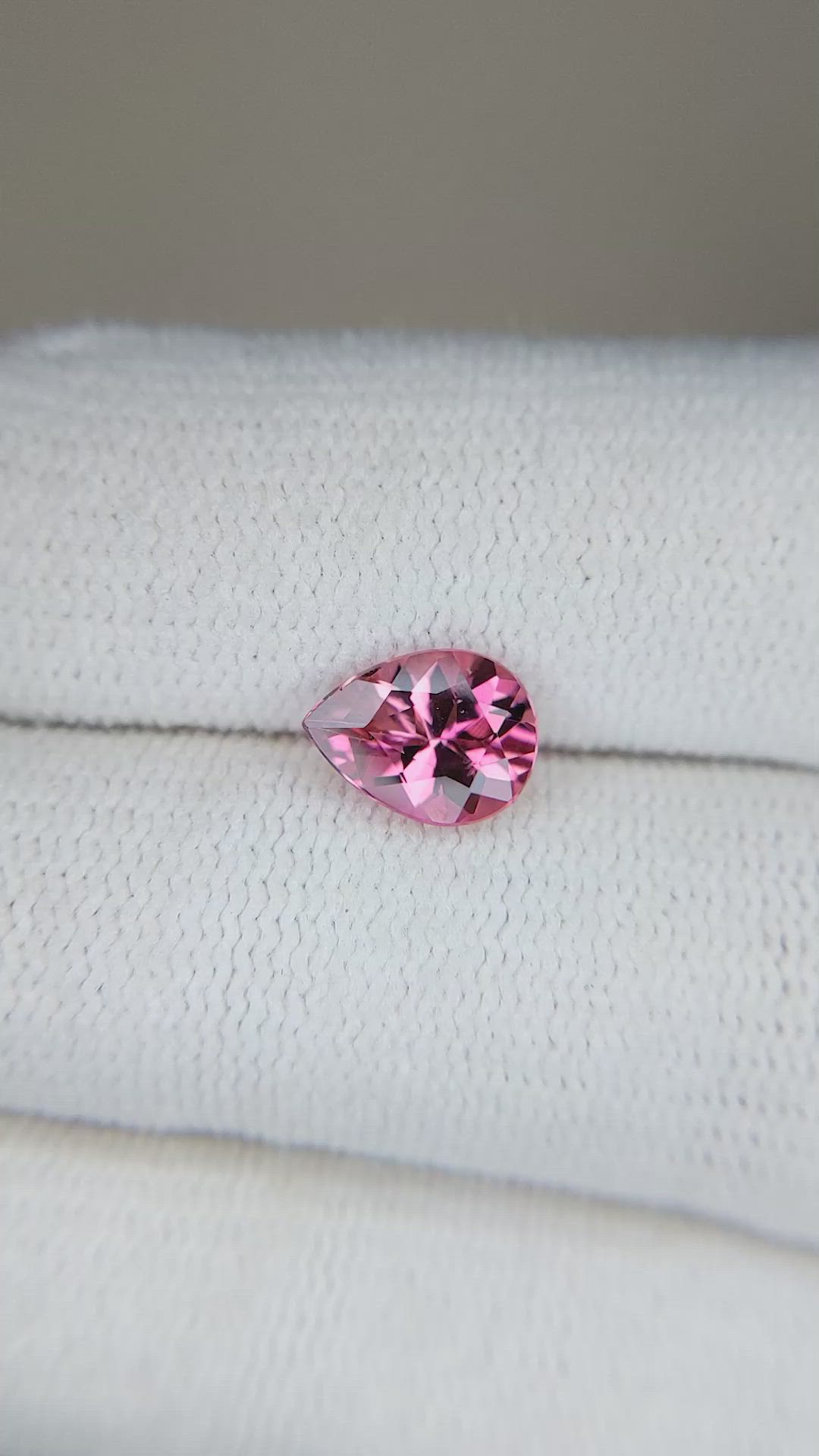
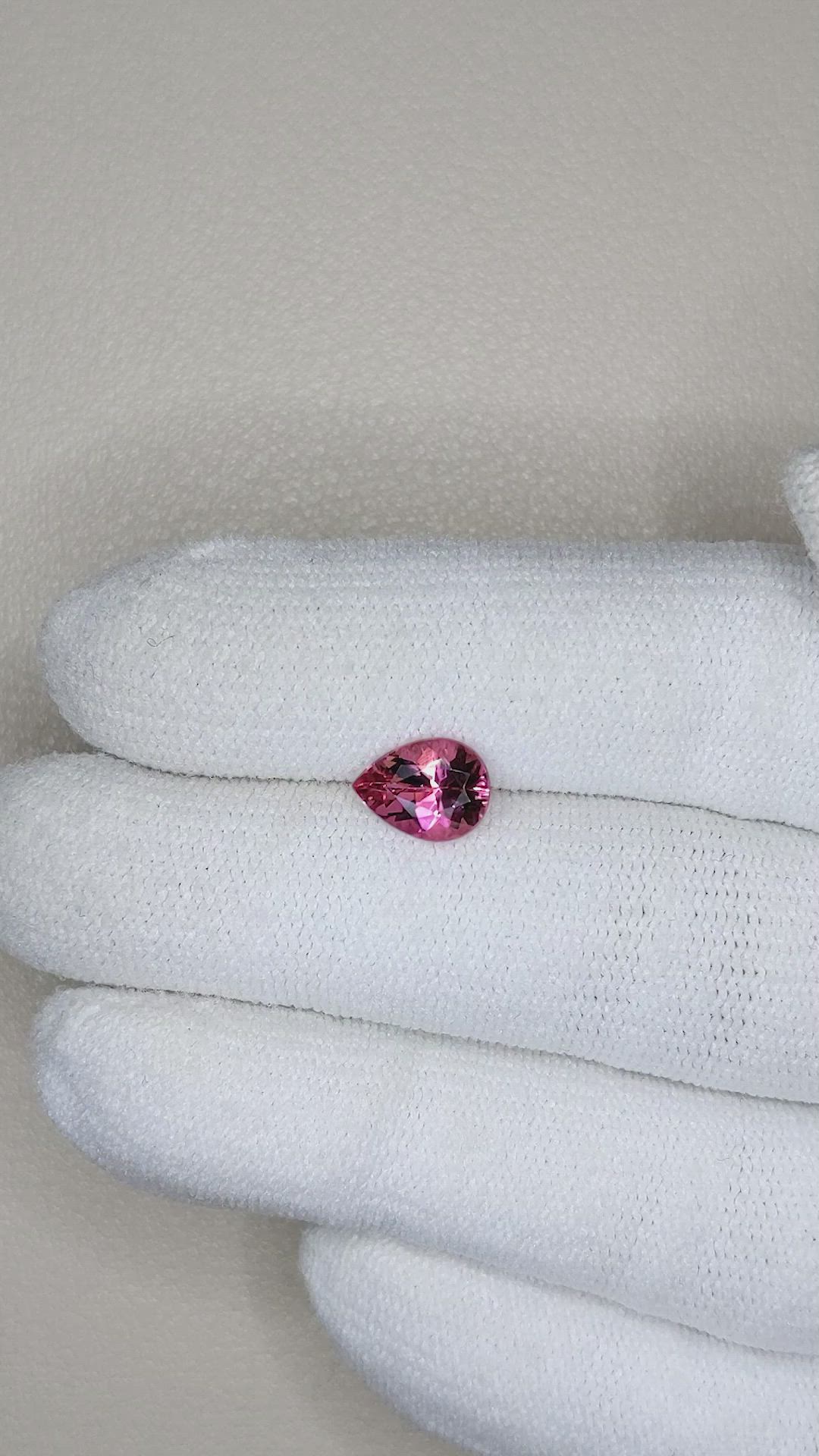
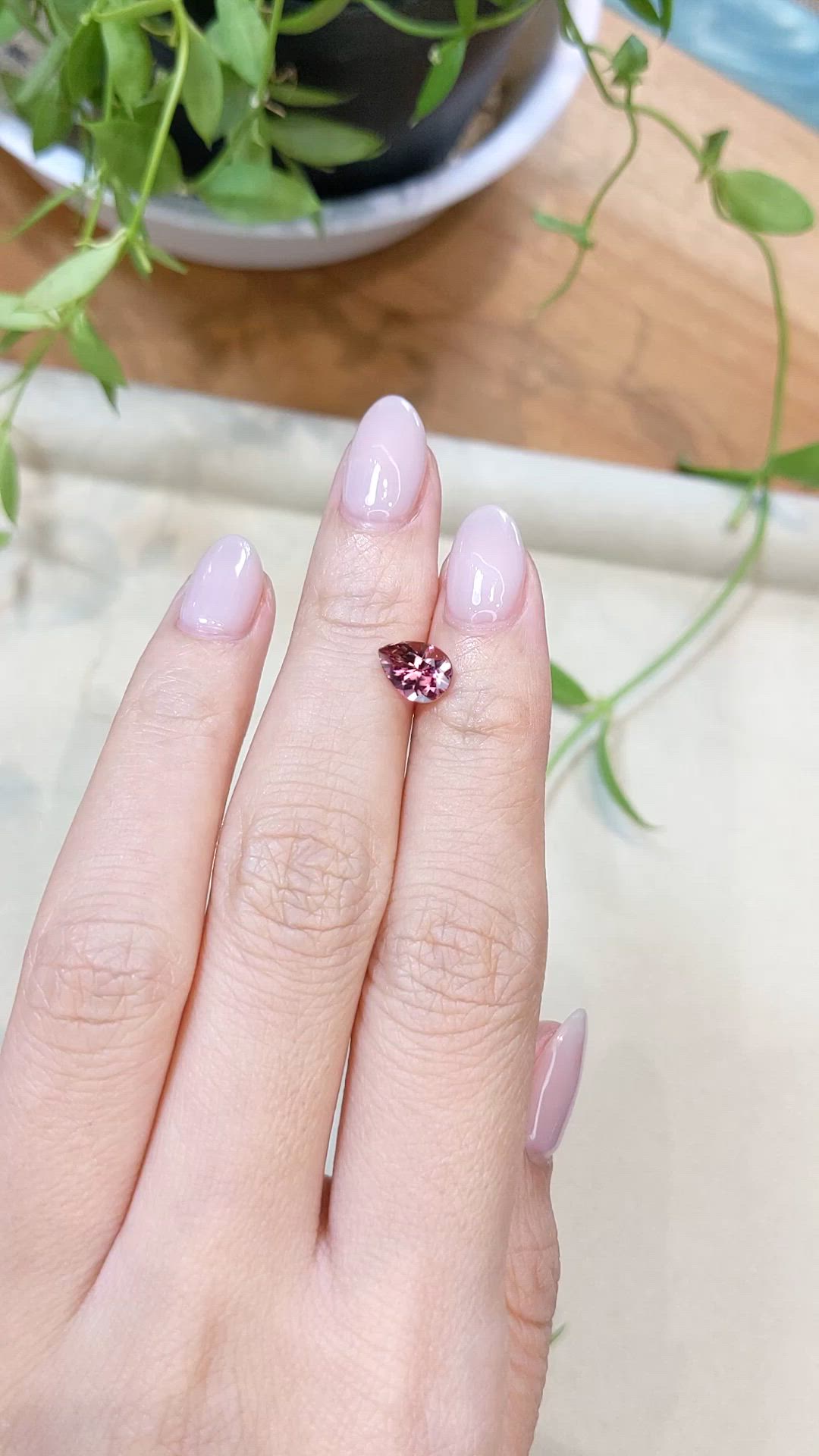
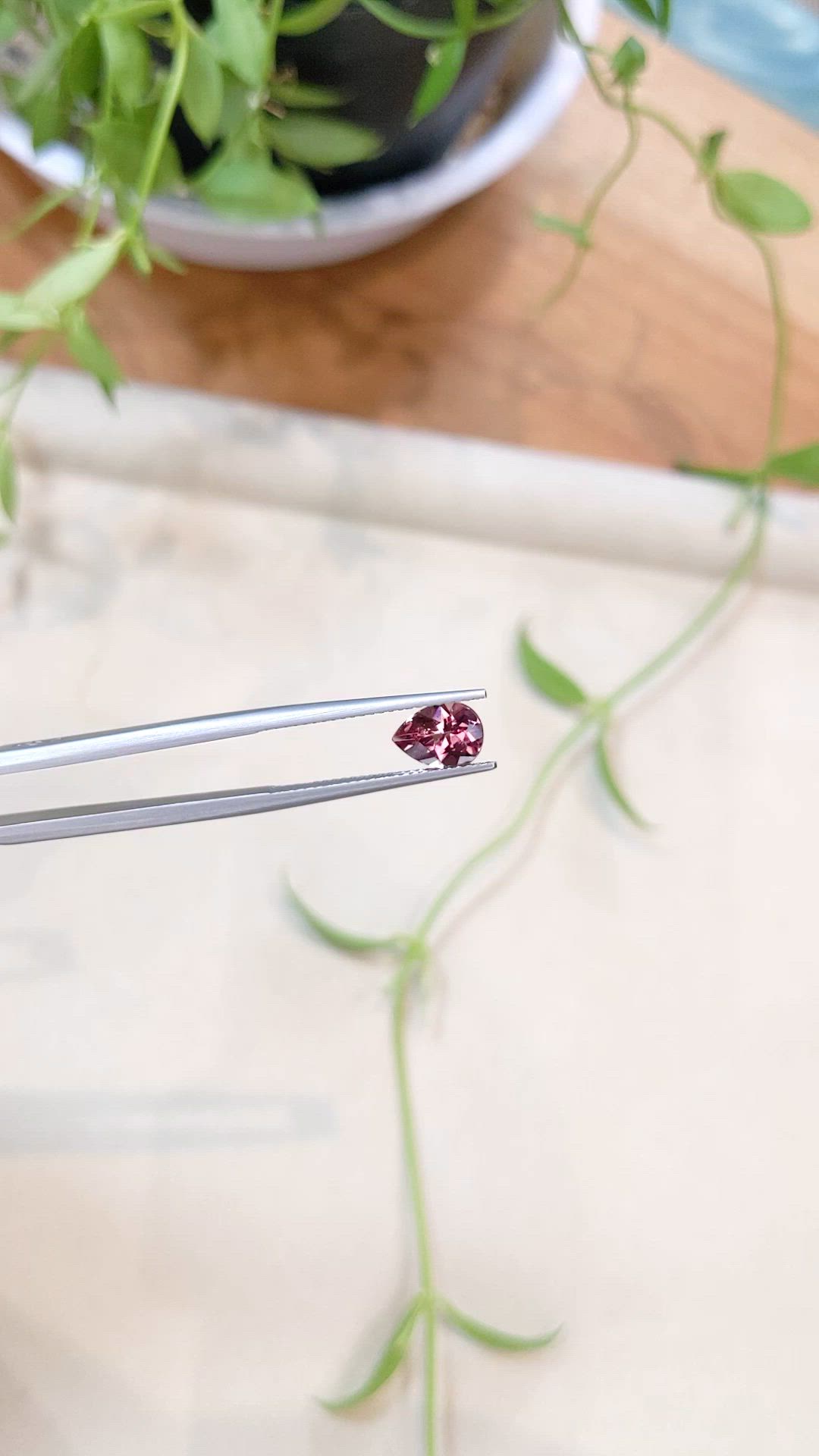
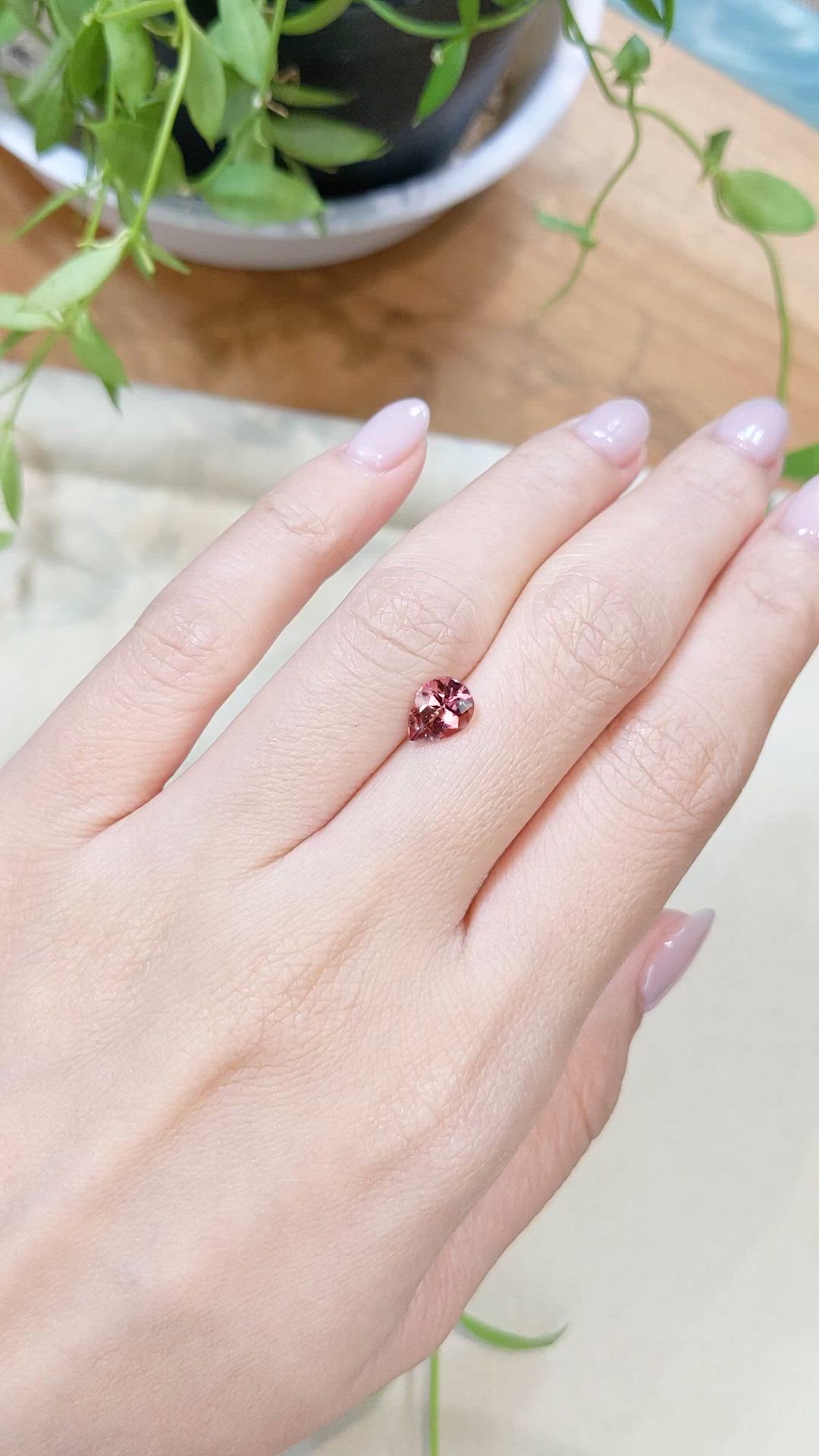


1.08 Ct. Pink Tourmaline from Mozambique
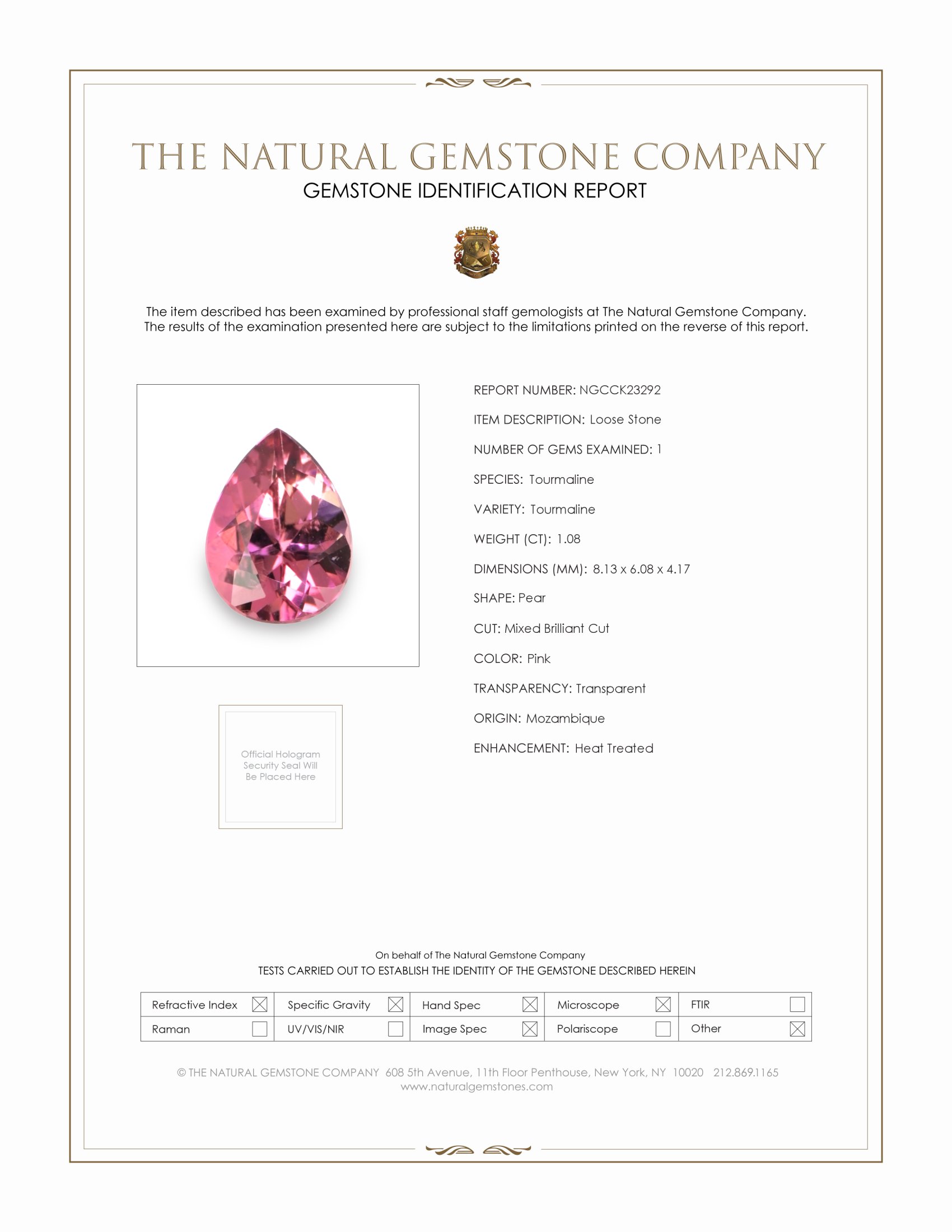
Item ID: | K23292 |
|---|---|
Dimensions (MM): help | Length: 8.13 Width: 6.08 Height: 4.17 |
Weight: | 1.08 Ct. |
Color: help | Pink |
Color intensity: help | Intense |
Clarity: help | Very Slightly Included |
Shape: help | Pear |
Cut: | Mixed Brilliant Cut |
Cutting style: | Faceted |
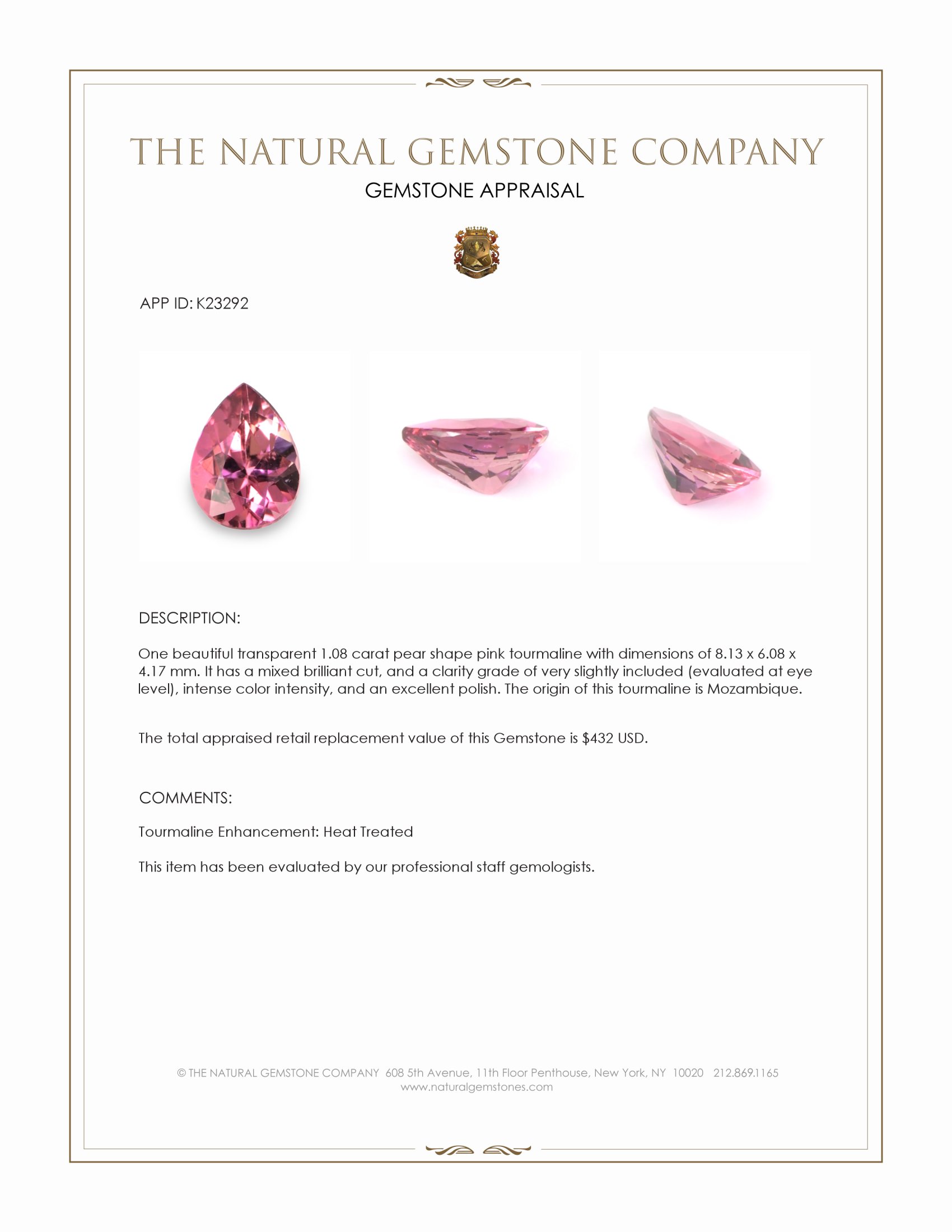
Enhancements: help | Heat Treated |
Origin: help | Mozambique |
Per carat price: help | $400 |
This pear shape pink tourmaline presents itself as a technically refined specimen, one point zero eight carats in weight, with dimensions eight point one three by six point zero eight by four point one seven millimeters. The transparency is categorized as transparent, enabling unimpeded light transmission across the pavilion and crown, and the gem exhibits an intense color intensity that reads a vibrant pink with subtle modulatory tone variation when the stone is tilted. Origin is Mozambique, and the material has been subjected to controlled heat treatment to optimize hue and to clarify localized color zoning. Clarity has been evaluated at eye level as very slightly included, which means the internal features are minimal and do not detract from silhouette, brilliancy, or apparent transparency. The Natural Gemstone Company presents this gem as an example of measured cutting and finishing applied to a high quality natural rough, where the cutter prioritized balance between weight retention and optical performance.
The cutting geometry is a mixed brilliant, carefully proportioned for maximum light play, with a crown rendered in brilliant style and a pavilion that combines modified brilliant and faceted flats to control return of spectral light. In this pear proportion the length to width ratio measures approximately one point three four, producing a slightly stockier drop that emphasizes table return and face up color saturation. The table facet has been set to a conservative size to enhance scintillation without sacrificing overall light return, and the crown depth has been optimized to support star facets and kite facets that channel incident light toward the pavilion mains. The pavilion facet architecture features parapet facets and lower girdle facets that act as light guides, producing both pin point scintillation and broad flashes of color across the face up image. The apex at the tip has been faceted with careful symmetry to avoid excess light leakage, and the girdle has been finished to provide a secure seat for bezel or prong settings while maintaining even symmetry around the outline.
Clarity and polish work together in this piece to produce a clean face up appearance, the clarity grade of very slightly included reflecting inclusions that are small, stable, and often parallel to crystal growth, which the cutter has oriented to minimize optical disruption. Under loupe inspection one will note fine feather type inclusions and occasional two phase features, none of which interrupt the stone surface or compromise durability. The polish is excellent, the facet junctions rendered with precision to produce crisp facet edges and even facet planes, which is a critical factor for maximizing specular reflection. Excellent polish enhances return light coherence a key parameter in mixed brilliant cutting where phase relationships between crown and pavilion facets determine contrast patterning. Symmetry is controlled to industry standards, ensuring that the patterned reflections align with the pear outline and contribute to a stable and repeatable light performance in both static and mobile wear conditions.
Color response, treatment disclosure, and practical mounting recommendations complete the technical profile of this tourmaline. The heat treatment noted by The Natural Gemstone Company has been applied to subtly shift and intensify the pink hue, stabilizing color distribution and reducing zoning without altering the fundamental crystal chemistry. Tourmaline typically exhibits pleochroism, and in this pink range the effect is minimal to moderate depending on orientation, therefore orienting the stone with consideration to face up hue is recommended. For maximum airborne scintillation mount the gem in a setting that allows light access to the pavilion, such as a well elevated prong or partial bezel with light apertures, to exploit the engineered pavilion faceting and mixed brilliant crown. The Mohs hardness of tourmaline at approximately seven to seven point five affords practical wearability, but secure mounting and routine care are advised to protect the pointed tip and girdle during everyday use. Provenance from Mozambique adds a reliable sourcing narrative, and The Natural Gemstone Company can provide further documentation on origin and enhancement upon request, together with recommendations for bespoke mounting options to showcase the geometric faceting that has been executed to maximize this gem s light play and color saturation.


