
- Stone12
- Reports3
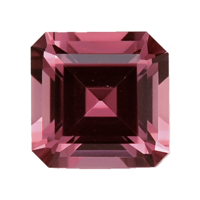
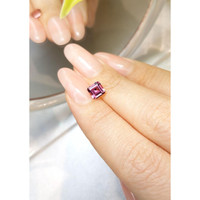
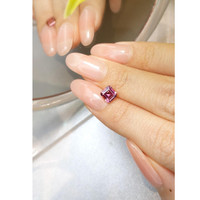


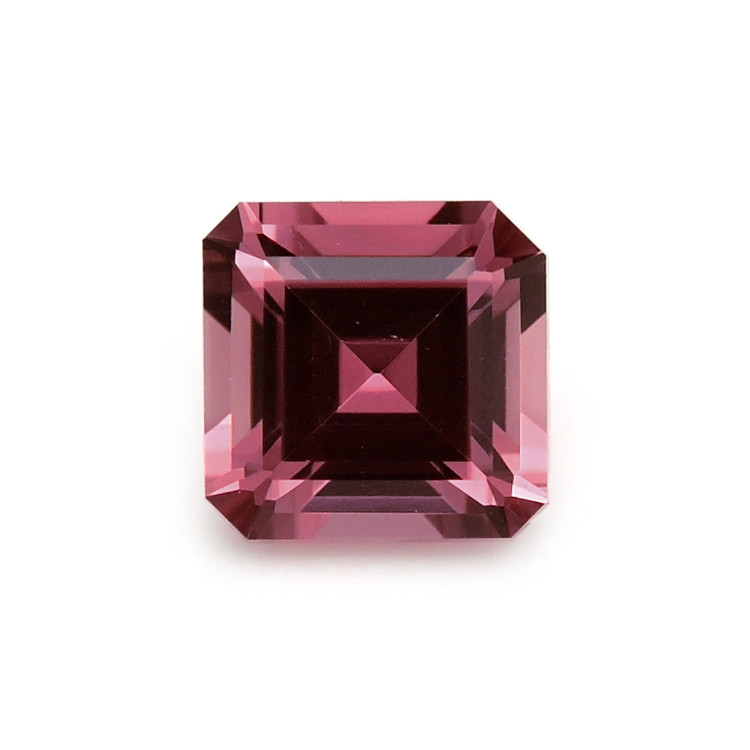
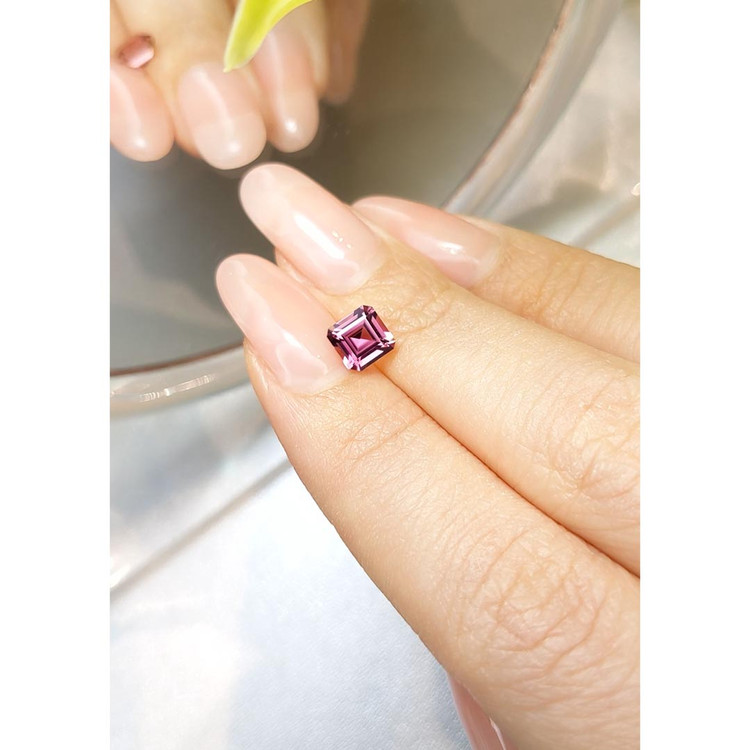
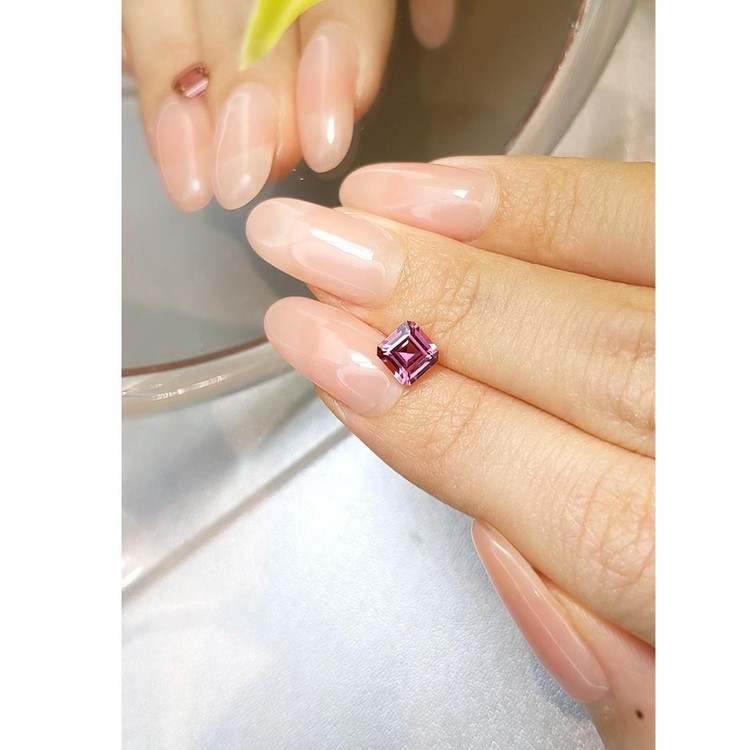



1.10 Ct. Tourmaline from Mozambique
This loose stone is available to ship now
Item ID: | K6880 |
|---|---|
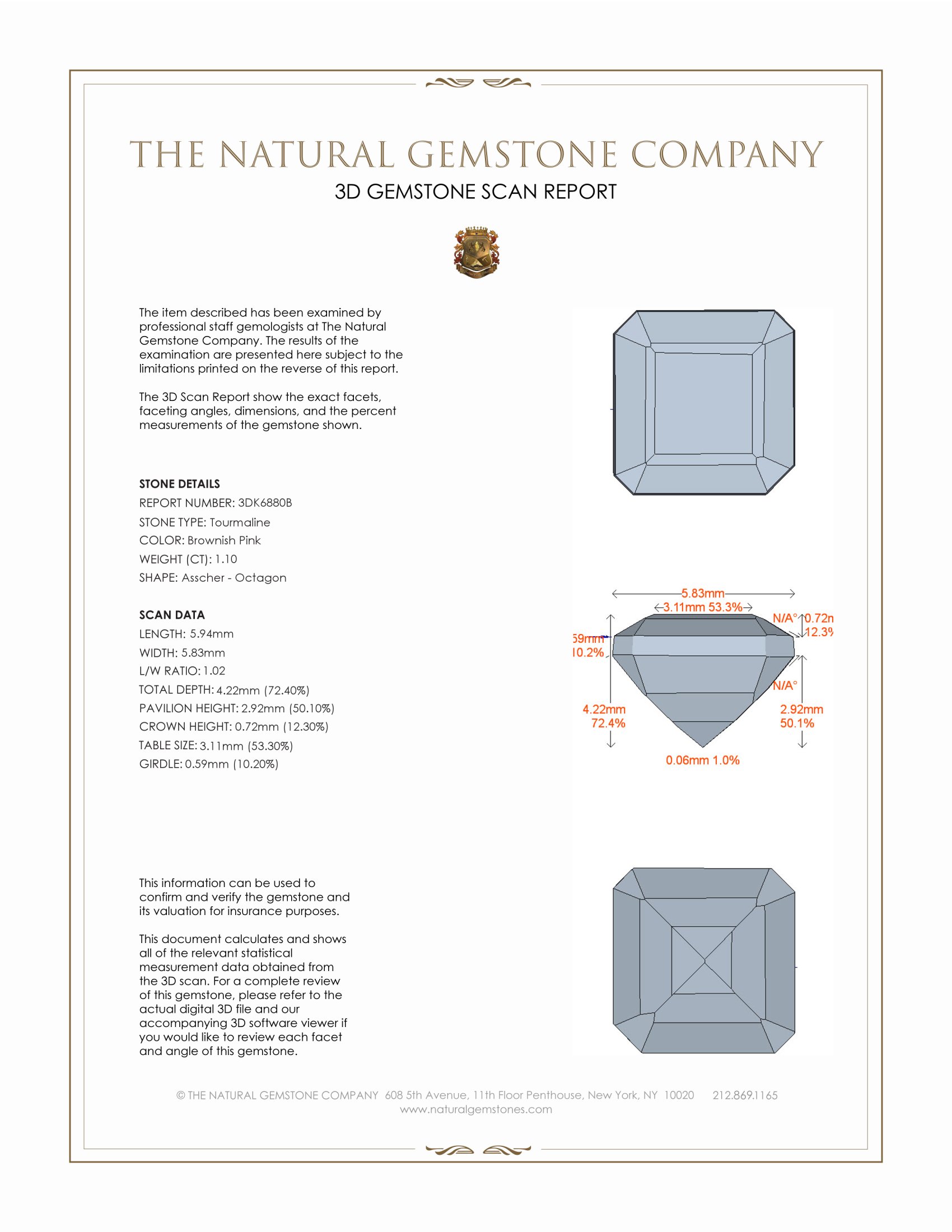
Dimensions (MM): help | Length: 5.94 Width: 5.83 Height: 4.22 |
Weight: | 1.10 Ct. |
Color: help | Brownish Pink |
Color intensity: help | Intense |
Clarity: help | Very Very Slightly Included |
Shape: help | Asscher - Octagon |
Cut: | Asscher |
Cutting style: | Faceted |
Enhancements: help | Heat Treated |
Origin: help | Mozambique |
Per carat price: help | $200 |
This 1.10 carat Asscher octagon tourmaline from Mozambique is a study in precision cutting and optical performance, presented by The Natural Gemstone Company. The stone measures 5.94 x 5.83 x 4.22 mm, and is an asscher cut with an octagonal outline created by truncated corners. Clarity is graded very very slightly included evaluated at eye level, the color intensity is intense, and the polish is excellent, enhancement heat treated to stabilize and intensify the brownish pink hue. The combination of small but deliberate table, pronounced step facets on the crown and pavilion, and rigorous symmetry produces a stone that reads both as a color gem and as a highly engineered optical instrument. These basic metrics are essential to understanding how this tourmaline converts incident light into a characteristic brilliance and scintillation different from more common brilliant cuts.
The asscher cut applied here is a classic step cut, with concentric square facet rows on the crown that align with parallel steps on the pavilion, producing a controlled hall of mirrors effect. The facet architecture relies on flat planes rather than triangular facets, which yields broader, directional flashes of light rather than dispersed fire. In this example the cutter has favored slightly deeper pavilion planes and a modest table aperture to maximize internal light trapping while preserving color saturation. The result is a dynamic interplay between broad flashes that show the stone s mass of color and narrow, crisp flashes that occur at facet junctions, the latter made possible by the excellent polish and precise facet junctions. Symmetry is essential for the asscher geometry, and this piece exhibits tight alignment of step rows and corner truncations, so that reflections repeat concentrically and the perceived sparkle is coherent and architectural.
Color and optical properties are central to the visual impact of brownish pink tourmaline, and this specimen displays intense saturation with a warm brown component layered into a pink field. Tourmaline commonly exhibits pleochroism, and that optical anisotropy is put to use by the asscher faceting. As the stone is rotated, different planes sample different absorption directions, producing shifts between richer pink and more brownish tones. The cutter oriented the pavilion and crown planes to balance these directions so that face up the gem reads as an intense brownish pink rather than washing out to a paler tone or becoming too dark. The dimensions of 5.94 x 5.83 x 4.22 mm yield an average diameter of approximately 5.89 mm and a depth to diameter ratio around 71 to 72 percent, a proportion that deepens saturation without sacrificing internal return. Heat treatment was applied in a controlled manner to enhance and stabilize the manganese influenced pink, and to temper the iron influenced brown component, leaving a vivid yet natural appearance that responds to light with depth and life.
Clarity and finish work together to define the precision of response to light. Graded very very slightly included evaluated at eye level, the stone is functionally eye clean, with inclusions minor enough to avoid interrupting the step facet reflections. The asscher step regime is forgiving of minute internal features when those features are positioned away from major facet junctions, and the cutter has taken account of inclusion locations to maximize uninterrupted mirror planes. The excellent polish is evident at facet edges where light is reflected with high fidelity, producing crisp contrast between flashes and dark planes. Facet junctions are sharp, which increases the sharpness of scintillation events, and the girdle was finished to a consistent thickness to facilitate secure setting without disturbing the optical balance. Heat treatment can also reduce the visibility of certain fluid or minor inclusions and relieve strain, contributing to a cleaner appearance under the asscher geometry.
In practical terms for jewelers and connoisseurs, this tourmaline benefits from mounting choices that showcase the crown and table, because the asscher architecture draws the eye down a sequence of reflective planes toward the center. A four prong or east west setting that exposes the pavilion girdle area is ideal to preserve the light path, whereas heavy bezels that cover the crown rails can mute the step reflections and compress the perceptible depth. The stone s intense brownish pink is well suited to both warm gold and neutral metal tones, emphasizing either the brown undertone or the pink saturation respectively. The Natural Gemstone Company presents this gem as an object that unites material chemistry, precise cutting, and finishing technique, producing a sparkle that is unmatched in its architectural clarity and color depth. For buyers who appreciate the technical interplay of refractive behavior, facet geometry, and trace element influence, this asscher octagon tourmaline represents a rare balance of science and craft.


