
- Stone10
- Reports3
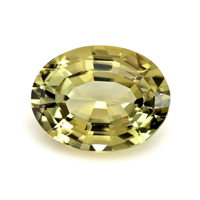
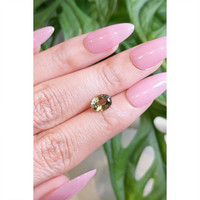



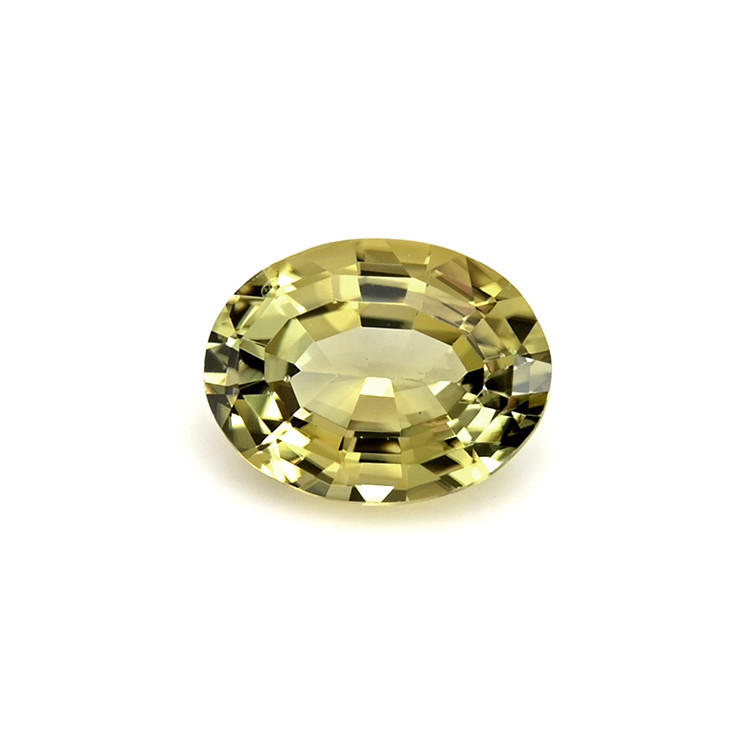
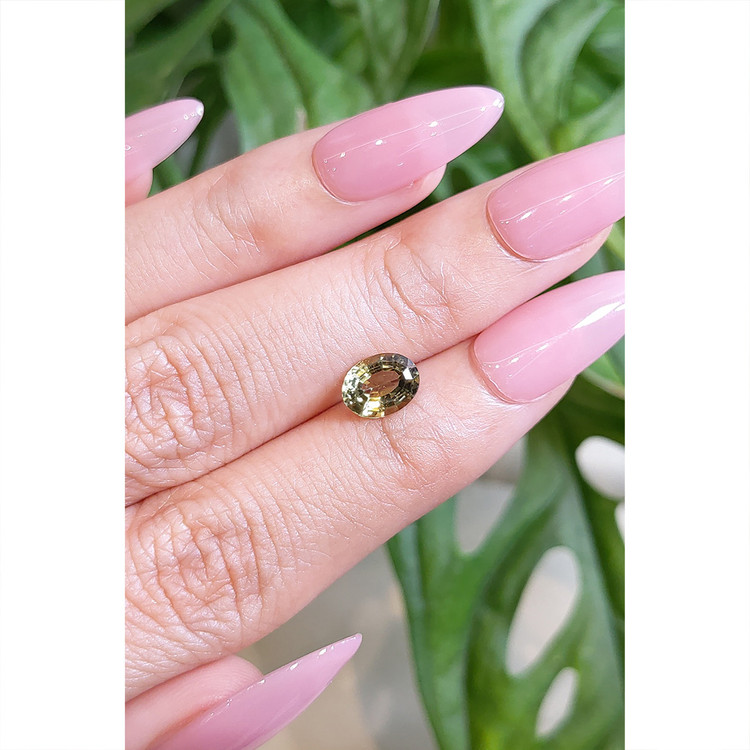



1.25 Ct. Greenish Yellow Tourmaline from Mozambique
This loose stone is available to ship now
Item ID: | K1337 |
|---|---|
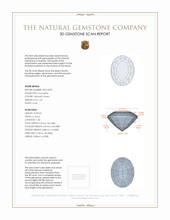
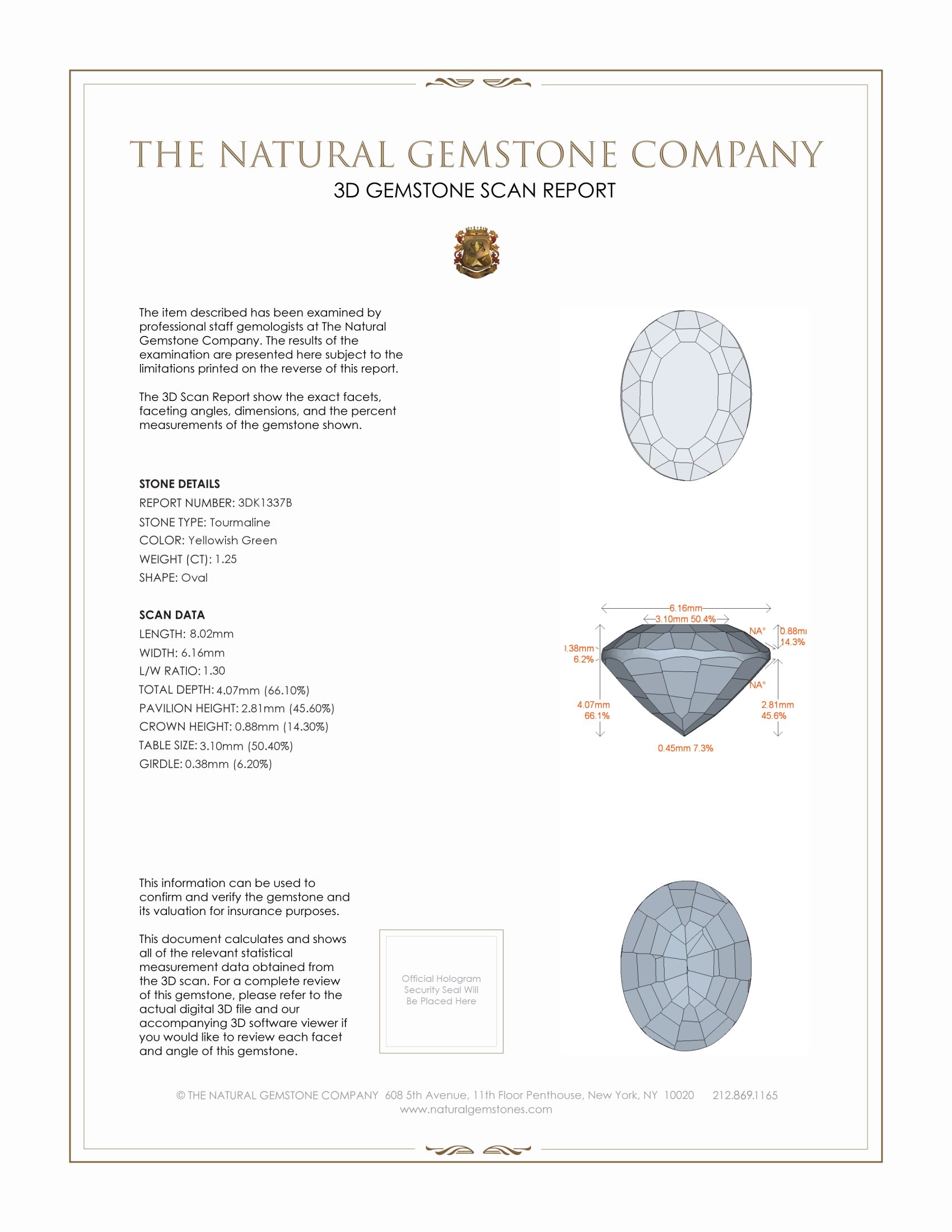
Dimensions (MM): help | Length: 8.02 Width: 6.16 Height: 4.07 |
Weight: | 1.25 Ct. |
Color: help | Greenish Yellow |
Color intensity: help | Medium |
Clarity: help | Very Slightly Included |
Shape: help | Oval |
Cut: | Mixed Brilliant Cut |
Cutting style: | Faceted |
Enhancements: help | Heat Treated |
Origin: help | Mozambique |
Per carat price: help | $420 |
This 1.25 carat greenish yellow tourmaline presents a calibrated oval shape with exact dimensions of 8.02 x 6.16 x 4.07 mm, combining a pleasing size for a solitaire and versatility for halo or three stone settings. The stone is transparent, with a medium intense color intensity that conveys a lively greenish yellow hue, neither pale nor overly saturated, rendering the gem suitable for both classic and contemporary jewelry designs. Cut as a mixed brilliant, the pavilion facets are engineered to balance scintillation and depth, while the crown facets preserve color dispersion, producing a refined interplay of brilliance and tone. Clarity is graded as very slightly included when evaluated at eye level, indicating minute internal features that do not compromise the gem's overall visual appeal under normal examination. The polish is graded excellent, ensuring smooth facet junctions and optimal light return. Enhancement by heat treatment has been applied to stabilize and refine color, a common and accepted practice in trade grade gemstones, carried out with the objective of improving consistency of appearance while maintaining structural integrity. The origin is Mozambique, a notable and increasingly recognized source for transparent tourmaline material, and this provenance contributes to the stone's character and market context.
The proportions of this gemstone reflect deliberate lapidary choices that prioritize balance between weight retention and optical performance. The mixed brilliant cut offers a practical compromise, allowing for full face up color presentation while maintaining lively sparkle from the pavilion facets. The 1.25 carat weight situates this gem in a category that supports a range of mounting styles without requiring extensive redesign to accommodate size or depth. The very slightly included clarity profile, evaluated at eye level, indicates that inclusions are minor and typically observable only under magnification or against specific backgrounds, which is consistent with the natural formation processes of tourmaline. Heat treatment has been applied to enhance chroma and uniformity, a treatment that is stable and widely disclosed in professional practice. The excellent polish contributes to clean facet symmetry and crisp facet edges, improving the gem's interaction with light and ensuring a refined finish when set into precious metal. Taken together, these attributes reflect the standards upheld by The Natural Gemstone Company in sourcing, evaluating, and presenting gemstones with clear specification and consistent finishing.
Beyond technical specifications, this greenish yellow tourmaline is linked to a lineage of traditional uses that inform both its aesthetic and cultural resonance. Historically, tourmaline varieties exhibiting green and yellow tones have been incorporated into personal adornment and talismanic objects across multiple regions, valued for their association with renewal, vitality, and warmth. In many traditions, green hues are associated with growth and balance, while yellow tones are associated with luminosity and clarity, and combinations of these colors have been favored in ceremonial jewelry and amulets intended to convey protection and well being. In parts of East Africa and the wider Indian Ocean trade network, similarly colored gemstones were commonly traded and set into items that traversed local and international markets, contributing to a heritage of craftsmanship and cross cultural exchange. This piece, with its Mozambique origin, aligns with that broader historical narrative, connecting contemporary lapidary practice with longstanding traditions of using colored gemstones both as decorative elements and as markers of personal and social identity. For care and setting, standard best practices for tourmaline apply, including secure settings that protect the girdle and attention to thermal stress during any further treatments or repair, ensuring the stone remains a durable and expressive component of a finished jewelry piece. The Natural Gemstone Company presents this tourmaline with full disclosure of its attributes and treatment history, supporting informed selection for projects that value provenance, technical clarity, and a measured appreciation of the gemological and cultural traditions that have long accompanied colored gemstones.


