
- Stone14
- Reports3
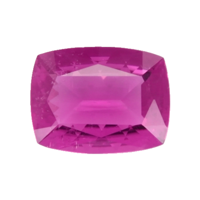
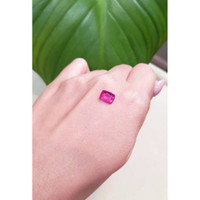
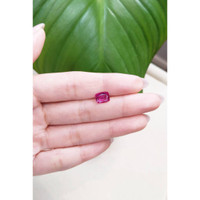
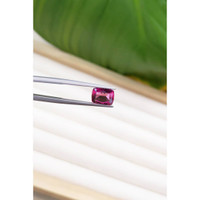

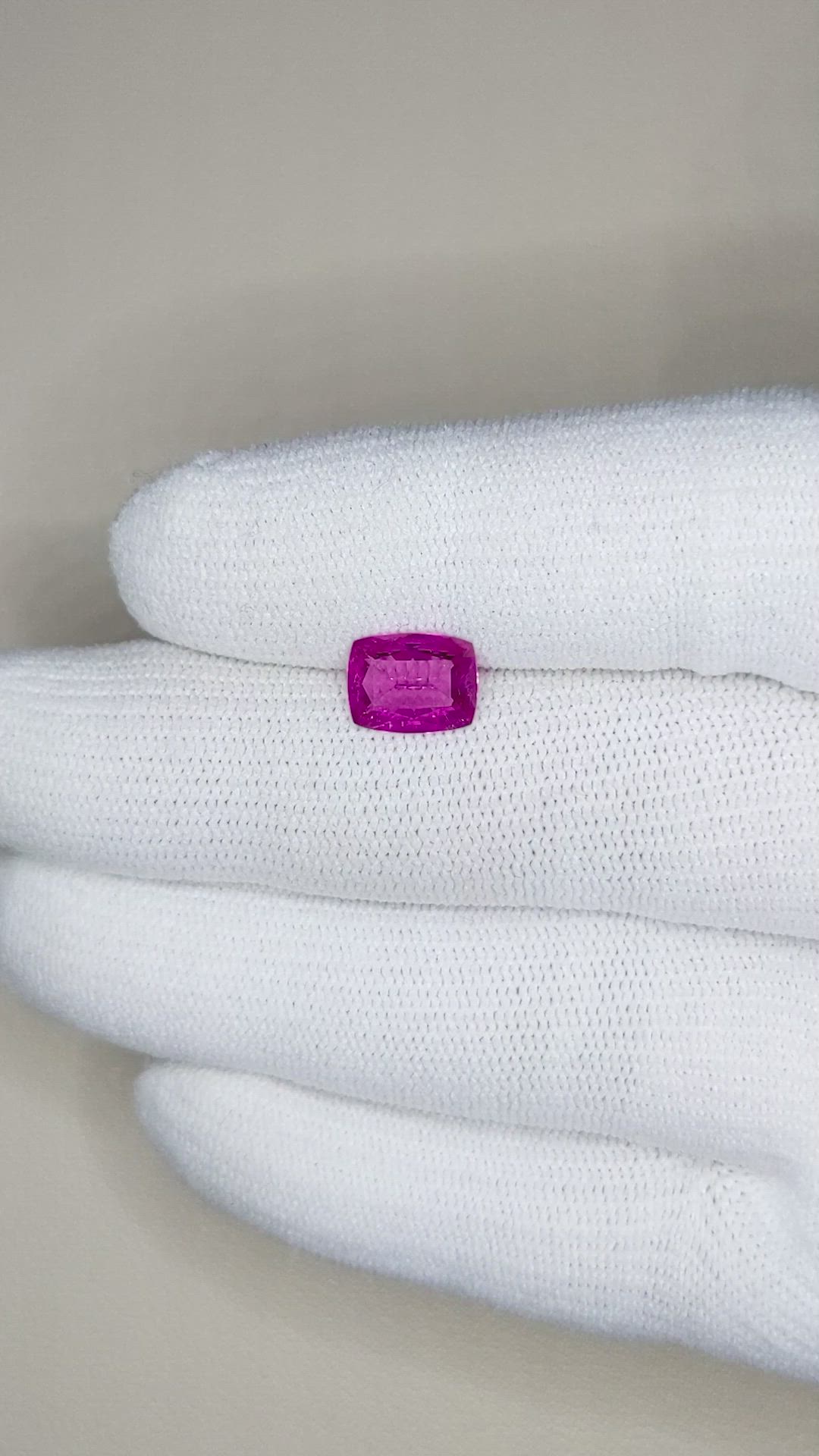


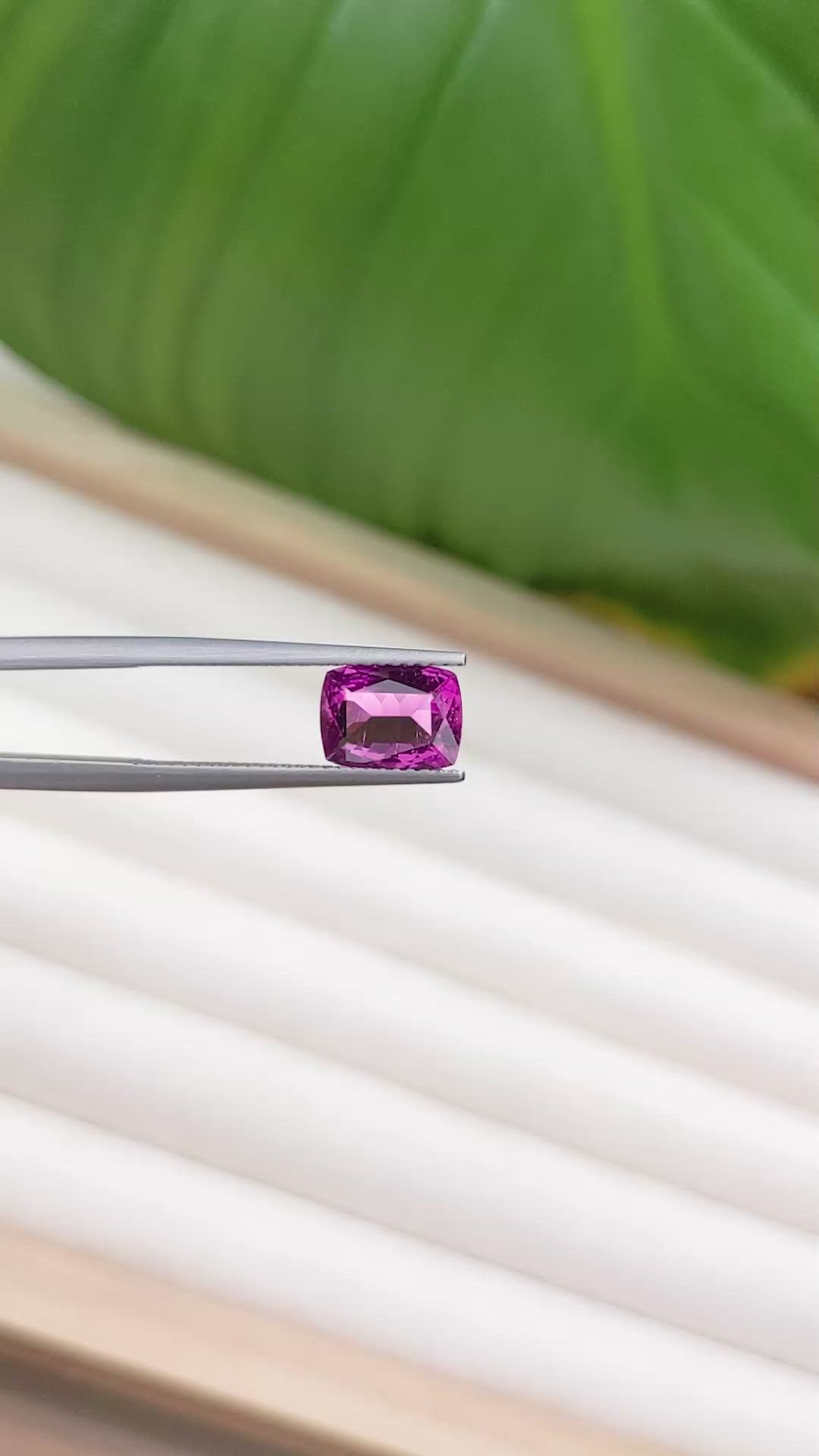


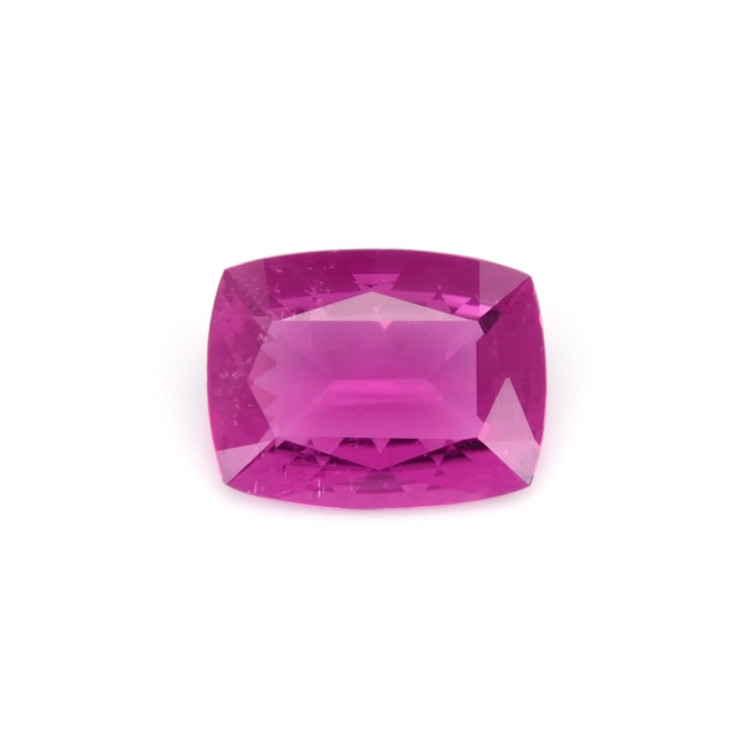
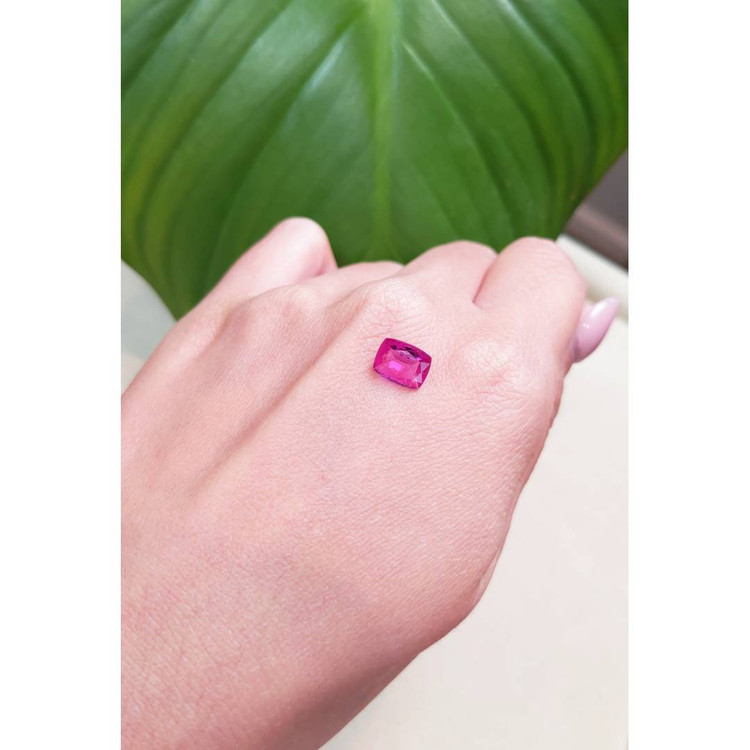
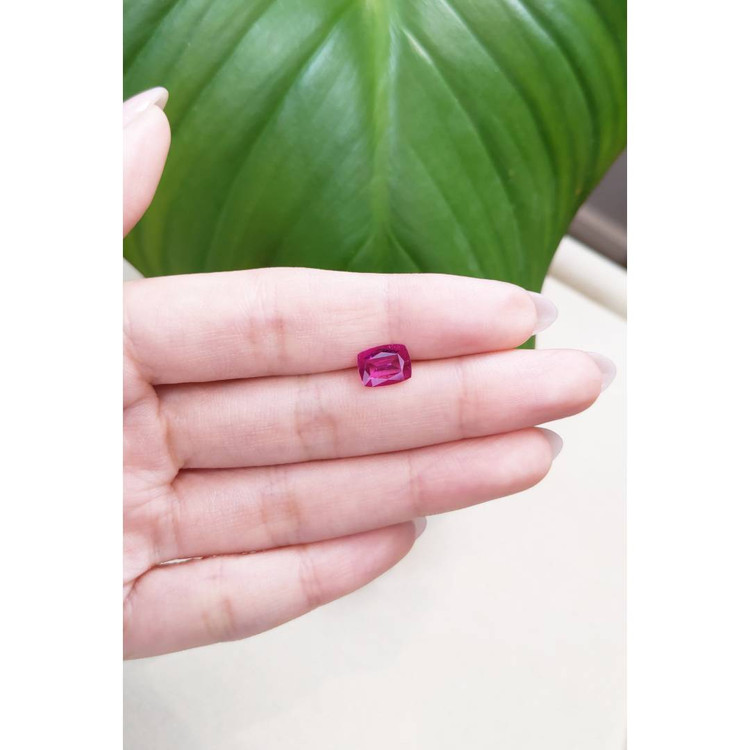
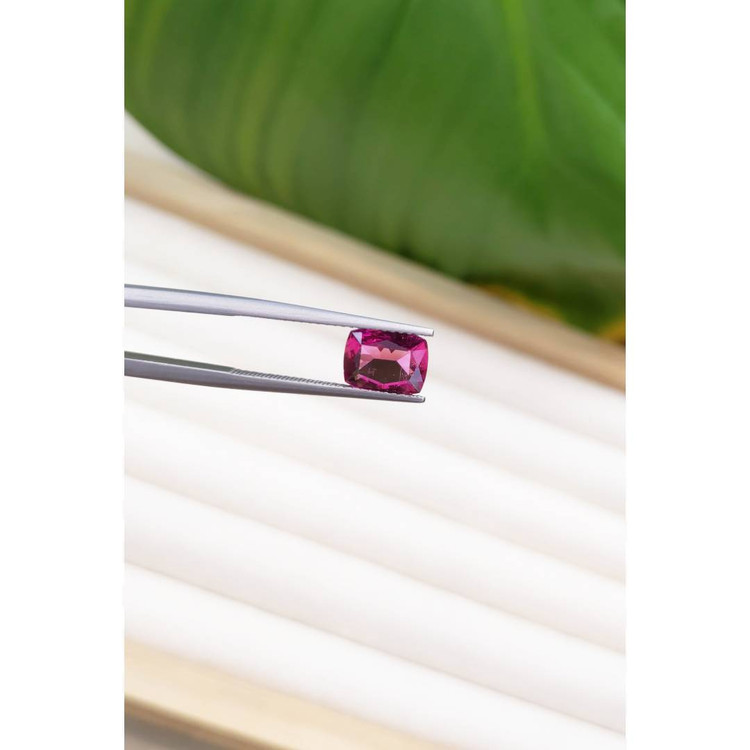



1.38 Ct. Tourmaline from Brazil
This loose stone ships by Apr 26
Item ID: | K16463 |
|---|---|
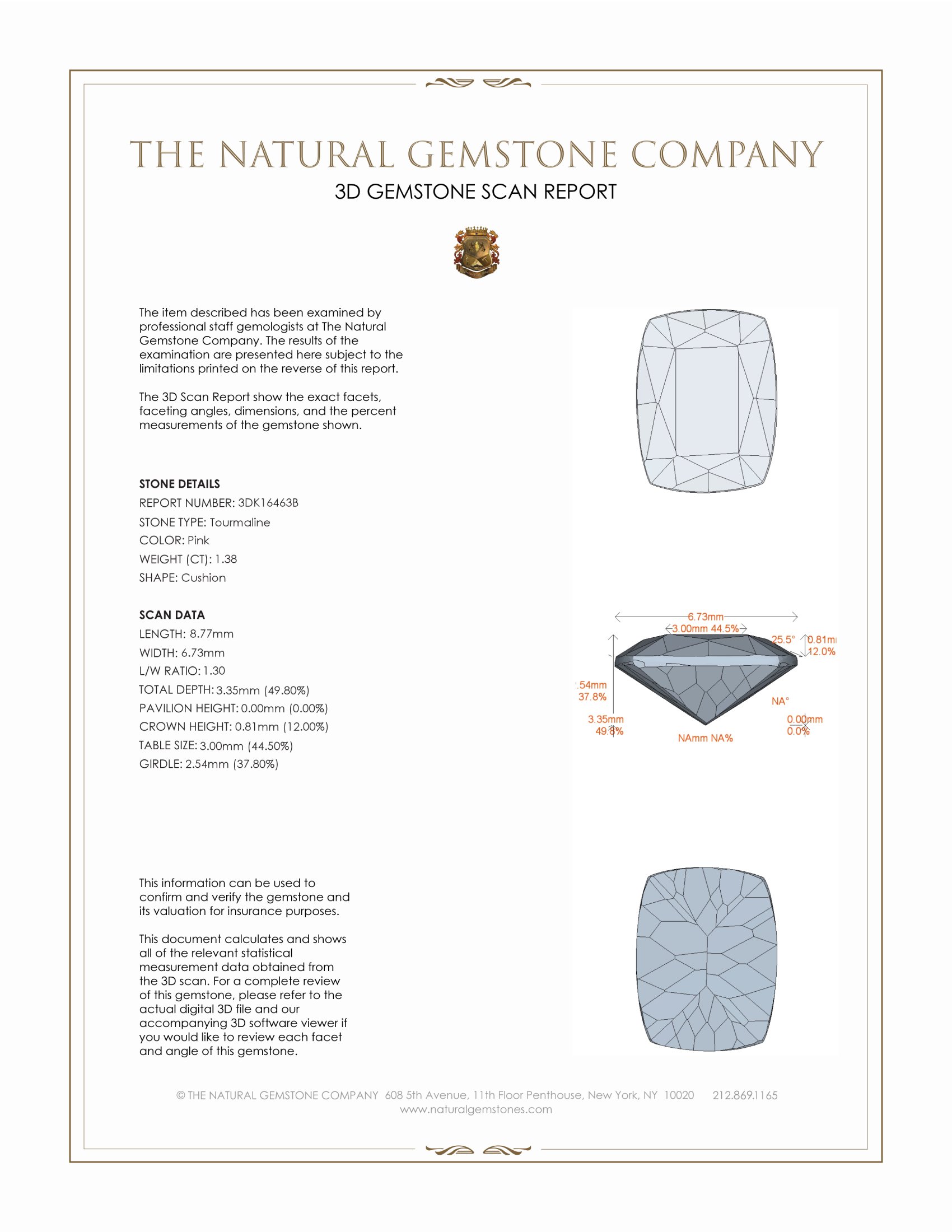
Dimensions (MM): help | Length: 8.77 Width: 6.73 Height: 3.35 |
Weight: | 1.38 Ct. |
Color: help | Pink |
Color intensity: help | Intense |
Clarity: help | Very Slightly Included |
Shape: help | Cushion |
Cut: | Mixed Brilliant |
Cutting style: | Faceted |
Enhancements: help | No Enhancement |
Origin: help | Brazil |
Per carat price: help | $725 |
This entry from The Natural Gemstone Company is a transparent pink tourmaline weighing 1.38 carats, presented in a classic cushion outline with dimensions 8.77 x 6.73 x 3.35 mm. The gem has been fashioned with a mixed brilliant cut, combining a brilliant style crown with a modified pavilion to balance scintillation and color saturation. The clarity is graded as very slightly included, evaluated at eye level, and the polish is graded excellent, indicating meticulous lapidary finishing. Origin is Brazil, and there has been no enhancement, ensuring the color and clarity are entirely natural. The color intensity is described as intense, indicating a strong saturation and a vivid hue that reads as a saturated true pink under standard lighting, and the transparency allows for significant light transmission while maintaining depth of color.
The mixed brilliant faceting strategy employed in this cushion form has specific technical intentions, and the execution is evident in the optical performance of this piece. The crown has a typical brilliant arrangement of star and kite facets radiating from the table, optimized to break light into lively flashes, while the pavilion uses modified facets to control light return and to enhance color depth rather than simply maximizing white brilliance. The lapidary has maintained tight facet junctions and consistent facet angles across the crown and pavilion, which is reflected in the excellent polish and the absence of facet-based windowing across the table. The girdle thickness has been kept even to facilitate secure setting without compromising aesthetics, and the culet treatment is minimal, preserving both spirit and survival of the facet junctions. The profile dimensions produce a depth ratio of 43.2 percent, a relatively shallow proportion that maximizes the face up spread for the given weight, providing a larger apparent size and broader table to display the intense pink hue, while the pavilion design compensates for shallower depth by angling facets to preserve return and fire.
From a material and inclusion perspective, this tourmaline presents as very slightly included at typical viewing distances, meaning that inclusions are minor, localized, and do not interfere materially with the stone s overall brilliance or transparency. Tourmaline commonly contains characteristic inclusions such as slender needle like growth tubes, fine mineral crystals, and occasional two phase fluid inclusions, and these diagnostic features can confirm natural origin without detracting from aesthetics when they are limited in size and distribution. In this specimen the inclusion load is restrained, and there is no evidence of treatment or filling, which preserves both the structural integrity and the market value. The intense pink coloration in Brazilian tourmalines is typically attributable to manganese related chromophores within the crystal lattice, and the cutter s approach in balancing crown and pavilion angles has been tailored to concentrate and present that chroma, leading to a vivid, even color saturation across the table and facets. Optical anisotropy or pleochroism is a known phenomenon in tourmaline due to its trigonal crystal symmetry, and careful orientation during cutting has been used here to present the most desirable color face up, minimizing unwanted shifts in hue when viewed in typical jewelry orientations.
On the Mohs hardness scale, tourmaline registers between 7 and 7.5, which places this pink tourmaline well above many common gem materials such as opal and fluorite, and slightly above quartz which is rated at 7, yet below corundum which is 9 and diamond which is 10. This hardness range indicates good resistance to surface abrasion in daily wear, however tourmaline lacks true cleavage and can nonetheless fracture on sufficient impact or under sharp blows, so mechanical protection is advisable for rings intended for continuous daily use. For secure daily wear applications, a protective bezel or a low profile setting with robust prongs is recommended to shield the girdle and pavilion from lateral impacts, while pendants and earrings present lower risk and are excellent choices to showcase the stone s face up size and color without exposing it to frequent knocks. For cleaning, warm water with mild detergent and a soft brush will safely remove surface soils, and given the natural inclusion population and the absence of enhancement, we recommend avoiding steam cleaning and ultrasonic cleaners if the piece will be set without first being inspected by a qualified lapidary, as sudden temperature or pressure changes can exacerbate pre existing internal features. The Natural Gemstone Company offers verification and additional documentation upon request, including high resolution imaging and magnified inclusion mapping, and we can advise on custom mounting options that preserve both the gem s optical performance and its long term durability.


