
- Stone10
- Reports3
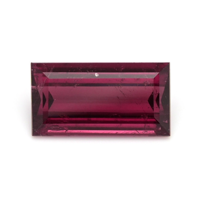
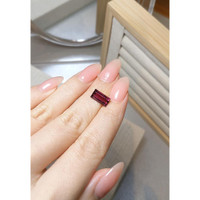

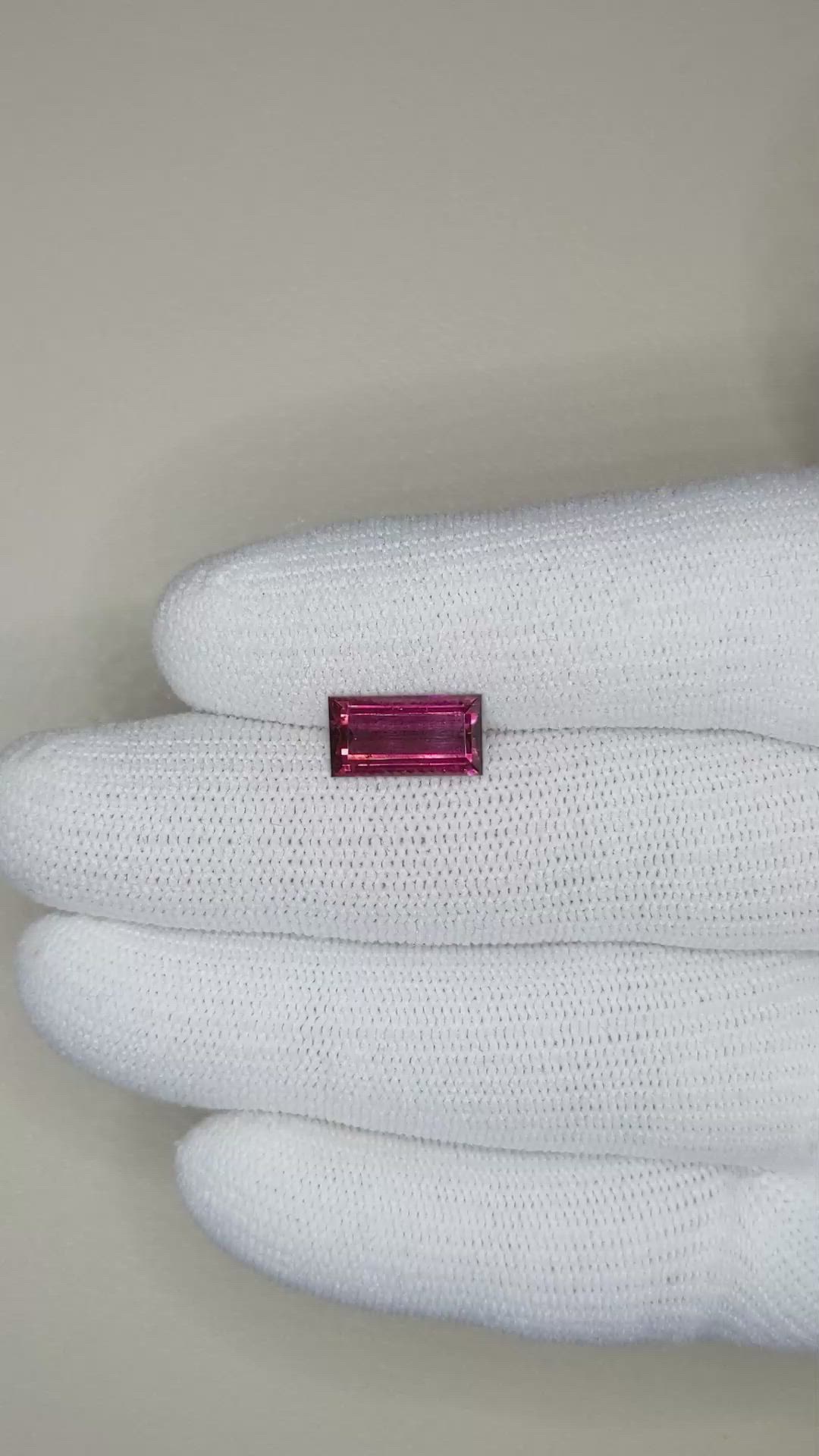




2.14 Ct. Tourmaline from Brazil
This loose stone is available to ship now
Item ID: | K6716 |
|---|---|
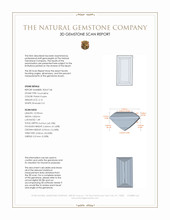
Dimensions (MM): help | Length: 10.99 Width: 5.82 Height: 3.67 |
Weight: | 2.14 Ct. |
Color: help | Pinkish Purple |
Color intensity: help | Intense |
Clarity: help | Very Slightly Included |
Shape: help | Emerald Cut |
Cut: | Emerald |
Cutting style: | Faceted |
Enhancements: help | No Enhancement |
Origin: help | Brazil |
Per carat price: help | $240 |
This specimen is a transparent pinkish purple tourmaline weighing 2.14 carat, presented in an emerald cut with refined step facets and crisp corners. The faceted measurement is 10.99 x 5.82 x 3.67 mm, dimensions that yield an elegant, elongated profile suited to both classic and contemporary jewelry designs. Clarity has been evaluated at eye level as very slightly included, a grade that reflects minimal internal characteristics which do not materially interfere with the gem s visual performance. Color intensity is described as intense, delivering concentrated saturation across the table and through the pavilion, and the finish demonstrates an excellent polish that maximizes surface luster and facet delineation. This tourmaline is natural with no enhancement, and its documented origin is Brazil, a source known for producing tourmalines with strong color and fine clarity.
From a gemological perspective, the emerald cut emphasizes transparency and color distribution while minimizing the visual impact of minor inclusions, making it an appropriate cut for a stone with very slightly included clarity. The step facet arrangement produces broad flash and controlled reflections rather than scintillation, so the primary appeal is the depth and purity of color rather than facet sparkle alone. The intense pinkish purple hue occupies a range that historically has been associated with higher value within the pink tourmaline family, as saturation and even tone are key determinants of desirability. The combination of a measured weight of 2.14 carat, an elongated emerald cut, and an excellent polish allows the stone to display its color and clarity effectively under a variety of lighting conditions, and the absence of enhancement means the observed properties are a natural expression of the material as mined.
This tourmaline links directly to a long heritage of use and appreciation, particularly in regions where tourmaline has been mined and traded for generations. Brazil has a documented history of producing gem quality tourmalines since the eighteenth century, and stones of comparable hue have been incorporated into early modern and Victorian era jewelry, often set to highlight their saturated color and clear transparency. Across cultures, pink and purple tourmalines have traditionally been used as personal amulets and ornamental stones, selected for their beauty and worn in brooches, pendants, and rings that emphasize the stone s color. The emerald cut itself carries a heritage of craftsmanship, historically favored for showcasing clarity and color in beryls and emeralds, and its adoption here continues that tradition of using a disciplined, architectural facet scheme to present the intrinsic qualities of a notable gem.
For practical consideration in contemporary jewelry settings, the stone s dimensions and clarity make it well suited to a center stone role in a ring or pendant where the elongated shape can be aligned with the finger or neckline for a refined silhouette. The very slightly included clarity grade supports open settings that allow light to enter and transmit through the pavilion while the excellent polish ensures smooth facet junctions and secure setting contact. Given the documented Brazilian origin and the natural, untreated status, The Natural Gemstone Company presents this tourmaline as a gem suitable for collectors and designers who prioritize provenance and material integrity. Measurements, weight, cut, clarity, color intensity, polish, enhancement status, and origin have been assessed and reported to deliver a clear specification for planning design and setting decisions.


