
- Stone15
- Reports4




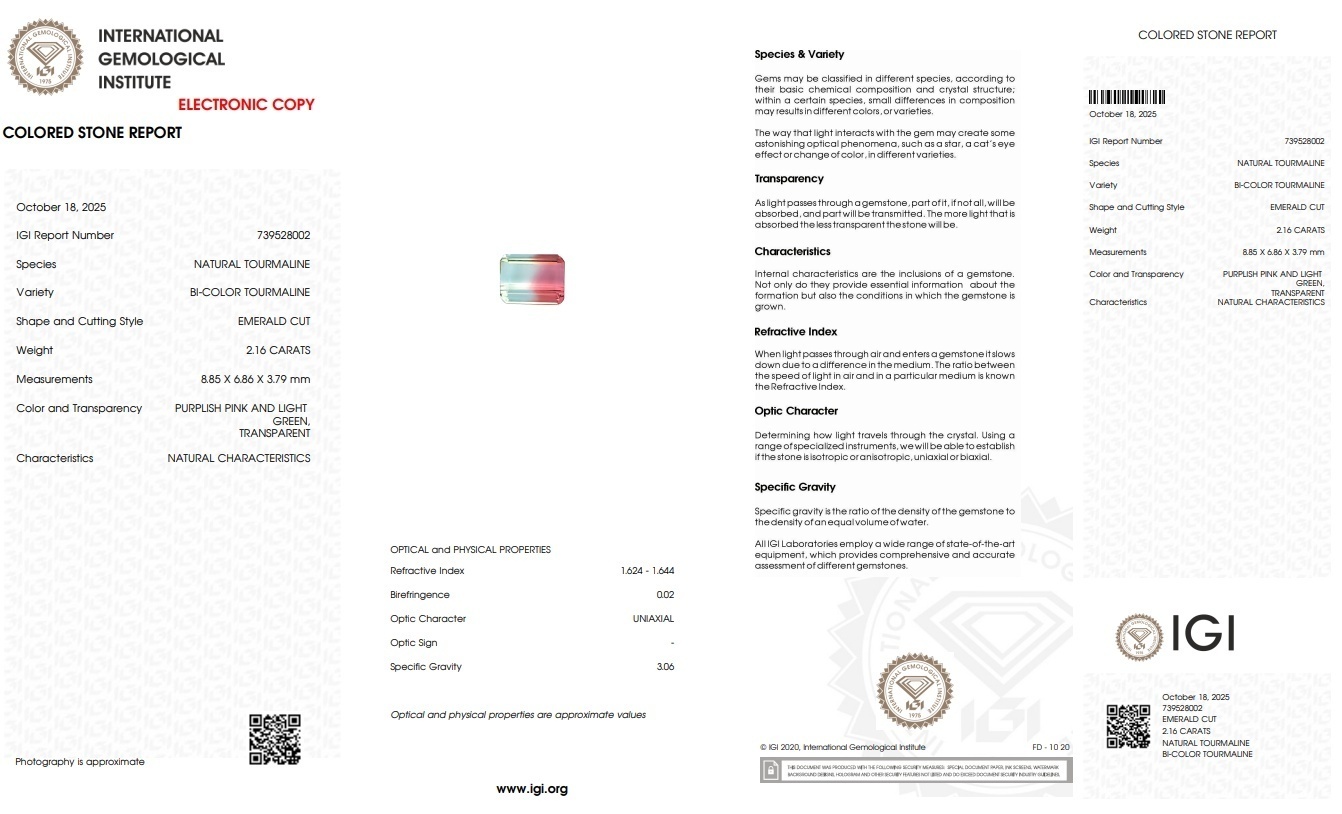


2.16 Ct. Bi Color Tourmaline from Mozambique
This loose stone ships by Nov 22
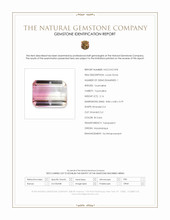
Item ID: | K21378 |
|---|---|
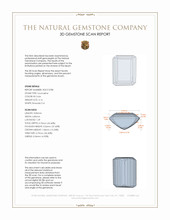
Dimensions (MM): help | Length: 8.84 Width: 6.85 Height: 3.79 |
Weight: | 2.16 Ct. |
Color: help | Bi Color |
Color intensity: help | Light |
Clarity: help | Very Slightly Included |
Shape: help | Emerald Cut |
Cut: | Emerald Cut |
Cutting style: | Faceted |
Enhancements: help | No Enhancement |
Origin: help | Mozambique |
Per carat price: help | $185 |
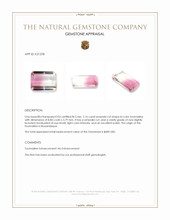
This is a finely crafted, transparent bi color tourmaline weighing 2.16 carat, presented by The Natural Gemstone Company, with dimensions measuring 8.84 millimeters by 6.85 millimeters by 3.79 millimeters. The stone is faceted in an emerald cut, and its light color intensity translates into a delicate, wearable presence that retains clarity and visual interest. Clarity is graded as very slightly included at eye level, indicating minimal inclusions that do not disrupt the gemological integrity or the visual plane when the gem is set. The polish is excellent, and the piece is confirmed to be untreated, with no enhancement applied, which preserves the natural zoning and internal character that collectors and connoisseurs prize. The origin is Mozambique, a locale increasingly recognized for producing tourmalines with precise, clean color separation and stable crystal growth, and this provenance contributes to both the rarity profile and the scientific interest of the specimen.
From a cutting and faceting perspective the emerald cut has been executed to emphasize linear color zoning and to control light return across the long axis of the stone. The step cut crown and pavilion consist of broad, parallel facets that create mirror like planes, allowing the bi color transition to present as a controllable band rather than an unpredictable flash. The broad table facet functions as a window to the internal color gradient, while the successive step facets on the crown and pavilion modulate contrast and scintillation without fragmenting the color into dispersion dominated flashes. Attention to symmetry and facet alignment is evident at the girdle, which is even and continuous, supporting secure mounting and consistent light behavior. The cutter intentionally oriented the crystal axis to align pleochroic responses so that the color split reads cleanly across the face up view, a technical choice that maximizes the aesthetic of a bi color stone while minimizing the visual impact of the very slight inclusions.
Color and optical behavior define the character of this piece, with a soft yet distinct bi color effect that traverses the table from one hue to another in a measured gradient. The light color intensity keeps the gem in a class that is both elegant and broadly wearable, and the transparent body allows for internal features to contribute to depth rather than distraction. Tourmaline is known for pleochroism, and this specimen demonstrates differential absorption depending on viewing angle, which is a desirable attribute for collectors who favor dynamic color response. The cutting house paid particular attention to facet proportions so that the gem exhibits controlled light leakage and balanced windowing, reducing the pitfall of a washed out center or an overly dark periphery. The excellent polish enhances facet junction crispness and surface luster, increasing apparent saturation without artificial intervention, and the untreated nature of the crystal maintains natural refractive and absorptive properties consistent with Mozambique origin material.
This tourmaline sits comfortably within the long heritage of multicolored gems used for personal adornment and protective talismans, a lineage that includes ancient use of tourmaline in amuletic contexts and the Victorian appetite for richly hued, faceted stones in heirloom pieces. Historically, bi color and watermelon tourmalines were prized for their visual symbolism, offering a duality that craftspeople translated into signet and pendant designs. From a modern craftsmanship viewpoint this stone is ideal for a precision set ring, a bezel set pendant that highlights the longitudinal color flow, or a bespoke pair of cufflinks where mirror symmetry and orientation can be controlled. Technical attributes such as a stable crystal lattice with a hardness around Mohs 7 to 7.5 and a refractive index consistent with gem quality tourmaline support everyday wear with appropriate care. For the discerning buyer seeking a naturally graded, expertly cut bi color tourmaline with documented Mozambique origin, The Natural Gemstone Company presents this 2.16 carat emerald cut specimen as an example of deliberate cutting choices, transparent provenance, and adherence to traditional aesthetics combined with modern lapidary precision.


