
- Stone12
- Reports3
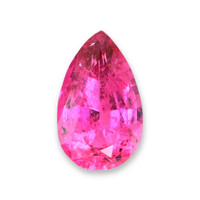

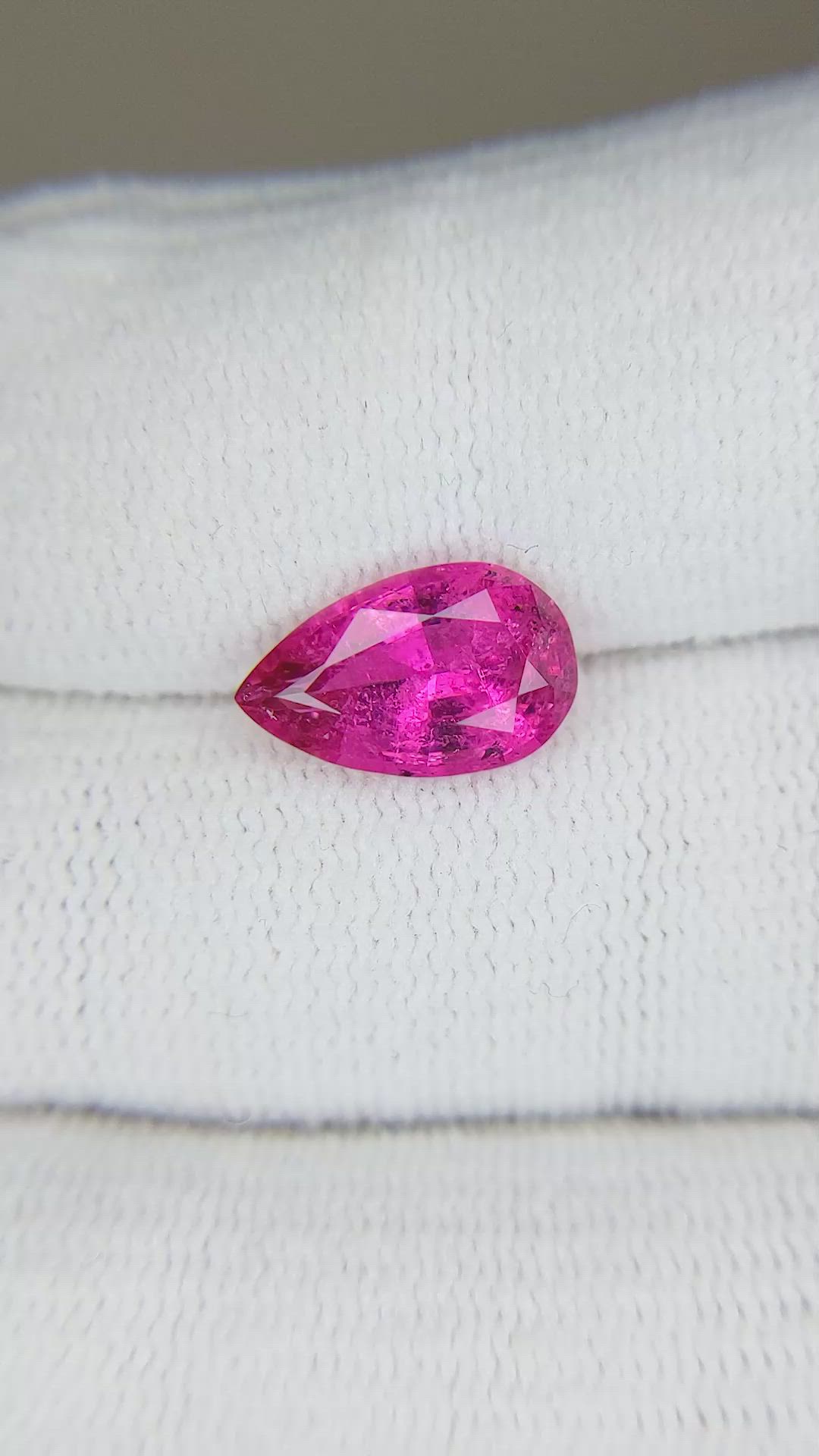
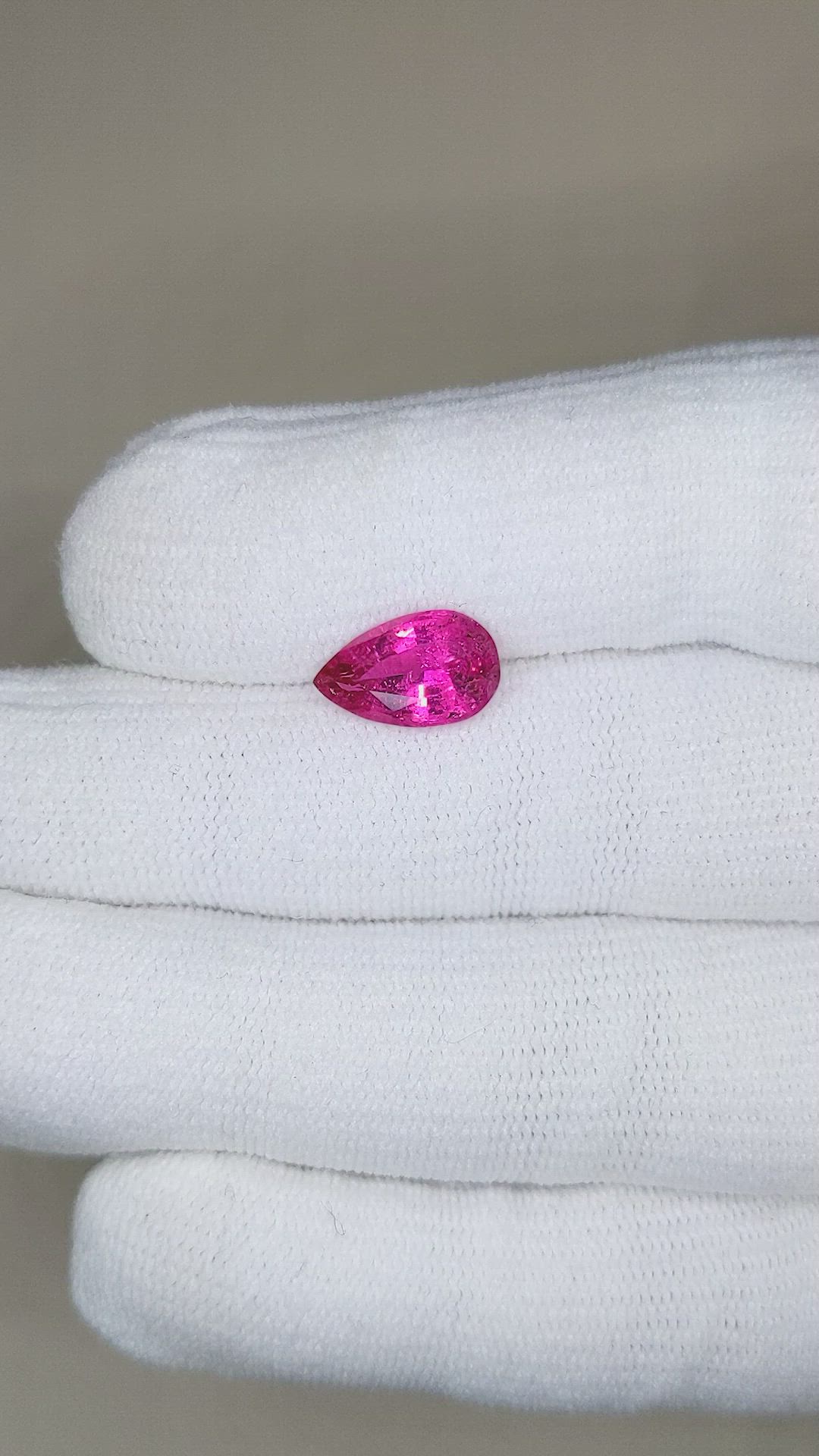
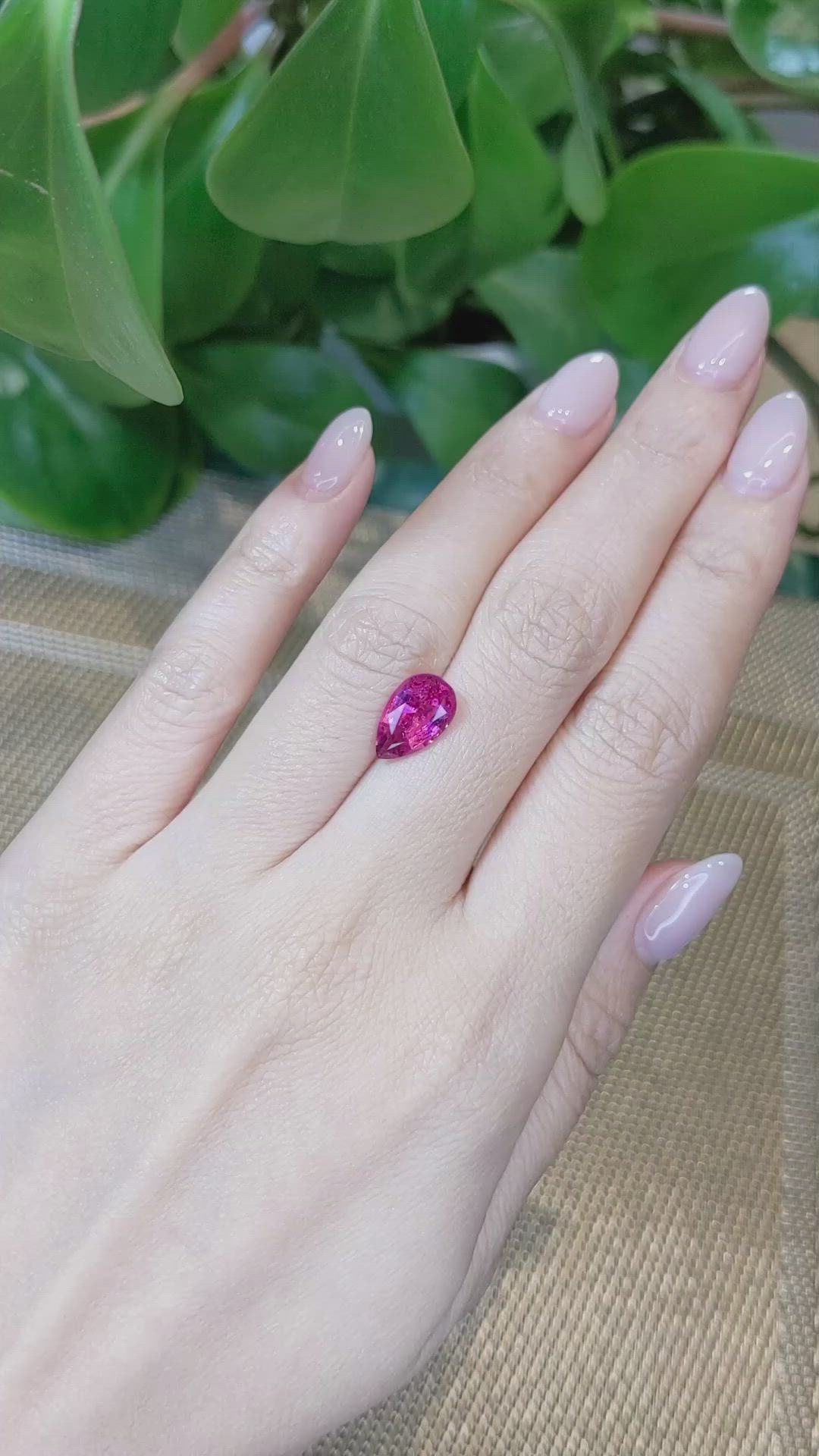
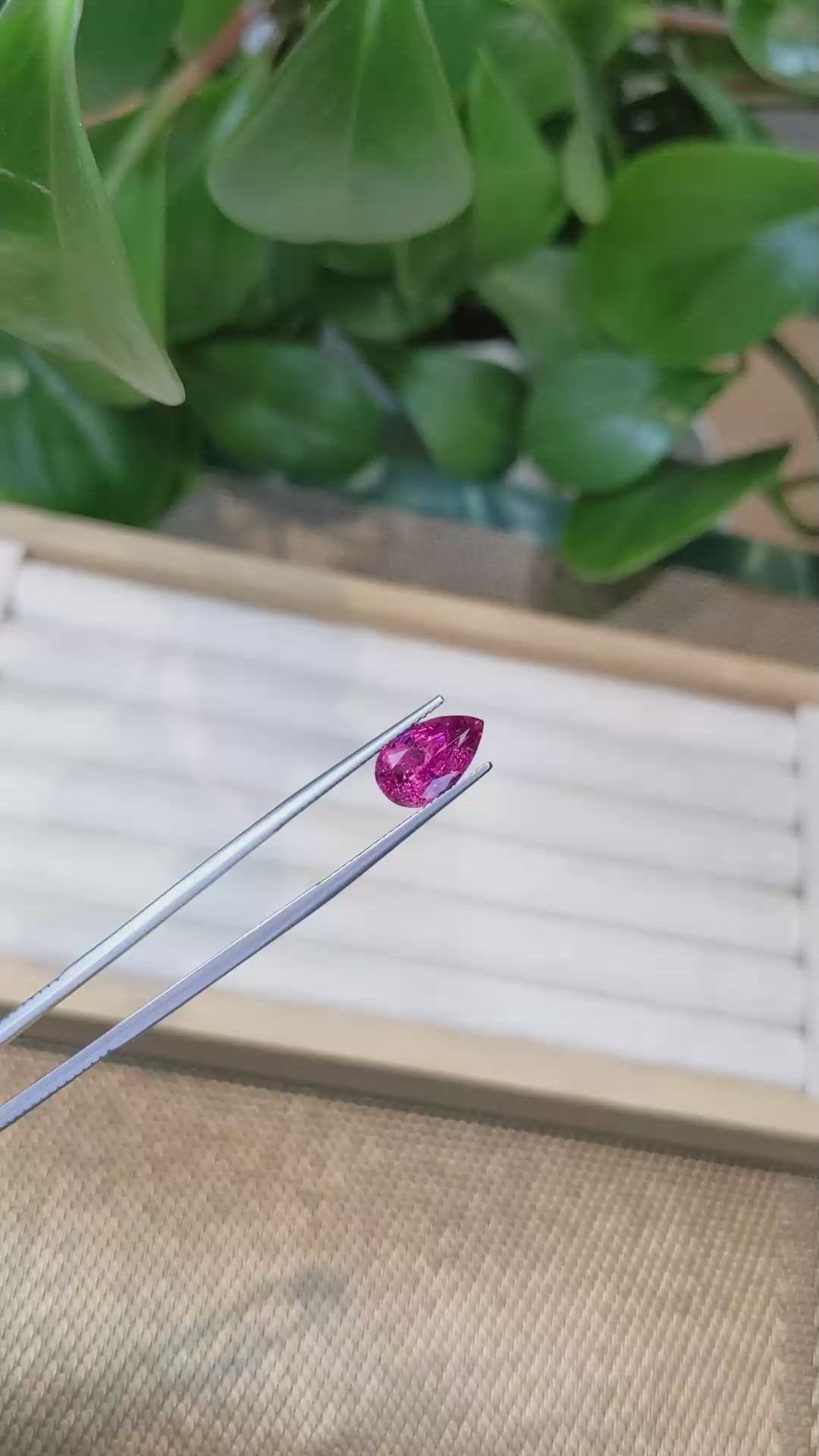

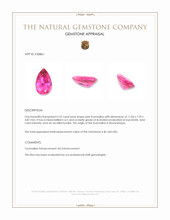

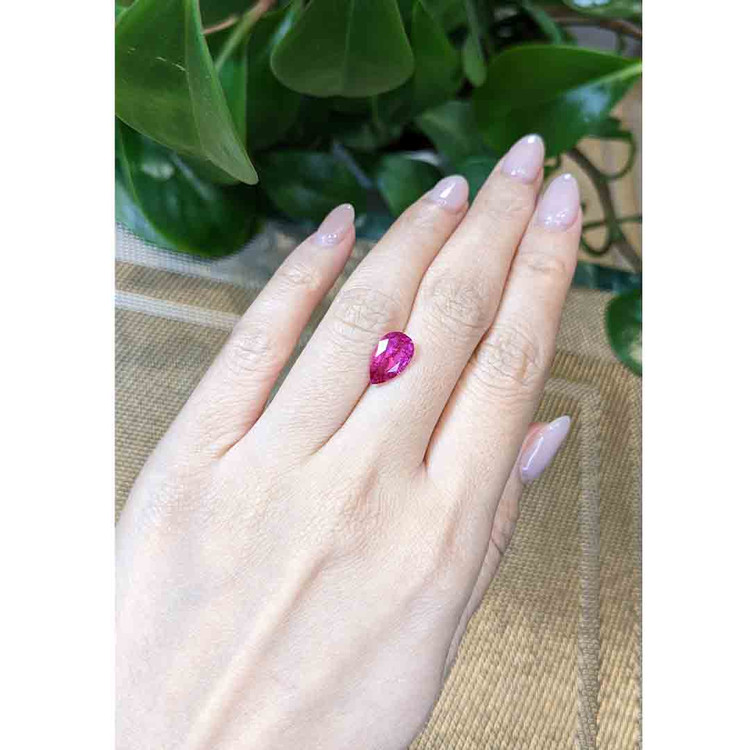
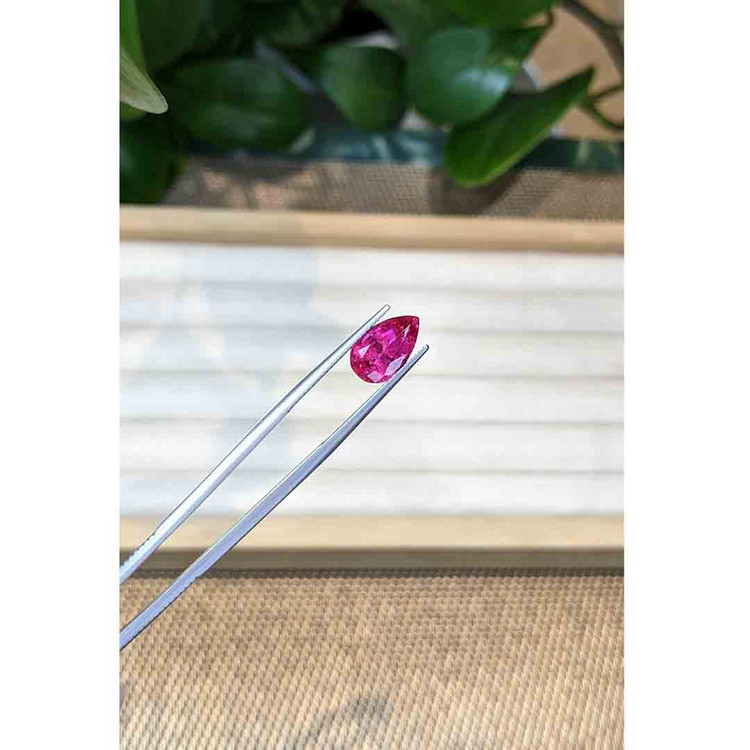

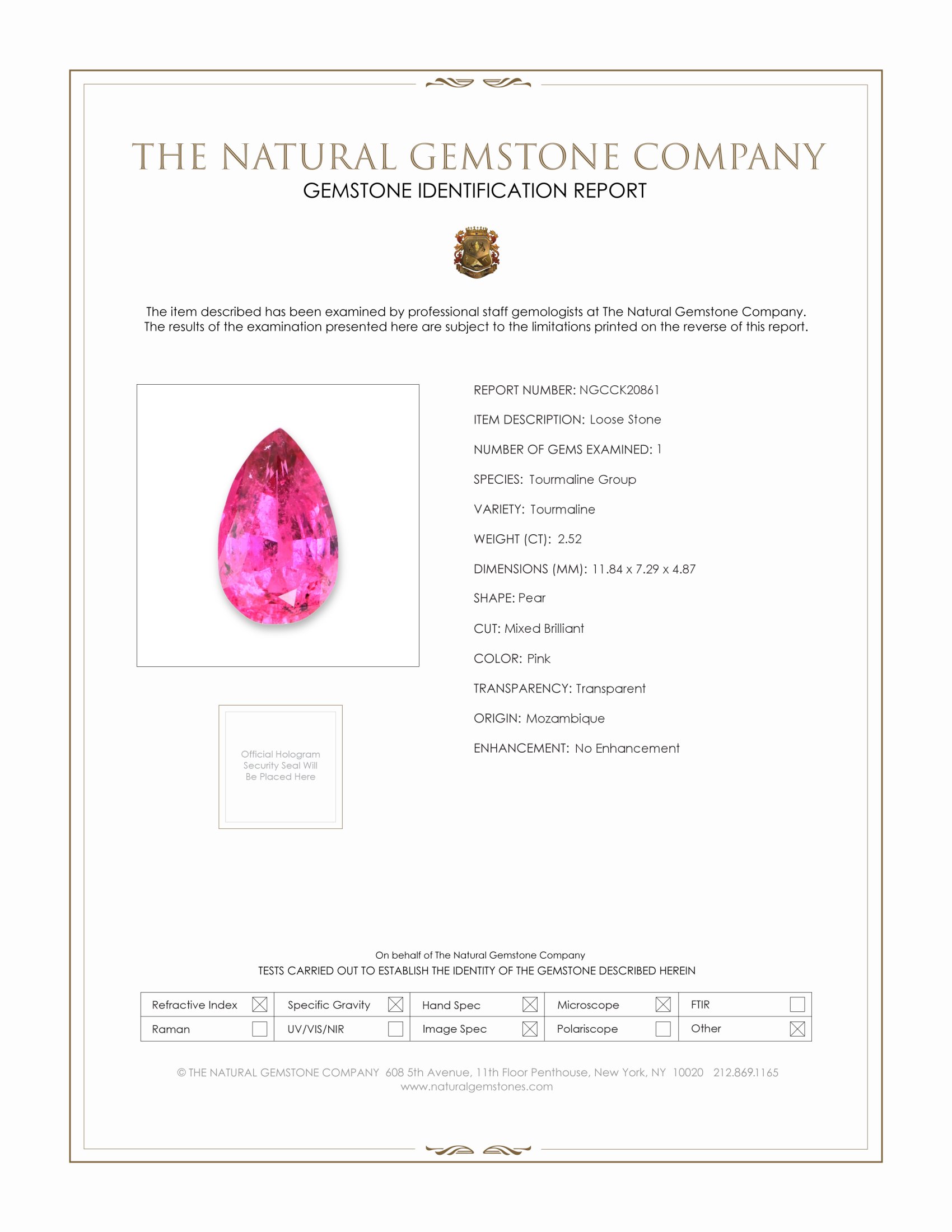
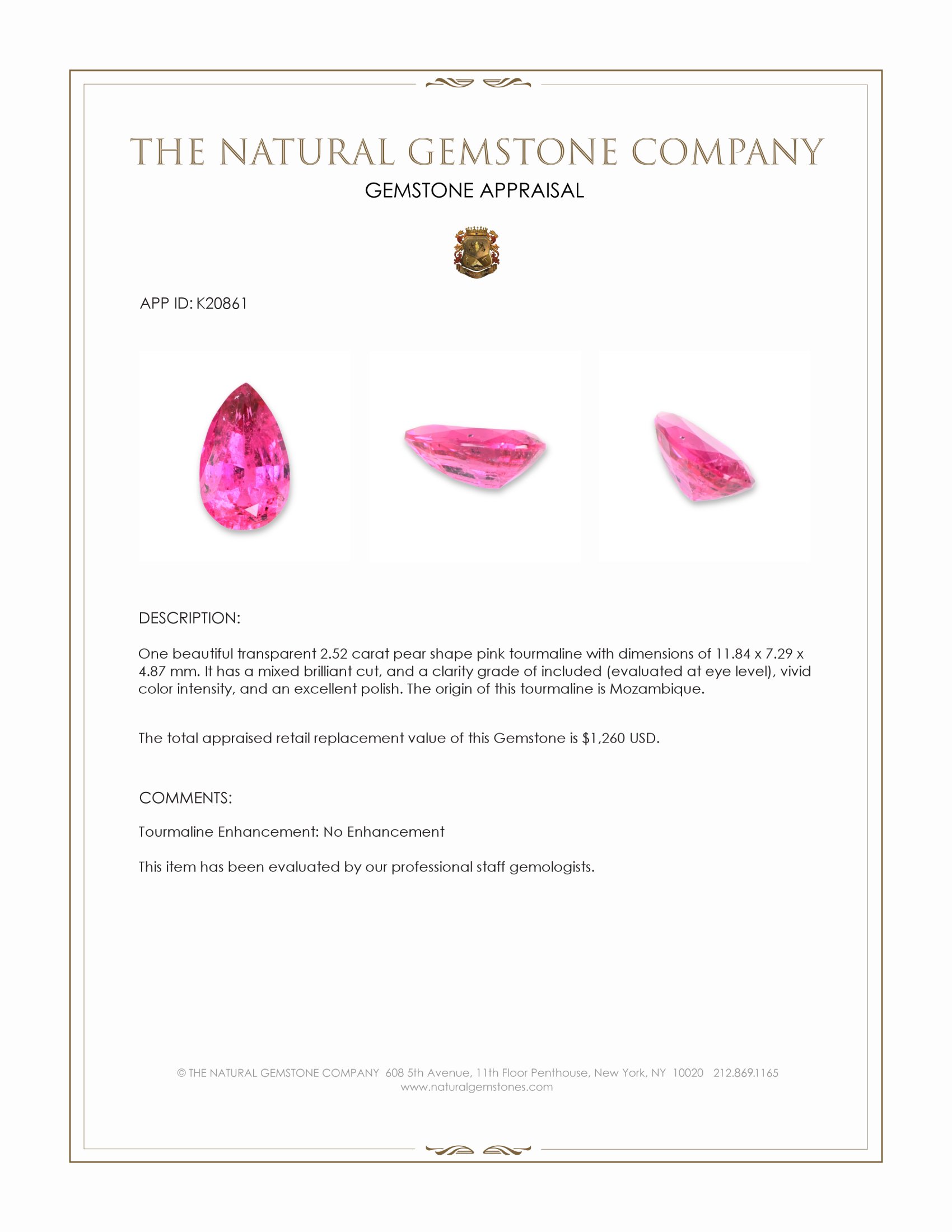
2.52 Ct. Tourmaline from Mozambique
This loose stone is available to ship now
Item ID: | K20861 |
|---|---|
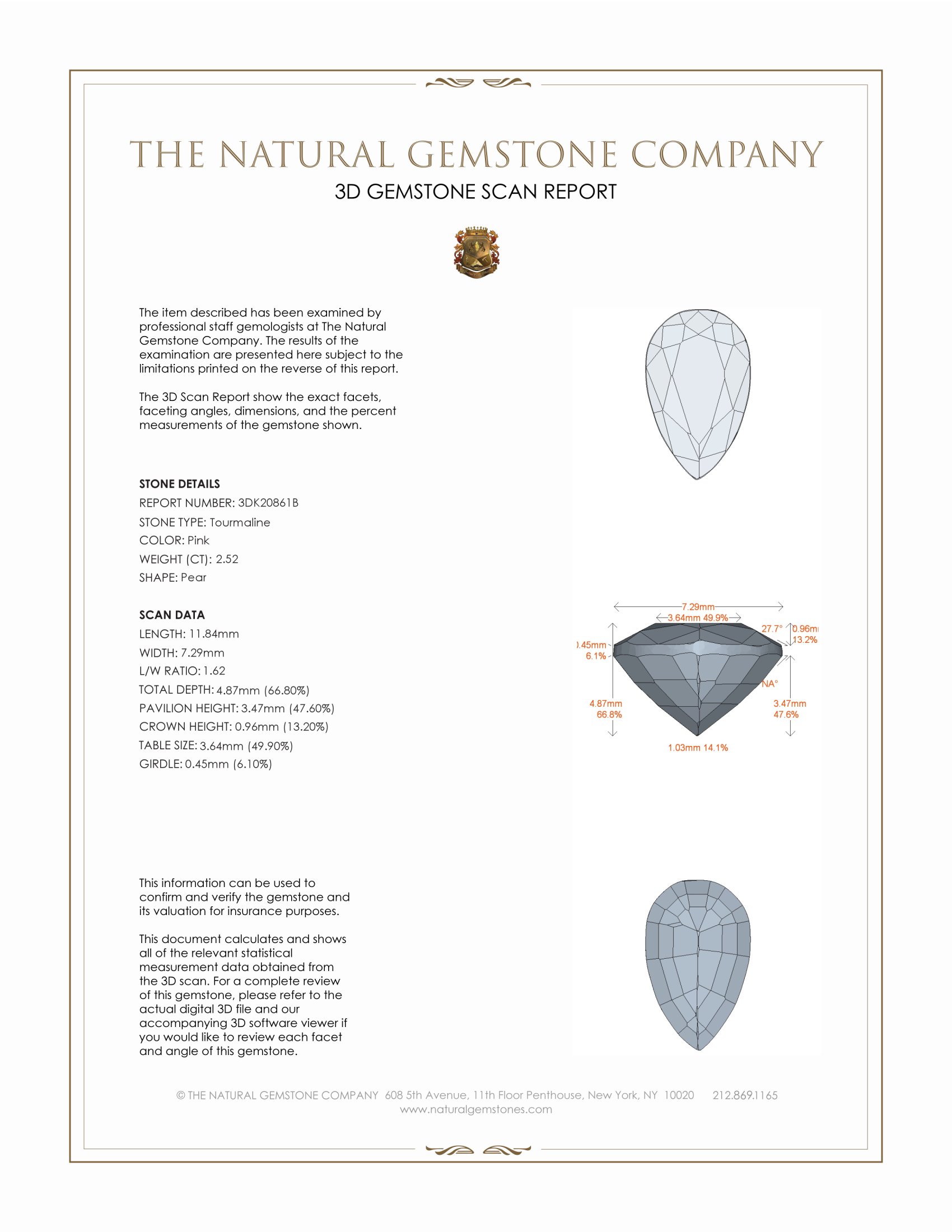
Dimensions (MM): help | Length: 11.84 Width: 7.29 Height: 4.87 |
Weight: | 2.52 Ct. |
Color: help | Pink |
Color intensity: help | Vivid |
Clarity: help | Included |
Shape: help | Pear |
Cut: | Mixed Brilliant |
Cutting style: | Faceted |
Enhancements: help | No Enhancement |
Origin: help | Mozambique |
Per carat price: help | $500 |
Imagine a gem that carries the slow and secret history of the earth, a stone that has traveled through time and pressure to arrive at a moment of brilliance. This is that gem, a stunning natural pink tourmaline from Mozambique offered by The Natural Gemstone Company, presented in a graceful pear shape that flatters both classic and contemporary settings. The gem weighs two point five two carats, and measures eleven point eight four by seven point two nine by four point eight seven millimeters, a size that balances presence with elegance. It is faceted in a mixed brilliant cut that captures light in scintillating flashes, and it displays a vivid color intensity that reads as pure and lively pink in a range of lighting conditions. Evaluated at eye level it carries a clarity grade of included, which to the connoisseur reads as honest and characterful rather than flawed, and its polish is excellent, giving every facet a crisp finish and a refined surface. Importantly this tourmaline is untreated, with no enhancement, a natural expression of Mozambique geology and the kind of authentic origin story that collectors and lovers of true gemstones prize.
To hold a pink tourmaline is to hold a narrative that stretches back through trade routes and jewelry traditions. Tourmaline itself has been admired for centuries, prized by those who sought gemstones with both color and metaphysical charm. The pear shape that frames this stone has classical origins, favored in times when jewelry served as an heirloom and a symbol of enduring taste. A pear cut elongates the finger when set in a ring and offers a teardrop silhouette that reads as romantic and refined in necklaces and earrings. From the mines in Mozambique where this crystal formation achieved its saturated hue, to the cutters who coaxed a lively mixed brilliant pattern from its crystalline lattice, the gem has been shaped by human hands that respect the stone s innate character. The inclusions that are visible to the eye are not faults in a storybook sense, they are fingerprints of the stone s journey, visible records of the pressures, fluids, and microenvironments that formed the color and personality of the tourmaline. For those who value tradition and legacy, an untreated natural stone like this is a living memento of geological time and human craft.
When you compare this natural pink tourmaline to lab grown alternatives you encounter more than a difference in method of manufacture. Lab grown gems are remarkable accomplishments of modern technology, able to reproduce chemical and optical properties with consistency and clarity, yet they do not carry the same singular history that a natural crystal embodies. Natural stones are rare by their very formation, and that rarity is expressed in subtle variations of color zoning, internal inclusions, and light response that cannot be genuinely replicated by machines. The presence of natural inclusions, when read by a practiced eye, affirms origin and tells a story of formation deep within the earth, a story that collectors value and that often contributes to long term desirability. This particular tourmaline s vivid color intensity combined with an untreated status increases its authenticity and market standing, because many lab grown counterparts are sold for their uniformity rather than for a unique geological biography. In practical terms the natural stone is also an investment in individuality. Two lab grown gems can be chemically identical and visually similar, while two natural tourmalines will always be different in subtle but meaningful ways. Moreover, many traditional jewelers and collectors place a premium on natural origin, preferring stones that will be passed down as true heirlooms rather than manufactured pieces. For those seeking a connection to the past and an object whose provenance reads as natural and unaltered, this Mozambican tourmaline offers advantages that laboratory creation cannot fully emulate.
At The Natural Gemstone Company we honor that relationship between stone and story, and this pink tourmaline is a gem we present with both knowledge and care. Its mixed brilliant cut and excellent polish make it favorable for a wide array of settings, from a solitaire ring that highlights the pear silhouette, to a drop earring that celebrates movement and light, to a pendant intended to be worn close to the heart. Because the gem is untreated and carries natural inclusions, we advise settings that protect the point of the pear shape and that showcase the stone s color without overexposing it to harsh wear. Our team can recommend prong or bezel options that balance protection with visibility, and can assist in selecting complementary metals and accent stones that elevate the vivid pink without overpowering it. We stand behind the authenticity of our natural gemstones, and we are delighted to share detailed information about origin and characteristics with serious buyers and collectors. If you seek a jewel that speaks to tradition, legacy, and the unique processes of the planet itself, this Mozambique pink tourmaline from The Natural Gemstone Company offers a rare combination of history, beauty, and integrity that will resonate through generations.


