
- Stone10
- Reports3
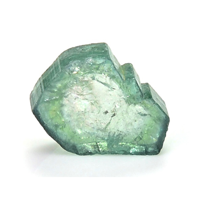
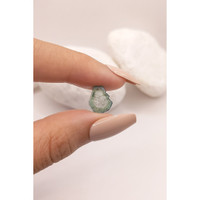


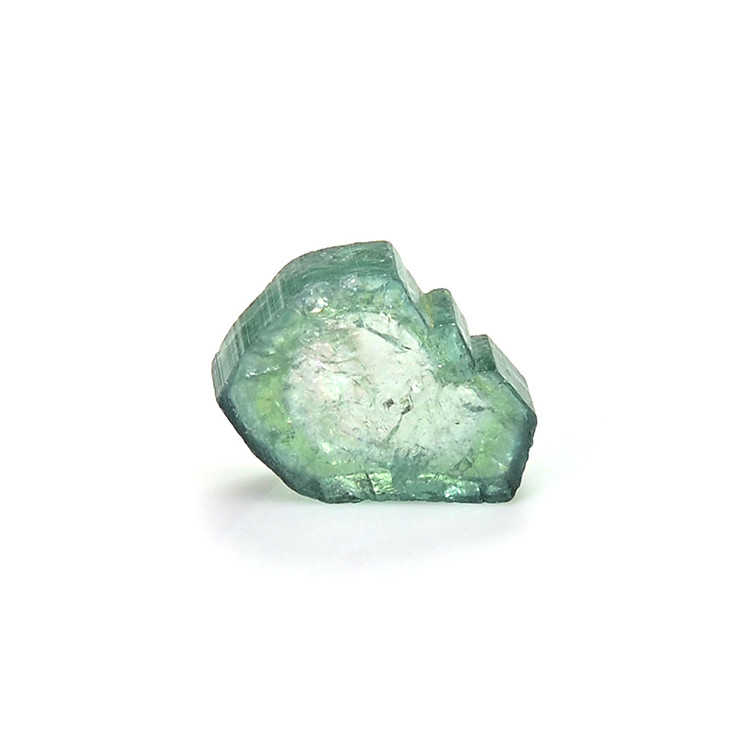
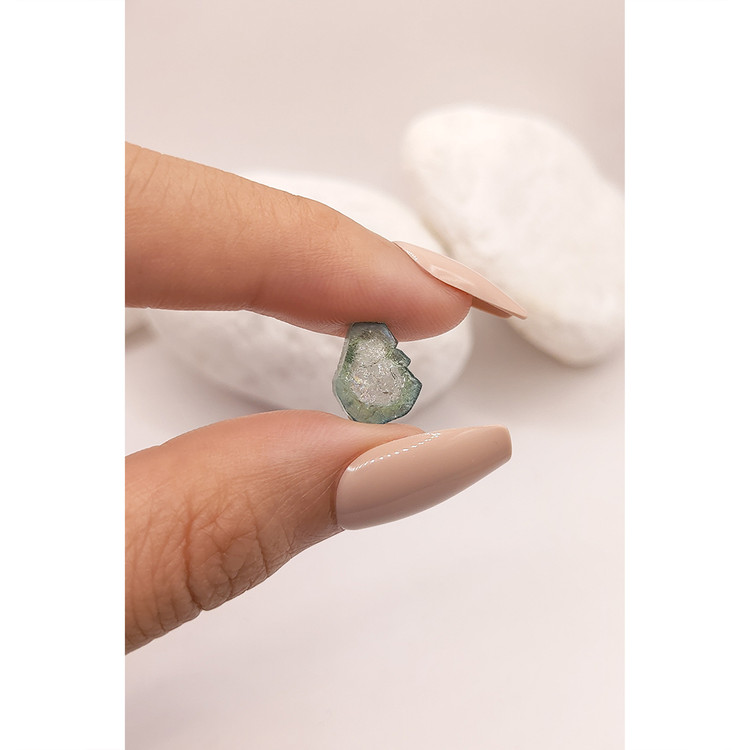

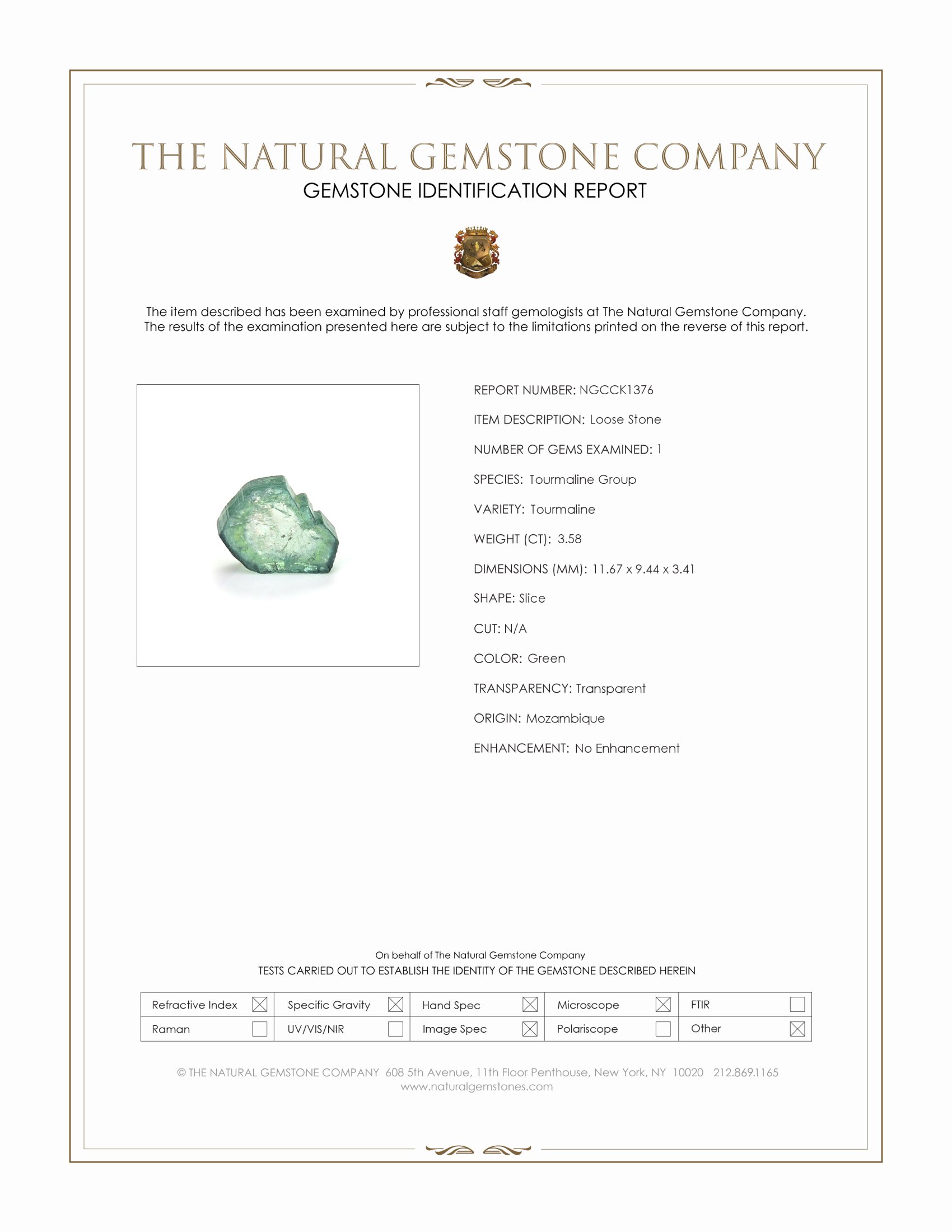
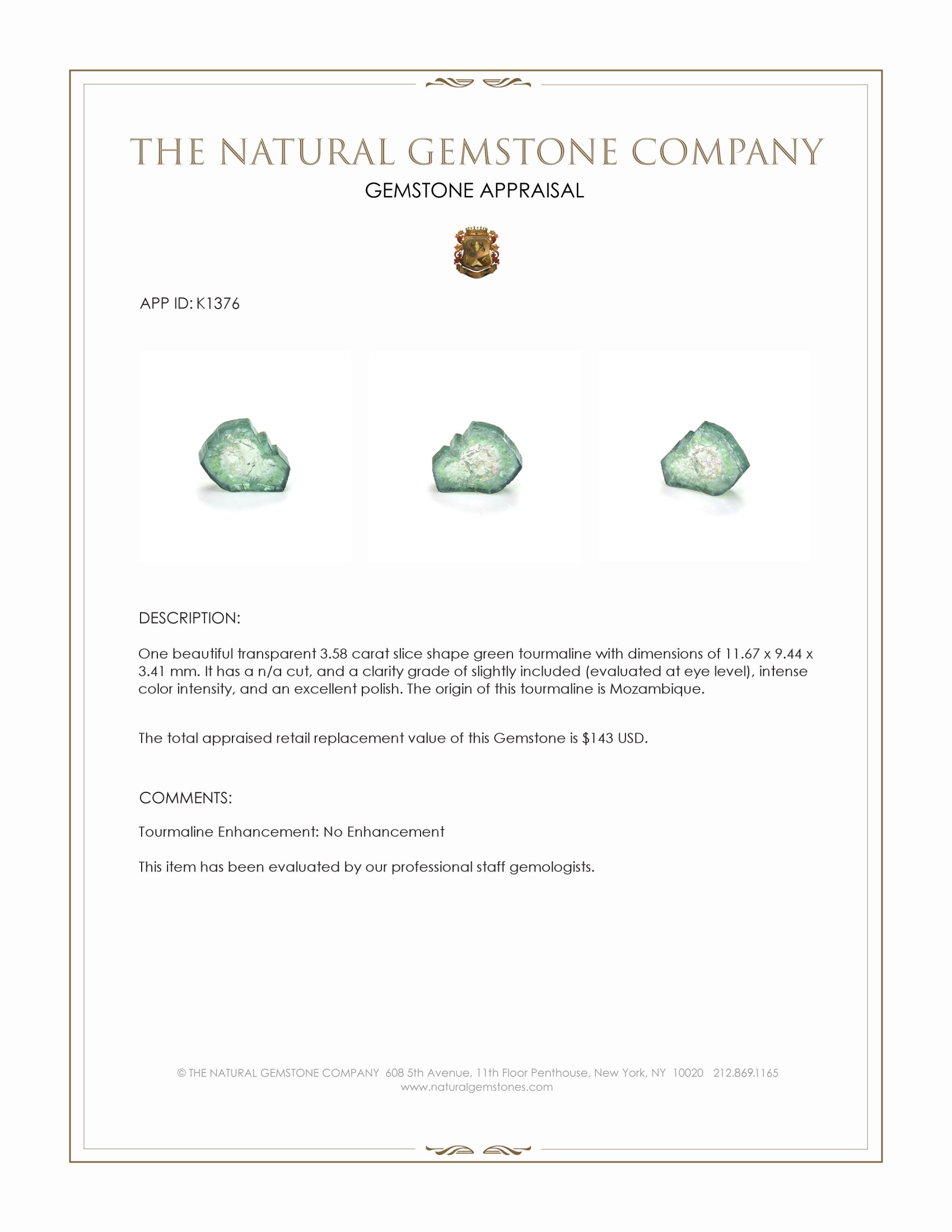
3.58 Ct. Green Tourmaline from Mozambique
This loose stone is available to ship now
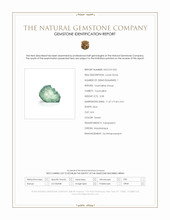
Item ID: | K1376 |
|---|---|
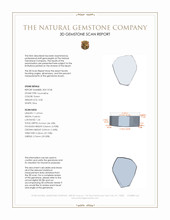
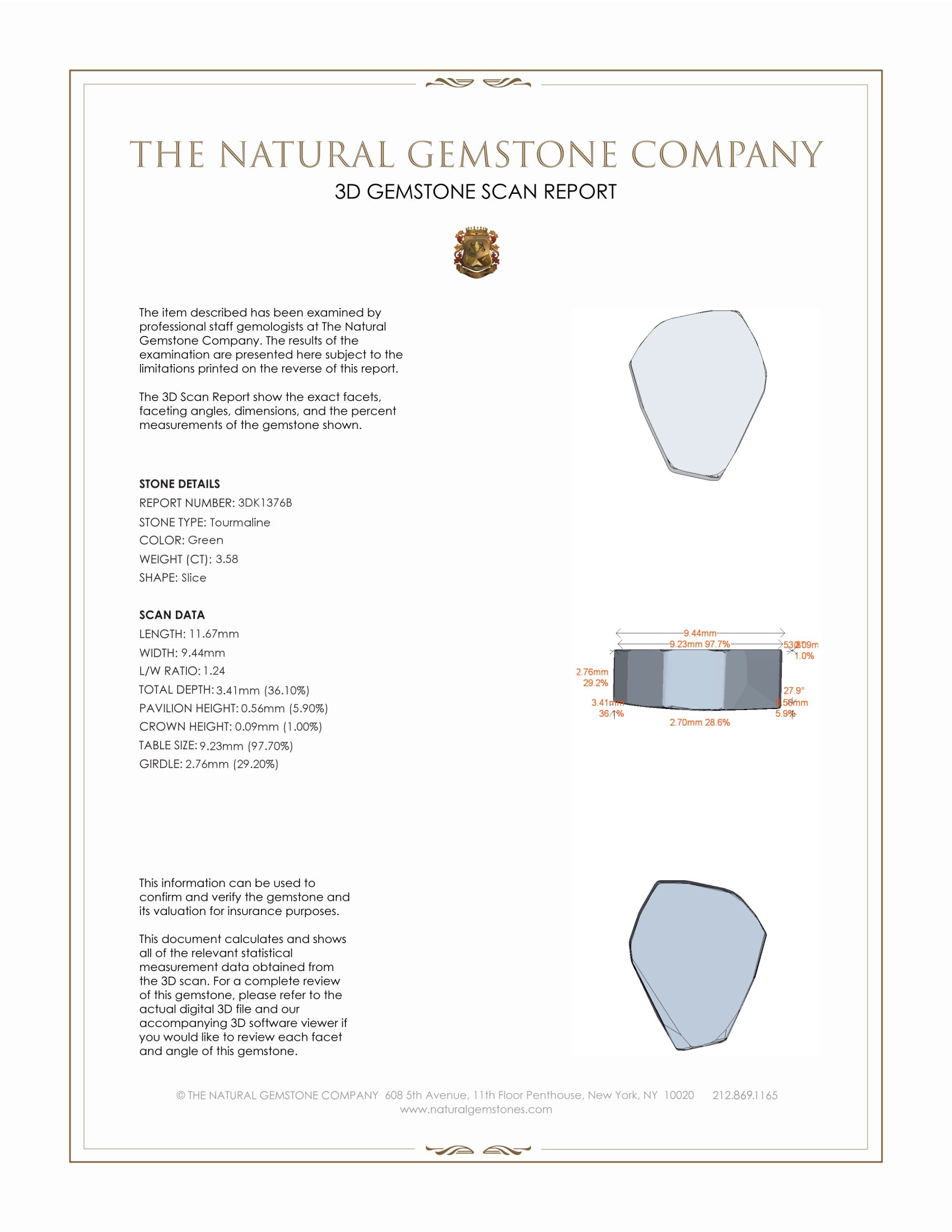
Dimensions (MM): help | Length: 11.67 Width: 9.44 Height: 3.41 |
Weight: | 3.58 Ct. |
Color: help | Green |
Color intensity: help | Intense |
Clarity: help | Slightly Included |
Shape: help | Slice |
Cut: | N/A |
Cutting style: | Rough |
Enhancements: help | No Enhancement |
Origin: help | Mozambique |
Per carat price: help | $40 |
This specimen is a transparent green tourmaline weighing 3.58 carats, presented in a slice shape with precise dimensions of 11.67 by 9.44 by 3.41 millimeters. The piece carries a non standard cut designation, n a, indicating that the lapidary has preserved the natural slice geometry rather than imposing a conventional brilliant or step faceting pattern. The outline shows planar crystal terminations and discrete flat faces that act as small facet analogues, the polished surfaces creating controlled windows for light entry and exit. Tourmaline is an anisotropic mineral with pronounced pleochroism, and this slice exhibits color variation with viewing angle, the intense green hue maintaining saturation across multiple orientations. The slice geometry favors broad table exposure, which emphasizes body color and internal character rather than sparkling facet return, a quality appreciated by collectors and designers seeking a more natural aesthetic combined with measured optical performance.
Clarity is graded as slightly included at the eye level, with internal characteristics that are visible without magnification but do not substantially impair structural soundness or the overall vibrancy of the color. The inclusions present are consistent with natural growth features typically seen in Elbaite group tourmalines, including localized growth zoning and internal reflective planes, and they contribute to the gem s internal texture and light scattering behavior. The color intensity is described as intense, with a well saturated green that remains vivid across the surface, showing subtle depth toward the inner core of the slice. The polish is excellent, which is evident in the even, high luster of the exposed faces and the way the surface has been finished to optimize light transmission. No enhancements have been applied, the stone is entirely natural, untreated, and its color and clarity are intrinsic, a point confirmed by provenance from Mozambique, a deposit known for producing richly colored greens with robust crystalline habit. For technically minded buyers, it is important to note that tourmaline s refractive properties and pleochroic nature mean orientation and mounting will directly influence perceived color and saturation.
From a craftsmanship and setting perspective, the slice shape and the 3.41 millimeter thickness guide functional choices for jewelry design. The relatively thin profile suits techniques that protect edge integrity, with bezel mounting or custom slice mounts recommended to distribute mechanical stress and shield natural terminations. If set as a pendant or a brooch, orienting the slice so that broad faces are perpendicular to the viewer enhances the perceived intensity, while slight tilting can be used to exploit pleochroism for dynamic color shifts. For ring applications, secure edge protection and selective backing are essential, and designers often pair such slices with a subtle metal lattice or partial back plate to increase contrast and improve light return. The Natural Gemstone Company offers this gem with detailed measurements and documentation, and we can provide consultation on optimal design approaches, custom cutting options should a client prefer additional modification, and recommendations for setting materials that best complement the intense green hue while ensuring long term durability. This Mozambique tourmaline slice presents a technically interesting balance between natural crystal morphology and refined finishing, making it a compelling choice for collectors and designers who prioritize authentic material character and considered lapidary technique.


