
- Stone14
- Reports3
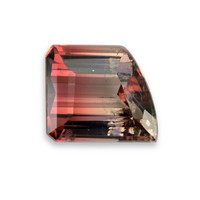
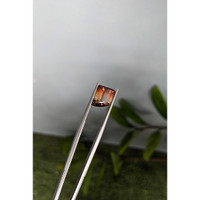
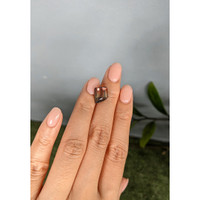
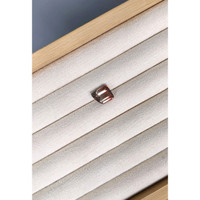
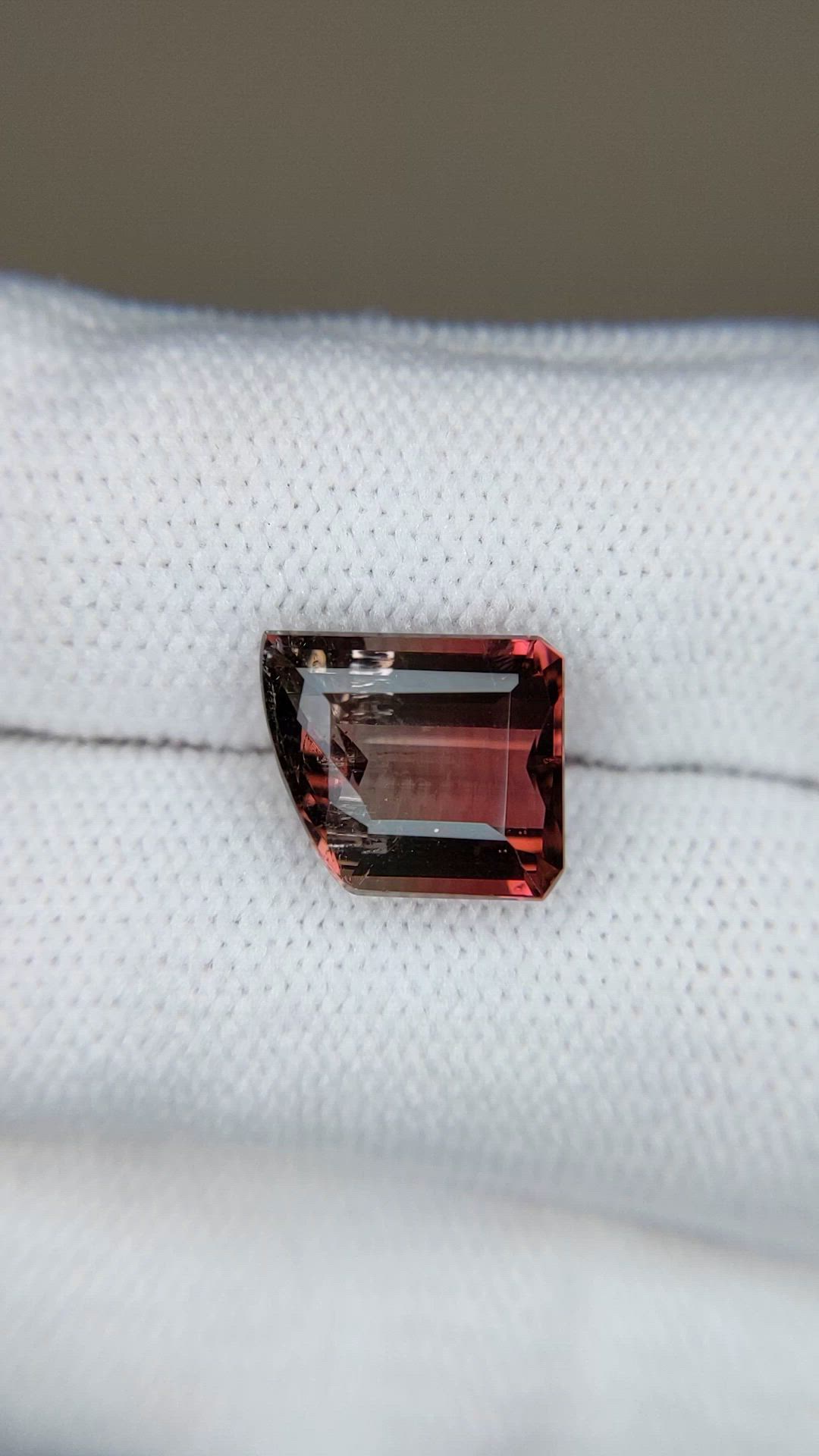
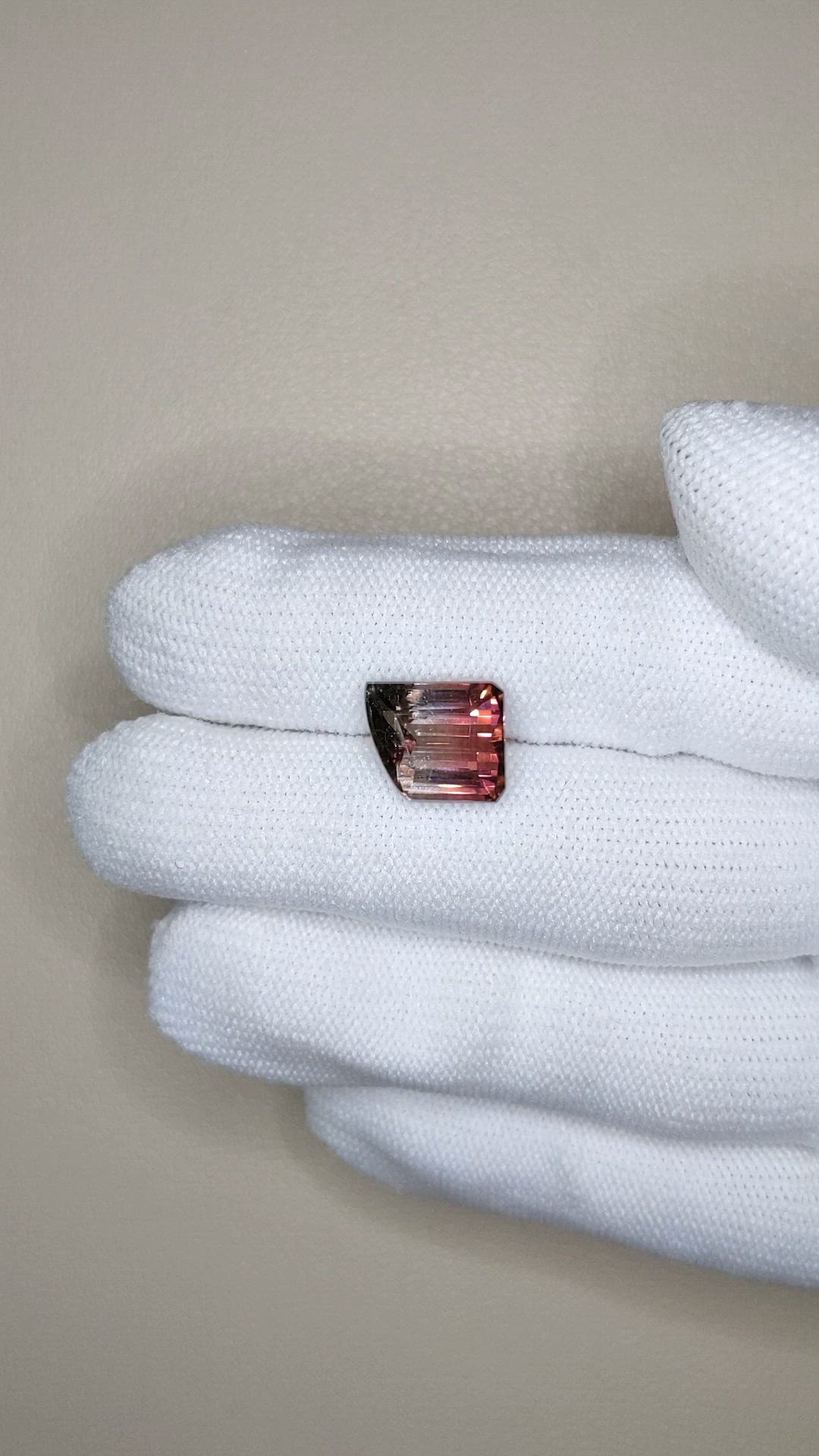
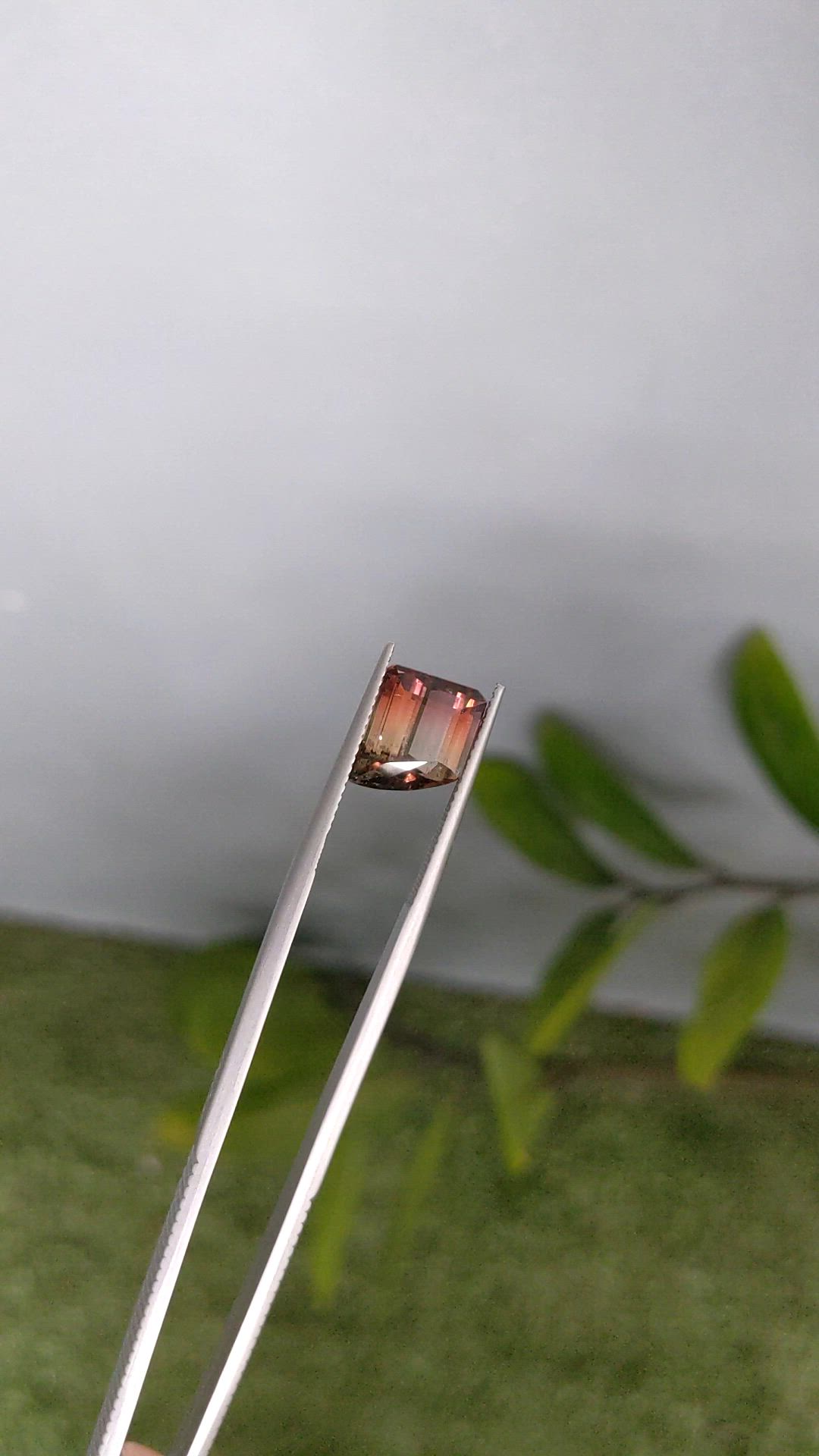
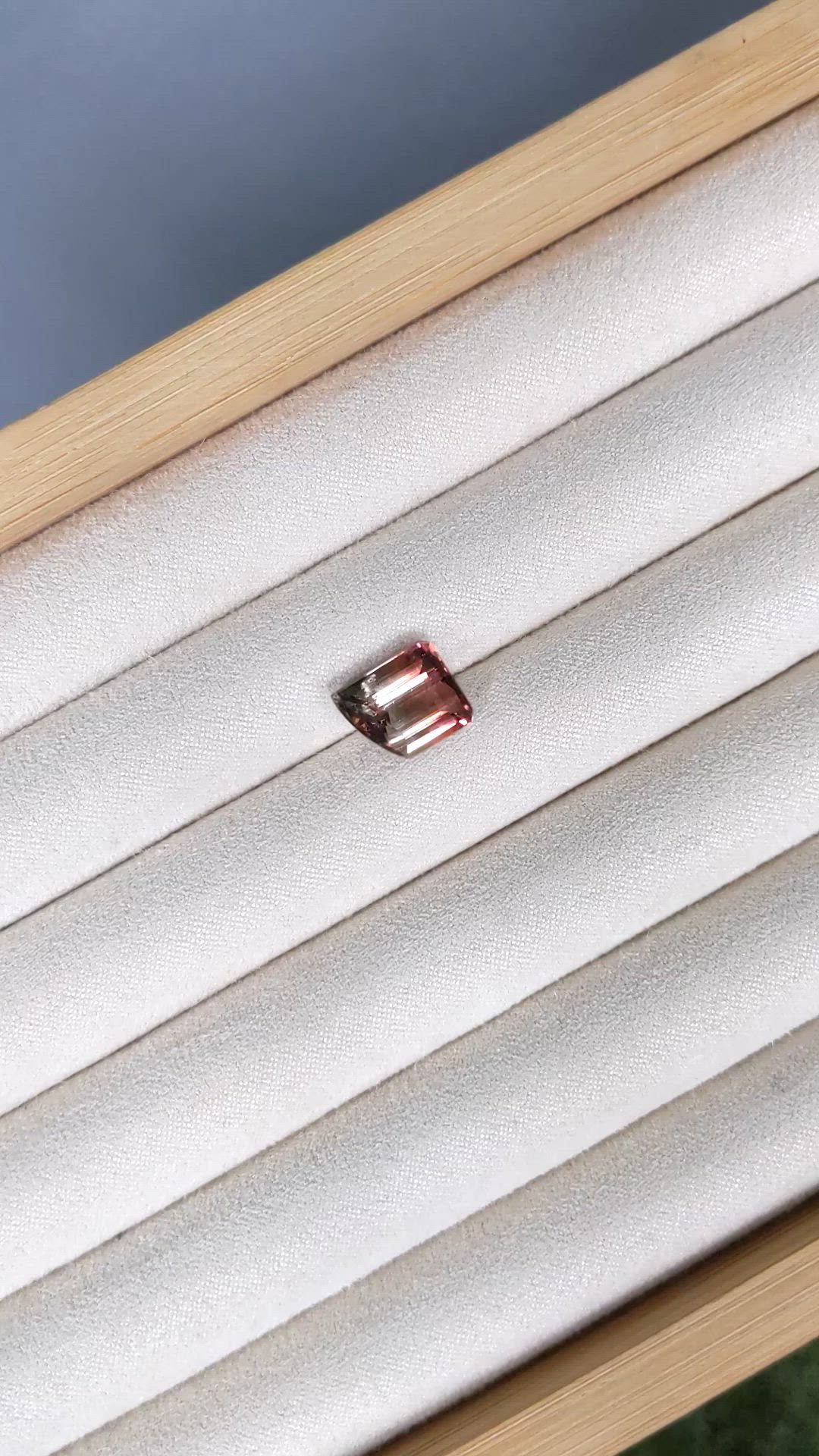
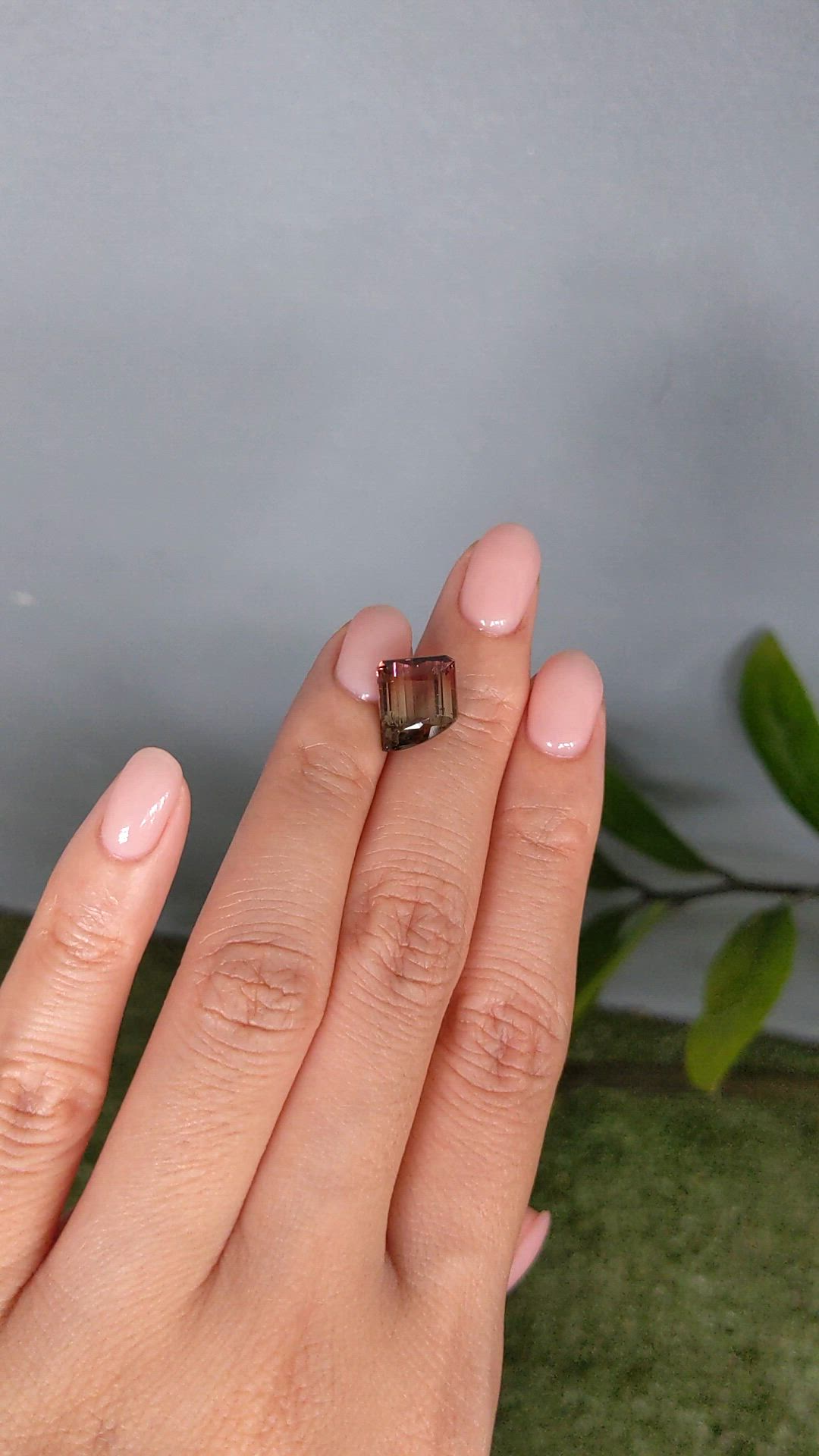

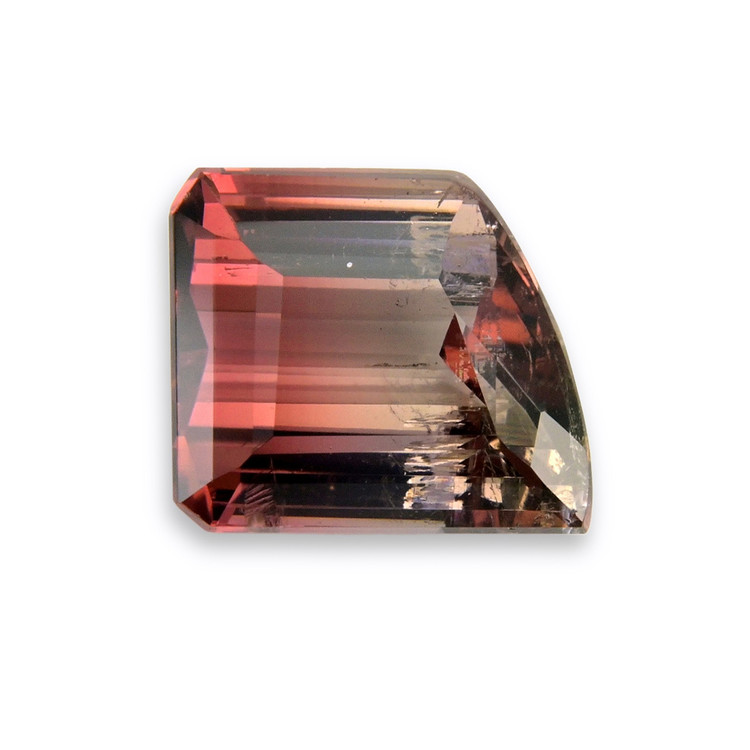
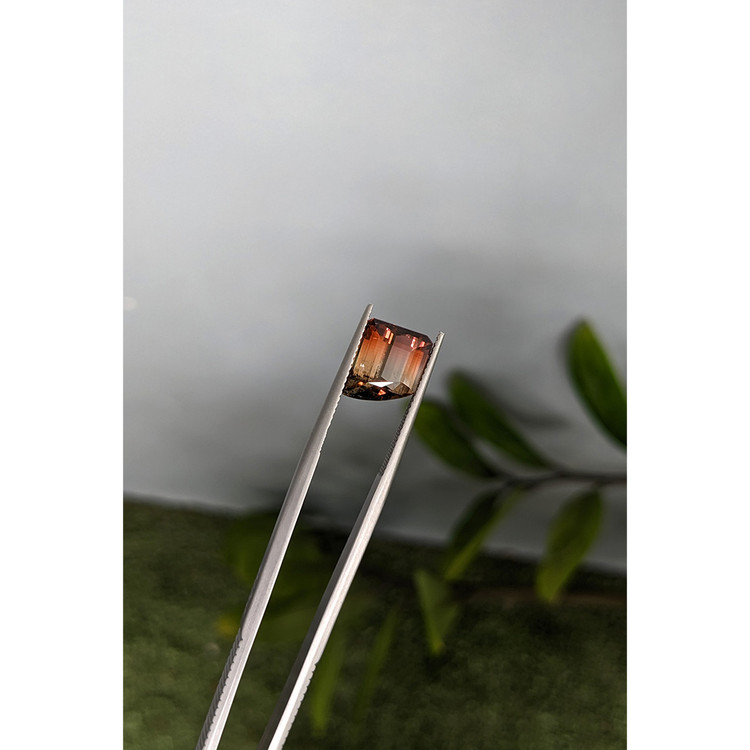
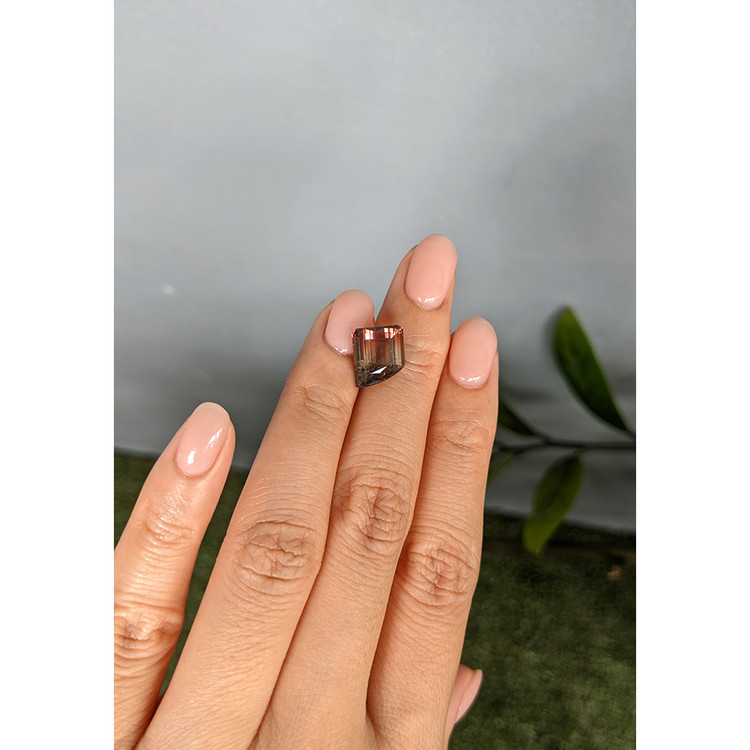
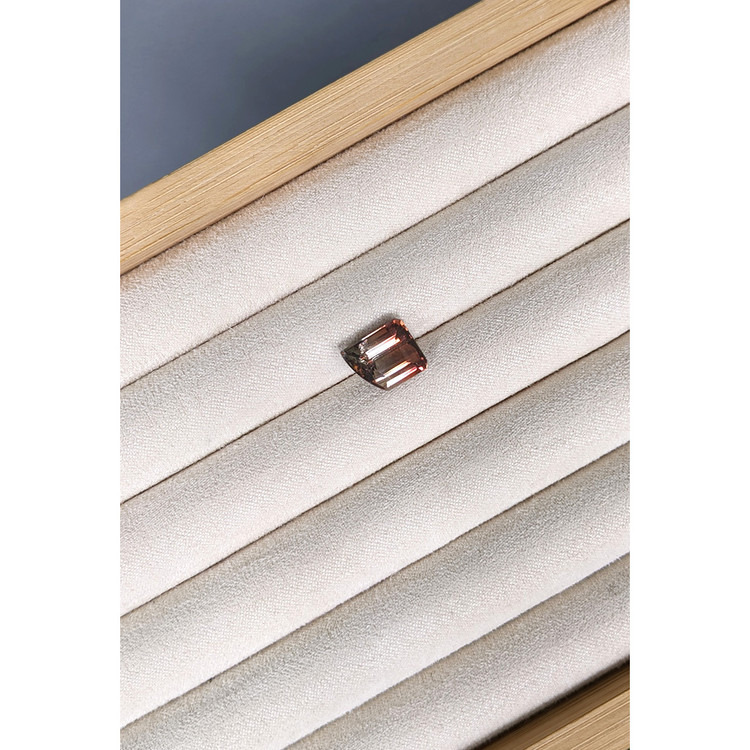

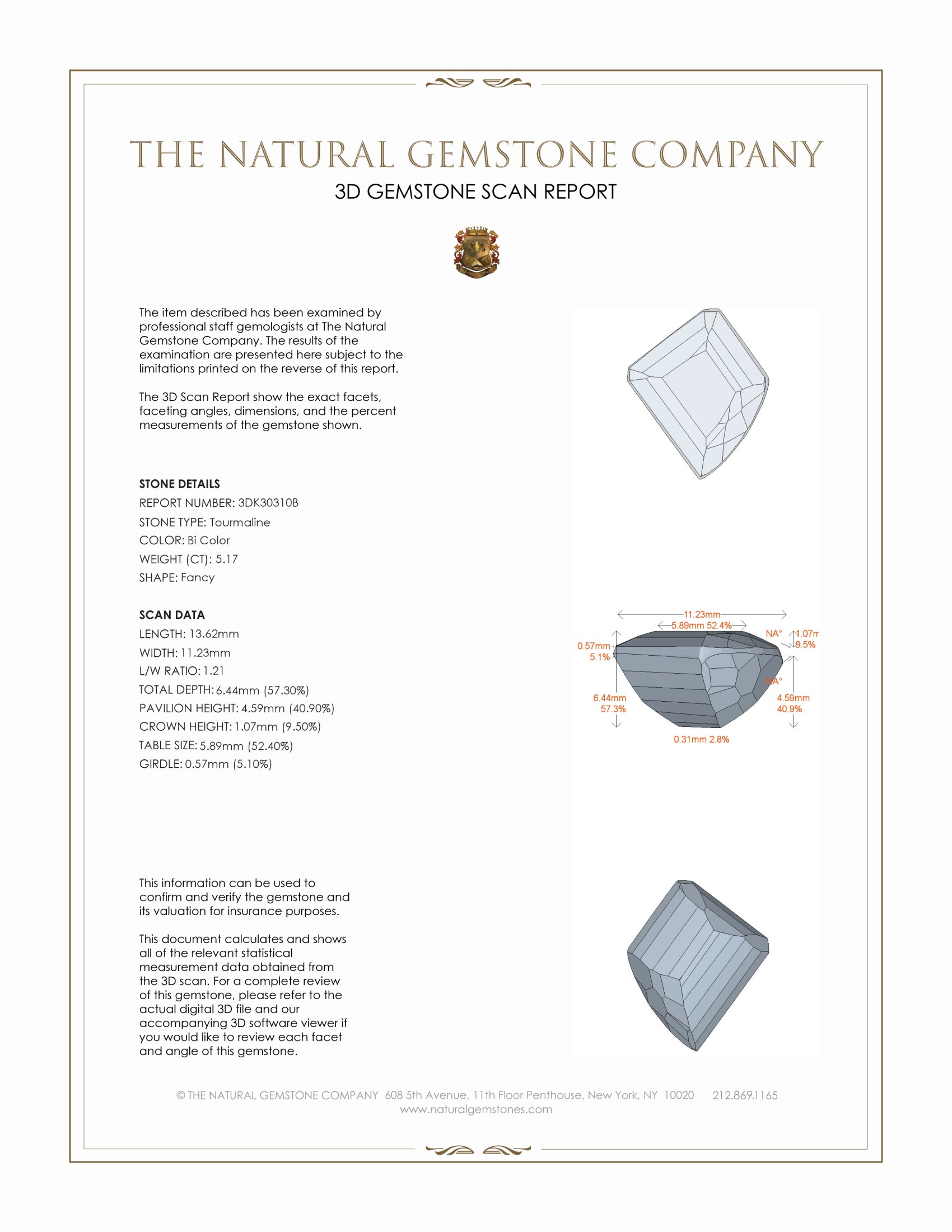
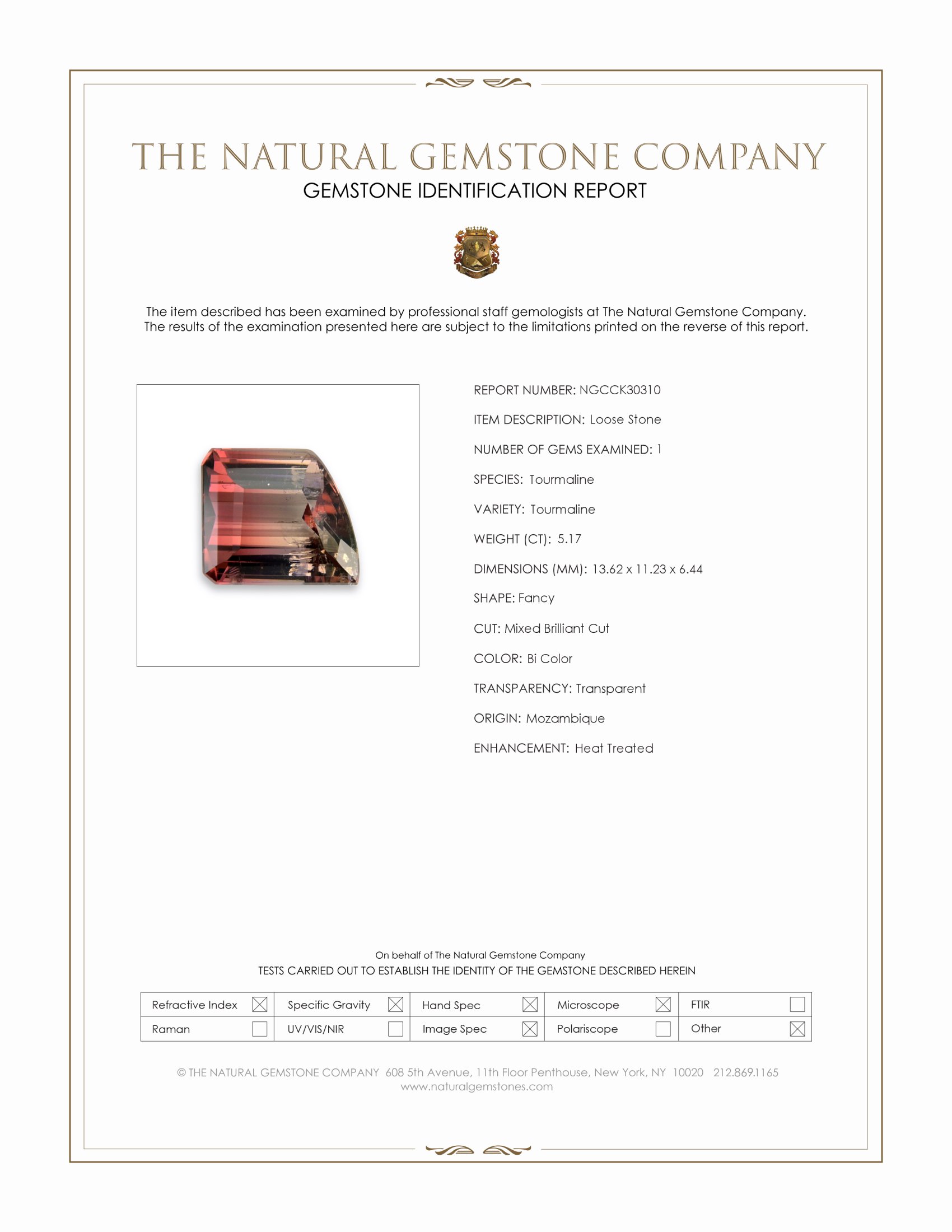
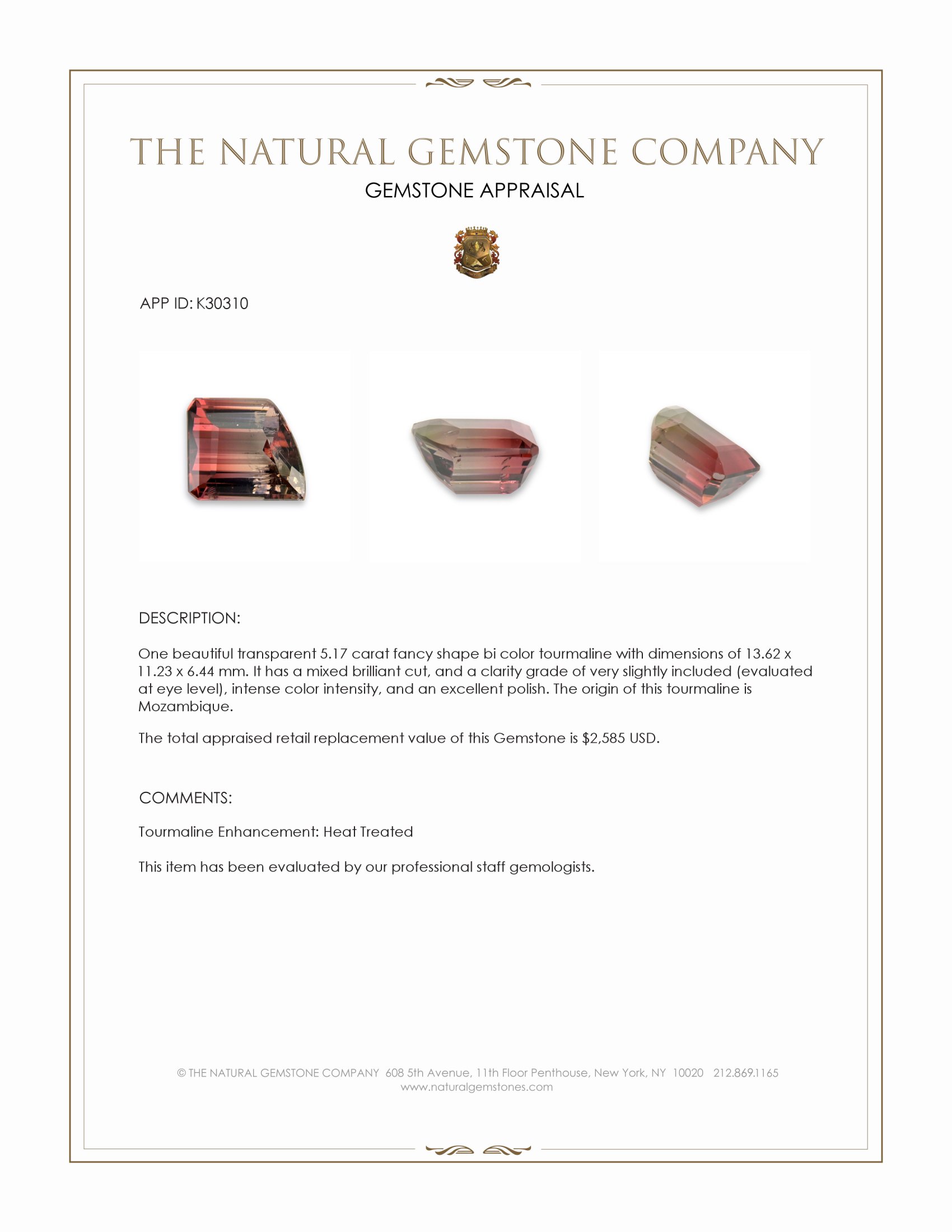
5.17 Ct. Bi Color Tourmaline from Mozambique
This loose stone is available to ship now
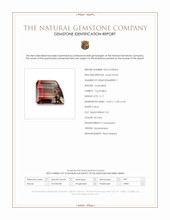
Item ID: | K30310 |
|---|---|
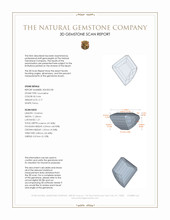
Dimensions (MM): help | Length: 13.62 Width: 11.23 Height: 6.44 |
Weight: | 5.17 Ct. |
Color: help | Bi Color |
Color intensity: help | Intense |
Clarity: help | Very Slightly Included |
Shape: help | Fancy |
Cut: | Mixed Brilliant Cut |
Cutting style: | Faceted |
Enhancements: help | Heat Treated |
Origin: help | Mozambique |
Per carat price: help | $500 |
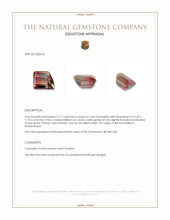
This specimen is a transparent, fancy shape bi color tourmaline weighing 5.17 carats, measuring 13.62 by 11.23 by 6.44 millimeters. The cutting style is faceted, executed as a mixed brilliant cut that combines a modified brilliant crown with a stepped pavilion to optimize both light return and the stone s intrinsic color zoning. The cutter s decision to retain a slightly deep profile, yielding a depth to width ratio in the mid fifty percent range, preserves saturation while allowing enough pavilion height for controlled internal reflection. Clarity is graded as very slightly included when evaluated at eye level, which means minor internal features are present but do not interfere with transparency or brilliance. The polish is excellent, producing crisp facet junctions and mirror like facet planes that enhance faceting symmetry and ensure predictable optical performance under directional lighting. The origin is Mozambique, and the piece has undergone a standard heat treatment to intensify hue and improve color uniformity, a disclosed enhancement that is stable under normal wearing conditions.
The mixed brilliant faceting is purposefully selected for bi color tourmaline to balance two competing objectives. On the crown the modified brilliant facet arrangement disperses light and creates scintillation that masks minor included features, while on the pavilion the step influenced facets control the pathway of light to emphasize the stone s color bands. The cutter oriented the stone to the pleochroic axes inherent to tourmaline, so that the pink to reddish tones and the green to brown tones are presented in deliberate zones across the table. Precision in facet angles is critical with tourmaline, because small deviations alter how pleochroism and color zoning interact with incident light. The excellent polish minimizes light loss at the facet planes, producing clean windows through the body of the gem and maximizing perceived depth. The very slightly included clarity grade indicates internal growth related features that are typical of natural tourmaline crystals, they are small and well located away from critical reflection points, and they do not compromise the stone s structural integrity for standard jewelry settings.
Color technology and provenance play a central role in the value proposition of this piece, the color intensity is classified as intense, indicating strong saturation without over darkening. Bi color tourmalines derive their dual tones from compositional changes during crystal growth, commonly from variations in transition metal concentrations such as manganese and iron, which are temperature and chemistry dependent within the host pegmatite. Mozambique is known for producing tourmalines with vivid saturation and well defined zoning, and that geological context explains the striking bi color character in this stone. The declared heat treatment is a controlled thermal anneal intended to enhance hue clarity relationships and reduce unwanted brownish overtones, it is a widely accepted practice for tourmaline and is stable under normal wear conditions. When setting, consider bezel or prong designs that allow light ingress from both crown and pavilion, because the mixed brilliant geometry benefits from bidirectional illumination to reveal the color gradient and to maintain overall brilliance.
When comparing this natural Mozambique tourmaline to lab grown tourmalines, several technical advantages of the natural material stand out. Natural tourmaline crystals record their growth history in subtle zoning patterns, fluid and mineral inclusions, and irregular growth sector faces, these features are microscopic fingerprints that cannot be perfectly replicated by synthetic processes. The resulting color zoning and pleochroism in natural stones create depth and movement that change with viewing angle, a complexity that lab grown stones often lack because they tend toward homogeneous color distribution. From a gemological and market perspective, natural provenance contributes to rarity and long term value retention, collectors and high end clients frequently prefer natural stones for their documented origin and geological story. The presence of minor, very slightly included internal features serves as evidence of natural growth and can be desirable to connoisseurs, whereas lab grown material trades on uniformity and low inclusion content which can be advantageous in certain mass markets but does not provide the same provenance based attributes. The Natural Gemstone Company sources and certifies natural material, and our cutters intentionally exploit natural pleochroism and zoning in each rough, producing gems that showcase the complex interplay between growth chemistry and optical performance. If you require supplementary measurements, exact facet counts, or bespoke cutting and mounting recommendations for this bi color tourmaline we can provide technical photographs and suggested mounting angles to maximize its color and brilliance.


