
- Stone9
- Reports3





7.96 Ct. Tourmaline from Brazil
This loose stone is available to ship now
Item ID: | K5506 |
|---|---|
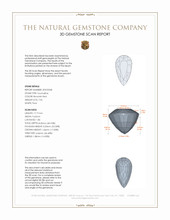
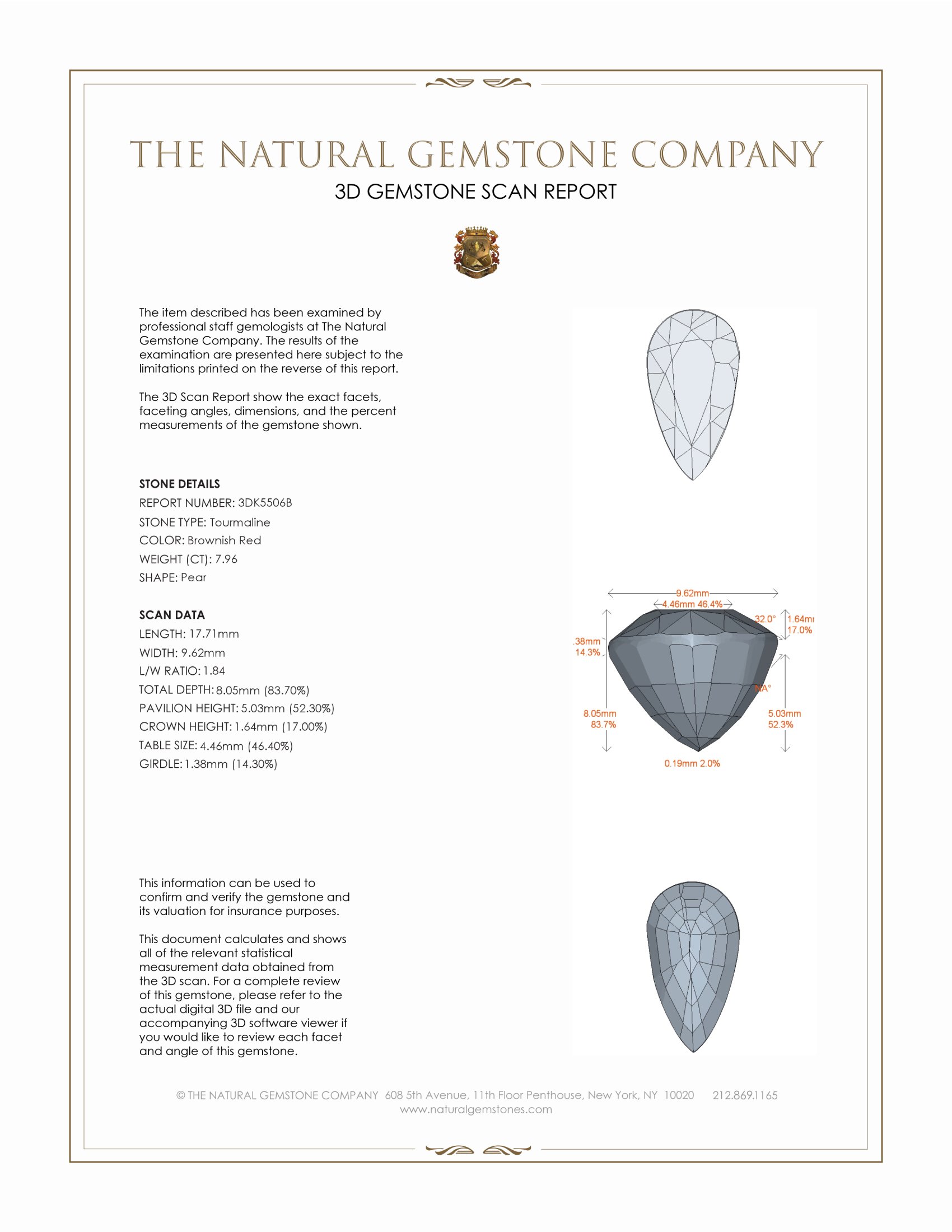
Dimensions (MM): help | Length: 17.71 Width: 9.62 Height: 8.05 |
Weight: | 7.96 Ct. |
Color: help | Brownish Red |
Color intensity: help | Medium |
Clarity: help | Very Slightly Included |
Shape: help | Pear |
Cut: | Mixed Brilliant |
Cutting style: | Faceted |
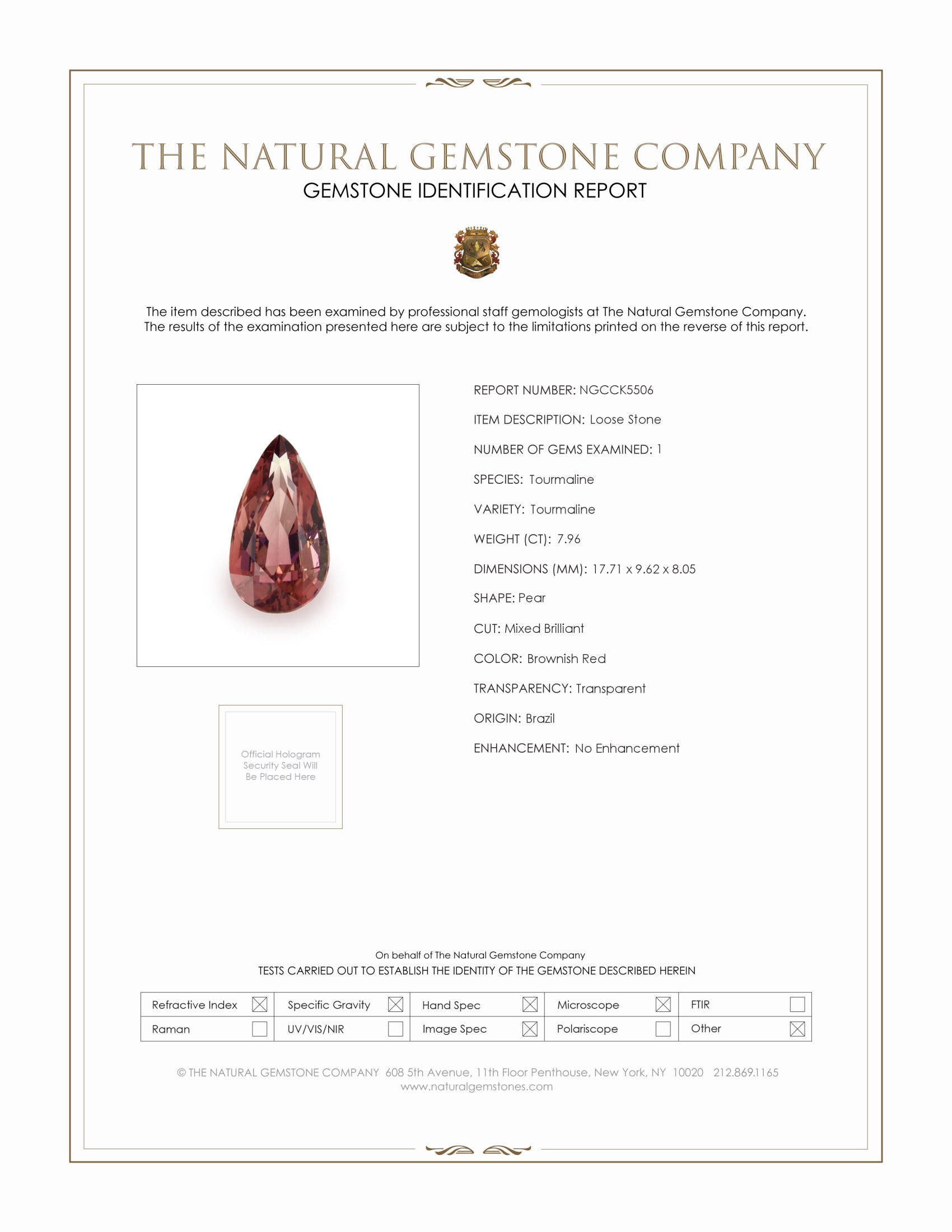
Enhancements: help | No Enhancement |
Origin: help | Brazil |
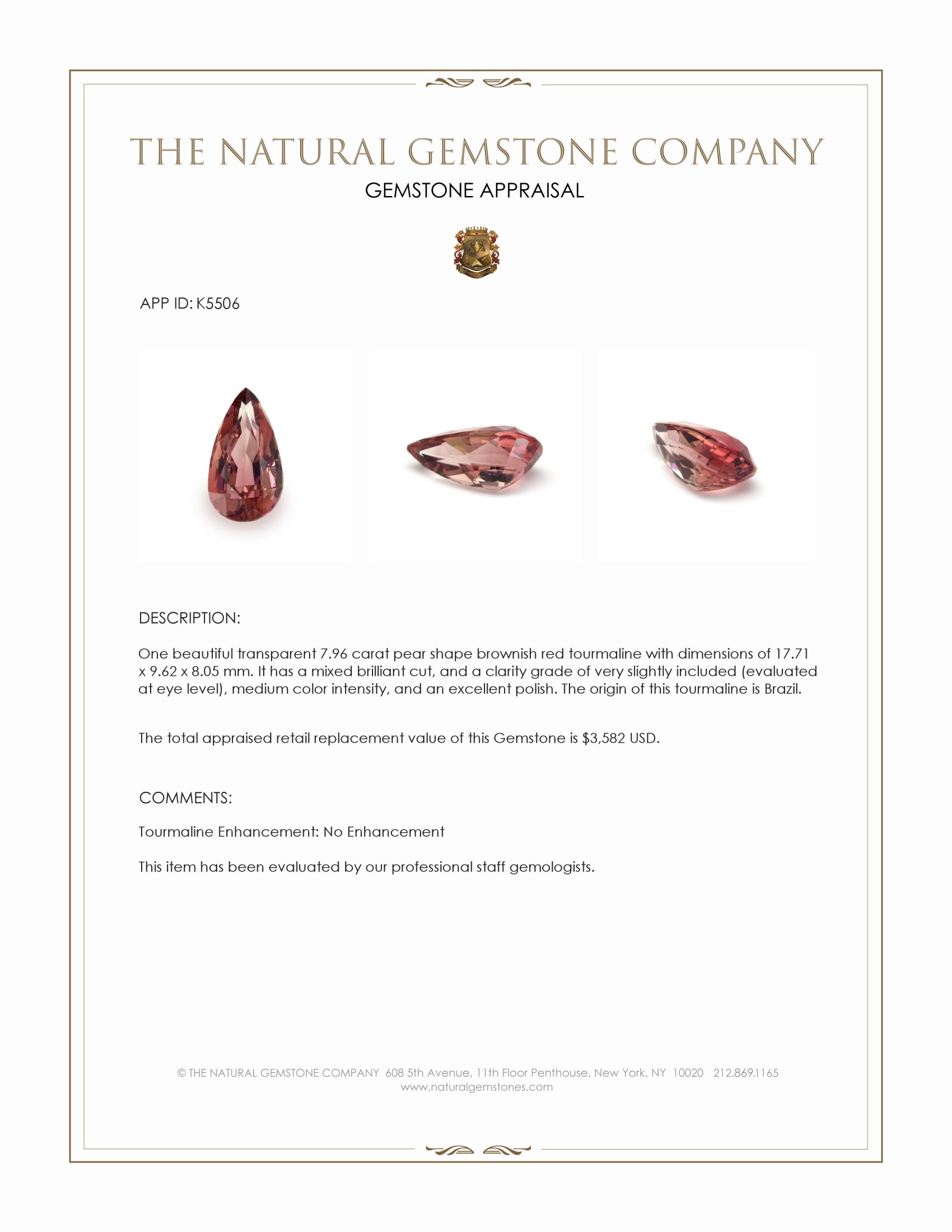
Per carat price: help | $450 |
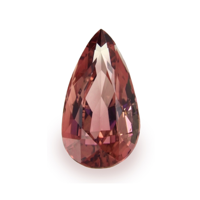
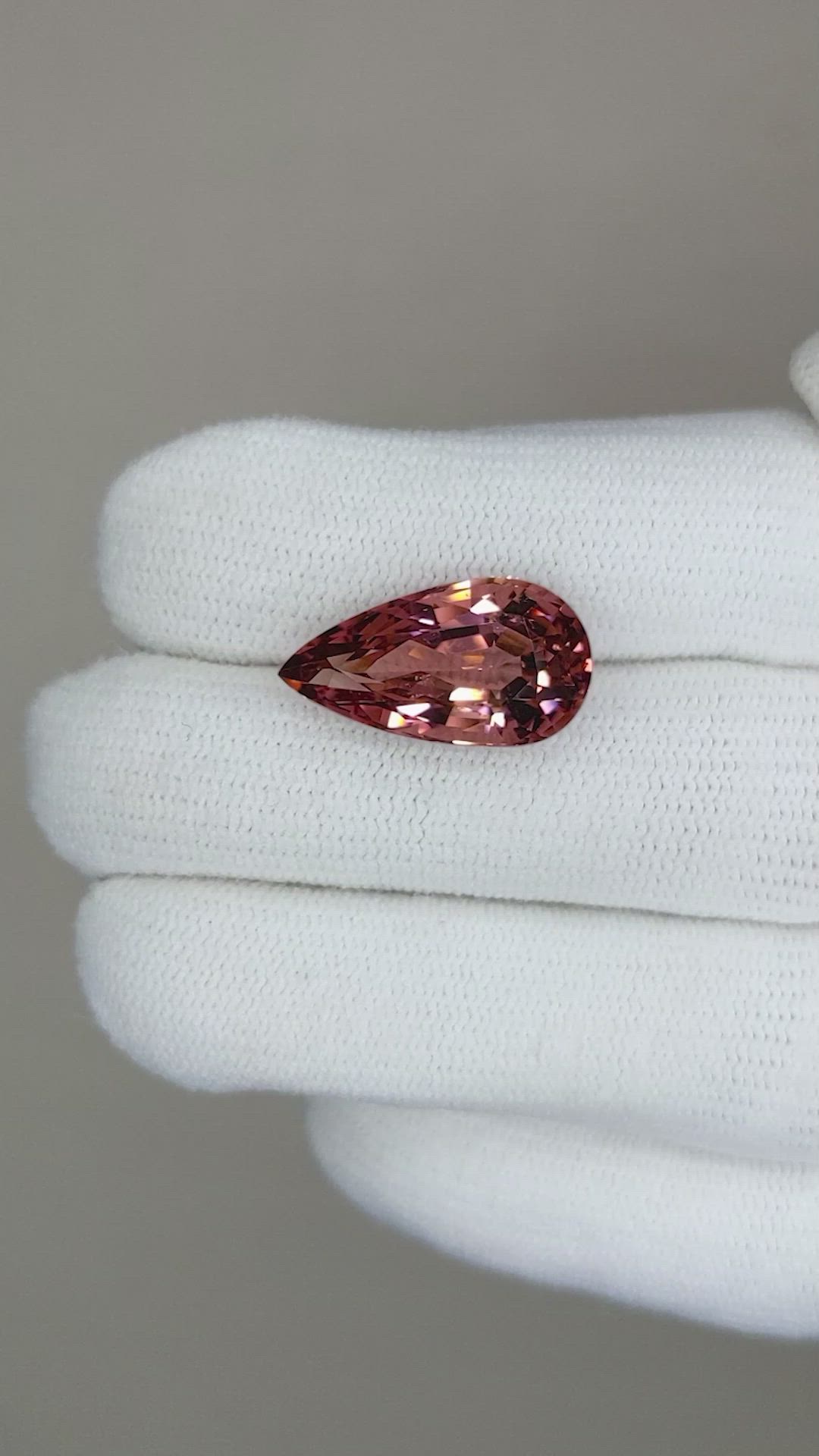
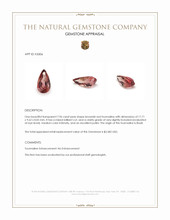
This listing presents a single, transparent 7.96 carat pear shape brownish red tourmaline, with exact dimensions of 17.71 x 9.62 x 8.05 mm, cut in a mixed brilliant style to balance both scintillation and color depth. At first glance the stone shows a warm brownish red hue with medium color intensity, a tone that reads as sophisticated and wearable across a range of fine jewelry designs. The clarity is graded as very slightly included, evaluated at eye level, which means the gem reads clean to most observers while still showing the tiny internal features that confirm natural formation and individuality. The cutter has achieved an excellent polish, allowing light to dance across the facets with strong return and an even face up appearance. This tourmaline is offered with no enhancement, a detail that matters to connoisseurs who prioritize natural color and origin, and its documented origin in Brazil places it among the world-class pegmatitic tourmalines that collectors and jewelers seek.
To appreciate this gem fully it helps to imagine its beginning deep within the Earth millions of years ago, in an era when tectonic collisions and the slow cooling of granitic bodies created ideal environments for large, pure crystals to form. Tourmaline commonly crystallizes in fluid rich pegmatites, pockets of silica and volatile elements left over from the final stages of magma differentiation. In those pegmatites boron rich fluids, carrying elements such as iron and manganese, circulated through fractures and voids, seeding crystals slowly over prolonged periods. The interplay of manganese and iron in those fluids influenced the final brownish red coloration of this stone, iron introducing brown tones and manganese contributing pink to red saturation. Over geological time scales the pegmatites cooled slowly, allowing well formed crystals to grow to significant size, and subsequent uplift and erosion exposed these pockets to the surface where careful mining in Brazil revealed crystals ready for cutting and polishing.
From a gemological perspective this tourmaline combines attributes that educated buyers value for both aesthetic and investment reasons. The clarity grade of very slightly included, as observed at eye level, indicates inclusions that are generally minor and non detracting to overall transparency, these may include fine growth tubes or microscopic mineral inclusions that are normal for natural tourmaline and serve as internal fingerprints confirming its natural origin and absence of synthetic treatment. The medium color intensity strikes a useful balance, providing enough saturation to read as distinctly colored without veering into overly dark tones that can reduce brilliance. The mixed brilliant cut is a functional choice for a pear shape of these dimensions, using a brilliant facet arrangement to enhance sparkle on the pavilion and a combination of facets on the crown to preserve and display the stone s natural color. The excellent polish enhances light performance and surface luster, while the lack of enhancement means the buyer receives the natural state of the gem, with color and clarity that are intrinsic rather than induced. In practical terms the stone s near eight carat weight and generous measurements place it in a size class that is uncommon for clean, naturally colored tourmalines, increasing its desirability.
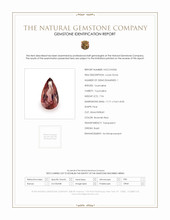
For the discerning buyer this brownish red tourmaline is appealing on multiple levels, provenance and treatment history included. Origin from Brazil carries a legacy of high quality pegmatite tourmalines, and offering the stone with no enhancement supports long term value retention and collector interest. Tourmaline s durability, roughly seven to seven and a half on the Mohs scale, makes this gem suitable for a variety of settings including pendants and rings when set thoughtfully to protect the girdle and corners of the pear shape. The strong pleochroism common to tourmaline means the gem will show subtle shifts in tone from different viewing angles, a visual richness that can be emphasized by the mixed brilliant cutting approach. The Natural Gemstone Company stands behind the described attributes, and we encourage buyers who value documentation to request a detailed gemological report or microscopy images, which we can provide to verify clarity observations, confirm lack of enhancement, and trace locality if desired. Proper care and setting will preserve this gemstone s luster and color for generations, making it a compelling choice for collectors and jewelers seeking a natural, attractive, and well proportioned specimen.


