
- Stone16
- Reports3


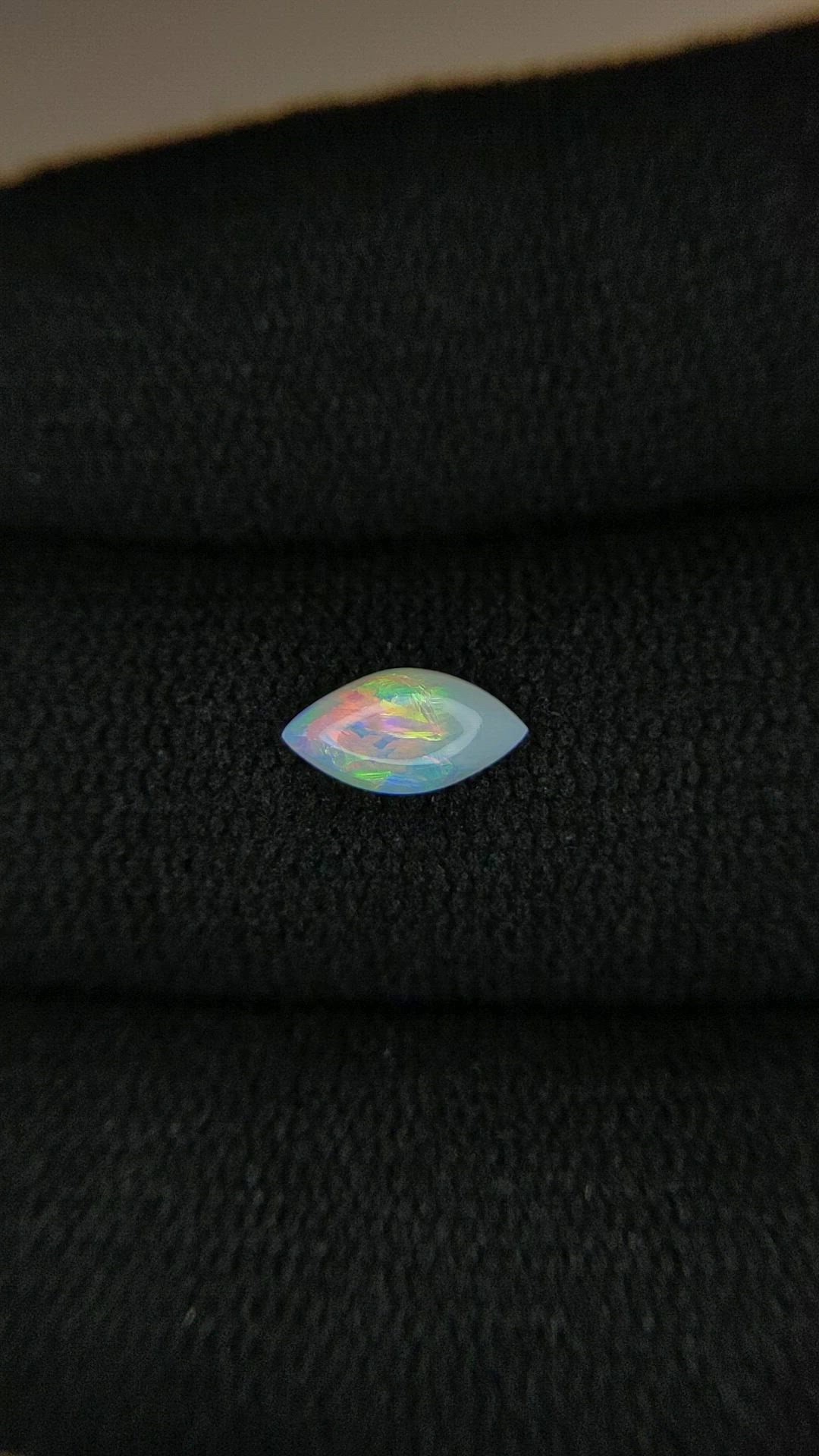
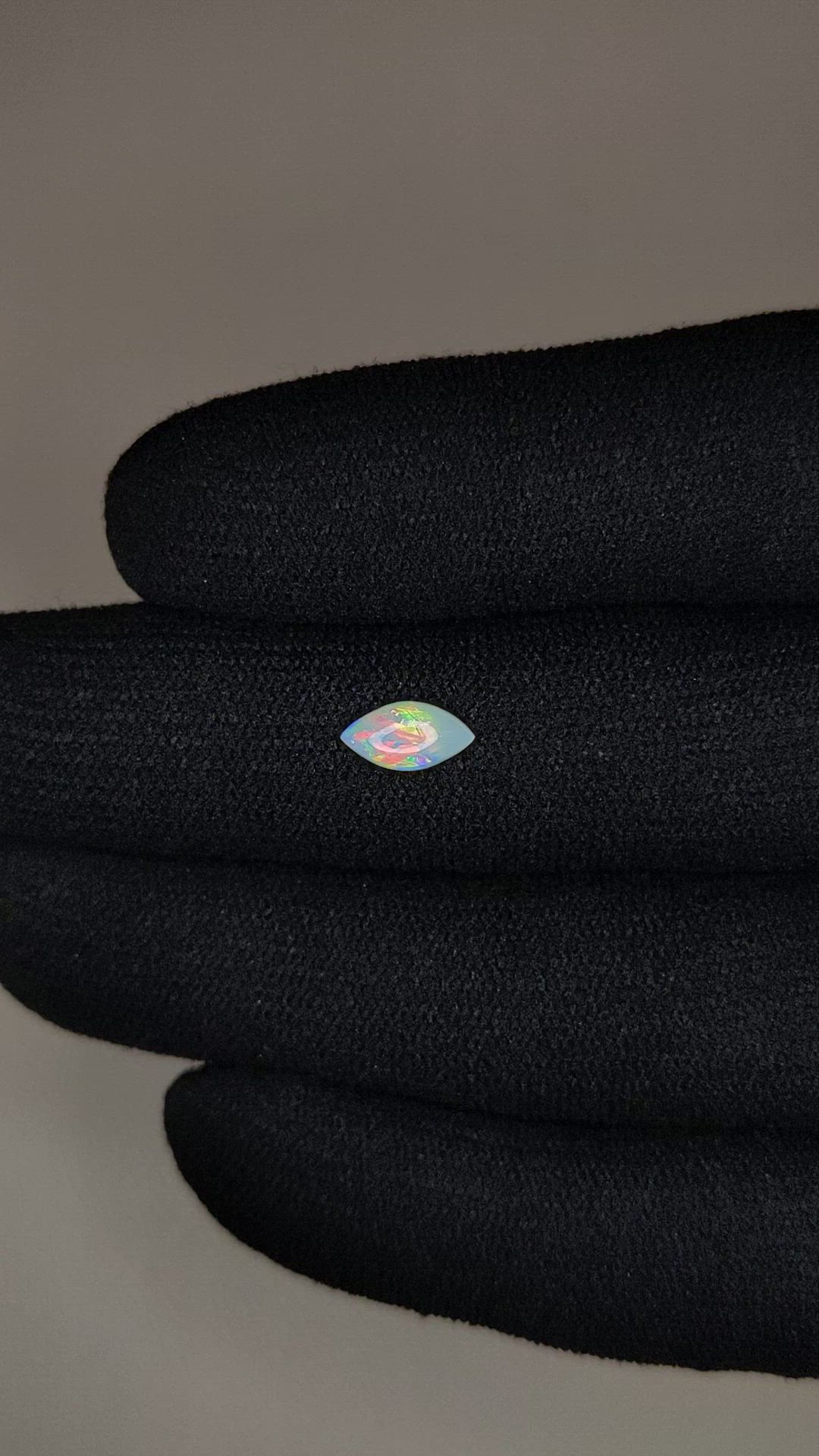
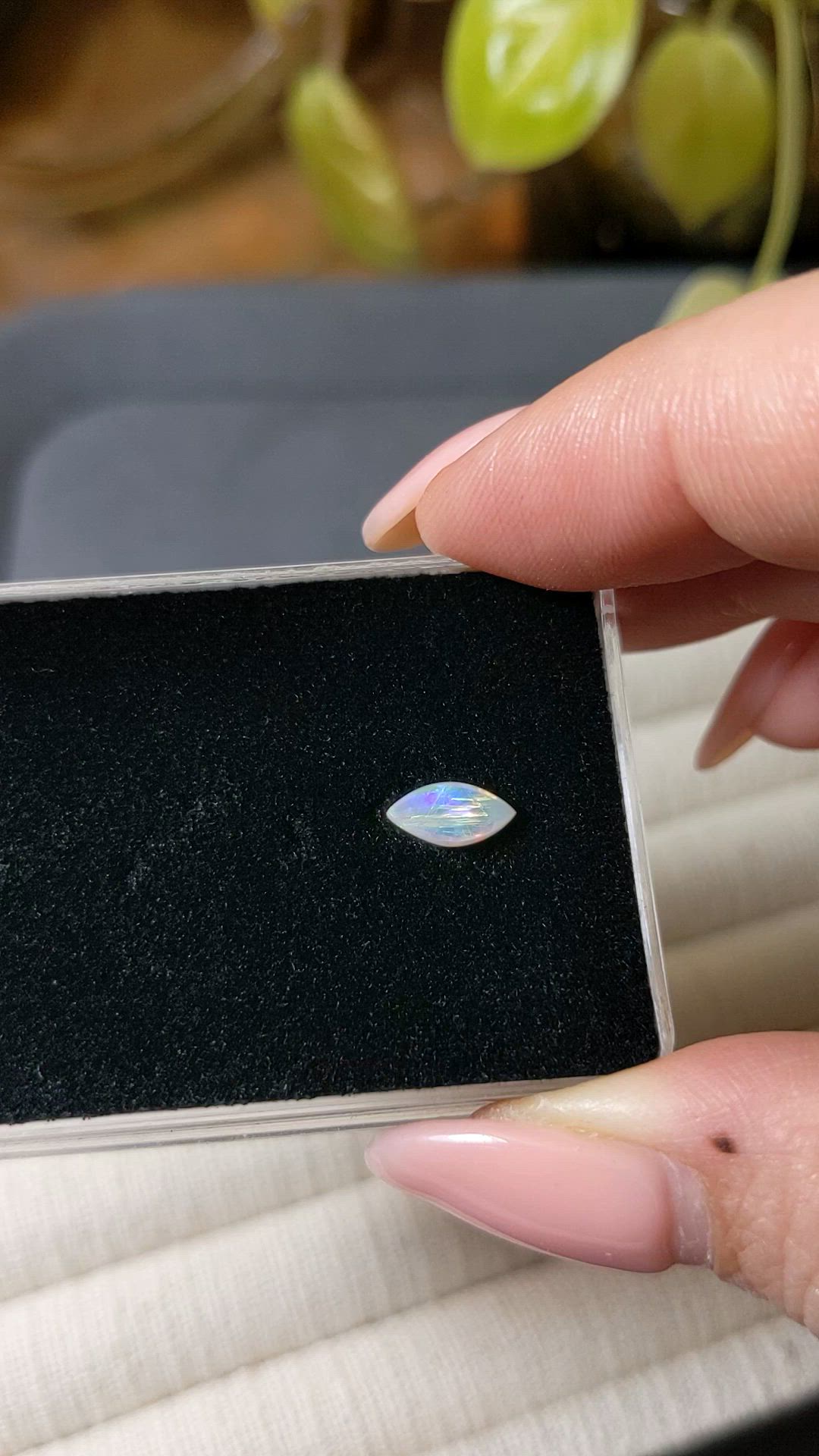
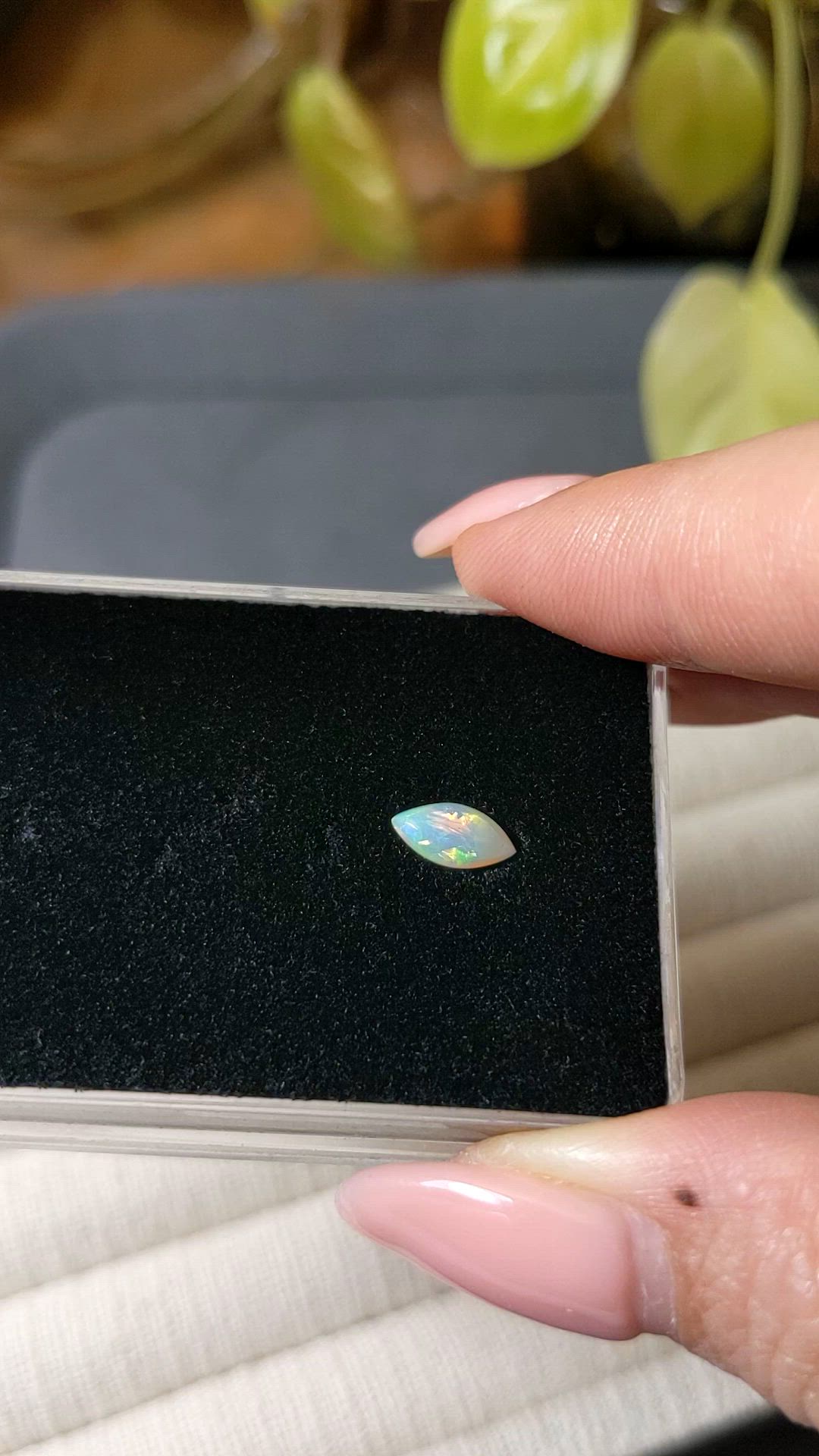
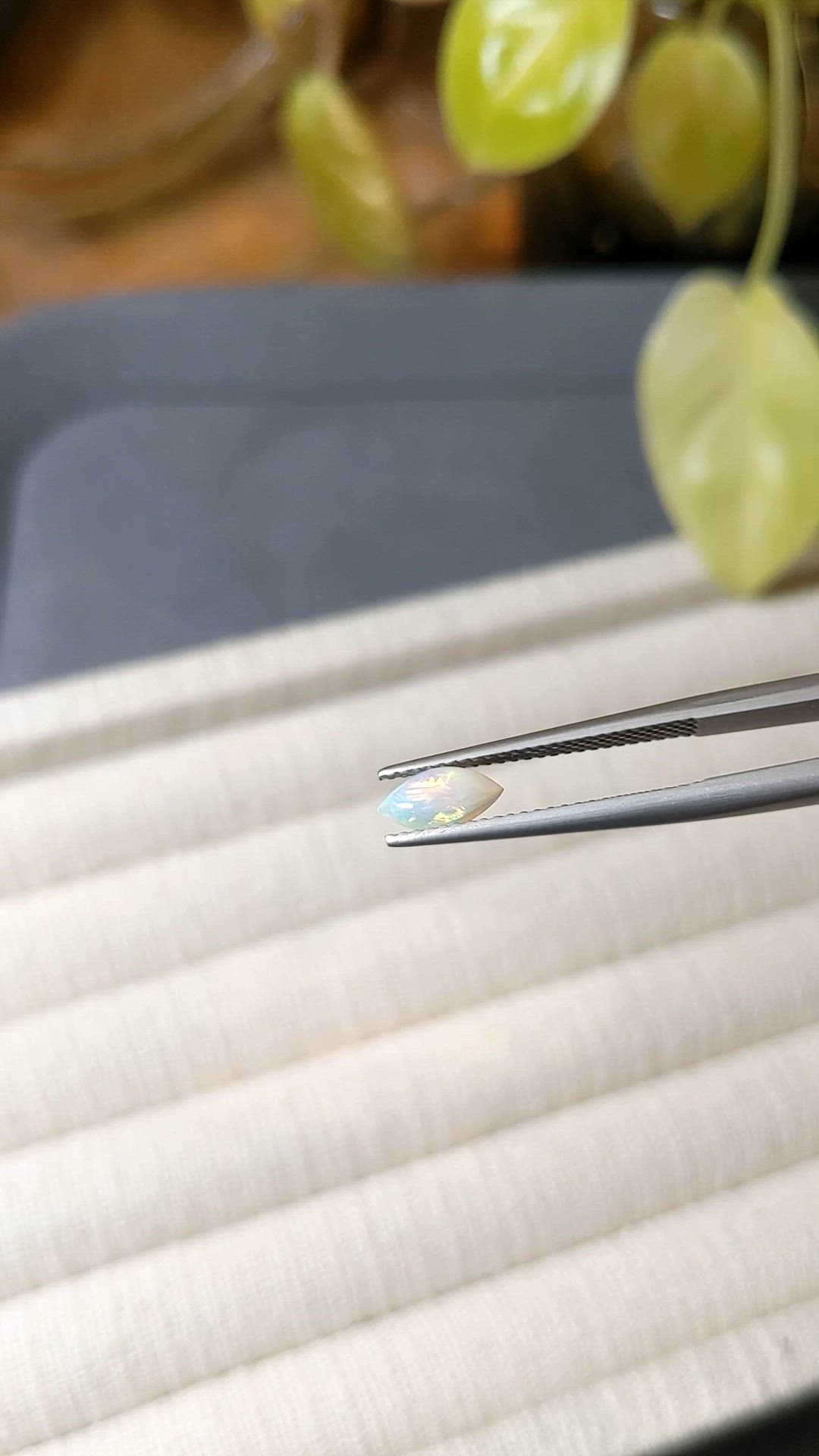
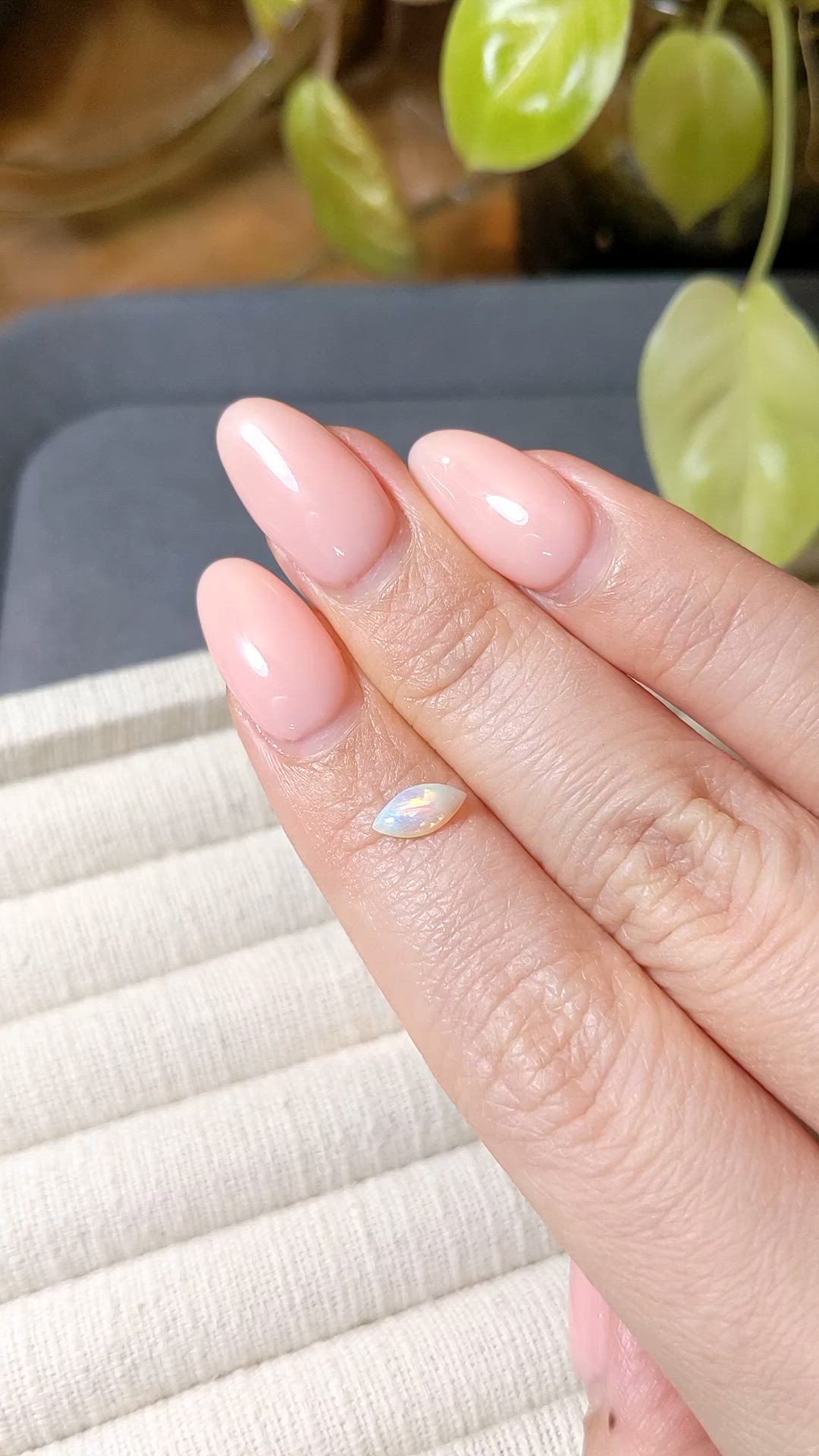


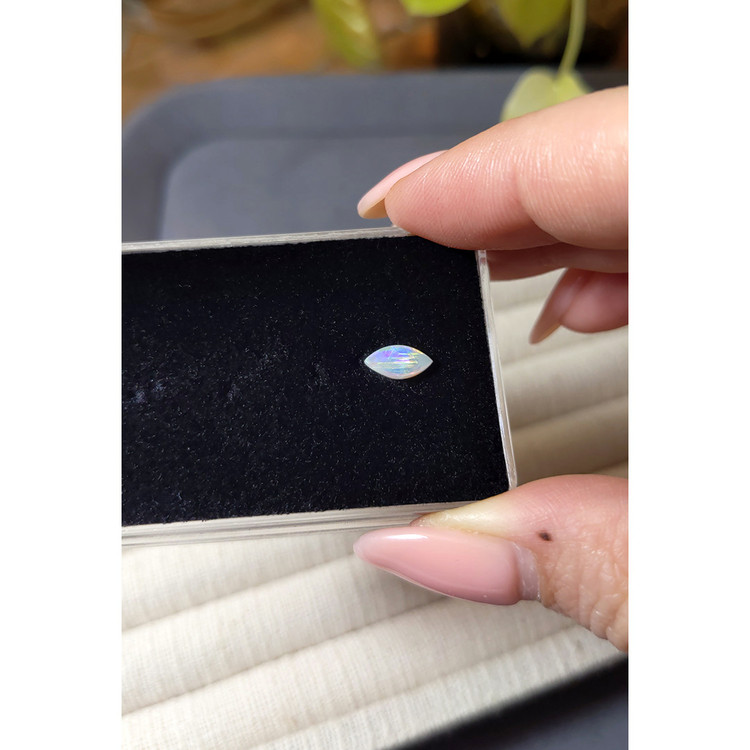
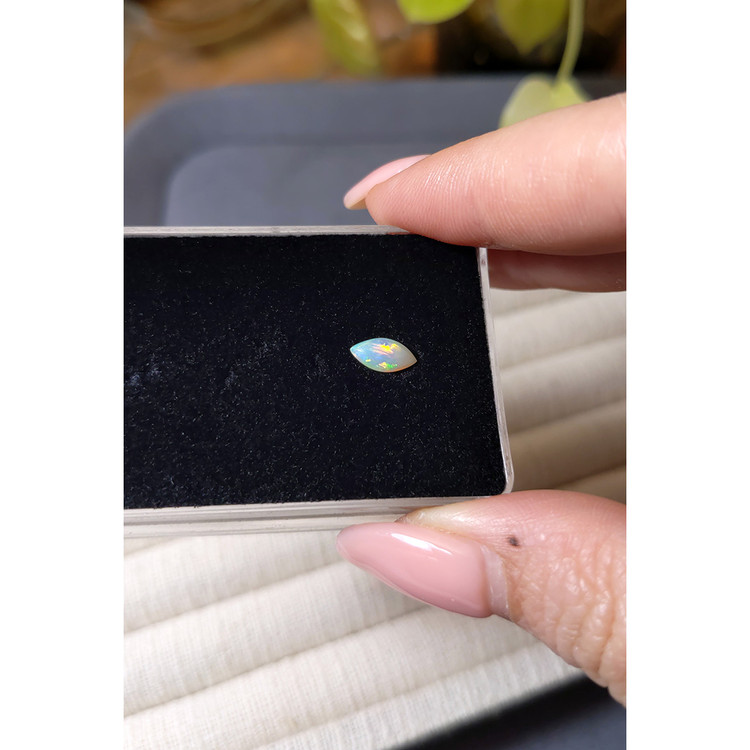
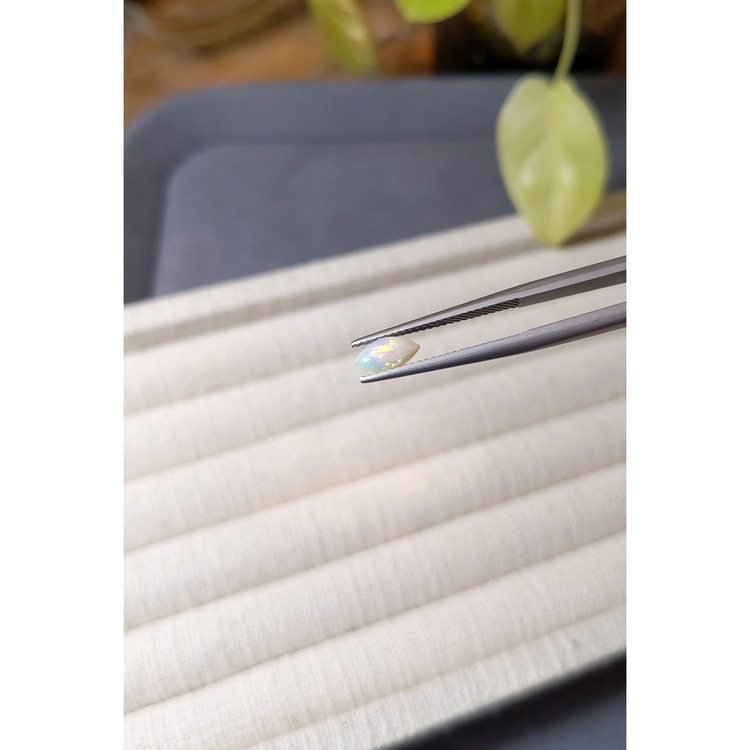
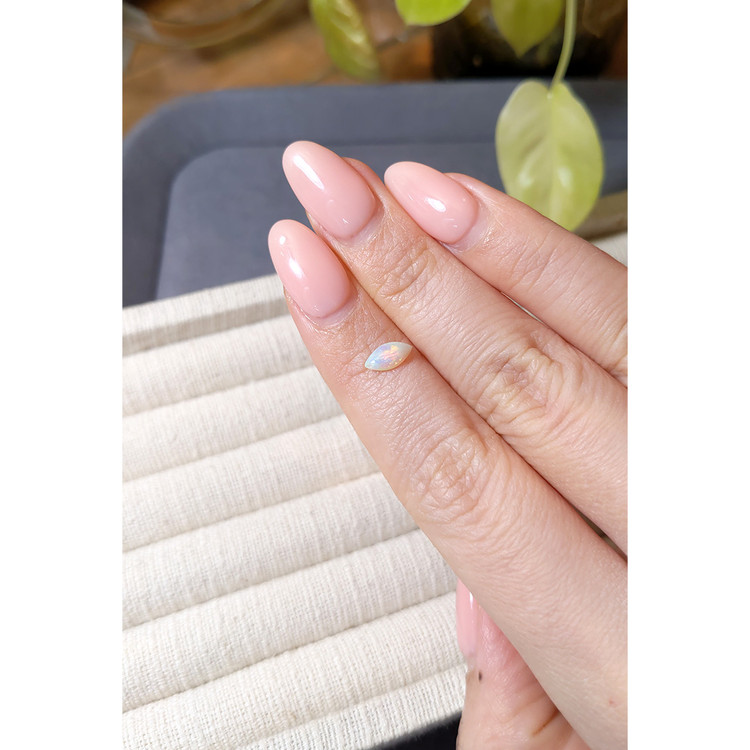


0.37 Ct. Multi Color Cabochon White Opal (Light Opal) from Australia
This loose stone is available to ship now
Item ID: | K31507 |
|---|---|
Dimensions (MM): help | Length: 8.18 Width: 4.24 Height: 2.02 |
Weight: | 0.37 Ct. |
Color: help | Multi Color |
Color intensity: help | Intense |
Clarity: help | Very Slightly Included |
Shape: help | Marquise |
Cut: | Cabochon |
Cutting style: | Cabochon |
Enhancements: help | No Enhancement |
Origin: help | Australia |
Per carat price: help | $100 |
This piece is a translucent marquise shaped Australian opal presented by The Natural Gemstone Company, weighing 0.37 carat, and measuring 8.18 by 4.24 by 2.02 mm. The cutting style is cabochon, chosen to best display the gem s intrinsic play of color while maintaining a smooth domed profile and precise marquise outline. The surface finish is of excellent polish, and the clarity grade is evaluated as very slightly included at eye level, with inclusions that do not detract from the gem s appearance under normal viewing conditions. Color is described as intense in its presentation, with vivid flashes of red, green, and blue across a predominantly light body tone, and the specimen is supplied without any enhancement, reflecting natural material as found in its Australian source.
From a gemological perspective this is classified as a white opal also known as a light opal, and it should be contrasted with Black Opal, Dark Opal, which represents a different body tone classification within the opal family. White or light opals exhibit a lighter background that produces a more delicate, ethereal expression of play of color, whereas Black Opal, Dark Opal, owes much of its dramatic appearance to a darker body tone that yields stronger contrast and often more vivid perceived color. Both types derive their optical phenomena from the same internal microstructure of silica spheres, but the visual effect and market considerations differ because of body tone, pattern distribution, and rarity. This particular gem s marquise cabochon shaping and translucent light opal body offer a refined balance of color flash and wearable size.
When assessing natural opals against lab grown or synthetic counterparts, several material and market distinctions are relevant. Natural opals present unique, non repeatable internal patterns and color distributions formed over geological time, characteristics that cannot be identically reproduced in laboratory processes. Natural inclusions, modest variation in thickness of color layers, and provenance from a recognized source such as Australia contribute to each specimen s singularity and to its long term collectibility. In contrast, lab produced stones may offer consistency and lower initial cost, but they lack the same geological history and the unpredictable, individualized beauty that collectors and many jewelry designers value. The absence of enhancement in this gem further preserves the original surface and internal structure, and supports accurate grading and valuation.
Practical considerations for setting and care are grounded in the opal s physical properties and in best practices for preserving natural material. Opal typically occupies the mid range of hardness and requires protective mounting and consideration for exposure to rapid temperature shifts, harsh chemicals, or prolonged desiccation, all of which can affect stability. The marquise cabochon shape and relatively low profile present efficient options for bezel or partial bezel settings that reduce risk while showcasing the play of color. From a provenance and ethical standpoint The Natural Gemstone Company places emphasis on supplying unenhanced, well documented natural stones, and on providing transparent information regarding origin, cutting, and grading to support informed decisions by jewelers and collectors.


