
- Stone11
- Reports3
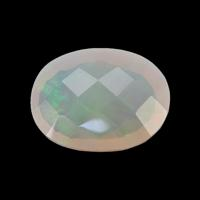
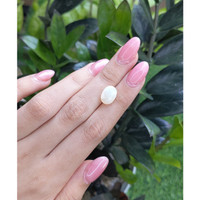
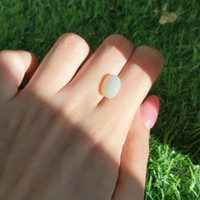


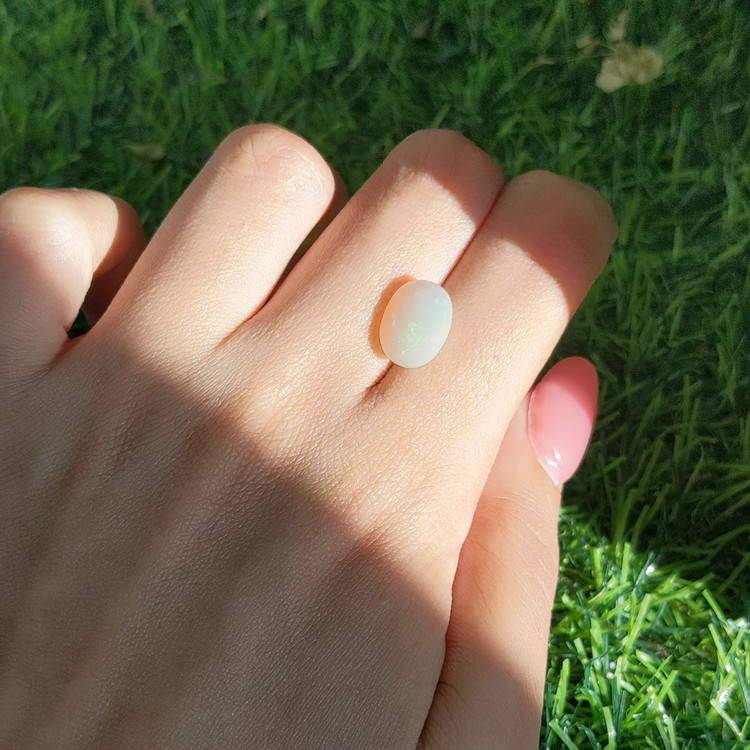

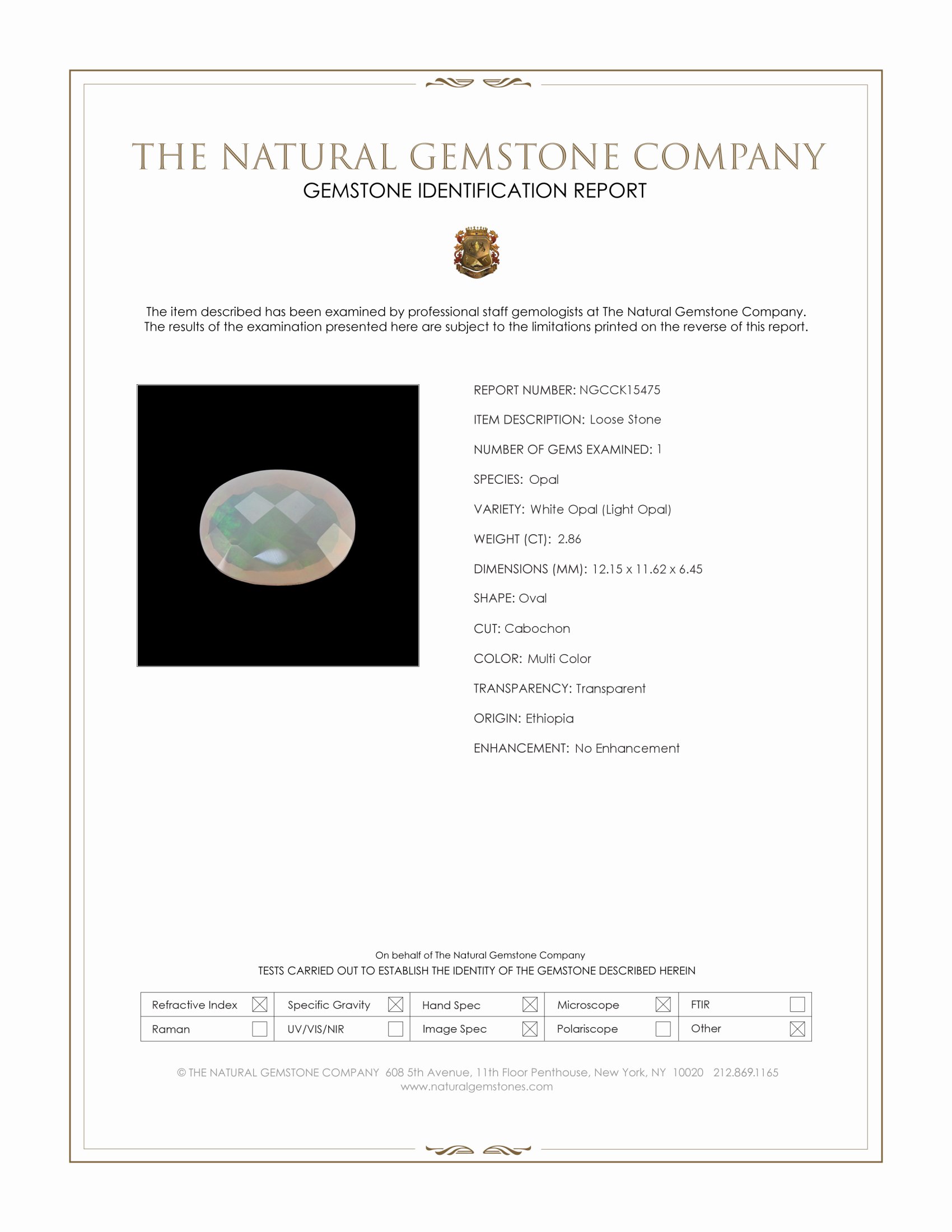
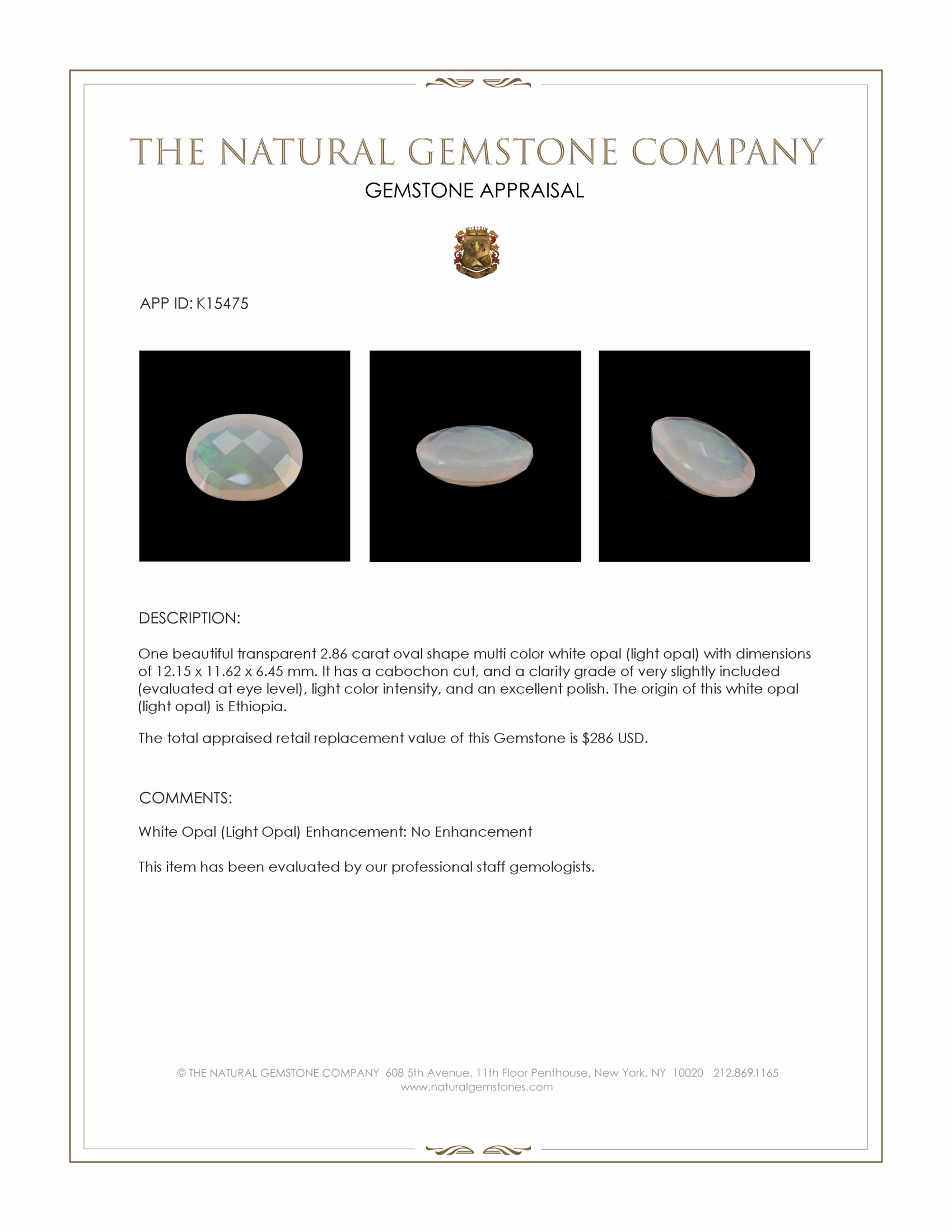
2.86 Ct. Multi Color Cabochon White Opal (Light Opal) from Ethiopia
This loose stone ships by Nov 1
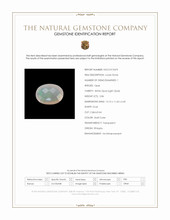
Item ID: | K15475 |
|---|---|
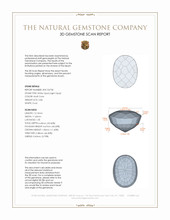
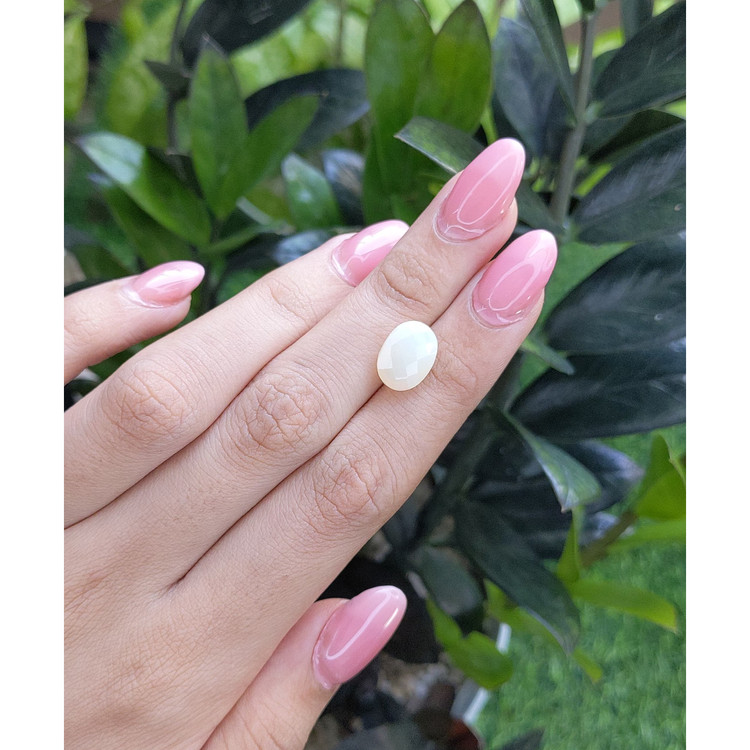
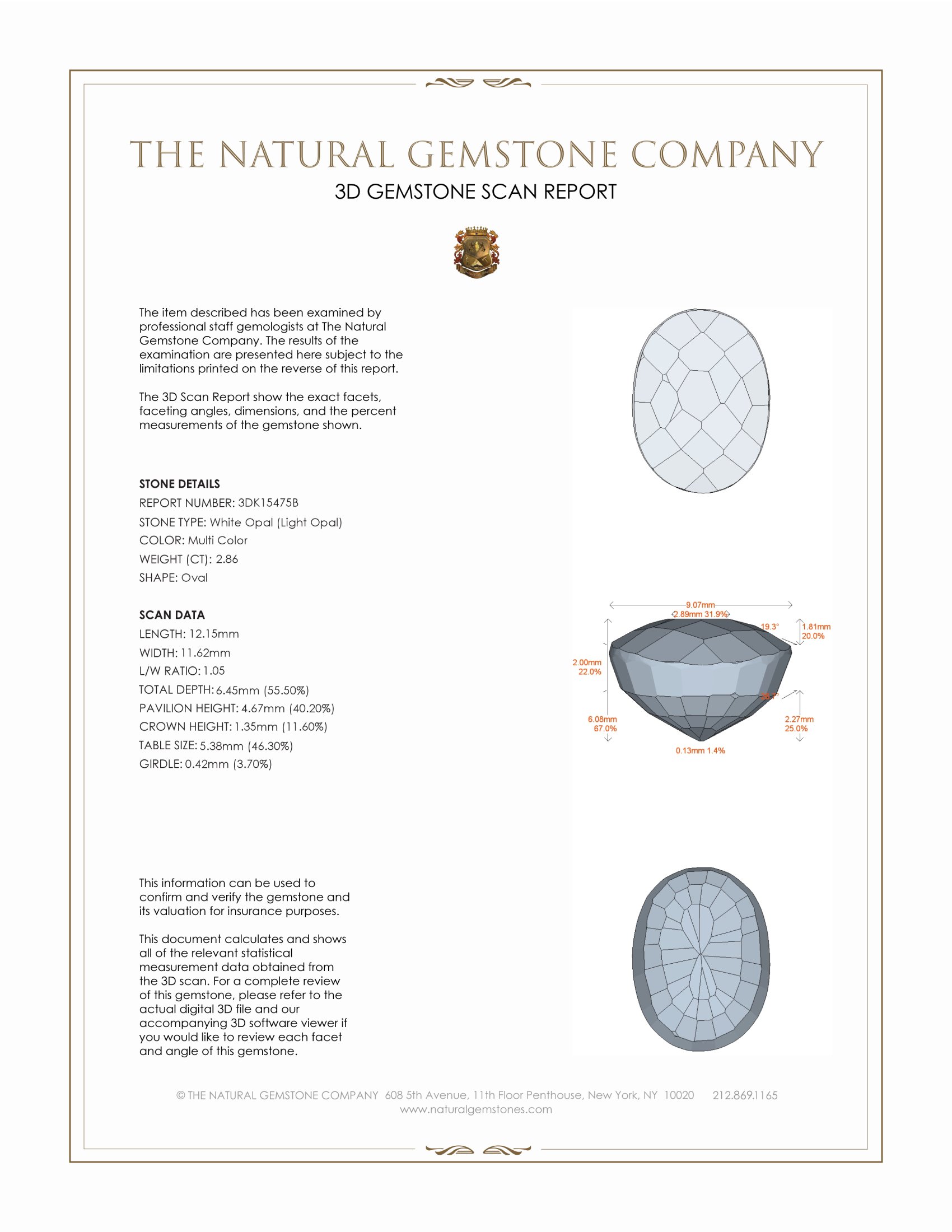
Dimensions (MM): help | Length: 12.15 Width: 11.62 Height: 6.45 |
Weight: | 2.86 Ct. |
Color: help | Multi Color |
Color intensity: help | Light |
Clarity: help | Very Slightly Included |
Shape: help | Oval |
Cut: | Cabochon |
Cutting style: | Cabochon |
Enhancements: help | No Enhancement |
Origin: help | Ethiopia |
Per carat price: help | $100 |
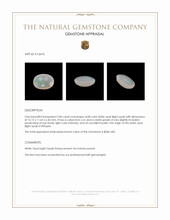
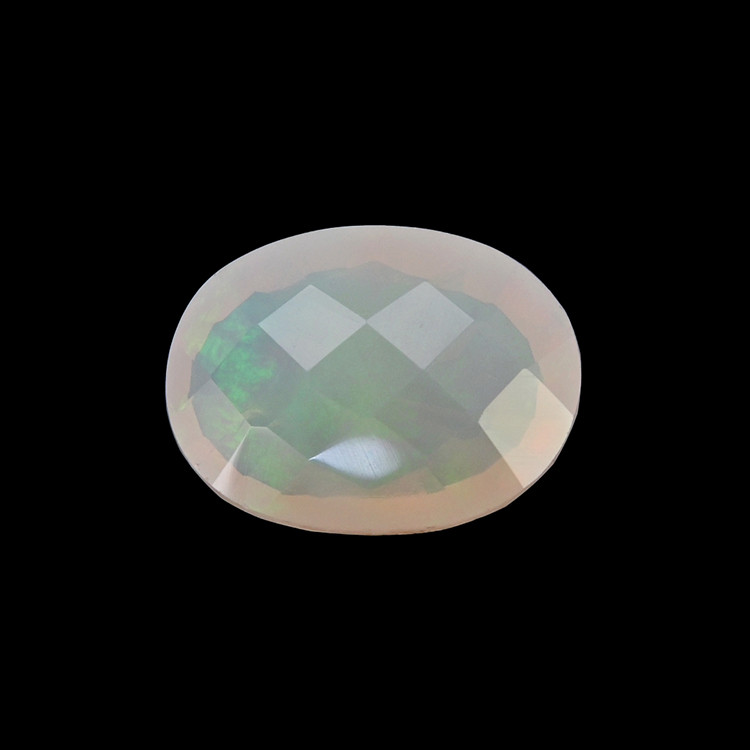
This listing describes a single transparent White Opal, also referenced as White Opal Light Opal, graded and prepared for accurate evaluation and professional use. The gem weighs 2.86 carats, and presents an oval outline with measured dimensions of 12.15 x 11.62 x 6.45 millimeters. The cutting style is cabochon, configured to optimize internal light return and play-of-color typical to Ethiopian light opals. Clarity is reported as very slightly included when examined at eye level, color intensity is light, and the surface finish is an excellent polish. There has been no enhancement applied to this material, and documented origin is Ethiopia. The Natural Gemstone Company provides this description to support informed selection and use, and to serve as a technical reference for setting and design considerations.
Optically the stone exhibits the multi color play-of-color behavior characteristic of opal, with primary flashes and subtler internal iridescence visible against a light, translucent body tone. The transparent to translucent nature of this cabochon allows internal features to influence appearance under varying illumination, resulting in different color distribution when viewed from different angles and lighting conditions. The combination of a light body color and transparent character produces a delicate, airy presentation, while the internal iridescence supplies contrast and dynamic color shifts. These optical attributes are consistent with Ethiopian white opal specimens, and the cabochon form has been selected to showcase the gem’s internal color phenomena rather than to emphasize faceting brilliance.
Inclusions in this specimen should be considered intentional and intrinsic identifiers that contribute to the gem’s natural character. The very slightly included clarity grading reflects the presence of fine internal features that are visible at eye level but do not materially impair the play-of-color or structural integrity of the material. Typical inclusions in light opals can include microscopic silica structure irregularities, minute potch zones, and small internal micro-veils or faint planar features. In the case of Ethiopian opals, one may also find subtle columnar zoning or minute voids related to the formation environment. These internal markers act as a natural fingerprint, aiding in identification and provenance assessment. When examined under loupe or low magnification, the inclusions and internal patterns provide consistent and reproducible diagnostic characteristics that can be used to distinguish natural, untreated material from assembled or synthetic alternatives.
Practical considerations for use, setting, and care are noted to preserve the stone’s appearance and structural condition. The cabochon shape and proportions make this stone suitable for a variety of settings, including bezel mounts and low-profile prongs, where the dome and table can be protected from direct impact. Because this opal is natural and untreated, it retains the hydrated silica structure common to opal, and it is advisable to avoid exposure to extreme temperature shifts, prolonged immersion in solvents, and harsh mechanical agitation such as ultrasonic cleaning. Routine cleaning with mild soap and warm water, followed by gentle drying, is recommended. The Natural Gemstone Company stands behind the described measurements, origin statement, and enhancement disclosure, and can provide additional imagery or magnified views upon request to assist in design and certification workflows. This 2.86 carat Ethiopian White Opal, presented in cabochon form with very slight internal inclusions, offers a documented and characterful example of light opal material suitable for responsible gemstone use and appraisal.


