
- Stone13
- Reports3
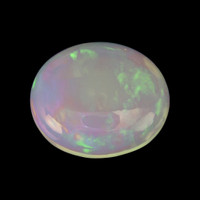

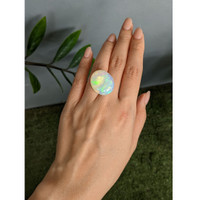

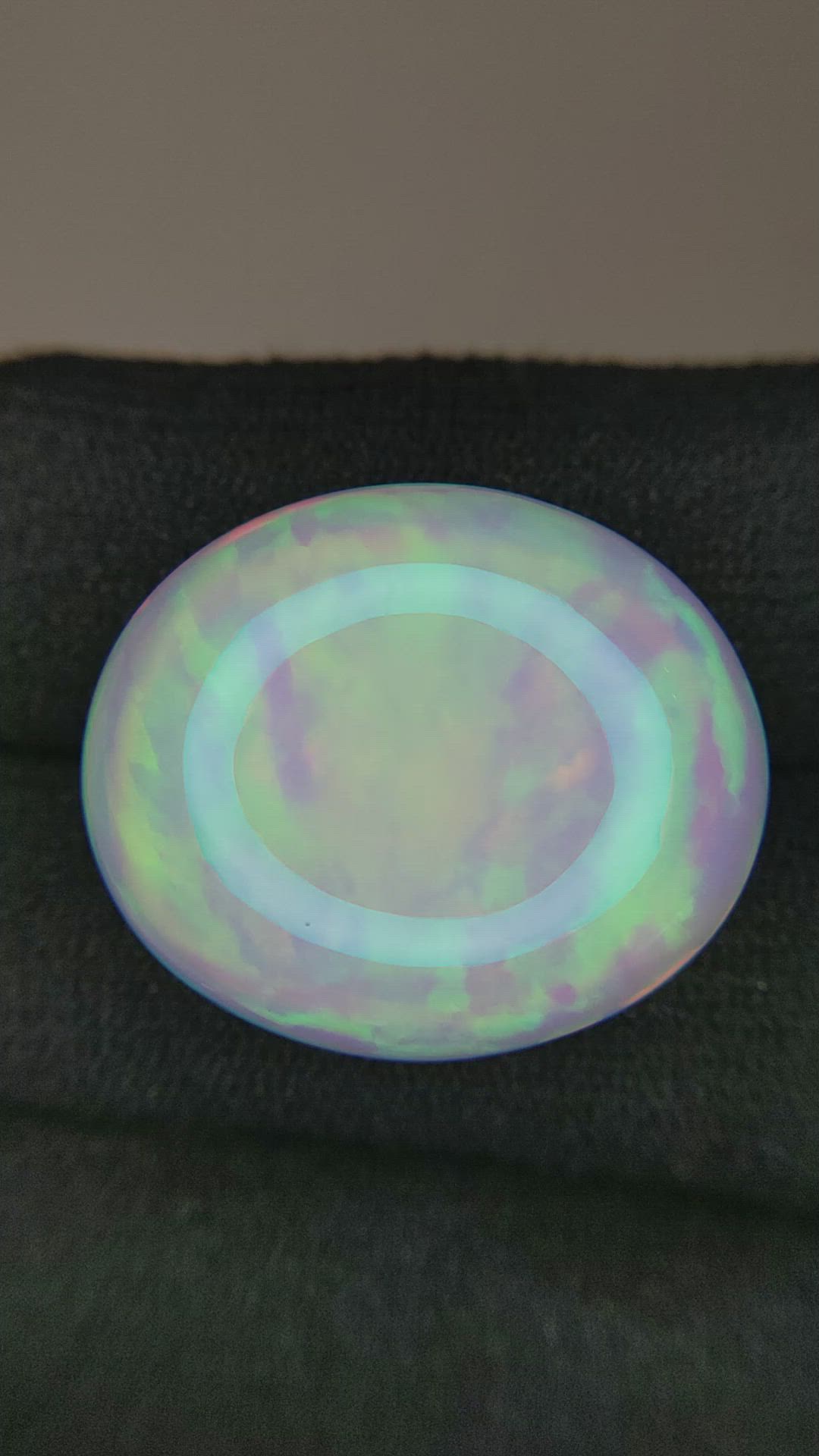
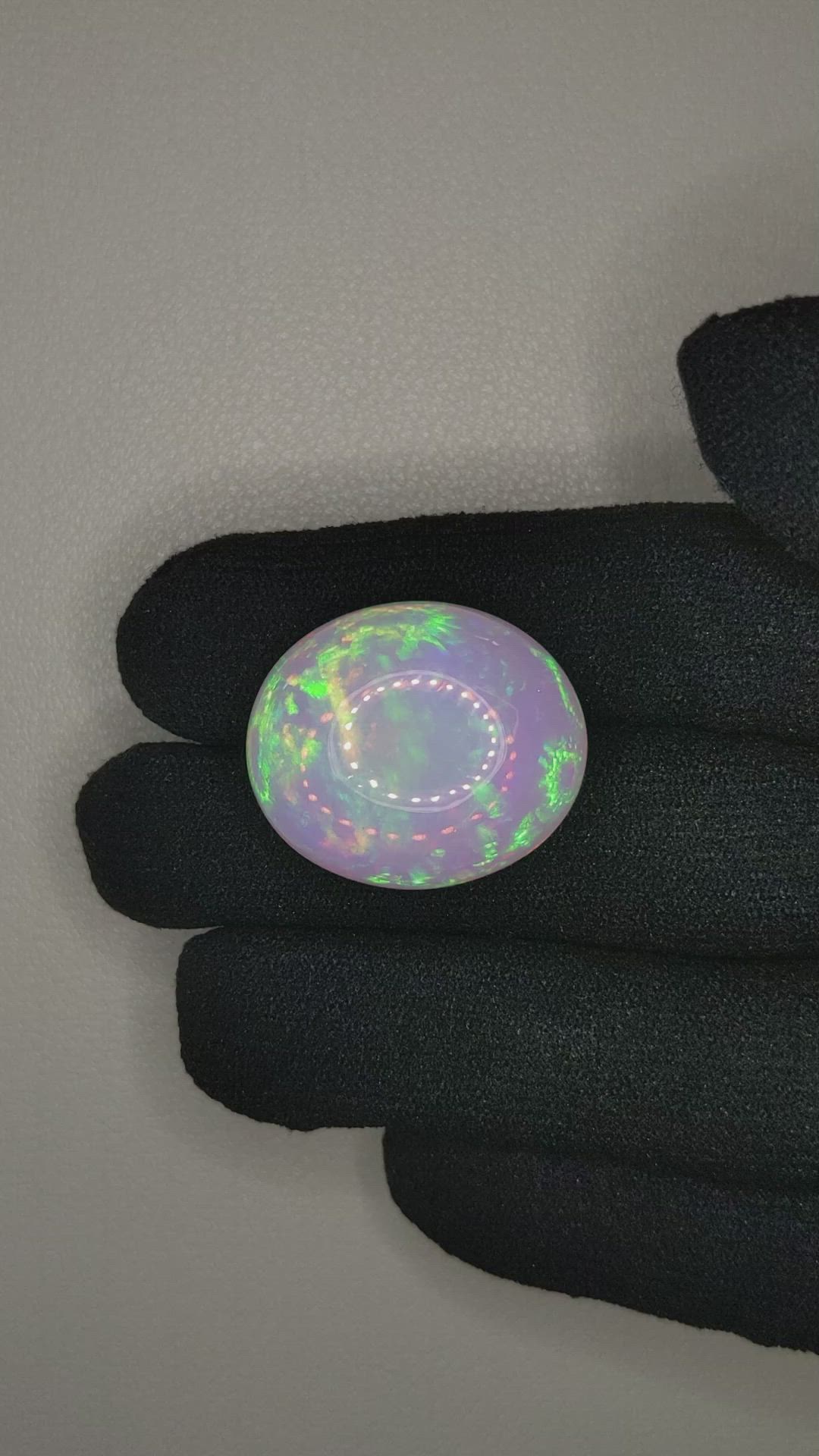



24.81 Ct. Multi Color Cabochon White Opal (Light Opal) from Ethiopia
This loose stone ships by Oct 17
Item ID: | K25355 |
|---|---|
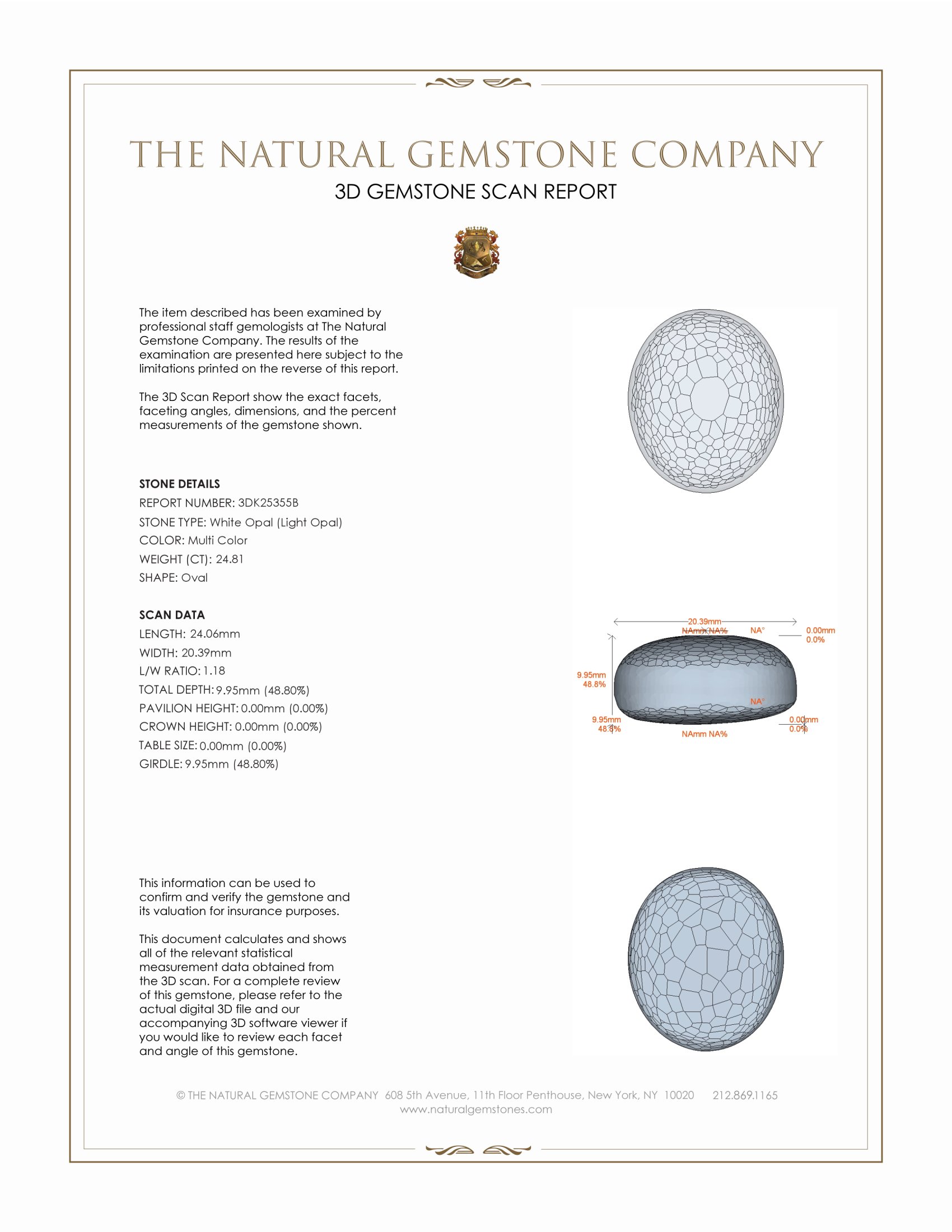
Dimensions (MM): help | Length: 24.06 Width: 20.39 Height: 9.95 |
Weight: | 24.81 Ct. |
Color: help | Multi Color |
Color intensity: help | Medium |
Clarity: help | Very Slightly Included |
Shape: help | Oval |
Cut: | Cabochon |
Cutting style: | Cabochon |
Enhancements: help | No Enhancement |
Origin: help | Ethiopia |
Per carat price: help | $14 |
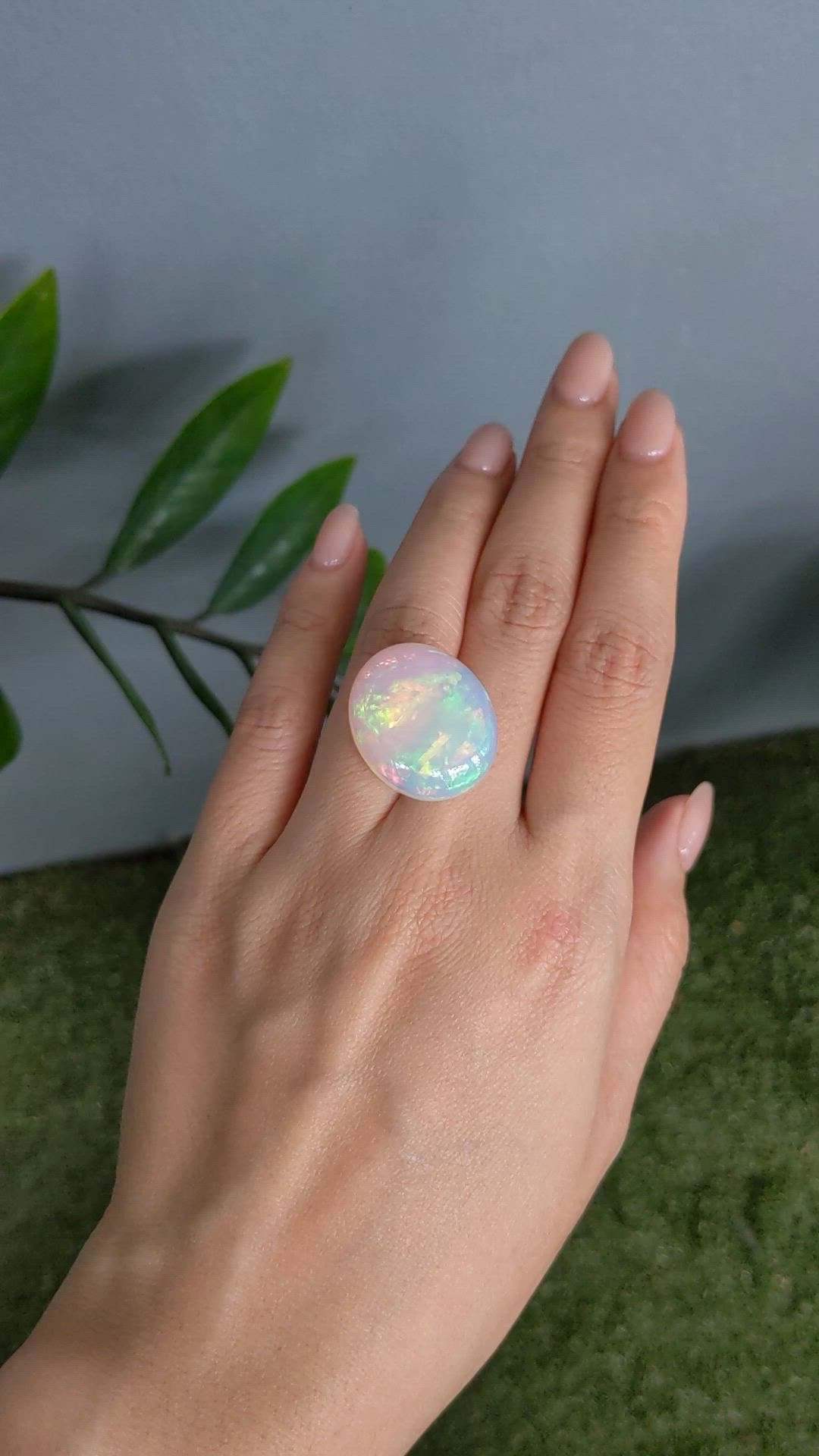
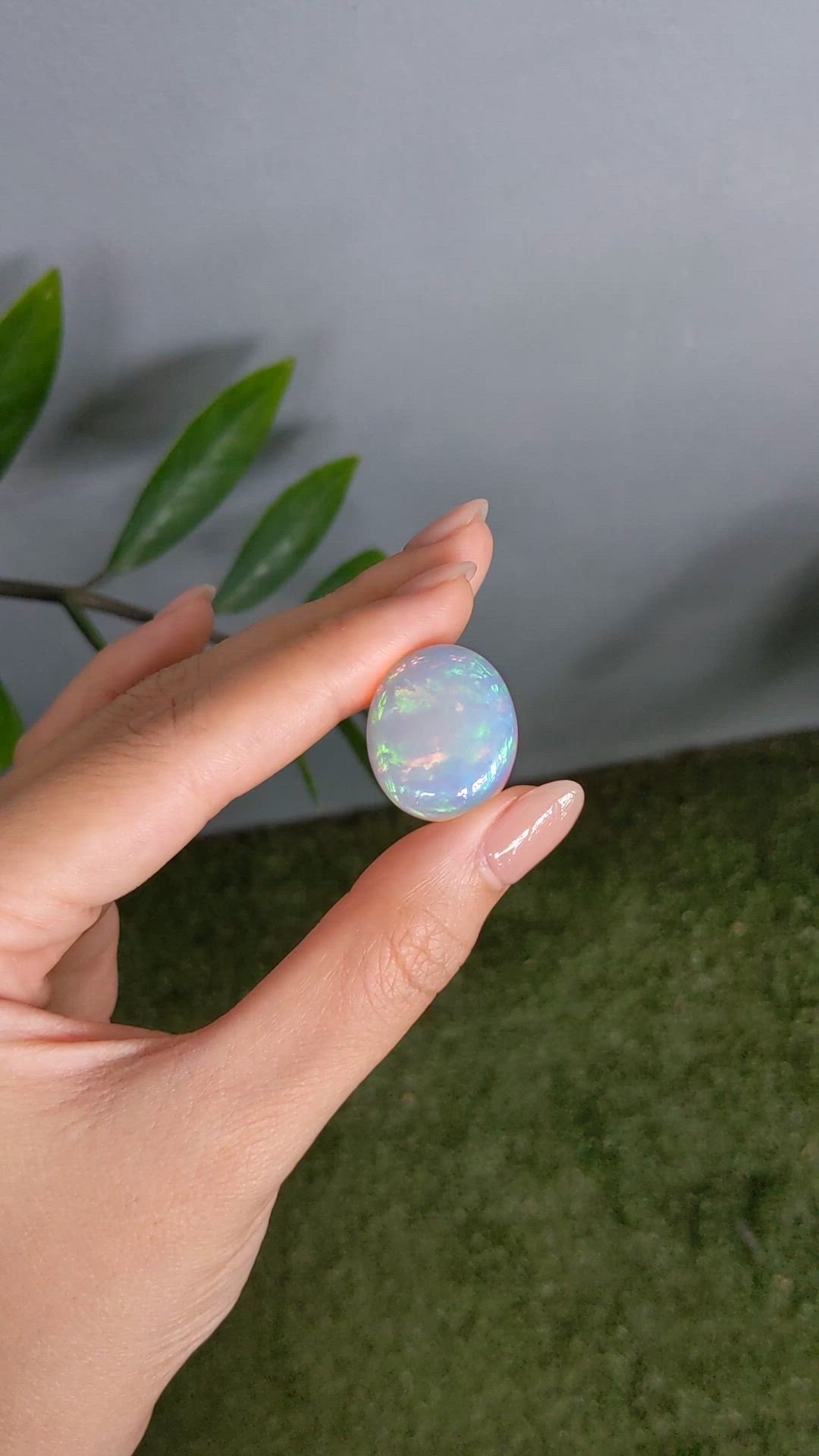
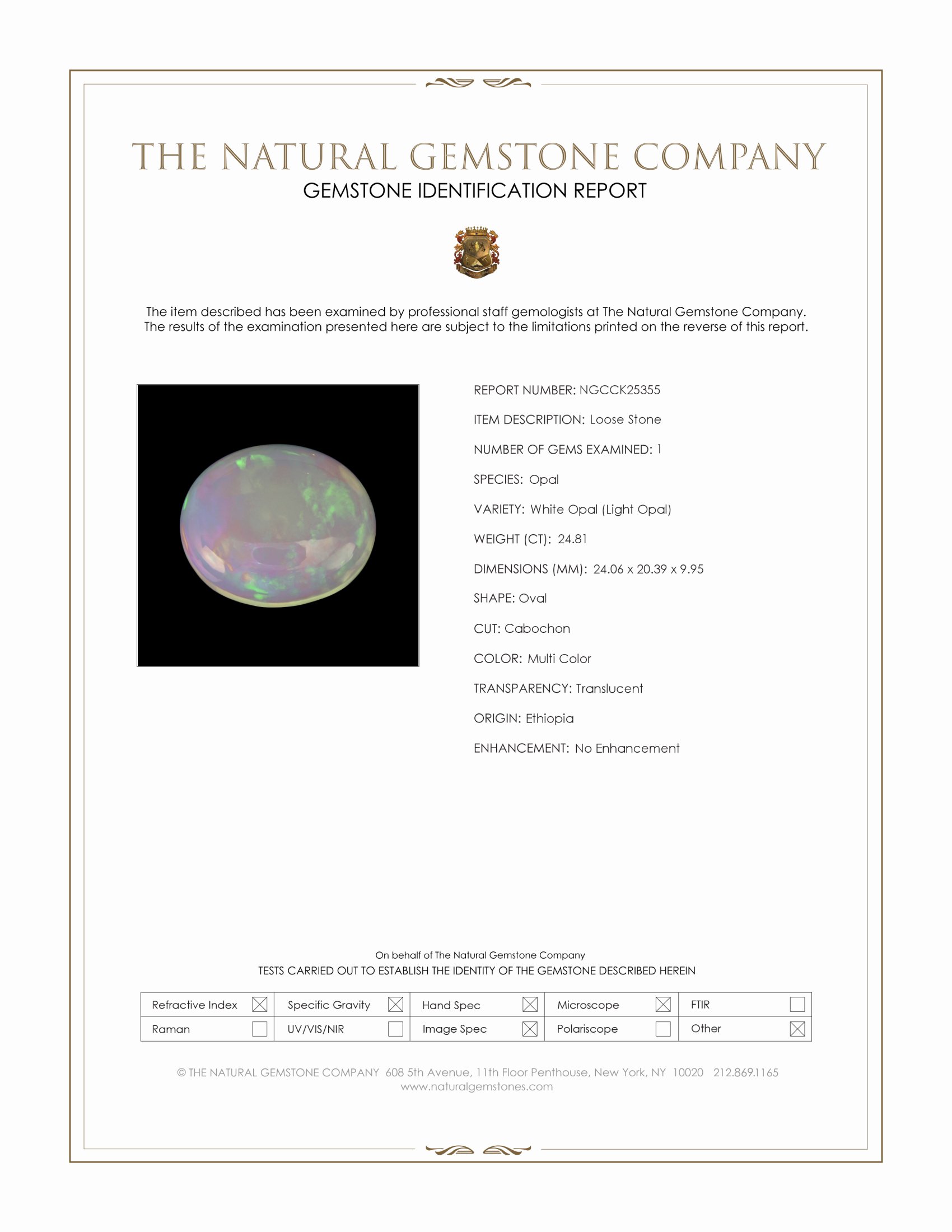
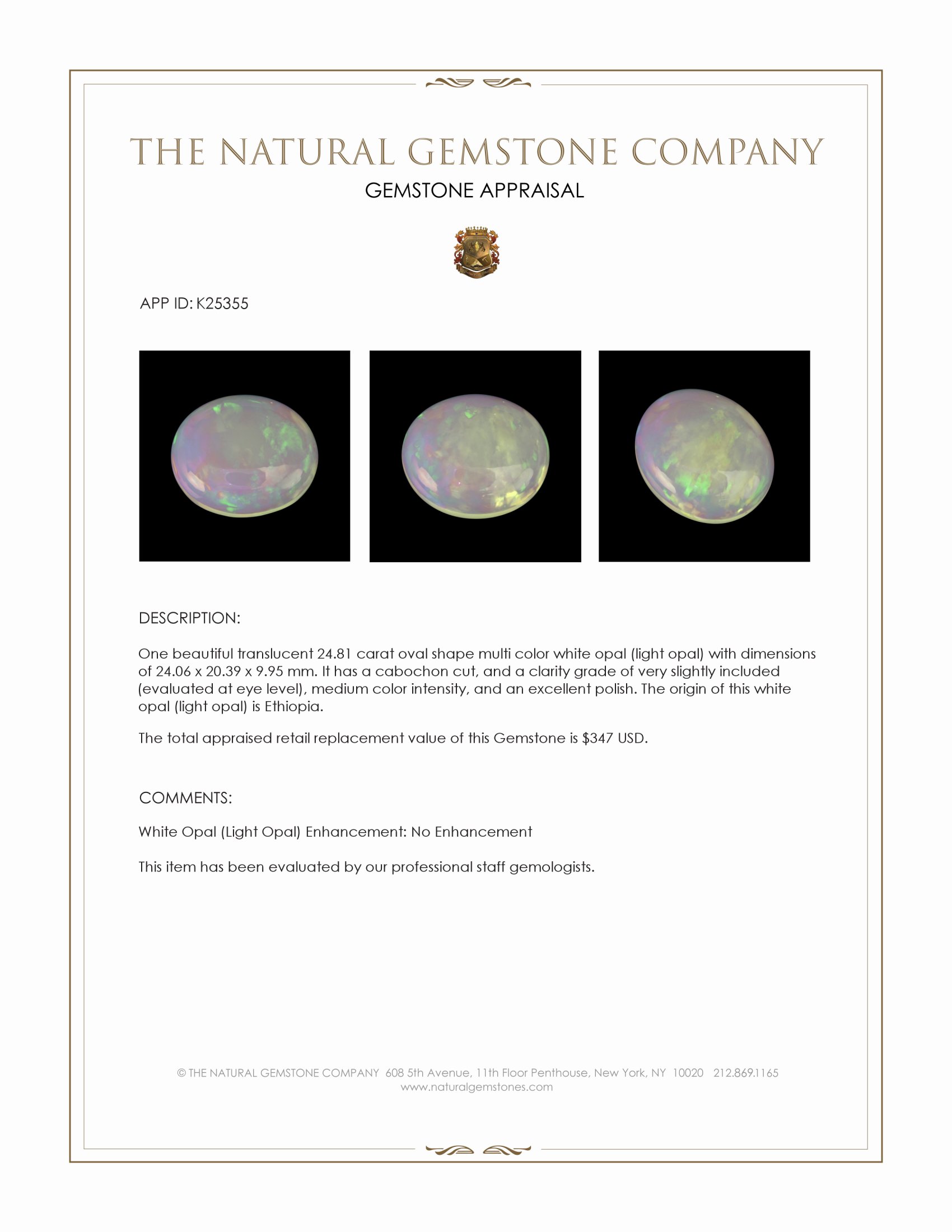
This entry from The Natural Gemstone Company is a translucent White Opal Light Opal, weighing 24.81 carats, presented in a classical oval outline with dimensions 24.06 by 20.39 by 9.95 millimeters. The cutting style is cabochon, executed to emphasize the internal play of color inherent to hydrated amorphous silica opal. Clarity has been graded as very slightly included under standard eye level inspection, and the gem displays medium color intensity against a light body tone. The polish is excellent, with a lustrous, glass like finish across the domed surface, and there has been no enhancement applied to this piece. The origin has been recorded as Ethiopia, and this provenance aligns with the characteristic microstructure and color palette associated with Ethiopian light opals. For reference, the opal class is an amorphous hydrated silica with typical refractive indices in the range near 1.44 to 1.46 and a specific gravity commonly near 2.1, and the observed optical behavior in this specimen is consistent with coherent light diffraction from closely packed silica spheres whose modal diameters determine the dominant color components.
The craftsmanship of the cabochon deserves technical attention because the cutter balanced dome height and pavilion thickness to optimize spectral display while maintaining structural integrity. The almost symmetrical oval outline is proportioned to the stone weight, with the 9.95 millimeter thickness providing enough volume to develop saturated play of color while avoiding excessive internal strain that can occur in thinner slabs. The cabochon profile is smooth and continuous, without facet junctions, which permits uninterrupted light transmission and minimizes surface scattering losses. The excellent polish indicates that the final lap stages removed minor abrasions and left an even microtexture, translating to high specular reflection and crisp internal color patches. By orienting the material so that the principal planes of color are presented to the viewer when examined face up, the lapidary has maximized visible color flash with minimal requirement for reorientation by the end user. Because opal lacks a crystalline lattice, its visual characteristics are primarily determined by internal sphere packing and potch matrix, and the cutter’s decisions regarding dome curvature and thickness are the primary determinants of how those microstructures translate to perceived color.
Inclusions within this White Opal Light Opal are best understood as intrinsic markers that contribute to both identification and aesthetic individuality. The very slightly included grade reflects a field of internal features visible at typical viewing distances, including localized potch zones, subtle thin fissures, and microvoids or discontinuities in the silica matrix that scatter light differently than the surrounding opaline material. These inclusions appear as soft, cloudlike patches or as slightly altered refractive index domains rather than as sharp mineral crystals, and they function as diagnostic signals for origin verification because the morphology and distribution of potch and microvoids are often consistent with Ethiopian formation environments. In practice these inclusions create depth and variation in the play of color, producing areas of intensified green, pink and blue flashes against the light body tone, and they serve as a unique fingerprint for this specific stone. Because no treatments have been applied, all inclusion patterns and the water related microstructure are in their natural state, which preserves their value to gemological examination and to collectors who require traceable, untreated material. From a setting and care perspective the cabochon form reduces stress concentration compared with faceted edges, yet the gem should be secured in protective mounts that minimize exposure to sudden impact and to prolonged drying conditions, preserving both the structural and optical integrity of this distinctive Ethiopian white opal, offered by The Natural Gemstone Company.


